


5063 Résultats
Classification:
livres
livres
Titre:
La sagesse du jardinier
La sagesse du jardinier
Actions:
Prix:
$20.95
(disponible sur commande)
Résumé:
Toutes les instances, tous les dirigeants, tous les citoyens sont avertis de l'absurdité du mode de vie entraîné par l'économie de marché. Le projet humain, conscient ou inconscient, se définit en peu de mots : mourir sous les richesses. Un jardin : enclos destiné à protéger le meilleur. Meilleur des fruits et des légumes - flore nourricière, diversité exploitée -(...)
$20.95
(disponible sur commande)
Résumé:
Toutes les instances, tous les dirigeants, tous les citoyens sont avertis de l'absurdité du mode de vie entraîné par l'économie de marché. Le projet humain, conscient ou inconscient, se définit en peu de mots : mourir sous les richesses. Un jardin : enclos destiné à protéger le meilleur. Meilleur des fruits et des légumes - flore nourricière, diversité exploitée -(...)
Titre:
La sagesse du jardinier
Actions:
Prix:
$20.95
(disponible sur commande)
Résumé:
Toutes les instances, tous les dirigeants, tous les citoyens sont avertis de l'absurdité du mode de vie entraîné par l'économie de marché. Le projet humain, conscient ou inconscient, se définit en peu de mots : mourir sous les richesses. Un jardin : enclos destiné à protéger le meilleur. Meilleur des fruits et des légumes - flore nourricière, diversité exploitée - meilleur des arbres et des fleurs, de l'art de les disposer. L'art des jardins a exprimé son excellence à travers l'architecture et l'ornement. Ces critères ne suffisent plus. La vie qui s'y développe, parce qu'elle est menacée, devient l'argument principal des aménagements. Cette charge efface, sans les interdire, les préséances d'autrefois manier la perspective, disposer les paysages en tableaux, composer les massifs, organiser les fêtes et les distractions. Regarder pourrait bien être la plus juste façon de jardiner demain.
La sagesse du jardinier
Actions:
Prix:
$20.95
(disponible sur commande)
Résumé:
Toutes les instances, tous les dirigeants, tous les citoyens sont avertis de l'absurdité du mode de vie entraîné par l'économie de marché. Le projet humain, conscient ou inconscient, se définit en peu de mots : mourir sous les richesses. Un jardin : enclos destiné à protéger le meilleur. Meilleur des fruits et des légumes - flore nourricière, diversité exploitée - meilleur des arbres et des fleurs, de l'art de les disposer. L'art des jardins a exprimé son excellence à travers l'architecture et l'ornement. Ces critères ne suffisent plus. La vie qui s'y développe, parce qu'elle est menacée, devient l'argument principal des aménagements. Cette charge efface, sans les interdire, les préséances d'autrefois manier la perspective, disposer les paysages en tableaux, composer les massifs, organiser les fêtes et les distractions. Regarder pourrait bien être la plus juste façon de jardiner demain.
Classification:
livres
livres
Publication:
mars 2004, Paris
mars 2004, Paris
Sujet:
Théorie du paysage
Théorie du paysage
Classification:
livres
livres
Titre:
The last landscape
The last landscape
Actions:
Prix:
$43.75
(disponible sur commande)
Résumé:
The remaining corner of an old farm, unclaimed by developers. The brook squeezed between housing plans. Abandoned railroad lines. The stand of woods along an expanded highway. These are the outposts of what was once a larger pattern of forests and farms, the "last landscape." According to William H. Whyte, the place to work out the problems of our metropolitan areas is(...)
$43.75
(disponible sur commande)
Résumé:
The remaining corner of an old farm, unclaimed by developers. The brook squeezed between housing plans. Abandoned railroad lines. The stand of woods along an expanded highway. These are the outposts of what was once a larger pattern of forests and farms, the "last landscape." According to William H. Whyte, the place to work out the problems of our metropolitan areas is(...)
Sujet:
Théorie du paysage
Théorie du paysage
Publication:
janvier 2002, Philadelphia
janvier 2002, Philadelphia
Titre:
The last landscape
Actions:
Prix:
$43.75
(disponible sur commande)
Résumé:
The remaining corner of an old farm, unclaimed by developers. The brook squeezed between housing plans. Abandoned railroad lines. The stand of woods along an expanded highway. These are the outposts of what was once a larger pattern of forests and farms, the "last landscape." According to William H. Whyte, the place to work out the problems of our metropolitan areas is within those areas, not outside them. The age of unchecked expansion without consequence is over, but where there is waste and neglect there is opportunity. Our cities and suburbs are not jammed; they just look that way. There are in fact plenty of ways to use this existing space to the benefit of the community, and The Last Landscape provides a practical and timeless framework for making informed decisions about its use.
The last landscape
Actions:
Prix:
$43.75
(disponible sur commande)
Résumé:
The remaining corner of an old farm, unclaimed by developers. The brook squeezed between housing plans. Abandoned railroad lines. The stand of woods along an expanded highway. These are the outposts of what was once a larger pattern of forests and farms, the "last landscape." According to William H. Whyte, the place to work out the problems of our metropolitan areas is within those areas, not outside them. The age of unchecked expansion without consequence is over, but where there is waste and neglect there is opportunity. Our cities and suburbs are not jammed; they just look that way. There are in fact plenty of ways to use this existing space to the benefit of the community, and The Last Landscape provides a practical and timeless framework for making informed decisions about its use.
Classification:
livres
livres
Publication:
janvier 2002, Philadelphia
janvier 2002, Philadelphia
Sujet:
Théorie du paysage
Théorie du paysage
Classification:
livres
livres
Actions:
Prix:
$39.95
(disponible sur commande)
Résumé:
L'ouvrage présente un choix de textes témoignant de l'intérêt pour le jardin à différentes époques.
$39.95
(disponible sur commande)
Résumé:
L'ouvrage présente un choix de textes témoignant de l'intérêt pour le jardin à différentes époques.
Titre:
Anthologie des bons jardiniers
Actions:
Prix:
$39.95
(disponible sur commande)
Résumé:
L'ouvrage présente un choix de textes témoignant de l'intérêt pour le jardin à différentes époques.
Anthologie des bons jardiniers
Actions:
Prix:
$39.95
(disponible sur commande)
Résumé:
L'ouvrage présente un choix de textes témoignant de l'intérêt pour le jardin à différentes époques.
Classification:
livres
livres
Publication:
septembre 2003, Paris
septembre 2003, Paris
Sujet:
Théorie du paysage
Théorie du paysage
Classification:
livres
livres
Prix:
$40.95
(disponible sur commande)
Résumé:
Les Romains ont organisé et transformé le monde avec une ardeur comparable à celle qu'ont manifestée les pionniers de la révolution industrielle. Conséquence de cette frénésie, de graves problèmes écologiques, évoqués par les auteurs classiques, surgissent à L'Antiquité déjà. Paolo Fedeli en expose les implications territoriales et paysagères. Réunissant les principales(...)
$40.95
(disponible sur commande)
Résumé:
Les Romains ont organisé et transformé le monde avec une ardeur comparable à celle qu'ont manifestée les pionniers de la révolution industrielle. Conséquence de cette frénésie, de graves problèmes écologiques, évoqués par les auteurs classiques, surgissent à L'Antiquité déjà. Paolo Fedeli en expose les implications territoriales et paysagères. Réunissant les principales(...)
Titre:
Écologie antique : milieux et modes de vie dans le monde romain
Actions:
Prix:
$40.95
(disponible sur commande)
Résumé:
Les Romains ont organisé et transformé le monde avec une ardeur comparable à celle qu'ont manifestée les pionniers de la révolution industrielle. Conséquence de cette frénésie, de graves problèmes écologiques, évoqués par les auteurs classiques, surgissent à L'Antiquité déjà. Paolo Fedeli en expose les implications territoriales et paysagères. Réunissant les principales sources, il relit les auteurs grecs et latins pour y découvrir les rapports prévalant entre l'homme et son environnement dans le monde antique.
Écologie antique : milieux et modes de vie dans le monde romain
Actions:
Prix:
$40.95
(disponible sur commande)
Résumé:
Les Romains ont organisé et transformé le monde avec une ardeur comparable à celle qu'ont manifestée les pionniers de la révolution industrielle. Conséquence de cette frénésie, de graves problèmes écologiques, évoqués par les auteurs classiques, surgissent à L'Antiquité déjà. Paolo Fedeli en expose les implications territoriales et paysagères. Réunissant les principales sources, il relit les auteurs grecs et latins pour y découvrir les rapports prévalant entre l'homme et son environnement dans le monde antique.
Classification:
livres
livres
Publication:
décembre 2004, Genève
décembre 2004, Genève
Sujet:
Théorie du paysage
Théorie du paysage
Classification:
livres
livres
Actions:
Prix:
$49.95
(disponible sur commande)
Résumé:
Versailles and the Mechanics of Power explores the significance of the palace and gardens of Versailles. Graafland's exercise consists of superimposing the choreography for the 'Balet Comique de la Royne' of Balthasar de Beaujoyeulx upon the somewhat later gardens of Le Nôtre and the French Sun King. Avoiding a merely visual logic the author analyses the geometric(...)
$49.95
(disponible sur commande)
Résumé:
Versailles and the Mechanics of Power explores the significance of the palace and gardens of Versailles. Graafland's exercise consists of superimposing the choreography for the 'Balet Comique de la Royne' of Balthasar de Beaujoyeulx upon the somewhat later gardens of Le Nôtre and the French Sun King. Avoiding a merely visual logic the author analyses the geometric(...)
Titre:
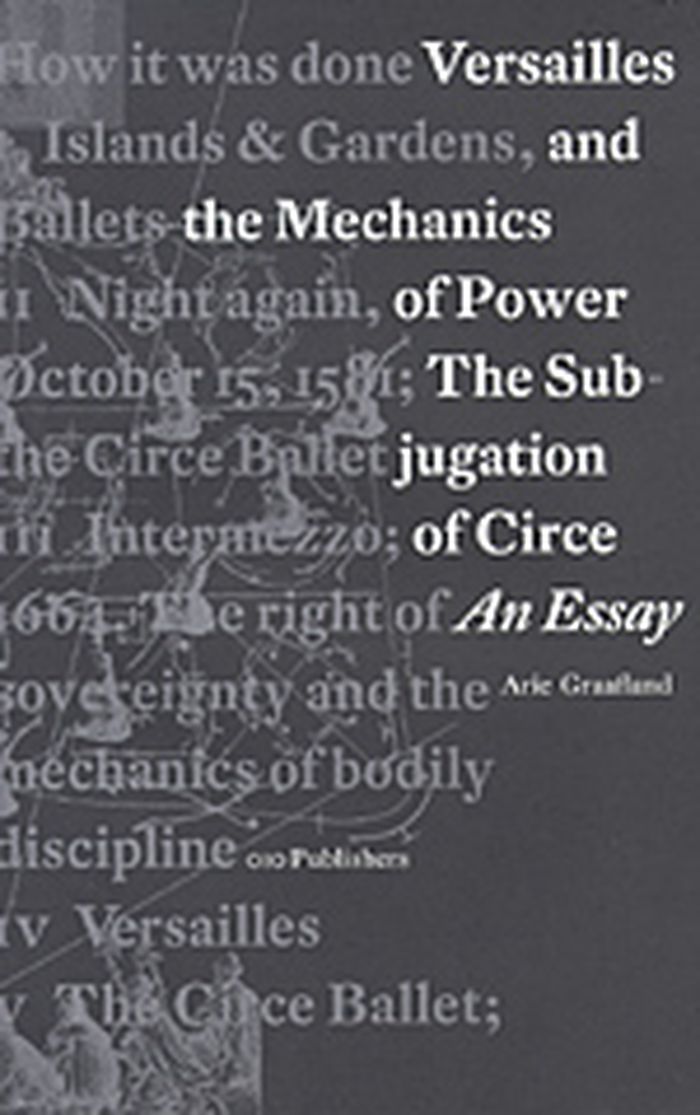
Versailles and the mechanics of power : the subjugation of Circe, an essay
Actions:
Prix:
$49.95
(disponible sur commande)
Résumé:
Versailles and the Mechanics of Power explores the significance of the palace and gardens of Versailles. Graafland's exercise consists of superimposing the choreography for the 'Balet Comique de la Royne' of Balthasar de Beaujoyeulx upon the somewhat later gardens of Le Nôtre and the French Sun King. Avoiding a merely visual logic the author analyses the geometric character of the human body in that ballet and compares layout and ballet as a mechanics of power in an early symbolic state. Drawing on the many books and essays on Versailles, the author has added the ballet structure, a framework that tells us about the sometimes hidden but mostly very explicit desires of this period. These in turn tell us not only about the gardens and ballet but even more about French society at that time. Completing the book is a set of analytical drawings which give us both the layout of Versailles and the choreography of the 'Balet', explaining the mechanics of bodily discipline in the 17th century.
Versailles and the mechanics of power : the subjugation of Circe, an essay
Actions:
Prix:
$49.95
(disponible sur commande)
Résumé:
Versailles and the Mechanics of Power explores the significance of the palace and gardens of Versailles. Graafland's exercise consists of superimposing the choreography for the 'Balet Comique de la Royne' of Balthasar de Beaujoyeulx upon the somewhat later gardens of Le Nôtre and the French Sun King. Avoiding a merely visual logic the author analyses the geometric character of the human body in that ballet and compares layout and ballet as a mechanics of power in an early symbolic state. Drawing on the many books and essays on Versailles, the author has added the ballet structure, a framework that tells us about the sometimes hidden but mostly very explicit desires of this period. These in turn tell us not only about the gardens and ballet but even more about French society at that time. Completing the book is a set of analytical drawings which give us both the layout of Versailles and the choreography of the 'Balet', explaining the mechanics of bodily discipline in the 17th century.
Classification:
livres
livres
Publication:
janvier 2002, Rotterdam
janvier 2002, Rotterdam
Sujet:
Théorie du paysage
Théorie du paysage
Classification:
livres
livres

Titre:
The education of the eye : painting, landscape, and architecture in eighteenth-century Britain
The education of the eye : painting, landscape, and architecture in eighteenth-century Britain
Actions:
Prix:
$30.95
(disponible sur commande)
Résumé:
"The Education of the Eye" examines the origins of visual culture in eighteenth-century Britain. It claims that at the moment when works of visual art were first displayed and contemplated as aesthetic objects, two competing descriptions of the viewer or spectator promoted two very different accounts of culture. The first was constructed on knowledge, on what one(...)
$30.95
(disponible sur commande)
Résumé:
"The Education of the Eye" examines the origins of visual culture in eighteenth-century Britain. It claims that at the moment when works of visual art were first displayed and contemplated as aesthetic objects, two competing descriptions of the viewer or spectator promoted two very different accounts of culture. The first was constructed on knowledge, on what one(...)
Titre:
The education of the eye : painting, landscape, and architecture in eighteenth-century Britain
Actions:
Prix:
$30.95
(disponible sur commande)
Résumé:
"The Education of the Eye" examines the origins of visual culture in eighteenth-century Britain. It claims that at the moment when works of visual art were first displayed and contemplated as aesthetic objects, two competing descriptions of the viewer or spectator promoted two very different accounts of culture. The first was constructed on knowledge, on what one already knew, while the second was grounded in the eye itself. Whereas the first was most likely to lead to a socially and politically elite form of visual cutlure, the second, it was held, would almost certainly end up in the chaos of the mob. But there was another route through these conflicting accounts of the visual that preserved the education of the eye while at the same time allowing the eye freedom to enter into the realm of culture. This third route, that of sentimental look, is explored in a series of contexts: the gallery, the pleasure garden, the landscape park, and the country house. This book sets out to reclaim visual culture for the democracy of the eye and to explain how aesthetic contemplation may, once more, be open to all who have eyes to look.
The education of the eye : painting, landscape, and architecture in eighteenth-century Britain
Actions:
Prix:
$30.95
(disponible sur commande)
Résumé:
"The Education of the Eye" examines the origins of visual culture in eighteenth-century Britain. It claims that at the moment when works of visual art were first displayed and contemplated as aesthetic objects, two competing descriptions of the viewer or spectator promoted two very different accounts of culture. The first was constructed on knowledge, on what one already knew, while the second was grounded in the eye itself. Whereas the first was most likely to lead to a socially and politically elite form of visual cutlure, the second, it was held, would almost certainly end up in the chaos of the mob. But there was another route through these conflicting accounts of the visual that preserved the education of the eye while at the same time allowing the eye freedom to enter into the realm of culture. This third route, that of sentimental look, is explored in a series of contexts: the gallery, the pleasure garden, the landscape park, and the country house. This book sets out to reclaim visual culture for the democracy of the eye and to explain how aesthetic contemplation may, once more, be open to all who have eyes to look.
Classification:
livres
livres
Publication:
juillet 2003, Stanford
juillet 2003, Stanford
Sujet:
Théorie du paysage
Théorie du paysage
Classification:
livres
livres
Prix:
$44.95
(disponible sur commande)
Résumé:
For Rebecca Bushnell, English gardening books tell a tale of the human love for plants and our will to make them do as we wish. These books evoke the desires of gardeners: they show us gardeners who, like poets, imagine not just what is but what should be. In particular, the earliest English garden books, such as Thomas Hill’s The Gardeners Labyrinth or Hugh Platt’s(...)
$44.95
(disponible sur commande)
Résumé:
For Rebecca Bushnell, English gardening books tell a tale of the human love for plants and our will to make them do as we wish. These books evoke the desires of gardeners: they show us gardeners who, like poets, imagine not just what is but what should be. In particular, the earliest English garden books, such as Thomas Hill’s The Gardeners Labyrinth or Hugh Platt’s(...)
Titre:
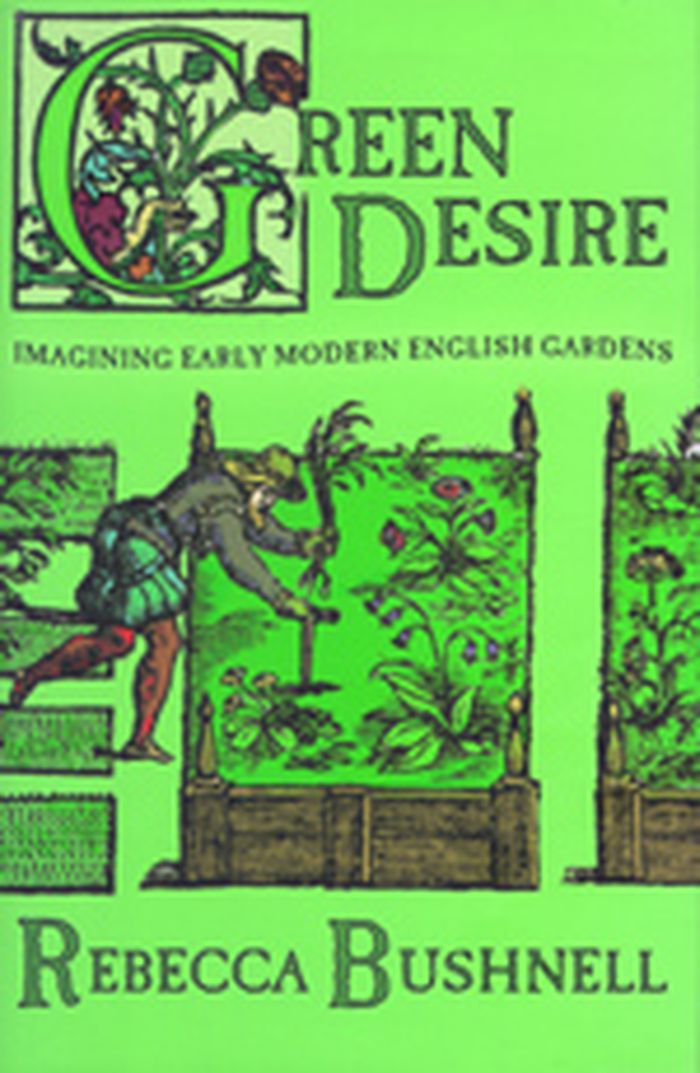
Green desire : imagining early modern English gardens
Actions:
Prix:
$44.95
(disponible sur commande)
Résumé:
For Rebecca Bushnell, English gardening books tell a tale of the human love for plants and our will to make them do as we wish. These books evoke the desires of gardeners: they show us gardeners who, like poets, imagine not just what is but what should be. In particular, the earliest English garden books, such as Thomas Hill’s The Gardeners Labyrinth or Hugh Platt’s Floraes Paradise, mix magical practices with mundane recipes even when the authors insist that they rely completely on their own experience in these matters. Like early modern “books of secrets,” early gardening manuals often promise the reader power to alter the essential properties of plants: to make the gillyflower double, to change the lily’s hue, or to grow a cherry without a stone. "Green Desire" describes the innovative design of the old manuals, examining how writers and printers marketed them as fiction as well as practical advice for aspiring gardeners. Along with this attention to the delights of reading, it analyzes the strange dignity and pleasure of garden labor and the division of men’s and women’s roles in creating garden art. The book ends by recounting the heated debate over how much people could do to create marvels in their own gardens. For writers and readers alike, these green desires inspired dreams of power and self-improvement, fantasies of beauty achieved without work, and hopes for order in an unpredictable world.
Green desire : imagining early modern English gardens
Actions:
Prix:
$44.95
(disponible sur commande)
Résumé:
For Rebecca Bushnell, English gardening books tell a tale of the human love for plants and our will to make them do as we wish. These books evoke the desires of gardeners: they show us gardeners who, like poets, imagine not just what is but what should be. In particular, the earliest English garden books, such as Thomas Hill’s The Gardeners Labyrinth or Hugh Platt’s Floraes Paradise, mix magical practices with mundane recipes even when the authors insist that they rely completely on their own experience in these matters. Like early modern “books of secrets,” early gardening manuals often promise the reader power to alter the essential properties of plants: to make the gillyflower double, to change the lily’s hue, or to grow a cherry without a stone. "Green Desire" describes the innovative design of the old manuals, examining how writers and printers marketed them as fiction as well as practical advice for aspiring gardeners. Along with this attention to the delights of reading, it analyzes the strange dignity and pleasure of garden labor and the division of men’s and women’s roles in creating garden art. The book ends by recounting the heated debate over how much people could do to create marvels in their own gardens. For writers and readers alike, these green desires inspired dreams of power and self-improvement, fantasies of beauty achieved without work, and hopes for order in an unpredictable world.
Classification:
livres
livres
Publication:
octobre 2003, Ithaca, New York
octobre 2003, Ithaca, New York
Sujet:
Théorie du paysage
Théorie du paysage
Classification:
livres
livres
Titre:
The dominion of the dead
The dominion of the dead
Actions:
Prix:
$33.95
(disponible sur commande)
Résumé:
How do the living maintain relations to the dead? Why do we bury people when they die? And what is at stake when we do? In "The dominion of the dead", Robert Pogue Harrison considers the supreme importance of these questions to Western civilization, exploring the many places where the dead cohabit the world of the living--the graves, images, literature, architecture, and(...)
$33.95
(disponible sur commande)
Résumé:
How do the living maintain relations to the dead? Why do we bury people when they die? And what is at stake when we do? In "The dominion of the dead", Robert Pogue Harrison considers the supreme importance of these questions to Western civilization, exploring the many places where the dead cohabit the world of the living--the graves, images, literature, architecture, and(...)
Titre:
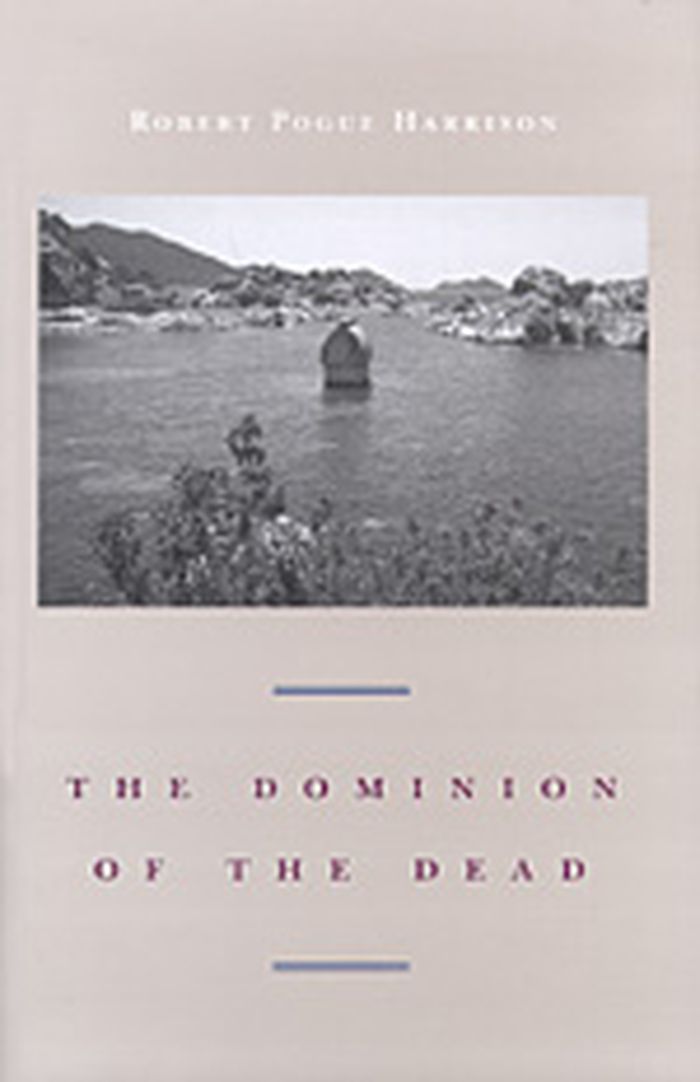
The dominion of the dead
Actions:
Prix:
$33.95
(disponible sur commande)
Résumé:
How do the living maintain relations to the dead? Why do we bury people when they die? And what is at stake when we do? In "The dominion of the dead", Robert Pogue Harrison considers the supreme importance of these questions to Western civilization, exploring the many places where the dead cohabit the world of the living--the graves, images, literature, architecture, and monuments that house the dead in their afterlife among us.
The dominion of the dead
Actions:
Prix:
$33.95
(disponible sur commande)
Résumé:
How do the living maintain relations to the dead? Why do we bury people when they die? And what is at stake when we do? In "The dominion of the dead", Robert Pogue Harrison considers the supreme importance of these questions to Western civilization, exploring the many places where the dead cohabit the world of the living--the graves, images, literature, architecture, and monuments that house the dead in their afterlife among us.
Classification:
livres
livres
Publication:
novembre 2003, Chicago
novembre 2003, Chicago
Sujet:
Théorie du paysage
Théorie du paysage
Classification:
livres
livres
Actions:
Prix:
$86.95
(disponible sur commande)
Résumé:
The art of designing both unites and divides landscape architecture and architecture. Despite having a long tradition, landscape architecture has lacked a concise and illuminating presentation of the fundamental principles underlying its design and planning concepts. This much sought-after book has evolved out of more than twenty years of teaching experience. The(...)
$86.95
(disponible sur commande)
Résumé:
The art of designing both unites and divides landscape architecture and architecture. Despite having a long tradition, landscape architecture has lacked a concise and illuminating presentation of the fundamental principles underlying its design and planning concepts. This much sought-after book has evolved out of more than twenty years of teaching experience. The(...)
Titre:
Opening spaces : design as landscape architecture
Actions:
Prix:
$86.95
(disponible sur commande)
Résumé:
The art of designing both unites and divides landscape architecture and architecture. Despite having a long tradition, landscape architecture has lacked a concise and illuminating presentation of the fundamental principles underlying its design and planning concepts. This much sought-after book has evolved out of more than twenty years of teaching experience. The authors distinguish between the variable factors such as climate, growth of vegetation etc. which are determining parameters in landscape architecture, and the more abstract element of design. They describe the ideal design components and demonstrate the extent to which natural features such as surfaces, spaces, paths, borders, hard and soft materials shape and determine the designs. This book clearly reveals how concepts such as order and chaos, way and goal, intention and reaction form the basis for landscape design, just as they do in architecture.
Opening spaces : design as landscape architecture
Actions:
Prix:
$86.95
(disponible sur commande)
Résumé:
The art of designing both unites and divides landscape architecture and architecture. Despite having a long tradition, landscape architecture has lacked a concise and illuminating presentation of the fundamental principles underlying its design and planning concepts. This much sought-after book has evolved out of more than twenty years of teaching experience. The authors distinguish between the variable factors such as climate, growth of vegetation etc. which are determining parameters in landscape architecture, and the more abstract element of design. They describe the ideal design components and demonstrate the extent to which natural features such as surfaces, spaces, paths, borders, hard and soft materials shape and determine the designs. This book clearly reveals how concepts such as order and chaos, way and goal, intention and reaction form the basis for landscape design, just as they do in architecture.
Classification:
livres
livres
Publication:
octobre 2003, Basel
octobre 2003, Basel
Sujet:
Théorie du paysage
Théorie du paysage
Classification:
livres
livres
Actions:
Prix:
$29.95
(disponible sur commande)
Résumé:
In the second of three books, the author explores the elusive rules that govern flow in nature - from the swirl of a wisp of smoke and eddies in rivers, to the huge persistent storm that is the Great Spot on Jupiter. Whether the movement of wind, water, sand, or flocks of birds, he explains the science of the extraordinary forms and patterns that emerge.
$29.95
(disponible sur commande)
Résumé:
In the second of three books, the author explores the elusive rules that govern flow in nature - from the swirl of a wisp of smoke and eddies in rivers, to the huge persistent storm that is the Great Spot on Jupiter. Whether the movement of wind, water, sand, or flocks of birds, he explains the science of the extraordinary forms and patterns that emerge.
Titre:
Flow: a tapestry in three parts
Actions:
Prix:
$29.95
(disponible sur commande)
Résumé:
In the second of three books, the author explores the elusive rules that govern flow in nature - from the swirl of a wisp of smoke and eddies in rivers, to the huge persistent storm that is the Great Spot on Jupiter. Whether the movement of wind, water, sand, or flocks of birds, he explains the science of the extraordinary forms and patterns that emerge.
Flow: a tapestry in three parts
Actions:
Prix:
$29.95
(disponible sur commande)
Résumé:
In the second of three books, the author explores the elusive rules that govern flow in nature - from the swirl of a wisp of smoke and eddies in rivers, to the huge persistent storm that is the Great Spot on Jupiter. Whether the movement of wind, water, sand, or flocks of birds, he explains the science of the extraordinary forms and patterns that emerge.
Classification:
livres
livres
Publication:
avril 2008
avril 2008
Sujet:
Théorie du paysage
Théorie du paysage


