


48 Résultats
Classification:
livres
livres
Titre:
Alphabet city 10 : suspects
Alphabet city 10 : suspects
Actions:
Prix:
$18.95
(disponible en magasin)
Résumé:
What is the condition of the suspect in a post-9/11 world? Do perpetual detention, ubiquitous surveillance cameras, and the legal apparatus of the USA Patriot Act target suspects accurately or generate suspicion indiscriminately? "Suspect", the latest in a series from Alphabet City and the first in its new format of topical book-length magazines, gathers hard evidence(...)
$18.95
(disponible en magasin)
Résumé:
What is the condition of the suspect in a post-9/11 world? Do perpetual detention, ubiquitous surveillance cameras, and the legal apparatus of the USA Patriot Act target suspects accurately or generate suspicion indiscriminately? "Suspect", the latest in a series from Alphabet City and the first in its new format of topical book-length magazines, gathers hard evidence(...)
Titre:
Alphabet city 10 : suspects
Actions:
Prix:
$18.95
(disponible en magasin)
Résumé:
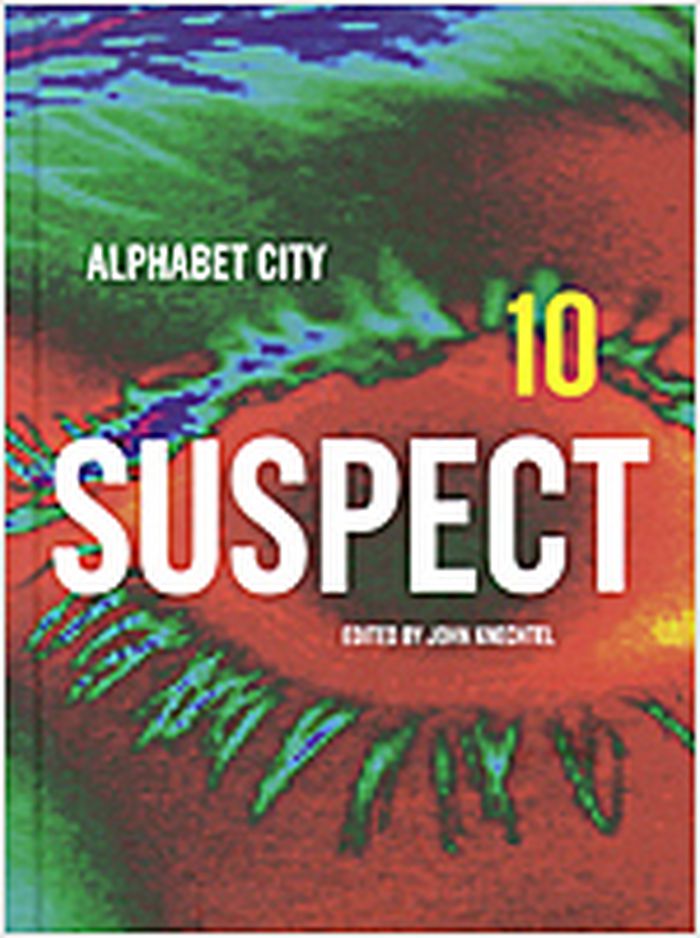
What is the condition of the suspect in a post-9/11 world? Do perpetual detention, ubiquitous surveillance cameras, and the legal apparatus of the USA Patriot Act target suspects accurately or generate suspicion indiscriminately? "Suspect", the latest in a series from Alphabet City and the first in its new format of topical book-length magazines, gathers hard evidence about the fate of the suspect in a culture of suspicion with contributions from writers, artists, and filmmakers. Their testimony takes a multiplicity of forms and formats. Among them:a 24-page color comic by graphic novelist Joey Dubuc asks the reader to make narrative choices in a web of surveillance, suspicion, and fear. Harper's contributor Mark Kingwell observes that while suspicion tries to isolate the suspect, in fact we are all the suspect. Slavoj Zizek reflects on the new cultural status of the suspect after Abu Ghraib. Philosopher George Bragues argues that even as the United Nations looks for ways to discipline "suspect nations," it simply cannot succeed under current international conditions. Alphabet City editor John Knechtel interviews Naomi Klein, author of No Logo, about the legal and political strategies of the Bush administration. Sylwia Chrostowska describes what happens, in the the 1970 Italian film Investigation of a Citizen Above Suspicion, when a corrupt official investigates himself. Screenwriter Timothy Stock and illustrator Warren Heise create a documentary in comic form about Critical Ensemble artist Steve Kurtz, charged under the bioterrorism provisions of the Patriot Act. Novelist Camilla Gibb portrays, in "Things Collapse," the terrifying effects of a "separating sickness" of unknown origin, which perhaps exists only in the fears of the population it strikes. And novelist Diana Fitzgerald Bryden follows her character Rafa Ahmed, a PFLP hijacker from the 1970s, as, many years later, she is to appear at a peace conference. Filmmaker Patricia Rozema, director of Mansfield Park and other films, contributes a 16-page film-in-a-book, "Suspect." Suspect is a non-partisan handbook on the mechanisms and machinations of suspicion for the twenty-first century national security state.
Alphabet city 10 : suspects
Actions:
Prix:
$18.95
(disponible en magasin)
Résumé:
What is the condition of the suspect in a post-9/11 world? Do perpetual detention, ubiquitous surveillance cameras, and the legal apparatus of the USA Patriot Act target suspects accurately or generate suspicion indiscriminately? "Suspect", the latest in a series from Alphabet City and the first in its new format of topical book-length magazines, gathers hard evidence about the fate of the suspect in a culture of suspicion with contributions from writers, artists, and filmmakers. Their testimony takes a multiplicity of forms and formats. Among them:a 24-page color comic by graphic novelist Joey Dubuc asks the reader to make narrative choices in a web of surveillance, suspicion, and fear. Harper's contributor Mark Kingwell observes that while suspicion tries to isolate the suspect, in fact we are all the suspect. Slavoj Zizek reflects on the new cultural status of the suspect after Abu Ghraib. Philosopher George Bragues argues that even as the United Nations looks for ways to discipline "suspect nations," it simply cannot succeed under current international conditions. Alphabet City editor John Knechtel interviews Naomi Klein, author of No Logo, about the legal and political strategies of the Bush administration. Sylwia Chrostowska describes what happens, in the the 1970 Italian film Investigation of a Citizen Above Suspicion, when a corrupt official investigates himself. Screenwriter Timothy Stock and illustrator Warren Heise create a documentary in comic form about Critical Ensemble artist Steve Kurtz, charged under the bioterrorism provisions of the Patriot Act. Novelist Camilla Gibb portrays, in "Things Collapse," the terrifying effects of a "separating sickness" of unknown origin, which perhaps exists only in the fears of the population it strikes. And novelist Diana Fitzgerald Bryden follows her character Rafa Ahmed, a PFLP hijacker from the 1970s, as, many years later, she is to appear at a peace conference. Filmmaker Patricia Rozema, director of Mansfield Park and other films, contributes a 16-page film-in-a-book, "Suspect." Suspect is a non-partisan handbook on the mechanisms and machinations of suspicion for the twenty-first century national security state.
Classification:
livres
livres
Publication:
octobre 2005, Cambridge, London
octobre 2005, Cambridge, London
Sujet:
petits formats
petits formats
Classification:
livres
livres
Actions:
Prix:
$36.00
(disponible en magasin)
Résumé:
How do we break a culture of mistrust while suspicion of fellow humans, governments and capitalist enterprise seems to keep growing? Feelings of powerlessness are often cited as the main cause. We look for remedies in rules, contracts, assurances and audits, as well as in "good governance." But do they really provide trust? In ''Trust: Building on the Cultural Commons'',(...)
$36.00
(disponible en magasin)
Résumé:
How do we break a culture of mistrust while suspicion of fellow humans, governments and capitalist enterprise seems to keep growing? Feelings of powerlessness are often cited as the main cause. We look for remedies in rules, contracts, assurances and audits, as well as in "good governance." But do they really provide trust? In ''Trust: Building on the Cultural Commons'',(...)
Titre:
Trust: Building on the cultural commons
Actions:
Prix:
$36.00
(disponible en magasin)
Résumé:
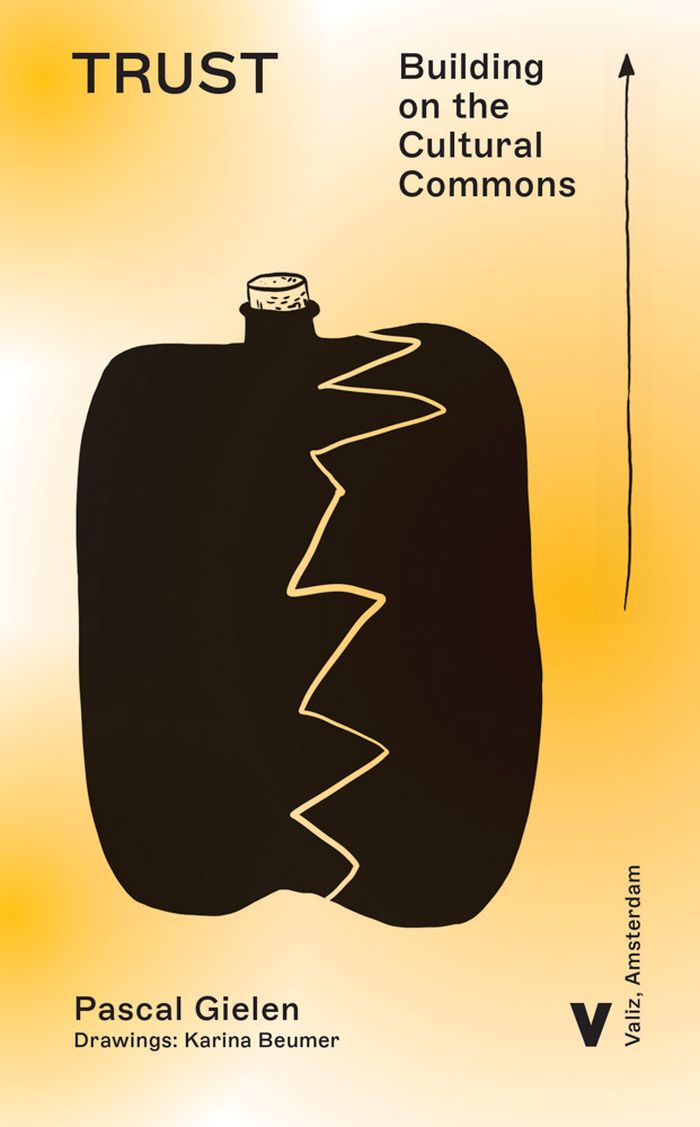
How do we break a culture of mistrust while suspicion of fellow humans, governments and capitalist enterprise seems to keep growing? Feelings of powerlessness are often cited as the main cause. We look for remedies in rules, contracts, assurances and audits, as well as in "good governance." But do they really provide trust? In ''Trust: Building on the Cultural Commons'', featuring drawings by Karina Beumer (born 1988), sociologist of art and cultural politics Pascal Gielen (born 1970) highlights the crucial role played by the cultural commons, shared "common" life and its customs, practices, knowledge and values. Trust is, after all, a matter of culture, of feeling and even of aesthetics. Broad societal trust begins with sharing vulnerabilities, and the commons, according to Gielen, provides space for that—breathing space and experimental space. How could a society and a policy further build on this?
Trust: Building on the cultural commons
Actions:
Prix:
$36.00
(disponible en magasin)
Résumé:
How do we break a culture of mistrust while suspicion of fellow humans, governments and capitalist enterprise seems to keep growing? Feelings of powerlessness are often cited as the main cause. We look for remedies in rules, contracts, assurances and audits, as well as in "good governance." But do they really provide trust? In ''Trust: Building on the Cultural Commons'', featuring drawings by Karina Beumer (born 1988), sociologist of art and cultural politics Pascal Gielen (born 1970) highlights the crucial role played by the cultural commons, shared "common" life and its customs, practices, knowledge and values. Trust is, after all, a matter of culture, of feeling and even of aesthetics. Broad societal trust begins with sharing vulnerabilities, and the commons, according to Gielen, provides space for that—breathing space and experimental space. How could a society and a policy further build on this?
Classification:
livres
livres
Publication:
juin 2025
juin 2025
Sujet:
Social
Social
Classification:
livres
livres
Titre:
The file on H.
The file on H.
Actions:
Prix:
$19.95
(disponible sur commande)
Résumé:
In the mid-1930s, two Irish Americans travel to the Albanian highlands with an early model of a marvelous invention, the tape recorder. Their mission? To discover how Homer could have composed works as brilliant and as long as The Iliad and The Odyssey without ever putting pen to paper. The answer, they believe, can be found only in Albania, the last remaining habitat of(...)
$19.95
(disponible sur commande)
Résumé:
In the mid-1930s, two Irish Americans travel to the Albanian highlands with an early model of a marvelous invention, the tape recorder. Their mission? To discover how Homer could have composed works as brilliant and as long as The Iliad and The Odyssey without ever putting pen to paper. The answer, they believe, can be found only in Albania, the last remaining habitat of(...)
Titre:
The file on H.
Actions:
Prix:
$19.95
(disponible sur commande)
Résumé:
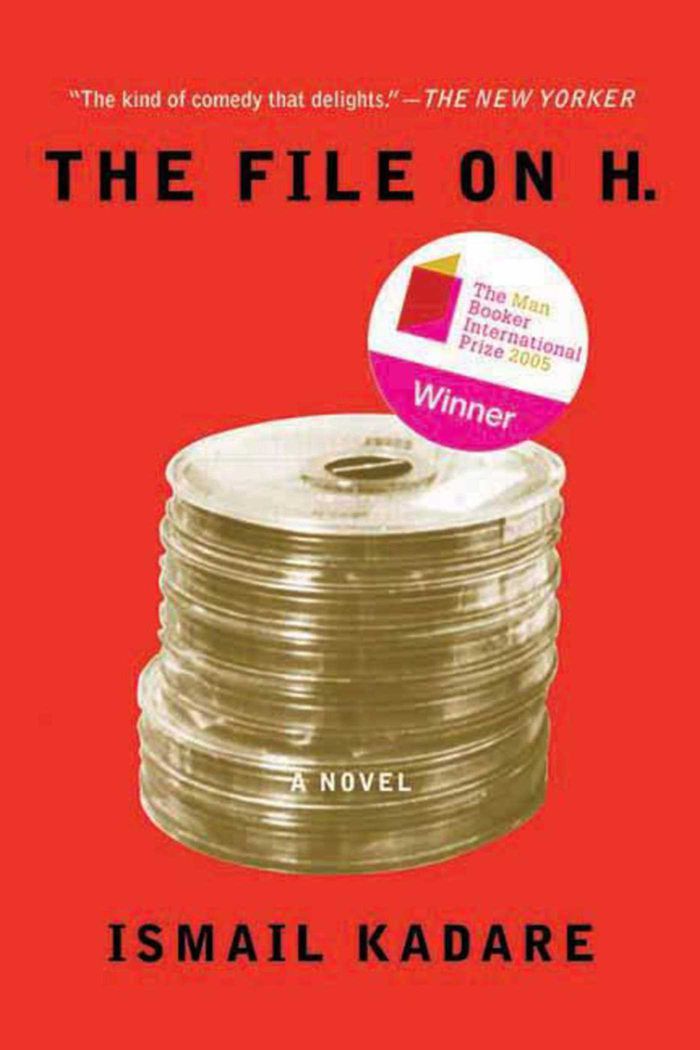
In the mid-1930s, two Irish Americans travel to the Albanian highlands with an early model of a marvelous invention, the tape recorder. Their mission? To discover how Homer could have composed works as brilliant and as long as The Iliad and The Odyssey without ever putting pen to paper. The answer, they believe, can be found only in Albania, the last remaining habitat of the oral epic. But immediately upon their arrival, the scholars’ seemingly arcane research excites suspicion and puts them at the center of ethnic strife in the Balkans. Mistaken for foreign spies, they are placed under surveillance and are dogged by gossip and intrigue. It isn’t until a fierce-eyed monk from the Serbian side of the mountains makes his appearance that the scholars glimpse the full political import of their search for the key to the Homeric question.
The file on H.
Actions:
Prix:
$19.95
(disponible sur commande)
Résumé:
In the mid-1930s, two Irish Americans travel to the Albanian highlands with an early model of a marvelous invention, the tape recorder. Their mission? To discover how Homer could have composed works as brilliant and as long as The Iliad and The Odyssey without ever putting pen to paper. The answer, they believe, can be found only in Albania, the last remaining habitat of the oral epic. But immediately upon their arrival, the scholars’ seemingly arcane research excites suspicion and puts them at the center of ethnic strife in the Balkans. Mistaken for foreign spies, they are placed under surveillance and are dogged by gossip and intrigue. It isn’t until a fierce-eyed monk from the Serbian side of the mountains makes his appearance that the scholars glimpse the full political import of their search for the key to the Homeric question.
Classification:
livres
livres
Publication:
mai 2013
mai 2013
Sujet:
Expositions en cours
Expositions en cours
Classification:
livres
livres
Actions:
Prix:
$33.00
(disponible en magasin)
Résumé:
How does media architecture distribute suspicion and trust? What is a collage of media architecture? How is media architecture vectored? How can media architecture address privilege? These questions and conceptual provocations aim to challenge the binary of techno-optimism and technological agoraphobia, offering a platform for developing new, critically and contextually(...)
$33.00
(disponible en magasin)
Résumé:
How does media architecture distribute suspicion and trust? What is a collage of media architecture? How is media architecture vectored? How can media architecture address privilege? These questions and conceptual provocations aim to challenge the binary of techno-optimism and technological agoraphobia, offering a platform for developing new, critically and contextually(...)
Publication:
novembre 2023
novembre 2023
Titre:
Provocations on media architecture
Actions:
Prix:
$33.00
(disponible en magasin)
Résumé:
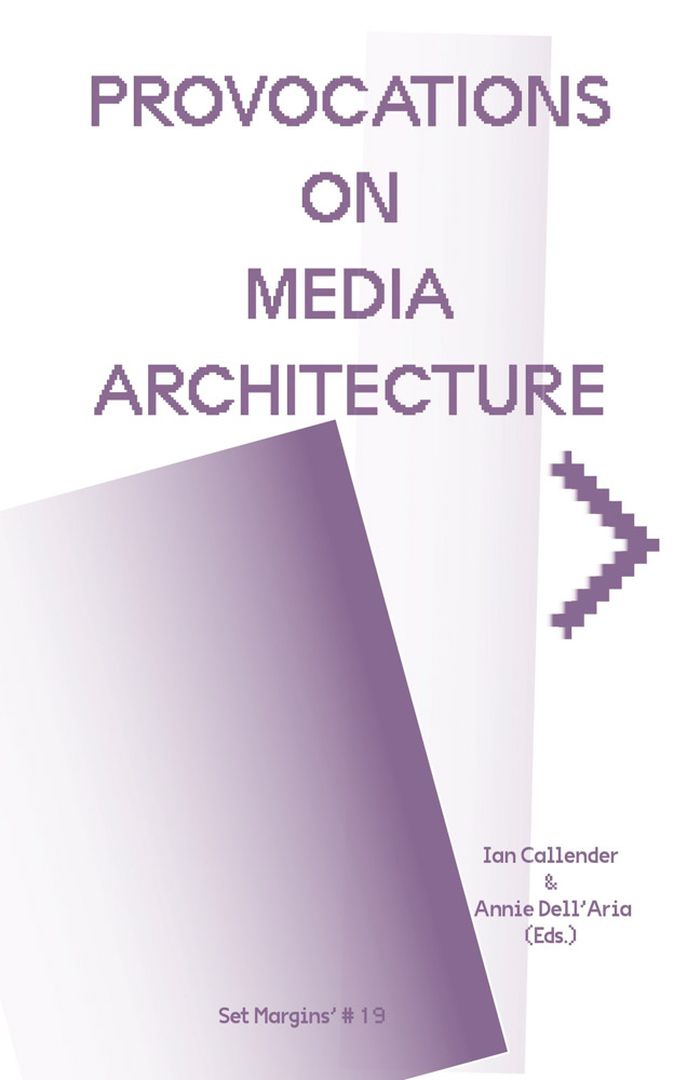
How does media architecture distribute suspicion and trust? What is a collage of media architecture? How is media architecture vectored? How can media architecture address privilege? These questions and conceptual provocations aim to challenge the binary of techno-optimism and technological agoraphobia, offering a platform for developing new, critically and contextually rooted theories that media architecture might grab hold of. Intentionally open-ended, ''Provocations on Media Architecture'' brings together 21 thought leaders across architecture, visual arts, design, curation, academia and public policy to address these ideas and themes. Authors respond with images and brief texts incorporating the perspective of their own creative and scholarly practice. Entries range from descriptions of relevant artworks and design projects to reflections spawned from first-person encounters with media architecture in situ, scholarly analyses and AI-assisted theory.
Provocations on media architecture
Actions:
Prix:
$33.00
(disponible en magasin)
Résumé:
How does media architecture distribute suspicion and trust? What is a collage of media architecture? How is media architecture vectored? How can media architecture address privilege? These questions and conceptual provocations aim to challenge the binary of techno-optimism and technological agoraphobia, offering a platform for developing new, critically and contextually rooted theories that media architecture might grab hold of. Intentionally open-ended, ''Provocations on Media Architecture'' brings together 21 thought leaders across architecture, visual arts, design, curation, academia and public policy to address these ideas and themes. Authors respond with images and brief texts incorporating the perspective of their own creative and scholarly practice. Entries range from descriptions of relevant artworks and design projects to reflections spawned from first-person encounters with media architecture in situ, scholarly analyses and AI-assisted theory.
Classification:
livres
livres
Publication:
novembre 2023
novembre 2023
Classification:
livres
livres
Actions:
Prix:
$58.00
(disponible sur commande)
Résumé:
Occult practices, seances and magic have traditionally been met with suspicion in the world of high culture, but they are currently getting a fresh look. Turns out, they have long had a quiet influence on art--at least since the mid-1800s. The Message demonstrates this fascinating history with paranormal-influenced paintings, drawings and thought photographs, a term for(...)
$58.00
(disponible sur commande)
Résumé:
Occult practices, seances and magic have traditionally been met with suspicion in the world of high culture, but they are currently getting a fresh look. Turns out, they have long had a quiet influence on art--at least since the mid-1800s. The Message demonstrates this fascinating history with paranormal-influenced paintings, drawings and thought photographs, a term for(...)
Sujet:
Théorie de l’art
Théorie de l’art
Publication:
mars 2008, Köln
mars 2008, Köln
Titre:
The Message: Art and Occultism
Actions:
Prix:
$58.00
(disponible sur commande)
Résumé:
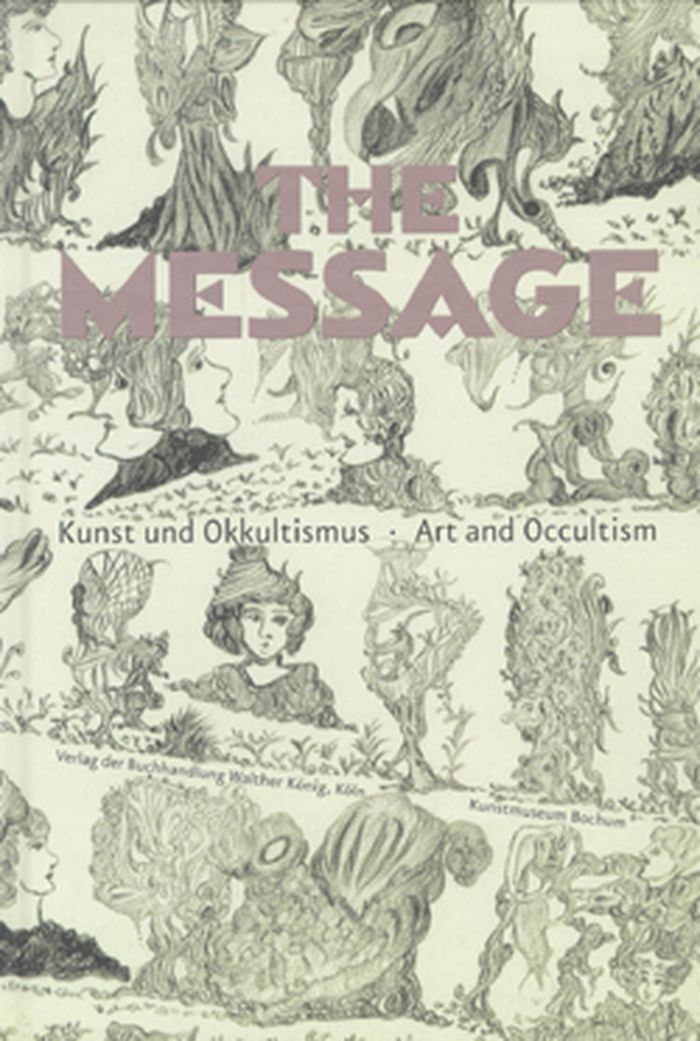
Occult practices, seances and magic have traditionally been met with suspicion in the world of high culture, but they are currently getting a fresh look. Turns out, they have long had a quiet influence on art--at least since the mid-1800s. The Message demonstrates this fascinating history with paranormal-influenced paintings, drawings and thought photographs, a term for the phenomenon of imprinting an image from one's mind directly onto a photographic medium--something we've all at least wished we could do... By the early eighteenth century, the occult had found a home in the arts with the advent of Surrealism--in 1933, Andre Breton discussed these inexplicable phenomena in his text, The Automatic Message. This publication borrows its name from Breton's text; and features early-twentieth-century photographs of seances from the archive of parapsychologist Albert von Schrenck-Notzing, which vividly illustrate Breton's ideas
The Message: Art and Occultism
Actions:
Prix:
$58.00
(disponible sur commande)
Résumé:
Occult practices, seances and magic have traditionally been met with suspicion in the world of high culture, but they are currently getting a fresh look. Turns out, they have long had a quiet influence on art--at least since the mid-1800s. The Message demonstrates this fascinating history with paranormal-influenced paintings, drawings and thought photographs, a term for the phenomenon of imprinting an image from one's mind directly onto a photographic medium--something we've all at least wished we could do... By the early eighteenth century, the occult had found a home in the arts with the advent of Surrealism--in 1933, Andre Breton discussed these inexplicable phenomena in his text, The Automatic Message. This publication borrows its name from Breton's text; and features early-twentieth-century photographs of seances from the archive of parapsychologist Albert von Schrenck-Notzing, which vividly illustrate Breton's ideas
Classification:
livres
livres
Publication:
mars 2008, Köln
mars 2008, Köln
Sujet:
Théorie de l’art
Théorie de l’art
Classification:
livres
livres
Titre:
Making stuff for kids
Making stuff for kids
Actions:
Prix:
$30.00
(disponible sur commande)
Résumé:
Occult practices, seances and magic have traditionally been met with suspicion in the world of high culture, but they are currently getting a fresh look. Turns out, they have long had a quiet influence on art--at least since the mid-1800s. The Message demonstrates this fascinating history with paranormal-influenced paintings, drawings and thought photographs, a term for(...)
$30.00
(disponible sur commande)
Résumé:
Occult practices, seances and magic have traditionally been met with suspicion in the world of high culture, but they are currently getting a fresh look. Turns out, they have long had a quiet influence on art--at least since the mid-1800s. The Message demonstrates this fascinating history with paranormal-influenced paintings, drawings and thought photographs, a term for(...)
Titre:
Making stuff for kids
Actions:
Prix:
$30.00
(disponible sur commande)
Résumé:
Occult practices, seances and magic have traditionally been met with suspicion in the world of high culture, but they are currently getting a fresh look. Turns out, they have long had a quiet influence on art--at least since the mid-1800s. The Message demonstrates this fascinating history with paranormal-influenced paintings, drawings and thought photographs, a term for the phenomenon of imprinting an image from one's mind directly onto a photographic medium--something we've all at least wished we could do... By the early eighteenth century, the occult had found a home in the arts with the advent of Surrealism--in 1933, Andre Breton discussed these inexplicable phenomena in his text, The Automatic Message. This publication borrows its name from Breton's text; and features early-twentieth-century photographs of seances from the archive of parapsychologist Albert von Schrenck-Notzing, which vividly illustrate Breton's ideas
Making stuff for kids
Actions:
Prix:
$30.00
(disponible sur commande)
Résumé:
Occult practices, seances and magic have traditionally been met with suspicion in the world of high culture, but they are currently getting a fresh look. Turns out, they have long had a quiet influence on art--at least since the mid-1800s. The Message demonstrates this fascinating history with paranormal-influenced paintings, drawings and thought photographs, a term for the phenomenon of imprinting an image from one's mind directly onto a photographic medium--something we've all at least wished we could do... By the early eighteenth century, the occult had found a home in the arts with the advent of Surrealism--in 1933, Andre Breton discussed these inexplicable phenomena in his text, The Automatic Message. This publication borrows its name from Breton's text; and features early-twentieth-century photographs of seances from the archive of parapsychologist Albert von Schrenck-Notzing, which vividly illustrate Breton's ideas
Classification:
livres
livres
Publication:
novembre 2007
novembre 2007
Sujet:
Zines
Zines
Classification:
livres
livres
Prix:
$24.99
(disponible sur commande)
Résumé:
Only in the last decade have climatologists developed an accurate picture of yearly climate conditions in historical times. This development confirmed a long-standing suspicion: that the world endured a 500-year cold snap -- The Little Ice Age -- that lasted roughly from A.D. 1300 until 1850. "The little ice age" tells the story of the turbulent, unpredictable and often(...)
$24.99
(disponible sur commande)
Résumé:
Only in the last decade have climatologists developed an accurate picture of yearly climate conditions in historical times. This development confirmed a long-standing suspicion: that the world endured a 500-year cold snap -- The Little Ice Age -- that lasted roughly from A.D. 1300 until 1850. "The little ice age" tells the story of the turbulent, unpredictable and often(...)
Titre:
The little ice age: How climate made history 1300-1850
Actions:
Prix:
$24.99
(disponible sur commande)
Résumé:
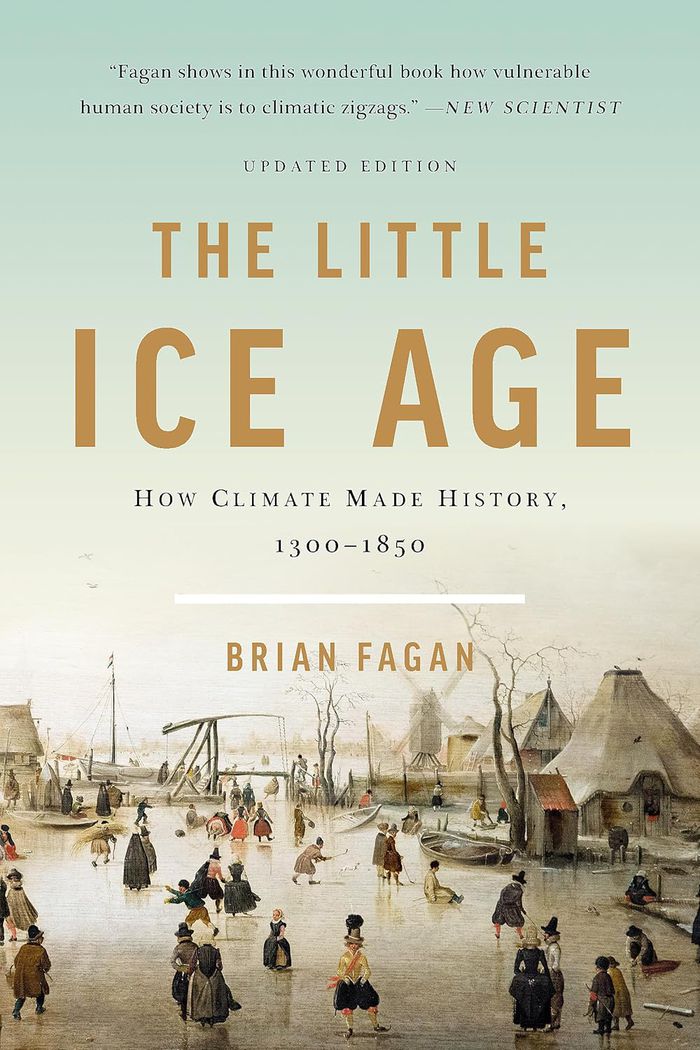
Only in the last decade have climatologists developed an accurate picture of yearly climate conditions in historical times. This development confirmed a long-standing suspicion: that the world endured a 500-year cold snap -- The Little Ice Age -- that lasted roughly from A.D. 1300 until 1850. "The little ice age" tells the story of the turbulent, unpredictable and often very cold years of modern European history, how climate altered historical events, and what they mean in the context of today's global warming. With its basis in cutting-edge science, "The little ice age" offers a new perspective on familiar events. Renowned archaeologist Brian Fagan shows how the increasing cold affected Norse exploration; how changing sea temperatures caused English and Basque fishermen to follow vast shoals of cod all the way to the New World; how a generations-long subsistence crisis in France contributed to social disintegration and ultimately revolution; and how English efforts to improve farm productivity in the face of a deteriorating climate helped pave the way for the Industrial Revolution and hence for global warming.
The little ice age: How climate made history 1300-1850
Actions:
Prix:
$24.99
(disponible sur commande)
Résumé:
Only in the last decade have climatologists developed an accurate picture of yearly climate conditions in historical times. This development confirmed a long-standing suspicion: that the world endured a 500-year cold snap -- The Little Ice Age -- that lasted roughly from A.D. 1300 until 1850. "The little ice age" tells the story of the turbulent, unpredictable and often very cold years of modern European history, how climate altered historical events, and what they mean in the context of today's global warming. With its basis in cutting-edge science, "The little ice age" offers a new perspective on familiar events. Renowned archaeologist Brian Fagan shows how the increasing cold affected Norse exploration; how changing sea temperatures caused English and Basque fishermen to follow vast shoals of cod all the way to the New World; how a generations-long subsistence crisis in France contributed to social disintegration and ultimately revolution; and how English efforts to improve farm productivity in the face of a deteriorating climate helped pave the way for the Industrial Revolution and hence for global warming.
Classification:
livres
livres
Publication:
novembre 2019
novembre 2019
Sujet:
Expositions en cours
Expositions en cours
Classification:
livres
livres
Prix:
$43.95
(disponible sur commande)
Résumé:
For the past two decades Louise Lawler has been taking photographs of art in situ, from small black-and-white images of art in people's homes to large format glossy color pictures of art in museums and in auction houses. In addition she has produced a variety of objects-paperweights, etched drinking glasses, matchbooks, gallery announcements-all of which describe how art(...)
$43.95
(disponible sur commande)
Résumé:
For the past two decades Louise Lawler has been taking photographs of art in situ, from small black-and-white images of art in people's homes to large format glossy color pictures of art in museums and in auction houses. In addition she has produced a variety of objects-paperweights, etched drinking glasses, matchbooks, gallery announcements-all of which describe how art(...)
Sujet:
Monographies photo
Monographies photo
Publication:
octobre 2006, Cambridge, (MA), Columbus
octobre 2006, Cambridge, (MA), Columbus
Titre:
Louise Lawler : twice untitled and other pictures (looking back)
Actions:
Prix:
$43.95
(disponible sur commande)
Résumé:
For the past two decades Louise Lawler has been taking photographs of art in situ, from small black-and-white images of art in people's homes to large format glossy color pictures of art in museums and in auction houses. In addition she has produced a variety of objects-paperweights, etched drinking glasses, matchbooks, gallery announcements-all of which describe how art comes to accrue value as it moves through various systems of exchange. Lawler's oeuvre was essential in creating an expanded field for photography, it was crucial in postmodern debates over theories of representation, it remains indelible within the field of institutional critique, and it has always been trenchant in its sustained commitment to a feminist vision of art, art history, and contemporary art practice. But Lawler is also an old-fashioned "artist's artist," long overdue for the kind of serious reconsideration and recognition that this volume affords. The very self-effacing nature of Lawler's practice, however, her continual suspicion about notions of authorship-and her sly disregard for museological conventions-have meant that she has resisted precisely the usual mid-career retrospective. "Twice untitled and other pictures", published in conjunction with Lawler's first major museum exhibition in the United States, organized by the Wexner Center for the Arts, eats away at the standard museum practices of chronology, linear development, and the presentation of masterpieces, opting instead to explore such themes and undercurrents in Lawler's practice as her relationship to sculpture, her long history of collaborative projects, her production of such ephemera as napkins, matchbooks, and announcement cards, and the steady political dimension of her work-which culminated most recently in works that are deeply critical of the American invasion of Iraq. With essays by art historian and political theorist Rosalyn Deutsche and curators Ann Goldstein and Helen Molesworth.
Louise Lawler : twice untitled and other pictures (looking back)
Actions:
Prix:
$43.95
(disponible sur commande)
Résumé:
For the past two decades Louise Lawler has been taking photographs of art in situ, from small black-and-white images of art in people's homes to large format glossy color pictures of art in museums and in auction houses. In addition she has produced a variety of objects-paperweights, etched drinking glasses, matchbooks, gallery announcements-all of which describe how art comes to accrue value as it moves through various systems of exchange. Lawler's oeuvre was essential in creating an expanded field for photography, it was crucial in postmodern debates over theories of representation, it remains indelible within the field of institutional critique, and it has always been trenchant in its sustained commitment to a feminist vision of art, art history, and contemporary art practice. But Lawler is also an old-fashioned "artist's artist," long overdue for the kind of serious reconsideration and recognition that this volume affords. The very self-effacing nature of Lawler's practice, however, her continual suspicion about notions of authorship-and her sly disregard for museological conventions-have meant that she has resisted precisely the usual mid-career retrospective. "Twice untitled and other pictures", published in conjunction with Lawler's first major museum exhibition in the United States, organized by the Wexner Center for the Arts, eats away at the standard museum practices of chronology, linear development, and the presentation of masterpieces, opting instead to explore such themes and undercurrents in Lawler's practice as her relationship to sculpture, her long history of collaborative projects, her production of such ephemera as napkins, matchbooks, and announcement cards, and the steady political dimension of her work-which culminated most recently in works that are deeply critical of the American invasion of Iraq. With essays by art historian and political theorist Rosalyn Deutsche and curators Ann Goldstein and Helen Molesworth.
Classification:
livres
livres
Publication:
octobre 2006, Cambridge, (MA), Columbus
octobre 2006, Cambridge, (MA), Columbus
Sujet:
Monographies photo
Monographies photo


