


11284 Résultats
Classification:
événements
événements
Actions:
Localisation:
Maison Shaughnessy Mot(s)-clé(s):
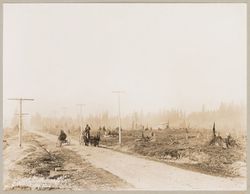
chercheur en résidence 2022, séminaire, recherche, Desirée Valadares, infrastructure, chemin de fer, autoroute, histoire coloniale
Maison Shaughnessy Mot(s)-clé(s):
chercheur en résidence 2022, séminaire, recherche, Desirée Valadares, infrastructure, chemin de fer, autoroute, histoire coloniale
Date:
10 novembre 2022, 18h
10 novembre 2022, 18h
Classification:
événements
événements
Date:
10 novembre 2022
18h
10 novembre 2022
18h
Localisation:
Maison Shaughnessy Mot(s)-clé(s):
chercheur en résidence 2022, séminaire, recherche, Desirée Valadares, infrastructure, chemin de fer, autoroute, histoire coloniale
Maison Shaughnessy Mot(s)-clé(s):
chercheur en résidence 2022, séminaire, recherche, Desirée Valadares, infrastructure, chemin de fer, autoroute, histoire coloniale
Niveau de description archivistique:
Sous-série
Sous-série
Numéro de référence:
AP178.S1.1988.PR07.SS5
Description:
This project subseries documents Bloco B for the reconstruction of Chiado in Lisbon, Portugal. The office's archives identified this project as 58/80. The office assigned the dates 1988-1998 for this project. Bloco B was located between Rua Do Carmo and Calçada Sacramento. Bloco B included buildings 12, 13, 14, 15, 16, 17, 18, 19 (Leonel building), 25 and 26. The construction work for the buildings of Bloco B included restorations of windows, doors, façades, painting, stonework, as well as work on the structure and mechanical systems. Drawings include plans prior to the fire, preliminary plans, studies, working drawings, and structural drawings. Textual material includes project documentation, reports, correspondence, and studies. Photographic materials and slides document the buildings prior to the fire, damaged buildings, the project site, construction work, and model. It is important to note that this subseries includes general documentation for Bloco B, for more specific details, see the individual building subseries for the Leonel building (AP178.S1.1988.PR07.SS6).
AP178.S1.1988.PR07.SS5
Description:
This project subseries documents Bloco B for the reconstruction of Chiado in Lisbon, Portugal. The office's archives identified this project as 58/80. The office assigned the dates 1988-1998 for this project. Bloco B was located between Rua Do Carmo and Calçada Sacramento. Bloco B included buildings 12, 13, 14, 15, 16, 17, 18, 19 (Leonel building), 25 and 26. The construction work for the buildings of Bloco B included restorations of windows, doors, façades, painting, stonework, as well as work on the structure and mechanical systems. Drawings include plans prior to the fire, preliminary plans, studies, working drawings, and structural drawings. Textual material includes project documentation, reports, correspondence, and studies. Photographic materials and slides document the buildings prior to the fire, damaged buildings, the project site, construction work, and model. It is important to note that this subseries includes general documentation for Bloco B, for more specific details, see the individual building subseries for the Leonel building (AP178.S1.1988.PR07.SS6).
Personnes et institutions:
Date:
circa 1970-2003
circa 1970-2003
Titre:
Bloco B, Reconstrução do Chiado, [Block B, Reconstruction of the Chiado] Lisbon, Portugal, 1988-1998
Actions:
AP178.S1.1988.PR07.SS5
Description:
This project subseries documents Bloco B for the reconstruction of Chiado in Lisbon, Portugal. The office's archives identified this project as 58/80. The office assigned the dates 1988-1998 for this project. Bloco B was located between Rua Do Carmo and Calçada Sacramento. Bloco B included buildings 12, 13, 14, 15, 16, 17, 18, 19 (Leonel building), 25 and 26. The construction work for the buildings of Bloco B included restorations of windows, doors, façades, painting, stonework, as well as work on the structure and mechanical systems. Drawings include plans prior to the fire, preliminary plans, studies, working drawings, and structural drawings. Textual material includes project documentation, reports, correspondence, and studies. Photographic materials and slides document the buildings prior to the fire, damaged buildings, the project site, construction work, and model. It is important to note that this subseries includes general documentation for Bloco B, for more specific details, see the individual building subseries for the Leonel building (AP178.S1.1988.PR07.SS6).
Bloco B, Reconstrução do Chiado, [Block B, Reconstruction of the Chiado] Lisbon, Portugal, 1988-1998
Actions:
AP178.S1.1988.PR07.SS5
Description:
This project subseries documents Bloco B for the reconstruction of Chiado in Lisbon, Portugal. The office's archives identified this project as 58/80. The office assigned the dates 1988-1998 for this project. Bloco B was located between Rua Do Carmo and Calçada Sacramento. Bloco B included buildings 12, 13, 14, 15, 16, 17, 18, 19 (Leonel building), 25 and 26. The construction work for the buildings of Bloco B included restorations of windows, doors, façades, painting, stonework, as well as work on the structure and mechanical systems. Drawings include plans prior to the fire, preliminary plans, studies, working drawings, and structural drawings. Textual material includes project documentation, reports, correspondence, and studies. Photographic materials and slides document the buildings prior to the fire, damaged buildings, the project site, construction work, and model. It is important to note that this subseries includes general documentation for Bloco B, for more specific details, see the individual building subseries for the Leonel building (AP178.S1.1988.PR07.SS6).
Niveau de description archivistique:
Project
Project
Date:
circa 1970-2003
circa 1970-2003
Personnes et institutions:
Niveau de description archivistique:
Sous-série
Sous-série
Numéro de référence:
AP178.S1.1988.PR07.SS6
Description:
This project series documents the restoration of the Leonel building in Lisbon, Portugal. While the records were held in the office’s archives this project was assigned the number 58/80 N19. The office assigned the date 1988-1998 for this project. The construction work includes restorations of windows, doors, façades, painting, stonework, as well as work on the structure and mechanical systems. The Leonel building was part of Bloco A and identified as building 19 in Siza reconstruction plan. Located between the lower and upper part of town, Siza used the building to create a path and an public elevator to link the two parts of Lisbon. Documenting this project subseries are sketches, studies, floor plans, elevations, mechanical drawings, technical drawings, and working drawings. Textual material includes correspondence, minutes of meeting and project documentation. It is important to note that documentation about this project can also be found in subseries Master plans and exterior spaces (AP178.S1.1988.PR07.SS1) and Bloco B (AP178.S1.1988.PR07.SS5).
AP178.S1.1988.PR07.SS6
Description:
This project series documents the restoration of the Leonel building in Lisbon, Portugal. While the records were held in the office’s archives this project was assigned the number 58/80 N19. The office assigned the date 1988-1998 for this project. The construction work includes restorations of windows, doors, façades, painting, stonework, as well as work on the structure and mechanical systems. The Leonel building was part of Bloco A and identified as building 19 in Siza reconstruction plan. Located between the lower and upper part of town, Siza used the building to create a path and an public elevator to link the two parts of Lisbon. Documenting this project subseries are sketches, studies, floor plans, elevations, mechanical drawings, technical drawings, and working drawings. Textual material includes correspondence, minutes of meeting and project documentation. It is important to note that documentation about this project can also be found in subseries Master plans and exterior spaces (AP178.S1.1988.PR07.SS1) and Bloco B (AP178.S1.1988.PR07.SS5).
Personnes et institutions:
Date:
1988-2005
1988-2005
Titre:
Edifício Leonel, Bloco B, Reconstrução do Chiado [Leonel building, Block B, Reconstruction of the Chiado] Lisbon, Portugal (1988-1998)
Actions:
AP178.S1.1988.PR07.SS6
Description:
This project series documents the restoration of the Leonel building in Lisbon, Portugal. While the records were held in the office’s archives this project was assigned the number 58/80 N19. The office assigned the date 1988-1998 for this project. The construction work includes restorations of windows, doors, façades, painting, stonework, as well as work on the structure and mechanical systems. The Leonel building was part of Bloco A and identified as building 19 in Siza reconstruction plan. Located between the lower and upper part of town, Siza used the building to create a path and an public elevator to link the two parts of Lisbon. Documenting this project subseries are sketches, studies, floor plans, elevations, mechanical drawings, technical drawings, and working drawings. Textual material includes correspondence, minutes of meeting and project documentation. It is important to note that documentation about this project can also be found in subseries Master plans and exterior spaces (AP178.S1.1988.PR07.SS1) and Bloco B (AP178.S1.1988.PR07.SS5).
Edifício Leonel, Bloco B, Reconstrução do Chiado [Leonel building, Block B, Reconstruction of the Chiado] Lisbon, Portugal (1988-1998)
Actions:
AP178.S1.1988.PR07.SS6
Description:
This project series documents the restoration of the Leonel building in Lisbon, Portugal. While the records were held in the office’s archives this project was assigned the number 58/80 N19. The office assigned the date 1988-1998 for this project. The construction work includes restorations of windows, doors, façades, painting, stonework, as well as work on the structure and mechanical systems. The Leonel building was part of Bloco A and identified as building 19 in Siza reconstruction plan. Located between the lower and upper part of town, Siza used the building to create a path and an public elevator to link the two parts of Lisbon. Documenting this project subseries are sketches, studies, floor plans, elevations, mechanical drawings, technical drawings, and working drawings. Textual material includes correspondence, minutes of meeting and project documentation. It is important to note that documentation about this project can also be found in subseries Master plans and exterior spaces (AP178.S1.1988.PR07.SS1) and Bloco B (AP178.S1.1988.PR07.SS5).
Niveau de description archivistique:
Project
Project
Date:
1988-2005
1988-2005
Personnes et institutions:
Niveau de description archivistique:
Projet
Projet
Numéro de référence:
AP178.S1.2000.PR10
Description:
This project series document the Biblioteca da Câmara Municipal de Viana do Castelo in Viana do Castelo, Portugal. While the records were held in the office’s archives this project was assigned the number 11/00. The office assigned the dates 2000-2008 to this project. The project site is located between the Alameda 5 de Outubro and the Lima river. The library was part of the waterfront development plan, directed by Fernando Távora. The development plan included a multiuse pavilion designed by Eduardo Souto de Moura, two office buildings, and an auditorium designed by Tàvora. The architects, with the help of José Bernardo Tavora and Adalberto Dias chose together location. The orthogonal two-story library respects the recommendations of the Portuguese Institute of Book and Libraries (IPLB). This project was realized and won the National Contemporary Architecture Award. Documenting this project are sketches, studies, plans, working drawings, technical drawings, and details. Textual material includes correspondence and project documentation. Photographic material documents construction work and models.
AP178.S1.2000.PR10
Description:
This project series document the Biblioteca da Câmara Municipal de Viana do Castelo in Viana do Castelo, Portugal. While the records were held in the office’s archives this project was assigned the number 11/00. The office assigned the dates 2000-2008 to this project. The project site is located between the Alameda 5 de Outubro and the Lima river. The library was part of the waterfront development plan, directed by Fernando Távora. The development plan included a multiuse pavilion designed by Eduardo Souto de Moura, two office buildings, and an auditorium designed by Tàvora. The architects, with the help of José Bernardo Tavora and Adalberto Dias chose together location. The orthogonal two-story library respects the recommendations of the Portuguese Institute of Book and Libraries (IPLB). This project was realized and won the National Contemporary Architecture Award. Documenting this project are sketches, studies, plans, working drawings, technical drawings, and details. Textual material includes correspondence and project documentation. Photographic material documents construction work and models.
Personnes et institutions:
Date:
2000-2008
2000-2008
Titre:
Biblioteca da Câmara Municipal de Viana do Castelo [Viana do Castelo Public Library], Viana do Castelo, Portugal (2000-2008)
Actions:
AP178.S1.2000.PR10
Description:
This project series document the Biblioteca da Câmara Municipal de Viana do Castelo in Viana do Castelo, Portugal. While the records were held in the office’s archives this project was assigned the number 11/00. The office assigned the dates 2000-2008 to this project. The project site is located between the Alameda 5 de Outubro and the Lima river. The library was part of the waterfront development plan, directed by Fernando Távora. The development plan included a multiuse pavilion designed by Eduardo Souto de Moura, two office buildings, and an auditorium designed by Tàvora. The architects, with the help of José Bernardo Tavora and Adalberto Dias chose together location. The orthogonal two-story library respects the recommendations of the Portuguese Institute of Book and Libraries (IPLB). This project was realized and won the National Contemporary Architecture Award. Documenting this project are sketches, studies, plans, working drawings, technical drawings, and details. Textual material includes correspondence and project documentation. Photographic material documents construction work and models.
Biblioteca da Câmara Municipal de Viana do Castelo [Viana do Castelo Public Library], Viana do Castelo, Portugal (2000-2008)
Actions:
AP178.S1.2000.PR10
Description:
This project series document the Biblioteca da Câmara Municipal de Viana do Castelo in Viana do Castelo, Portugal. While the records were held in the office’s archives this project was assigned the number 11/00. The office assigned the dates 2000-2008 to this project. The project site is located between the Alameda 5 de Outubro and the Lima river. The library was part of the waterfront development plan, directed by Fernando Távora. The development plan included a multiuse pavilion designed by Eduardo Souto de Moura, two office buildings, and an auditorium designed by Tàvora. The architects, with the help of José Bernardo Tavora and Adalberto Dias chose together location. The orthogonal two-story library respects the recommendations of the Portuguese Institute of Book and Libraries (IPLB). This project was realized and won the National Contemporary Architecture Award. Documenting this project are sketches, studies, plans, working drawings, technical drawings, and details. Textual material includes correspondence and project documentation. Photographic material documents construction work and models.
Niveau de description archivistique:
Project
Project
Date:
2000-2008
2000-2008
Personnes et institutions:
Niveau de description archivistique:
Projet
Projet
Numéro de référence:
AP178.S1.2003.PR02
Description:
This project series documents the Recupero del Palazzo Donnaregina / Museu de Arte Contemporâneo in Napoli, Italy. While the records were held in the office’s archives this project was assigned the number 55/00. The office assigned the date 2003 for this project. The Palazzo Donnaregina was built during the 19th century and served multiple functions during his history, including a bank and a school of administration. In 2001, the building was abandoned after a flood. In 2005, the Campania Regional Government bought the building and leased it to the Fondazione Donnaregina per le arti contemporane. Àlvaro Siza and the Studio DAZ-Dumontet Antonini Zaske were selected to renovate and repurpose the builsing into a contemporary art museum. The museum included exhibition halls, a library, a bookshop, and a mediatheque. The project was realized. Documenting this project are sketches, studies, design development drawings, plans, and details. Textual material includes project documentation, catalogs from suppliers, and correspondence. Photographic material documents Siza's visits, project site, and construction work.
AP178.S1.2003.PR02
Description:
This project series documents the Recupero del Palazzo Donnaregina / Museu de Arte Contemporâneo in Napoli, Italy. While the records were held in the office’s archives this project was assigned the number 55/00. The office assigned the date 2003 for this project. The Palazzo Donnaregina was built during the 19th century and served multiple functions during his history, including a bank and a school of administration. In 2001, the building was abandoned after a flood. In 2005, the Campania Regional Government bought the building and leased it to the Fondazione Donnaregina per le arti contemporane. Àlvaro Siza and the Studio DAZ-Dumontet Antonini Zaske were selected to renovate and repurpose the builsing into a contemporary art museum. The museum included exhibition halls, a library, a bookshop, and a mediatheque. The project was realized. Documenting this project are sketches, studies, design development drawings, plans, and details. Textual material includes project documentation, catalogs from suppliers, and correspondence. Photographic material documents Siza's visits, project site, and construction work.
Personnes et institutions:
Date:
2003-2006
2003-2006
Titre:
Recupero del Palazzo Donnaregina, Museu de Arte Contem. [Restoration of the Palazzo Donnaregina, Museum of contemporary Art], Naples, Italy (2003)
Actions:
AP178.S1.2003.PR02
Description:
This project series documents the Recupero del Palazzo Donnaregina / Museu de Arte Contemporâneo in Napoli, Italy. While the records were held in the office’s archives this project was assigned the number 55/00. The office assigned the date 2003 for this project. The Palazzo Donnaregina was built during the 19th century and served multiple functions during his history, including a bank and a school of administration. In 2001, the building was abandoned after a flood. In 2005, the Campania Regional Government bought the building and leased it to the Fondazione Donnaregina per le arti contemporane. Àlvaro Siza and the Studio DAZ-Dumontet Antonini Zaske were selected to renovate and repurpose the builsing into a contemporary art museum. The museum included exhibition halls, a library, a bookshop, and a mediatheque. The project was realized. Documenting this project are sketches, studies, design development drawings, plans, and details. Textual material includes project documentation, catalogs from suppliers, and correspondence. Photographic material documents Siza's visits, project site, and construction work.
Recupero del Palazzo Donnaregina, Museu de Arte Contem. [Restoration of the Palazzo Donnaregina, Museum of contemporary Art], Naples, Italy (2003)
Actions:
AP178.S1.2003.PR02
Description:
This project series documents the Recupero del Palazzo Donnaregina / Museu de Arte Contemporâneo in Napoli, Italy. While the records were held in the office’s archives this project was assigned the number 55/00. The office assigned the date 2003 for this project. The Palazzo Donnaregina was built during the 19th century and served multiple functions during his history, including a bank and a school of administration. In 2001, the building was abandoned after a flood. In 2005, the Campania Regional Government bought the building and leased it to the Fondazione Donnaregina per le arti contemporane. Àlvaro Siza and the Studio DAZ-Dumontet Antonini Zaske were selected to renovate and repurpose the builsing into a contemporary art museum. The museum included exhibition halls, a library, a bookshop, and a mediatheque. The project was realized. Documenting this project are sketches, studies, design development drawings, plans, and details. Textual material includes project documentation, catalogs from suppliers, and correspondence. Photographic material documents Siza's visits, project site, and construction work.
Niveau de description archivistique:
Project
Project
Date:
2003-2006
2003-2006
Personnes et institutions:
Classification:
expositions
expositions
Titre:
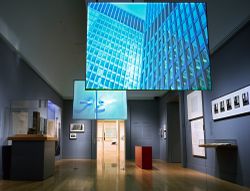
Mies en Amérique
Mies en Amérique
Actions:
Description:
Grand penseur et artiste minutieux, et l’un des plus illustres architectes de l’histoire, Ludwig Mies van der Rohe est déjà une figure dominante de sa profession en Allemagne, lorsque, en 1938, dans la cinquantaine, il émigre aux États-Unis. Transplanté de l’école du Bauhaus (dont il a été le dernier directeur) à un institut technique de Chicago, délaissant le milieu de(...)
Grand penseur et artiste minutieux, et l’un des plus illustres architectes de l’histoire, Ludwig Mies van der Rohe est déjà une figure dominante de sa profession en Allemagne, lorsque, en 1938, dans la cinquantaine, il émigre aux États-Unis. Transplanté de l’école du Bauhaus (dont il a été le dernier directeur) à un institut technique de Chicago, délaissant le milieu de(...)
Localisation:
Salles principales
Salles principales
Date:
17 octobre 2001 au 20 janvier 2002
17 octobre 2001 au 20 janvier 2002
Titre:
Mies en Amérique
Actions:
Description:
Grand penseur et artiste minutieux, et l’un des plus illustres architectes de l’histoire, Ludwig Mies van der Rohe est déjà une figure dominante de sa profession en Allemagne, lorsque, en 1938, dans la cinquantaine, il émigre aux États-Unis. Transplanté de l’école du Bauhaus (dont il a été le dernier directeur) à un institut technique de Chicago, délaissant le milieu de(...)
Mies en Amérique
Actions:
Description:
Grand penseur et artiste minutieux, et l’un des plus illustres architectes de l’histoire, Ludwig Mies van der Rohe est déjà une figure dominante de sa profession en Allemagne, lorsque, en 1938, dans la cinquantaine, il émigre aux États-Unis. Transplanté de l’école du Bauhaus (dont il a été le dernier directeur) à un institut technique de Chicago, délaissant le milieu de(...)
Classification:
expositions
expositions
Date:
17 octobre 2001 au
20 janvier 2002
17 octobre 2001 au
20 janvier 2002
Localisation:
Salles principales
Salles principales
Niveau de description archivistique:
Série(s)
Série(s)
Numéro de référence:
AP115.S4
Description:
La série document le dôme géodésique Senneville Barn Dome, dit aussi The Barn Dome. Conçu par la firme Jeffrey Lindsay & Associates, il fut construction en 1954. La série contient une photographie montrant, depuis l'intérieur, la structure géodésique de bois dont l'un des triangles est recouvert d'une membrane de fibre de verre qui enveloppait la structure à l'origine, aujourd'hui disparue et remplacée par des feuilles de métal peint. On aperçoit de plus la silhouette d'un homme travaillant à assembler la structure, vraisemblablement le propriétaire du terrain et client John Hackney, qui a commandé à Jeffrey Lindsay (Montréal, 1924-Los Angeles, 1984), architecte, le dôme en question pour s'en servir comme étable. La photographie est accompagné d'un dossier documentaire contenant des photocopies de documents tirés des archives de Senneville (Plot Plan, Application for Permit to Build, Memorendum) et deux photographies récentes de l'édifice (Robert Duchesnay, photographe, avril 2004).
AP115.S4
Description:
La série document le dôme géodésique Senneville Barn Dome, dit aussi The Barn Dome. Conçu par la firme Jeffrey Lindsay & Associates, il fut construction en 1954. La série contient une photographie montrant, depuis l'intérieur, la structure géodésique de bois dont l'un des triangles est recouvert d'une membrane de fibre de verre qui enveloppait la structure à l'origine, aujourd'hui disparue et remplacée par des feuilles de métal peint. On aperçoit de plus la silhouette d'un homme travaillant à assembler la structure, vraisemblablement le propriétaire du terrain et client John Hackney, qui a commandé à Jeffrey Lindsay (Montréal, 1924-Los Angeles, 1984), architecte, le dôme en question pour s'en servir comme étable. La photographie est accompagné d'un dossier documentaire contenant des photocopies de documents tirés des archives de Senneville (Plot Plan, Application for Permit to Build, Memorendum) et deux photographies récentes de l'édifice (Robert Duchesnay, photographe, avril 2004).
Personnes et institutions:
Date:
1954-2004
1954-2004
Titre:
Senneville Barn Dome, Senneville, Québec
Actions:
AP115.S4
Description:
La série document le dôme géodésique Senneville Barn Dome, dit aussi The Barn Dome. Conçu par la firme Jeffrey Lindsay & Associates, il fut construction en 1954. La série contient une photographie montrant, depuis l'intérieur, la structure géodésique de bois dont l'un des triangles est recouvert d'une membrane de fibre de verre qui enveloppait la structure à l'origine, aujourd'hui disparue et remplacée par des feuilles de métal peint. On aperçoit de plus la silhouette d'un homme travaillant à assembler la structure, vraisemblablement le propriétaire du terrain et client John Hackney, qui a commandé à Jeffrey Lindsay (Montréal, 1924-Los Angeles, 1984), architecte, le dôme en question pour s'en servir comme étable. La photographie est accompagné d'un dossier documentaire contenant des photocopies de documents tirés des archives de Senneville (Plot Plan, Application for Permit to Build, Memorendum) et deux photographies récentes de l'édifice (Robert Duchesnay, photographe, avril 2004).
Senneville Barn Dome, Senneville, Québec
Actions:
AP115.S4
Description:
La série document le dôme géodésique Senneville Barn Dome, dit aussi The Barn Dome. Conçu par la firme Jeffrey Lindsay & Associates, il fut construction en 1954. La série contient une photographie montrant, depuis l'intérieur, la structure géodésique de bois dont l'un des triangles est recouvert d'une membrane de fibre de verre qui enveloppait la structure à l'origine, aujourd'hui disparue et remplacée par des feuilles de métal peint. On aperçoit de plus la silhouette d'un homme travaillant à assembler la structure, vraisemblablement le propriétaire du terrain et client John Hackney, qui a commandé à Jeffrey Lindsay (Montréal, 1924-Los Angeles, 1984), architecte, le dôme en question pour s'en servir comme étable. La photographie est accompagné d'un dossier documentaire contenant des photocopies de documents tirés des archives de Senneville (Plot Plan, Application for Permit to Build, Memorendum) et deux photographies récentes de l'édifice (Robert Duchesnay, photographe, avril 2004).
Niveau de description archivistique:
Série
Série
Date:
1954-2004
1954-2004
Personnes et institutions:
Classification:
archives
Niveau de description archivistique:
Fonds
archives
Niveau de description archivistique:
Fonds
Titre:
Fonds Roland Dumais
Fonds Roland Dumais
Numéro de référence:
AP005
Résumé:
The Roland Dumais fonds, 1930-1975, documents architect Roland Dumais’s design and construction of over 500 built projects in Québec. In addition to documenting Dumais’s professional career (1935-1971), the fonds includes materials relating to the everyday administration of Dumais’s architectural firm (1941-1977) as well as materials pertaining to his personal life (1932-1982). Materials in this fonds consist of approximately 12 400 drawings (including reprographic copies), 126 photographic materials, 10.33 l.m. of textual records, 5 models, and 3 reels of 16 mm film.
AP005
Résumé:
The Roland Dumais fonds, 1930-1975, documents architect Roland Dumais’s design and construction of over 500 built projects in Québec. In addition to documenting Dumais’s professional career (1935-1971), the fonds includes materials relating to the everyday administration of Dumais’s architectural firm (1941-1977) as well as materials pertaining to his personal life (1932-1982). Materials in this fonds consist of approximately 12 400 drawings (including reprographic copies), 126 photographic materials, 10.33 l.m. of textual records, 5 models, and 3 reels of 16 mm film.
Personnes et institutions:
Date:
1930-1975
1930-1975
Titre:
Fonds Roland Dumais
Actions:
AP005
Résumé:
The Roland Dumais fonds, 1930-1975, documents architect Roland Dumais’s design and construction of over 500 built projects in Québec. In addition to documenting Dumais’s professional career (1935-1971), the fonds includes materials relating to the everyday administration of Dumais’s architectural firm (1941-1977) as well as materials pertaining to his personal life (1932-1982). Materials in this fonds consist of approximately 12 400 drawings (including reprographic copies), 126 photographic materials, 10.33 l.m. of textual records, 5 models, and 3 reels of 16 mm film.
Fonds Roland Dumais
Actions:
AP005
Résumé:
The Roland Dumais fonds, 1930-1975, documents architect Roland Dumais’s design and construction of over 500 built projects in Québec. In addition to documenting Dumais’s professional career (1935-1971), the fonds includes materials relating to the everyday administration of Dumais’s architectural firm (1941-1977) as well as materials pertaining to his personal life (1932-1982). Materials in this fonds consist of approximately 12 400 drawings (including reprographic copies), 126 photographic materials, 10.33 l.m. of textual records, 5 models, and 3 reels of 16 mm film.
Classification:
archives
Niveau de description archivistique:
Fonds
archives
Niveau de description archivistique:
Fonds
Date:
1930-1975
1930-1975
Personnes et institutions:
Niveau de description archivistique:
Sous-série
Sous-série
Numéro de référence:
AP207.S2.SS07
Description:
The sub-series documents the exhibition "Ettore Sottsass sr. Architetto", curated by Pettena and presented at Palazzo delle Albere, in Trento, in 1991. The exhibition presented the work of Italian architect Ettore Sottsass. The exhibition, promoted by his son Ettore Sottsass Jr, led to the donation of the Sottsass archive to the MART, in Trento. The sub-series contains research material, including photocopies of articles and books on Ettore Sottsass, photographs of his projects and reproductions of his plans, as well as some notes by Gianni Pettena. This sub-series also contains preliminary project descriptions for the exhibition catalogue with a selection of plans and images of the buildings designed by Sottsass.
AP207.S2.SS07
Description:
The sub-series documents the exhibition "Ettore Sottsass sr. Architetto", curated by Pettena and presented at Palazzo delle Albere, in Trento, in 1991. The exhibition presented the work of Italian architect Ettore Sottsass. The exhibition, promoted by his son Ettore Sottsass Jr, led to the donation of the Sottsass archive to the MART, in Trento. The sub-series contains research material, including photocopies of articles and books on Ettore Sottsass, photographs of his projects and reproductions of his plans, as well as some notes by Gianni Pettena. This sub-series also contains preliminary project descriptions for the exhibition catalogue with a selection of plans and images of the buildings designed by Sottsass.
Personnes et institutions:
Date:
1980-1996
1980-1996
Titre:
Ettore Sottsass sr. Architetto (1991)
Actions:
AP207.S2.SS07
Description:
The sub-series documents the exhibition "Ettore Sottsass sr. Architetto", curated by Pettena and presented at Palazzo delle Albere, in Trento, in 1991. The exhibition presented the work of Italian architect Ettore Sottsass. The exhibition, promoted by his son Ettore Sottsass Jr, led to the donation of the Sottsass archive to the MART, in Trento. The sub-series contains research material, including photocopies of articles and books on Ettore Sottsass, photographs of his projects and reproductions of his plans, as well as some notes by Gianni Pettena. This sub-series also contains preliminary project descriptions for the exhibition catalogue with a selection of plans and images of the buildings designed by Sottsass.
Ettore Sottsass sr. Architetto (1991)
Actions:
AP207.S2.SS07
Description:
The sub-series documents the exhibition "Ettore Sottsass sr. Architetto", curated by Pettena and presented at Palazzo delle Albere, in Trento, in 1991. The exhibition presented the work of Italian architect Ettore Sottsass. The exhibition, promoted by his son Ettore Sottsass Jr, led to the donation of the Sottsass archive to the MART, in Trento. The sub-series contains research material, including photocopies of articles and books on Ettore Sottsass, photographs of his projects and reproductions of his plans, as well as some notes by Gianni Pettena. This sub-series also contains preliminary project descriptions for the exhibition catalogue with a selection of plans and images of the buildings designed by Sottsass.
Niveau de description archivistique:
Subseries
Subseries
Date:
1980-1996
1980-1996
Personnes et institutions:
Classification:
dessins, documents textuels, né numérique, photographies
dessins, documents textuels, né numérique, photographies
Numéro de référence:
ARCH240681
Description:
Labelled: "Archive, ANY Magazine #22". Most common file formats: Microsoft Word for Macintosh Document, Tagged Image File Format, Quark Xpress Data File. The StuffIt (.sit) file named "NYstories" was deleted after its contents were extracted.
ARCH240681
Description:
Labelled: "Archive, ANY Magazine #22". Most common file formats: Microsoft Word for Macintosh Document, Tagged Image File Format, Quark Xpress Data File. The StuffIt (.sit) file named "NYstories" was deleted after its contents were extracted.
Personnes et institutions:
Date:
1998-2000
1998-2000
Titre:
Production files, ANY Magazine, issue 22
Actions:
ARCH240681
Description:
Labelled: "Archive, ANY Magazine #22". Most common file formats: Microsoft Word for Macintosh Document, Tagged Image File Format, Quark Xpress Data File. The StuffIt (.sit) file named "NYstories" was deleted after its contents were extracted.
Production files, ANY Magazine, issue 22
Actions:
ARCH240681
Description:
Labelled: "Archive, ANY Magazine #22". Most common file formats: Microsoft Word for Macintosh Document, Tagged Image File Format, Quark Xpress Data File. The StuffIt (.sit) file named "NYstories" was deleted after its contents were extracted.
Classification:
dessins, documents textuels, né numérique, photographies
dessins, documents textuels, né numérique, photographies
Date:
1998-2000
1998-2000
Personnes et institutions:


