


4843 Résultats
Classification:
livres
livres
Actions:
Prix:
$48.95
(disponible sur commande)
Résumé:
Food is a challenging subject. There is little consensus about how and what we should produce and consume. It is not even clear what food is or whether people have similar experiences of it. On one hand, food is recognized as a basic need, if not a basic right. On the other hand, it is hard to generalize about it given the wide range of practices and cuisines, and the(...)
$48.95
(disponible sur commande)
Résumé:
Food is a challenging subject. There is little consensus about how and what we should produce and consume. It is not even clear what food is or whether people have similar experiences of it. On one hand, food is recognized as a basic need, if not a basic right. On the other hand, it is hard to generalize about it given the wide range of practices and cuisines, and the(...)
Titre:
Food philosophy: an introduction
Actions:
Prix:
$48.95
(disponible sur commande)
Résumé:
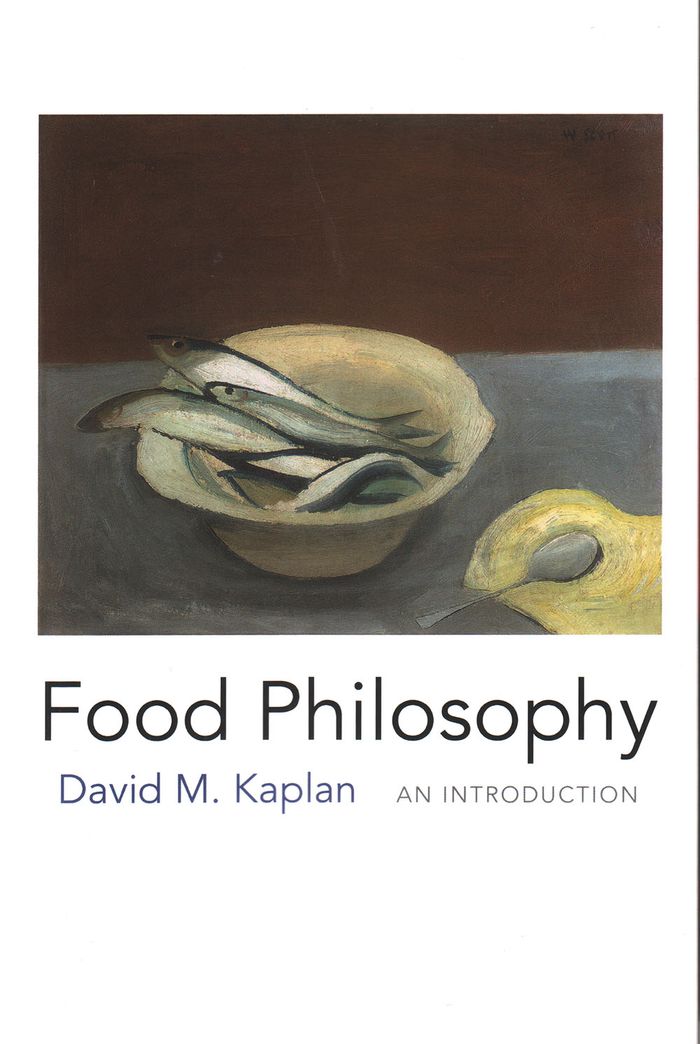
Food is a challenging subject. There is little consensus about how and what we should produce and consume. It is not even clear what food is or whether people have similar experiences of it. On one hand, food is recognized as a basic need, if not a basic right. On the other hand, it is hard to generalize about it given the wide range of practices and cuisines, and the even wider range of tastes. This book is an introduction to the philosophical dimensions of food. David M. Kaplan examines the nature and meaning of food, how we experience it, the social role it plays, its moral and political dimensions, and how we judge it to be delicious or awful. He shows how the different branches of philosophy contribute to a broader understanding of food: what food is (metaphysics), how we experience food (epistemology), what taste in food is (aesthetics), how we should make and eat food (ethics), how governments should regulate food (political philosophy), and why food matters to us (existentialism).
Food philosophy: an introduction
Actions:
Prix:
$48.95
(disponible sur commande)
Résumé:
Food is a challenging subject. There is little consensus about how and what we should produce and consume. It is not even clear what food is or whether people have similar experiences of it. On one hand, food is recognized as a basic need, if not a basic right. On the other hand, it is hard to generalize about it given the wide range of practices and cuisines, and the even wider range of tastes. This book is an introduction to the philosophical dimensions of food. David M. Kaplan examines the nature and meaning of food, how we experience it, the social role it plays, its moral and political dimensions, and how we judge it to be delicious or awful. He shows how the different branches of philosophy contribute to a broader understanding of food: what food is (metaphysics), how we experience food (epistemology), what taste in food is (aesthetics), how we should make and eat food (ethics), how governments should regulate food (political philosophy), and why food matters to us (existentialism).
Classification:
livres
livres
Publication:
novembre 2019
novembre 2019
Sujet:
Bouffe
Bouffe
Classification:
livres
livres
Prix:
$54.95
(disponible sur commande)
Résumé:
In ''Of other spaces'' Foucault coined the term ''heterotopias'' to signify ''all the other real sites that can be found within the culture'' which ''are simultaneously represented, contested, and inverted.'' For Foucault, heterotopic spaces were first of all spaces of crisis, or transformative spaces, however these have given way to heterotopias of deviation and spaces(...)
$54.95
(disponible sur commande)
Résumé:
In ''Of other spaces'' Foucault coined the term ''heterotopias'' to signify ''all the other real sites that can be found within the culture'' which ''are simultaneously represented, contested, and inverted.'' For Foucault, heterotopic spaces were first of all spaces of crisis, or transformative spaces, however these have given way to heterotopias of deviation and spaces(...)
Titre:
Spaces of crisis and critique : heterotopias beyond Foucault
Actions:
Prix:
$54.95
(disponible sur commande)
Résumé:
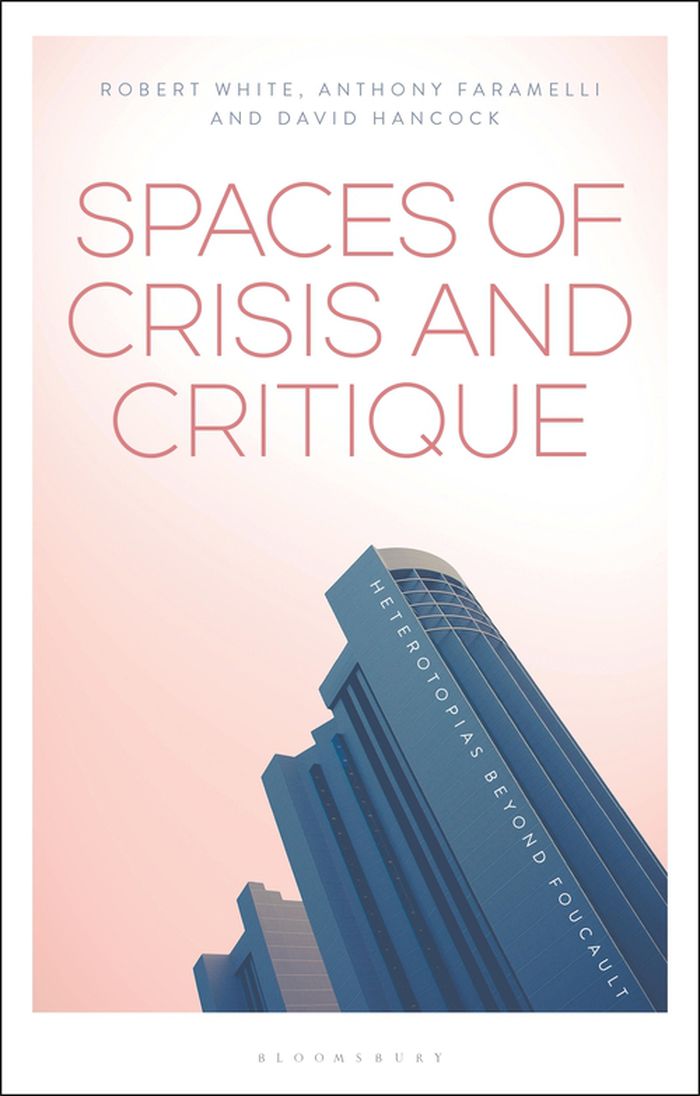
In ''Of other spaces'' Foucault coined the term ''heterotopias'' to signify ''all the other real sites that can be found within the culture'' which ''are simultaneously represented, contested, and inverted.'' For Foucault, heterotopic spaces were first of all spaces of crisis, or transformative spaces, however these have given way to heterotopias of deviation and spaces of discipline, such as psychiatric hospitals or prisons. Foucault's essay provokes us to think through how spaces of crisis and critique function to open up disruptive, subversive or minoritarian fields within philosophical, political, cultural or aesthetic discourses. This book takes this interdisciplinary and international approach to the spatial, challenging existing borders, boundaries, and horizons; from Claire Colebrook's chapter unpacking the heterotopic spaces of America and Mexico that lie beyond reductive ideological spaces of light and darkness, to a Foucauldian reading of the Zapatista resistance. With essays on politics, philosophy, literature, post-colonial studies, and aesthetics from established and emerging academics, this book answers Foucault's call to give us a better understanding of our present cultural epoch.
Spaces of crisis and critique : heterotopias beyond Foucault
Actions:
Prix:
$54.95
(disponible sur commande)
Résumé:
In ''Of other spaces'' Foucault coined the term ''heterotopias'' to signify ''all the other real sites that can be found within the culture'' which ''are simultaneously represented, contested, and inverted.'' For Foucault, heterotopic spaces were first of all spaces of crisis, or transformative spaces, however these have given way to heterotopias of deviation and spaces of discipline, such as psychiatric hospitals or prisons. Foucault's essay provokes us to think through how spaces of crisis and critique function to open up disruptive, subversive or minoritarian fields within philosophical, political, cultural or aesthetic discourses. This book takes this interdisciplinary and international approach to the spatial, challenging existing borders, boundaries, and horizons; from Claire Colebrook's chapter unpacking the heterotopic spaces of America and Mexico that lie beyond reductive ideological spaces of light and darkness, to a Foucauldian reading of the Zapatista resistance. With essays on politics, philosophy, literature, post-colonial studies, and aesthetics from established and emerging academics, this book answers Foucault's call to give us a better understanding of our present cultural epoch.
Classification:
livres
livres
Publication:
mars 2020
mars 2020
Sujet:
Théorie/ philosophie
Théorie/ philosophie
Classification:
livres
livres
Actions:
Prix:
$56.95
(disponible en magasin)
Résumé:
With its emphasis on permanence and stability, architecture at first resists an easy pairing with live performance, usually considered ephemeral and elusive. But architecture and performance share a core concern: the interplay of bodies and space. 'Bodybuilding' examines the use of live performance by architects. Looking past the unbuilt, utopian projects of the early(...)
$56.95
(disponible en magasin)
Résumé:
With its emphasis on permanence and stability, architecture at first resists an easy pairing with live performance, usually considered ephemeral and elusive. But architecture and performance share a core concern: the interplay of bodies and space. 'Bodybuilding' examines the use of live performance by architects. Looking past the unbuilt, utopian projects of the early(...)
Sujet:
Théorie de l’architecture
Théorie de l’architecture
Publication:
janvier 2019
janvier 2019
Titre:
Bodybuilding: architecture and performance
Actions:
Prix:
$56.95
(disponible en magasin)
Résumé:
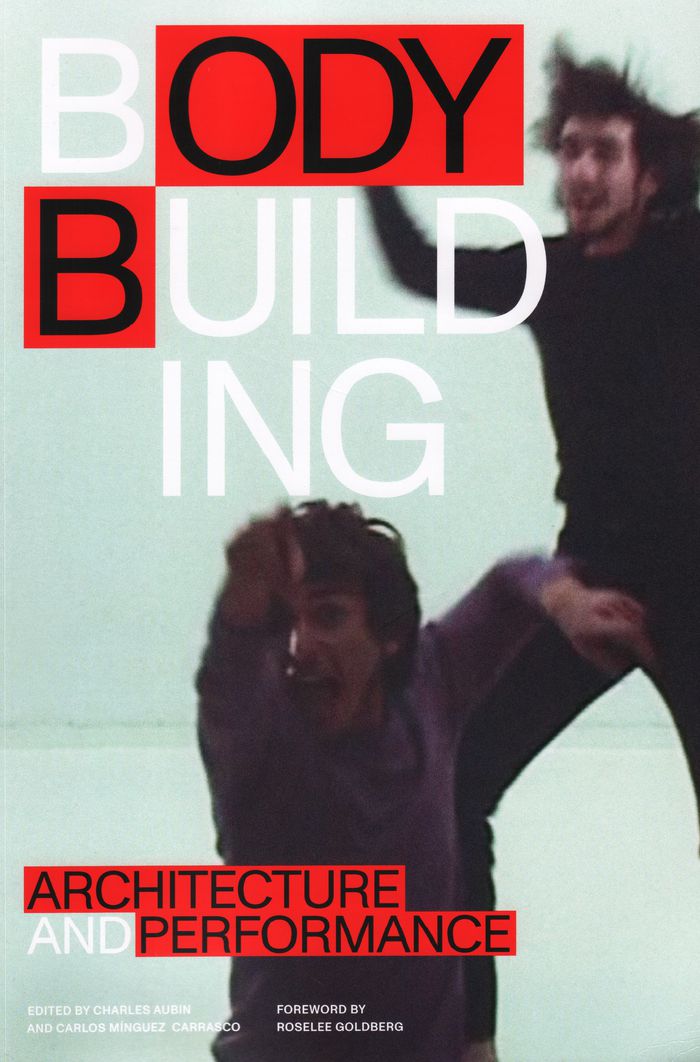
With its emphasis on permanence and stability, architecture at first resists an easy pairing with live performance, usually considered ephemeral and elusive. But architecture and performance share a core concern: the interplay of bodies and space. 'Bodybuilding' examines the use of live performance by architects. Looking past the unbuilt, utopian projects of the early modernists or the postwar avant-garde, the authors unearth an alternative canon of architects who actually employ performance to fortify the process of building, or else to explore architecture’s enmeshment with labor, security, race, migration, the environment, gentrification, and public assembly. For these architects, performance can be a tool, a method, or a heuristic device; in every case, performance is a blade that cuts into the matter of architecture. With rates of construction plummeting after the financial crisis of 2007–08, newly minted architects have had to find alternative ways to continue working within the field. 'Bodybuilding' grounds these new practices within a century of precedents, and insists that performance is a critical tool to rethink architecture’s agency, goals, and aesthetics.
Bodybuilding: architecture and performance
Actions:
Prix:
$56.95
(disponible en magasin)
Résumé:
With its emphasis on permanence and stability, architecture at first resists an easy pairing with live performance, usually considered ephemeral and elusive. But architecture and performance share a core concern: the interplay of bodies and space. 'Bodybuilding' examines the use of live performance by architects. Looking past the unbuilt, utopian projects of the early modernists or the postwar avant-garde, the authors unearth an alternative canon of architects who actually employ performance to fortify the process of building, or else to explore architecture’s enmeshment with labor, security, race, migration, the environment, gentrification, and public assembly. For these architects, performance can be a tool, a method, or a heuristic device; in every case, performance is a blade that cuts into the matter of architecture. With rates of construction plummeting after the financial crisis of 2007–08, newly minted architects have had to find alternative ways to continue working within the field. 'Bodybuilding' grounds these new practices within a century of precedents, and insists that performance is a critical tool to rethink architecture’s agency, goals, and aesthetics.
Classification:
livres
livres
Publication:
janvier 2019
janvier 2019
Sujet:
Théorie de l’architecture
Théorie de l’architecture
Classification:
livres
livres
Actions:
Prix:
$33.00
(disponible sur commande)
Résumé:
Urbanization is a system of power and knowledge, and today’s city functions through the expansive material infrastructures of the urban order. In The Urban Apparatus, Reinhold Martin analyzes urbanization and the contemporary city in aesthetic, socioeconomic, and mediapolitical terms. He argues that understanding the city as infrastructure reveals urbanization to be a way(...)
$33.00
(disponible sur commande)
Résumé:
Urbanization is a system of power and knowledge, and today’s city functions through the expansive material infrastructures of the urban order. In The Urban Apparatus, Reinhold Martin analyzes urbanization and the contemporary city in aesthetic, socioeconomic, and mediapolitical terms. He argues that understanding the city as infrastructure reveals urbanization to be a way(...)
Titre:
The urban apparatus: mediapolitics and the city
Actions:
Prix:
$33.00
(disponible sur commande)
Résumé:
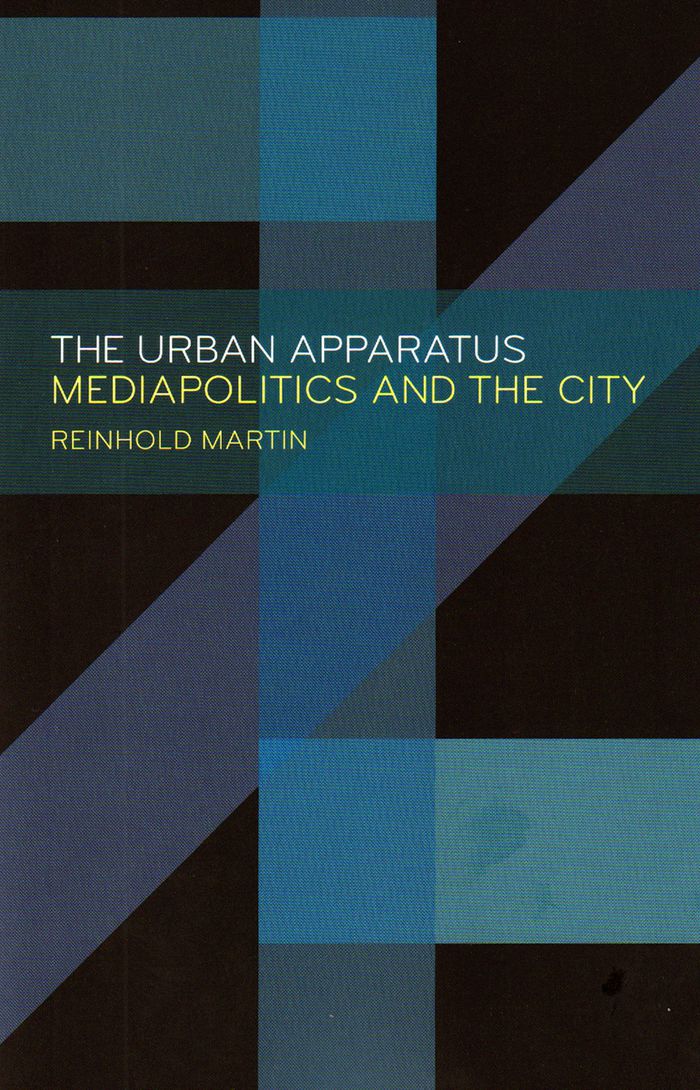
Urbanization is a system of power and knowledge, and today’s city functions through the expansive material infrastructures of the urban order. In The Urban Apparatus, Reinhold Martin analyzes urbanization and the contemporary city in aesthetic, socioeconomic, and mediapolitical terms. He argues that understanding the city as infrastructure reveals urbanization to be a way of imparting functional, aesthetic, and cognitive order to a contradictory, doubly bound neoliberal regime. Blending critical philosophy, political theory, and media theory, The Urban Apparatus explores how the aesthetics of cities and their political economies overlap. In a series of ten essays, with a detailed theoretical introduction, Martin explores questions related to urban life, drawn from a wide range of global topics—from the fiscal crisis in Detroit to speculative development in Mumbai to the landscape of Mars, from discussions of race and the environment to housing and economic inequality. Each essay proposes a particular “mediator” (or a material complex) that is shaped by imaginative practices, each answering the question “What is a city, today?”
The urban apparatus: mediapolitics and the city
Actions:
Prix:
$33.00
(disponible sur commande)
Résumé:
Urbanization is a system of power and knowledge, and today’s city functions through the expansive material infrastructures of the urban order. In The Urban Apparatus, Reinhold Martin analyzes urbanization and the contemporary city in aesthetic, socioeconomic, and mediapolitical terms. He argues that understanding the city as infrastructure reveals urbanization to be a way of imparting functional, aesthetic, and cognitive order to a contradictory, doubly bound neoliberal regime. Blending critical philosophy, political theory, and media theory, The Urban Apparatus explores how the aesthetics of cities and their political economies overlap. In a series of ten essays, with a detailed theoretical introduction, Martin explores questions related to urban life, drawn from a wide range of global topics—from the fiscal crisis in Detroit to speculative development in Mumbai to the landscape of Mars, from discussions of race and the environment to housing and economic inequality. Each essay proposes a particular “mediator” (or a material complex) that is shaped by imaginative practices, each answering the question “What is a city, today?”
Classification:
livres
livres
Publication:
octobre 2016
octobre 2016
Sujet:
Théorie de l’urbanisme
Théorie de l’urbanisme
Classification:
livres
livres

Titre:
From Fiorucci to the Guerrilla Stores: shop displays in architecture, marketing and communications
From Fiorucci to the Guerrilla Stores: shop displays in architecture, marketing and communications
Actions:
Prix:
$19.95
(disponible sur commande)
Résumé:
From Epicentres to the luxury raves of guerilla stores, from minimalist aesthetics to pop editorials. The fashion system expects innovation, flexibility, softness and entertainement from architecture. It wants legitimisation. It wants the values of the brand staged by architecture laden with meaning. Tracing 30 years of architecture for fashion and communication(...)
$19.95
(disponible sur commande)
Résumé:
From Epicentres to the luxury raves of guerilla stores, from minimalist aesthetics to pop editorials. The fashion system expects innovation, flexibility, softness and entertainement from architecture. It wants legitimisation. It wants the values of the brand staged by architecture laden with meaning. Tracing 30 years of architecture for fashion and communication(...)
Publication:
janvier 2007, Venice
janvier 2007, Venice
Titre:
From Fiorucci to the Guerrilla Stores: shop displays in architecture, marketing and communications
Actions:
Prix:
$19.95
(disponible sur commande)
Résumé:
From Epicentres to the luxury raves of guerilla stores, from minimalist aesthetics to pop editorials. The fashion system expects innovation, flexibility, softness and entertainement from architecture. It wants legitimisation. It wants the values of the brand staged by architecture laden with meaning. Tracing 30 years of architecture for fashion and communication strategies, from Elio Fiorucci to Rei Kawakubo, by way of Calvin Klein and Giorgio Armani, learning the Japanese lesson and overturning communicative logics with Prada, what will the possible future scenario of a relationship between fashion and architecture be? Claudio Marenco Mores, architect, graduated from the IUAV en Venice with a thesis on the use of architecture as a means of brand communication. He specialised in brand design and marketing for luxury goods at the European Institute of Design. He has worked as editor for various fshion magazines and is currently the marketing manager for a company involved in lighting design. MODE is a project by Fondazione Pitti Discovery directed by Maria Luisa and devoted to the ideas and figures of the fashion world.
From Fiorucci to the Guerrilla Stores: shop displays in architecture, marketing and communications
Actions:
Prix:
$19.95
(disponible sur commande)
Résumé:
From Epicentres to the luxury raves of guerilla stores, from minimalist aesthetics to pop editorials. The fashion system expects innovation, flexibility, softness and entertainement from architecture. It wants legitimisation. It wants the values of the brand staged by architecture laden with meaning. Tracing 30 years of architecture for fashion and communication strategies, from Elio Fiorucci to Rei Kawakubo, by way of Calvin Klein and Giorgio Armani, learning the Japanese lesson and overturning communicative logics with Prada, what will the possible future scenario of a relationship between fashion and architecture be? Claudio Marenco Mores, architect, graduated from the IUAV en Venice with a thesis on the use of architecture as a means of brand communication. He specialised in brand design and marketing for luxury goods at the European Institute of Design. He has worked as editor for various fshion magazines and is currently the marketing manager for a company involved in lighting design. MODE is a project by Fondazione Pitti Discovery directed by Maria Luisa and devoted to the ideas and figures of the fashion world.
Classification:
livres
livres
Publication:
janvier 2007, Venice
janvier 2007, Venice
Classification:
livres
livres
Actions:
Prix:
$105.00
(disponible sur commande)
Résumé:
In The Psychologizing of Modernity, Mark Jarzombek examines the impact of psychology on twentieth-century aesthetics. Analysing the interface between psychology, art history and avant-gardist practices, he(...)
$105.00
(disponible sur commande)
Résumé:
In The Psychologizing of Modernity, Mark Jarzombek examines the impact of psychology on twentieth-century aesthetics. Analysing the interface between psychology, art history and avant-gardist practices, he(...)
Titre:
The psychologizing of modernity
Actions:
Prix:
$105.00
(disponible sur commande)
Résumé:
In The Psychologizing of Modernity, Mark Jarzombek examines the impact of psychology on twentieth-century aesthetics. Analysing the interface between psychology, art history and avant-gardist practices, he also reflects on the longevity of the myth of aesthetic individuality as it infiltrated not only avant-garde art, but also history writing. The principal focus of this study is pre-World War II Germany, where theories of empathy and Entartung emerged; and post-war America, where artists, critics and historians gradually shifted from their reliance on psychology to philosophy, and, most recently, to theory. Included are discussions of writers such as Heinrich Wölfflin, Ludwig Volkmann, John Dewey, Vincent Scully and Richard Arnheim, among others. The Psychologizing of Modernity is a broad and erudite study of the evolution of modern aesthetic thinking in the fields of art and architectural history. Chapter Contents Introduction; 1. The Art of Psychologizing; 2. The Theater of Self and the Crisis of Historiography; 3. The Body Ethos; 4. The visualist ethos; 5. The social ethos; 6. The literary ethos; 7. Shadows and mirrors; Conclusion.
The psychologizing of modernity
Actions:
Prix:
$105.00
(disponible sur commande)
Résumé:
In The Psychologizing of Modernity, Mark Jarzombek examines the impact of psychology on twentieth-century aesthetics. Analysing the interface between psychology, art history and avant-gardist practices, he also reflects on the longevity of the myth of aesthetic individuality as it infiltrated not only avant-garde art, but also history writing. The principal focus of this study is pre-World War II Germany, where theories of empathy and Entartung emerged; and post-war America, where artists, critics and historians gradually shifted from their reliance on psychology to philosophy, and, most recently, to theory. Included are discussions of writers such as Heinrich Wölfflin, Ludwig Volkmann, John Dewey, Vincent Scully and Richard Arnheim, among others. The Psychologizing of Modernity is a broad and erudite study of the evolution of modern aesthetic thinking in the fields of art and architectural history. Chapter Contents Introduction; 1. The Art of Psychologizing; 2. The Theater of Self and the Crisis of Historiography; 3. The Body Ethos; 4. The visualist ethos; 5. The social ethos; 6. The literary ethos; 7. Shadows and mirrors; Conclusion.
Classification:
livres
livres
Publication:
novembre 1998, Cambridge
novembre 1998, Cambridge
Sujet:
Théorie de l’architecture
Théorie de l’architecture
Classification:
livres
livres
Actions:
Prix:
$25.95
(disponible sur commande)
Résumé:
This volume from BAK, basis voor actuele kunst, combines handbook, dictionary, and anthology to investigate artistic practice aimed at achieving social change. With text and visual essays, definitions, exercises, interviews, and images, the contributors envision a praxis that is committed to experimenting with aesthetics and politics in ways that go beyond the conventions(...)
$25.95
(disponible sur commande)
Résumé:
This volume from BAK, basis voor actuele kunst, combines handbook, dictionary, and anthology to investigate artistic practice aimed at achieving social change. With text and visual essays, definitions, exercises, interviews, and images, the contributors envision a praxis that is committed to experimenting with aesthetics and politics in ways that go beyond the conventions(...)
Publication:
novembre 2021
novembre 2021
Titre:
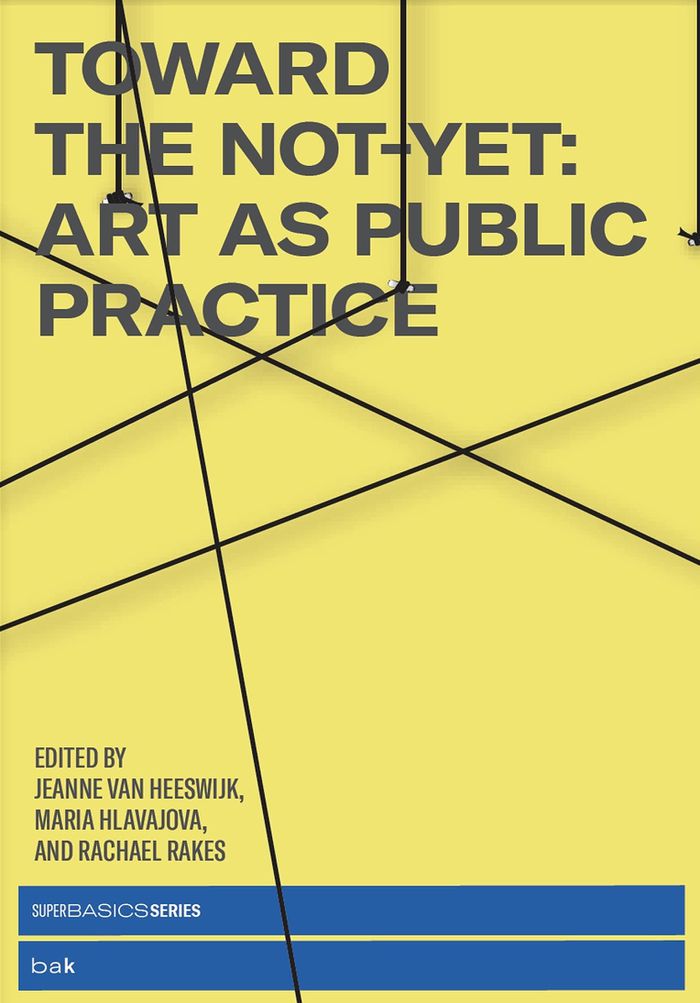
Toward the not yet: art as public practice
Actions:
Prix:
$25.95
(disponible sur commande)
Résumé:
This volume from BAK, basis voor actuele kunst, combines handbook, dictionary, and anthology to investigate artistic practice aimed at achieving social change. With text and visual essays, definitions, exercises, interviews, and images, the contributors envision a praxis that is committed to experimenting with aesthetics and politics in ways that go beyond the conventions of Western modernity. These are practices that are interdisciplinary, theoretically informed, and politically driven, offering ways of "being together otherwise." Catalyzed by the work of artist Jeanne van Heeswijk, which focuses on radicalizing civic processes, ''Toward the not-yet' imagines and enacts alternative ways of conceiving the present and future. Contributors, among them notable artists, scholars, activists, and writers consider ways of participating in civic life, including "dreamscaping" and "radical listening"; the creation of safer spaces for humans and nonhumans; ways of radically shifting laws and policies; and tactics and methods of collective sanctuary. ''Toward the not-yet'' is part of BAK's series of BASICS readers, debuting a SUPERBASICS variation that is larger, with more visual content.
Toward the not yet: art as public practice
Actions:
Prix:
$25.95
(disponible sur commande)
Résumé:
This volume from BAK, basis voor actuele kunst, combines handbook, dictionary, and anthology to investigate artistic practice aimed at achieving social change. With text and visual essays, definitions, exercises, interviews, and images, the contributors envision a praxis that is committed to experimenting with aesthetics and politics in ways that go beyond the conventions of Western modernity. These are practices that are interdisciplinary, theoretically informed, and politically driven, offering ways of "being together otherwise." Catalyzed by the work of artist Jeanne van Heeswijk, which focuses on radicalizing civic processes, ''Toward the not-yet' imagines and enacts alternative ways of conceiving the present and future. Contributors, among them notable artists, scholars, activists, and writers consider ways of participating in civic life, including "dreamscaping" and "radical listening"; the creation of safer spaces for humans and nonhumans; ways of radically shifting laws and policies; and tactics and methods of collective sanctuary. ''Toward the not-yet'' is part of BAK's series of BASICS readers, debuting a SUPERBASICS variation that is larger, with more visual content.
Classification:
livres
livres
Publication:
novembre 2021
novembre 2021
Classification:
livres
livres
Actions:
Prix:
$22.95
(disponible sur commande)
Résumé:
Whether it’s horror at the plastic littering the world’s beaches or despair at the melting polar ice caps, the world is gradually waking up to the impending climate disaster. In ''The green imperative,'' Papanek argues for design that addresses these issues head-on. This means using materials that can be recycled and reused, no more pointless packaging, thinking about how(...)
$22.95
(disponible sur commande)
Résumé:
Whether it’s horror at the plastic littering the world’s beaches or despair at the melting polar ice caps, the world is gradually waking up to the impending climate disaster. In ''The green imperative,'' Papanek argues for design that addresses these issues head-on. This means using materials that can be recycled and reused, no more pointless packaging, thinking about how(...)
Titre:
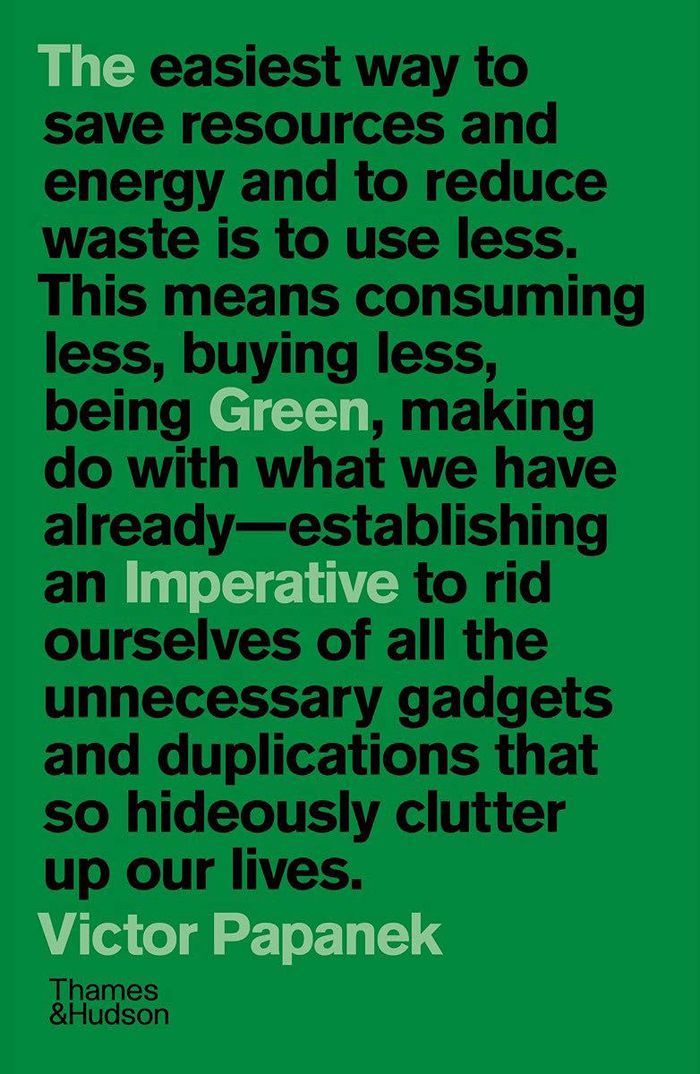
The green imperative: Ecology and ethics in design and architecture
Actions:
Prix:
$22.95
(disponible sur commande)
Résumé:
Whether it’s horror at the plastic littering the world’s beaches or despair at the melting polar ice caps, the world is gradually waking up to the impending climate disaster. In ''The green imperative,'' Papanek argues for design that addresses these issues head-on. This means using materials that can be recycled and reused, no more pointless packaging, thinking about how products make us feel and engage all our senses, putting nature at the heart of design, working at a smaller scale, rejecting aesthetics for their own sake, and thinking before we buy. First published at the end of the twentieth century, this book offered a plethora of honest advice, clear examples, and withering critiques, laying out the flaws of and opportunities for the design world at that time. A quarter of a century on, Papanek’s lucid prose has lost none of its verve, and the problems he highlights have only become more urgent, giving today’s reader both a fascinating historical perspective on the issues at hand and a blueprint for how they might be solved.
The green imperative: Ecology and ethics in design and architecture
Actions:
Prix:
$22.95
(disponible sur commande)
Résumé:
Whether it’s horror at the plastic littering the world’s beaches or despair at the melting polar ice caps, the world is gradually waking up to the impending climate disaster. In ''The green imperative,'' Papanek argues for design that addresses these issues head-on. This means using materials that can be recycled and reused, no more pointless packaging, thinking about how products make us feel and engage all our senses, putting nature at the heart of design, working at a smaller scale, rejecting aesthetics for their own sake, and thinking before we buy. First published at the end of the twentieth century, this book offered a plethora of honest advice, clear examples, and withering critiques, laying out the flaws of and opportunities for the design world at that time. A quarter of a century on, Papanek’s lucid prose has lost none of its verve, and the problems he highlights have only become more urgent, giving today’s reader both a fascinating historical perspective on the issues at hand and a blueprint for how they might be solved.
Classification:
livres
livres
Publication:
février 2022
février 2022
Classification:
livres
livres
Actions:
Prix:
$39.95
(disponible sur commande)
Résumé:
Since the early twentieth century, contemporary art and art theory have creatively challenged the status of representation. During that time, the court of law has come to rely on a variety of new representational modes and technologies. The law is increasingly staged on a screen and the photographs, video documents, audio recordings used as evidence are not entirely(...)
$39.95
(disponible sur commande)
Résumé:
Since the early twentieth century, contemporary art and art theory have creatively challenged the status of representation. During that time, the court of law has come to rely on a variety of new representational modes and technologies. The law is increasingly staged on a screen and the photographs, video documents, audio recordings used as evidence are not entirely(...)
Publication:
janvier 2012
janvier 2012
Titre:
A thousand eyes: media technology, law and esthetics
Actions:
Prix:
$39.95
(disponible sur commande)
Résumé:
Since the early twentieth century, contemporary art and art theory have creatively challenged the status of representation. During that time, the court of law has come to rely on a variety of new representational modes and technologies. The law is increasingly staged on a screen and the photographs, video documents, audio recordings used as evidence are not entirely distinct from their correlates in contemporary art, cinema and mass media. What questions of representation, judgment and justice cross borders between art and the law? Through the contribution of internationally renowned artists and scholars, this anthology explores how the aesthetics of new media technology and its spatial implementations affect the judicial system in relation to fundamental concepts such as truth and representation. Artistic contributions by John Baldessari, Dan Graham, Harun Farocki, Stan Douglas, Aernout Mik, Agency, Judy Radul, Renzo Martens, Ana Torfs, The Atlas Group, René Magritte, Model Court, Rana Hamadeh, Thomas Demand, Les Levine Essays by Julie A. Cassiday, Costas Douzinas, Piyel Haldar, Martin Jay, Peter Goodrich, Richard Mohr, Judy Radul, Avital Ronell, Eyal Sivan, Cornelia Vismann
A thousand eyes: media technology, law and esthetics
Actions:
Prix:
$39.95
(disponible sur commande)
Résumé:
Since the early twentieth century, contemporary art and art theory have creatively challenged the status of representation. During that time, the court of law has come to rely on a variety of new representational modes and technologies. The law is increasingly staged on a screen and the photographs, video documents, audio recordings used as evidence are not entirely distinct from their correlates in contemporary art, cinema and mass media. What questions of representation, judgment and justice cross borders between art and the law? Through the contribution of internationally renowned artists and scholars, this anthology explores how the aesthetics of new media technology and its spatial implementations affect the judicial system in relation to fundamental concepts such as truth and representation. Artistic contributions by John Baldessari, Dan Graham, Harun Farocki, Stan Douglas, Aernout Mik, Agency, Judy Radul, Renzo Martens, Ana Torfs, The Atlas Group, René Magritte, Model Court, Rana Hamadeh, Thomas Demand, Les Levine Essays by Julie A. Cassiday, Costas Douzinas, Piyel Haldar, Martin Jay, Peter Goodrich, Richard Mohr, Judy Radul, Avital Ronell, Eyal Sivan, Cornelia Vismann
Classification:
livres
livres
Publication:
janvier 2012
janvier 2012
Classification:
livres
livres
Titre:
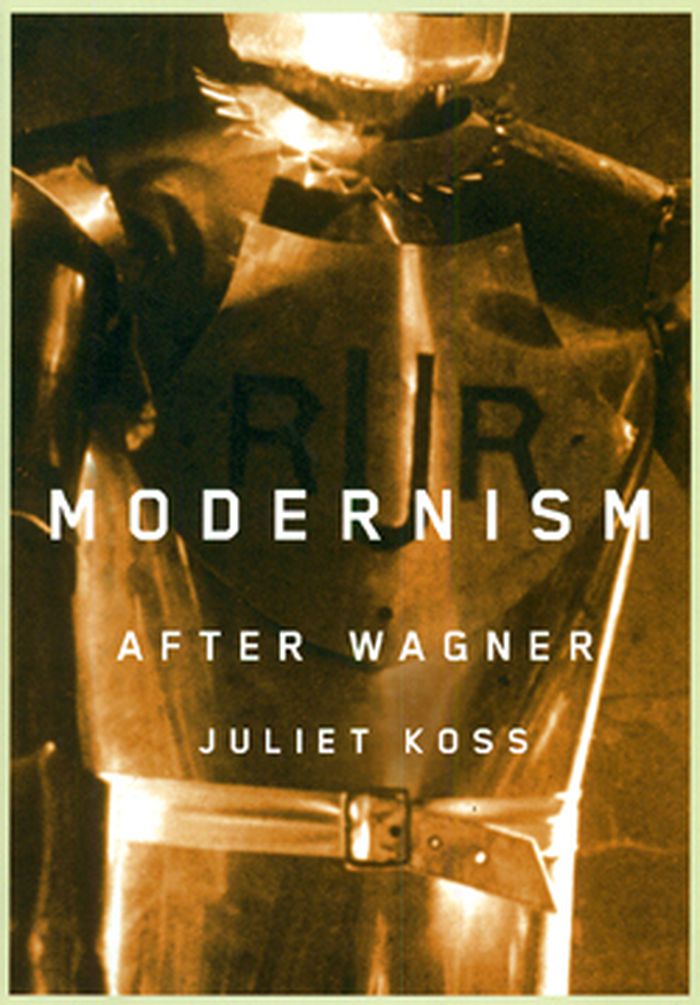
Modernism after Wagner
Modernism after Wagner
Actions:
Prix:
$34.00
(disponible sur commande)
Résumé:
In this publication, Juliet Koss explores the history and legacy of Wagner’s concept, laying out its genealogy and the political, aesthetic, and cultural context from which it emerged, and tracing its development and reception through the 1930s. Beginning with Wagner’s initial articulation of the Gesamtkunstwerk in the wake of the 1848–49 revolution, Koss addresses a(...)
$34.00
(disponible sur commande)
Résumé:
In this publication, Juliet Koss explores the history and legacy of Wagner’s concept, laying out its genealogy and the political, aesthetic, and cultural context from which it emerged, and tracing its development and reception through the 1930s. Beginning with Wagner’s initial articulation of the Gesamtkunstwerk in the wake of the 1848–49 revolution, Koss addresses a(...)
Titre:
Modernism after Wagner
Actions:
Prix:
$34.00
(disponible sur commande)
Résumé:
In this publication, Juliet Koss explores the history and legacy of Wagner’s concept, laying out its genealogy and the political, aesthetic, and cultural context from which it emerged, and tracing its development and reception through the 1930s. Beginning with Wagner’s initial articulation of the Gesamtkunstwerk in the wake of the 1848–49 revolution, Koss addresses a series of linked episodes in German aesthetic theory and artistic practice that include the composer’s efforts to build a theater to house his music dramas, culminating in the construction of the festival theater at Bayreuth in 1876; German aesthetic theory and criticism in the visual arts, theater, film, and radio from the 1870s to the 1920s; the founding of the Darmstadt Artists’ Colony in 1901 and that of the Munich Artists’ Theater in 1908; performances and parties at the Bauhaus in the 1920s and 1930s; and the legacy of the Gesamtkunstwerk under National Socialism. Attending to Wagner’s absorption into Fascist aesthetics, Koss foregrounds the revolutionary origins of the Gesamtkunstwerk and its emancipatory potential.
Modernism after Wagner
Actions:
Prix:
$34.00
(disponible sur commande)
Résumé:
In this publication, Juliet Koss explores the history and legacy of Wagner’s concept, laying out its genealogy and the political, aesthetic, and cultural context from which it emerged, and tracing its development and reception through the 1930s. Beginning with Wagner’s initial articulation of the Gesamtkunstwerk in the wake of the 1848–49 revolution, Koss addresses a series of linked episodes in German aesthetic theory and artistic practice that include the composer’s efforts to build a theater to house his music dramas, culminating in the construction of the festival theater at Bayreuth in 1876; German aesthetic theory and criticism in the visual arts, theater, film, and radio from the 1870s to the 1920s; the founding of the Darmstadt Artists’ Colony in 1901 and that of the Munich Artists’ Theater in 1908; performances and parties at the Bauhaus in the 1920s and 1930s; and the legacy of the Gesamtkunstwerk under National Socialism. Attending to Wagner’s absorption into Fascist aesthetics, Koss foregrounds the revolutionary origins of the Gesamtkunstwerk and its emancipatory potential.
Classification:
livres
livres
Publication:
mars 2010
mars 2010
Sujet:
Théorie de l’architecture
Théorie de l’architecture


