


5063 Résultats
Classification:
livres
livres
Actions:
Prix:
$48.95
(disponible sur commande)
Résumé:
This book deals with the basics - landform, scales, gradient, interpolation, spot elevations, contour lines and cut and fill calculations - as well as delving into more specific topics such as lanscape stabilization, stormwater management and grading on the construction site. It reviews the potential of digital site modeling and its application to the actual staking out(...)
$48.95
(disponible sur commande)
Résumé:
This book deals with the basics - landform, scales, gradient, interpolation, spot elevations, contour lines and cut and fill calculations - as well as delving into more specific topics such as lanscape stabilization, stormwater management and grading on the construction site. It reviews the potential of digital site modeling and its application to the actual staking out(...)
Titre:
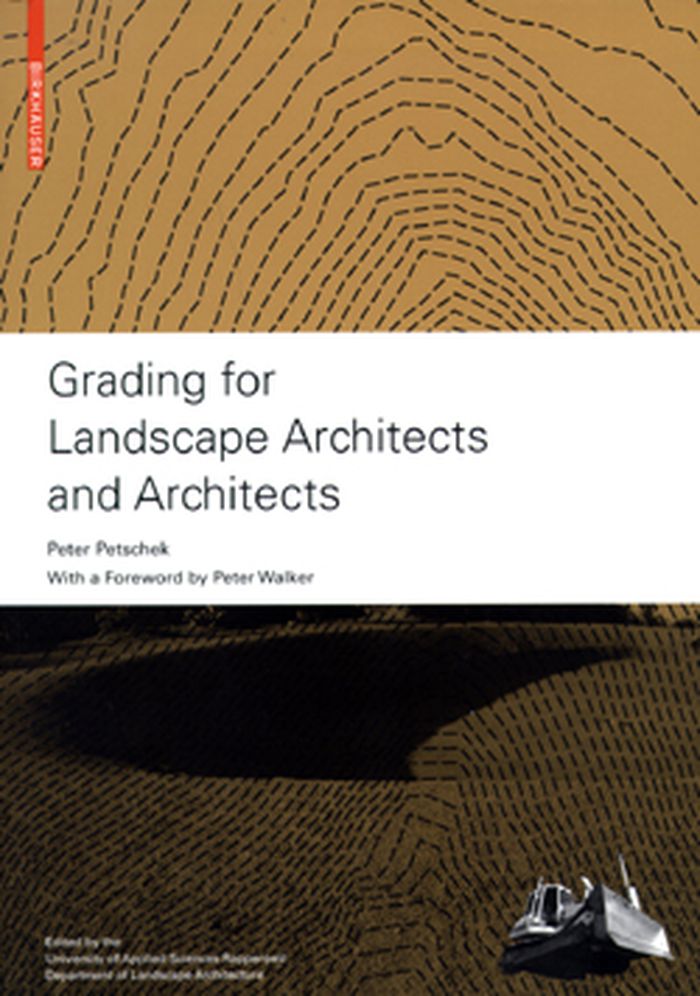
Grading for landscape architects and architects
Actions:
Prix:
$48.95
(disponible sur commande)
Résumé:
This book deals with the basics - landform, scales, gradient, interpolation, spot elevations, contour lines and cut and fill calculations - as well as delving into more specific topics such as lanscape stabilization, stormwater management and grading on the construction site. It reviews the potential of digital site modeling and its application to the actual staking out of sites and remote control systems for machinery. The book closes with a number a inspiring projects and a set of practical exercices, which will assist readers, landscape architects and architects alike, in becoming familiar with site grading as one of the most important design tools in landscape architecture.
Grading for landscape architects and architects
Actions:
Prix:
$48.95
(disponible sur commande)
Résumé:
This book deals with the basics - landform, scales, gradient, interpolation, spot elevations, contour lines and cut and fill calculations - as well as delving into more specific topics such as lanscape stabilization, stormwater management and grading on the construction site. It reviews the potential of digital site modeling and its application to the actual staking out of sites and remote control systems for machinery. The book closes with a number a inspiring projects and a set of practical exercices, which will assist readers, landscape architects and architects alike, in becoming familiar with site grading as one of the most important design tools in landscape architecture.
Classification:
livres
livres
Publication:
juillet 2008, Basel, Boston, Berlin
juillet 2008, Basel, Boston, Berlin
Sujet:
Théorie du paysage
Théorie du paysage
Classification:
livres
livres
Actions:
Prix:
$28.00
(disponible sur commande)
Résumé:
'In this book's two great predecessors, Forests and The Dominion of the Dead, Robert Pogue Harrison took two preoccupying images of the human psyche and considered them with a depth and originality that revealed their unlimited and unbroken presence in every assumption and moment of our lives. Gardens he describes modestly as an essay, but it suggests the same kind of(...)
$28.00
(disponible sur commande)
Résumé:
'In this book's two great predecessors, Forests and The Dominion of the Dead, Robert Pogue Harrison took two preoccupying images of the human psyche and considered them with a depth and originality that revealed their unlimited and unbroken presence in every assumption and moment of our lives. Gardens he describes modestly as an essay, but it suggests the same kind of(...)
Titre:
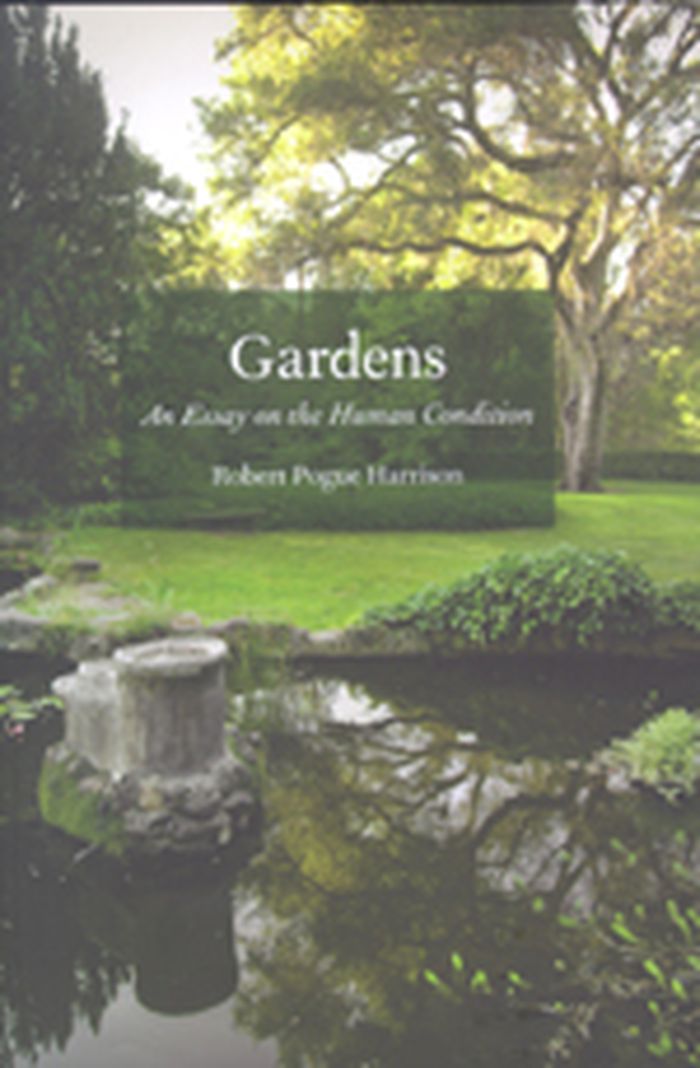
Gardens An essay on the human condition
Actions:
Prix:
$28.00
(disponible sur commande)
Résumé:
'In this book's two great predecessors, Forests and The Dominion of the Dead, Robert Pogue Harrison took two preoccupying images of the human psyche and considered them with a depth and originality that revealed their unlimited and unbroken presence in every assumption and moment of our lives. Gardens he describes modestly as an essay, but it suggests the same kind of pervasive presence of an underlying human impulse in our relation to the world around us. Harrison writes with eloquence, grace, and erudition rooted in the literatures of his four native languages (including Turkish) that informed his earlier books. The range of his perspective on the human myth suggests that he may be our Bachelard.' W.S. Merwin
Gardens An essay on the human condition
Actions:
Prix:
$28.00
(disponible sur commande)
Résumé:
'In this book's two great predecessors, Forests and The Dominion of the Dead, Robert Pogue Harrison took two preoccupying images of the human psyche and considered them with a depth and originality that revealed their unlimited and unbroken presence in every assumption and moment of our lives. Gardens he describes modestly as an essay, but it suggests the same kind of pervasive presence of an underlying human impulse in our relation to the world around us. Harrison writes with eloquence, grace, and erudition rooted in the literatures of his four native languages (including Turkish) that informed his earlier books. The range of his perspective on the human myth suggests that he may be our Bachelard.' W.S. Merwin
Classification:
livres
livres
Publication:
juin 2008, Chicago, London
juin 2008, Chicago, London
Sujet:
Théorie du paysage
Théorie du paysage
Classification:
livres
livres
Actions:
Prix:
$37.95
(disponible sur commande)
Résumé:
"In From Yard to Garden, Christopher Grampp has produced a work of major importance and significant originality. This book will change the way Americans see and understand their homes, yards, and gardens. Grampp provides the first full-length and thoroughly documented history of the American back yard. He takes courageous, new positions that are sure to prompt thinking(...)
$37.95
(disponible sur commande)
Résumé:
"In From Yard to Garden, Christopher Grampp has produced a work of major importance and significant originality. This book will change the way Americans see and understand their homes, yards, and gardens. Grampp provides the first full-length and thoroughly documented history of the American back yard. He takes courageous, new positions that are sure to prompt thinking(...)
Titre:
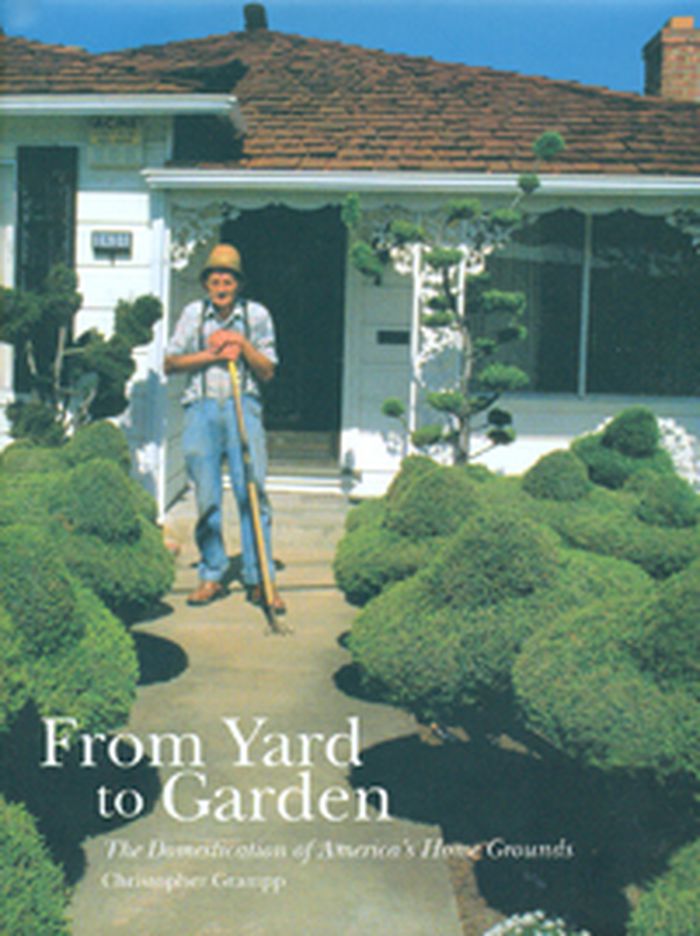
From yard to garden: the domestication of America's home grounds (Center for American Places - Center Books on American Places)
Actions:
Prix:
$37.95
(disponible sur commande)
Résumé:
"In From Yard to Garden, Christopher Grampp has produced a work of major importance and significant originality. This book will change the way Americans see and understand their homes, yards, and gardens. Grampp provides the first full-length and thoroughly documented history of the American back yard. He takes courageous, new positions that are sure to prompt thinking for all his readers and to suggest further research by his academic readers. The illustrations and captions are absolutely excellent. "Grampp's writing style is direct, clear, personal, and always approachable. He provides enough detail-and so much original new information-that the specialist, academic reader will be intrigued and satisfied; yet the narrative moves forward quickly enough to engage even the general reader who may be entirely new to the subject. Grampp's writing also sparkles with real humor."-Paul Groth, University of California at Berkeley, and author of Living Downtown: The History of Residential Hotels in the United States (Paul Groth 20070901)
From yard to garden: the domestication of America's home grounds (Center for American Places - Center Books on American Places)
Actions:
Prix:
$37.95
(disponible sur commande)
Résumé:
"In From Yard to Garden, Christopher Grampp has produced a work of major importance and significant originality. This book will change the way Americans see and understand their homes, yards, and gardens. Grampp provides the first full-length and thoroughly documented history of the American back yard. He takes courageous, new positions that are sure to prompt thinking for all his readers and to suggest further research by his academic readers. The illustrations and captions are absolutely excellent. "Grampp's writing style is direct, clear, personal, and always approachable. He provides enough detail-and so much original new information-that the specialist, academic reader will be intrigued and satisfied; yet the narrative moves forward quickly enough to engage even the general reader who may be entirely new to the subject. Grampp's writing also sparkles with real humor."-Paul Groth, University of California at Berkeley, and author of Living Downtown: The History of Residential Hotels in the United States (Paul Groth 20070901)
Classification:
livres
livres
Publication:
mai 2008, Chicago
mai 2008, Chicago
Sujet:
Théorie du paysage
Théorie du paysage
Classification:
livres
livres
Actions:
Prix:
$22.95
(disponible sur commande)
Résumé:
The complexity and scale of the environmental problems confronting humanity today provoke a wide range of responses, from indifference to anger to creativity. Among a growing number of architects, landscape architects, and planners, however, these problems have inspired a new vision - sustainability - to guide their practices. nbsp; In Nature, Landscape, and Building for(...)
$22.95
(disponible sur commande)
Résumé:
The complexity and scale of the environmental problems confronting humanity today provoke a wide range of responses, from indifference to anger to creativity. Among a growing number of architects, landscape architects, and planners, however, these problems have inspired a new vision - sustainability - to guide their practices. nbsp; In Nature, Landscape, and Building for(...)
Titre:
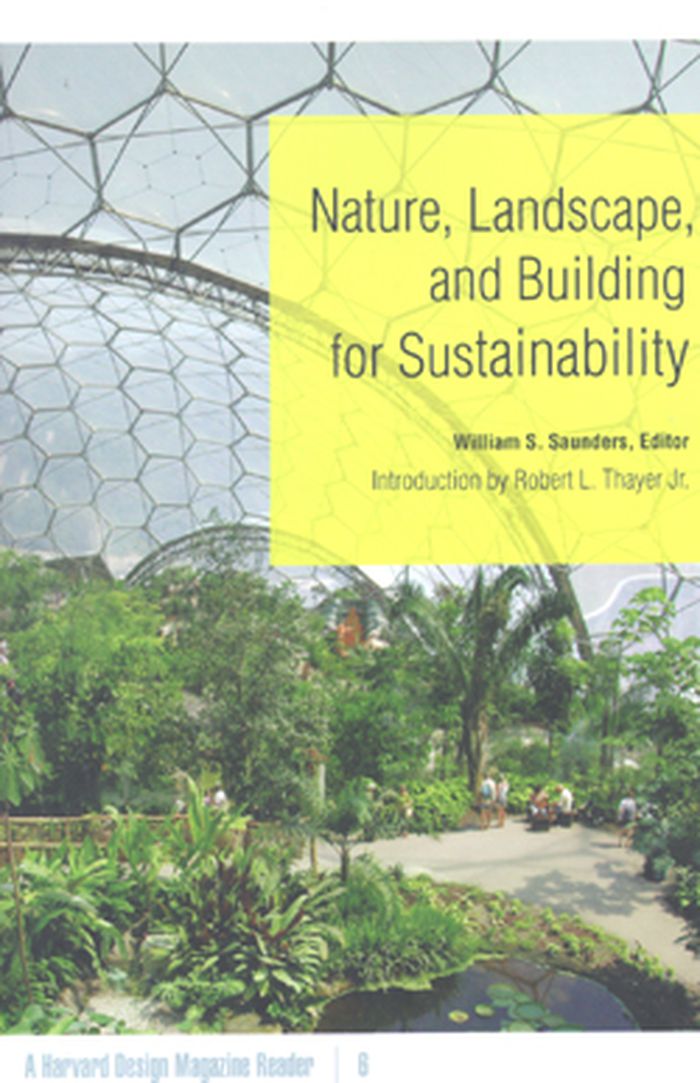
Nature, Landscape, and Building for Sustainability
Actions:
Prix:
$22.95
(disponible sur commande)
Résumé:
The complexity and scale of the environmental problems confronting humanity today provoke a wide range of responses, from indifference to anger to creativity. Among a growing number of architects, landscape architects, and planners, however, these problems have inspired a new vision - sustainability - to guide their practices. nbsp; In Nature, Landscape, and Building for Sustainability,a diverse group of contributors considers the concept of sustainability, both philosophically and practically. Some take a broad view of the divisions between nature and humanity, exploring the incomprehensible scale of human intervention in the natural world, the relationship between how we feelabout nature and what we doabout it, and the commodification of the natural world. Other essays focus on sustainable design practices: sustainability's roots in the American conservation tradition, its utility as a framework for future design practice, and the necessity of moving beyond demonstration projects into the mainstream. Together, these essays suggest that the gap between the promise and reality of sustainable design, although significant, can be bridged through diligence and practice.
Nature, Landscape, and Building for Sustainability
Actions:
Prix:
$22.95
(disponible sur commande)
Résumé:
The complexity and scale of the environmental problems confronting humanity today provoke a wide range of responses, from indifference to anger to creativity. Among a growing number of architects, landscape architects, and planners, however, these problems have inspired a new vision - sustainability - to guide their practices. nbsp; In Nature, Landscape, and Building for Sustainability,a diverse group of contributors considers the concept of sustainability, both philosophically and practically. Some take a broad view of the divisions between nature and humanity, exploring the incomprehensible scale of human intervention in the natural world, the relationship between how we feelabout nature and what we doabout it, and the commodification of the natural world. Other essays focus on sustainable design practices: sustainability's roots in the American conservation tradition, its utility as a framework for future design practice, and the necessity of moving beyond demonstration projects into the mainstream. Together, these essays suggest that the gap between the promise and reality of sustainable design, although significant, can be bridged through diligence and practice.
Classification:
livres
livres
Publication:
mai 2008
mai 2008
Sujet:
Théorie du paysage
Théorie du paysage
Classification:
livres
livres
Actions:
Prix:
$55.00
(disponible sur commande)
Résumé:
The landscape architect has great responsibility in creating projects that don't undermine the fragile natural balance of arid areas. The understanding of these kinds of landscapes will be of enormous help in preserving our world and the quality of life of the population that inhabits such regions. This book presents numerous examples of oases, gardens and agriculture in(...)
$55.00
(disponible sur commande)
Résumé:
The landscape architect has great responsibility in creating projects that don't undermine the fragile natural balance of arid areas. The understanding of these kinds of landscapes will be of enormous help in preserving our world and the quality of life of the population that inhabits such regions. This book presents numerous examples of oases, gardens and agriculture in(...)
Titre:
Aridscapes: designing in harsh and fragile lands
Actions:
Prix:
$55.00
(disponible sur commande)
Résumé:
The landscape architect has great responsibility in creating projects that don't undermine the fragile natural balance of arid areas. The understanding of these kinds of landscapes will be of enormous help in preserving our world and the quality of life of the population that inhabits such regions. This book presents numerous examples of oases, gardens and agriculture in the desert. In short, it provides a demonstration of how it is possible to work within a hostile landscape.
Aridscapes: designing in harsh and fragile lands
Actions:
Prix:
$55.00
(disponible sur commande)
Résumé:
The landscape architect has great responsibility in creating projects that don't undermine the fragile natural balance of arid areas. The understanding of these kinds of landscapes will be of enormous help in preserving our world and the quality of life of the population that inhabits such regions. This book presents numerous examples of oases, gardens and agriculture in the desert. In short, it provides a demonstration of how it is possible to work within a hostile landscape.
Classification:
livres
livres
Publication:
juin 2008
juin 2008
Sujet:
Théorie du paysage
Théorie du paysage
Classification:
livres
livres
Actions:
Prix:
$35.00
(disponible sur commande)
Résumé:
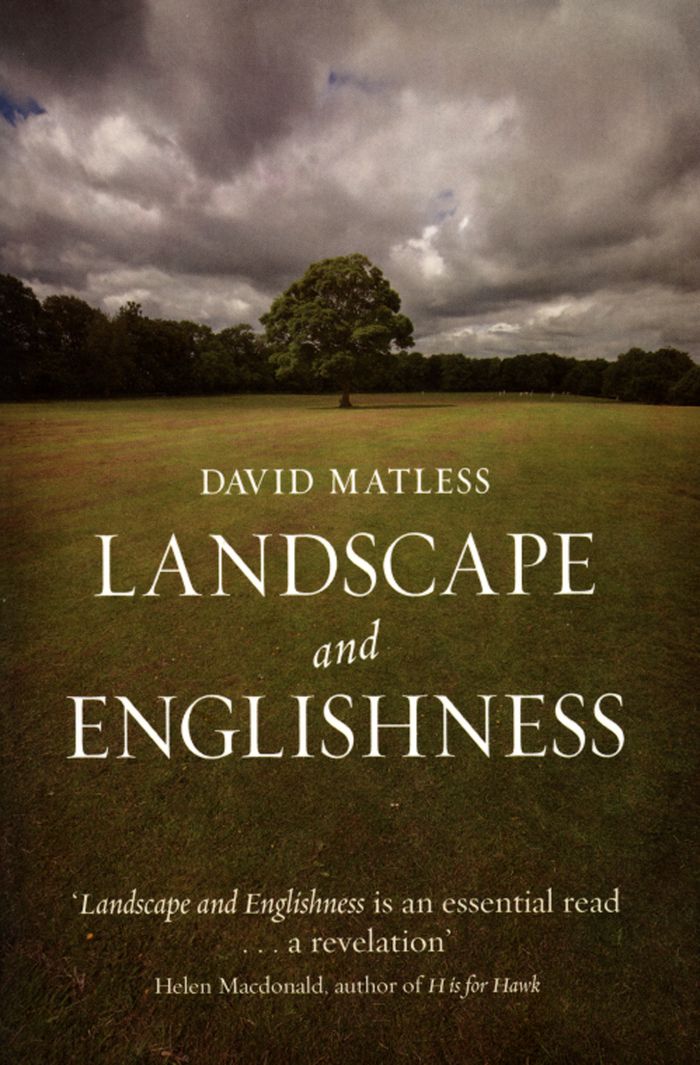
Landscape has been central to definitions of Englishness for centuries. David Matless argues that landscape has been the site where English visions of the past, present and future have met in debates over questions of national identity, disputes over history and modernity, and ideals of citizenship and the body.
$35.00
(disponible sur commande)
Résumé:
Landscape has been central to definitions of Englishness for centuries. David Matless argues that landscape has been the site where English visions of the past, present and future have met in debates over questions of national identity, disputes over history and modernity, and ideals of citizenship and the body.
Titre:
Landscape and Englishness, 2nd edition
Actions:
Prix:
$35.00
(disponible sur commande)
Résumé:
Landscape has been central to definitions of Englishness for centuries. David Matless argues that landscape has been the site where English visions of the past, present and future have met in debates over questions of national identity, disputes over history and modernity, and ideals of citizenship and the body.
Landscape and Englishness, 2nd edition
Actions:
Prix:
$35.00
(disponible sur commande)
Résumé:
Landscape has been central to definitions of Englishness for centuries. David Matless argues that landscape has been the site where English visions of the past, present and future have met in debates over questions of national identity, disputes over history and modernity, and ideals of citizenship and the body.
Classification:
livres
livres
Publication:
juin 2016
juin 2016
Sujet:
Théorie du paysage
Théorie du paysage
Classification:
livres
livres

Titre:
Kew Gardens
Kew Gardens
Actions:
Prix:
$23.95
(disponible sur commande)
Résumé:
This short story by Virginia Woolf, is set on a hot July day in Kew Gardens. Woolf creates an impressionistic world with snippets of conversation, wondering thoughts and sparks of colour. The gentle narrative drifts between different characters as they stroll through the world famous botanic gardens.
$23.95
(disponible sur commande)
Résumé:
This short story by Virginia Woolf, is set on a hot July day in Kew Gardens. Woolf creates an impressionistic world with snippets of conversation, wondering thoughts and sparks of colour. The gentle narrative drifts between different characters as they stroll through the world famous botanic gardens.
Titre:
Kew Gardens
Actions:
Prix:
$23.95
(disponible sur commande)
Résumé:
This short story by Virginia Woolf, is set on a hot July day in Kew Gardens. Woolf creates an impressionistic world with snippets of conversation, wondering thoughts and sparks of colour. The gentle narrative drifts between different characters as they stroll through the world famous botanic gardens.
Kew Gardens
Actions:
Prix:
$23.95
(disponible sur commande)
Résumé:
This short story by Virginia Woolf, is set on a hot July day in Kew Gardens. Woolf creates an impressionistic world with snippets of conversation, wondering thoughts and sparks of colour. The gentle narrative drifts between different characters as they stroll through the world famous botanic gardens.
Classification:
livres
livres
Publication:
mars 2016
mars 2016
Sujet:
Théorie du paysage
Théorie du paysage
Classification:
livres
livres
Prix:
$70.00
(disponible sur commande)
Résumé:
Mapping has been one of the most fertile areas of exploration for architecture and landscape in the past few decades. While documenting this shift in representation from the material and physical description toward the depiction of the unseen and often immaterial, ''Cartographic Grounds'' takes a critical view toward the current use of data mapping and visualization and(...)
$70.00
(disponible sur commande)
Résumé:
Mapping has been one of the most fertile areas of exploration for architecture and landscape in the past few decades. While documenting this shift in representation from the material and physical description toward the depiction of the unseen and often immaterial, ''Cartographic Grounds'' takes a critical view toward the current use of data mapping and visualization and(...)
Titre:
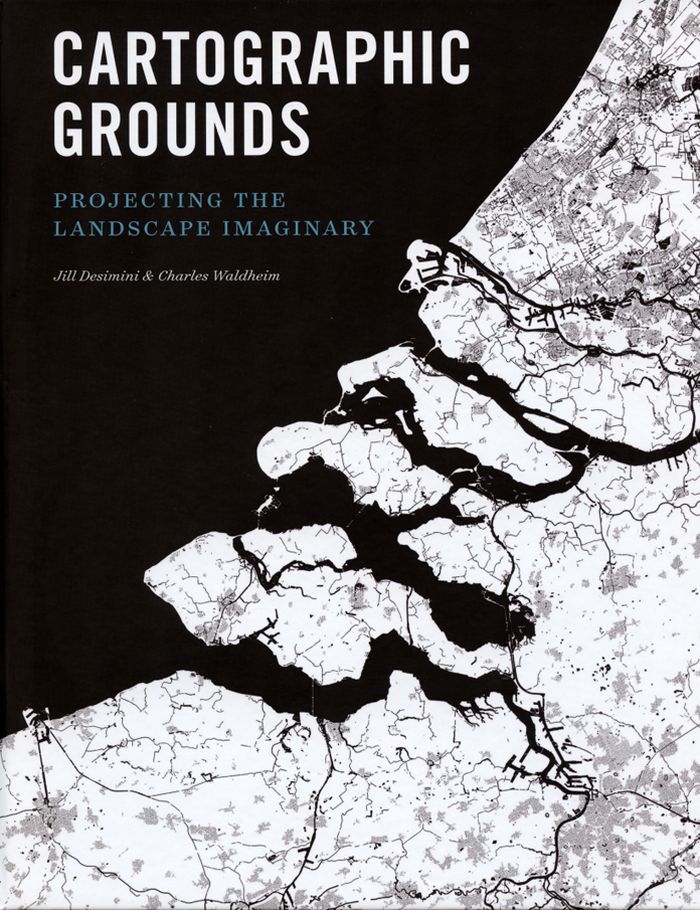
Cartographic grounds: projecting the landscape imaginary
Actions:
Prix:
$70.00
(disponible sur commande)
Résumé:
Mapping has been one of the most fertile areas of exploration for architecture and landscape in the past few decades. While documenting this shift in representation from the material and physical description toward the depiction of the unseen and often immaterial, ''Cartographic Grounds'' takes a critical view toward the current use of data mapping and visualization and calls for a return to traditional cartographic techniques to reimagine the manifestation and manipulation of the ground itself.
Cartographic grounds: projecting the landscape imaginary
Actions:
Prix:
$70.00
(disponible sur commande)
Résumé:
Mapping has been one of the most fertile areas of exploration for architecture and landscape in the past few decades. While documenting this shift in representation from the material and physical description toward the depiction of the unseen and often immaterial, ''Cartographic Grounds'' takes a critical view toward the current use of data mapping and visualization and calls for a return to traditional cartographic techniques to reimagine the manifestation and manipulation of the ground itself.
Classification:
livres
livres
Publication:
juin 2016
juin 2016
Sujet:
Théorie du paysage
Théorie du paysage
Classification:
livres
livres
Actions:
Prix:
$78.30
(disponible sur commande)
Résumé:
The sensing, processing, and visualizing that are currently in development within the environment boldly change the ways design and maintenance of landscapes are perceived and conceptualised. This is the first book to rationalize interactive architecture and responsive technologies through the lens of contemporary landscape architectural theory. 'Responsive Landscapes'(...)
$78.30
(disponible sur commande)
Résumé:
The sensing, processing, and visualizing that are currently in development within the environment boldly change the ways design and maintenance of landscapes are perceived and conceptualised. This is the first book to rationalize interactive architecture and responsive technologies through the lens of contemporary landscape architectural theory. 'Responsive Landscapes'(...)
Titre:
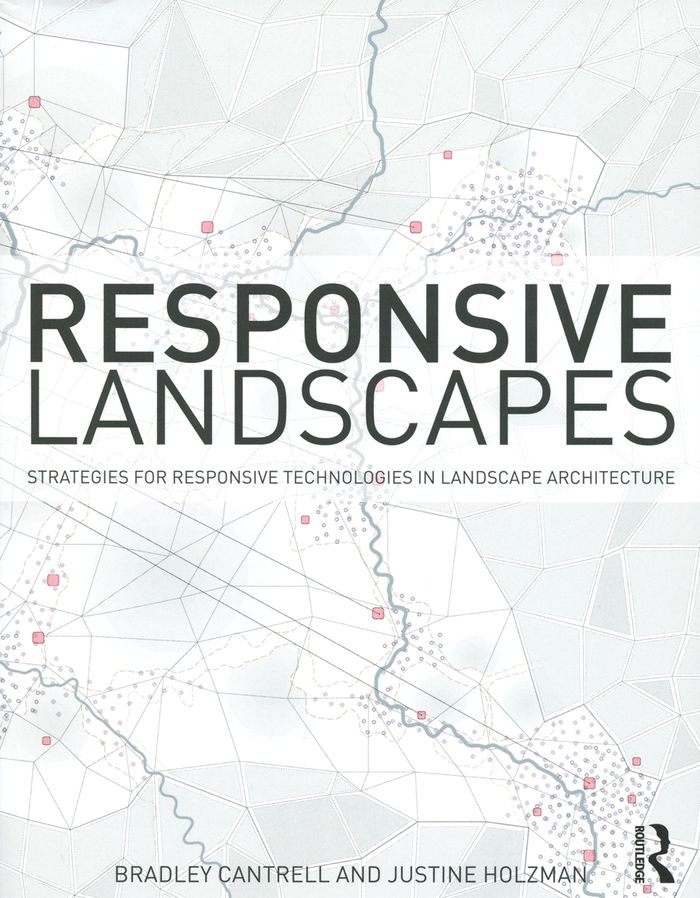
Responsive landscapes: strategies for responsive technologies in landscape architecture
Actions:
Prix:
$78.30
(disponible sur commande)
Résumé:
The sensing, processing, and visualizing that are currently in development within the environment boldly change the ways design and maintenance of landscapes are perceived and conceptualised. This is the first book to rationalize interactive architecture and responsive technologies through the lens of contemporary landscape architectural theory. 'Responsive Landscapes' frames a comprehensive view of design projects using responsive technologies and their relationship to landscape and environmental space. Divided into six insightful sections, the book frames the projects through the terms; elucidate, compress, displace, connect, ambient, and modify to present and construct a pragmatic framework in which to approach the integration of responsive technologies into landscape architecture.
Responsive landscapes: strategies for responsive technologies in landscape architecture
Actions:
Prix:
$78.30
(disponible sur commande)
Résumé:
The sensing, processing, and visualizing that are currently in development within the environment boldly change the ways design and maintenance of landscapes are perceived and conceptualised. This is the first book to rationalize interactive architecture and responsive technologies through the lens of contemporary landscape architectural theory. 'Responsive Landscapes' frames a comprehensive view of design projects using responsive technologies and their relationship to landscape and environmental space. Divided into six insightful sections, the book frames the projects through the terms; elucidate, compress, displace, connect, ambient, and modify to present and construct a pragmatic framework in which to approach the integration of responsive technologies into landscape architecture.
Classification:
livres
livres
Publication:
mars 2016
mars 2016
Sujet:
Théorie du paysage
Théorie du paysage
Classification:
livres
livres
Titre:
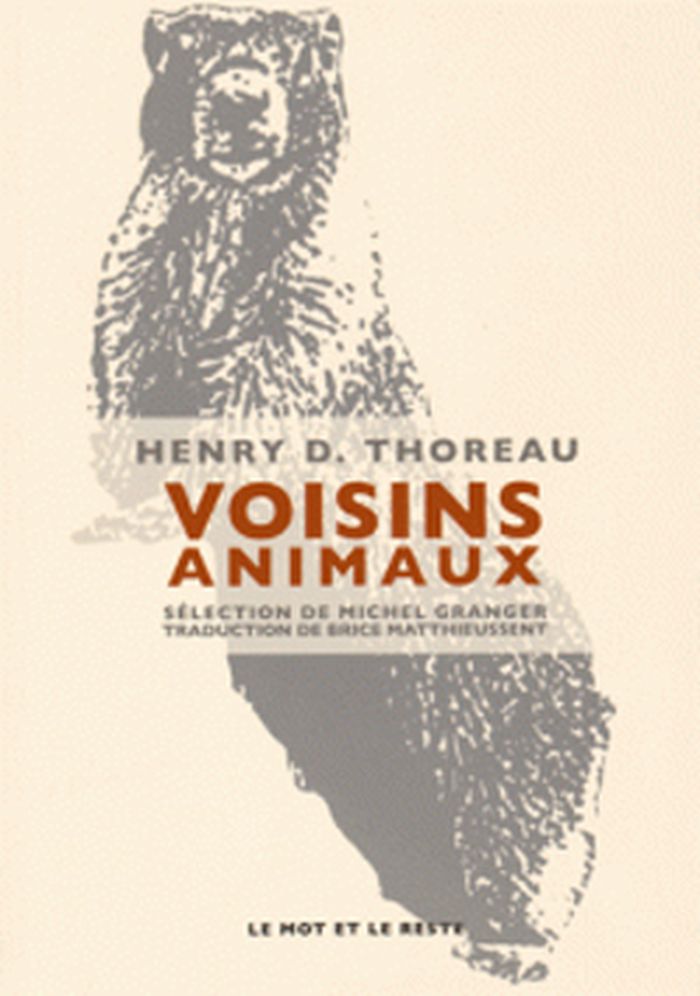
Voisins animaux
Voisins animaux
Actions:
Prix:
$27.95
(disponible sur commande)
Résumé:
Un recueil des principaux textes de l'écrivain américain composé à partir de deux de ses oeuvres, son Journal et Walden, dans lesquelles il interroge son rapport aux animaux. Pour lui ce sont des amis, des semblables, plus fréquentables que ses voisins humains de Concord auxquels il reproche leur culte de l'argent et des traditions.
$27.95
(disponible sur commande)
Résumé:
Un recueil des principaux textes de l'écrivain américain composé à partir de deux de ses oeuvres, son Journal et Walden, dans lesquelles il interroge son rapport aux animaux. Pour lui ce sont des amis, des semblables, plus fréquentables que ses voisins humains de Concord auxquels il reproche leur culte de l'argent et des traditions.
Titre:
Voisins animaux
Actions:
Prix:
$27.95
(disponible sur commande)
Résumé:
Un recueil des principaux textes de l'écrivain américain composé à partir de deux de ses oeuvres, son Journal et Walden, dans lesquelles il interroge son rapport aux animaux. Pour lui ce sont des amis, des semblables, plus fréquentables que ses voisins humains de Concord auxquels il reproche leur culte de l'argent et des traditions.
Voisins animaux
Actions:
Prix:
$27.95
(disponible sur commande)
Résumé:
Un recueil des principaux textes de l'écrivain américain composé à partir de deux de ses oeuvres, son Journal et Walden, dans lesquelles il interroge son rapport aux animaux. Pour lui ce sont des amis, des semblables, plus fréquentables que ses voisins humains de Concord auxquels il reproche leur culte de l'argent et des traditions.
Classification:
livres
livres
Publication:
mars 2016
mars 2016
Sujet:
Théorie du paysage
Théorie du paysage


