


3930 Résultats
Classification:
photographies
photographies

Actions:
Numéro de référence:
PH1997:0053
Description:
- The series "Running Fence 1997" focuses "on the first 14 miles of the border fence that separates the United States and Mexico, beginning at the Pacific Ocean and ending in the Otay Mountains.... [It] analyzes the "idea" of the border and explores its iconography, the border being a subject that is of extreme importance to the public as the world proceeds towards greater globalization. [Geoffrey] James has written of the project: "[The border fence] was built by the US Army Corps of Engineers in 1994, out of recycled metal landing strip - the most visible symbol of what is known as Operation Gatekeeper. Because the steel sheets are placed in the ground so that their ridges run horizontally, a man can hop over the fence with ease; and no Mexican child ever seems to be impeded from retrieving a soccer ball from US territory. The real barrier to illegal immigration from Mexico into the USA is less visible: hundreds of buried sensors linked to a central computer, nightscopes, helicopters and Border Patrol Agents in white Broncos."" (Evans).
PH1997:0053
Description:
- The series "Running Fence 1997" focuses "on the first 14 miles of the border fence that separates the United States and Mexico, beginning at the Pacific Ocean and ending in the Otay Mountains.... [It] analyzes the "idea" of the border and explores its iconography, the border being a subject that is of extreme importance to the public as the world proceeds towards greater globalization. [Geoffrey] James has written of the project: "[The border fence] was built by the US Army Corps of Engineers in 1994, out of recycled metal landing strip - the most visible symbol of what is known as Operation Gatekeeper. Because the steel sheets are placed in the ground so that their ridges run horizontally, a man can hop over the fence with ease; and no Mexican child ever seems to be impeded from retrieving a soccer ball from US territory. The real barrier to illegal immigration from Mexico into the USA is less visible: hundreds of buried sensors linked to a central computer, nightscopes, helicopters and Border Patrol Agents in white Broncos."" (Evans).
Personnes et institutions:
Sujet:
architecture, ingénierie
architecture, ingénierie
Date:
1997
1997
Titre:
View of 24-hour border crossing supplies tent showing partial view of United States-Mexico border fence, San Diego County, California, United States, and Avenida Internacional, Tijuana, Baja California, Mexico
Actions:
PH1997:0053
Description:
- The series "Running Fence 1997" focuses "on the first 14 miles of the border fence that separates the United States and Mexico, beginning at the Pacific Ocean and ending in the Otay Mountains.... [It] analyzes the "idea" of the border and explores its iconography, the border being a subject that is of extreme importance to the public as the world proceeds towards greater globalization. [Geoffrey] James has written of the project: "[The border fence] was built by the US Army Corps of Engineers in 1994, out of recycled metal landing strip - the most visible symbol of what is known as Operation Gatekeeper. Because the steel sheets are placed in the ground so that their ridges run horizontally, a man can hop over the fence with ease; and no Mexican child ever seems to be impeded from retrieving a soccer ball from US territory. The real barrier to illegal immigration from Mexico into the USA is less visible: hundreds of buried sensors linked to a central computer, nightscopes, helicopters and Border Patrol Agents in white Broncos."" (Evans).
View of 24-hour border crossing supplies tent showing partial view of United States-Mexico border fence, San Diego County, California, United States, and Avenida Internacional, Tijuana, Baja California, Mexico
Actions:
PH1997:0053
Description:
- The series "Running Fence 1997" focuses "on the first 14 miles of the border fence that separates the United States and Mexico, beginning at the Pacific Ocean and ending in the Otay Mountains.... [It] analyzes the "idea" of the border and explores its iconography, the border being a subject that is of extreme importance to the public as the world proceeds towards greater globalization. [Geoffrey] James has written of the project: "[The border fence] was built by the US Army Corps of Engineers in 1994, out of recycled metal landing strip - the most visible symbol of what is known as Operation Gatekeeper. Because the steel sheets are placed in the ground so that their ridges run horizontally, a man can hop over the fence with ease; and no Mexican child ever seems to be impeded from retrieving a soccer ball from US territory. The real barrier to illegal immigration from Mexico into the USA is less visible: hundreds of buried sensors linked to a central computer, nightscopes, helicopters and Border Patrol Agents in white Broncos."" (Evans).
Classification:
photographies
photographies
Date:
1997
1997
Personnes et institutions:
Sujet:
architecture, ingénierie
architecture, ingénierie
Classification:
photographies
photographies
Actions:
Numéro de référence:
AR1997:0005:004:020
AR1997:0005:004:020
Personnes et institutions:
Sujet:
architecture
architecture
Date:
negative exposed 1930s
negative exposed 1930s
Titre:
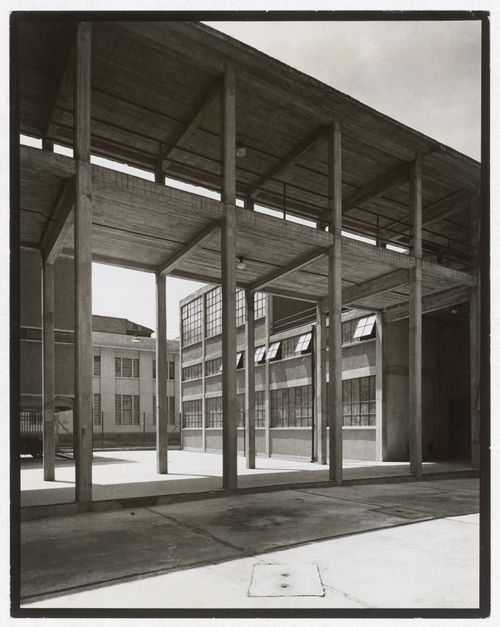
View of the courtyard of the School of Industrial Techniques, calle Tresguerras, Mexico City
Actions:
AR1997:0005:004:020
View of the courtyard of the School of Industrial Techniques, calle Tresguerras, Mexico City
Actions:
AR1997:0005:004:020
Classification:
photographies
photographies
Date:
negative exposed 1930s
negative exposed 1930s
Personnes et institutions:
Sujet:
architecture
architecture
Classification:
photographies
photographies
![View of people on a riverboat, for the Fiesta - Dia de los Flores [?], Mexico](/img-collection/WAuc5qAHCOWTuNUW0iQg31FBmBk=/500x649/354501.jpg)
Actions:
Numéro de référence:
PH2003:0276
PH2003:0276
Personnes et institutions:
Sujet:
architecture
architecture
Date:
ca. 1936
ca. 1936
Titre:
View of people on a riverboat, for the Fiesta - Dia de los Flores [?], Mexico
Actions:
PH2003:0276
View of people on a riverboat, for the Fiesta - Dia de los Flores [?], Mexico
Actions:
PH2003:0276
Classification:
photographies
photographies
Date:
ca. 1936
ca. 1936
Personnes et institutions:
Sujet:
architecture
architecture
Classification:
photographies
photographies
Actions:
Numéro de référence:
PH1987:0452.02:060
PH1987:0452.02:060
Personnes et institutions:
Sujet:
architecture, sculpture
architecture, sculpture
Date:
1901 or before
1901 or before
Titre:
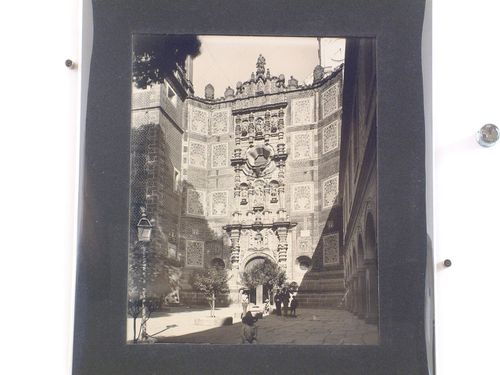
Partial view of the principal façade of the Church of San Francisco, Puebla, Mexico
Actions:
PH1987:0452.02:060
Partial view of the principal façade of the Church of San Francisco, Puebla, Mexico
Actions:
PH1987:0452.02:060
Classification:
photographies
photographies
Date:
1901 or before
1901 or before
Personnes et institutions:
Sujet:
architecture, sculpture
architecture, sculpture
Classification:
photographies
photographies
Actions:
Numéro de référence:
PH1987:0452.02:062
PH1987:0452.02:062
Personnes et institutions:
Sujet:
architecture, sculpture
architecture, sculpture
Date:
1901 or before
1901 or before
Titre:
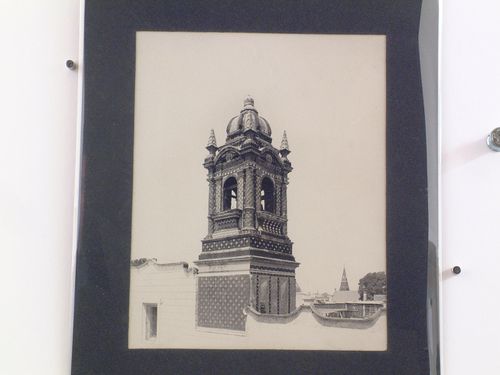
View of the tower of the Church of Santa Catalina de Sena, Puebla, Mexico
Actions:
PH1987:0452.02:062
View of the tower of the Church of Santa Catalina de Sena, Puebla, Mexico
Actions:
PH1987:0452.02:062
Classification:
photographies
photographies
Date:
1901 or before
1901 or before
Personnes et institutions:
Sujet:
architecture, sculpture
architecture, sculpture
Classification:
photographies
Quantité:
21 File
photographies
Quantité:
21 File
Numéro de référence:
ARCH273474
ARCH273474
Personnes et institutions:
Date:
1990s
1990s
Classification:
photographies
Quantité:
21 File
photographies
Quantité:
21 File
Date:
1990s
1990s
Personnes et institutions:
Classification:
photographies
photographies
Actions:
Numéro de référence:
PH2003:0282
PH2003:0282
Personnes et institutions:
Sujet:
architecture
architecture
Date:
ca. 1936
ca. 1936
Titre:
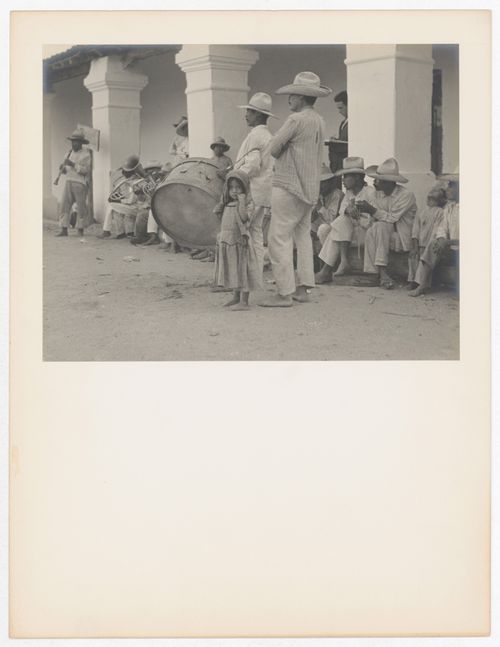
View of a men with musical instruments, Plume Dance, Oaxaca de Juárez, Mexico
Actions:
PH2003:0282
View of a men with musical instruments, Plume Dance, Oaxaca de Juárez, Mexico
Actions:
PH2003:0282
Classification:
photographies
photographies
Date:
ca. 1936
ca. 1936
Personnes et institutions:
Sujet:
architecture
architecture
Classification:
photographies
photographies
Actions:
Numéro de référence:
PH2003:0287
PH2003:0287
Personnes et institutions:
Sujet:
architecture
architecture
Date:
ca. 1936
ca. 1936
Titre:
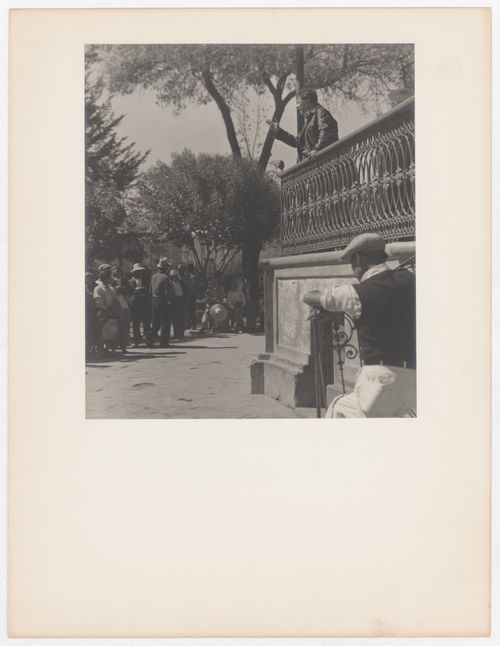
View of an agrarian meeting showing Diego Rivera speaking from a balcony, Mexico
Actions:
PH2003:0287
View of an agrarian meeting showing Diego Rivera speaking from a balcony, Mexico
Actions:
PH2003:0287
Classification:
photographies
photographies
Date:
ca. 1936
ca. 1936
Personnes et institutions:
Sujet:
architecture
architecture
Classification:
photographies
photographies
Actions:
Numéro de référence:
PH1981:0997:036
PH1981:0997:036
Personnes et institutions:
Sujet:
architecture, sculpture
architecture, sculpture
Date:
May 1860
May 1860
Titre:
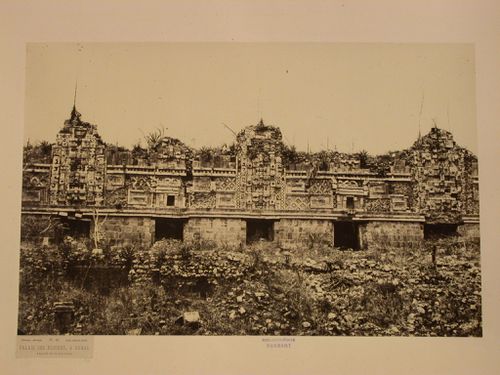
Partial view of the Nunnery Quadrangle showing the northern façade, Uxmal Site, Mexico
Actions:
PH1981:0997:036
Partial view of the Nunnery Quadrangle showing the northern façade, Uxmal Site, Mexico
Actions:
PH1981:0997:036
Classification:
photographies
photographies
Date:
May 1860
May 1860
Personnes et institutions:
Sujet:
architecture, sculpture
architecture, sculpture
Classification:
dessins
dessins
Numéro de référence:
ARCH77879
Description:
Plot and floor plans, sections
ARCH77879
Description:
Plot and floor plans, sections
Personnes et institutions:
Date:
1989, 1991-1992
1989, 1991-1992
Titre:
Design development drawings for Shirley MacLaine House, De Baca County, New Mexico
Actions:
ARCH77879
Description:
Plot and floor plans, sections
Design development drawings for Shirley MacLaine House, De Baca County, New Mexico
Actions:
ARCH77879
Description:
Plot and floor plans, sections
Classification:
dessins
dessins
Date:
1989, 1991-1992
1989, 1991-1992
Personnes et institutions:


