


482 Résultats
Classification:
livres
livres
Actions:
Prix:
$69.95
(disponible sur commande)
Résumé:
Ten years after its initial publication, "Weather in the city" is more relevant than ever. Prolonged heat waves are a source of many stress-related problems, especially in densely populated areas. Certain wind phenomena in cities have also caused issues in the atmosphere. Based on these factors, Sanda Lenzholzer shows how basic climatic processes work in an urban(...)
$69.95
(disponible sur commande)
Résumé:
Ten years after its initial publication, "Weather in the city" is more relevant than ever. Prolonged heat waves are a source of many stress-related problems, especially in densely populated areas. Certain wind phenomena in cities have also caused issues in the atmosphere. Based on these factors, Sanda Lenzholzer shows how basic climatic processes work in an urban(...)
Titre:
Weather in the city: How design shapes the urban climate. revised edition
Actions:
Prix:
$69.95
(disponible sur commande)
Résumé:
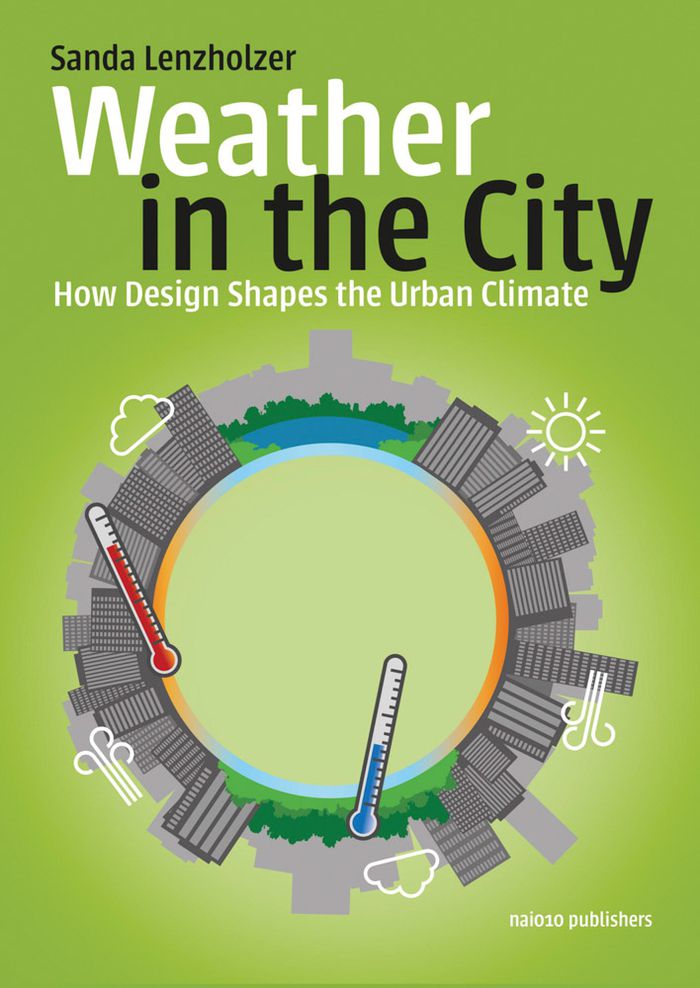
Ten years after its initial publication, "Weather in the city" is more relevant than ever. Prolonged heat waves are a source of many stress-related problems, especially in densely populated areas. Certain wind phenomena in cities have also caused issues in the atmosphere. Based on these factors, Sanda Lenzholzer shows how basic climatic processes work in an urban environment, and how they can be influenced by spatial planning and urban design. This revised edition draws on current examples in demonstrating how the comfort of the urban environment can be enhanced using modern techniques and new methods. The book is both a reference work and a source of inspiration for all those engaged in creating a liveable city: be they clients, policymakers, professionals or students involved in urban design, landscape architecture and planning.
Weather in the city: How design shapes the urban climate. revised edition
Actions:
Prix:
$69.95
(disponible sur commande)
Résumé:
Ten years after its initial publication, "Weather in the city" is more relevant than ever. Prolonged heat waves are a source of many stress-related problems, especially in densely populated areas. Certain wind phenomena in cities have also caused issues in the atmosphere. Based on these factors, Sanda Lenzholzer shows how basic climatic processes work in an urban environment, and how they can be influenced by spatial planning and urban design. This revised edition draws on current examples in demonstrating how the comfort of the urban environment can be enhanced using modern techniques and new methods. The book is both a reference work and a source of inspiration for all those engaged in creating a liveable city: be they clients, policymakers, professionals or students involved in urban design, landscape architecture and planning.
Classification:
livres
livres
Publication:
septembre 2025
septembre 2025
Sujet:
Paysages urbains
Paysages urbains
Classification:
livres
livres
Titre:
Richard Misrach: Cargo
Richard Misrach: Cargo
Actions:
Prix:
$115.00
(disponible en magasin)
Résumé:
"Richard Misrach: Cargo" presents the acclaimed photographer’s sublime meditation on the often-unseen patterns of global trade and commerce. In 2021, on the heels of the COVID-19 pandemic, which, at its height, seemed to nearly halt the networks of international trade, Misrach began taking thousands of photographs of cargo ships as they moved to and from the Port of(...)
$115.00
(disponible en magasin)
Résumé:
"Richard Misrach: Cargo" presents the acclaimed photographer’s sublime meditation on the often-unseen patterns of global trade and commerce. In 2021, on the heels of the COVID-19 pandemic, which, at its height, seemed to nearly halt the networks of international trade, Misrach began taking thousands of photographs of cargo ships as they moved to and from the Port of(...)
Titre:
Richard Misrach: Cargo
Actions:
Prix:
$115.00
(disponible en magasin)
Résumé:
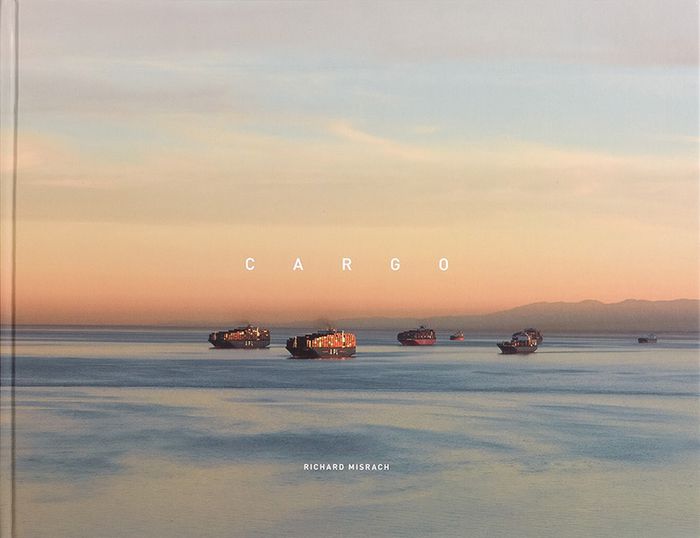
"Richard Misrach: Cargo" presents the acclaimed photographer’s sublime meditation on the often-unseen patterns of global trade and commerce. In 2021, on the heels of the COVID-19 pandemic, which, at its height, seemed to nearly halt the networks of international trade, Misrach began taking thousands of photographs of cargo ships as they moved to and from the Port of Oakland, California. In these monumental seascapes, cargo ships appear frozen in time—diminutive but stalwart—within an expansive, richly colored confluence of sea, sky, and atmosphere. Eerie, sparse, and undeniably beautiful, Misrach’s images abstractly trace multiple histories: the recent collapse and slow recovery of these seafaring trade routes, the confrontation of the human and natural environment in an era of climate disaster, and a rich lineage of maritime art.
Richard Misrach: Cargo
Actions:
Prix:
$115.00
(disponible en magasin)
Résumé:
"Richard Misrach: Cargo" presents the acclaimed photographer’s sublime meditation on the often-unseen patterns of global trade and commerce. In 2021, on the heels of the COVID-19 pandemic, which, at its height, seemed to nearly halt the networks of international trade, Misrach began taking thousands of photographs of cargo ships as they moved to and from the Port of Oakland, California. In these monumental seascapes, cargo ships appear frozen in time—diminutive but stalwart—within an expansive, richly colored confluence of sea, sky, and atmosphere. Eerie, sparse, and undeniably beautiful, Misrach’s images abstractly trace multiple histories: the recent collapse and slow recovery of these seafaring trade routes, the confrontation of the human and natural environment in an era of climate disaster, and a rich lineage of maritime art.
Classification:
livres
livres
Publication:
juin 2025
juin 2025
Sujet:
Monographies photo
Monographies photo
Classification:
livres
livres
Actions:
Prix:
$70.00
(disponible sur commande)
Résumé:
Sverre Fehn’s Nordic Pavilion in Venice is a masterpiece of postwar architecture. The young Norwegian architect won the competition in 1958; the building was inaugurated in 1962. In minute detail, this book presents the history of the origins and making of the Nordic pavilion, covering everything from the geopolitical context in an increasingly tense cold-war atmosphere(...)
$70.00
(disponible sur commande)
Résumé:
Sverre Fehn’s Nordic Pavilion in Venice is a masterpiece of postwar architecture. The young Norwegian architect won the competition in 1958; the building was inaugurated in 1962. In minute detail, this book presents the history of the origins and making of the Nordic pavilion, covering everything from the geopolitical context in an increasingly tense cold-war atmosphere(...)
Titre:
Sverre Fehn: Nordic Pavilion, Venice
Actions:
Prix:
$70.00
(disponible sur commande)
Résumé:
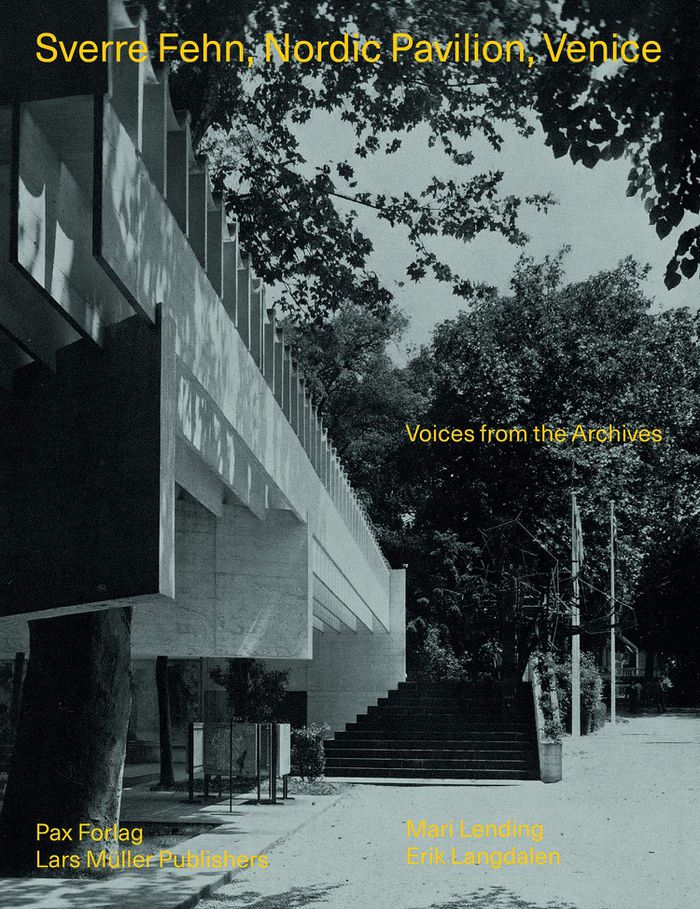
Sverre Fehn’s Nordic Pavilion in Venice is a masterpiece of postwar architecture. The young Norwegian architect won the competition in 1958; the building was inaugurated in 1962. In minute detail, this book presents the history of the origins and making of the Nordic pavilion, covering everything from the geopolitical context in an increasingly tense cold-war atmosphere to the aggregates in the concrete of the audacious roof construction. ''Sverre Fehn : Nordic Pavilion, Venice'' also documents the vast cast involved in the making of the Nordic Pavilion, from kings, prime ministers, bureaucrats, ambassadors, museum directors, architects and a myriad of artists’ associations to Venetian dignitaries, engineers, gardeners, lawyers and plumbers. Illustrated with previously unpublished images, the archival evidence also sheds new light on one of the great Nordic architects of the recent past.
Sverre Fehn: Nordic Pavilion, Venice
Actions:
Prix:
$70.00
(disponible sur commande)
Résumé:
Sverre Fehn’s Nordic Pavilion in Venice is a masterpiece of postwar architecture. The young Norwegian architect won the competition in 1958; the building was inaugurated in 1962. In minute detail, this book presents the history of the origins and making of the Nordic pavilion, covering everything from the geopolitical context in an increasingly tense cold-war atmosphere to the aggregates in the concrete of the audacious roof construction. ''Sverre Fehn : Nordic Pavilion, Venice'' also documents the vast cast involved in the making of the Nordic Pavilion, from kings, prime ministers, bureaucrats, ambassadors, museum directors, architects and a myriad of artists’ associations to Venetian dignitaries, engineers, gardeners, lawyers and plumbers. Illustrated with previously unpublished images, the archival evidence also sheds new light on one of the great Nordic architects of the recent past.
Classification:
livres
livres
Publication:
mars 2021
mars 2021
Sujet:
Architecture, monographies
Architecture, monographies
Classification:
livres
livres
Titre:
Hospital architecture
Hospital architecture
Actions:
Prix:
$110.00
(disponible sur commande)
Résumé:
As life expectancy is extended, medical procedures continually advance and competition between health care providers intensifies, hospital design becomes increasingly important. The idea that patients benefit from their surroundings has been acknowledged for some time, but it is only recently that this concept has become the key to architectural solutions when building or(...)
$110.00
(disponible sur commande)
Résumé:
As life expectancy is extended, medical procedures continually advance and competition between health care providers intensifies, hospital design becomes increasingly important. The idea that patients benefit from their surroundings has been acknowledged for some time, but it is only recently that this concept has become the key to architectural solutions when building or(...)
Publication:
novembre 2012
novembre 2012
Titre:
Hospital architecture
Actions:
Prix:
$110.00
(disponible sur commande)
Résumé:
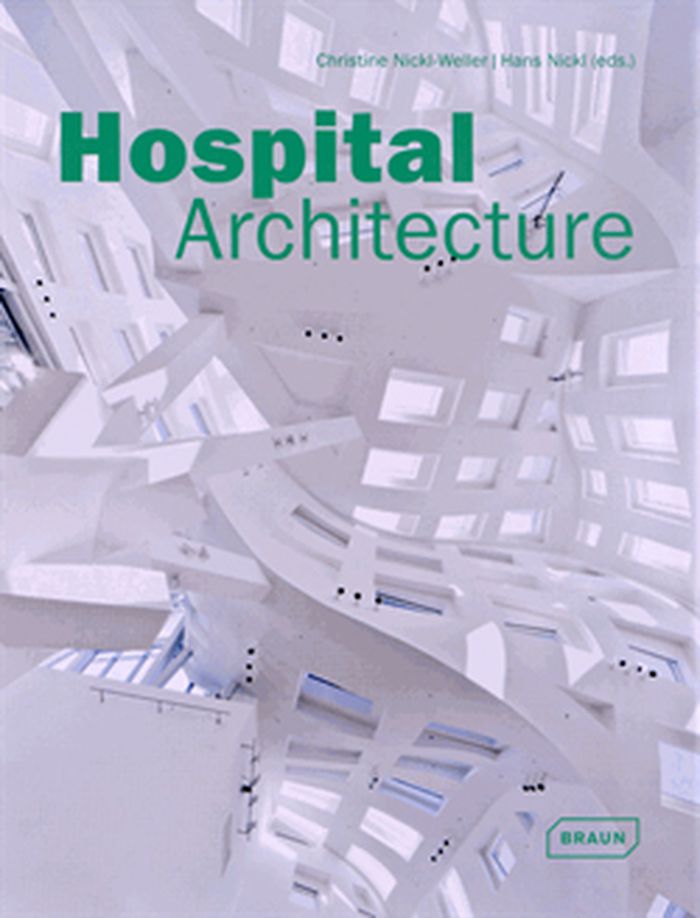
As life expectancy is extended, medical procedures continually advance and competition between health care providers intensifies, hospital design becomes increasingly important. The idea that patients benefit from their surroundings has been acknowledged for some time, but it is only recently that this concept has become the key to architectural solutions when building or redesigning hospitals and health care facilities. Drawing on over 60 examples from across the world, this volume illustrates the contemporary approach to hospital architecture. Today, architects and interior designers are striving to combat the typical sterile hospital atmosphere with innovative and exciting concepts, whilst still, of course, maintaining a high level of hygiene and functionality. The projects chosen range from new private clinics to extensions and conversions of large inner-city clinical centers and specialized hospitals.
Hospital architecture
Actions:
Prix:
$110.00
(disponible sur commande)
Résumé:
As life expectancy is extended, medical procedures continually advance and competition between health care providers intensifies, hospital design becomes increasingly important. The idea that patients benefit from their surroundings has been acknowledged for some time, but it is only recently that this concept has become the key to architectural solutions when building or redesigning hospitals and health care facilities. Drawing on over 60 examples from across the world, this volume illustrates the contemporary approach to hospital architecture. Today, architects and interior designers are striving to combat the typical sterile hospital atmosphere with innovative and exciting concepts, whilst still, of course, maintaining a high level of hygiene and functionality. The projects chosen range from new private clinics to extensions and conversions of large inner-city clinical centers and specialized hospitals.
Classification:
livres
livres
Publication:
novembre 2012
novembre 2012
Classification:
livres
livres
Actions:
Prix:
$42.00
(disponible en magasin)
Résumé:
Air equals information. All organic air users - plants, humans and other animals - contribute to the hybrid space that is the atmosphere through breathing and sending chemical messages. Unlike other organic air users, humans, in addition, saturate air space with electronic data. This book argues in favour of ‘remembering air’ that is expressed in the shift from the(...)
$42.00
(disponible en magasin)
Résumé:
Air equals information. All organic air users - plants, humans and other animals - contribute to the hybrid space that is the atmosphere through breathing and sending chemical messages. Unlike other organic air users, humans, in addition, saturate air space with electronic data. This book argues in favour of ‘remembering air’ that is expressed in the shift from the(...)
Titre:
Going aerial: air, art, architecture
Actions:
Prix:
$42.00
(disponible en magasin)
Résumé:
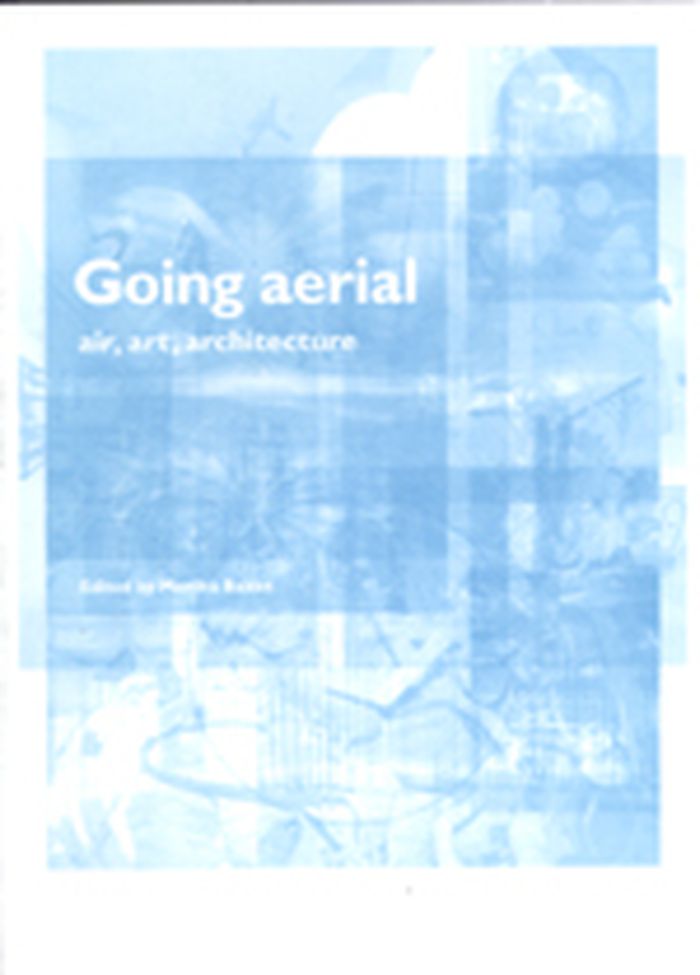
Air equals information. All organic air users - plants, humans and other animals - contribute to the hybrid space that is the atmosphere through breathing and sending chemical messages. Unlike other organic air users, humans, in addition, saturate air space with electronic data. This book argues in favour of ‘remembering air’ that is expressed in the shift from the ‘leap into the void’ to ‘going aerial’. Going aerial enables us to receive and transmit airborne data of various sources that were previously inaccessible due to a lack of technology and, more importantly, due to lack of awareness and interest in air as carrier, conductor and catalyst of communication processes. Going aerial offers an original account of the most innovative air-using strategies that have been developed by artists and architects in the form of machines, robots, nomadic inflatables, bubbles, ambiances, and atmospheres.
Going aerial: air, art, architecture
Actions:
Prix:
$42.00
(disponible en magasin)
Résumé:
Air equals information. All organic air users - plants, humans and other animals - contribute to the hybrid space that is the atmosphere through breathing and sending chemical messages. Unlike other organic air users, humans, in addition, saturate air space with electronic data. This book argues in favour of ‘remembering air’ that is expressed in the shift from the ‘leap into the void’ to ‘going aerial’. Going aerial enables us to receive and transmit airborne data of various sources that were previously inaccessible due to a lack of technology and, more importantly, due to lack of awareness and interest in air as carrier, conductor and catalyst of communication processes. Going aerial offers an original account of the most innovative air-using strategies that have been developed by artists and architects in the form of machines, robots, nomadic inflatables, bubbles, ambiances, and atmospheres.
Classification:
livres
livres
Publication:
octobre 2007, Maastricht
octobre 2007, Maastricht
Sujet:
Théorie de l’architecture
Théorie de l’architecture
Classification:
livres
livres

Titre:
The big fish
The big fish
Actions:
Prix:
$26.00
(disponible sur commande)
Résumé:
A little island inhabited by fishermen, the sun, the waves. The little boats quietly fish the high seas, but one day a big boat comes to steal all the fishes to the fishermen. The poor fishermen are desperate, till a frightening storm will abandon a big, big fish on the beach: onec more the nature has won... Aoi Huber-Kono writes and draws a tender and fascinating(...)
$26.00
(disponible sur commande)
Résumé:
A little island inhabited by fishermen, the sun, the waves. The little boats quietly fish the high seas, but one day a big boat comes to steal all the fishes to the fishermen. The poor fishermen are desperate, till a frightening storm will abandon a big, big fish on the beach: onec more the nature has won... Aoi Huber-Kono writes and draws a tender and fascinating(...)
Titre:
The big fish
Actions:
Prix:
$26.00
(disponible sur commande)
Résumé:
A little island inhabited by fishermen, the sun, the waves. The little boats quietly fish the high seas, but one day a big boat comes to steal all the fishes to the fishermen. The poor fishermen are desperate, till a frightening storm will abandon a big, big fish on the beach: onec more the nature has won... Aoi Huber-Kono writes and draws a tender and fascinating story, where the soft and winding stroke and non-conventional use of colours create a mysterious and bewitching atmosphere. The creative make-up by Max Huber, inspired by calligrammes, follows the waves’ rythm, the spaces and moves suggested by drawings, and generates emotions in the reader. “Il grande pesce”, published for the first time in 1968, it’s a book that continues to talk and touch contemporary children and adults.
The big fish
Actions:
Prix:
$26.00
(disponible sur commande)
Résumé:
A little island inhabited by fishermen, the sun, the waves. The little boats quietly fish the high seas, but one day a big boat comes to steal all the fishes to the fishermen. The poor fishermen are desperate, till a frightening storm will abandon a big, big fish on the beach: onec more the nature has won... Aoi Huber-Kono writes and draws a tender and fascinating story, where the soft and winding stroke and non-conventional use of colours create a mysterious and bewitching atmosphere. The creative make-up by Max Huber, inspired by calligrammes, follows the waves’ rythm, the spaces and moves suggested by drawings, and generates emotions in the reader. “Il grande pesce”, published for the first time in 1968, it’s a book that continues to talk and touch contemporary children and adults.
Classification:
livres
livres
Publication:
janvier 1900, Mantova
janvier 1900, Mantova
Sujet:
Littérature jeunesse
Littérature jeunesse
Classification:
livres
livres
Titre:
Building for dementia
Building for dementia
Actions:
Prix:
$45.00
(disponible sur commande)
Résumé:
As a consequence of demographic change, it is increasingly necessary now and in the future for the architectural profession to rethink the design of residential solutions for aging people and especially those with dementia. With advancing age we are increasingly dependent on a spatial environment that not only has a positive effect on us, but also supports our everyday(...)
$45.00
(disponible sur commande)
Résumé:
As a consequence of demographic change, it is increasingly necessary now and in the future for the architectural profession to rethink the design of residential solutions for aging people and especially those with dementia. With advancing age we are increasingly dependent on a spatial environment that not only has a positive effect on us, but also supports our everyday(...)
Titre:
Building for dementia
Actions:
Prix:
$45.00
(disponible sur commande)
Résumé:
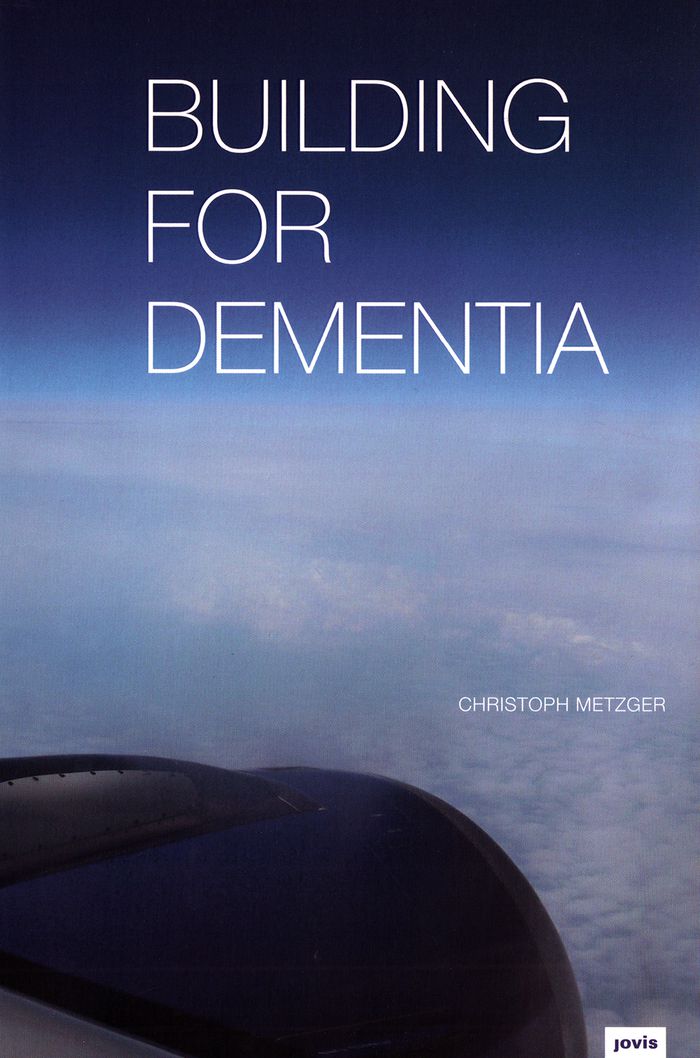
As a consequence of demographic change, it is increasingly necessary now and in the future for the architectural profession to rethink the design of residential solutions for aging people and especially those with dementia. With advancing age we are increasingly dependent on a spatial environment that not only has a positive effect on us, but also supports our everyday activities and takes age-related restrictions into account. A focal point of the new requirements is multisensory architecture: color and lighting design, sound design, tactile materials and surfaces, and haptically attractive forms, creating a spatial atmosphere in which the resident feels comfortable, providing security and orientation and fostering motor skills and cognitive abilities. "Building for Dementia" has been developed as a guideline for contemporary and dignified architecture that meets the requirements of people with dementia and views them as an integral part of society.
Building for dementia
Actions:
Prix:
$45.00
(disponible sur commande)
Résumé:
As a consequence of demographic change, it is increasingly necessary now and in the future for the architectural profession to rethink the design of residential solutions for aging people and especially those with dementia. With advancing age we are increasingly dependent on a spatial environment that not only has a positive effect on us, but also supports our everyday activities and takes age-related restrictions into account. A focal point of the new requirements is multisensory architecture: color and lighting design, sound design, tactile materials and surfaces, and haptically attractive forms, creating a spatial atmosphere in which the resident feels comfortable, providing security and orientation and fostering motor skills and cognitive abilities. "Building for Dementia" has been developed as a guideline for contemporary and dignified architecture that meets the requirements of people with dementia and views them as an integral part of society.
Classification:
livres
livres
Publication:
décembre 2017
décembre 2017
Sujet:
Théorie de l’architecture
Théorie de l’architecture
Classification:
livres
livres
Prix:
$74.95
(disponible sur commande)
Résumé:
For more than ten years, the celebrated artist Per Arnoldi of Copenhagen has been working together with the world famous London architect Norman Foster. Arnoldi’s contributions range from posters of Foster’s buildings to targeted chromatic interventions in interior spaces to the complex total "chromatic concept” for a massive new structure. His color choices serve to(...)
$74.95
(disponible sur commande)
Résumé:
For more than ten years, the celebrated artist Per Arnoldi of Copenhagen has been working together with the world famous London architect Norman Foster. Arnoldi’s contributions range from posters of Foster’s buildings to targeted chromatic interventions in interior spaces to the complex total "chromatic concept” for a massive new structure. His color choices serve to(...)
Sujet:
Architecture, monographies
Architecture, monographies
Publication:
juin 2006, Basel / Boston / Berlin
juin 2006, Basel / Boston / Berlin
Titre:
« Colour is communication » selected projects for Foster+partners
Actions:
Prix:
$74.95
(disponible sur commande)
Résumé:
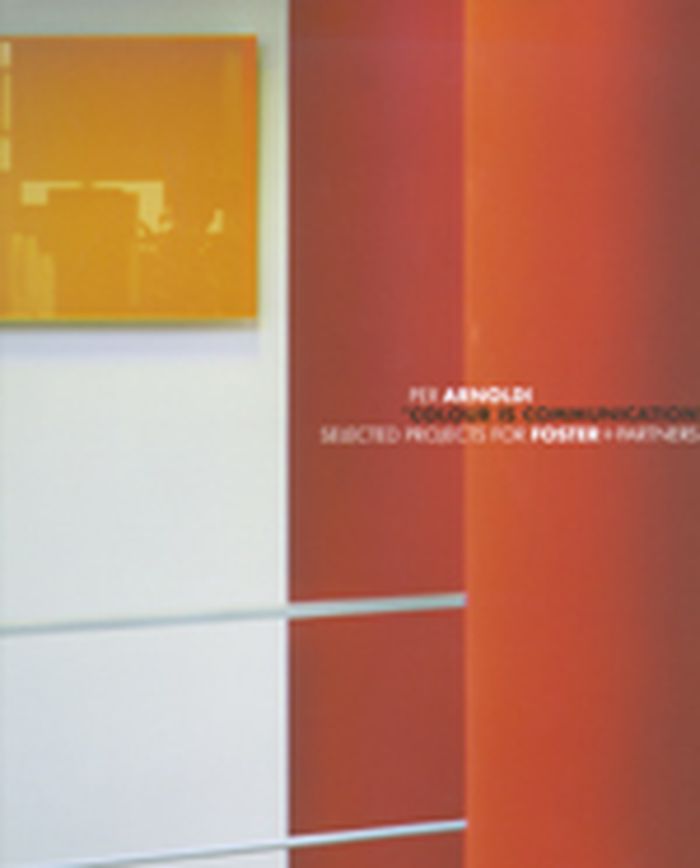
For more than ten years, the celebrated artist Per Arnoldi of Copenhagen has been working together with the world famous London architect Norman Foster. Arnoldi’s contributions range from posters of Foster’s buildings to targeted chromatic interventions in interior spaces to the complex total "chromatic concept” for a massive new structure. His color choices serve to create atmosphere and also guide the user clearly through the space. This book provides systematic and detailed documentation of this entire collaborative spectrum. Projects include: the Commerzbank in Frankfurt, the Reichstag in Berlin, the Imperial College in London, HM Treasury in London, the National Police Monument in London, the Arag Tower in Düsseldorf, the World Port Center in Rotterdam, and Decaux’s headquarters in London. The photographs were taken specially for this book to capture the specific qualities of the interplay between space and color.
« Colour is communication » selected projects for Foster+partners
Actions:
Prix:
$74.95
(disponible sur commande)
Résumé:
For more than ten years, the celebrated artist Per Arnoldi of Copenhagen has been working together with the world famous London architect Norman Foster. Arnoldi’s contributions range from posters of Foster’s buildings to targeted chromatic interventions in interior spaces to the complex total "chromatic concept” for a massive new structure. His color choices serve to create atmosphere and also guide the user clearly through the space. This book provides systematic and detailed documentation of this entire collaborative spectrum. Projects include: the Commerzbank in Frankfurt, the Reichstag in Berlin, the Imperial College in London, HM Treasury in London, the National Police Monument in London, the Arag Tower in Düsseldorf, the World Port Center in Rotterdam, and Decaux’s headquarters in London. The photographs were taken specially for this book to capture the specific qualities of the interplay between space and color.
Classification:
livres
livres
Publication:
juin 2006, Basel / Boston / Berlin
juin 2006, Basel / Boston / Berlin
Sujet:
Architecture, monographies
Architecture, monographies
Classification:
livres
livres
Actions:
Prix:
$44.95
(disponible sur commande)
Résumé:
The German artist Katharina Grosse has fulfilled her dream of a tailor-made studio, a place large enough to accommodate her large-scale works and where an industrial atmosphere is combined with with soft light and neutral walls. In close cooperation with the artist, the firm Augustin und Frank Architekten planned the studio in Berlin’s Mitte neighborhood and completed it(...)
$44.95
(disponible sur commande)
Résumé:
The German artist Katharina Grosse has fulfilled her dream of a tailor-made studio, a place large enough to accommodate her large-scale works and where an industrial atmosphere is combined with with soft light and neutral walls. In close cooperation with the artist, the firm Augustin und Frank Architekten planned the studio in Berlin’s Mitte neighborhood and completed it(...)
Titre:
Katharina Grosse : wish I had a big studio in the center of the city
Actions:
Prix:
$44.95
(disponible sur commande)
Résumé:
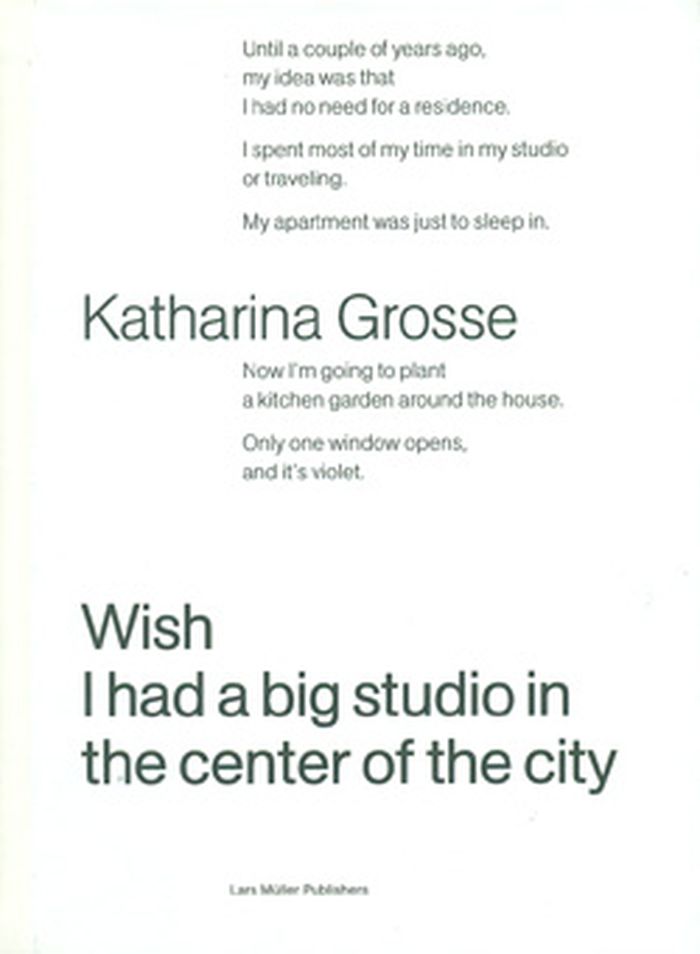
The German artist Katharina Grosse has fulfilled her dream of a tailor-made studio, a place large enough to accommodate her large-scale works and where an industrial atmosphere is combined with with soft light and neutral walls. In close cooperation with the artist, the firm Augustin und Frank Architekten planned the studio in Berlin’s Mitte neighborhood and completed it in 2007. The result is a compact reinforced concrete cube containing workrooms, storerooms, an archive, offices and living space. The contributors to this publication use Grosse’s studio as a springboard to explore the relationship between painting and architecture, and the role that studios play in the production of art. Numerous photographs show the raw architecture of the new building and the artist’s appropriation of the space. With contributions by Georg Augustin, Laura Bieger, Andreas Denk, Ulrich Loock and Philip Ursprung.
Katharina Grosse : wish I had a big studio in the center of the city
Actions:
Prix:
$44.95
(disponible sur commande)
Résumé:
The German artist Katharina Grosse has fulfilled her dream of a tailor-made studio, a place large enough to accommodate her large-scale works and where an industrial atmosphere is combined with with soft light and neutral walls. In close cooperation with the artist, the firm Augustin und Frank Architekten planned the studio in Berlin’s Mitte neighborhood and completed it in 2007. The result is a compact reinforced concrete cube containing workrooms, storerooms, an archive, offices and living space. The contributors to this publication use Grosse’s studio as a springboard to explore the relationship between painting and architecture, and the role that studios play in the production of art. Numerous photographs show the raw architecture of the new building and the artist’s appropriation of the space. With contributions by Georg Augustin, Laura Bieger, Andreas Denk, Ulrich Loock and Philip Ursprung.
Classification:
livres
livres
Publication:
août 2009
août 2009
Classification:
livres
livres
Titre:
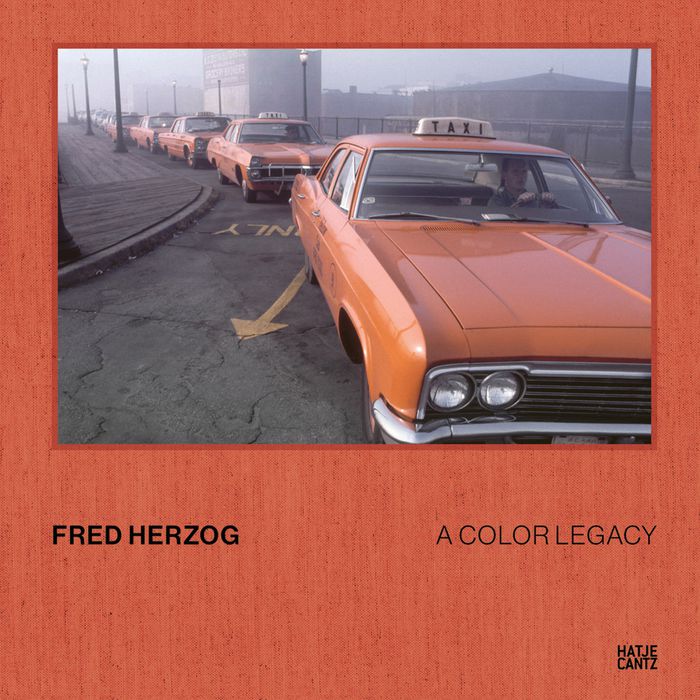
Fred Herzog: A color legacy
Fred Herzog: A color legacy
Actions:
Prix:
$74.95
(disponible en magasin)
Résumé:
Fred Herzog was a master of color photography. His iconic Kodachrome street shots from the 1950s and 1960s capture urban life in warm red-orange tones, offering precise observations of people and city movements. Poetic, witty and always respectful, his images create an intimate atmosphere. After moving to Vancouver in 1953, Herzog built a vibrant visual tribute to the(...)
$74.95
(disponible en magasin)
Résumé:
Fred Herzog was a master of color photography. His iconic Kodachrome street shots from the 1950s and 1960s capture urban life in warm red-orange tones, offering precise observations of people and city movements. Poetic, witty and always respectful, his images create an intimate atmosphere. After moving to Vancouver in 1953, Herzog built a vibrant visual tribute to the(...)
Titre:
Fred Herzog: A color legacy
Actions:
Prix:
$74.95
(disponible en magasin)
Résumé:
Fred Herzog was a master of color photography. His iconic Kodachrome street shots from the 1950s and 1960s capture urban life in warm red-orange tones, offering precise observations of people and city movements. Poetic, witty and always respectful, his images create an intimate atmosphere. After moving to Vancouver in 1953, Herzog built a vibrant visual tribute to the city. He also traveled to the US, Barbados, Curaçao, Guatemala and Mexico, his Leica always in hand. In an era dominated by black-and-white photography, Herzog's use of color was groundbreaking. His bestseller Modern Color remains celebrated worldwide. Now, newly released photographs from his archive, managed by Equinox Gallery, continue his legacy, offering fresh insight into his unique perspective. These images not only preserve Herzog's vision but also reaffirm his place as a pioneer of modern color photography.
Fred Herzog: A color legacy
Actions:
Prix:
$74.95
(disponible en magasin)
Résumé:
Fred Herzog was a master of color photography. His iconic Kodachrome street shots from the 1950s and 1960s capture urban life in warm red-orange tones, offering precise observations of people and city movements. Poetic, witty and always respectful, his images create an intimate atmosphere. After moving to Vancouver in 1953, Herzog built a vibrant visual tribute to the city. He also traveled to the US, Barbados, Curaçao, Guatemala and Mexico, his Leica always in hand. In an era dominated by black-and-white photography, Herzog's use of color was groundbreaking. His bestseller Modern Color remains celebrated worldwide. Now, newly released photographs from his archive, managed by Equinox Gallery, continue his legacy, offering fresh insight into his unique perspective. These images not only preserve Herzog's vision but also reaffirm his place as a pioneer of modern color photography.
Classification:
livres
livres
Publication:
janvier 2026
janvier 2026
Sujet:
Monographies photo
Monographies photo


