


5063 Résultats
Classification:
livres
livres
Actions:
Prix:
$55.95
(disponible en magasin)
Résumé:
The book discusses the ways in which the project can critically contribute to an affirmative biopolitical action of substantial emancipation; it considers space an essential agent, and not only a collective capital, or a support, for adapting our lives to the recent profoundly changed conditions. In all the new research on the future of urban space, the renewed interest(...)
$55.95
(disponible en magasin)
Résumé:
The book discusses the ways in which the project can critically contribute to an affirmative biopolitical action of substantial emancipation; it considers space an essential agent, and not only a collective capital, or a support, for adapting our lives to the recent profoundly changed conditions. In all the new research on the future of urban space, the renewed interest(...)
Titre:
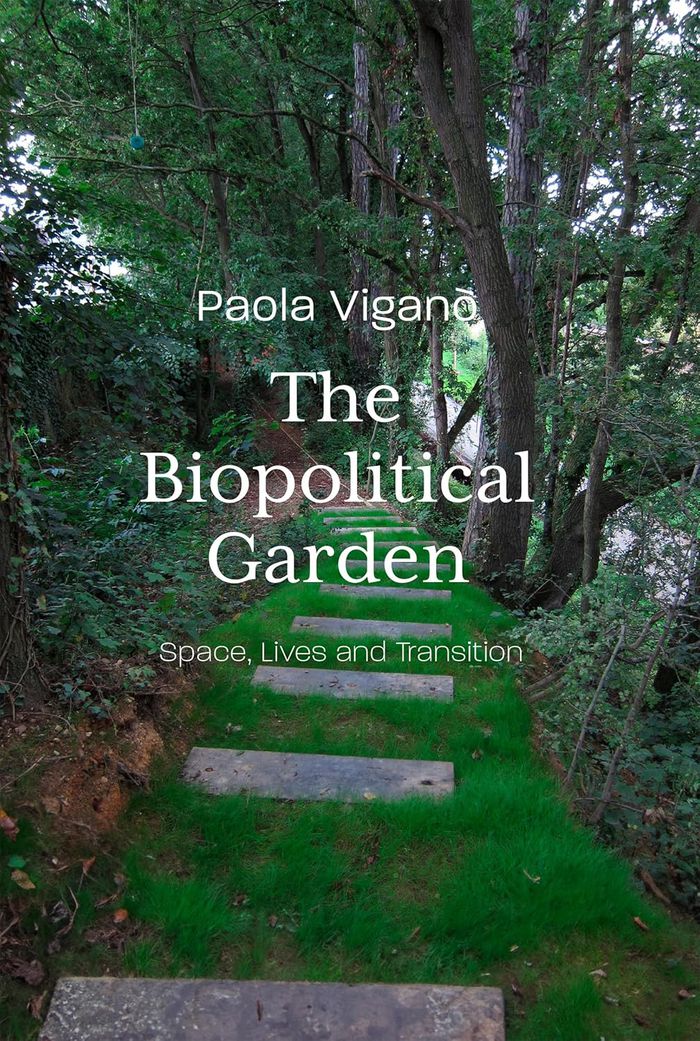
Biopolitical garden: Spaces, lives, transition
Actions:
Prix:
$55.95
(disponible en magasin)
Résumé:
The book discusses the ways in which the project can critically contribute to an affirmative biopolitical action of substantial emancipation; it considers space an essential agent, and not only a collective capital, or a support, for adapting our lives to the recent profoundly changed conditions. In all the new research on the future of urban space, the renewed interest in life, tragically affected by health, ecological and socio-political crises, raises a crucial theoretical and projective question: what role can space play in maintaining and promoting life in the broader sense of bíos? This book is based on the conviction that there is an urgent need to revisit the Foucauldian notion of biopolitics - free, however, from the privilege given to the goal of control - to rethink the project of the city and territory in transition in an affirmative and emancipatory way.
Biopolitical garden: Spaces, lives, transition
Actions:
Prix:
$55.95
(disponible en magasin)
Résumé:
The book discusses the ways in which the project can critically contribute to an affirmative biopolitical action of substantial emancipation; it considers space an essential agent, and not only a collective capital, or a support, for adapting our lives to the recent profoundly changed conditions. In all the new research on the future of urban space, the renewed interest in life, tragically affected by health, ecological and socio-political crises, raises a crucial theoretical and projective question: what role can space play in maintaining and promoting life in the broader sense of bíos? This book is based on the conviction that there is an urgent need to revisit the Foucauldian notion of biopolitics - free, however, from the privilege given to the goal of control - to rethink the project of the city and territory in transition in an affirmative and emancipatory way.
Classification:
livres
livres
Publication:
mai 2025
mai 2025
Sujet:
Théorie du paysage
Théorie du paysage
Classification:
livres
livres
Prix:
$40.95
(disponible en magasin)
Résumé:
Using an infamous deception about a fake mountain range in British Columbia as her jumping-off point, Katie Ives, the well-known editor of Alpinist, explores the lure of blank spaces on the map and the value of the imagination. In "Imaginary peaks" she details the cartographical mystery of the Riesenstein Hoax within the larger context of climbing history and the(...)
$40.95
(disponible en magasin)
Résumé:
Using an infamous deception about a fake mountain range in British Columbia as her jumping-off point, Katie Ives, the well-known editor of Alpinist, explores the lure of blank spaces on the map and the value of the imagination. In "Imaginary peaks" she details the cartographical mystery of the Riesenstein Hoax within the larger context of climbing history and the(...)
Titre:
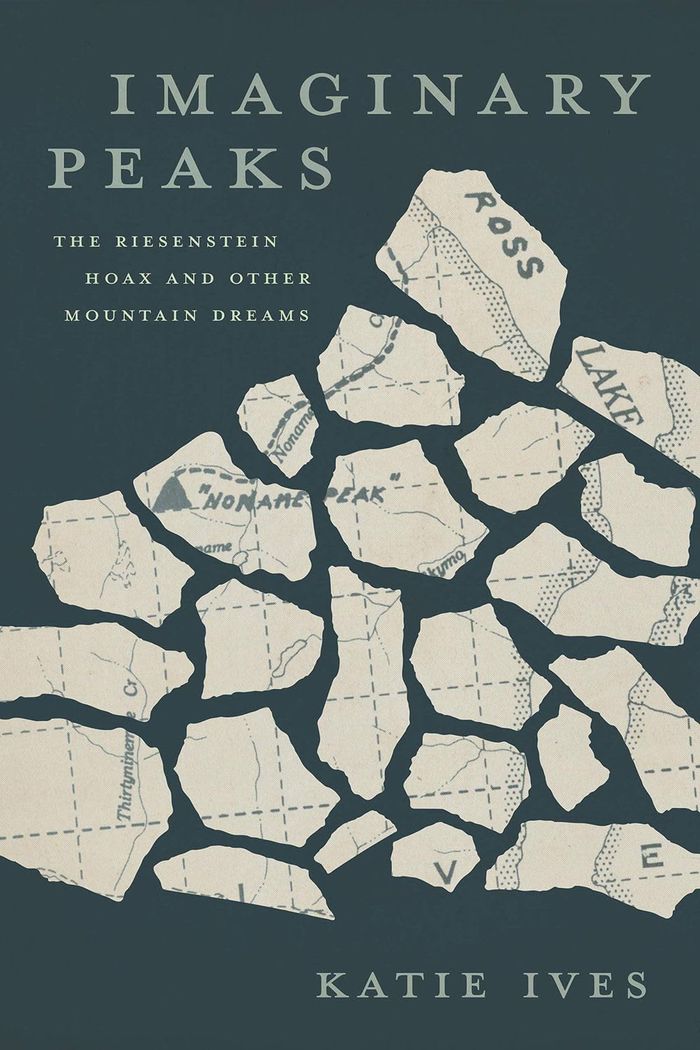
Imaginary peaks: The Riesenstein Hoax and Other Mountain Dreams
Actions:
Prix:
$40.95
(disponible en magasin)
Résumé:
Using an infamous deception about a fake mountain range in British Columbia as her jumping-off point, Katie Ives, the well-known editor of Alpinist, explores the lure of blank spaces on the map and the value of the imagination. In "Imaginary peaks" she details the cartographical mystery of the Riesenstein Hoax within the larger context of climbing history and the seemingly endless quest for newly discovered peaks and claims of first ascents. "Imaginary peaks" is an evocative, thought-provoking tale, immersed in the literature of exploration, study of maps, and basic human desire.
Imaginary peaks: The Riesenstein Hoax and Other Mountain Dreams
Actions:
Prix:
$40.95
(disponible en magasin)
Résumé:
Using an infamous deception about a fake mountain range in British Columbia as her jumping-off point, Katie Ives, the well-known editor of Alpinist, explores the lure of blank spaces on the map and the value of the imagination. In "Imaginary peaks" she details the cartographical mystery of the Riesenstein Hoax within the larger context of climbing history and the seemingly endless quest for newly discovered peaks and claims of first ascents. "Imaginary peaks" is an evocative, thought-provoking tale, immersed in the literature of exploration, study of maps, and basic human desire.
Classification:
livres
livres
Publication:
octobre 2021
octobre 2021
Sujet:
Théorie du paysage
Théorie du paysage
Classification:
livres
livres
Titre:
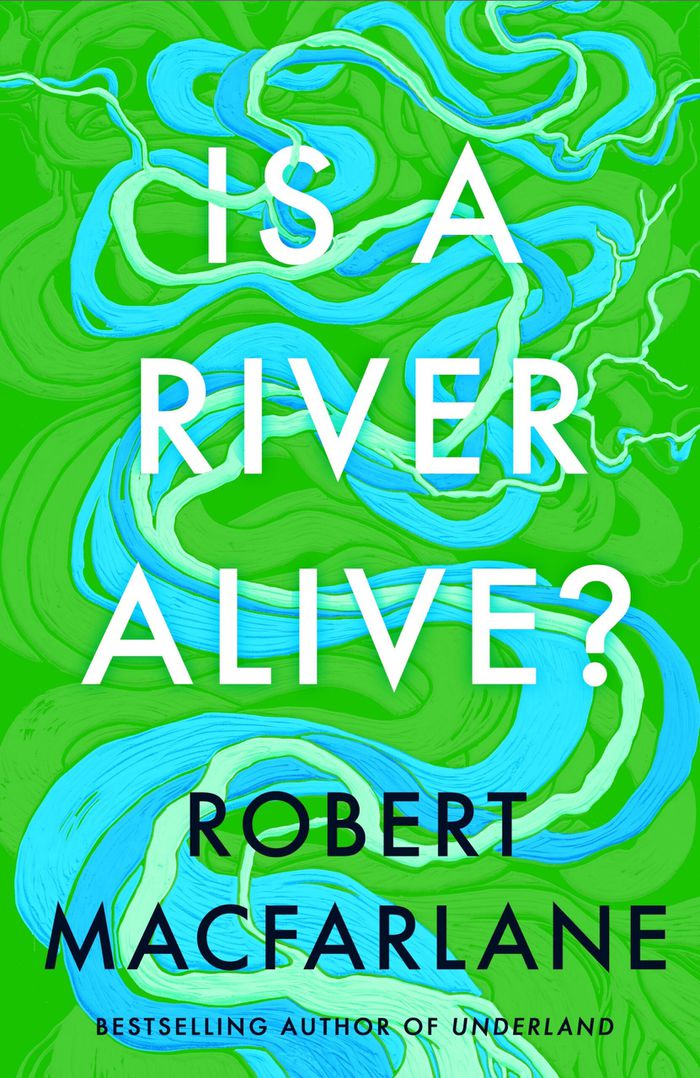
Is a river alive?
Is a river alive?
Actions:
Prix:
$39.00
(disponible sur commande)
Résumé:
At the heart of "Is a River Alive?" is a single, transformative idea: that rivers are not mere matter for human use, but living beings, who should be recognized as such in both imagination and law. Macfarlane takes the reader on a mind-expanding global journey into the history, futures, people and places of the ancient, urgent concept. Around the world, rivers are dying(...)
$39.00
(disponible sur commande)
Résumé:
At the heart of "Is a River Alive?" is a single, transformative idea: that rivers are not mere matter for human use, but living beings, who should be recognized as such in both imagination and law. Macfarlane takes the reader on a mind-expanding global journey into the history, futures, people and places of the ancient, urgent concept. Around the world, rivers are dying(...)
Titre:
Is a river alive?
Actions:
Prix:
$39.00
(disponible sur commande)
Résumé:
At the heart of "Is a River Alive?" is a single, transformative idea: that rivers are not mere matter for human use, but living beings, who should be recognized as such in both imagination and law. Macfarlane takes the reader on a mind-expanding global journey into the history, futures, people and places of the ancient, urgent concept. Around the world, rivers are dying from pollution, drought and damming. But a powerful movement is also underway to recognize the lives and the rights of rivers, and to re-animate our relationships with these vast, mysterious presences whose landscapes we share. The young "rights of nature" movement has lit up activists, artists, law-makers and politicians across six continents—and become the focus for revolutionary thinking about rivers in particular.
Is a river alive?
Actions:
Prix:
$39.00
(disponible sur commande)
Résumé:
At the heart of "Is a River Alive?" is a single, transformative idea: that rivers are not mere matter for human use, but living beings, who should be recognized as such in both imagination and law. Macfarlane takes the reader on a mind-expanding global journey into the history, futures, people and places of the ancient, urgent concept. Around the world, rivers are dying from pollution, drought and damming. But a powerful movement is also underway to recognize the lives and the rights of rivers, and to re-animate our relationships with these vast, mysterious presences whose landscapes we share. The young "rights of nature" movement has lit up activists, artists, law-makers and politicians across six continents—and become the focus for revolutionary thinking about rivers in particular.
Classification:
livres
livres
Publication:
mai 2025
mai 2025
Sujet:
Théorie du paysage
Théorie du paysage
Classification:
livres
livres
Actions:
Prix:
$39.95
(disponible sur commande)
Résumé:
« Le Laboratoire de fermentation » retrace quatre années d'enquête sur les plantes sauvages et cultivées et les moyens de les faire fermenter. Dans un second temps, apparaissent des notations davantage autobiographiques (hortobiographiques ?). La question que pose Le Laboratoire de fermentation, c'est : comment faire pour ne pas verser dans le pathogène (comme on le dit(...)
$39.95
(disponible sur commande)
Résumé:
« Le Laboratoire de fermentation » retrace quatre années d'enquête sur les plantes sauvages et cultivées et les moyens de les faire fermenter. Dans un second temps, apparaissent des notations davantage autobiographiques (hortobiographiques ?). La question que pose Le Laboratoire de fermentation, c'est : comment faire pour ne pas verser dans le pathogène (comme on le dit(...)
Titre:
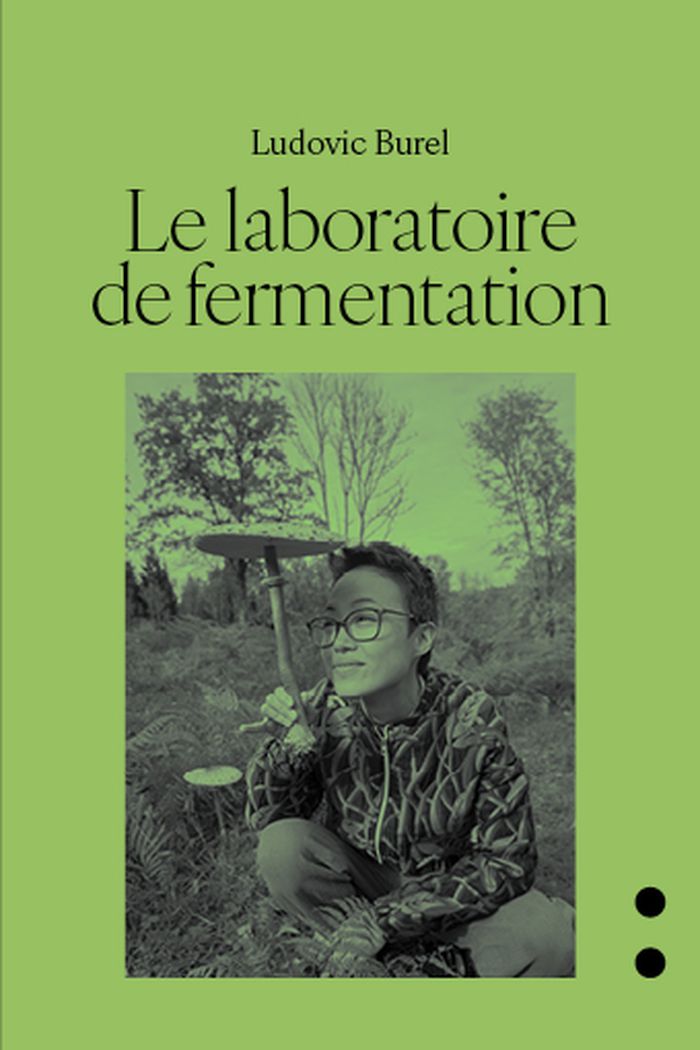
Le laboratoire de fermentation
Actions:
Prix:
$39.95
(disponible sur commande)
Résumé:
« Le Laboratoire de fermentation » retrace quatre années d'enquête sur les plantes sauvages et cultivées et les moyens de les faire fermenter. Dans un second temps, apparaissent des notations davantage autobiographiques (hortobiographiques ?). La question que pose Le Laboratoire de fermentation, c'est : comment faire pour ne pas verser dans le pathogène (comme on le dit de la fermentation alimentaire et en psychiatrie aussi) mais, au contraire, d'envisager notre relation à l'humain (individu et société) et au non-humain (végétal et autres), avec toute l'attention et le soin requis aujourd'hui.
Le laboratoire de fermentation
Actions:
Prix:
$39.95
(disponible sur commande)
Résumé:
« Le Laboratoire de fermentation » retrace quatre années d'enquête sur les plantes sauvages et cultivées et les moyens de les faire fermenter. Dans un second temps, apparaissent des notations davantage autobiographiques (hortobiographiques ?). La question que pose Le Laboratoire de fermentation, c'est : comment faire pour ne pas verser dans le pathogène (comme on le dit de la fermentation alimentaire et en psychiatrie aussi) mais, au contraire, d'envisager notre relation à l'humain (individu et société) et au non-humain (végétal et autres), avec toute l'attention et le soin requis aujourd'hui.
Classification:
livres
livres
Publication:
février 2025
février 2025
Sujet:
Théorie du paysage
Théorie du paysage
Classification:
livres
livres
Prix:
$43.00
(disponible sur commande)
Résumé:
Rivers, on a long view, are alive. They are born; they change; they shift their channels; they forge new routes to the sea; they move both gradually and violently; they can teem (usually) with life; they may die a quasi-natural death; they are frequently maimed and even murdered. It is the annual flood pulse?the brief time when the river occupies the floodplain?that gives(...)
$43.00
(disponible sur commande)
Résumé:
Rivers, on a long view, are alive. They are born; they change; they shift their channels; they forge new routes to the sea; they move both gradually and violently; they can teem (usually) with life; they may die a quasi-natural death; they are frequently maimed and even murdered. It is the annual flood pulse?the brief time when the river occupies the floodplain?that gives(...)
Titre:
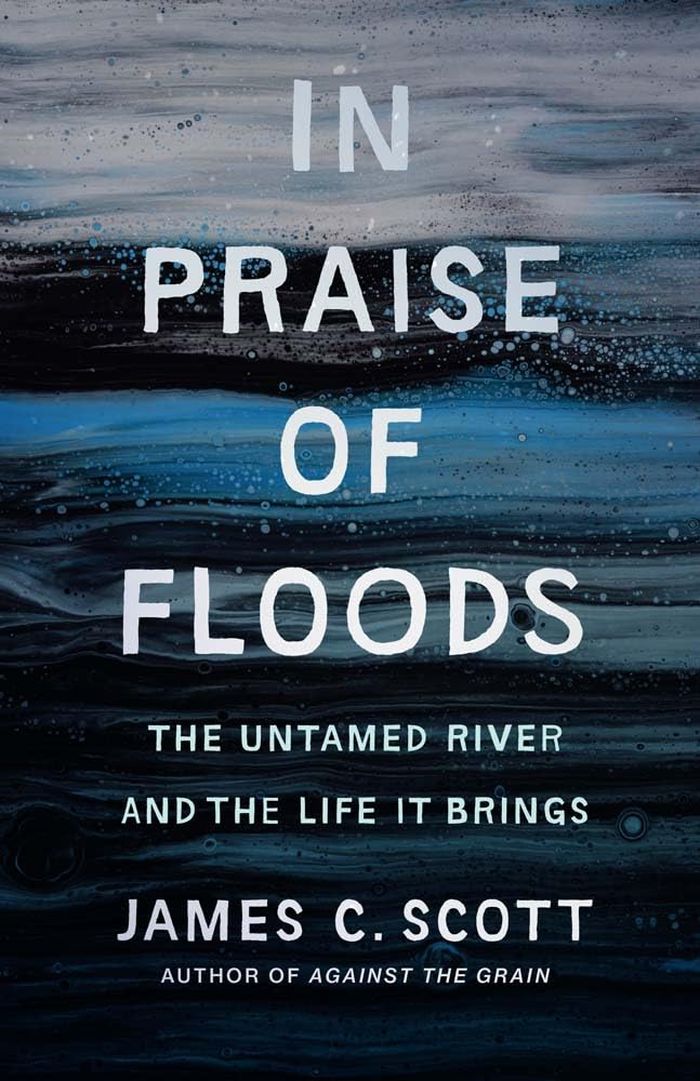
In praise of floods: The untamed river and the life it brings
Actions:
Prix:
$43.00
(disponible sur commande)
Résumé:
Rivers, on a long view, are alive. They are born; they change; they shift their channels; they forge new routes to the sea; they move both gradually and violently; they can teem (usually) with life; they may die a quasi-natural death; they are frequently maimed and even murdered. It is the annual flood pulse?the brief time when the river occupies the floodplain?that gives a river its vitality, but it is human engineering that kills it, suppressing the flood pulse with dams, irrigation, siltation, dikes, and levees. In demonstrating these threats to the riverine world, award-winning author James C. Scott examines the life history of a particular river, the Ayeyarwady (Irrawaddy) of Burma, the heartland and superhighway of Burman culture. Scott opens our understanding of rivers to encompass their entirety?tributaries, wetlands, floodplains, backwaters, eddies, periodic marshlands, and the assemblage of life forms dependent on rivers for their existence and well-being. For anyone interested in the Anthropocene and the Great Acceleration, rivers offer a striking example of the consequences of human intervention in trying to control and domesticate a natural process, the complexity and variability of which we barely understand.
In praise of floods: The untamed river and the life it brings
Actions:
Prix:
$43.00
(disponible sur commande)
Résumé:
Rivers, on a long view, are alive. They are born; they change; they shift their channels; they forge new routes to the sea; they move both gradually and violently; they can teem (usually) with life; they may die a quasi-natural death; they are frequently maimed and even murdered. It is the annual flood pulse?the brief time when the river occupies the floodplain?that gives a river its vitality, but it is human engineering that kills it, suppressing the flood pulse with dams, irrigation, siltation, dikes, and levees. In demonstrating these threats to the riverine world, award-winning author James C. Scott examines the life history of a particular river, the Ayeyarwady (Irrawaddy) of Burma, the heartland and superhighway of Burman culture. Scott opens our understanding of rivers to encompass their entirety?tributaries, wetlands, floodplains, backwaters, eddies, periodic marshlands, and the assemblage of life forms dependent on rivers for their existence and well-being. For anyone interested in the Anthropocene and the Great Acceleration, rivers offer a striking example of the consequences of human intervention in trying to control and domesticate a natural process, the complexity and variability of which we barely understand.
Classification:
livres
livres
Publication:
février 2025
février 2025
Sujet:
Théorie du paysage
Théorie du paysage
Classification:
livres
livres
Prix:
$60.95
(disponible sur commande)
Résumé:
Landscape architecture is at a crossroads. The ability to draw upon interdisciplinary perspectives and generate insights from the combined vantage points of design, environmental studies, and the social sciences puts it in a prime position to address the most pressing issues of our time, such as climate change and social inequality. Its current reliance on digital and(...)
$60.95
(disponible sur commande)
Résumé:
Landscape architecture is at a crossroads. The ability to draw upon interdisciplinary perspectives and generate insights from the combined vantage points of design, environmental studies, and the social sciences puts it in a prime position to address the most pressing issues of our time, such as climate change and social inequality. Its current reliance on digital and(...)
Titre:
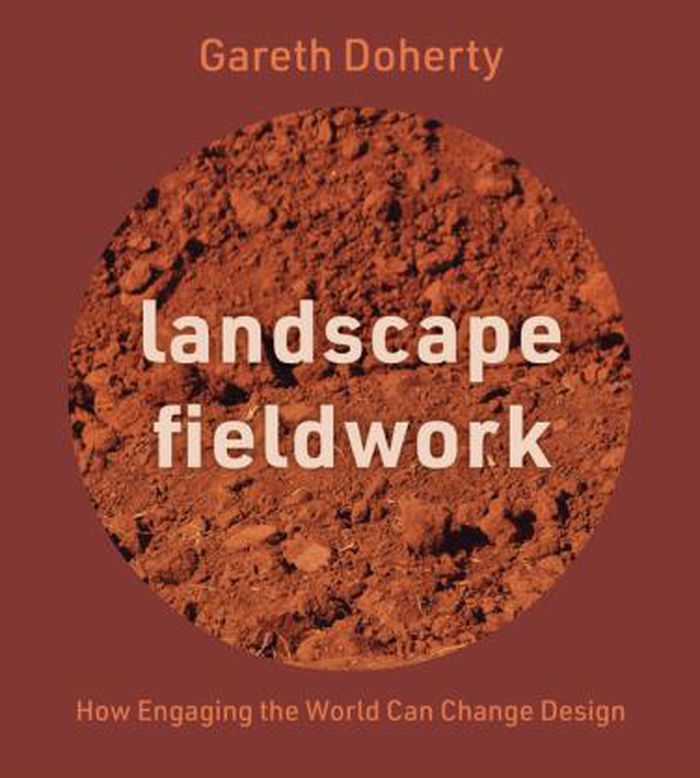
Landscape fieldwork: How engaging the world can change design
Actions:
Prix:
$60.95
(disponible sur commande)
Résumé:
Landscape architecture is at a crossroads. The ability to draw upon interdisciplinary perspectives and generate insights from the combined vantage points of design, environmental studies, and the social sciences puts it in a prime position to address the most pressing issues of our time, such as climate change and social inequality. Its current reliance on digital and technological solutions, however, has increasingly caused landscape architects to lose sight of the ways in which humans actually use spaces. And while landscapes are designed all over the world, the discipline remains inordinately centered on the Global North. ''Landscape Fieldwork'' alters that long-standing paradigm through real-life examples that provide tools for practitioners to engage more deeply with multidimensional, diverse landscapes and the communities that create, live in, and use them.
Landscape fieldwork: How engaging the world can change design
Actions:
Prix:
$60.95
(disponible sur commande)
Résumé:
Landscape architecture is at a crossroads. The ability to draw upon interdisciplinary perspectives and generate insights from the combined vantage points of design, environmental studies, and the social sciences puts it in a prime position to address the most pressing issues of our time, such as climate change and social inequality. Its current reliance on digital and technological solutions, however, has increasingly caused landscape architects to lose sight of the ways in which humans actually use spaces. And while landscapes are designed all over the world, the discipline remains inordinately centered on the Global North. ''Landscape Fieldwork'' alters that long-standing paradigm through real-life examples that provide tools for practitioners to engage more deeply with multidimensional, diverse landscapes and the communities that create, live in, and use them.
Classification:
livres
livres
Publication:
avril 2025
avril 2025
Sujet:
Théorie du paysage
Théorie du paysage
Classification:
livres
livres
Actions:
Prix:
$27.95
(disponible en magasin)
Résumé:
The earth is not a dead, mute landscape but an eloquent, living being. Sometimes it just takes a spade, a packet of seeds, and a pair of sturdy boots to realize it. The philosopher Byung-Chul Han spent three springs, summers, autumns, and winters in his secret garden in Berlin, devoting himself to daily gardening in all weathers. For Han, gardening is a form of silent(...)
$27.95
(disponible en magasin)
Résumé:
The earth is not a dead, mute landscape but an eloquent, living being. Sometimes it just takes a spade, a packet of seeds, and a pair of sturdy boots to realize it. The philosopher Byung-Chul Han spent three springs, summers, autumns, and winters in his secret garden in Berlin, devoting himself to daily gardening in all weathers. For Han, gardening is a form of silent(...)
Titre:
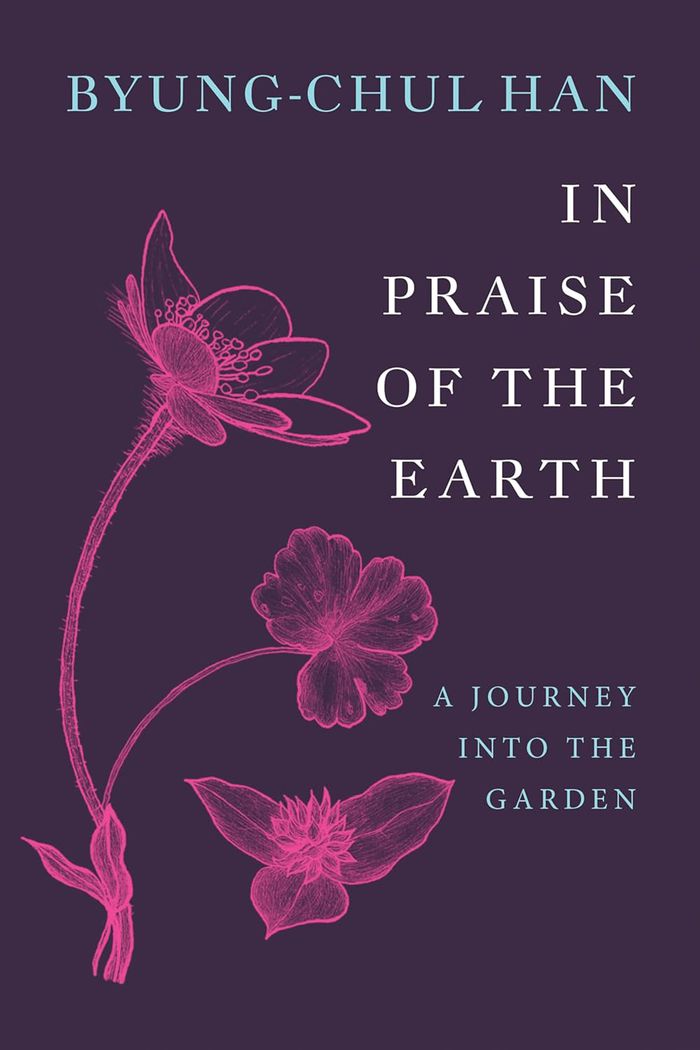
In praise of the earth: a journey into the garden
Actions:
Prix:
$27.95
(disponible en magasin)
Résumé:
The earth is not a dead, mute landscape but an eloquent, living being. Sometimes it just takes a spade, a packet of seeds, and a pair of sturdy boots to realize it. The philosopher Byung-Chul Han spent three springs, summers, autumns, and winters in his secret garden in Berlin, devoting himself to daily gardening in all weathers. For Han, gardening is a form of silent meditation, a lingering in stillness. It gives you a different sense of time. Every plant has its own time that is specific to it, and the garden is a space in which these multiple temporalities overlap and cut across one another. The longer he worked in the garden, the more respect he developed for the earth and for its enchanting beauty.
In praise of the earth: a journey into the garden
Actions:
Prix:
$27.95
(disponible en magasin)
Résumé:
The earth is not a dead, mute landscape but an eloquent, living being. Sometimes it just takes a spade, a packet of seeds, and a pair of sturdy boots to realize it. The philosopher Byung-Chul Han spent three springs, summers, autumns, and winters in his secret garden in Berlin, devoting himself to daily gardening in all weathers. For Han, gardening is a form of silent meditation, a lingering in stillness. It gives you a different sense of time. Every plant has its own time that is specific to it, and the garden is a space in which these multiple temporalities overlap and cut across one another. The longer he worked in the garden, the more respect he developed for the earth and for its enchanting beauty.
Classification:
livres
livres
Publication:
novembre 2025
novembre 2025
Sujet:
Théorie du paysage
Théorie du paysage
Classification:
livres
livres
Actions:
Prix:
$55.00
(disponible en magasin)
Résumé:
The book brings together the voices of artists, scientists, farmers, and bakers from the BAU community. Through the lens of cooking, food, and conviviality, these voices weave together reflections on vital themes: community, landscape, ecology, and climate change. What can a taste of future landscapes be? This volume gathers artists, scientists, farmers, bakers from the(...)
$55.00
(disponible en magasin)
Résumé:
The book brings together the voices of artists, scientists, farmers, and bakers from the BAU community. Through the lens of cooking, food, and conviviality, these voices weave together reflections on vital themes: community, landscape, ecology, and climate change. What can a taste of future landscapes be? This volume gathers artists, scientists, farmers, bakers from the(...)
Titre:
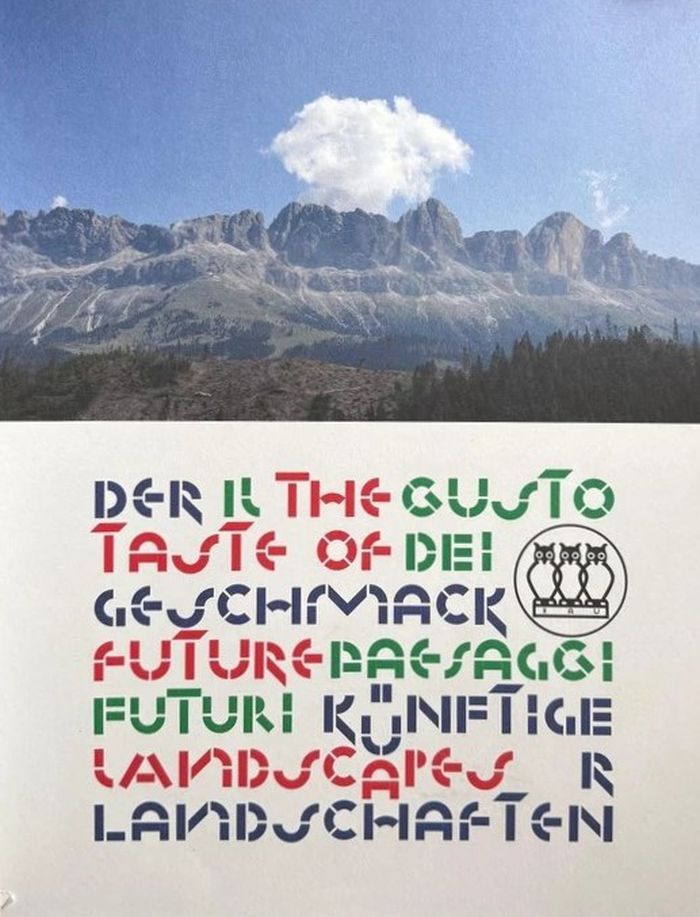
The taste of future landscapes
Actions:
Prix:
$55.00
(disponible en magasin)
Résumé:
The book brings together the voices of artists, scientists, farmers, and bakers from the BAU community. Through the lens of cooking, food, and conviviality, these voices weave together reflections on vital themes: community, landscape, ecology, and climate change. What can a taste of future landscapes be? This volume gathers artists, scientists, farmers, bakers from the BAU Community.Through the lens of cooking, eating and coming together they explore pressing themes such as community, landscape, ecology and climate change.The book is published on the occasion of the 10th anniversary of BAU, Institute for Contemporary Art and Ecology established south of the Alps. Set in a multilingual area, we regard the landscape as a living site where different forms of life interact and leave traces.
The taste of future landscapes
Actions:
Prix:
$55.00
(disponible en magasin)
Résumé:
The book brings together the voices of artists, scientists, farmers, and bakers from the BAU community. Through the lens of cooking, food, and conviviality, these voices weave together reflections on vital themes: community, landscape, ecology, and climate change. What can a taste of future landscapes be? This volume gathers artists, scientists, farmers, bakers from the BAU Community.Through the lens of cooking, eating and coming together they explore pressing themes such as community, landscape, ecology and climate change.The book is published on the occasion of the 10th anniversary of BAU, Institute for Contemporary Art and Ecology established south of the Alps. Set in a multilingual area, we regard the landscape as a living site where different forms of life interact and leave traces.
Classification:
livres
livres
Publication:
novembre 2025
novembre 2025
Sujet:
Théorie du paysage
Théorie du paysage
Classification:
livres
livres
Actions:
Prix:
$62.00
(disponible en magasin)
Résumé:
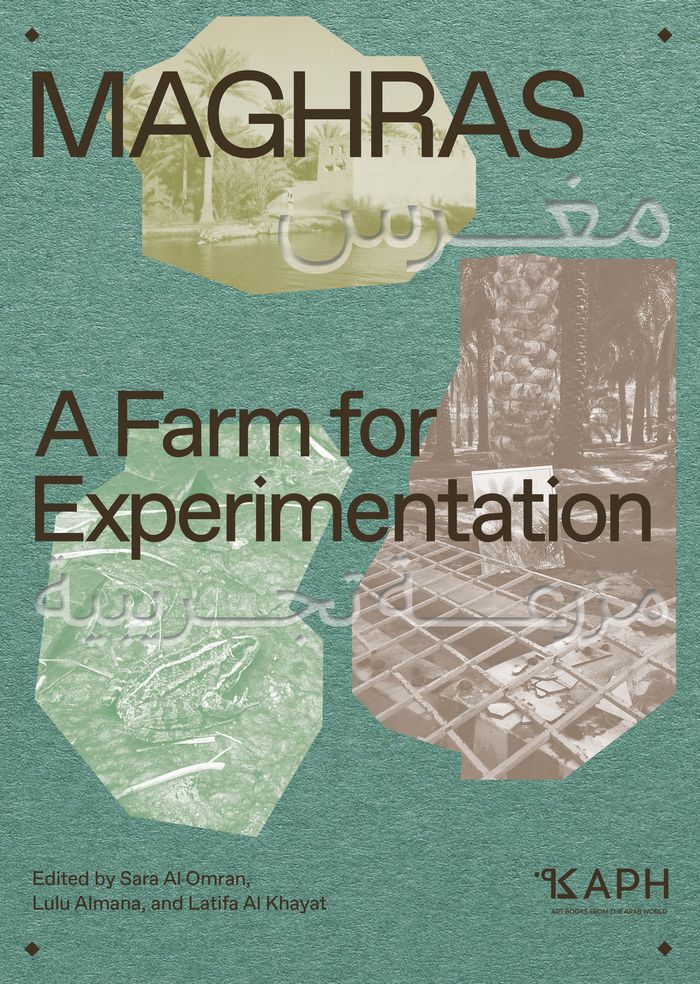
Centered on the Al Ahsa region, one of the world's oldest and largest oases, "Maghras: A farm for experimentation" (accompanying the inaugural Saudi Pavilion at the 24th Triennale di Milano, marking Saudi Arabia's first participation in this global architecture and design platform) reimagines the farm as a site of collective inquiry, where environmental change, cultural(...)
$62.00
(disponible en magasin)
Résumé:
Centered on the Al Ahsa region, one of the world's oldest and largest oases, "Maghras: A farm for experimentation" (accompanying the inaugural Saudi Pavilion at the 24th Triennale di Milano, marking Saudi Arabia's first participation in this global architecture and design platform) reimagines the farm as a site of collective inquiry, where environmental change, cultural(...)
Sujet:
Théorie du paysage
Théorie du paysage
Publication:
décembre 2025
décembre 2025
Titre:
Maghras: A farm for experimentation
Actions:
Prix:
$62.00
(disponible en magasin)
Résumé:
Centered on the Al Ahsa region, one of the world's oldest and largest oases, "Maghras: A farm for experimentation" (accompanying the inaugural Saudi Pavilion at the 24th Triennale di Milano, marking Saudi Arabia's first participation in this global architecture and design platform) reimagines the farm as a site of collective inquiry, where environmental change, cultural memory, and community practices converge. The publication documents research, fieldwork, and newly commissioned projects by architects, artists, and practitioners who engaged with farmers, craftspeople, and residents of Al Ahsa. Through essays, images, oral histories, and archival material, it reflects on the shifting relationship between land, water, and community in a landscape transformed by modernization and urban expansion.
Maghras: A farm for experimentation
Actions:
Prix:
$62.00
(disponible en magasin)
Résumé:
Centered on the Al Ahsa region, one of the world's oldest and largest oases, "Maghras: A farm for experimentation" (accompanying the inaugural Saudi Pavilion at the 24th Triennale di Milano, marking Saudi Arabia's first participation in this global architecture and design platform) reimagines the farm as a site of collective inquiry, where environmental change, cultural memory, and community practices converge. The publication documents research, fieldwork, and newly commissioned projects by architects, artists, and practitioners who engaged with farmers, craftspeople, and residents of Al Ahsa. Through essays, images, oral histories, and archival material, it reflects on the shifting relationship between land, water, and community in a landscape transformed by modernization and urban expansion.
Classification:
livres
livres
Publication:
décembre 2025
décembre 2025
Sujet:
Théorie du paysage
Théorie du paysage
Classification:
livres
livres
Actions:
Prix:
$32.00
(disponible en magasin)
Résumé:
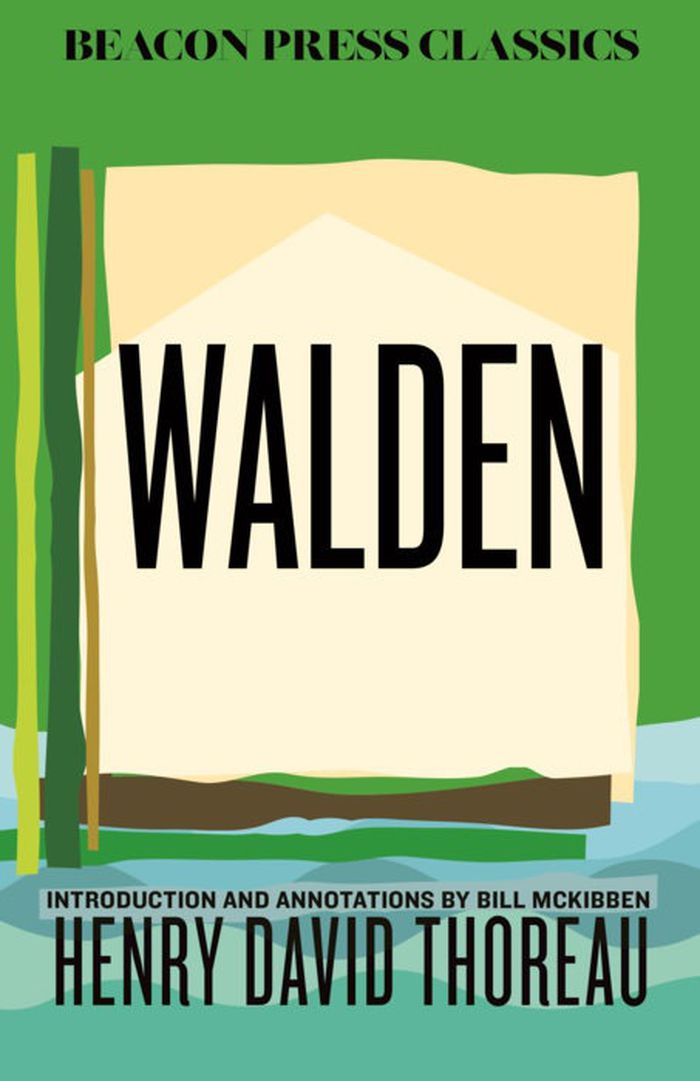
First published in 1854, Henry David Thoreau’s Walden has influenced generations of readers and continues to inspire and inform anyone with an open mind, a love of nature, and a longing for simplicity and contemplation. Recounting the author’s reflections on simple living after a period he spent in a small cabin he built near Walden Pond, the book places Thoreau firmly in(...)
$32.00
(disponible en magasin)
Résumé:
First published in 1854, Henry David Thoreau’s Walden has influenced generations of readers and continues to inspire and inform anyone with an open mind, a love of nature, and a longing for simplicity and contemplation. Recounting the author’s reflections on simple living after a period he spent in a small cabin he built near Walden Pond, the book places Thoreau firmly in(...)
Titre:
Walden. Introduced and annotations by Bill McKibbin
Actions:
Prix:
$32.00
(disponible en magasin)
Résumé:
First published in 1854, Henry David Thoreau’s Walden has influenced generations of readers and continues to inspire and inform anyone with an open mind, a love of nature, and a longing for simplicity and contemplation. Recounting the author’s reflections on simple living after a period he spent in a small cabin he built near Walden Pond, the book places Thoreau firmly in his role as cultural and spiritual seer. Bill McKibben offers both an intelligent and captivating introduction and a body of insightful annotations to Thoreau’s original edition. He addresses two philosophical questions posed by Thoreau: "How much is enough?" and, "How do I know what I want?", to draw meaningful connections between Thoreau’s writing and our lived experience in the 21st century.
Walden. Introduced and annotations by Bill McKibbin
Actions:
Prix:
$32.00
(disponible en magasin)
Résumé:
First published in 1854, Henry David Thoreau’s Walden has influenced generations of readers and continues to inspire and inform anyone with an open mind, a love of nature, and a longing for simplicity and contemplation. Recounting the author’s reflections on simple living after a period he spent in a small cabin he built near Walden Pond, the book places Thoreau firmly in his role as cultural and spiritual seer. Bill McKibben offers both an intelligent and captivating introduction and a body of insightful annotations to Thoreau’s original edition. He addresses two philosophical questions posed by Thoreau: "How much is enough?" and, "How do I know what I want?", to draw meaningful connections between Thoreau’s writing and our lived experience in the 21st century.
Classification:
livres
livres
Publication:
décembre 2025
décembre 2025
Sujet:
Théorie du paysage
Théorie du paysage


