


5179 Résultats
Classification:
photographies
photographies
Actions:
Numéro de référence:
PH2015:0002:010
Description:
Commissioned by the Canadian Centre for Architecture, Montréal, for "Proofs of Relevance," 2014
PH2015:0002:010
Description:
Commissioned by the Canadian Centre for Architecture, Montréal, for "Proofs of Relevance," 2014
Personnes et institutions:
Date:
2014
2014
Titre:
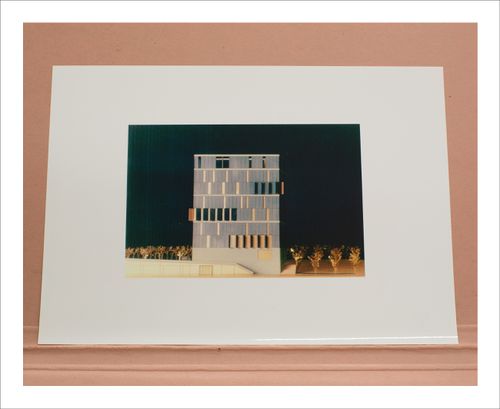
Proofs of Relevance: Photograph of a model of the Usera Public Library, Abalos & Herreros (1994-2003), Madrid, Spain
Actions:
PH2015:0002:010
Description:
Commissioned by the Canadian Centre for Architecture, Montréal, for "Proofs of Relevance," 2014
Proofs of Relevance: Photograph of a model of the Usera Public Library, Abalos & Herreros (1994-2003), Madrid, Spain
Actions:
PH2015:0002:010
Description:
Commissioned by the Canadian Centre for Architecture, Montréal, for "Proofs of Relevance," 2014
Classification:
photographies
photographies
Date:
2014
2014
Personnes et institutions:
Classification:
photographies
photographies
Actions:
Numéro de référence:
PH2015:0002:011
Description:
Commissioned by the Canadian Centre for Architecture, Montréal, for "Proofs of Relevance," 2014
PH2015:0002:011
Description:
Commissioned by the Canadian Centre for Architecture, Montréal, for "Proofs of Relevance," 2014
Personnes et institutions:
Date:
2014
2014
Titre:
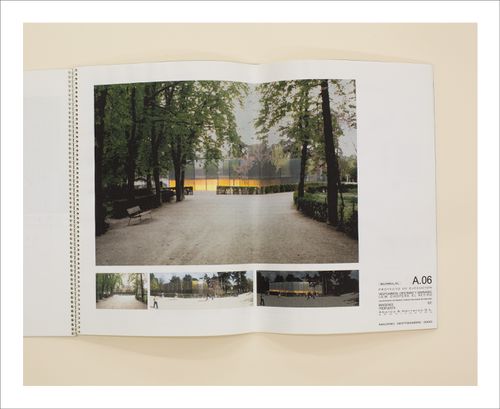
Proofs of Relevance: View of a photographic layout in a spiral-bound book for the Retiro Park Gymnasium, Abalos & Herreros (1993-2003), Madrid, Spain
Actions:
PH2015:0002:011
Description:
Commissioned by the Canadian Centre for Architecture, Montréal, for "Proofs of Relevance," 2014
Proofs of Relevance: View of a photographic layout in a spiral-bound book for the Retiro Park Gymnasium, Abalos & Herreros (1993-2003), Madrid, Spain
Actions:
PH2015:0002:011
Description:
Commissioned by the Canadian Centre for Architecture, Montréal, for "Proofs of Relevance," 2014
Classification:
photographies
photographies
Date:
2014
2014
Personnes et institutions:
Classification:
photographies
photographies
Actions:
Numéro de référence:
PH2015:0002:012
Description:
Commissioned by the Canadian Centre for Architecture, Montréal, for "Proofs of Relevance," 2014
PH2015:0002:012
Description:
Commissioned by the Canadian Centre for Architecture, Montréal, for "Proofs of Relevance," 2014
Personnes et institutions:
Date:
2014
2014
Titre:
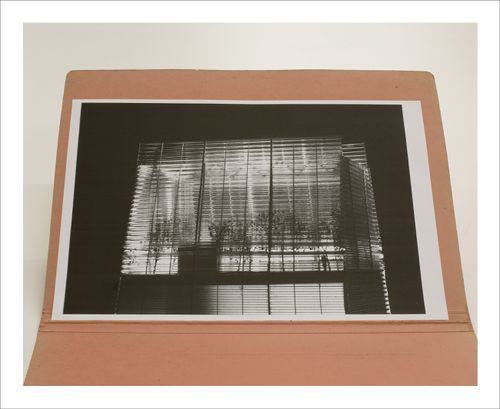
Proofs of Relevance: Photograph of a model of the New Museum of Contemporary Art competition project, New York City, Abalos & Herreros (2002-2003)
Actions:
PH2015:0002:012
Description:
Commissioned by the Canadian Centre for Architecture, Montréal, for "Proofs of Relevance," 2014
Proofs of Relevance: Photograph of a model of the New Museum of Contemporary Art competition project, New York City, Abalos & Herreros (2002-2003)
Actions:
PH2015:0002:012
Description:
Commissioned by the Canadian Centre for Architecture, Montréal, for "Proofs of Relevance," 2014
Classification:
photographies
photographies
Date:
2014
2014
Personnes et institutions:
Classification:
photographies
photographies
Actions:
Numéro de référence:
PH2015:0002:013
Description:
Commissioned by the Canadian Centre for Architecture, Montréal, for "Proofs of Relevance," 2014
PH2015:0002:013
Description:
Commissioned by the Canadian Centre for Architecture, Montréal, for "Proofs of Relevance," 2014
Personnes et institutions:
Date:
2014
2014
Titre:
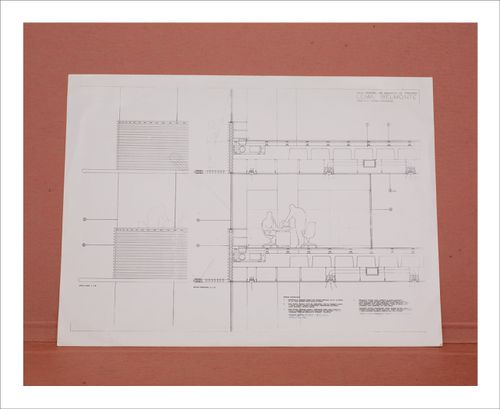
Proofs of Relevance: View of a drawing showing a section of the Savings Bank of Granada, Abalos & Herreros (1992), Granada, Spain
Actions:
PH2015:0002:013
Description:
Commissioned by the Canadian Centre for Architecture, Montréal, for "Proofs of Relevance," 2014
Proofs of Relevance: View of a drawing showing a section of the Savings Bank of Granada, Abalos & Herreros (1992), Granada, Spain
Actions:
PH2015:0002:013
Description:
Commissioned by the Canadian Centre for Architecture, Montréal, for "Proofs of Relevance," 2014
Classification:
photographies
photographies
Date:
2014
2014
Personnes et institutions:
Classification:
photographies
photographies
Actions:
Numéro de référence:
PH2015:0002:014
Description:
Commissioned by the Canadian Centre for Architecture, Montréal, for "Proofs of Relevance," 2014
PH2015:0002:014
Description:
Commissioned by the Canadian Centre for Architecture, Montréal, for "Proofs of Relevance," 2014
Personnes et institutions:
Date:
2014
2014
Titre:
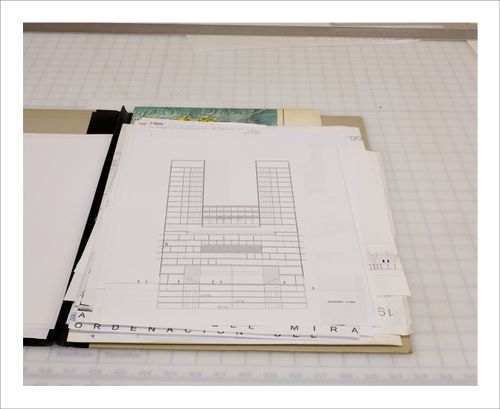
Proofs of Relevance: View of an elevation drawing in a portfolio showing a section of El Mirador: mixed-use tower in the Bay of Algerciras, Abalos & Herreros (1999), Cadiz, Spain
Actions:
PH2015:0002:014
Description:
Commissioned by the Canadian Centre for Architecture, Montréal, for "Proofs of Relevance," 2014
Proofs of Relevance: View of an elevation drawing in a portfolio showing a section of El Mirador: mixed-use tower in the Bay of Algerciras, Abalos & Herreros (1999), Cadiz, Spain
Actions:
PH2015:0002:014
Description:
Commissioned by the Canadian Centre for Architecture, Montréal, for "Proofs of Relevance," 2014
Classification:
photographies
photographies
Date:
2014
2014
Personnes et institutions:
Classification:
photographies
photographies
Actions:
Numéro de référence:
PH2015:0002:015
Description:
Commissioned by the Canadian Centre for Architecture, Montréal, for "Proofs of Relevance," 2014
PH2015:0002:015
Description:
Commissioned by the Canadian Centre for Architecture, Montréal, for "Proofs of Relevance," 2014
Personnes et institutions:
Date:
2014
2014
Titre:
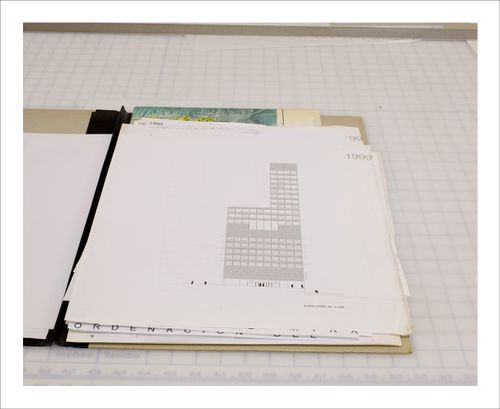
Proofs of Relevance: View of an elevation drawing in a portfolio showing a section of El Mirador: mixed-use tower in the Bay of Algerciras, Abalos & Herreros (1999), Cadiz, Spain
Actions:
PH2015:0002:015
Description:
Commissioned by the Canadian Centre for Architecture, Montréal, for "Proofs of Relevance," 2014
Proofs of Relevance: View of an elevation drawing in a portfolio showing a section of El Mirador: mixed-use tower in the Bay of Algerciras, Abalos & Herreros (1999), Cadiz, Spain
Actions:
PH2015:0002:015
Description:
Commissioned by the Canadian Centre for Architecture, Montréal, for "Proofs of Relevance," 2014
Classification:
photographies
photographies
Date:
2014
2014
Personnes et institutions:
Classification:
photographies
photographies
Actions:
Numéro de référence:
PH2015:0002:016
Description:
Commissioned by the Canadian Centre for Architecture, Montréal, for "Proofs of Relevance," 2014
PH2015:0002:016
Description:
Commissioned by the Canadian Centre for Architecture, Montréal, for "Proofs of Relevance," 2014
Personnes et institutions:
Date:
2014
2014
Titre:
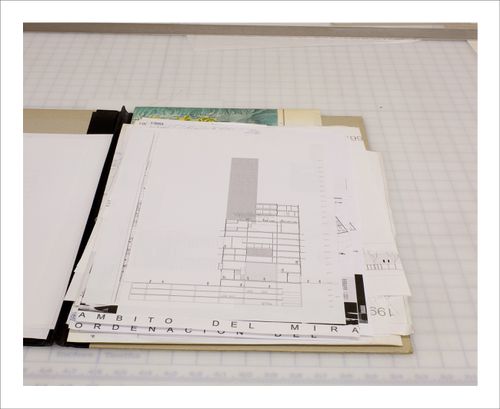
Proofs of Relevance: View of an elevation drawing in a portfolio showing a section of El Mirador: mixed-use tower in the Bay of Algerciras, Abalos & Herreros (1999), Cadiz, Spain
Actions:
PH2015:0002:016
Description:
Commissioned by the Canadian Centre for Architecture, Montréal, for "Proofs of Relevance," 2014
Proofs of Relevance: View of an elevation drawing in a portfolio showing a section of El Mirador: mixed-use tower in the Bay of Algerciras, Abalos & Herreros (1999), Cadiz, Spain
Actions:
PH2015:0002:016
Description:
Commissioned by the Canadian Centre for Architecture, Montréal, for "Proofs of Relevance," 2014
Classification:
photographies
photographies
Date:
2014
2014
Personnes et institutions:
Classification:
photographies
photographies
Actions:
Numéro de référence:
PH2015:0002:017
Description:
Commissioned by the Canadian Centre for Architecture, Montréal, for "Proofs of Relevance," 2014
PH2015:0002:017
Description:
Commissioned by the Canadian Centre for Architecture, Montréal, for "Proofs of Relevance," 2014
Personnes et institutions:
Date:
2014
2014
Titre:
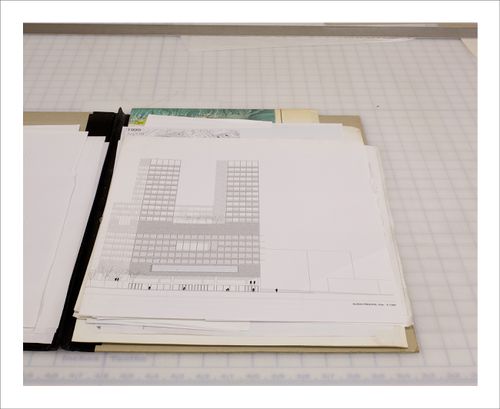
Proofs of Relevance: View of an elevation drawing in a portfolio showing a section of El Mirador: mixed-use tower in the Bay of Algerciras, Abalos & Herreros (1999), Cadiz, Spain
Actions:
PH2015:0002:017
Description:
Commissioned by the Canadian Centre for Architecture, Montréal, for "Proofs of Relevance," 2014
Proofs of Relevance: View of an elevation drawing in a portfolio showing a section of El Mirador: mixed-use tower in the Bay of Algerciras, Abalos & Herreros (1999), Cadiz, Spain
Actions:
PH2015:0002:017
Description:
Commissioned by the Canadian Centre for Architecture, Montréal, for "Proofs of Relevance," 2014
Classification:
photographies
photographies
Date:
2014
2014
Personnes et institutions:
Classification:
photographies
photographies
Actions:
Numéro de référence:
PH2015:0002:018
Description:
Commissioned by the Canadian Centre for Architecture, Montréal, for "Proofs of Relevance," 2014
PH2015:0002:018
Description:
Commissioned by the Canadian Centre for Architecture, Montréal, for "Proofs of Relevance," 2014
Personnes et institutions:
Date:
2014
2014
Titre:
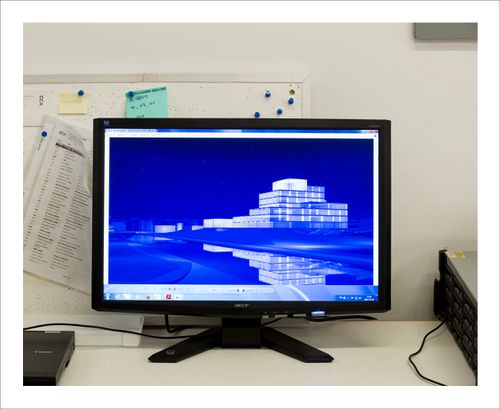
Proofs of Relevance: View of a digital rendering on a computer screen showing the EPFL Learning Center, Abalos & Herreros (2004), Lausanne, Switzerland
Actions:
PH2015:0002:018
Description:
Commissioned by the Canadian Centre for Architecture, Montréal, for "Proofs of Relevance," 2014
Proofs of Relevance: View of a digital rendering on a computer screen showing the EPFL Learning Center, Abalos & Herreros (2004), Lausanne, Switzerland
Actions:
PH2015:0002:018
Description:
Commissioned by the Canadian Centre for Architecture, Montréal, for "Proofs of Relevance," 2014
Classification:
photographies
photographies
Date:
2014
2014
Personnes et institutions:
Classification:
photographies
photographies
Actions:
Numéro de référence:
PH2015:0002:019
Description:
Commissioned by the Canadian Centre for Architecture, Montréal, for "Proofs of Relevance," 2014
PH2015:0002:019
Description:
Commissioned by the Canadian Centre for Architecture, Montréal, for "Proofs of Relevance," 2014
Personnes et institutions:
Date:
2014
2014
Titre:
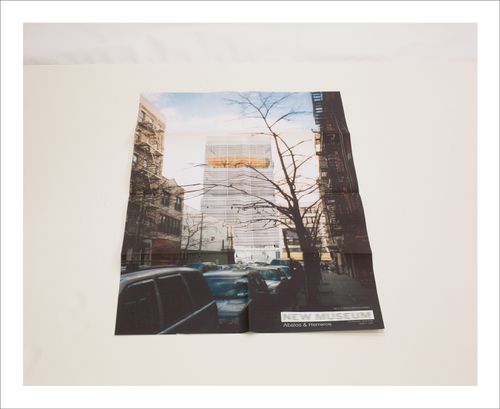
Proofs of Relevance: View of a poster showing a photomontage of the New Museum of Contemporary Art competition project, New York City, Abalos & Herreros (2002-2003)
Actions:
PH2015:0002:019
Description:
Commissioned by the Canadian Centre for Architecture, Montréal, for "Proofs of Relevance," 2014
Proofs of Relevance: View of a poster showing a photomontage of the New Museum of Contemporary Art competition project, New York City, Abalos & Herreros (2002-2003)
Actions:
PH2015:0002:019
Description:
Commissioned by the Canadian Centre for Architecture, Montréal, for "Proofs of Relevance," 2014
Classification:
photographies
photographies
Date:
2014
2014
Personnes et institutions:


