


4285 Résultats
Classification:
livres
livres
Prix:
$23.95
(disponible sur commande)
Résumé:
For some people, their lawn is a source of pride, and for others, caring for their lawn is a chore. Yet for an increasing number of people, turf care is a cause of ecological anxiety. In Lawn People, author Paul Robbins, asks, "How did the needs of the grass come to be my own?" In his goal to get a clearer picture of why people and grasses do what they do, Robbins(...)
$23.95
(disponible sur commande)
Résumé:
For some people, their lawn is a source of pride, and for others, caring for their lawn is a chore. Yet for an increasing number of people, turf care is a cause of ecological anxiety. In Lawn People, author Paul Robbins, asks, "How did the needs of the grass come to be my own?" In his goal to get a clearer picture of why people and grasses do what they do, Robbins(...)
Titre:
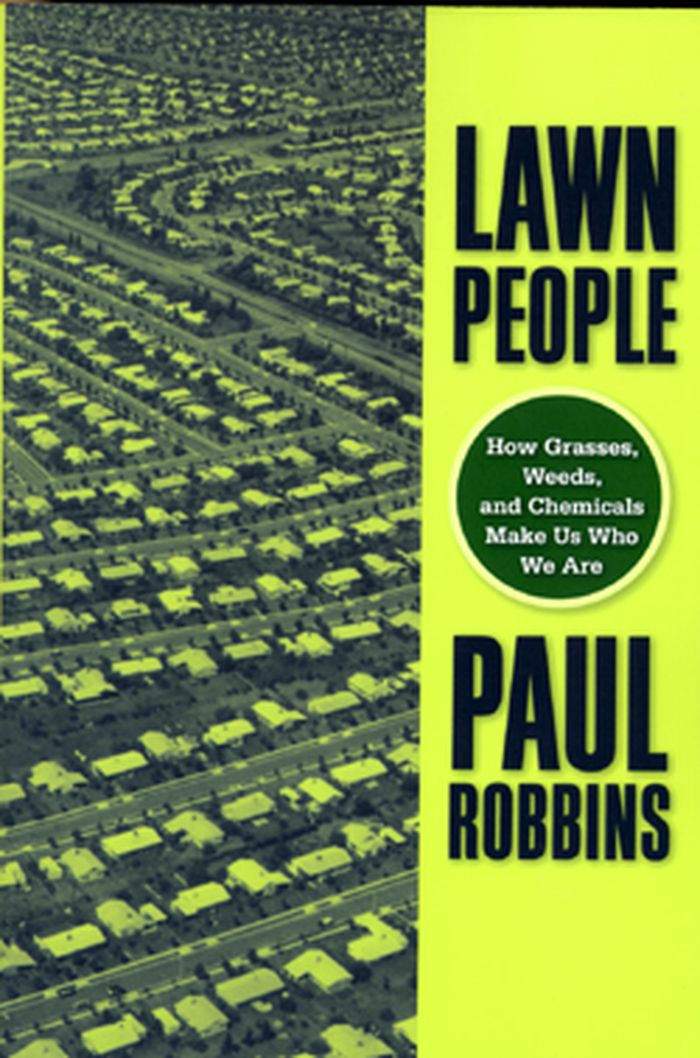
Lawn People: how grasses, weeds and chemicals make us who we are
Actions:
Prix:
$23.95
(disponible sur commande)
Résumé:
For some people, their lawn is a source of pride, and for others, caring for their lawn is a chore. Yet for an increasing number of people, turf care is a cause of ecological anxiety. In Lawn People, author Paul Robbins, asks, "How did the needs of the grass come to be my own?" In his goal to get a clearer picture of why people and grasses do what they do, Robbins interviews homeowners about their lawns, and uses national surveys, analysis from aerial photographs, and economic data to determine what people really feel about-and how they treat-their lawns. Lawn People places the lawn in its ecological, economic, and social context. Robbins considers the attention we pay our turfgrass-the chemicals we use to grow lawns, the hazards of turf care to our urban ecology, and its potential impact on water quality and household health. He also shows how the ecology of cities creates certain kinds of citizens, deftly contrasting man's control of the lawn with the lawn's control of man. Lawn People provides an intriguing examination of nature's influence on landscape management and on the ecosystem.
Lawn People: how grasses, weeds and chemicals make us who we are
Actions:
Prix:
$23.95
(disponible sur commande)
Résumé:
For some people, their lawn is a source of pride, and for others, caring for their lawn is a chore. Yet for an increasing number of people, turf care is a cause of ecological anxiety. In Lawn People, author Paul Robbins, asks, "How did the needs of the grass come to be my own?" In his goal to get a clearer picture of why people and grasses do what they do, Robbins interviews homeowners about their lawns, and uses national surveys, analysis from aerial photographs, and economic data to determine what people really feel about-and how they treat-their lawns. Lawn People places the lawn in its ecological, economic, and social context. Robbins considers the attention we pay our turfgrass-the chemicals we use to grow lawns, the hazards of turf care to our urban ecology, and its potential impact on water quality and household health. He also shows how the ecology of cities creates certain kinds of citizens, deftly contrasting man's control of the lawn with the lawn's control of man. Lawn People provides an intriguing examination of nature's influence on landscape management and on the ecosystem.
Classification:
livres
livres
Publication:
juin 2007, Philadelphie
juin 2007, Philadelphie
Sujet:
Architecture écologique
Architecture écologique
Classification:
livres
livres
Actions:
Prix:
$85.95
(disponible sur commande)
Résumé:
Using materials such as earth, wind, water, fire, wood, salt, rocks, mirrors and explosives, American artists of the 1960s began to move beyond the white cube gallery space to work directly in the land. With ties to Minimal and Conceptual art, these artists placed less emphasis on the discrete object and turned their attention to the experience of the artwork—however(...)
$85.95
(disponible sur commande)
Résumé:
Using materials such as earth, wind, water, fire, wood, salt, rocks, mirrors and explosives, American artists of the 1960s began to move beyond the white cube gallery space to work directly in the land. With ties to Minimal and Conceptual art, these artists placed less emphasis on the discrete object and turned their attention to the experience of the artwork—however(...)
Titre:
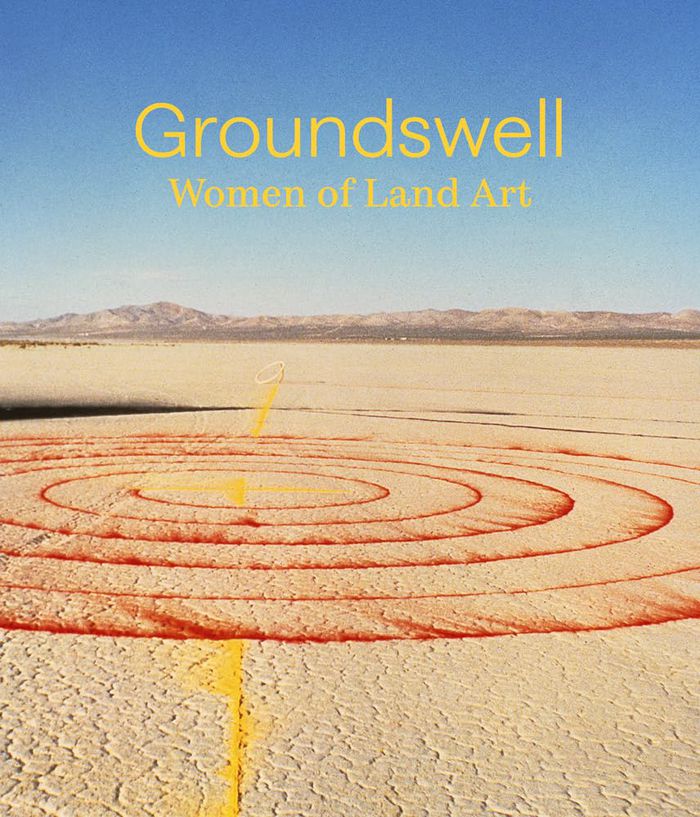
Groundswell: Women of land art
Actions:
Prix:
$85.95
(disponible sur commande)
Résumé:
Using materials such as earth, wind, water, fire, wood, salt, rocks, mirrors and explosives, American artists of the 1960s began to move beyond the white cube gallery space to work directly in the land. With ties to Minimal and Conceptual art, these artists placed less emphasis on the discrete object and turned their attention to the experience of the artwork—however fleeting or permanent that might be—foregrounding natural materials and the site itself to create large-scale works located outside of typical urban art-world circuits. Histories of Land art have long been dominated by men, but "Groundswell: Women of Land Art" shifts that focus to shed new light on the vast number of earthworks by women artists. While their careers ran parallel to those of their better-known male counterparts, they have received less recognition and representation in museum presentations—until now. This book includes five scholarly essays, as well as a detailed chronology, exhibition checklist and illustrated biographies of exhibition artists. "Groundswell" is a resource for readers interested in understanding the historical Land art movement and our own relationship to the earth.
Groundswell: Women of land art
Actions:
Prix:
$85.95
(disponible sur commande)
Résumé:
Using materials such as earth, wind, water, fire, wood, salt, rocks, mirrors and explosives, American artists of the 1960s began to move beyond the white cube gallery space to work directly in the land. With ties to Minimal and Conceptual art, these artists placed less emphasis on the discrete object and turned their attention to the experience of the artwork—however fleeting or permanent that might be—foregrounding natural materials and the site itself to create large-scale works located outside of typical urban art-world circuits. Histories of Land art have long been dominated by men, but "Groundswell: Women of Land Art" shifts that focus to shed new light on the vast number of earthworks by women artists. While their careers ran parallel to those of their better-known male counterparts, they have received less recognition and representation in museum presentations—until now. This book includes five scholarly essays, as well as a detailed chronology, exhibition checklist and illustrated biographies of exhibition artists. "Groundswell" is a resource for readers interested in understanding the historical Land art movement and our own relationship to the earth.
Classification:
livres
livres
Publication:
novembre 2023
novembre 2023
Sujet:
Land Art
Land Art
Classification:
livres
livres
Actions:
Prix:
$85.00
(disponible en magasin)
Résumé:
Since 1995, Dhaka-based architecture firm Kashef Chowdhury / URBANA has produced an astonishing collection of works of divergent scales, typologies, and contexts located in one of the most meteorologically challenging regions in the world. A hospital introduced into an economy decimated by rising oceans, a shelter against cyclones in Bangladesh’s southern coastal region,(...)
$85.00
(disponible en magasin)
Résumé:
Since 1995, Dhaka-based architecture firm Kashef Chowdhury / URBANA has produced an astonishing collection of works of divergent scales, typologies, and contexts located in one of the most meteorologically challenging regions in the world. A hospital introduced into an economy decimated by rising oceans, a shelter against cyclones in Bangladesh’s southern coastal region,(...)
Sujet:
Architecture, monographies
Architecture, monographies
Publication:
janvier 2026
janvier 2026
Titre:
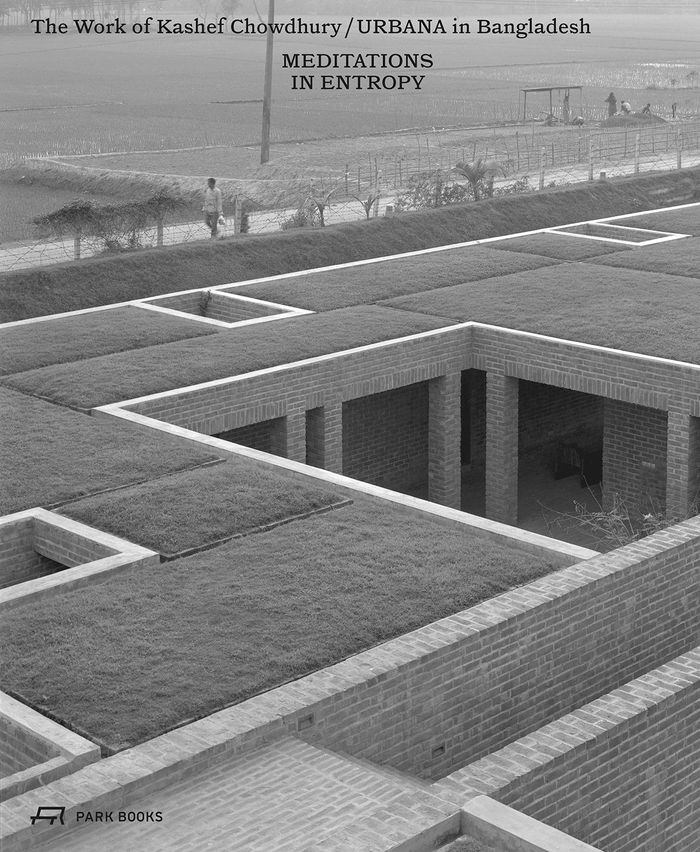
Meditations in entropy: The work of Kashef Chowdhury / URBANA in Bangladesh
Actions:
Prix:
$85.00
(disponible en magasin)
Résumé:
Since 1995, Dhaka-based architecture firm Kashef Chowdhury / URBANA has produced an astonishing collection of works of divergent scales, typologies, and contexts located in one of the most meteorologically challenging regions in the world. A hospital introduced into an economy decimated by rising oceans, a shelter against cyclones in Bangladesh’s southern coastal region, and architectural interventions in one of the world’s densest metropolitan areas: Kashef Chowdhury / URBANA’s designs are incisive, critical responses to varied issues and urgencies rooted in the belief that architecture must be a reflection of, and sympathetic to, increasingly fragile ecological conditions. ''Meditations in Entropy'' is the first full monograph on the work of Kashef Chowdhury / URBANA. It features 18 of the firm’s realized designs in detail through photographs by acclaimed architectural photographer Hélène Binet as well as numerous plans, drawings, sketches, and other images. Perceptive essays are contributed by the distinguished critics and historians Kenneth Frampton, Robert McCarter, William J. R. Curtis, and Philip Ursprung, and by Ainun Nishat, a renowned water resource and climate change specialist. An illustrated catalogue of Kashef Chowdhury / URBANA’s projects and realized buildings rounds off this beautifully designed volume.
Meditations in entropy: The work of Kashef Chowdhury / URBANA in Bangladesh
Actions:
Prix:
$85.00
(disponible en magasin)
Résumé:
Since 1995, Dhaka-based architecture firm Kashef Chowdhury / URBANA has produced an astonishing collection of works of divergent scales, typologies, and contexts located in one of the most meteorologically challenging regions in the world. A hospital introduced into an economy decimated by rising oceans, a shelter against cyclones in Bangladesh’s southern coastal region, and architectural interventions in one of the world’s densest metropolitan areas: Kashef Chowdhury / URBANA’s designs are incisive, critical responses to varied issues and urgencies rooted in the belief that architecture must be a reflection of, and sympathetic to, increasingly fragile ecological conditions. ''Meditations in Entropy'' is the first full monograph on the work of Kashef Chowdhury / URBANA. It features 18 of the firm’s realized designs in detail through photographs by acclaimed architectural photographer Hélène Binet as well as numerous plans, drawings, sketches, and other images. Perceptive essays are contributed by the distinguished critics and historians Kenneth Frampton, Robert McCarter, William J. R. Curtis, and Philip Ursprung, and by Ainun Nishat, a renowned water resource and climate change specialist. An illustrated catalogue of Kashef Chowdhury / URBANA’s projects and realized buildings rounds off this beautifully designed volume.
Classification:
livres
livres
Publication:
janvier 2026
janvier 2026
Sujet:
Architecture, monographies
Architecture, monographies
Classification:
livres
livres
Titre:
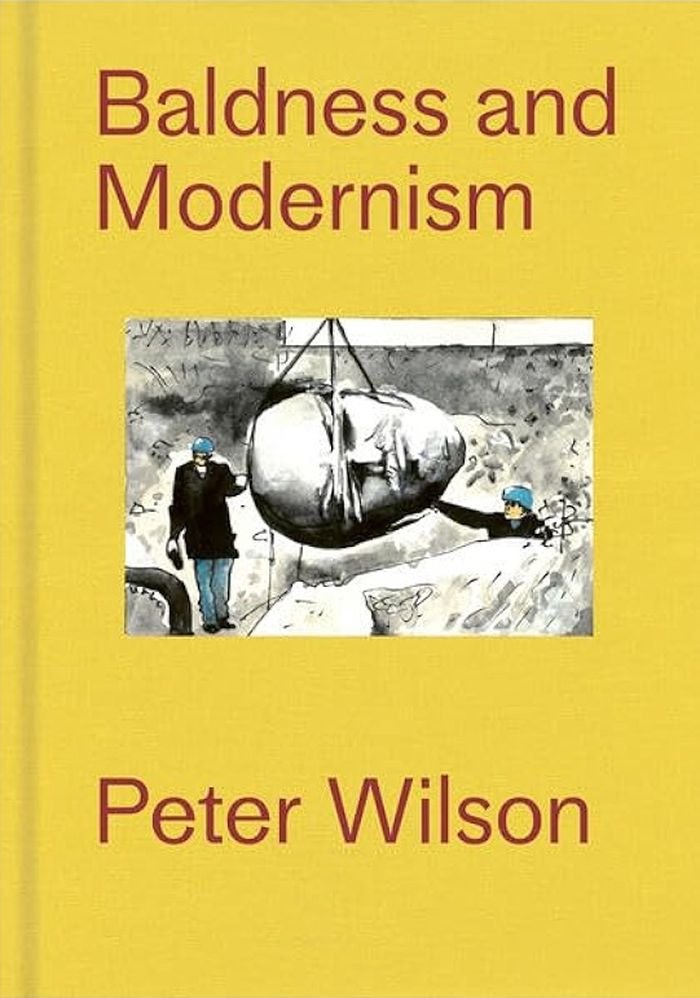
Baldness and modernism
Baldness and modernism
Actions:
Prix:
$63.00
(disponible en magasin)
Résumé:
The original bald and unconvincing narrative that triggered this book is that put about by Alison and Peter Smithson in their 1981 Heroic Period of Modern Architecture, limiting modernism to 1915–1929. This fiction is re-contextualized with studies of iconic Bauhaus bald heads – Schlemmer, Itten, etc., such Literal Baldness is the subject of Part 1. Part 2 of Phenomenal(...)
$63.00
(disponible en magasin)
Résumé:
The original bald and unconvincing narrative that triggered this book is that put about by Alison and Peter Smithson in their 1981 Heroic Period of Modern Architecture, limiting modernism to 1915–1929. This fiction is re-contextualized with studies of iconic Bauhaus bald heads – Schlemmer, Itten, etc., such Literal Baldness is the subject of Part 1. Part 2 of Phenomenal(...)
Titre:
Baldness and modernism
Actions:
Prix:
$63.00
(disponible en magasin)
Résumé:
The original bald and unconvincing narrative that triggered this book is that put about by Alison and Peter Smithson in their 1981 Heroic Period of Modern Architecture, limiting modernism to 1915–1929. This fiction is re-contextualized with studies of iconic Bauhaus bald heads – Schlemmer, Itten, etc., such Literal Baldness is the subject of Part 1. Part 2 of Phenomenal Baldness unwinds the Bauhaus narrative put about by Walter Gropius, one that has held water for 100 years. Spin doctor Gropius manipulated his Bauhaus successes into a cornerstone of post WW2 modernism. Cracks in this story are now emerging along with the fact that Gropius was in hindsight, not a very good architect. Attacks on the Bauhaus like those by Rudolph Schwartz or Tom Wolf as well as a comprehensive list of Gropius hand-holders, and those edited out of his narrative are here explored. To conclude Gropius is compared to his contemporary Bruno Taut, a far more interesting and talented architect. This book like Peter Wilson’s previous "Bedtime Stories for Architects" or "Some Reasons for Traveling to Italy" is written in his unique anecdotal style, savoring Shandyisms and the quirks of history.
Baldness and modernism
Actions:
Prix:
$63.00
(disponible en magasin)
Résumé:
The original bald and unconvincing narrative that triggered this book is that put about by Alison and Peter Smithson in their 1981 Heroic Period of Modern Architecture, limiting modernism to 1915–1929. This fiction is re-contextualized with studies of iconic Bauhaus bald heads – Schlemmer, Itten, etc., such Literal Baldness is the subject of Part 1. Part 2 of Phenomenal Baldness unwinds the Bauhaus narrative put about by Walter Gropius, one that has held water for 100 years. Spin doctor Gropius manipulated his Bauhaus successes into a cornerstone of post WW2 modernism. Cracks in this story are now emerging along with the fact that Gropius was in hindsight, not a very good architect. Attacks on the Bauhaus like those by Rudolph Schwartz or Tom Wolf as well as a comprehensive list of Gropius hand-holders, and those edited out of his narrative are here explored. To conclude Gropius is compared to his contemporary Bruno Taut, a far more interesting and talented architect. This book like Peter Wilson’s previous "Bedtime Stories for Architects" or "Some Reasons for Traveling to Italy" is written in his unique anecdotal style, savoring Shandyisms and the quirks of history.
Classification:
livres
livres
Publication:
juin 2025
juin 2025
Sujet:
Théorie de l’architecture
Théorie de l’architecture
Classification:
livres
livres
Actions:
Prix:
$88.00
(disponible en magasin)
Résumé:
A retrospective of Edward Burtynsky's (born 1955) photography from the past 40 years, The Great Acceleration reveals the depth of the photographer's investigation into the human alteration of natural landscapes around the world, showing their present fragility and enduring beauty in equal measure. "The Great Acceleration" is an established term used to describe the rapid(...)
$88.00
(disponible en magasin)
Résumé:
A retrospective of Edward Burtynsky's (born 1955) photography from the past 40 years, The Great Acceleration reveals the depth of the photographer's investigation into the human alteration of natural landscapes around the world, showing their present fragility and enduring beauty in equal measure. "The Great Acceleration" is an established term used to describe the rapid(...)
Titre:
Edward Burtynsky: The great acceleration
Actions:
Prix:
$88.00
(disponible en magasin)
Résumé:
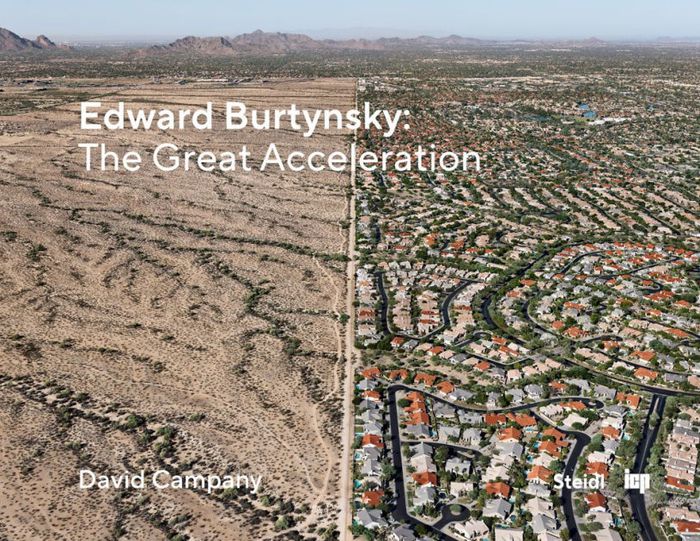
A retrospective of Edward Burtynsky's (born 1955) photography from the past 40 years, The Great Acceleration reveals the depth of the photographer's investigation into the human alteration of natural landscapes around the world, showing their present fragility and enduring beauty in equal measure. "The Great Acceleration" is an established term used to describe the rapid rise of human impact on our planet, among them population growth, water usage, transportation, greenhouse gas emissions, resource extraction and food production, each of which Burtynsky has photographed the signs of in great detail throughout his career. From open pit mines across North America to oil derricks in Azerbaijan, from rice terraces in China to oil bunkering in Nigeria, Burtynsky has traveled the world and back again as part of his restless and seemingly inexhaustible drive to discover the ways, both old and new, that organized human activity has transformed the earth. Including many of Burtynsky's landmark images, and which have never been published, the book is an urgent call to action, inviting us to appreciate the sublimity that remains in nature while deepening our understanding of the challenges and responsibilities confronting us today.
Edward Burtynsky: The great acceleration
Actions:
Prix:
$88.00
(disponible en magasin)
Résumé:
A retrospective of Edward Burtynsky's (born 1955) photography from the past 40 years, The Great Acceleration reveals the depth of the photographer's investigation into the human alteration of natural landscapes around the world, showing their present fragility and enduring beauty in equal measure. "The Great Acceleration" is an established term used to describe the rapid rise of human impact on our planet, among them population growth, water usage, transportation, greenhouse gas emissions, resource extraction and food production, each of which Burtynsky has photographed the signs of in great detail throughout his career. From open pit mines across North America to oil derricks in Azerbaijan, from rice terraces in China to oil bunkering in Nigeria, Burtynsky has traveled the world and back again as part of his restless and seemingly inexhaustible drive to discover the ways, both old and new, that organized human activity has transformed the earth. Including many of Burtynsky's landmark images, and which have never been published, the book is an urgent call to action, inviting us to appreciate the sublimity that remains in nature while deepening our understanding of the challenges and responsibilities confronting us today.
Classification:
livres
livres
Publication:
décembre 2025
décembre 2025
Sujet:
Monographies photo
Monographies photo
Classification:
livres
livres

Titre:
White rapids
White rapids
Actions:
Prix:
$29.95
(disponible sur commande)
Résumé:
Award-winning Quebecois cartoonist Pascal Blanchet’s graphic novel is a compelling account of the rise and fall of the small northern town of White Rapids. In the first English translation of his work, Blanchet seamlessly blends fact and fiction as he weaves together the official history of the town and snapshots of the quotidian life of its residents. Founded in 1928 in(...)
$29.95
(disponible sur commande)
Résumé:
Award-winning Quebecois cartoonist Pascal Blanchet’s graphic novel is a compelling account of the rise and fall of the small northern town of White Rapids. In the first English translation of his work, Blanchet seamlessly blends fact and fiction as he weaves together the official history of the town and snapshots of the quotidian life of its residents. Founded in 1928 in(...)
Titre:
White rapids
Actions:
Prix:
$29.95
(disponible sur commande)
Résumé:
Award-winning Quebecois cartoonist Pascal Blanchet’s graphic novel is a compelling account of the rise and fall of the small northern town of White Rapids. In the first English translation of his work, Blanchet seamlessly blends fact and fiction as he weaves together the official history of the town and snapshots of the quotidian life of its residents. Founded in 1928 in an isolated region of Quebec forest, the town was conceived and constructed by the Shawinigan Water & Power Company to function as a fully equipped, self-contained living community for workers at the nearby dam and their families. Intended as an incentive to lure workers to the remote and inaccessible region, White Rapids provided its residents with all the luxuries of middle-class modern life in a pastoral setting—until the town was abruptly shut down in 1971, when the company changed hands. Blanchet’s unique, streamlined, retro-inspired aesthetic draws on art deco and fifties modernist design to vividly conjure up idyllic scenes of lazy summer days and crisp winter nights in White Rapids, transporting the reader back to a more innocent time.
White rapids
Actions:
Prix:
$29.95
(disponible sur commande)
Résumé:
Award-winning Quebecois cartoonist Pascal Blanchet’s graphic novel is a compelling account of the rise and fall of the small northern town of White Rapids. In the first English translation of his work, Blanchet seamlessly blends fact and fiction as he weaves together the official history of the town and snapshots of the quotidian life of its residents. Founded in 1928 in an isolated region of Quebec forest, the town was conceived and constructed by the Shawinigan Water & Power Company to function as a fully equipped, self-contained living community for workers at the nearby dam and their families. Intended as an incentive to lure workers to the remote and inaccessible region, White Rapids provided its residents with all the luxuries of middle-class modern life in a pastoral setting—until the town was abruptly shut down in 1971, when the company changed hands. Blanchet’s unique, streamlined, retro-inspired aesthetic draws on art deco and fifties modernist design to vividly conjure up idyllic scenes of lazy summer days and crisp winter nights in White Rapids, transporting the reader back to a more innocent time.
Classification:
livres
livres
Publication:
septembre 2007
septembre 2007
Sujet:
Architecture du Québec
Architecture du Québec
Classification:
livres
livres
Titre:
Grain elevators
Grain elevators
Actions:
Prix:
$93.95
(disponible sur commande)
Résumé:
Bernd and Hilla Becher's almost fifty-year collaboration constitutes one important project in objective and conceptual photography today. With this volume, grain elevators join the list of building types documented by the Bechers in their book-length studies: water towers, blast furnaces, gas tanks, oil tanks, mineheads, frame houses, and cooling towers. Grain(...)
$93.95
(disponible sur commande)
Résumé:
Bernd and Hilla Becher's almost fifty-year collaboration constitutes one important project in objective and conceptual photography today. With this volume, grain elevators join the list of building types documented by the Bechers in their book-length studies: water towers, blast furnaces, gas tanks, oil tanks, mineheads, frame houses, and cooling towers. Grain(...)
Sujet:
Monographies photo
Monographies photo
Publication:
novembre 2006, Cambridge (MA), London
novembre 2006, Cambridge (MA), London
Titre:
Grain elevators
Actions:
Prix:
$93.95
(disponible sur commande)
Résumé:
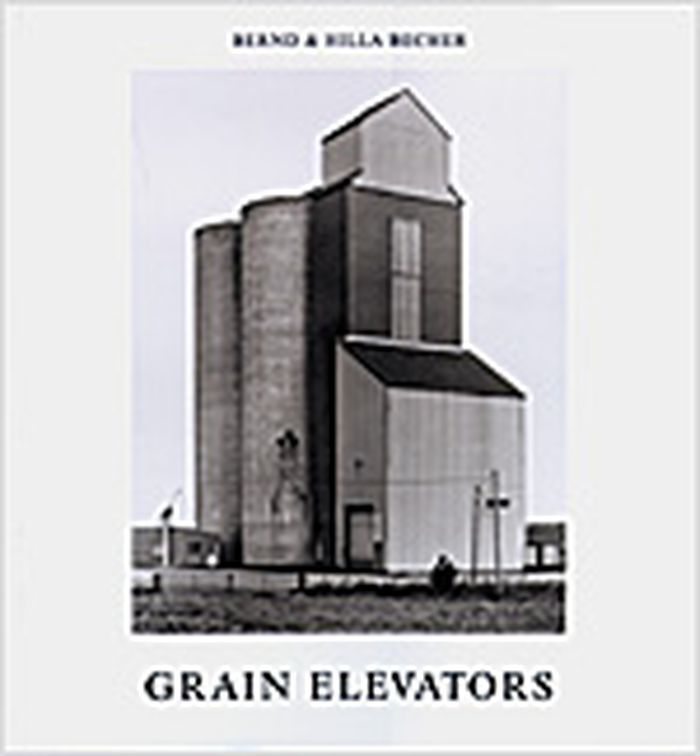
Bernd and Hilla Becher's almost fifty-year collaboration constitutes one important project in objective and conceptual photography today. With this volume, grain elevators join the list of building types documented by the Bechers in their book-length studies: water towers, blast furnaces, gas tanks, oil tanks, mineheads, frame houses, and cooling towers. Grain elevators are towering structures in the flat, vast landscape of the world's granaries. Providing a fast and efficient method of loading and unloading grain to keep pace with the industrial production methods of the nineteenth century, they made possible a tremendous increase in the trafficking and processing of grain. Scooping, pouring, and spitting, they both illustrated and inspired Le Corbusier's idea of buildings as functioning machines. Monumental, essential, and visually arresting, grain elevators belong as much to the American imagination and landscape as to the European. The photographs of grain elevators in this volume were taken in Germany, Belgium, France, and America. But the specificity of time and place is erased in these photographs; the monolithic structures evoke the agricultural prosperity of a vanished era and the vacancy that replaces it today.
Grain elevators
Actions:
Prix:
$93.95
(disponible sur commande)
Résumé:
Bernd and Hilla Becher's almost fifty-year collaboration constitutes one important project in objective and conceptual photography today. With this volume, grain elevators join the list of building types documented by the Bechers in their book-length studies: water towers, blast furnaces, gas tanks, oil tanks, mineheads, frame houses, and cooling towers. Grain elevators are towering structures in the flat, vast landscape of the world's granaries. Providing a fast and efficient method of loading and unloading grain to keep pace with the industrial production methods of the nineteenth century, they made possible a tremendous increase in the trafficking and processing of grain. Scooping, pouring, and spitting, they both illustrated and inspired Le Corbusier's idea of buildings as functioning machines. Monumental, essential, and visually arresting, grain elevators belong as much to the American imagination and landscape as to the European. The photographs of grain elevators in this volume were taken in Germany, Belgium, France, and America. But the specificity of time and place is erased in these photographs; the monolithic structures evoke the agricultural prosperity of a vanished era and the vacancy that replaces it today.
Classification:
livres
livres
Publication:
novembre 2006, Cambridge (MA), London
novembre 2006, Cambridge (MA), London
Sujet:
Monographies photo
Monographies photo
Classification:
livres
livres

Actions:
Prix:
$35.95
(disponible sur commande)
Résumé:
Does it ever feel like you have no free time? You come home after work and instead of finding a space of rest and relaxation, you’re confronted by a pile of new tasks to complete – cooking, cleaning, looking after the kids, and so on. In this book, Helen Hester and Nick Srnicek lay out how unpaid work in our homes has come to take up an ever-increasing portion of our(...)
$35.95
(disponible sur commande)
Résumé:
Does it ever feel like you have no free time? You come home after work and instead of finding a space of rest and relaxation, you’re confronted by a pile of new tasks to complete – cooking, cleaning, looking after the kids, and so on. In this book, Helen Hester and Nick Srnicek lay out how unpaid work in our homes has come to take up an ever-increasing portion of our(...)
Titre:
After work: The fight for free time
Actions:
Prix:
$35.95
(disponible sur commande)
Résumé:
Does it ever feel like you have no free time? You come home after work and instead of finding a space of rest and relaxation, you’re confronted by a pile of new tasks to complete – cooking, cleaning, looking after the kids, and so on. In this book, Helen Hester and Nick Srnicek lay out how unpaid work in our homes has come to take up an ever-increasing portion of our lives – how the vacuum of free time has been taken up by vacuuming. Examining the history of the home over the past century – from running water to white goods to smart homes – they show how repeated efforts to reduce the burden of this work have faced a variety of barriers, challenges, and reversals. Charting the trajectory of our domestic spaces over the past century, Hester and Srnicek consider new possibilities for the future, uncovering the abandoned ideas of anti-housework visionaries and sketching out a path towards real free time for all, where everyone is at liberty to pursue their passions, or do nothing at all. It will require rethinking our living arrangements, our expectations and our cities.
After work: The fight for free time
Actions:
Prix:
$35.95
(disponible sur commande)
Résumé:
Does it ever feel like you have no free time? You come home after work and instead of finding a space of rest and relaxation, you’re confronted by a pile of new tasks to complete – cooking, cleaning, looking after the kids, and so on. In this book, Helen Hester and Nick Srnicek lay out how unpaid work in our homes has come to take up an ever-increasing portion of our lives – how the vacuum of free time has been taken up by vacuuming. Examining the history of the home over the past century – from running water to white goods to smart homes – they show how repeated efforts to reduce the burden of this work have faced a variety of barriers, challenges, and reversals. Charting the trajectory of our domestic spaces over the past century, Hester and Srnicek consider new possibilities for the future, uncovering the abandoned ideas of anti-housework visionaries and sketching out a path towards real free time for all, where everyone is at liberty to pursue their passions, or do nothing at all. It will require rethinking our living arrangements, our expectations and our cities.
Classification:
livres
livres
Publication:
juillet 2023
juillet 2023
Sujet:
Social
Social
Classification:
livres
livres
Actions:
Prix:
$65.00
(disponible sur commande)
Résumé:
Over the past six years, documentary photographer and architectural historian Julia Reyes Taubman has taken more than 30,000 photographs across the sprawled terrain of Detroit, ambitiously mapping out a comprehensive survey of a major American city. Photographing on the ground, in the buildings and by air and water, Reyes Taubman believes that when buildings and landscape(...)
$65.00
(disponible sur commande)
Résumé:
Over the past six years, documentary photographer and architectural historian Julia Reyes Taubman has taken more than 30,000 photographs across the sprawled terrain of Detroit, ambitiously mapping out a comprehensive survey of a major American city. Photographing on the ground, in the buildings and by air and water, Reyes Taubman believes that when buildings and landscape(...)
Titre:
Julie Reyes Taubman: Detroit, 138 squares miles
Actions:
Prix:
$65.00
(disponible sur commande)
Résumé:
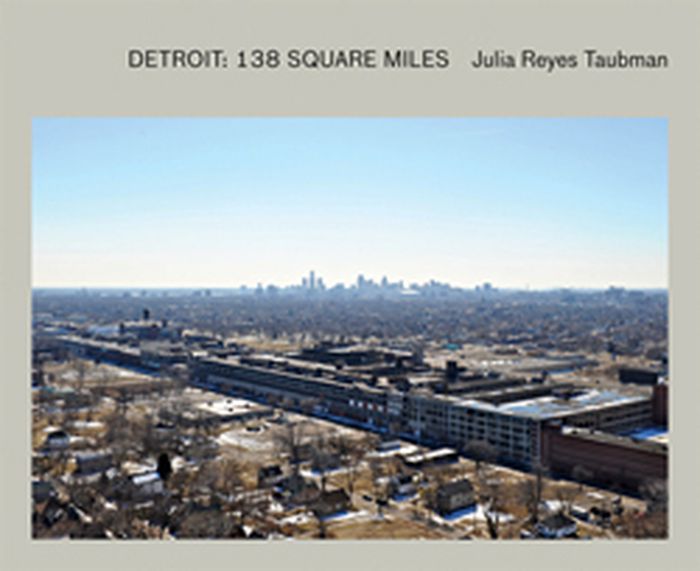
Over the past six years, documentary photographer and architectural historian Julia Reyes Taubman has taken more than 30,000 photographs across the sprawled terrain of Detroit, ambitiously mapping out a comprehensive survey of a major American city. Photographing on the ground, in the buildings and by air and water, Reyes Taubman believes that when buildings and landscape are manipulated by nature and time they become more visually compelling than almost any architectural intervention.As Reyes Taubman scrutinizes this 138-square-mile metropolis in transition, she pays particular attention to the scale and the solidity of the buildings that characterized the former “Motor City” at the height of its industrial wealth and power. More than a photographic saturation job of a single city, Detroit: 138 Square Miles provides contextual perspective in an extended caption section in which Reyes Taubman collaborated with University of Michigan professors Robert Fishman and Michael McCulloch to emphasize the social imperatives driving her documentation. An essay by native Detroiter and bestselling author Elmore Leonard addresses the social and cultural significance of the post-industrial condition of this metropolis. The volume's spine is specially treated with black ink to evoke the industrial character of its subject.
Julie Reyes Taubman: Detroit, 138 squares miles
Actions:
Prix:
$65.00
(disponible sur commande)
Résumé:
Over the past six years, documentary photographer and architectural historian Julia Reyes Taubman has taken more than 30,000 photographs across the sprawled terrain of Detroit, ambitiously mapping out a comprehensive survey of a major American city. Photographing on the ground, in the buildings and by air and water, Reyes Taubman believes that when buildings and landscape are manipulated by nature and time they become more visually compelling than almost any architectural intervention.As Reyes Taubman scrutinizes this 138-square-mile metropolis in transition, she pays particular attention to the scale and the solidity of the buildings that characterized the former “Motor City” at the height of its industrial wealth and power. More than a photographic saturation job of a single city, Detroit: 138 Square Miles provides contextual perspective in an extended caption section in which Reyes Taubman collaborated with University of Michigan professors Robert Fishman and Michael McCulloch to emphasize the social imperatives driving her documentation. An essay by native Detroiter and bestselling author Elmore Leonard addresses the social and cultural significance of the post-industrial condition of this metropolis. The volume's spine is specially treated with black ink to evoke the industrial character of its subject.
Classification:
livres
livres
Publication:
septembre 2011
septembre 2011
Sujet:
Monographies photo
Monographies photo
Classification:
livres
livres
Actions:
Exemplaires:
Description:
200 pages : illustrations, maps, plans ; 23 cm.
Description:
200 pages : illustrations, maps, plans ; 23 cm.
Auteur:
Sujet:
Publication:
Wageningen : Blauwdruk Publishers, [2015].
Wageningen : Blauwdruk Publishers, [2015].
Titre:
The rooted city : European capitals and their connection with the landscape = De gewortelde stad : Europese hoofdsteden en hun verbinding met het landschap / Wim Timmermans [and 5 others].
Actions:
Exemplaires:
Description:
200 pages : illustrations, maps, plans ; 23 cm.
The rooted city : European capitals and their connection with the landscape = De gewortelde stad : Europese hoofdsteden en hun verbinding met het landschap / Wim Timmermans [and 5 others].
Actions:
Exemplaires:
Description:
200 pages : illustrations, maps, plans ; 23 cm.
Classification:
livres
livres
Publication:
Wageningen : Blauwdruk Publishers, [2015].
Wageningen : Blauwdruk Publishers, [2015].
Auteur:
Sujet:


