


4285 Résultats
Classification:
livres
livres
Actions:
Exemplaires:
Description:
255 pages : illustrations (chiefly color) ; 27 cm
Description:
255 pages : illustrations (chiefly color) ; 27 cm
Auteur:
Sujet:
Publication:
London : Phaidon Press Limited, 2022.
London : Phaidon Press Limited, 2022.
Titre:
Us & our planet : this is how we live / edited by Maisie Skidmore.
Actions:
Exemplaires:
Description:
255 pages : illustrations (chiefly color) ; 27 cm
Us & our planet : this is how we live / edited by Maisie Skidmore.
Actions:
Exemplaires:
Description:
255 pages : illustrations (chiefly color) ; 27 cm
Classification:
livres
livres
Publication:
London : Phaidon Press Limited, 2022.
London : Phaidon Press Limited, 2022.
Auteur:
Sujet:
Classification:
livres
livres
Actions:
Exemplaires:
Description:
64 pages ; 24 cm
Description:
64 pages ; 24 cm
Auteur:
Sujet:
Publication:
Rotterdam : Uitgeverij Ger Guijs ; Utrecht : FORUM, Instituut voor Multiculturele Ontwikkeling, [2008], ©2008
Rotterdam : Uitgeverij Ger Guijs ; Utrecht : FORUM, Instituut voor Multiculturele Ontwikkeling, [2008], ©2008
Titre:
De mantra van de mix : hoe ideaal is een gemengde wijk? / Gideon Bolt en Ronald van Kempen ; m.m.v. Matté Hartog.
Actions:
Exemplaires:
Description:
64 pages ; 24 cm
De mantra van de mix : hoe ideaal is een gemengde wijk? / Gideon Bolt en Ronald van Kempen ; m.m.v. Matté Hartog.
Actions:
Exemplaires:
Description:
64 pages ; 24 cm
Classification:
livres
livres
Publication:
Rotterdam : Uitgeverij Ger Guijs ; Utrecht : FORUM, Instituut voor Multiculturele Ontwikkeling, [2008], ©2008
Rotterdam : Uitgeverij Ger Guijs ; Utrecht : FORUM, Instituut voor Multiculturele Ontwikkeling, [2008], ©2008
Auteur:
Sujet:
Classification:
livres
livres
Actions:
Prix:
$90.00
(disponible sur commande)
Résumé:
The creation of park systems is a historically proven method for communities to stabilize and cultivate healthy ecological habitats in country dwellings as well as in dense urban areas. Park systems ensure clean soil, water, and air for all. Moreover, they offer intergenerational and inclusive recreational opportunities along ecological corridors. Between 1900 and 1950,(...)
$90.00
(disponible sur commande)
Résumé:
The creation of park systems is a historically proven method for communities to stabilize and cultivate healthy ecological habitats in country dwellings as well as in dense urban areas. Park systems ensure clean soil, water, and air for all. Moreover, they offer intergenerational and inclusive recreational opportunities along ecological corridors. Between 1900 and 1950,(...)
Titre:
Living cities: Three centuries of Park systems
Actions:
Prix:
$90.00
(disponible sur commande)
Résumé:
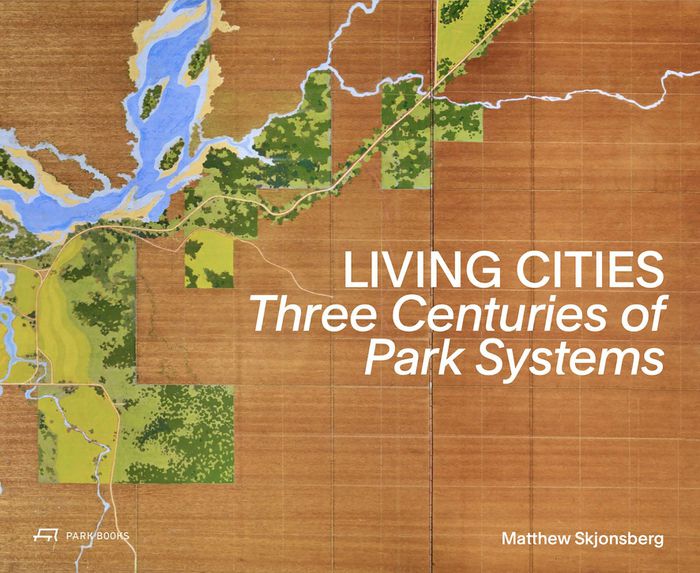
The creation of park systems is a historically proven method for communities to stabilize and cultivate healthy ecological habitats in country dwellings as well as in dense urban areas. Park systems ensure clean soil, water, and air for all. Moreover, they offer intergenerational and inclusive recreational opportunities along ecological corridors. Between 1900 and 1950, civic design—a practice in urban and landscape planning explicitly oriented towards the common good—experienced a heyday. Park systems were successfully used as “green armatures” hosting public facilities such as playgrounds, schools, administrative buildings, hospitals, and gardens. ''Living Cities'' offers a chronological survey of civic design based on more than 30 park systems on five continents. The examples range from Johann Wolfgang von Goethe's Park an der Ilm in Weimar (1778) and John Nash’s Regent Street in London (1806) to Chicago’s park system (1850), Albert Bodmer and Maurice Braillard’s plans for Geneva (1936), and Frank Lloyd Wright’s Taliesin Valley (1947), as well as to contemporary and future projects in Addis Ababa, Madrid, Medellín, New York, and Seoul. Matthew Skjonsberg’s book demonstrates the ecological and social impact of park systems and highlights the diverse challenges that communities face when implementing such projects. At the same time, it encourages a reevaluation of civic design as an intergenerational practice for creating human settlements.
Living cities: Three centuries of Park systems
Actions:
Prix:
$90.00
(disponible sur commande)
Résumé:
The creation of park systems is a historically proven method for communities to stabilize and cultivate healthy ecological habitats in country dwellings as well as in dense urban areas. Park systems ensure clean soil, water, and air for all. Moreover, they offer intergenerational and inclusive recreational opportunities along ecological corridors. Between 1900 and 1950, civic design—a practice in urban and landscape planning explicitly oriented towards the common good—experienced a heyday. Park systems were successfully used as “green armatures” hosting public facilities such as playgrounds, schools, administrative buildings, hospitals, and gardens. ''Living Cities'' offers a chronological survey of civic design based on more than 30 park systems on five continents. The examples range from Johann Wolfgang von Goethe's Park an der Ilm in Weimar (1778) and John Nash’s Regent Street in London (1806) to Chicago’s park system (1850), Albert Bodmer and Maurice Braillard’s plans for Geneva (1936), and Frank Lloyd Wright’s Taliesin Valley (1947), as well as to contemporary and future projects in Addis Ababa, Madrid, Medellín, New York, and Seoul. Matthew Skjonsberg’s book demonstrates the ecological and social impact of park systems and highlights the diverse challenges that communities face when implementing such projects. At the same time, it encourages a reevaluation of civic design as an intergenerational practice for creating human settlements.
Classification:
livres
livres
Publication:
janvier 2025
janvier 2025
Sujet:
Jardins
Jardins
Classification:
livres
livres
Titre:
Proto-Habitat
Proto-Habitat
Actions:
Prix:
$52.00
(disponible en magasin)
Résumé:
Proto-Habitat is a name composed of the prefix proto-, which comes from the ancient Greek protos, meaning "the first", but also its inscription in a series of events of which it is the trigger. Proto-Habitat evokes a return to basics, where "living" resonates in harmony with nature and awakens to the idea of ??human communities in which the social pact is characterized by(...)
$52.00
(disponible en magasin)
Résumé:
Proto-Habitat is a name composed of the prefix proto-, which comes from the ancient Greek protos, meaning "the first", but also its inscription in a series of events of which it is the trigger. Proto-Habitat evokes a return to basics, where "living" resonates in harmony with nature and awakens to the idea of ??human communities in which the social pact is characterized by(...)
Titre:
Proto-Habitat
Actions:
Prix:
$52.00
(disponible en magasin)
Résumé:
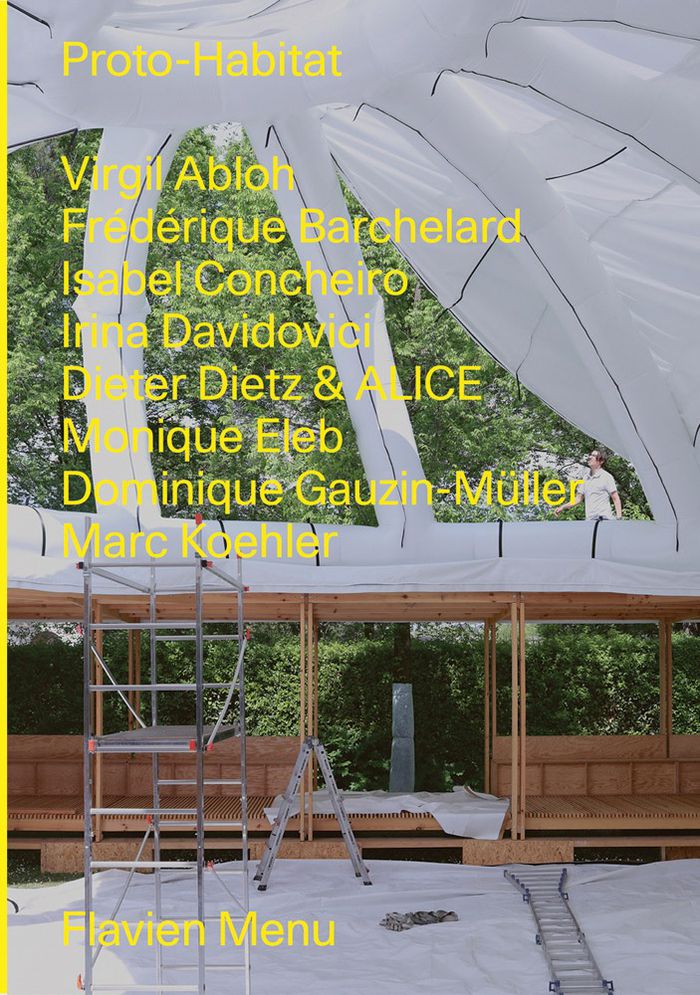
Proto-Habitat is a name composed of the prefix proto-, which comes from the ancient Greek protos, meaning "the first", but also its inscription in a series of events of which it is the trigger. Proto-Habitat evokes a return to basics, where "living" resonates in harmony with nature and awakens to the idea of ??human communities in which the social pact is characterized by diversity, solidarity and the common good. The book "Proto-Habitat" retraces a reflection combining interviews, visits, paintings, objects, images and architecture exploring the imagination of our ways of existing as well as their means of production. This reflection gave rise to and participated in several exhibitions: Fabricating differently: from the prototype to inhabiting it at the Arc en Rêve architecture center, Tiny Lives at the Collection. Lambert and Home Made at CID Grand Hornu. The Proto-Habitat was installed in Bordeaux, in Chamonix for the Artocène festival and Clermont-Ferrand as part of the candidacy for European Capital of Culture 2028. In the meantime two other demonstrator prototypes were built, assembled then dismantled: the protoCAMPO - an events venue for 300 people in the Gardens of the Villa Medici in Rome - and the SOLARproto - an autonomous water and electricity exhibition space on a polder in the Netherlands.
Proto-Habitat
Actions:
Prix:
$52.00
(disponible en magasin)
Résumé:
Proto-Habitat is a name composed of the prefix proto-, which comes from the ancient Greek protos, meaning "the first", but also its inscription in a series of events of which it is the trigger. Proto-Habitat evokes a return to basics, where "living" resonates in harmony with nature and awakens to the idea of ??human communities in which the social pact is characterized by diversity, solidarity and the common good. The book "Proto-Habitat" retraces a reflection combining interviews, visits, paintings, objects, images and architecture exploring the imagination of our ways of existing as well as their means of production. This reflection gave rise to and participated in several exhibitions: Fabricating differently: from the prototype to inhabiting it at the Arc en Rêve architecture center, Tiny Lives at the Collection. Lambert and Home Made at CID Grand Hornu. The Proto-Habitat was installed in Bordeaux, in Chamonix for the Artocène festival and Clermont-Ferrand as part of the candidacy for European Capital of Culture 2028. In the meantime two other demonstrator prototypes were built, assembled then dismantled: the protoCAMPO - an events venue for 300 people in the Gardens of the Villa Medici in Rome - and the SOLARproto - an autonomous water and electricity exhibition space on a polder in the Netherlands.
Classification:
livres
livres
Publication:
novembre 2023
novembre 2023
Sujet:
Architecture expérimentale
Architecture expérimentale
Classification:
livres
livres
Actions:
Prix:
$45.95
(disponible sur commande)
Résumé:
The German pavilion at the 9th Venice Architecture Biennale offers an overview of more than 35 contemporary architectural projects in Germany which have manifested in peripheral urban areas, suburban spaces, and de-industrialized zones. The projects reveal the transformation and reactivation of banal everyday architecture--business parks, switching stations, water(...)
$45.95
(disponible sur commande)
Résumé:
The German pavilion at the 9th Venice Architecture Biennale offers an overview of more than 35 contemporary architectural projects in Germany which have manifested in peripheral urban areas, suburban spaces, and de-industrialized zones. The projects reveal the transformation and reactivation of banal everyday architecture--business parks, switching stations, water(...)
Titre:
Deutschlandscape : epicentres at the periphery - German pavilion, Venice Biennale 2004
Actions:
Prix:
$45.95
(disponible sur commande)
Résumé:
The German pavilion at the 9th Venice Architecture Biennale offers an overview of more than 35 contemporary architectural projects in Germany which have manifested in peripheral urban areas, suburban spaces, and de-industrialized zones. The projects reveal the transformation and reactivation of banal everyday architecture--business parks, switching stations, water purification plants, and strictly coded and conventional housing types--to open up a new perception of the "deutschlandscape." Here, architectural norms are reworked and given a new aesthetic twist through ironic self-reflection. These built projects by a critical young generation of German architects reveal highly innovative use of new materials, generate suburban "plug-ins" (temporary and mobile architecture), and skillfully rework the familiar to create solutions for hitherto underrepresented yet vital areas on the urban fringe. Accompanying essays and interviews reveal the personal narratives behind the architecture. Contributions include: "urban therapist" Sonja Beeck on dealing with the psychological dimensions of shrinking cities in the former GDR; artist and urbanist Kai Vöckler on the German psychoscape; Omar Akbar of the Bauhaus Dessau on the wider implications of urban sprawl; Peter Cook on tuning suburbia; Angelika Fitz on strategic answers to restrictive building regulations; Peter Wilson on the marketing of place; and Rudolf Stegers on multi-layered meanings behind the architectural image.
Deutschlandscape : epicentres at the periphery - German pavilion, Venice Biennale 2004
Actions:
Prix:
$45.95
(disponible sur commande)
Résumé:
The German pavilion at the 9th Venice Architecture Biennale offers an overview of more than 35 contemporary architectural projects in Germany which have manifested in peripheral urban areas, suburban spaces, and de-industrialized zones. The projects reveal the transformation and reactivation of banal everyday architecture--business parks, switching stations, water purification plants, and strictly coded and conventional housing types--to open up a new perception of the "deutschlandscape." Here, architectural norms are reworked and given a new aesthetic twist through ironic self-reflection. These built projects by a critical young generation of German architects reveal highly innovative use of new materials, generate suburban "plug-ins" (temporary and mobile architecture), and skillfully rework the familiar to create solutions for hitherto underrepresented yet vital areas on the urban fringe. Accompanying essays and interviews reveal the personal narratives behind the architecture. Contributions include: "urban therapist" Sonja Beeck on dealing with the psychological dimensions of shrinking cities in the former GDR; artist and urbanist Kai Vöckler on the German psychoscape; Omar Akbar of the Bauhaus Dessau on the wider implications of urban sprawl; Peter Cook on tuning suburbia; Angelika Fitz on strategic answers to restrictive building regulations; Peter Wilson on the marketing of place; and Rudolf Stegers on multi-layered meanings behind the architectural image.
Classification:
livres
livres
Publication:
novembre 2004, Ostfildern
novembre 2004, Ostfildern
Sujet:
Théorie de l’urbanisme
Théorie de l’urbanisme
Classification:
livres
livres

Actions:
Prix:
$30.00
(disponible sur commande)
Résumé:
Sublime landscapes, tranquil urban scenes, frolicking children; who would associate these images with Palestine? All too often the Western media show the country’s gloomy side, and Palestinians as aggressors. It is this that makes identifying with them virtually impossible. If we are to relate to the Palestinians other images are needed, images seen from a cultural and(...)
$30.00
(disponible sur commande)
Résumé:
Sublime landscapes, tranquil urban scenes, frolicking children; who would associate these images with Palestine? All too often the Western media show the country’s gloomy side, and Palestinians as aggressors. It is this that makes identifying with them virtually impossible. If we are to relate to the Palestinians other images are needed, images seen from a cultural and(...)
Titre:
Subjective atlas of Palestine
Actions:
Prix:
$30.00
(disponible sur commande)
Résumé:
Sublime landscapes, tranquil urban scenes, frolicking children; who would associate these images with Palestine? All too often the Western media show the country’s gloomy side, and Palestinians as aggressors. It is this that makes identifying with them virtually impossible. If we are to relate to the Palestinians other images are needed, images seen from a cultural and more human vantage point. The Dutch designer Annelys de Vet invited Palestinian artists, photographers and designers to map their country as they see it. Given their closeness to the subject, this has resulted in unconventional, very human impressions of the landscape and the architecture, the cuisine, the music and the poetry of thought and expression. The drawings, photographs, maps and narratives made for this atlas reveal individual life experiences, from preparing chickpeas to a manual on water pipe smoking, from historic dress to modern music. Pages containing humorous and caustic newspaper cartoons and invented Palestinian currency followed by colourful cultural diaries and moving letters from prisoners. All in all, the contributions give an entirely different angle on a nation in occupied territory. In this subjective atlas it is the Palestinians themselves who show the disarming reverse side of the black-and-white image generally resorted to by the media.
Subjective atlas of Palestine
Actions:
Prix:
$30.00
(disponible sur commande)
Résumé:
Sublime landscapes, tranquil urban scenes, frolicking children; who would associate these images with Palestine? All too often the Western media show the country’s gloomy side, and Palestinians as aggressors. It is this that makes identifying with them virtually impossible. If we are to relate to the Palestinians other images are needed, images seen from a cultural and more human vantage point. The Dutch designer Annelys de Vet invited Palestinian artists, photographers and designers to map their country as they see it. Given their closeness to the subject, this has resulted in unconventional, very human impressions of the landscape and the architecture, the cuisine, the music and the poetry of thought and expression. The drawings, photographs, maps and narratives made for this atlas reveal individual life experiences, from preparing chickpeas to a manual on water pipe smoking, from historic dress to modern music. Pages containing humorous and caustic newspaper cartoons and invented Palestinian currency followed by colourful cultural diaries and moving letters from prisoners. All in all, the contributions give an entirely different angle on a nation in occupied territory. In this subjective atlas it is the Palestinians themselves who show the disarming reverse side of the black-and-white image generally resorted to by the media.
Classification:
livres
livres
Publication:
octobre 2007, Rotterdam
octobre 2007, Rotterdam
Sujet:
Histoire jusqu'à 1900, Asie
Histoire jusqu'à 1900, Asie
Classification:
livres
livres
Prix:
$49.95
(disponible sur commande)
Résumé:
"The pencil perfect" takes its namesake’s four simple ingredients – wood, graphite, clay, and water – and narrates a tale of worldwide influence and innovation. Caroline Weaver, pencil connoisseur and CW Pencil Enterprise Shop owner, composes texts that extol the nuanced influence of her beloved and humble implement. Illustrations exclusively drawn for "The pencil(...)
$49.95
(disponible sur commande)
Résumé:
"The pencil perfect" takes its namesake’s four simple ingredients – wood, graphite, clay, and water – and narrates a tale of worldwide influence and innovation. Caroline Weaver, pencil connoisseur and CW Pencil Enterprise Shop owner, composes texts that extol the nuanced influence of her beloved and humble implement. Illustrations exclusively drawn for "The pencil(...)
Titre:
The pencil perfect: the untold story of a cultural icon
Actions:
Prix:
$49.95
(disponible sur commande)
Résumé:
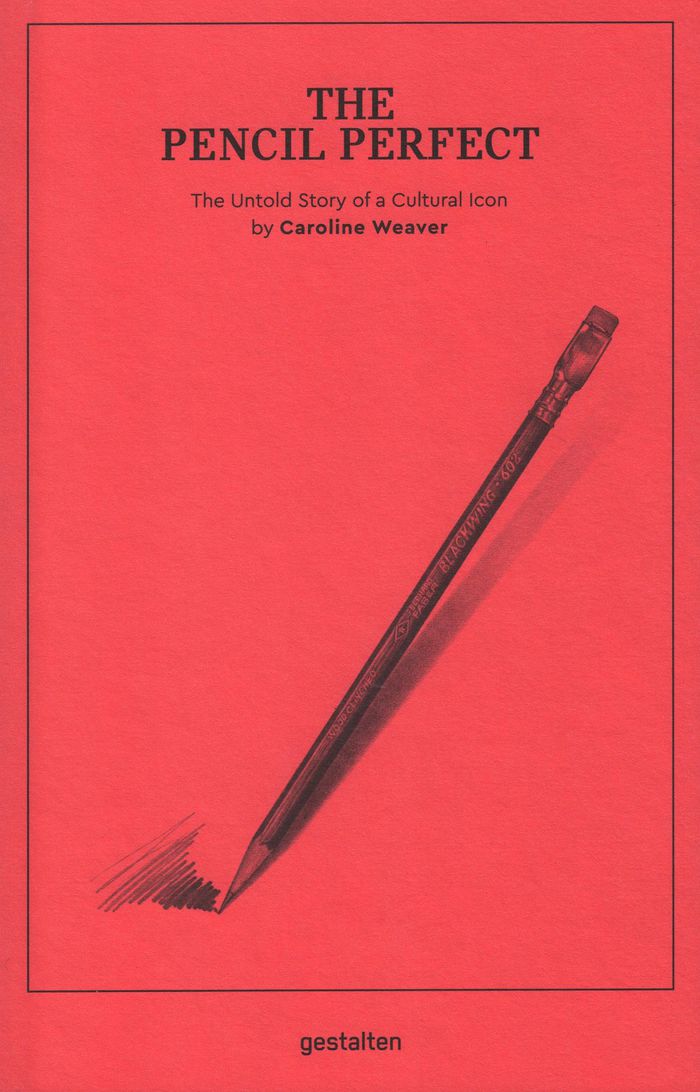
"The pencil perfect" takes its namesake’s four simple ingredients – wood, graphite, clay, and water – and narrates a tale of worldwide influence and innovation. Caroline Weaver, pencil connoisseur and CW Pencil Enterprise Shop owner, composes texts that extol the nuanced influence of her beloved and humble implement. Illustrations exclusively drawn for "The pencil perfect" by Oriana Fenwick, an artist from Zimbabwe who works with fine details and intense realism, pair with Weaver’s words to present a story that is both endearing and enlightening. Through profiles of pencil makers, anecdotes about famous writers’ favorite pencils, and essays about the surprising role of pencils in world history and culture, the chronicle of a modest but mighty tool unfolds. Follow the charming contrivance as it guides the course of early communication in the Scientific Revolution, the American Revolutionary War, the Anglo-French War, and the French Revolution: it is a historical journey and a captivating memoir. See how its past contemporarily compares with its use and appearance today – from the Blackwing 602 to novelty ferrules. The development of cultures and communities is laid bare within the timeline of this slender entity. "The pencil perfect" immortalizes the biography of an inanimate object within its pages for a future cast of historians, writers, and curious minds.
The pencil perfect: the untold story of a cultural icon
Actions:
Prix:
$49.95
(disponible sur commande)
Résumé:
"The pencil perfect" takes its namesake’s four simple ingredients – wood, graphite, clay, and water – and narrates a tale of worldwide influence and innovation. Caroline Weaver, pencil connoisseur and CW Pencil Enterprise Shop owner, composes texts that extol the nuanced influence of her beloved and humble implement. Illustrations exclusively drawn for "The pencil perfect" by Oriana Fenwick, an artist from Zimbabwe who works with fine details and intense realism, pair with Weaver’s words to present a story that is both endearing and enlightening. Through profiles of pencil makers, anecdotes about famous writers’ favorite pencils, and essays about the surprising role of pencils in world history and culture, the chronicle of a modest but mighty tool unfolds. Follow the charming contrivance as it guides the course of early communication in the Scientific Revolution, the American Revolutionary War, the Anglo-French War, and the French Revolution: it is a historical journey and a captivating memoir. See how its past contemporarily compares with its use and appearance today – from the Blackwing 602 to novelty ferrules. The development of cultures and communities is laid bare within the timeline of this slender entity. "The pencil perfect" immortalizes the biography of an inanimate object within its pages for a future cast of historians, writers, and curious minds.
Classification:
livres
livres
Publication:
février 2017
février 2017
Sujet:
Design industriel
Design industriel
Classification:
livres
livres

Actions:
Prix:
$42.50
(disponible sur commande)
Résumé:
Visiting a Soviet sanatorium is like stepping back in time. Originally built in the 1920s, they afforded workers a place to holiday, courtesy of a state-funded voucher system. At their peak they were visited by millions of citizens across the USSR every year. A combination of medical institution and spa, the era’s sanatoriums are among the most innovative buildings of(...)
$42.50
(disponible sur commande)
Résumé:
Visiting a Soviet sanatorium is like stepping back in time. Originally built in the 1920s, they afforded workers a place to holiday, courtesy of a state-funded voucher system. At their peak they were visited by millions of citizens across the USSR every year. A combination of medical institution and spa, the era’s sanatoriums are among the most innovative buildings of(...)
Titre:
Holidays in soviet sanatoriums
Actions:
Prix:
$42.50
(disponible sur commande)
Résumé:
Visiting a Soviet sanatorium is like stepping back in time. Originally built in the 1920s, they afforded workers a place to holiday, courtesy of a state-funded voucher system. At their peak they were visited by millions of citizens across the USSR every year. A combination of medical institution and spa, the era’s sanatoriums are among the most innovative buildings of their time. Although aesthetically diverse, Soviet utopian values permeated every aspect of these structures; Western holidays were perceived as decadent. By contrast, sanatorium breaks were intended to edify and strengthen visitors: health professionals carefully monitored guests throughout their stay, so they could return to work with renewed vigor. Certain sanatoriums became known for their specialist treatments, such as crude-oil baths, radon water douches and stints in underground salt caves. While today some sanatoriums are in critical states of decline, many are still fully operational and continue to offer their Soviet-era treatments to visitors. Using specially commissioned photographs by leading photographers of the post-Soviet territories, and texts by sanatorium expert Maryam Omidi, this book documents over 45 sanatoriums and their unconventional treatments. From Armenia to Uzbekistan, it represents the most comprehensive survey to date of this fascinating and previously overlooked Soviet institution.
Holidays in soviet sanatoriums
Actions:
Prix:
$42.50
(disponible sur commande)
Résumé:
Visiting a Soviet sanatorium is like stepping back in time. Originally built in the 1920s, they afforded workers a place to holiday, courtesy of a state-funded voucher system. At their peak they were visited by millions of citizens across the USSR every year. A combination of medical institution and spa, the era’s sanatoriums are among the most innovative buildings of their time. Although aesthetically diverse, Soviet utopian values permeated every aspect of these structures; Western holidays were perceived as decadent. By contrast, sanatorium breaks were intended to edify and strengthen visitors: health professionals carefully monitored guests throughout their stay, so they could return to work with renewed vigor. Certain sanatoriums became known for their specialist treatments, such as crude-oil baths, radon water douches and stints in underground salt caves. While today some sanatoriums are in critical states of decline, many are still fully operational and continue to offer their Soviet-era treatments to visitors. Using specially commissioned photographs by leading photographers of the post-Soviet territories, and texts by sanatorium expert Maryam Omidi, this book documents over 45 sanatoriums and their unconventional treatments. From Armenia to Uzbekistan, it represents the most comprehensive survey to date of this fascinating and previously overlooked Soviet institution.
Classification:
livres
livres
Publication:
octobre 2017
octobre 2017
Sujet:
Monographies photo
Monographies photo
Classification:
livres
livres
Actions:
Prix:
$93.95
(disponible en magasin)
Résumé:
Bernd and Hilla Becher's photography can be considered conceptual art, typological study, and topological documentation. Their work can be linked to the Neue Sachlichkeit movement of the 1920s and to such masters of German photography as Karl Blossfeldt, August Sander, and Albert Renger-Patzsch. Their photographs documenting the architecture of industrial structures,(...)
$93.95
(disponible en magasin)
Résumé:
Bernd and Hilla Becher's photography can be considered conceptual art, typological study, and topological documentation. Their work can be linked to the Neue Sachlichkeit movement of the 1920s and to such masters of German photography as Karl Blossfeldt, August Sander, and Albert Renger-Patzsch. Their photographs documenting the architecture of industrial structures,(...)
Titre:
Bernd & Hilla Becher : cooling towers
Actions:
Prix:
$93.95
(disponible en magasin)
Résumé:
Bernd and Hilla Becher's photography can be considered conceptual art, typological study, and topological documentation. Their work can be linked to the Neue Sachlichkeit movement of the 1920s and to such masters of German photography as Karl Blossfeldt, August Sander, and Albert Renger-Patzsch. Their photographs documenting the architecture of industrial structures, taken over the course of forty years, make up the most important body of work to be found in independent objective photography. This volume adds cooling towers to a list of photographic projects that includes book-length studies of water towers, blast furnaces, gas tanks, mineheads, and frame houses. Since the end of the nineteenth century, cooling towers have formed a striking part of electricity and steel works. The first cooling towers were wood-clad structures at coal mines; more recent examples are the steel or concrete constructions seen at nuclear power stations. The simplicity of these forms and their hermetically sealed external skins create an impressive, monumental effect. The Bechers have been photographing cooling towers since the 1960s. This volume contains 236 photographs of cooling towers - in all their different shapes and structural forms - from Belgium, England, France, Germany, Holland, and the United States, and includes a short text by the Bechers.
Bernd & Hilla Becher : cooling towers
Actions:
Prix:
$93.95
(disponible en magasin)
Résumé:
Bernd and Hilla Becher's photography can be considered conceptual art, typological study, and topological documentation. Their work can be linked to the Neue Sachlichkeit movement of the 1920s and to such masters of German photography as Karl Blossfeldt, August Sander, and Albert Renger-Patzsch. Their photographs documenting the architecture of industrial structures, taken over the course of forty years, make up the most important body of work to be found in independent objective photography. This volume adds cooling towers to a list of photographic projects that includes book-length studies of water towers, blast furnaces, gas tanks, mineheads, and frame houses. Since the end of the nineteenth century, cooling towers have formed a striking part of electricity and steel works. The first cooling towers were wood-clad structures at coal mines; more recent examples are the steel or concrete constructions seen at nuclear power stations. The simplicity of these forms and their hermetically sealed external skins create an impressive, monumental effect. The Bechers have been photographing cooling towers since the 1960s. This volume contains 236 photographs of cooling towers - in all their different shapes and structural forms - from Belgium, England, France, Germany, Holland, and the United States, and includes a short text by the Bechers.
Classification:
livres
livres
Publication:
mars 2006, Cambridge,Mass.
mars 2006, Cambridge,Mass.
Sujet:
Monographies photo
Monographies photo
Classification:
livres
livres
Prix:
$52.95
(disponible sur commande)
Résumé:
Cities are at once among humanity’s crowning achievements and core drivers of the climate crisis. Their dependence on the outside world for vital resources is causing global temperatures to rise and wildlife habitats to shrink. But we have the opportunity to make cities more sustainable by transforming the built environment. Dickson D. Despommier proposes a plan for(...)
$52.95
(disponible sur commande)
Résumé:
Cities are at once among humanity’s crowning achievements and core drivers of the climate crisis. Their dependence on the outside world for vital resources is causing global temperatures to rise and wildlife habitats to shrink. But we have the opportunity to make cities more sustainable by transforming the built environment. Dickson D. Despommier proposes a plan for(...)
Titre:
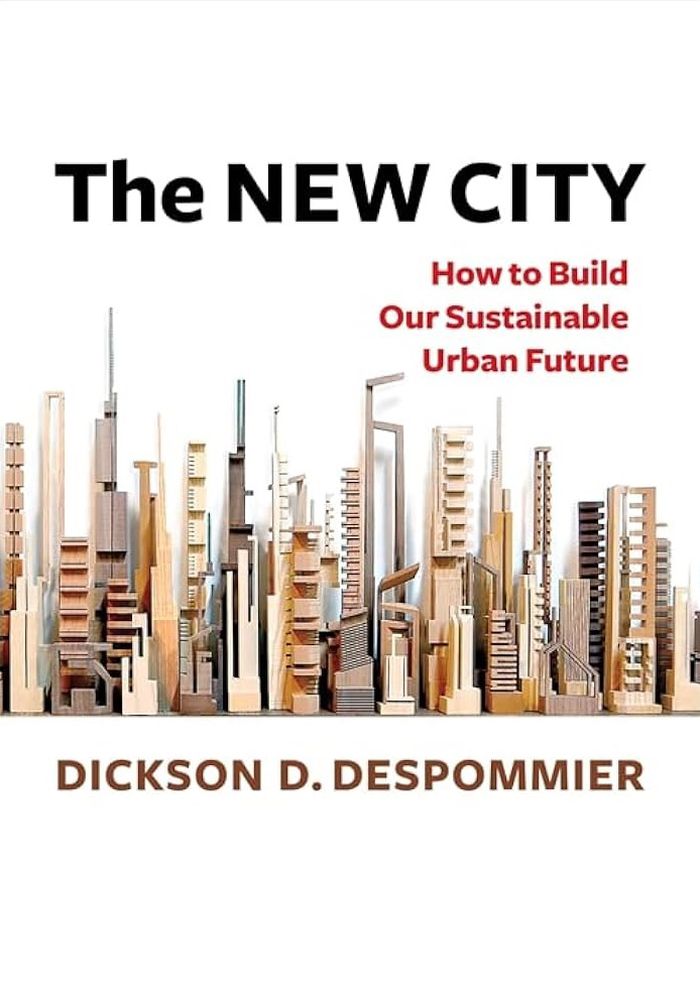
The new city: How to build our sustainable urban future
Actions:
Prix:
$52.95
(disponible sur commande)
Résumé:
Cities are at once among humanity’s crowning achievements and core drivers of the climate crisis. Their dependence on the outside world for vital resources is causing global temperatures to rise and wildlife habitats to shrink. But we have the opportunity to make cities more sustainable by transforming the built environment. Dickson D. Despommier proposes a plan for creating a new, self-sustaining urban landscape. He argues that we can find solutions through the concept of biomimicry: emulating successful strategies found in nature. A better city is possible if we heed the lessons that forests and trees teach about how to store carbon, grow food, collect rainwater, and convert sunlight into energy. Touring established and leading-edge technologies, ''The new city'' provides a blueprint for tomorrow’s urban environment. Cities built from wood will be more resilient and less destructive than concrete and steel construction; they will also encourage reforestation, boosting carbon sequestration. Vertical farms inside city limits will supply residents with a reliable, healthy food supply. Buildings will harvest moisture from the rain and air to secure a clean water supply. Renewable energy, including not only wind, solar, and geothermal but also clear photovoltaic window glass and nonpolluting hydrogen fuel cells, will power a cleaner city.
The new city: How to build our sustainable urban future
Actions:
Prix:
$52.95
(disponible sur commande)
Résumé:
Cities are at once among humanity’s crowning achievements and core drivers of the climate crisis. Their dependence on the outside world for vital resources is causing global temperatures to rise and wildlife habitats to shrink. But we have the opportunity to make cities more sustainable by transforming the built environment. Dickson D. Despommier proposes a plan for creating a new, self-sustaining urban landscape. He argues that we can find solutions through the concept of biomimicry: emulating successful strategies found in nature. A better city is possible if we heed the lessons that forests and trees teach about how to store carbon, grow food, collect rainwater, and convert sunlight into energy. Touring established and leading-edge technologies, ''The new city'' provides a blueprint for tomorrow’s urban environment. Cities built from wood will be more resilient and less destructive than concrete and steel construction; they will also encourage reforestation, boosting carbon sequestration. Vertical farms inside city limits will supply residents with a reliable, healthy food supply. Buildings will harvest moisture from the rain and air to secure a clean water supply. Renewable energy, including not only wind, solar, and geothermal but also clear photovoltaic window glass and nonpolluting hydrogen fuel cells, will power a cleaner city.
Classification:
livres
livres
Publication:
septembre 2023
septembre 2023
Sujet:
Théorie de l’urbanisme
Théorie de l’urbanisme


