


10583 Résultats
Classification:
livres
livres
Titre:
Common Wealth
Common Wealth
Actions:
Prix:
$37.95
(disponible sur commande)
Résumé:
'Common Wealth', edited by Edward Mitchell, features the work of the Post-Professional Design Studios, taught by Fred Koetter, Ed Mitchell, and Aniket Shahane (’05). The studios examined the impact of recent growth in greater Boston at three sites: Fort Point Channel, Central Square, and City Hall. Boston is transforming its seemingly staid identity as a city of(...)
$37.95
(disponible sur commande)
Résumé:
'Common Wealth', edited by Edward Mitchell, features the work of the Post-Professional Design Studios, taught by Fred Koetter, Ed Mitchell, and Aniket Shahane (’05). The studios examined the impact of recent growth in greater Boston at three sites: Fort Point Channel, Central Square, and City Hall. Boston is transforming its seemingly staid identity as a city of(...)
Sujet:
Théorie de l’urbanisme
Théorie de l’urbanisme
Publication:
janvier 2017
janvier 2017
Titre:
Common Wealth
Actions:
Prix:
$37.95
(disponible sur commande)
Résumé:
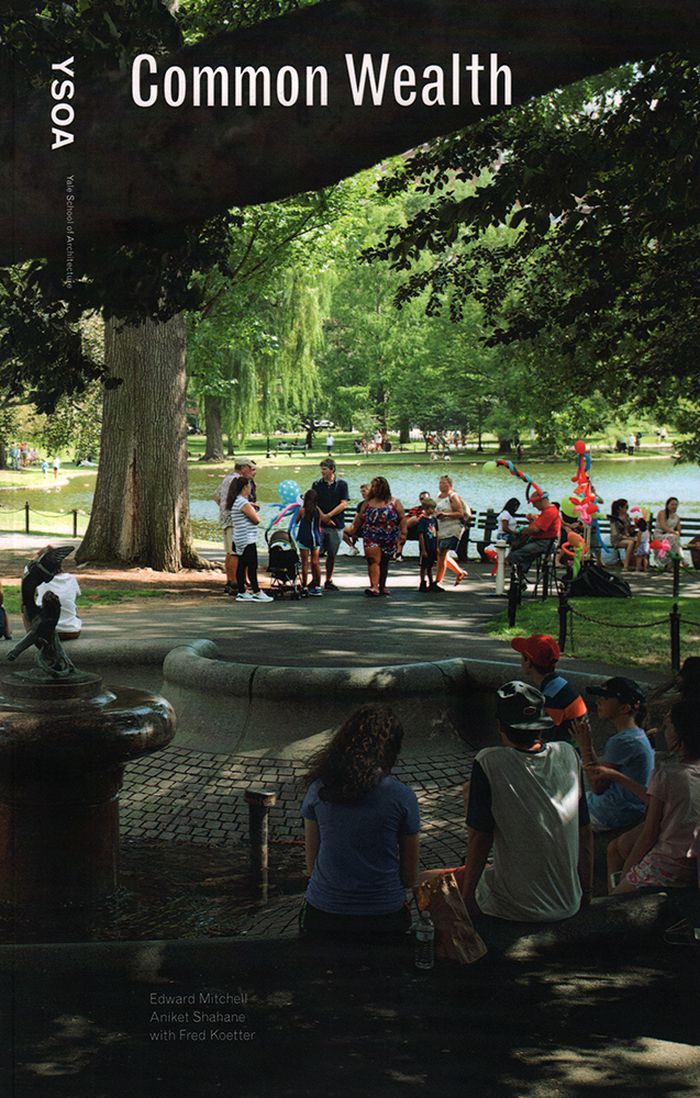
'Common Wealth', edited by Edward Mitchell, features the work of the Post-Professional Design Studios, taught by Fred Koetter, Ed Mitchell, and Aniket Shahane (’05). The studios examined the impact of recent growth in greater Boston at three sites: Fort Point Channel, Central Square, and City Hall. Boston is transforming its seemingly staid identity as a city of neighborhoods into a more metropolitan place. With essays by Edward Mitchell, Brian Healy (’81), Kishore Varanasi, Tim Love, Aniket Shanane, and Ila Berman, the book focuses on Boston’s newest forms of urbanism, the architectural context of the city, and future growth.
Common Wealth
Actions:
Prix:
$37.95
(disponible sur commande)
Résumé:
'Common Wealth', edited by Edward Mitchell, features the work of the Post-Professional Design Studios, taught by Fred Koetter, Ed Mitchell, and Aniket Shahane (’05). The studios examined the impact of recent growth in greater Boston at three sites: Fort Point Channel, Central Square, and City Hall. Boston is transforming its seemingly staid identity as a city of neighborhoods into a more metropolitan place. With essays by Edward Mitchell, Brian Healy (’81), Kishore Varanasi, Tim Love, Aniket Shanane, and Ila Berman, the book focuses on Boston’s newest forms of urbanism, the architectural context of the city, and future growth.
Classification:
livres
livres
Publication:
janvier 2017
janvier 2017
Sujet:
Théorie de l’urbanisme
Théorie de l’urbanisme
Classification:
livres
livres
Titre:
The force of listening
The force of listening
Actions:
Prix:
$21.95
(disponible sur commande)
Résumé:
"The force of listening" explores the role of listening at the intersection of contemporary art and activism, and asks what transformations listening might facilitate in the world. Written as a constructed dialogue, "The force of listening" draws from conversations with artists, activists and political thinkers which took place during 2013–14, in the aftermath of the wave(...)
$21.95
(disponible sur commande)
Résumé:
"The force of listening" explores the role of listening at the intersection of contemporary art and activism, and asks what transformations listening might facilitate in the world. Written as a constructed dialogue, "The force of listening" draws from conversations with artists, activists and political thinkers which took place during 2013–14, in the aftermath of the wave(...)
Titre:
The force of listening
Actions:
Prix:
$21.95
(disponible sur commande)
Résumé:
"The force of listening" explores the role of listening at the intersection of contemporary art and activism, and asks what transformations listening might facilitate in the world. Written as a constructed dialogue, "The force of listening" draws from conversations with artists, activists and political thinkers which took place during 2013–14, in the aftermath of the wave of protests and occupations against austerity. Artists Ayreen Anastas and Rene Gabri, media theorist Nick Couldry, philosopher Adriana Cavarero and members of Ultra-red and Precarious Workers Brigade as well as feminist consciousness-raising groups meet on the page to tackle questions of listening, attention and interconnection, collectivity, solidarity and resonance, the politics of the voice and the ethics of listening, the challenges of institutional frameworks and their reflections on the Occupy movement.
The force of listening
Actions:
Prix:
$21.95
(disponible sur commande)
Résumé:
"The force of listening" explores the role of listening at the intersection of contemporary art and activism, and asks what transformations listening might facilitate in the world. Written as a constructed dialogue, "The force of listening" draws from conversations with artists, activists and political thinkers which took place during 2013–14, in the aftermath of the wave of protests and occupations against austerity. Artists Ayreen Anastas and Rene Gabri, media theorist Nick Couldry, philosopher Adriana Cavarero and members of Ultra-red and Precarious Workers Brigade as well as feminist consciousness-raising groups meet on the page to tackle questions of listening, attention and interconnection, collectivity, solidarity and resonance, the politics of the voice and the ethics of listening, the challenges of institutional frameworks and their reflections on the Occupy movement.
Classification:
livres
livres
Publication:
mai 2017
mai 2017
Sujet:
Théorie de l’art
Théorie de l’art
Classification:
livres
livres
Titre:
Landscape theory in design
Landscape theory in design
Actions:
Prix:
$90.90
(disponible sur commande)
Résumé:
Phenomenology, Materiality, Cybernetics, Palimpsest, Cyborgs, Landscape Urbanism, Typology, Semiotics, Deconstruction - the minefield of theoretical ideas that students must navigate today can be utterly confusing, and how do these theories translate to the design studio? "Landscape theory in design" introduces theoretical ideas to students without the use of jargon or an(...)
$90.90
(disponible sur commande)
Résumé:
Phenomenology, Materiality, Cybernetics, Palimpsest, Cyborgs, Landscape Urbanism, Typology, Semiotics, Deconstruction - the minefield of theoretical ideas that students must navigate today can be utterly confusing, and how do these theories translate to the design studio? "Landscape theory in design" introduces theoretical ideas to students without the use of jargon or an(...)
Titre:
Landscape theory in design
Actions:
Prix:
$90.90
(disponible sur commande)
Résumé:
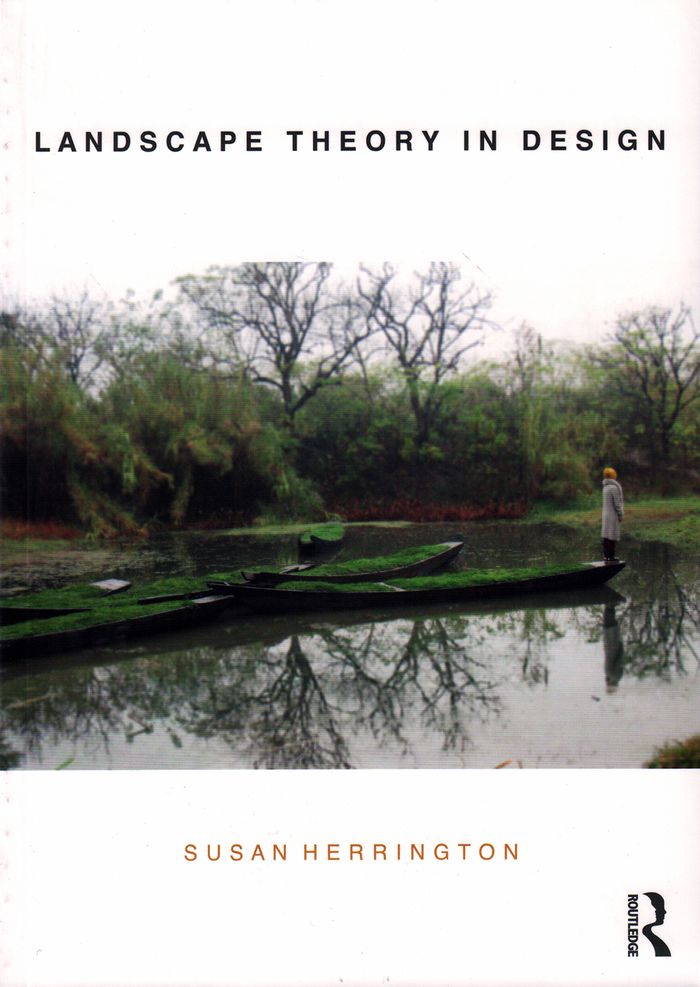
Phenomenology, Materiality, Cybernetics, Palimpsest, Cyborgs, Landscape Urbanism, Typology, Semiotics, Deconstruction - the minefield of theoretical ideas that students must navigate today can be utterly confusing, and how do these theories translate to the design studio? "Landscape theory in design" introduces theoretical ideas to students without the use of jargon or an assumption of extensive knowledge in other fields, and in doing so, links these ideas to the processes of design. In five thematic chapters Susan Herrington explains: the theoretic groundings of the theory of philosophy, why it matters to design, an example of the theory in a work of landscape architecture from the twentieth and twenty-first centuries, debates surrounding the theory (particularly as they elaborate modern and postmodern thought) and primary readings that can be read as companions to her text. An extensive glossary of theoretical terms also adds a vital contribution to students’ comprehension of theories relevant to the design of landscapes and gardens.
Landscape theory in design
Actions:
Prix:
$90.90
(disponible sur commande)
Résumé:
Phenomenology, Materiality, Cybernetics, Palimpsest, Cyborgs, Landscape Urbanism, Typology, Semiotics, Deconstruction - the minefield of theoretical ideas that students must navigate today can be utterly confusing, and how do these theories translate to the design studio? "Landscape theory in design" introduces theoretical ideas to students without the use of jargon or an assumption of extensive knowledge in other fields, and in doing so, links these ideas to the processes of design. In five thematic chapters Susan Herrington explains: the theoretic groundings of the theory of philosophy, why it matters to design, an example of the theory in a work of landscape architecture from the twentieth and twenty-first centuries, debates surrounding the theory (particularly as they elaborate modern and postmodern thought) and primary readings that can be read as companions to her text. An extensive glossary of theoretical terms also adds a vital contribution to students’ comprehension of theories relevant to the design of landscapes and gardens.
Classification:
livres
livres
Publication:
janvier 2017
janvier 2017
Sujet:
Théorie du paysage
Théorie du paysage
Classification:
livres
livres
Actions:
Prix:
$37.70
(disponible en magasin)
Résumé:
"Five ways to make architecture political" presents an innovative pragmatist agenda that will inspire new thinking about the politics of design and architectural practice. Moving beyond conventional conversations about design and politics, the book shows how recent developments in political philosophy can transform our understanding of the role of the architect. It asks:(...)
$37.70
(disponible en magasin)
Résumé:
"Five ways to make architecture political" presents an innovative pragmatist agenda that will inspire new thinking about the politics of design and architectural practice. Moving beyond conventional conversations about design and politics, the book shows how recent developments in political philosophy can transform our understanding of the role of the architect. It asks:(...)
Titre:
Five ways to make architecture political: An introduction to the politics of design practice
Actions:
Prix:
$37.70
(disponible en magasin)
Résumé:
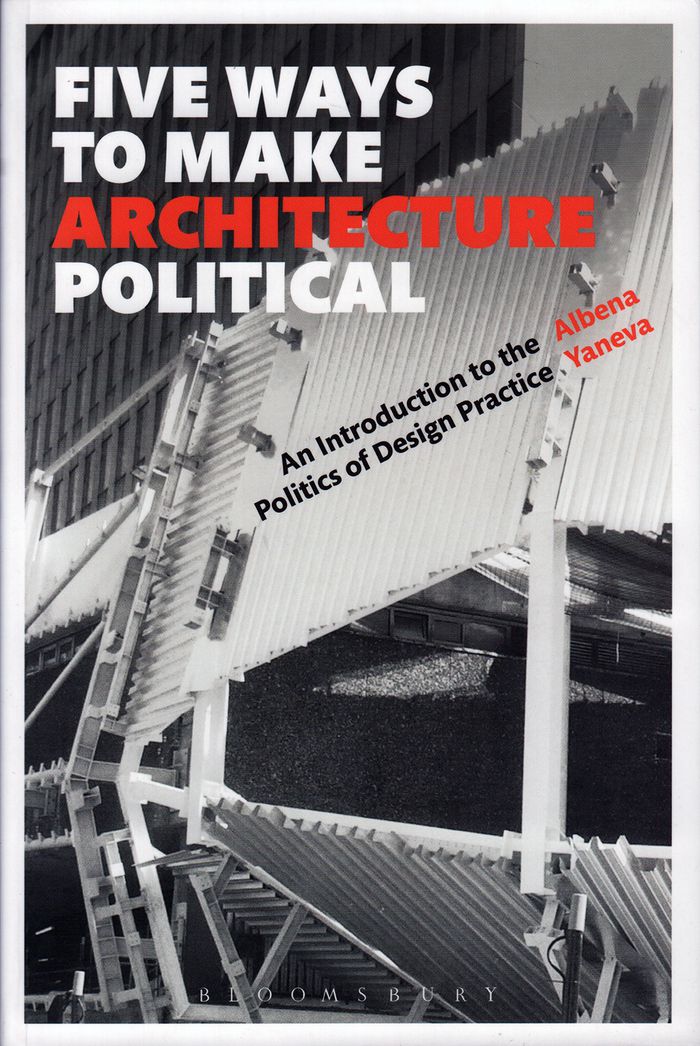
"Five ways to make architecture political" presents an innovative pragmatist agenda that will inspire new thinking about the politics of design and architectural practice. Moving beyond conventional conversations about design and politics, the book shows how recent developments in political philosophy can transform our understanding of the role of the architect. It asks: how, when, and under what circumstances can design practice generate political relations? How can architectural design become more 'political'? Five central chapters, which can be read alone or in sequence, explore the answers to these questions. Powerfully pragmatic in approach, each presents one of the 'five ways to make architecture political', and each is illustrated by case studies from a range of contemporary situations around the world. We see how politics happens in architectural practice, learn how different design technologies have political effects, and follow how architects reach different publics, trigger reactions and affect different communities worldwide.
Five ways to make architecture political: An introduction to the politics of design practice
Actions:
Prix:
$37.70
(disponible en magasin)
Résumé:
"Five ways to make architecture political" presents an innovative pragmatist agenda that will inspire new thinking about the politics of design and architectural practice. Moving beyond conventional conversations about design and politics, the book shows how recent developments in political philosophy can transform our understanding of the role of the architect. It asks: how, when, and under what circumstances can design practice generate political relations? How can architectural design become more 'political'? Five central chapters, which can be read alone or in sequence, explore the answers to these questions. Powerfully pragmatic in approach, each presents one of the 'five ways to make architecture political', and each is illustrated by case studies from a range of contemporary situations around the world. We see how politics happens in architectural practice, learn how different design technologies have political effects, and follow how architects reach different publics, trigger reactions and affect different communities worldwide.
Classification:
livres
livres
Publication:
mai 2017
mai 2017
Sujet:
Théorie de l’architecture
Théorie de l’architecture
Classification:
livres
livres
Titre:
This thing called theory
This thing called theory
Actions:
Prix:
$76.90
(disponible sur commande)
Résumé:
In the age of post-digital architecture and digital materiality, This Thing Called Theory explores current practices of architectural theory, their critical and productive role. The book is organized in sections which explore theory as an open issue in architecture, as it relates to and borrows from other disciplines, thus opening up architecture itself and showing how(...)
$76.90
(disponible sur commande)
Résumé:
In the age of post-digital architecture and digital materiality, This Thing Called Theory explores current practices of architectural theory, their critical and productive role. The book is organized in sections which explore theory as an open issue in architecture, as it relates to and borrows from other disciplines, thus opening up architecture itself and showing how(...)
Sujet:
Théorie de l’architecture
Théorie de l’architecture
Publication:
janvier 2017
janvier 2017
Titre:
This thing called theory
Actions:
Prix:
$76.90
(disponible sur commande)
Résumé:
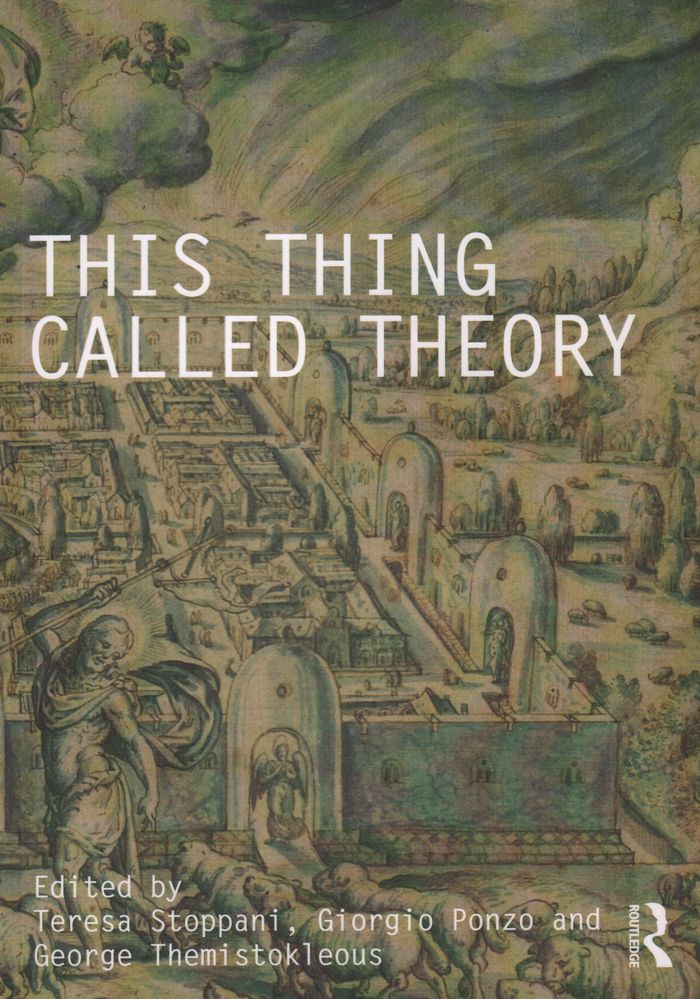
In the age of post-digital architecture and digital materiality, This Thing Called Theory explores current practices of architectural theory, their critical and productive role. The book is organized in sections which explore theory as an open issue in architecture, as it relates to and borrows from other disciplines, thus opening up architecture itself and showing how architecture is inextricably connected to other social and theoretical practices.
This thing called theory
Actions:
Prix:
$76.90
(disponible sur commande)
Résumé:
In the age of post-digital architecture and digital materiality, This Thing Called Theory explores current practices of architectural theory, their critical and productive role. The book is organized in sections which explore theory as an open issue in architecture, as it relates to and borrows from other disciplines, thus opening up architecture itself and showing how architecture is inextricably connected to other social and theoretical practices.
Classification:
livres
livres
Publication:
janvier 2017
janvier 2017
Sujet:
Théorie de l’architecture
Théorie de l’architecture
Classification:
livres
livres
Actions:
Prix:
$39.95
(disponible en magasin)
Résumé:
Exploring the interaction between art and the public in Canadian cities, Urban Encounters features writing by artists, architects, curators, anthropologists, geographers, and urban studies specialists. They show how people and places affect the structure and content of public artworks, what kinds of urban spaces and socialities are generated through art, and how to(...)
$39.95
(disponible en magasin)
Résumé:
Exploring the interaction between art and the public in Canadian cities, Urban Encounters features writing by artists, architects, curators, anthropologists, geographers, and urban studies specialists. They show how people and places affect the structure and content of public artworks, what kinds of urban spaces and socialities are generated through art, and how to(...)
Titre:
Urban encounters: art and the public
Actions:
Prix:
$39.95
(disponible en magasin)
Résumé:
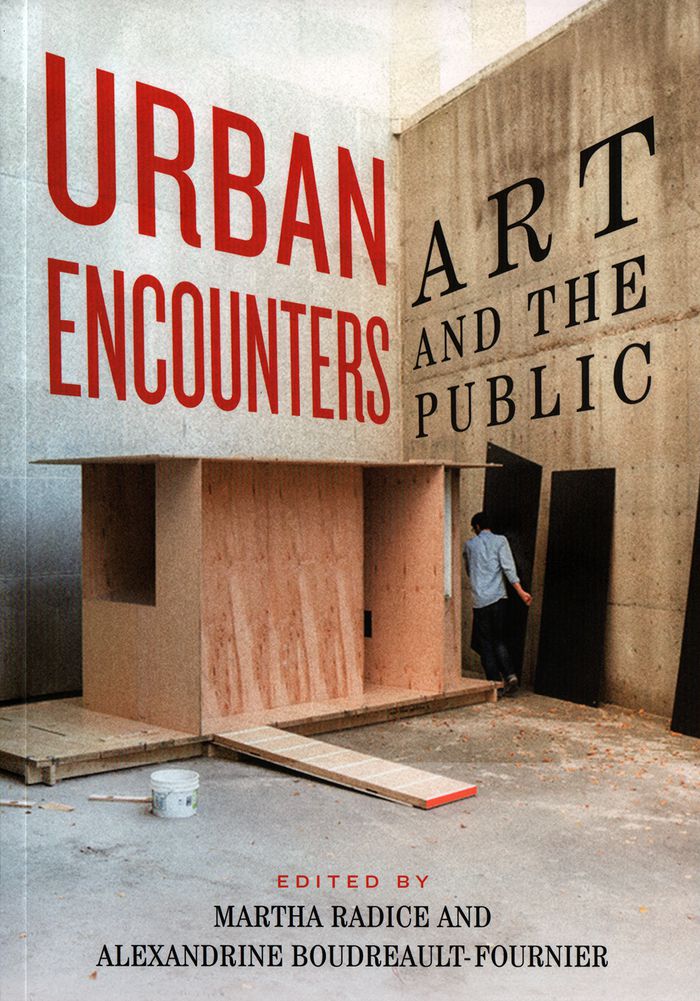
Exploring the interaction between art and the public in Canadian cities, Urban Encounters features writing by artists, architects, curators, anthropologists, geographers, and urban studies specialists. They show how people and places affect the structure and content of public artworks, what kinds of urban spaces and socialities are generated through art, and how to investigate and interpret encounters between art and its viewers in the city. Discussing a variety of art forms, including mobile cinemas, street improvisation, audiovisual investigations, and assembled objects, the contributors treat public artworks not just as aesthetic installations, but as agents that participate in the social and cultural evolution of cities. Using original, hands-on approaches, Urban Encounters reveals how art in the urban public space generates encounters that can transform both the city itself and the ways that people relate to it.
Urban encounters: art and the public
Actions:
Prix:
$39.95
(disponible en magasin)
Résumé:
Exploring the interaction between art and the public in Canadian cities, Urban Encounters features writing by artists, architects, curators, anthropologists, geographers, and urban studies specialists. They show how people and places affect the structure and content of public artworks, what kinds of urban spaces and socialities are generated through art, and how to investigate and interpret encounters between art and its viewers in the city. Discussing a variety of art forms, including mobile cinemas, street improvisation, audiovisual investigations, and assembled objects, the contributors treat public artworks not just as aesthetic installations, but as agents that participate in the social and cultural evolution of cities. Using original, hands-on approaches, Urban Encounters reveals how art in the urban public space generates encounters that can transform both the city itself and the ways that people relate to it.
Classification:
livres
livres
Publication:
mai 2017
mai 2017
Sujet:
Théorie de l’art
Théorie de l’art
Classification:
livres
livres
Titre:
Anti-shows: Aptart 1982-84
Anti-shows: Aptart 1982-84
Actions:
Prix:
$34.95
(disponible sur commande)
Résumé:
A collective of artists, a gallery and a movement, APTART was a series of self-organized “anti-shows” that took place in a private apartment and outdoor spaces in Moscow between 1982 and 1984. These covert and anarchic actions, which soon came into conflict with the Soviet authorities, represented a collective attempt to rethink the politics of exhibition-making and the(...)
$34.95
(disponible sur commande)
Résumé:
A collective of artists, a gallery and a movement, APTART was a series of self-organized “anti-shows” that took place in a private apartment and outdoor spaces in Moscow between 1982 and 1984. These covert and anarchic actions, which soon came into conflict with the Soviet authorities, represented a collective attempt to rethink the politics of exhibition-making and the(...)
Titre:
Anti-shows: Aptart 1982-84
Actions:
Prix:
$34.95
(disponible sur commande)
Résumé:
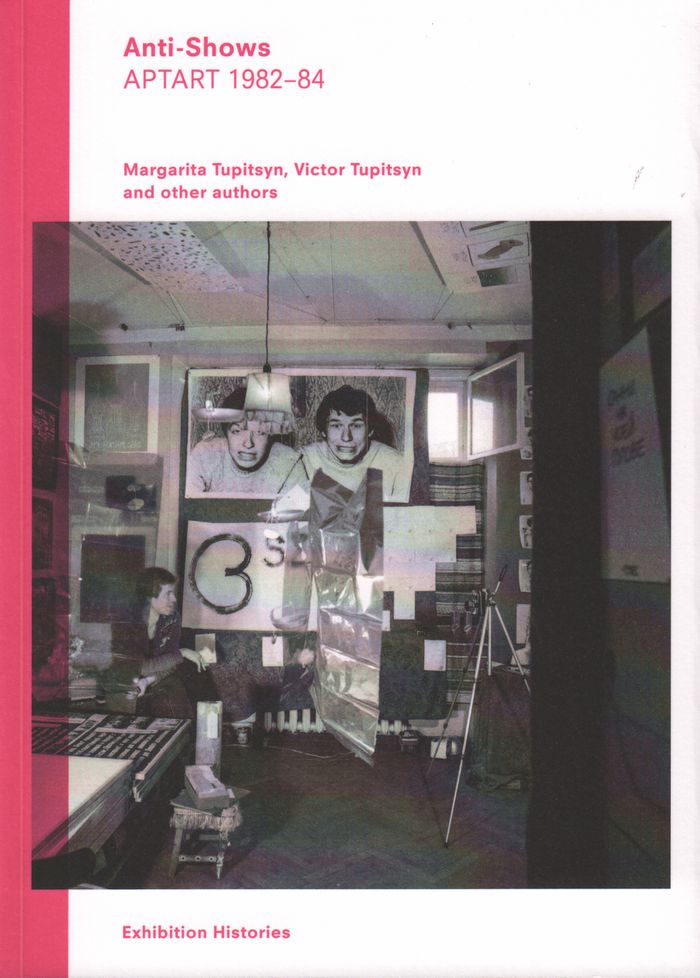
A collective of artists, a gallery and a movement, APTART was a series of self-organized “anti-shows” that took place in a private apartment and outdoor spaces in Moscow between 1982 and 1984. These covert and anarchic actions, which soon came into conflict with the Soviet authorities, represented a collective attempt to rethink the politics of exhibition-making and the making of a public in the absence of a public sphere.
Anti-shows: Aptart 1982-84
Actions:
Prix:
$34.95
(disponible sur commande)
Résumé:
A collective of artists, a gallery and a movement, APTART was a series of self-organized “anti-shows” that took place in a private apartment and outdoor spaces in Moscow between 1982 and 1984. These covert and anarchic actions, which soon came into conflict with the Soviet authorities, represented a collective attempt to rethink the politics of exhibition-making and the making of a public in the absence of a public sphere.
Classification:
livres
livres
Publication:
septembre 2017
septembre 2017
Sujet:
Théorie de l’art
Théorie de l’art
Classification:
livres
livres
Titre:
Ruralité : quel avenir?
Ruralité : quel avenir?
Actions:
Prix:
$37.95
(disponible sur commande)
Résumé:
Les populations rurales, à tort ou à raison, vivent un sentiment d’abandon… comme celles des banlieues. Et pourtant, dans cet espace rural, de nombreux territoires se développent. En cette période de bouleversement géostratégique, technologique, tout est remis en cause. Il est inutile de nourrir la nostalgie de la ruralité d’hier ou celle de la grande période de(...)
$37.95
(disponible sur commande)
Résumé:
Les populations rurales, à tort ou à raison, vivent un sentiment d’abandon… comme celles des banlieues. Et pourtant, dans cet espace rural, de nombreux territoires se développent. En cette période de bouleversement géostratégique, technologique, tout est remis en cause. Il est inutile de nourrir la nostalgie de la ruralité d’hier ou celle de la grande période de(...)
Titre:
Ruralité : quel avenir?
Actions:
Prix:
$37.95
(disponible sur commande)
Résumé:
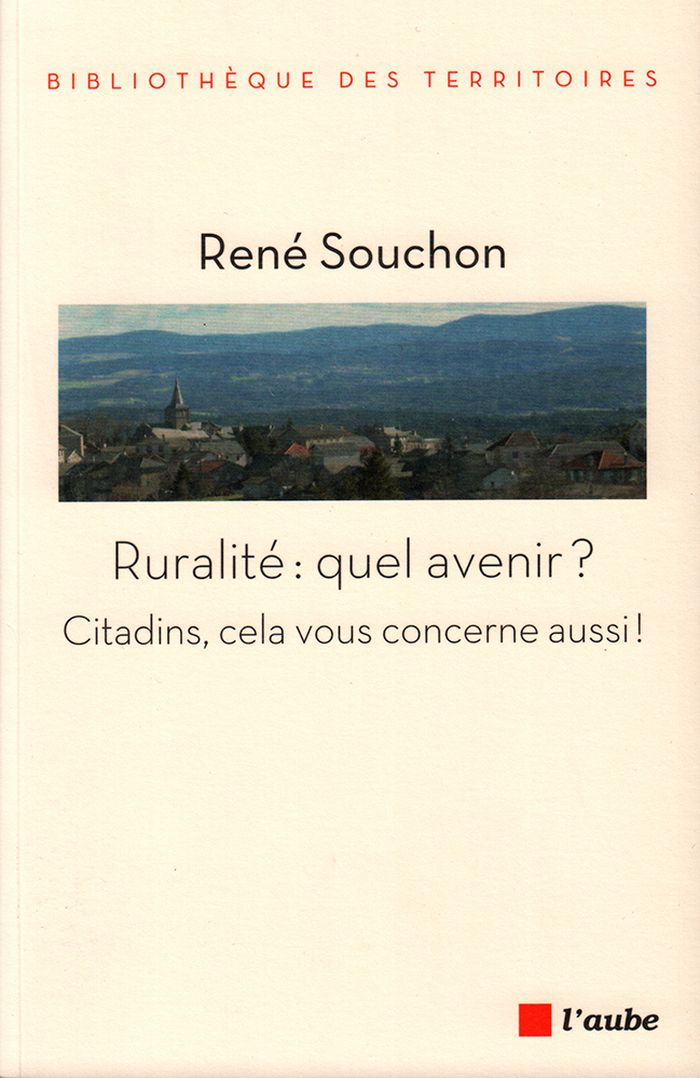
Les populations rurales, à tort ou à raison, vivent un sentiment d’abandon… comme celles des banlieues. Et pourtant, dans cet espace rural, de nombreux territoires se développent. En cette période de bouleversement géostratégique, technologique, tout est remis en cause. Il est inutile de nourrir la nostalgie de la ruralité d’hier ou celle de la grande période de l’aménagement du territoire?: elles appartiennent à l’histoire. Il faut, dans l’espace rural aussi, changer de vision du futur, revoir la méthode, refonder l’approche du développement et, surtout, accompagner la révolution numérique, qui constitue une opportunité exceptionnelle de prendre un nouveau départ,
Ruralité : quel avenir?
Actions:
Prix:
$37.95
(disponible sur commande)
Résumé:
Les populations rurales, à tort ou à raison, vivent un sentiment d’abandon… comme celles des banlieues. Et pourtant, dans cet espace rural, de nombreux territoires se développent. En cette période de bouleversement géostratégique, technologique, tout est remis en cause. Il est inutile de nourrir la nostalgie de la ruralité d’hier ou celle de la grande période de l’aménagement du territoire?: elles appartiennent à l’histoire. Il faut, dans l’espace rural aussi, changer de vision du futur, revoir la méthode, refonder l’approche du développement et, surtout, accompagner la révolution numérique, qui constitue une opportunité exceptionnelle de prendre un nouveau départ,
Classification:
livres
livres
Publication:
avril 2017
avril 2017
Sujet:
Théorie de l’urbanisme
Théorie de l’urbanisme
Classification:
livres
livres
Titre:
La cité à travers les âges
La cité à travers les âges
Actions:
Prix:
$56.95
(disponible sur commande)
Résumé:
Qu'est-ce que la cité ? Comment a-t-elle commencé ? Quelles ont été les phases de son développement ? Est-elle destinée à disparaître, ou notre planète se transformera-t-elle en une immense ruche urbaine, ce qui serait, pour les villes individualisées, une autre façon de disparaître ? Les besoins qui conduisirent les hommes vers ce mode d'existence recevront-ils un jour(...)
$56.95
(disponible sur commande)
Résumé:
Qu'est-ce que la cité ? Comment a-t-elle commencé ? Quelles ont été les phases de son développement ? Est-elle destinée à disparaître, ou notre planète se transformera-t-elle en une immense ruche urbaine, ce qui serait, pour les villes individualisées, une autre façon de disparaître ? Les besoins qui conduisirent les hommes vers ce mode d'existence recevront-ils un jour(...)
Titre:
La cité à travers les âges
Actions:
Prix:
$56.95
(disponible sur commande)
Résumé:
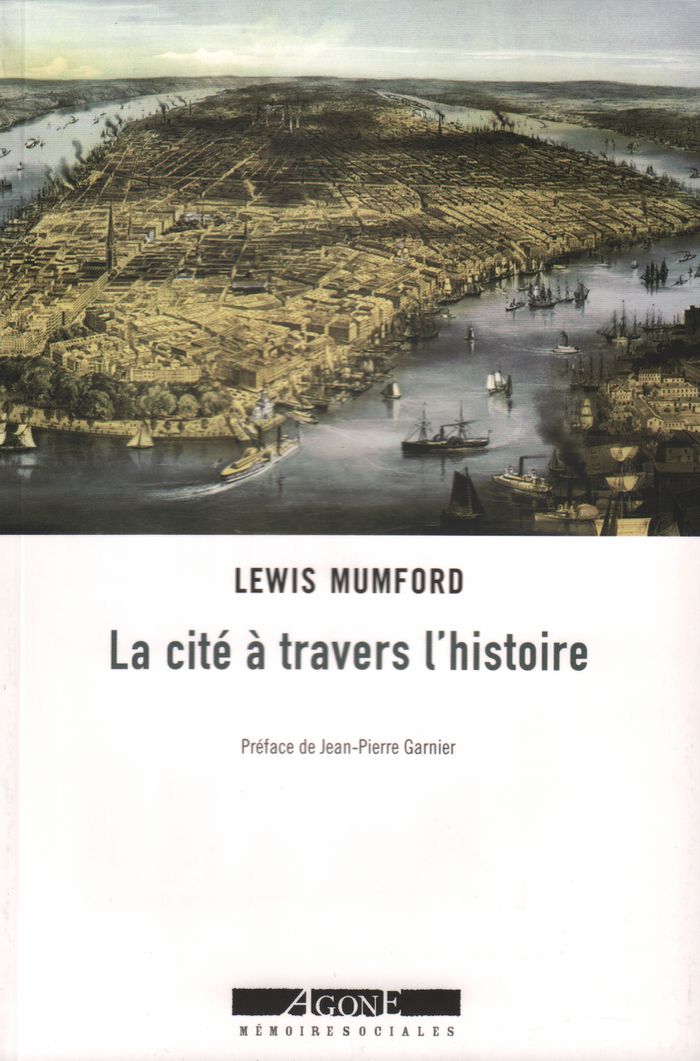
Qu'est-ce que la cité ? Comment a-t-elle commencé ? Quelles ont été les phases de son développement ? Est-elle destinée à disparaître, ou notre planète se transformera-t-elle en une immense ruche urbaine, ce qui serait, pour les villes individualisées, une autre façon de disparaître ? Les besoins qui conduisirent les hommes vers ce mode d'existence recevront-ils un jour les satisfactions qu'ont pu promettre autrefois Jérusalem, Athènes ou Florence ? Est-il encore possible de construire une cité permettant à l'homme de poursuivre un développement harmonieux ? Avant de penser un nouveau mode d'existence urbaine, il faut comprendre la nature historique de la cité et l'évolution de son rôle primitif. Par l'analyse de la formation des regroupements urbains, ce classique fait apparaître les limites démographiques, technologiques et économiques au-delà desquelles la cité ne rend plus possible la survie d'une unité communautaire. Critique d'une organisation économique qui sacrifie le progrès de l'humanité au perfectionnement des machines, l'auteur revient au souci du bien public, à la recherche d'un équilibre écologique et à la coopération sociale comme base de notre milieu de vie.
La cité à travers les âges
Actions:
Prix:
$56.95
(disponible sur commande)
Résumé:
Qu'est-ce que la cité ? Comment a-t-elle commencé ? Quelles ont été les phases de son développement ? Est-elle destinée à disparaître, ou notre planète se transformera-t-elle en une immense ruche urbaine, ce qui serait, pour les villes individualisées, une autre façon de disparaître ? Les besoins qui conduisirent les hommes vers ce mode d'existence recevront-ils un jour les satisfactions qu'ont pu promettre autrefois Jérusalem, Athènes ou Florence ? Est-il encore possible de construire une cité permettant à l'homme de poursuivre un développement harmonieux ? Avant de penser un nouveau mode d'existence urbaine, il faut comprendre la nature historique de la cité et l'évolution de son rôle primitif. Par l'analyse de la formation des regroupements urbains, ce classique fait apparaître les limites démographiques, technologiques et économiques au-delà desquelles la cité ne rend plus possible la survie d'une unité communautaire. Critique d'une organisation économique qui sacrifie le progrès de l'humanité au perfectionnement des machines, l'auteur revient au souci du bien public, à la recherche d'un équilibre écologique et à la coopération sociale comme base de notre milieu de vie.
Classification:
livres
livres
Publication:
mars 2011
mars 2011
Sujet:
Théorie de l’urbanisme
Théorie de l’urbanisme
Classification:
livres
livres
Actions:
Prix:
$27.95
(disponible sur commande)
Résumé:
Une autre façon de regarder, de comprendre, de vivre et d’aménager nos villes, à partir de l’étude des relations ville-nature dans un territoire emblématique. Les recherches récentes en écologie urbaine ont ouvert un nouveau territoire : la ville. La vile n’est plus conçu comme le lieu d’habitat des seuls humains, mais également comme un lieu traversé et constitué par la(...)
$27.95
(disponible sur commande)
Résumé:
Une autre façon de regarder, de comprendre, de vivre et d’aménager nos villes, à partir de l’étude des relations ville-nature dans un territoire emblématique. Les recherches récentes en écologie urbaine ont ouvert un nouveau territoire : la ville. La vile n’est plus conçu comme le lieu d’habitat des seuls humains, mais également comme un lieu traversé et constitué par la(...)
Titre:
Petit atlas d'une ville-nature
Actions:
Prix:
$27.95
(disponible sur commande)
Résumé:
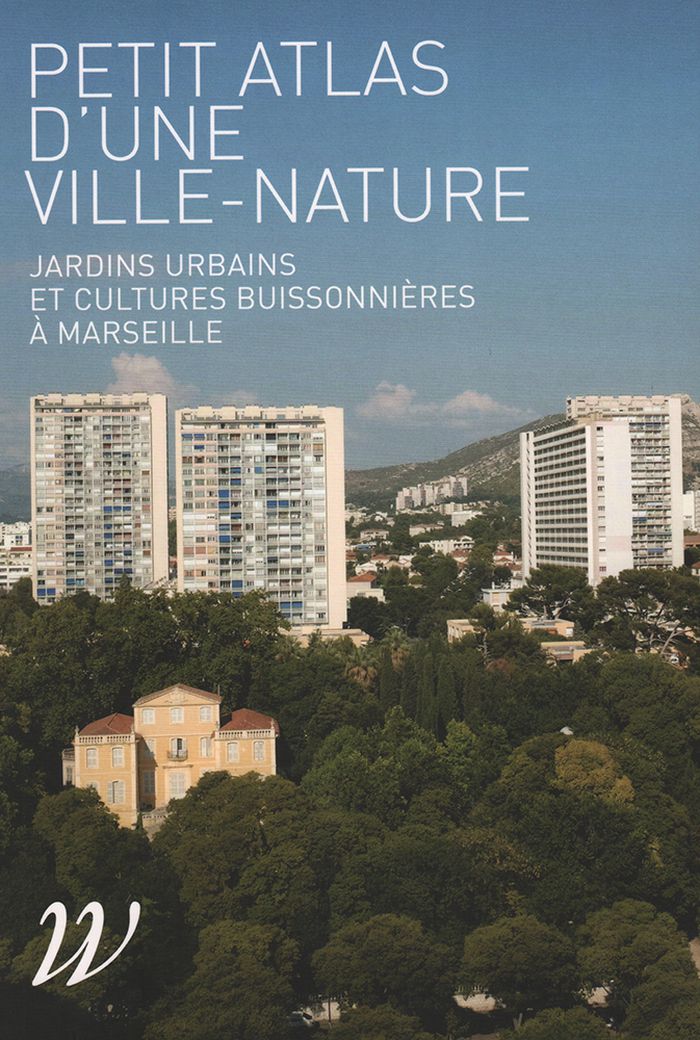
Une autre façon de regarder, de comprendre, de vivre et d’aménager nos villes, à partir de l’étude des relations ville-nature dans un territoire emblématique. Les recherches récentes en écologie urbaine ont ouvert un nouveau territoire : la ville. La vile n’est plus conçu comme le lieu d’habitat des seuls humains, mais également comme un lieu traversé et constitué par la nature et la biodiversité. Marseille est en France et en Europe un lieu idéal pour étudier cette nouvelle donne dans les relations entre monde urbain et monde naturel. Avec sa géographie exceptionnelle – littoral, collines, Calanques –, Marseille recèle également une nature moins connue, à l’intérieur même du tissu urbain : parcs et jardins publics, jardins privés, quantité de friches, d’interstices, de plantes, d’animaux. La question de la nature en ville est devenue un élément central des questions d’aménagement, de protection de la nature, et de projets culturels. À partir de Marseille, cet ouvrage voudrait proposer de nouveaux modèles d’urbanisme, entre écologie et culture. Avec des cartes, des dessins, des photos, et 5 promenades familiales pour découvrir Marseille en dehors des sentiers battus.
Petit atlas d'une ville-nature
Actions:
Prix:
$27.95
(disponible sur commande)
Résumé:
Une autre façon de regarder, de comprendre, de vivre et d’aménager nos villes, à partir de l’étude des relations ville-nature dans un territoire emblématique. Les recherches récentes en écologie urbaine ont ouvert un nouveau territoire : la ville. La vile n’est plus conçu comme le lieu d’habitat des seuls humains, mais également comme un lieu traversé et constitué par la nature et la biodiversité. Marseille est en France et en Europe un lieu idéal pour étudier cette nouvelle donne dans les relations entre monde urbain et monde naturel. Avec sa géographie exceptionnelle – littoral, collines, Calanques –, Marseille recèle également une nature moins connue, à l’intérieur même du tissu urbain : parcs et jardins publics, jardins privés, quantité de friches, d’interstices, de plantes, d’animaux. La question de la nature en ville est devenue un élément central des questions d’aménagement, de protection de la nature, et de projets culturels. À partir de Marseille, cet ouvrage voudrait proposer de nouveaux modèles d’urbanisme, entre écologie et culture. Avec des cartes, des dessins, des photos, et 5 promenades familiales pour découvrir Marseille en dehors des sentiers battus.
Classification:
livres
livres
Publication:
mai 2017
mai 2017
Sujet:
Théorie de l’urbanisme
Théorie de l’urbanisme


