


10583 Résultats
Classification:
livres
livres
Prix:
$45.95
(disponible sur commande)
Résumé:
En 1968, la Hochschule für Gestaltung d’Ulm, école allemande que l’on présente comme la principale héritière du Bauhaus, est menacée de fermeture. L’idée de son possible transfert à Paris émerge alors sous le nom d’« Institut de l’environnement ». Un bâtiment, élaboré par Robert Joly avec la complicité de Jean Prouvé, est inauguré un an plus tard, rue Érasme, sur le(...)
$45.95
(disponible sur commande)
Résumé:
En 1968, la Hochschule für Gestaltung d’Ulm, école allemande que l’on présente comme la principale héritière du Bauhaus, est menacée de fermeture. L’idée de son possible transfert à Paris émerge alors sous le nom d’« Institut de l’environnement ». Un bâtiment, élaboré par Robert Joly avec la complicité de Jean Prouvé, est inauguré un an plus tard, rue Érasme, sur le(...)
Titre:
L'institut de l'environnement : une école décloisonnée
Actions:
Prix:
$45.95
(disponible sur commande)
Résumé:
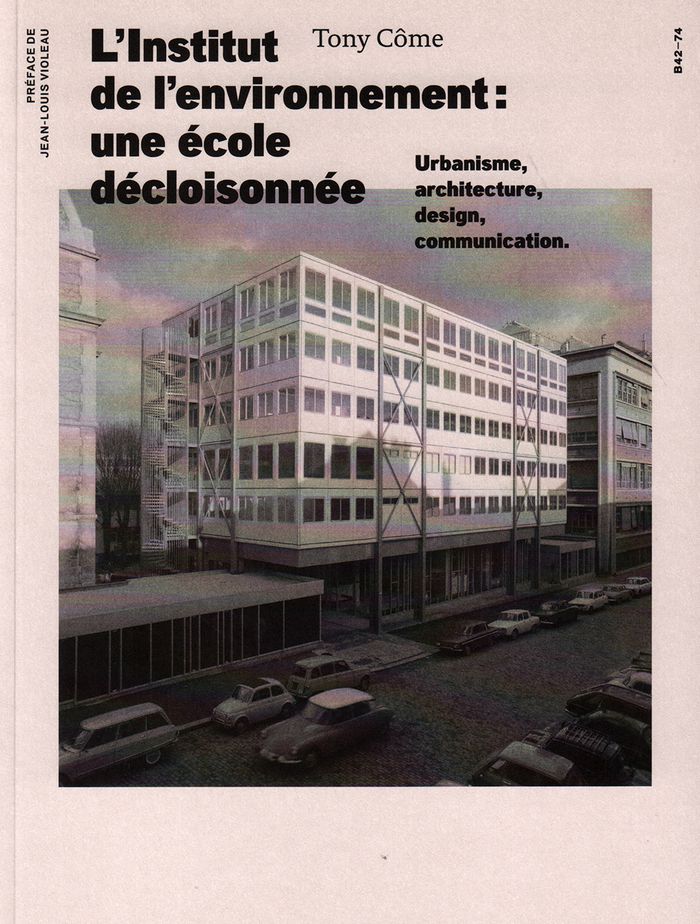
En 1968, la Hochschule für Gestaltung d’Ulm, école allemande que l’on présente comme la principale héritière du Bauhaus, est menacée de fermeture. L’idée de son possible transfert à Paris émerge alors sous le nom d’« Institut de l’environnement ». Un bâtiment, élaboré par Robert Joly avec la complicité de Jean Prouvé, est inauguré un an plus tard, rue Érasme, sur le terrain de l’École nationale supérieure des arts décoratifs (ENSAD).
L'institut de l'environnement : une école décloisonnée
Actions:
Prix:
$45.95
(disponible sur commande)
Résumé:
En 1968, la Hochschule für Gestaltung d’Ulm, école allemande que l’on présente comme la principale héritière du Bauhaus, est menacée de fermeture. L’idée de son possible transfert à Paris émerge alors sous le nom d’« Institut de l’environnement ». Un bâtiment, élaboré par Robert Joly avec la complicité de Jean Prouvé, est inauguré un an plus tard, rue Érasme, sur le terrain de l’École nationale supérieure des arts décoratifs (ENSAD).
Classification:
livres
livres
Publication:
mars 2017
mars 2017
Sujet:
Théorie de l’architecture
Théorie de l’architecture
Classification:
livres
livres
Actions:
Prix:
$39.95
(disponible sur commande)
Résumé:
More and more of us are choosing to live in the man-made environment of the city. The mismatch between this artificial world and our nature-starved souls can contribute to the stresses of city living in a way that is barely noticed – but is crucially important. What does the science of architectural psychology tell us about how the world of brick and concrete affects how(...)
$39.95
(disponible sur commande)
Résumé:
More and more of us are choosing to live in the man-made environment of the city. The mismatch between this artificial world and our nature-starved souls can contribute to the stresses of city living in a way that is barely noticed – but is crucially important. What does the science of architectural psychology tell us about how the world of brick and concrete affects how(...)
Titre:
Headspace: the psychology of city living
Actions:
Prix:
$39.95
(disponible sur commande)
Résumé:
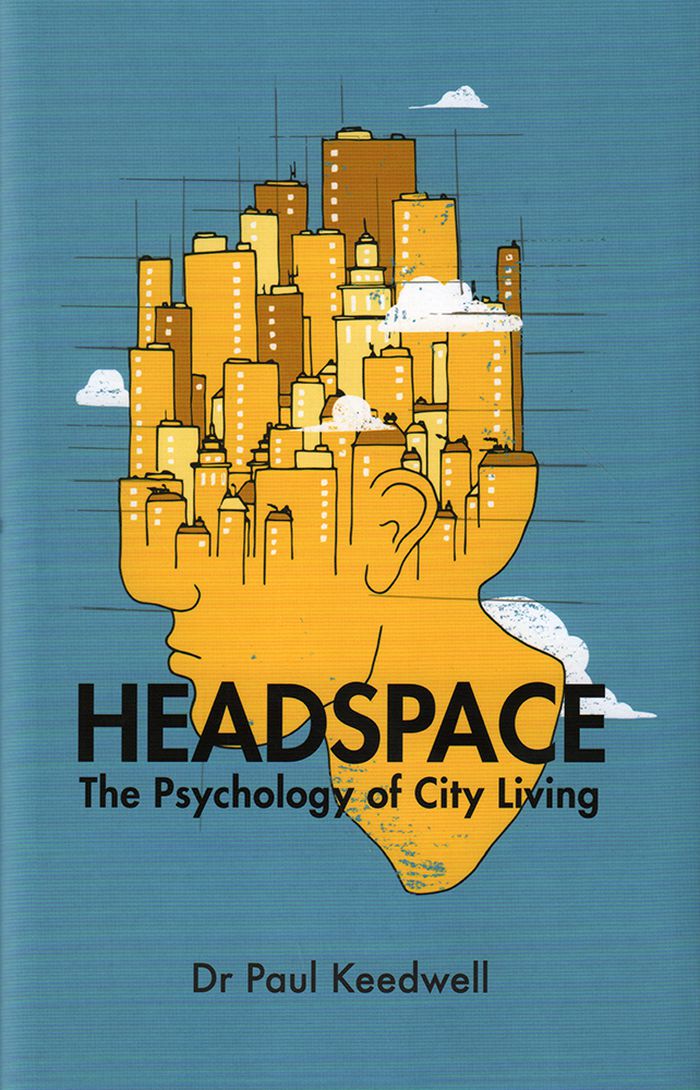
More and more of us are choosing to live in the man-made environment of the city. The mismatch between this artificial world and our nature-starved souls can contribute to the stresses of city living in a way that is barely noticed – but is crucially important. What does the science of architectural psychology tell us about how the world of brick and concrete affects how we think, feel and behave? In an increasingly crowded urban world, how does good urban design inspire, restore and bring us together? Conversely, how does bad architecture cause anxiety, alienation and depression?Starting with the home and reaching out to the street, neighbourhood and wider city landscape, Headspace teaches us how to see our cities differently, and how we can best adapt to our rapidly changing urban world.
Headspace: the psychology of city living
Actions:
Prix:
$39.95
(disponible sur commande)
Résumé:
More and more of us are choosing to live in the man-made environment of the city. The mismatch between this artificial world and our nature-starved souls can contribute to the stresses of city living in a way that is barely noticed – but is crucially important. What does the science of architectural psychology tell us about how the world of brick and concrete affects how we think, feel and behave? In an increasingly crowded urban world, how does good urban design inspire, restore and bring us together? Conversely, how does bad architecture cause anxiety, alienation and depression?Starting with the home and reaching out to the street, neighbourhood and wider city landscape, Headspace teaches us how to see our cities differently, and how we can best adapt to our rapidly changing urban world.
Classification:
livres
livres
Publication:
mars 2017
mars 2017
Sujet:
Théorie de l’urbanisme
Théorie de l’urbanisme
Classification:
livres
livres
Actions:
Prix:
$49.95
(disponible sur commande)
Résumé:
Urbanization is transforming the planet, within and beyond cities, at all spatial scales. In this book, Neil Brenner mobilizes the tools of critical urban theory to deconstruct some of the dominant urban discourses of our time, which naturalize, and thus depoliticize, the enclosures, exclusions, injustices and irrationalities of neoliberal urbanism. In so doing, Brenner(...)
$49.95
(disponible sur commande)
Résumé:
Urbanization is transforming the planet, within and beyond cities, at all spatial scales. In this book, Neil Brenner mobilizes the tools of critical urban theory to deconstruct some of the dominant urban discourses of our time, which naturalize, and thus depoliticize, the enclosures, exclusions, injustices and irrationalities of neoliberal urbanism. In so doing, Brenner(...)
Titre:
Critique of urbanization: selected essays
Actions:
Prix:
$49.95
(disponible sur commande)
Résumé:
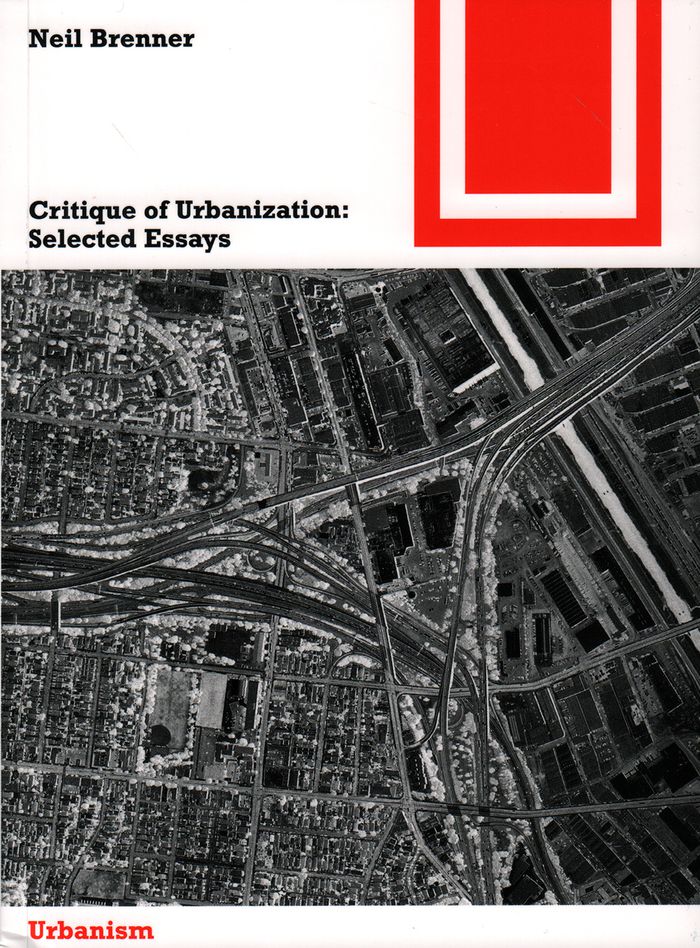
Urbanization is transforming the planet, within and beyond cities, at all spatial scales. In this book, Neil Brenner mobilizes the tools of critical urban theory to deconstruct some of the dominant urban discourses of our time, which naturalize, and thus depoliticize, the enclosures, exclusions, injustices and irrationalities of neoliberal urbanism. In so doing, Brenner advocates a constant reinvention of the framing categories, methods and assumptions of critical urban theory in relation to the rapidly mutating geographies of capitalist urbanization. Only a theory that is dynamic—which is constantly being transformed in relation to the restlessly evolving social worlds and territorial landscapes it aspires to grasp—can be a genuinely critical theory.
Critique of urbanization: selected essays
Actions:
Prix:
$49.95
(disponible sur commande)
Résumé:
Urbanization is transforming the planet, within and beyond cities, at all spatial scales. In this book, Neil Brenner mobilizes the tools of critical urban theory to deconstruct some of the dominant urban discourses of our time, which naturalize, and thus depoliticize, the enclosures, exclusions, injustices and irrationalities of neoliberal urbanism. In so doing, Brenner advocates a constant reinvention of the framing categories, methods and assumptions of critical urban theory in relation to the rapidly mutating geographies of capitalist urbanization. Only a theory that is dynamic—which is constantly being transformed in relation to the restlessly evolving social worlds and territorial landscapes it aspires to grasp—can be a genuinely critical theory.
Classification:
livres
livres
Publication:
décembre 2016
décembre 2016
Sujet:
Théorie de l’urbanisme
Théorie de l’urbanisme
Classification:
livres
livres
Actions:
Prix:
$44.95
(disponible sur commande)
Résumé:
L’entretien d’artiste s’est propagé dans le champs de l’art depuis les années 1960-70, témoignant d’un rejet progressif de la critique formaliste, et a consacré comme modèle une forme nouvelle célébrant la subjectivité du discours et le retour au récit, au biographique. L'interview, qui promet authenticité ainsi qu'un accès direct et personnel à l’œuvre, est omniprésente(...)
$44.95
(disponible sur commande)
Résumé:
L’entretien d’artiste s’est propagé dans le champs de l’art depuis les années 1960-70, témoignant d’un rejet progressif de la critique formaliste, et a consacré comme modèle une forme nouvelle célébrant la subjectivité du discours et le retour au récit, au biographique. L'interview, qui promet authenticité ainsi qu'un accès direct et personnel à l’œuvre, est omniprésente(...)
Titre:
Interviews. L'entretien d'artiste dans l'art contemporain. Oral history in contemporary art.
Actions:
Prix:
$44.95
(disponible sur commande)
Résumé:
L’entretien d’artiste s’est propagé dans le champs de l’art depuis les années 1960-70, témoignant d’un rejet progressif de la critique formaliste, et a consacré comme modèle une forme nouvelle célébrant la subjectivité du discours et le retour au récit, au biographique. L'interview, qui promet authenticité ainsi qu'un accès direct et personnel à l’œuvre, est omniprésente dans les catalogues et revue d’art; elle est également devenue la matière même de projets artistiques et a émergé, plus récemment, comme méthode de recherche dans le champ de l'histoire de l’art (oral history).
Interviews. L'entretien d'artiste dans l'art contemporain. Oral history in contemporary art.
Actions:
Prix:
$44.95
(disponible sur commande)
Résumé:
L’entretien d’artiste s’est propagé dans le champs de l’art depuis les années 1960-70, témoignant d’un rejet progressif de la critique formaliste, et a consacré comme modèle une forme nouvelle célébrant la subjectivité du discours et le retour au récit, au biographique. L'interview, qui promet authenticité ainsi qu'un accès direct et personnel à l’œuvre, est omniprésente dans les catalogues et revue d’art; elle est également devenue la matière même de projets artistiques et a émergé, plus récemment, comme méthode de recherche dans le champ de l'histoire de l’art (oral history).
Classification:
livres
livres
Publication:
mai 2016
mai 2016
Sujet:
Théorie de l’art
Théorie de l’art
Classification:
livres
livres
Actions:
Prix:
$27.95
(disponible sur commande)
Résumé:
Alors que les perspectives des universités se modifiaient au niveau européen, les écoles d’art en France se sont trouvées obligées de répondre à ce que Pierre-Damien Huyghe présente comme une «?injonction à faire de la recherche?». Cette injonction a un contexte?: le merchandising des savoirs. Le philosophe dresse un état des conséquences en matière d’éducation et(...)
$27.95
(disponible sur commande)
Résumé:
Alors que les perspectives des universités se modifiaient au niveau européen, les écoles d’art en France se sont trouvées obligées de répondre à ce que Pierre-Damien Huyghe présente comme une «?injonction à faire de la recherche?». Cette injonction a un contexte?: le merchandising des savoirs. Le philosophe dresse un état des conséquences en matière d’éducation et(...)
Titre:
Contre-temps: de la recherche et ses enjeux, arts. architecture, design
Actions:
Prix:
$27.95
(disponible sur commande)
Résumé:
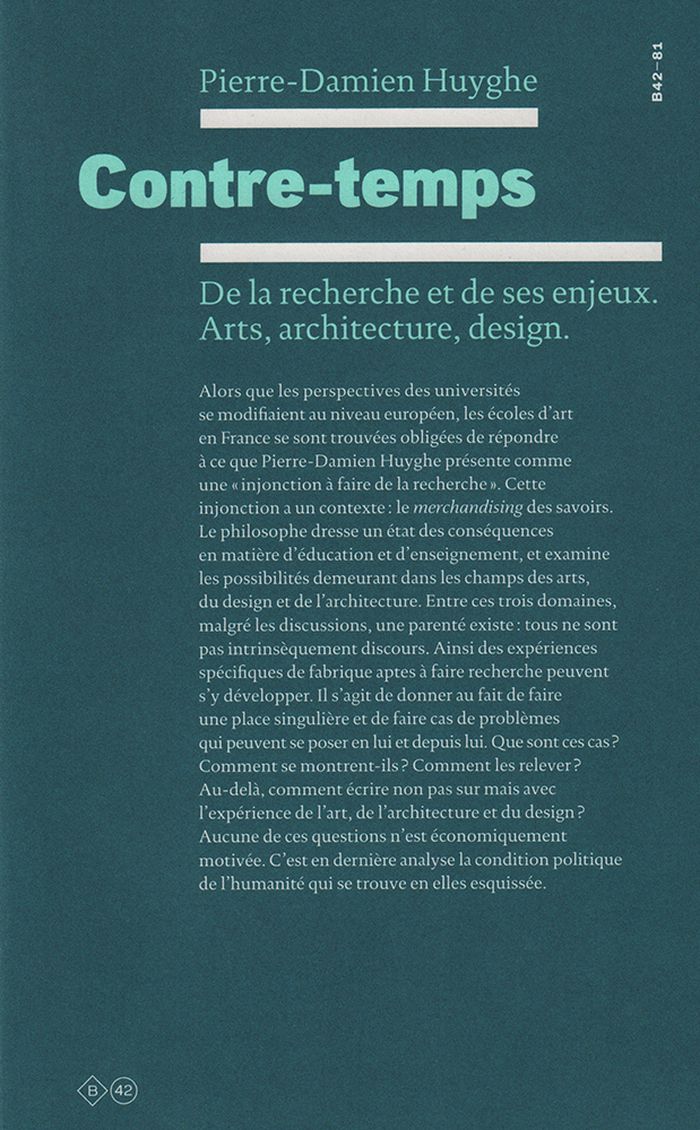
Alors que les perspectives des universités se modifiaient au niveau européen, les écoles d’art en France se sont trouvées obligées de répondre à ce que Pierre-Damien Huyghe présente comme une «?injonction à faire de la recherche?». Cette injonction a un contexte?: le merchandising des savoirs. Le philosophe dresse un état des conséquences en matière d’éducation et d’enseignement, et examine les possibilités demeurant dans les champs des arts, du design et de l’architecture.
Contre-temps: de la recherche et ses enjeux, arts. architecture, design
Actions:
Prix:
$27.95
(disponible sur commande)
Résumé:
Alors que les perspectives des universités se modifiaient au niveau européen, les écoles d’art en France se sont trouvées obligées de répondre à ce que Pierre-Damien Huyghe présente comme une «?injonction à faire de la recherche?». Cette injonction a un contexte?: le merchandising des savoirs. Le philosophe dresse un état des conséquences en matière d’éducation et d’enseignement, et examine les possibilités demeurant dans les champs des arts, du design et de l’architecture.
Classification:
livres
livres
Publication:
avril 2017
avril 2017
Sujet:
Théorie de l’art
Théorie de l’art
Classification:
livres
livres
Actions:
Prix:
$25.95
(disponible sur commande)
Résumé:
Fondé sur une documentation solide, ce livre démystifie les prétentions des élites occidentales, depuis le XVIe siècle, à vouloir que l’Occident domine le monde. Il dresse le bilan intellectuel des turpitudes qui ont permis l’entrée d’une masse d’objets « exotiques » (ustensiles ornementés, statues, masques) dans les musées occidentaux. De Du¨rer à Picasso, l’histoire de(...)
$25.95
(disponible sur commande)
Résumé:
Fondé sur une documentation solide, ce livre démystifie les prétentions des élites occidentales, depuis le XVIe siècle, à vouloir que l’Occident domine le monde. Il dresse le bilan intellectuel des turpitudes qui ont permis l’entrée d’une masse d’objets « exotiques » (ustensiles ornementés, statues, masques) dans les musées occidentaux. De Du¨rer à Picasso, l’histoire de(...)
Titre:
De l'exotisme aux arts lointains
Actions:
Prix:
$25.95
(disponible sur commande)
Résumé:
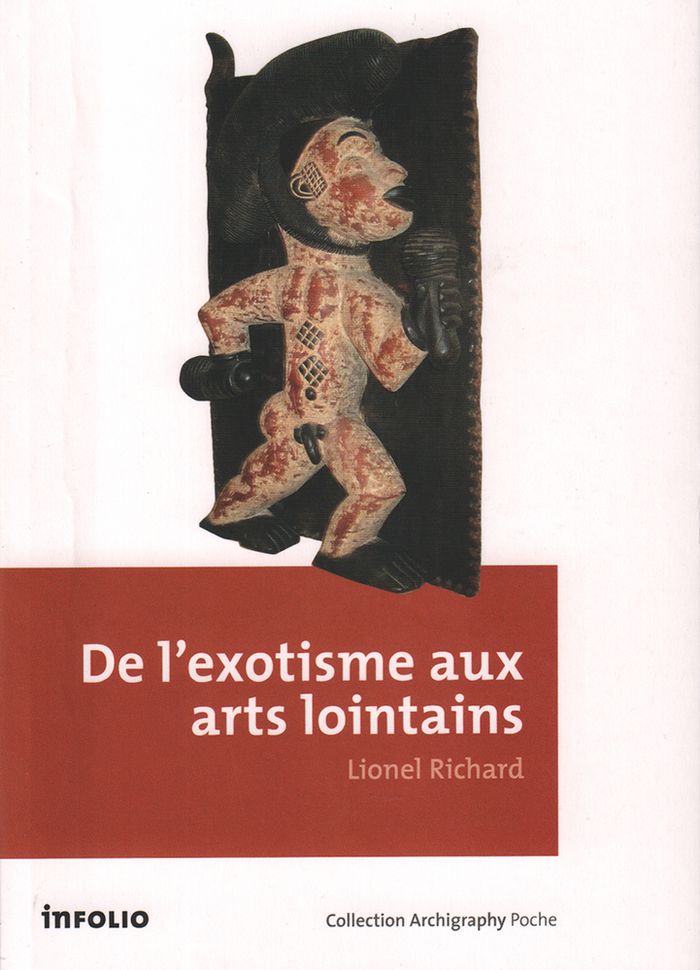
Fondé sur une documentation solide, ce livre démystifie les prétentions des élites occidentales, depuis le XVIe siècle, à vouloir que l’Occident domine le monde. Il dresse le bilan intellectuel des turpitudes qui ont permis l’entrée d’une masse d’objets « exotiques » (ustensiles ornementés, statues, masques) dans les musées occidentaux. De Du¨rer à Picasso, l’histoire de l’art s’y entremêle à la littérature, à l’anthropologie, à la sociologie.
De l'exotisme aux arts lointains
Actions:
Prix:
$25.95
(disponible sur commande)
Résumé:
Fondé sur une documentation solide, ce livre démystifie les prétentions des élites occidentales, depuis le XVIe siècle, à vouloir que l’Occident domine le monde. Il dresse le bilan intellectuel des turpitudes qui ont permis l’entrée d’une masse d’objets « exotiques » (ustensiles ornementés, statues, masques) dans les musées occidentaux. De Du¨rer à Picasso, l’histoire de l’art s’y entremêle à la littérature, à l’anthropologie, à la sociologie.
Classification:
livres
livres
Publication:
mars 2017
mars 2017
Sujet:
Théorie de l’art
Théorie de l’art
Classification:
livres
livres

Titre:
On things as ideas
On things as ideas
Actions:
Prix:
$32.50
(disponible sur commande)
Résumé:
This collection of more than thirty texts, which were originally published between 1790 and the present day, explores man’s rich relationship with material things. Devised largely in response to the gradual breakdown of the divide between art and design that began over a century ago, this book sheds light on the ways that the concept of the thing as idea has been(...)
$32.50
(disponible sur commande)
Résumé:
This collection of more than thirty texts, which were originally published between 1790 and the present day, explores man’s rich relationship with material things. Devised largely in response to the gradual breakdown of the divide between art and design that began over a century ago, this book sheds light on the ways that the concept of the thing as idea has been(...)
Titre:
On things as ideas
Actions:
Prix:
$32.50
(disponible sur commande)
Résumé:
This collection of more than thirty texts, which were originally published between 1790 and the present day, explores man’s rich relationship with material things. Devised largely in response to the gradual breakdown of the divide between art and design that began over a century ago, this book sheds light on the ways that the concept of the thing as idea has been considered over time. Writers from different fields explore how things interact with materials, structures, and production processes while defining and registering the intangible qualities of the material world. Each author considers the different relationships between the context of a thing and its thingness, describing the ways in which things and ideas intersect. Contributions by Carl Andre, Charles Baudelaire, Walter Benjamin, Barbara Bloemink, Jan Boelen, Louise Bourgeois, Sheldon Cheney and Martha Candler Cheney, Alex Coles, Anthony Dunne and Fiona Raby, Hal Foster, Sigmund Freud, Dan Graham, Isabelle Graw, Sebastian Hackenschmidt and Dietmar Rübel, Graham Harman, G. W. F. Hegel, Martin Heidegger, Dave Hickey, Matthew Higgs, Donald Judd, Immanuel Kant, Frederick J. Kiesler, Sven Lütticken, Alessandro Mendini, W. J. T. Mitchell, Jasper Morrison, Bruno Munari, Robert Nickas, Alice Rawsthorn, Jeff Rian, Richard Rinehart, Anthony Vidler.
On things as ideas
Actions:
Prix:
$32.50
(disponible sur commande)
Résumé:
This collection of more than thirty texts, which were originally published between 1790 and the present day, explores man’s rich relationship with material things. Devised largely in response to the gradual breakdown of the divide between art and design that began over a century ago, this book sheds light on the ways that the concept of the thing as idea has been considered over time. Writers from different fields explore how things interact with materials, structures, and production processes while defining and registering the intangible qualities of the material world. Each author considers the different relationships between the context of a thing and its thingness, describing the ways in which things and ideas intersect. Contributions by Carl Andre, Charles Baudelaire, Walter Benjamin, Barbara Bloemink, Jan Boelen, Louise Bourgeois, Sheldon Cheney and Martha Candler Cheney, Alex Coles, Anthony Dunne and Fiona Raby, Hal Foster, Sigmund Freud, Dan Graham, Isabelle Graw, Sebastian Hackenschmidt and Dietmar Rübel, Graham Harman, G. W. F. Hegel, Martin Heidegger, Dave Hickey, Matthew Higgs, Donald Judd, Immanuel Kant, Frederick J. Kiesler, Sven Lütticken, Alessandro Mendini, W. J. T. Mitchell, Jasper Morrison, Bruno Munari, Robert Nickas, Alice Rawsthorn, Jeff Rian, Richard Rinehart, Anthony Vidler.
Classification:
livres
livres
Publication:
février 2017
février 2017
Sujet:
Théorie du design
Théorie du design
Classification:
livres
livres
Titre:
Situations, dérives, détournements : statuts et usages de la littérature et des arts chez Guy Debord
Situations, dérives, détournements : statuts et usages de la littérature et des arts chez Guy Debord
Actions:
Prix:
$24.50
(disponible sur commande)
Résumé:
Revenant de façon systématique et rigoureuse sur les principaux concepts et expériences mis en jeu dans la pensée de Guy Debord, ce recueil d'articles réfléchit le programme de dépassement de l'art prôné par le penseur situationniste tout en s'interrogeant de façon prospective sur les possibilités de son devenir. Apparue dans le contexte des années 50 et 60, l'œuvre de(...)
$24.50
(disponible sur commande)
Résumé:
Revenant de façon systématique et rigoureuse sur les principaux concepts et expériences mis en jeu dans la pensée de Guy Debord, ce recueil d'articles réfléchit le programme de dépassement de l'art prôné par le penseur situationniste tout en s'interrogeant de façon prospective sur les possibilités de son devenir. Apparue dans le contexte des années 50 et 60, l'œuvre de(...)
Titre:
Situations, dérives, détournements : statuts et usages de la littérature et des arts chez Guy Debord
Actions:
Prix:
$24.50
(disponible sur commande)
Résumé:
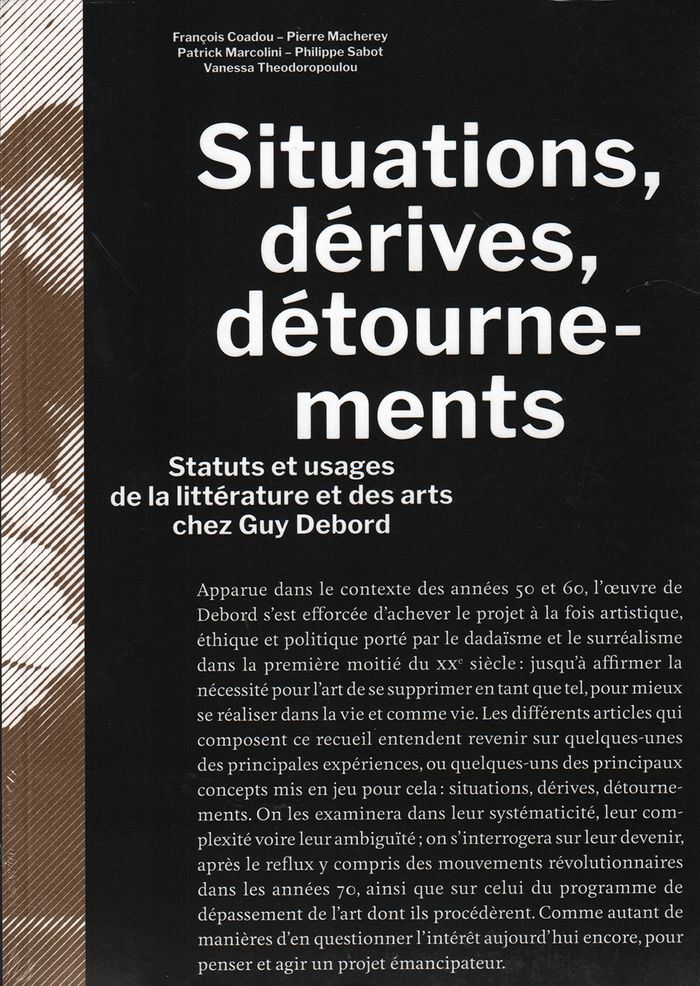
Revenant de façon systématique et rigoureuse sur les principaux concepts et expériences mis en jeu dans la pensée de Guy Debord, ce recueil d'articles réfléchit le programme de dépassement de l'art prôné par le penseur situationniste tout en s'interrogeant de façon prospective sur les possibilités de son devenir. Apparue dans le contexte des années 50 et 60, l'œuvre de Debord s'est efforcée d'achever le projet à la fois artistique, éthique et politique porté par le dadaïsme et le surréalisme dans la première moitié du XXe siècle?: jusqu'à affirmer la nécessité pour l'art de se supprimer en tant que tel, pour mieux se réaliser dans la vie et comme vie. Les différents articles qui composent ce recueil entendent revenir sur quelques-unes des principales expériences, ou quelques-uns des principaux concepts mis en jeu pour cela?: situations, dérives, détournements. On les examinera dans leur systématicité, leur complexité voire leur ambiguïté?; on s'interrogera sur leur devenir, après le reflux y compris des mouvements révolutionnaires dans les années 70, ainsi que sur celui du programme de dépassement de l'art dont ils procédèrent. Comme autant de manières d'en questionner l'intérêt aujourd'hui encore, pour penser et agir un projet émancipateur.
Situations, dérives, détournements : statuts et usages de la littérature et des arts chez Guy Debord
Actions:
Prix:
$24.50
(disponible sur commande)
Résumé:
Revenant de façon systématique et rigoureuse sur les principaux concepts et expériences mis en jeu dans la pensée de Guy Debord, ce recueil d'articles réfléchit le programme de dépassement de l'art prôné par le penseur situationniste tout en s'interrogeant de façon prospective sur les possibilités de son devenir. Apparue dans le contexte des années 50 et 60, l'œuvre de Debord s'est efforcée d'achever le projet à la fois artistique, éthique et politique porté par le dadaïsme et le surréalisme dans la première moitié du XXe siècle?: jusqu'à affirmer la nécessité pour l'art de se supprimer en tant que tel, pour mieux se réaliser dans la vie et comme vie. Les différents articles qui composent ce recueil entendent revenir sur quelques-unes des principales expériences, ou quelques-uns des principaux concepts mis en jeu pour cela?: situations, dérives, détournements. On les examinera dans leur systématicité, leur complexité voire leur ambiguïté?; on s'interrogera sur leur devenir, après le reflux y compris des mouvements révolutionnaires dans les années 70, ainsi que sur celui du programme de dépassement de l'art dont ils procédèrent. Comme autant de manières d'en questionner l'intérêt aujourd'hui encore, pour penser et agir un projet émancipateur.
Classification:
livres
livres
Publication:
février 2017
février 2017
Sujet:
Théorie de l’art
Théorie de l’art
Classification:
livres
livres
Titre:
Particular cases
Particular cases
Actions:
Prix:
$34.95
(disponible sur commande)
Résumé:
This collection of essays does not aim to illustrate a prefabricated theory of art, but rather follows the impulses given by artworks themselves. Philosopher and art critic Boris Groys writes about significant works and artists over the last century that have pushed his thinking in new directions. His compelling arguments do not try to replace the singular content or(...)
$34.95
(disponible sur commande)
Résumé:
This collection of essays does not aim to illustrate a prefabricated theory of art, but rather follows the impulses given by artworks themselves. Philosopher and art critic Boris Groys writes about significant works and artists over the last century that have pushed his thinking in new directions. His compelling arguments do not try to replace the singular content or(...)
Titre:
Particular cases
Actions:
Prix:
$34.95
(disponible sur commande)
Résumé:
This collection of essays does not aim to illustrate a prefabricated theory of art, but rather follows the impulses given by artworks themselves. Philosopher and art critic Boris Groys writes about significant works and artists over the last century that have pushed his thinking in new directions. His compelling arguments do not try to replace the singular content or message of an artwork. Instead, his writings are inspired by art as a mind-changing practice--as if contemporary artists, completely secularized, can still produce a kind of conversion within the spectator.
Particular cases
Actions:
Prix:
$34.95
(disponible sur commande)
Résumé:
This collection of essays does not aim to illustrate a prefabricated theory of art, but rather follows the impulses given by artworks themselves. Philosopher and art critic Boris Groys writes about significant works and artists over the last century that have pushed his thinking in new directions. His compelling arguments do not try to replace the singular content or message of an artwork. Instead, his writings are inspired by art as a mind-changing practice--as if contemporary artists, completely secularized, can still produce a kind of conversion within the spectator.
Classification:
livres
livres
Publication:
janvier 2017
janvier 2017
Sujet:
Théorie de l’art
Théorie de l’art
Classification:
livres
livres
Prix:
$39.95
(disponible sur commande)
Résumé:
"Borderwall as architecture" is an artistic and intellectual hand grenade of a book, and a timely re-examination of what the physical barrier that divides the United States of America from the United Mexican States is and could be. It is both a protest against the wall and a projection about its future. Through a series of propositions suggesting that the nearly seven(...)
$39.95
(disponible sur commande)
Résumé:
"Borderwall as architecture" is an artistic and intellectual hand grenade of a book, and a timely re-examination of what the physical barrier that divides the United States of America from the United Mexican States is and could be. It is both a protest against the wall and a projection about its future. Through a series of propositions suggesting that the nearly seven(...)
Titre:
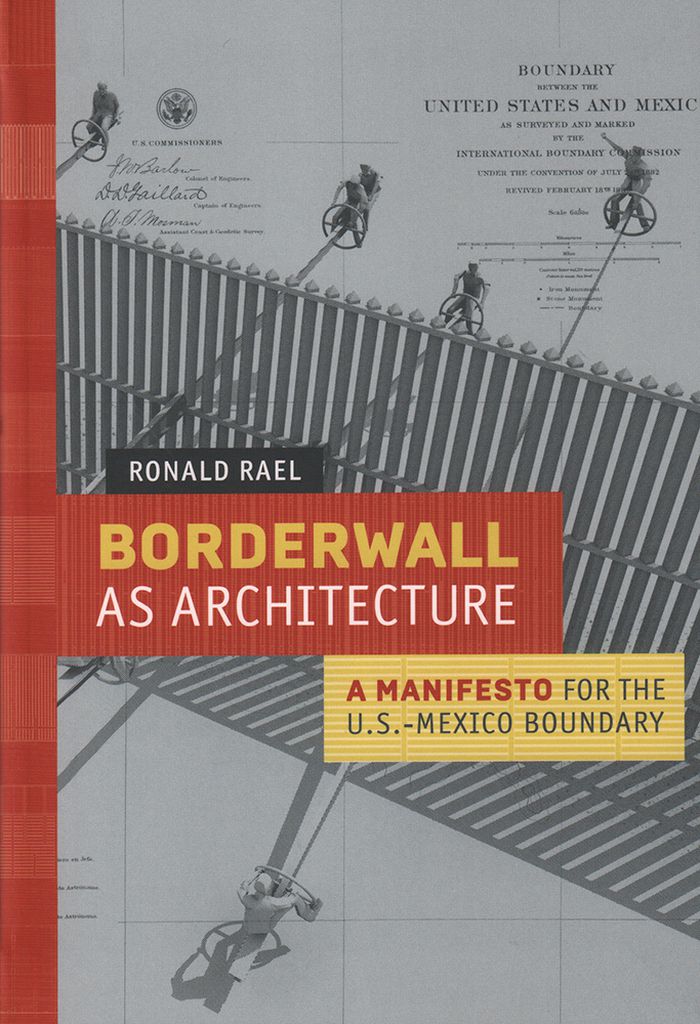
Borderwall as architecture: a manifesto for the US-Mexico boundary
Actions:
Prix:
$39.95
(disponible sur commande)
Résumé:
"Borderwall as architecture" is an artistic and intellectual hand grenade of a book, and a timely re-examination of what the physical barrier that divides the United States of America from the United Mexican States is and could be. It is both a protest against the wall and a projection about its future. Through a series of propositions suggesting that the nearly seven hundred miles of wall is an opportunity for economic and social development along the border that encourages its conceptual and physical dismantling, the book takes readers on a journey along a wall that cuts through a “third nation”—the Divided States of America. On the way the transformative effects of the wall on people, animals, and the natural and built landscape are exposed and interrogated through the story of people who, on both sides of the border, transform the wall, challenging its existence in remarkably creative ways. Coupled with these real-life accounts are counterproposals for the wall, created by Rael’s studio, that reimagine, hyperbolize, or question the wall and its construction, cost, performance, and meaning. Rael proposes that despite the intended use of the wall, which is to keep people out and away, the wall is instead an attractor, engaging both sides in a common dialogue. Included is a collection of reflections on the wall and its consequences by leading experts Michael Dear, Norma Iglesias-Prieto, Marcello Di Cintio, and Teddy Cruz.
Borderwall as architecture: a manifesto for the US-Mexico boundary
Actions:
Prix:
$39.95
(disponible sur commande)
Résumé:
"Borderwall as architecture" is an artistic and intellectual hand grenade of a book, and a timely re-examination of what the physical barrier that divides the United States of America from the United Mexican States is and could be. It is both a protest against the wall and a projection about its future. Through a series of propositions suggesting that the nearly seven hundred miles of wall is an opportunity for economic and social development along the border that encourages its conceptual and physical dismantling, the book takes readers on a journey along a wall that cuts through a “third nation”—the Divided States of America. On the way the transformative effects of the wall on people, animals, and the natural and built landscape are exposed and interrogated through the story of people who, on both sides of the border, transform the wall, challenging its existence in remarkably creative ways. Coupled with these real-life accounts are counterproposals for the wall, created by Rael’s studio, that reimagine, hyperbolize, or question the wall and its construction, cost, performance, and meaning. Rael proposes that despite the intended use of the wall, which is to keep people out and away, the wall is instead an attractor, engaging both sides in a common dialogue. Included is a collection of reflections on the wall and its consequences by leading experts Michael Dear, Norma Iglesias-Prieto, Marcello Di Cintio, and Teddy Cruz.
Classification:
livres
livres
Publication:
mai 2017
mai 2017
Sujet:
Théorie de l’architecture
Théorie de l’architecture


