


479 Résultats
Classification:
livres
livres
Actions:
Prix:
$59.50
(disponible sur commande)
Résumé:
Conversion, adaptation, reuse - these techniques are as old as construction itself. However, since the industrialization of the building industry and the emergence of modernism in architecture, newly constructed buildings have dominated our idea of good and progressive architecture. For decades, conversion did not play a significant role in architectural practice. Today,(...)
$59.50
(disponible sur commande)
Résumé:
Conversion, adaptation, reuse - these techniques are as old as construction itself. However, since the industrialization of the building industry and the emergence of modernism in architecture, newly constructed buildings have dominated our idea of good and progressive architecture. For decades, conversion did not play a significant role in architectural practice. Today,(...)
Publication:
août 2020
août 2020
Titre:
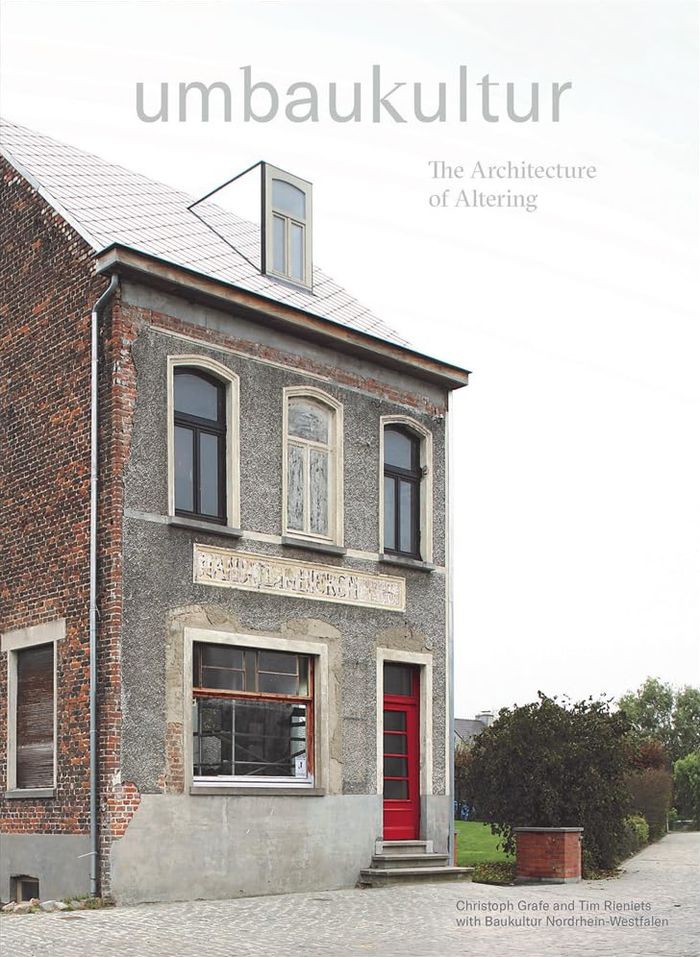
Umbaukultur: The architecture of altering
Actions:
Prix:
$59.50
(disponible sur commande)
Résumé:
Conversion, adaptation, reuse - these techniques are as old as construction itself. However, since the industrialization of the building industry and the emergence of modernism in architecture, newly constructed buildings have dominated our idea of good and progressive architecture. For decades, conversion did not play a significant role in architectural practice. Today, things have changed. The industrialization of the construction industry has led to environmental degradation, and the reform potential of modernism has been exhausted. Consequently, the existing building stock is one of the resources - perhaps even the most important resource - for the transformation of our cities. Against this backdrop, the architecture of conversion has made an unexpected comeback. Young architects in particular are providing surprising answers to the environmental and social questions of our time with their conversion projects.
Umbaukultur: The architecture of altering
Actions:
Prix:
$59.50
(disponible sur commande)
Résumé:
Conversion, adaptation, reuse - these techniques are as old as construction itself. However, since the industrialization of the building industry and the emergence of modernism in architecture, newly constructed buildings have dominated our idea of good and progressive architecture. For decades, conversion did not play a significant role in architectural practice. Today, things have changed. The industrialization of the construction industry has led to environmental degradation, and the reform potential of modernism has been exhausted. Consequently, the existing building stock is one of the resources - perhaps even the most important resource - for the transformation of our cities. Against this backdrop, the architecture of conversion has made an unexpected comeback. Young architects in particular are providing surprising answers to the environmental and social questions of our time with their conversion projects.
Classification:
livres
livres
Publication:
août 2020
août 2020
Classification:
livres
livres
Actions:
Prix:
$35.00
(disponible sur commande)
Résumé:
Berlin was once the biggest industrial area in Europe, home to large-scale enterprises like AEG and Siemens. Bewag, the Berlin electricity provider, laid the foundations for a modern power supply together with these companies. Power Stations in Berlin considers numerous local power stations as an integral part of the city's architectural heritage, from the period of(...)
$35.00
(disponible sur commande)
Résumé:
Berlin was once the biggest industrial area in Europe, home to large-scale enterprises like AEG and Siemens. Bewag, the Berlin electricity provider, laid the foundations for a modern power supply together with these companies. Power Stations in Berlin considers numerous local power stations as an integral part of the city's architectural heritage, from the period of(...)
Sujet:
Structures d’ingénierie
Structures d’ingénierie
Publication:
juillet 2004, Berlin
juillet 2004, Berlin
Titre:
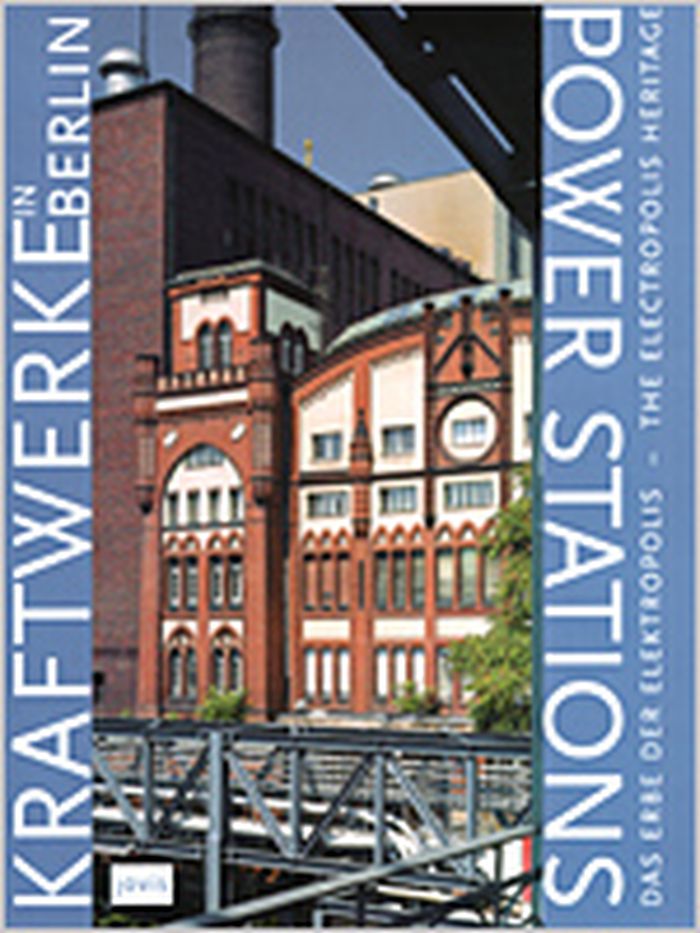
Power stations in Berlin : the electropolis heritage
Actions:
Prix:
$35.00
(disponible sur commande)
Résumé:
Berlin was once the biggest industrial area in Europe, home to large-scale enterprises like AEG and Siemens. Bewag, the Berlin electricity provider, laid the foundations for a modern power supply together with these companies. Power Stations in Berlin considers numerous local power stations as an integral part of the city's architectural heritage, from the period of industrialization at the beginning of the 20th century until now, giving a comprehensive overview of Berlin as an industrial city in the process. The question of how to reuse these unique plants, is raised; the right balance between preserving the facilities and finding a new economic use for them is crucial. The book includes essays by Klaus Bürgel, Hilmar Bärthel, Hans-Achim Grube, Christina Keseberg, Matthias Dunger, Herbert Strobel, Jörg Haspel, and Hubert Staroste
Power stations in Berlin : the electropolis heritage
Actions:
Prix:
$35.00
(disponible sur commande)
Résumé:
Berlin was once the biggest industrial area in Europe, home to large-scale enterprises like AEG and Siemens. Bewag, the Berlin electricity provider, laid the foundations for a modern power supply together with these companies. Power Stations in Berlin considers numerous local power stations as an integral part of the city's architectural heritage, from the period of industrialization at the beginning of the 20th century until now, giving a comprehensive overview of Berlin as an industrial city in the process. The question of how to reuse these unique plants, is raised; the right balance between preserving the facilities and finding a new economic use for them is crucial. The book includes essays by Klaus Bürgel, Hilmar Bärthel, Hans-Achim Grube, Christina Keseberg, Matthias Dunger, Herbert Strobel, Jörg Haspel, and Hubert Staroste
Classification:
livres
livres
Publication:
juillet 2004, Berlin
juillet 2004, Berlin
Sujet:
Structures d’ingénierie
Structures d’ingénierie
Classification:
livres
livres
Titre:
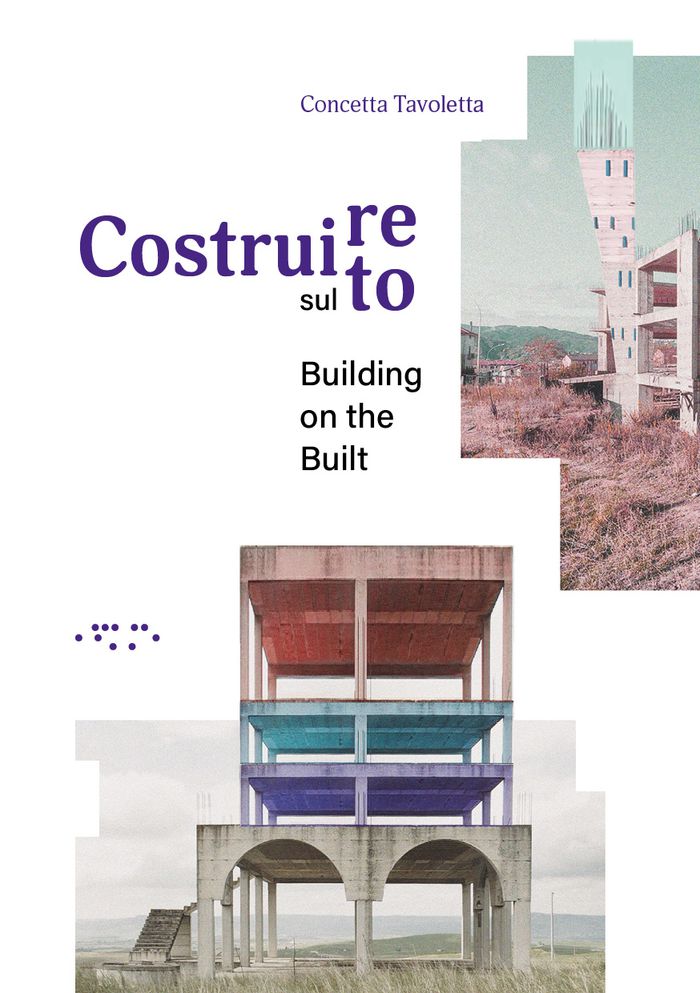
Building on the built
Building on the built
Actions:
Prix:
$33.00
(disponible en magasin)
Résumé:
This book is the result of research carried out at the Department of Architecture and Industrial Design of the University of Campania ‘Luigi Vanvitelli’ and thanks to funds from the PON Green and Innovation project. The aim of this work was the desire to investigate a new theory of reuse at a time when space is corrupted by traces of the recent past resulting from(...)
$33.00
(disponible en magasin)
Résumé:
This book is the result of research carried out at the Department of Architecture and Industrial Design of the University of Campania ‘Luigi Vanvitelli’ and thanks to funds from the PON Green and Innovation project. The aim of this work was the desire to investigate a new theory of reuse at a time when space is corrupted by traces of the recent past resulting from(...)
Titre:
Building on the built
Actions:
Prix:
$33.00
(disponible en magasin)
Résumé:
This book is the result of research carried out at the Department of Architecture and Industrial Design of the University of Campania ‘Luigi Vanvitelli’ and thanks to funds from the PON Green and Innovation project. The aim of this work was the desire to investigate a new theory of reuse at a time when space is corrupted by traces of the recent past resulting from speculation and ‘easy building’. The paradigm of architecture’s function is changing and the project must be in dialogue with the possibility of architecture having many more lives than what it was imagined for, perhaps returning to being what it has always been, an organism ready to be everything and composed of layers of time, just as the history of architecture has taught us by building on the built without fear.
Building on the built
Actions:
Prix:
$33.00
(disponible en magasin)
Résumé:
This book is the result of research carried out at the Department of Architecture and Industrial Design of the University of Campania ‘Luigi Vanvitelli’ and thanks to funds from the PON Green and Innovation project. The aim of this work was the desire to investigate a new theory of reuse at a time when space is corrupted by traces of the recent past resulting from speculation and ‘easy building’. The paradigm of architecture’s function is changing and the project must be in dialogue with the possibility of architecture having many more lives than what it was imagined for, perhaps returning to being what it has always been, an organism ready to be everything and composed of layers of time, just as the history of architecture has taught us by building on the built without fear.
Classification:
livres
livres
Publication:
juin 2023
juin 2023
Sujet:
Architecture contemporaine
Architecture contemporaine
Classification:
livres
livres
Actions:
Prix:
$90.00
(disponible sur commande)
Résumé:
Chicago photographer Brad Temkin (born 1956) brings attention to the visual and ecological beauty of the transformation of water, by showing the structures and processes that most people do not even think about. Most storm water runoff is considered waste, yet more than 700 cities reclaim and reuse wastewater and storm water with combined sewer systems, recycling it for(...)
$90.00
(disponible sur commande)
Résumé:
Chicago photographer Brad Temkin (born 1956) brings attention to the visual and ecological beauty of the transformation of water, by showing the structures and processes that most people do not even think about. Most storm water runoff is considered waste, yet more than 700 cities reclaim and reuse wastewater and storm water with combined sewer systems, recycling it for(...)
Titre:
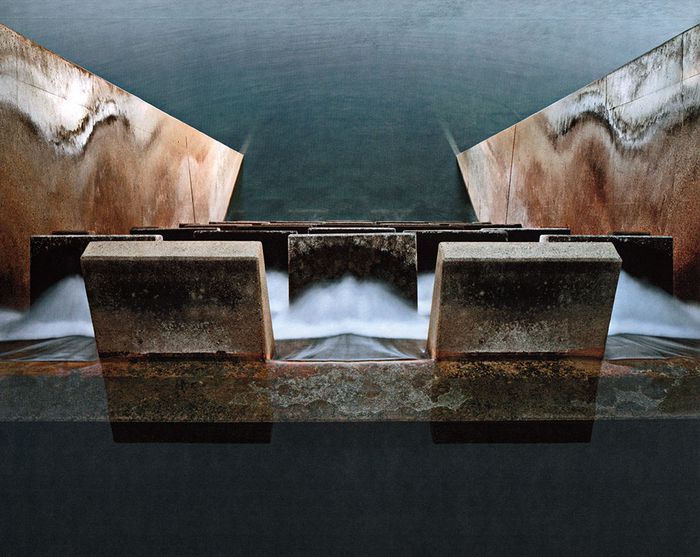
Brad Temkin: the state of water
Actions:
Prix:
$90.00
(disponible sur commande)
Résumé:
Chicago photographer Brad Temkin (born 1956) brings attention to the visual and ecological beauty of the transformation of water, by showing the structures and processes that most people do not even think about. Most storm water runoff is considered waste, yet more than 700 cities reclaim and reuse wastewater and storm water with combined sewer systems, recycling it for agricultural uses and even drinking water. As we mimic nature and separate the impurities like sludge, salt or chemicals, a transformation occurs. Temkin believes it matters less what each structure really is used for, or whether the water pictured is pure or waste. He is drawn to the strangeness of these forms and the distorted sense of scale. Moving beyond mere description, he embraces the abstract and surreal landscape of water transformation.
Brad Temkin: the state of water
Actions:
Prix:
$90.00
(disponible sur commande)
Résumé:
Chicago photographer Brad Temkin (born 1956) brings attention to the visual and ecological beauty of the transformation of water, by showing the structures and processes that most people do not even think about. Most storm water runoff is considered waste, yet more than 700 cities reclaim and reuse wastewater and storm water with combined sewer systems, recycling it for agricultural uses and even drinking water. As we mimic nature and separate the impurities like sludge, salt or chemicals, a transformation occurs. Temkin believes it matters less what each structure really is used for, or whether the water pictured is pure or waste. He is drawn to the strangeness of these forms and the distorted sense of scale. Moving beyond mere description, he embraces the abstract and surreal landscape of water transformation.
Classification:
livres
livres
Publication:
mai 2019
mai 2019
Sujet:
Monographies photo
Monographies photo
Classification:
périodiques
périodiques
Actions:
Prix:
$24.95
(disponible sur commande)
Résumé:
This issue of the Cornell Journal of Architecture is about the now, the new, and the next in architecture, while simultaneously acknowledging that every possible future is intrinsically linked to the existent, to the present and its attendant past. At the heart of issue 8: RE is the understanding that the creative act itself is reiterative; that in rethinking,(...)
$24.95
(disponible sur commande)
Résumé:
This issue of the Cornell Journal of Architecture is about the now, the new, and the next in architecture, while simultaneously acknowledging that every possible future is intrinsically linked to the existent, to the present and its attendant past. At the heart of issue 8: RE is the understanding that the creative act itself is reiterative; that in rethinking,(...)
Titre:
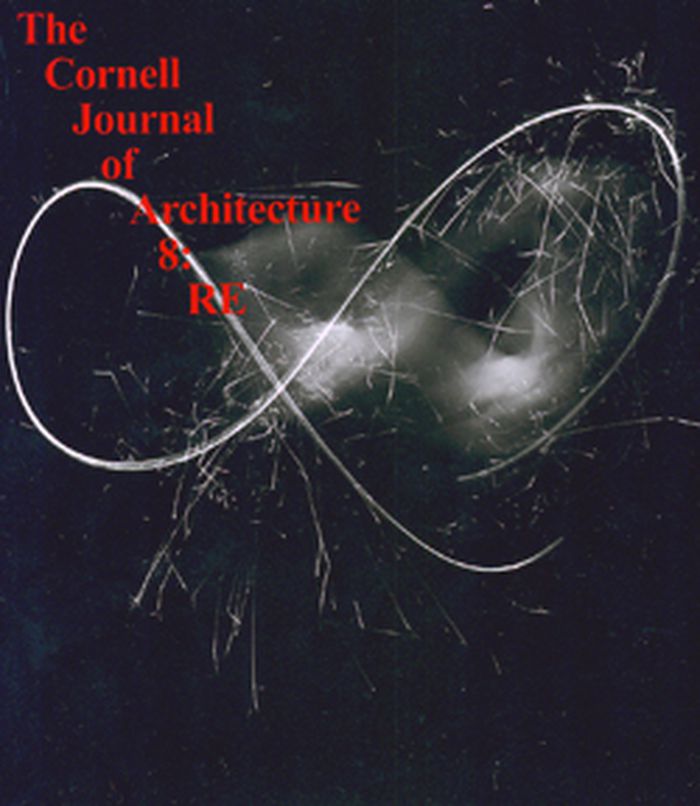
The Cornell journal of architecture 8: RE
Actions:
Prix:
$24.95
(disponible sur commande)
Résumé:
This issue of the Cornell Journal of Architecture is about the now, the new, and the next in architecture, while simultaneously acknowledging that every possible future is intrinsically linked to the existent, to the present and its attendant past. At the heart of issue 8: RE is the understanding that the creative act itself is reiterative; that in rethinking, recombining, reshuffling, recycling, and reimagining aspects of the world around us, we produce work that both belongs to the current moment and establishes new future trajectories. The texts reflect the interconnected strands of technology, history, theory, and intuition that necessarily reinforce each other in architectural education and practice today: issues of reuse and recycling; of feedback loops and regression; of dialogue, criticism, and correspondence; and of the role that changing technologies have in restructuring the way we think, see, and remember.
The Cornell journal of architecture 8: RE
Actions:
Prix:
$24.95
(disponible sur commande)
Résumé:
This issue of the Cornell Journal of Architecture is about the now, the new, and the next in architecture, while simultaneously acknowledging that every possible future is intrinsically linked to the existent, to the present and its attendant past. At the heart of issue 8: RE is the understanding that the creative act itself is reiterative; that in rethinking, recombining, reshuffling, recycling, and reimagining aspects of the world around us, we produce work that both belongs to the current moment and establishes new future trajectories. The texts reflect the interconnected strands of technology, history, theory, and intuition that necessarily reinforce each other in architectural education and practice today: issues of reuse and recycling; of feedback loops and regression; of dialogue, criticism, and correspondence; and of the role that changing technologies have in restructuring the way we think, see, and remember.
Classification:
périodiques
périodiques
Publication:
mars 2011
mars 2011
Sujet:
Revues
Revues
Classification:
livres
livres
Actions:
Prix:
$59.95
(disponible sur commande)
Résumé:
12 Ballads for Huguenot House chronicles an ambitious project by American installation artist Theaster Gates (born 1973), in which he attempts to unite two disused buildings — one in Chicago and the other in Kassel, Germany — by dismantling parts of each to reuse in the rebuilding of the other. Huguenot House, in Kassel, was built in the early nineteenth century by(...)
$59.95
(disponible sur commande)
Résumé:
12 Ballads for Huguenot House chronicles an ambitious project by American installation artist Theaster Gates (born 1973), in which he attempts to unite two disused buildings — one in Chicago and the other in Kassel, Germany — by dismantling parts of each to reuse in the rebuilding of the other. Huguenot House, in Kassel, was built in the early nineteenth century by(...)
Publication:
octobre 2012
octobre 2012
Titre:
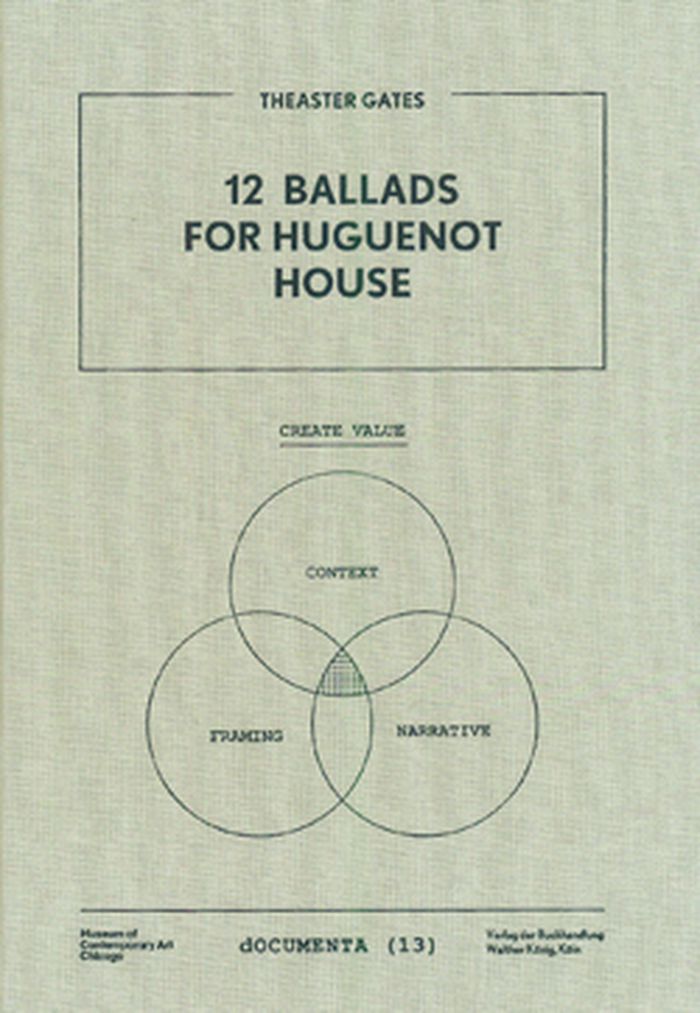
Theaster Gates, 12 ballads for Huguenot House
Actions:
Prix:
$59.95
(disponible sur commande)
Résumé:
12 Ballads for Huguenot House chronicles an ambitious project by American installation artist Theaster Gates (born 1973), in which he attempts to unite two disused buildings — one in Chicago and the other in Kassel, Germany — by dismantling parts of each to reuse in the rebuilding of the other. Huguenot House, in Kassel, was built in the early nineteenth century by migrant workers, as were so many of the houses in Gates’ own neighborhood in Chicago, and today is in a state of disrepair. Gates therefore proposed a unique architectural exchange, transporting materials from a large, dilapidated building in Chicago to renovate Huguenot House, while also reusing materials from Huguenot House to reconstruct the Chicago building. In this volume, Gates documents his plans for the exchange in 12 thematic “ballads” that elucidate the project’s rich historical and architectural resonances.
Theaster Gates, 12 ballads for Huguenot House
Actions:
Prix:
$59.95
(disponible sur commande)
Résumé:
12 Ballads for Huguenot House chronicles an ambitious project by American installation artist Theaster Gates (born 1973), in which he attempts to unite two disused buildings — one in Chicago and the other in Kassel, Germany — by dismantling parts of each to reuse in the rebuilding of the other. Huguenot House, in Kassel, was built in the early nineteenth century by migrant workers, as were so many of the houses in Gates’ own neighborhood in Chicago, and today is in a state of disrepair. Gates therefore proposed a unique architectural exchange, transporting materials from a large, dilapidated building in Chicago to renovate Huguenot House, while also reusing materials from Huguenot House to reconstruct the Chicago building. In this volume, Gates documents his plans for the exchange in 12 thematic “ballads” that elucidate the project’s rich historical and architectural resonances.
Classification:
livres
livres
Publication:
octobre 2012
octobre 2012
Classification:
livres
livres
Actions:
Prix:
$52.00
(disponible en magasin)
Résumé:
As the first independent environments children encounter beyond the home, nurseries, daycare centres, and kindergartens should not appear merely as colourful fantasy worlds. Well-conceived early-learning centres and schools create a microcosm modelled on everyday life – child-friendly yes, but by no means childish. Such places offer security while inviting discovery,(...)
$52.00
(disponible en magasin)
Résumé:
As the first independent environments children encounter beyond the home, nurseries, daycare centres, and kindergartens should not appear merely as colourful fantasy worlds. Well-conceived early-learning centres and schools create a microcosm modelled on everyday life – child-friendly yes, but by no means childish. Such places offer security while inviting discovery,(...)
Titre:
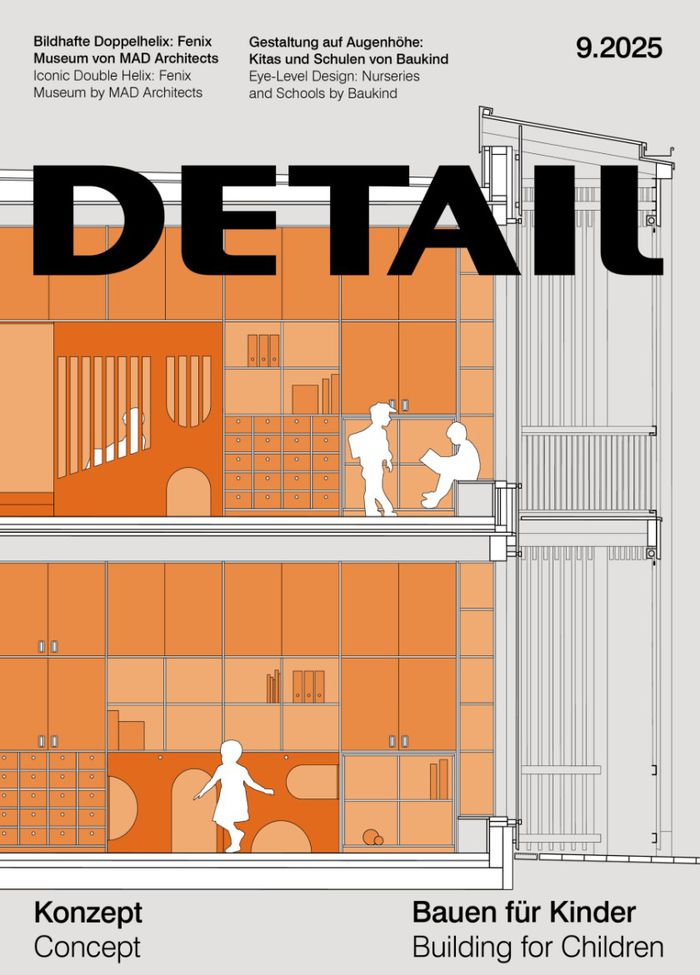
Detail 9 2025: building for children
Actions:
Prix:
$52.00
(disponible en magasin)
Résumé:
As the first independent environments children encounter beyond the home, nurseries, daycare centres, and kindergartens should not appear merely as colourful fantasy worlds. Well-conceived early-learning centres and schools create a microcosm modelled on everyday life – child-friendly yes, but by no means childish. Such places offer security while inviting discovery, appropriation, and adaptation. In this issue we profile child-focused environments realised both as new builds and through adaptive reuse. A kindergarten on a disused industrial site near Copenhagen follows circular construction principles, using mostly materials salvaged from the dilapidated primary school that once stood there. Newly built daycare centres in the German state of Hessen and in Slovenia draw on local building traditions and the surrounding natural landscape. Meanwhile, a former East German telephone exchange was transformed into a playscape that anchors a childcare facility on a university campus in Merseburg.
Detail 9 2025: building for children
Actions:
Prix:
$52.00
(disponible en magasin)
Résumé:
As the first independent environments children encounter beyond the home, nurseries, daycare centres, and kindergartens should not appear merely as colourful fantasy worlds. Well-conceived early-learning centres and schools create a microcosm modelled on everyday life – child-friendly yes, but by no means childish. Such places offer security while inviting discovery, appropriation, and adaptation. In this issue we profile child-focused environments realised both as new builds and through adaptive reuse. A kindergarten on a disused industrial site near Copenhagen follows circular construction principles, using mostly materials salvaged from the dilapidated primary school that once stood there. Newly built daycare centres in the German state of Hessen and in Slovenia draw on local building traditions and the surrounding natural landscape. Meanwhile, a former East German telephone exchange was transformed into a playscape that anchors a childcare facility on a university campus in Merseburg.
Classification:
livres
livres
Publication:
septembre 2025
septembre 2025
Sujet:
Revues
Revues
Classification:
livres
livres
Actions:
Prix:
$60.00
(disponible sur commande)
Résumé:
Bricks can be cleaned, timber hardens with age, and metal develops a pleasing patina without deteriorating, making them all perfect for reuse. Considering the many options for reusing building materials, this book offers a viable alternative to using those manufactured from virgin resources. This inspiring book is an antidote to the unsustainable use of materials,(...)
$60.00
(disponible sur commande)
Résumé:
Bricks can be cleaned, timber hardens with age, and metal develops a pleasing patina without deteriorating, making them all perfect for reuse. Considering the many options for reusing building materials, this book offers a viable alternative to using those manufactured from virgin resources. This inspiring book is an antidote to the unsustainable use of materials,(...)
Titre:
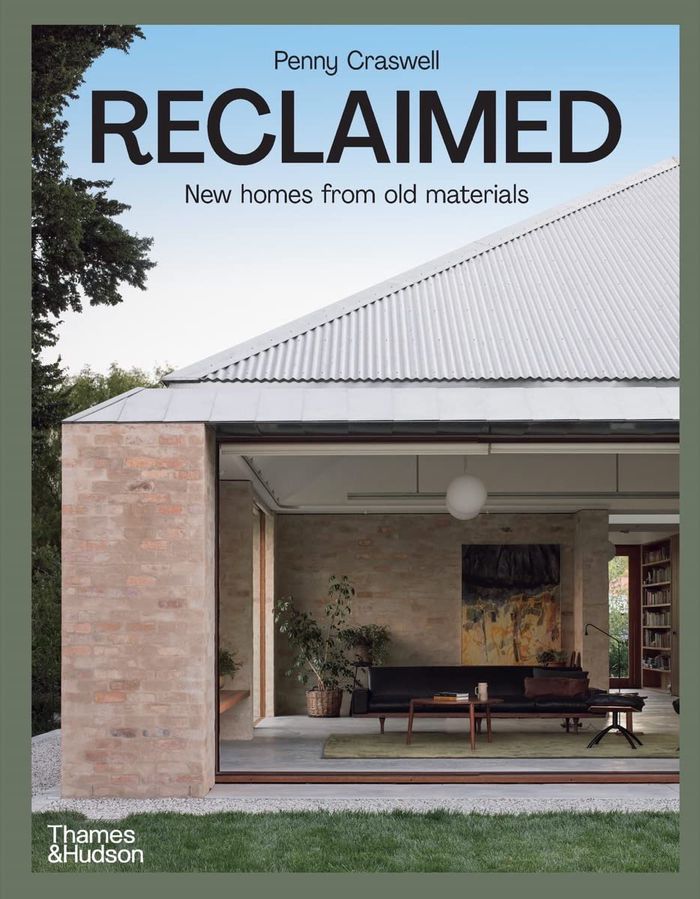
Reclaimed: new homes from old materials
Actions:
Prix:
$60.00
(disponible sur commande)
Résumé:
Bricks can be cleaned, timber hardens with age, and metal develops a pleasing patina without deteriorating, making them all perfect for reuse. Considering the many options for reusing building materials, this book offers a viable alternative to using those manufactured from virgin resources. This inspiring book is an antidote to the unsustainable use of materials, focusing on contemporary homes made with reused components or materials that might once have been considered waste. Divided into four key categoriesbrick— timber, metal, and a range of recycled materials— every home showcases design ingenuity and award-winning architecture. Featuring twenty-four unique houses and apartments, from a barn-inspired house made entirely with reclaimed bricks to a semidetached Edwardian with recycled benchtops and cabinets made from plastic chopping boards and bottle tops, every project shows what can be achieved with creativity and flair. Reclaimed showcases clever design while celebrating the myriad possibilities of closely aligning building with ethics and sustainability.
Reclaimed: new homes from old materials
Actions:
Prix:
$60.00
(disponible sur commande)
Résumé:
Bricks can be cleaned, timber hardens with age, and metal develops a pleasing patina without deteriorating, making them all perfect for reuse. Considering the many options for reusing building materials, this book offers a viable alternative to using those manufactured from virgin resources. This inspiring book is an antidote to the unsustainable use of materials, focusing on contemporary homes made with reused components or materials that might once have been considered waste. Divided into four key categoriesbrick— timber, metal, and a range of recycled materials— every home showcases design ingenuity and award-winning architecture. Featuring twenty-four unique houses and apartments, from a barn-inspired house made entirely with reclaimed bricks to a semidetached Edwardian with recycled benchtops and cabinets made from plastic chopping boards and bottle tops, every project shows what can be achieved with creativity and flair. Reclaimed showcases clever design while celebrating the myriad possibilities of closely aligning building with ethics and sustainability.
Classification:
livres
livres
Publication:
janvier 2023
janvier 2023
Sujet:
Architecture résidentielle
Architecture résidentielle
Classification:
livres
livres
Actions:
Prix:
$17.95
(disponible sur commande)
Résumé:
This book is based on a conference sponsored by the National Endowment for the Arts with the Woodrow Wilson Center concerning strategies for the reuse of dead malls in America's first-ring suburbs. Originally celebrated as community centers, the substantial commercial success of the early suburban shopping center was fleeting, as subsequent generations of ever-larger(...)
$17.95
(disponible sur commande)
Résumé:
This book is based on a conference sponsored by the National Endowment for the Arts with the Woodrow Wilson Center concerning strategies for the reuse of dead malls in America's first-ring suburbs. Originally celebrated as community centers, the substantial commercial success of the early suburban shopping center was fleeting, as subsequent generations of ever-larger(...)
Sujet:
petits formats
petits formats
Publication:
septembre 2002, Washington, D.C.
septembre 2002, Washington, D.C.
Titre:
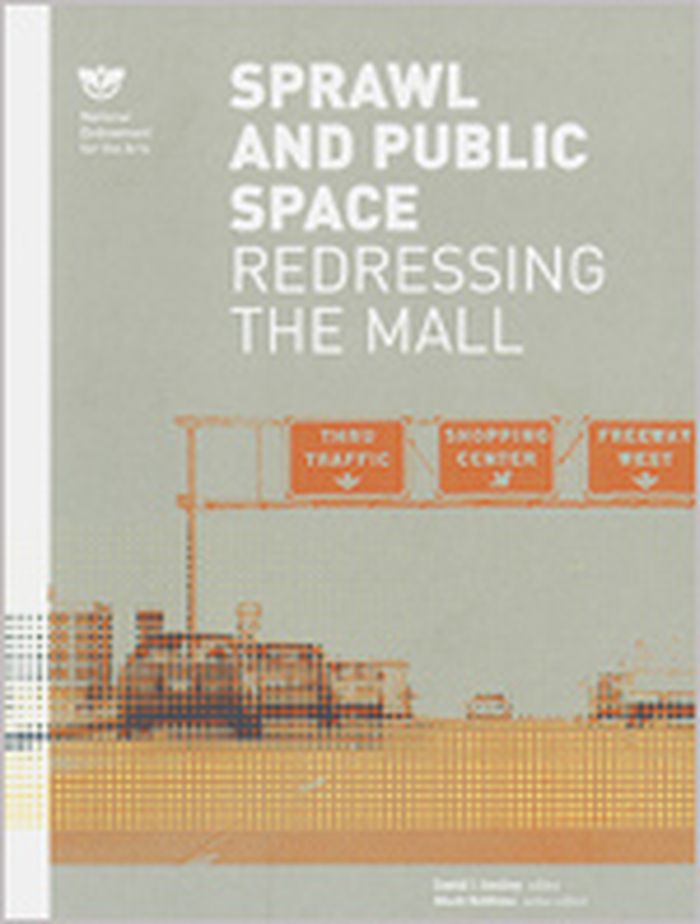
Sprawl and public space : redressing the mall
Actions:
Prix:
$17.95
(disponible sur commande)
Résumé:
This book is based on a conference sponsored by the National Endowment for the Arts with the Woodrow Wilson Center concerning strategies for the reuse of dead malls in America's first-ring suburbs. Originally celebrated as community centers, the substantial commercial success of the early suburban shopping center was fleeting, as subsequent generations of ever-larger malls have left behind a landscape of struggling and boarded- up shells. This pervasive condition is presented in the context of the history of public space and the shopping mall. The book includes essays by Robert Fishman, Benjamin Barber and Margaret Crawford and innovative projects for the strip and mixed-use developments by such architects as RoTo, Lewis, Tsurumaki, Lewis, ShoP and Gary Handel + Associates. A roundtable with developers and bankers on obstacles to the redevelopment of failed shopping centers is also included. The review of case studies and projective work is intended to foster a more serious examination of new models for making and using public space.
Sprawl and public space : redressing the mall
Actions:
Prix:
$17.95
(disponible sur commande)
Résumé:
This book is based on a conference sponsored by the National Endowment for the Arts with the Woodrow Wilson Center concerning strategies for the reuse of dead malls in America's first-ring suburbs. Originally celebrated as community centers, the substantial commercial success of the early suburban shopping center was fleeting, as subsequent generations of ever-larger malls have left behind a landscape of struggling and boarded- up shells. This pervasive condition is presented in the context of the history of public space and the shopping mall. The book includes essays by Robert Fishman, Benjamin Barber and Margaret Crawford and innovative projects for the strip and mixed-use developments by such architects as RoTo, Lewis, Tsurumaki, Lewis, ShoP and Gary Handel + Associates. A roundtable with developers and bankers on obstacles to the redevelopment of failed shopping centers is also included. The review of case studies and projective work is intended to foster a more serious examination of new models for making and using public space.
Classification:
livres
livres
Publication:
septembre 2002, Washington, D.C.
septembre 2002, Washington, D.C.
Sujet:
petits formats
petits formats
Classification:
livres
livres
Titre:
AD 94:05 Constructing change
AD 94:05 Constructing change
Actions:
Prix:
$54.00
(disponible sur commande)
Résumé:
Every year, nearly 100 billion tonnes of raw material globally is extracted from the earth – approximately half of it for construction purposes. The construction industry is responsible for an estimated third of global waste, while reuse of construction materials is not increasing fast enough. The same sector accounts for at least 40 per cent of global carbon-dioxide(...)
$54.00
(disponible sur commande)
Résumé:
Every year, nearly 100 billion tonnes of raw material globally is extracted from the earth – approximately half of it for construction purposes. The construction industry is responsible for an estimated third of global waste, while reuse of construction materials is not increasing fast enough. The same sector accounts for at least 40 per cent of global carbon-dioxide(...)
Titre:
AD 94:05 Constructing change
Actions:
Prix:
$54.00
(disponible sur commande)
Résumé:
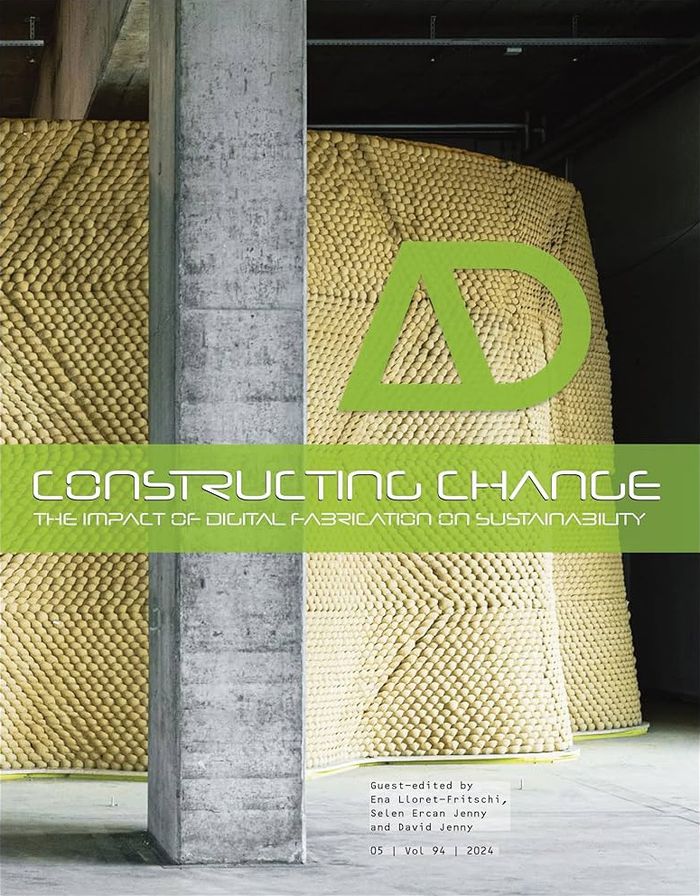
Every year, nearly 100 billion tonnes of raw material globally is extracted from the earth – approximately half of it for construction purposes. The construction industry is responsible for an estimated third of global waste, while reuse of construction materials is not increasing fast enough. The same sector accounts for at least 40 per cent of global carbon-dioxide emissions. There is thus an urgent need to showcase how novel approaches in digital fabrication might be able to enhance thesustainability of buildings and transform construction. Featuring specialists from architecture, engineering and materials science, this AD presents innovative research and new construction systems, approaches and trends to demonstrate how existing methods and unique concepts that utilise cutting-edge technologies can, in a short space of time, help us advance towards a culture of sustainable construction. It focuses on digital design and manufacturing, including XR technologies, and highlights unique ways to build with earth or concrete.
AD 94:05 Constructing change
Actions:
Prix:
$54.00
(disponible sur commande)
Résumé:
Every year, nearly 100 billion tonnes of raw material globally is extracted from the earth – approximately half of it for construction purposes. The construction industry is responsible for an estimated third of global waste, while reuse of construction materials is not increasing fast enough. The same sector accounts for at least 40 per cent of global carbon-dioxide emissions. There is thus an urgent need to showcase how novel approaches in digital fabrication might be able to enhance thesustainability of buildings and transform construction. Featuring specialists from architecture, engineering and materials science, this AD presents innovative research and new construction systems, approaches and trends to demonstrate how existing methods and unique concepts that utilise cutting-edge technologies can, in a short space of time, help us advance towards a culture of sustainable construction. It focuses on digital design and manufacturing, including XR technologies, and highlights unique ways to build with earth or concrete.
Classification:
livres
livres
Publication:
septembre 2024
septembre 2024
Sujet:
Revues
Revues


