


4476 Résultats
Classification:
livres
livres

Actions:
Prix:
$26.00
(disponible sur commande)
Résumé:
Modernism in architecture and urban design has failed the American city. This is the decisive conclusion that renowned public intellectual Nathan Glazer has drawn from two decades of writing and thinking about what this architectural movement will bequeath to future generations. In From a Cause to a Style, he proclaims his disappointment with modernism and its impact on(...)
$26.00
(disponible sur commande)
Résumé:
Modernism in architecture and urban design has failed the American city. This is the decisive conclusion that renowned public intellectual Nathan Glazer has drawn from two decades of writing and thinking about what this architectural movement will bequeath to future generations. In From a Cause to a Style, he proclaims his disappointment with modernism and its impact on(...)
Titre:
From a cause to a style : modernist architecture's encounter with the american city
Actions:
Prix:
$26.00
(disponible sur commande)
Résumé:
Modernism in architecture and urban design has failed the American city. This is the decisive conclusion that renowned public intellectual Nathan Glazer has drawn from two decades of writing and thinking about what this architectural movement will bequeath to future generations. In From a Cause to a Style, he proclaims his disappointment with modernism and its impact on the American city. Writing in the tradition of legendary American architectural critics Lewis Mumford and Jane Jacobs, Glazer contends that modernism, this new urban form that signaled not just a radical revolution in style but a social ambition to enhance the conditions under which ordinary people lived, has fallen short on all counts. The articles and essays collected here--some never published before, all updated--reflect his ideas on subjects ranging from the livable city and public housing to building design, public memorials, and the uses of public space. Glazer, an undisputed giant among public intellectuals, is perhaps best known for his writings on ethnicity and social policy, where the unflinching honesty and independence of thought that he brought to bear on tough social questions has earned him respect from both the Left and the Right. Here, he challenges us to face some difficult truths about the public places that, for better or worse, define who we are as a society. From a Cause to a Style is an exhilarating and thought-provoking book that raises important questions about modernist architecture and the larger social aims it was supposed to have addressed-and those it has abandoned.
From a cause to a style : modernist architecture's encounter with the american city
Actions:
Prix:
$26.00
(disponible sur commande)
Résumé:
Modernism in architecture and urban design has failed the American city. This is the decisive conclusion that renowned public intellectual Nathan Glazer has drawn from two decades of writing and thinking about what this architectural movement will bequeath to future generations. In From a Cause to a Style, he proclaims his disappointment with modernism and its impact on the American city. Writing in the tradition of legendary American architectural critics Lewis Mumford and Jane Jacobs, Glazer contends that modernism, this new urban form that signaled not just a radical revolution in style but a social ambition to enhance the conditions under which ordinary people lived, has fallen short on all counts. The articles and essays collected here--some never published before, all updated--reflect his ideas on subjects ranging from the livable city and public housing to building design, public memorials, and the uses of public space. Glazer, an undisputed giant among public intellectuals, is perhaps best known for his writings on ethnicity and social policy, where the unflinching honesty and independence of thought that he brought to bear on tough social questions has earned him respect from both the Left and the Right. Here, he challenges us to face some difficult truths about the public places that, for better or worse, define who we are as a society. From a Cause to a Style is an exhilarating and thought-provoking book that raises important questions about modernist architecture and the larger social aims it was supposed to have addressed-and those it has abandoned.
Classification:
livres
livres
Publication:
avril 2007, Princeton / Woodstock
avril 2007, Princeton / Woodstock
Sujet:
Théorie de l’urbanisme
Théorie de l’urbanisme
Classification:
livres
livres
Actions:
Prix:
$34.99
(disponible sur commande)
Résumé:
Author Alain de Botton considers how our private homes and public edifices influence how we feel, and how we could build dwellings in which we would stand a better chance of happiness. In this look at how we shape, and are shaped by, our surroundings, Alain de Botton applies Stendhal’s motto that “Beauty is the promise of happiness” to the spaces we inhabit daily. Why(...)
$34.99
(disponible sur commande)
Résumé:
Author Alain de Botton considers how our private homes and public edifices influence how we feel, and how we could build dwellings in which we would stand a better chance of happiness. In this look at how we shape, and are shaped by, our surroundings, Alain de Botton applies Stendhal’s motto that “Beauty is the promise of happiness” to the spaces we inhabit daily. Why(...)
Titre:
The architecture of happiness
Actions:
Prix:
$34.99
(disponible sur commande)
Résumé:
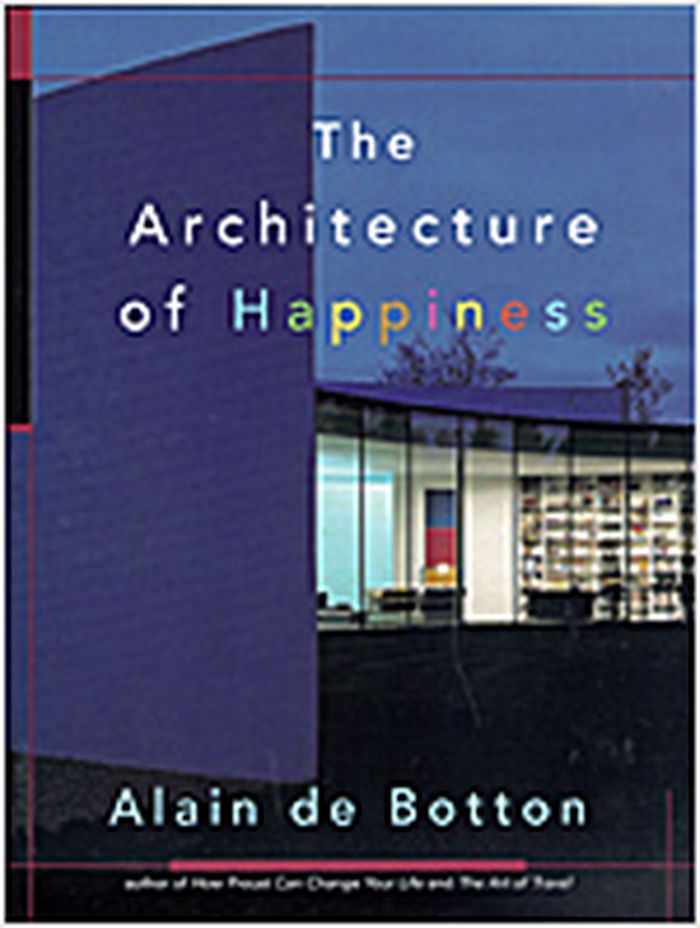
Author Alain de Botton considers how our private homes and public edifices influence how we feel, and how we could build dwellings in which we would stand a better chance of happiness. In this look at how we shape, and are shaped by, our surroundings, Alain de Botton applies Stendhal’s motto that “Beauty is the promise of happiness” to the spaces we inhabit daily. Why should we pay attention to what architecture has to say to us? de Botton asks. de Botton traces how human needs and desires have been served by styles of architecture, from stately Classical to minimalist Modern, arguing that the stylistic choices of a society can represent both its cherished ideals and the qualities it desperately lacks. On an individual level, de Botton has deep sympathy for our need to see our selves reflected in our surroundings; he demonstrates how buildings — just like friends — can serve as guardians of our identity. Worrying about the shape of our sofa or the colour of our walls might seem self-indulgent, but de Botton considers the hopes and fears we have for our homes at a new level of depth and insight. When shopping for furniture or remodelling the kitchen, we don’t just consider functionality but also the major questions of aesthetics and the philosophy of art: What is beauty? Can beautiful surroundings make us good? Can beauty bring happiness? The buildings we find beautiful, de Botton concludes, are those that represent our ideas of a meaningful life.
The architecture of happiness
Actions:
Prix:
$34.99
(disponible sur commande)
Résumé:
Author Alain de Botton considers how our private homes and public edifices influence how we feel, and how we could build dwellings in which we would stand a better chance of happiness. In this look at how we shape, and are shaped by, our surroundings, Alain de Botton applies Stendhal’s motto that “Beauty is the promise of happiness” to the spaces we inhabit daily. Why should we pay attention to what architecture has to say to us? de Botton asks. de Botton traces how human needs and desires have been served by styles of architecture, from stately Classical to minimalist Modern, arguing that the stylistic choices of a society can represent both its cherished ideals and the qualities it desperately lacks. On an individual level, de Botton has deep sympathy for our need to see our selves reflected in our surroundings; he demonstrates how buildings — just like friends — can serve as guardians of our identity. Worrying about the shape of our sofa or the colour of our walls might seem self-indulgent, but de Botton considers the hopes and fears we have for our homes at a new level of depth and insight. When shopping for furniture or remodelling the kitchen, we don’t just consider functionality but also the major questions of aesthetics and the philosophy of art: What is beauty? Can beautiful surroundings make us good? Can beauty bring happiness? The buildings we find beautiful, de Botton concludes, are those that represent our ideas of a meaningful life.
Classification:
livres
livres
Publication:
septembre 2006, Toronto
septembre 2006, Toronto
Sujet:
Théorie de l’architecture
Théorie de l’architecture
Classification:
livres
livres
Actions:
Prix:
$72.95
(disponible sur commande)
Résumé:
W.J.H.B. Sandberg (1897-1984) was a highly individual graphic designer as well as director of the Stedelijk Museum in Amsterdam, which after the Second World War he elevated to a leader among museums of modern art. This book gives a kaleidoscopic picture of Sandberg as the designer of almost all the Stedelijk's posters, catalogues and other printed matter and also shows(...)
$72.95
(disponible sur commande)
Résumé:
W.J.H.B. Sandberg (1897-1984) was a highly individual graphic designer as well as director of the Stedelijk Museum in Amsterdam, which after the Second World War he elevated to a leader among museums of modern art. This book gives a kaleidoscopic picture of Sandberg as the designer of almost all the Stedelijk's posters, catalogues and other printed matter and also shows(...)
Titre:
Sandberg : designer + director of the Stedelijk
Actions:
Prix:
$72.95
(disponible sur commande)
Résumé:
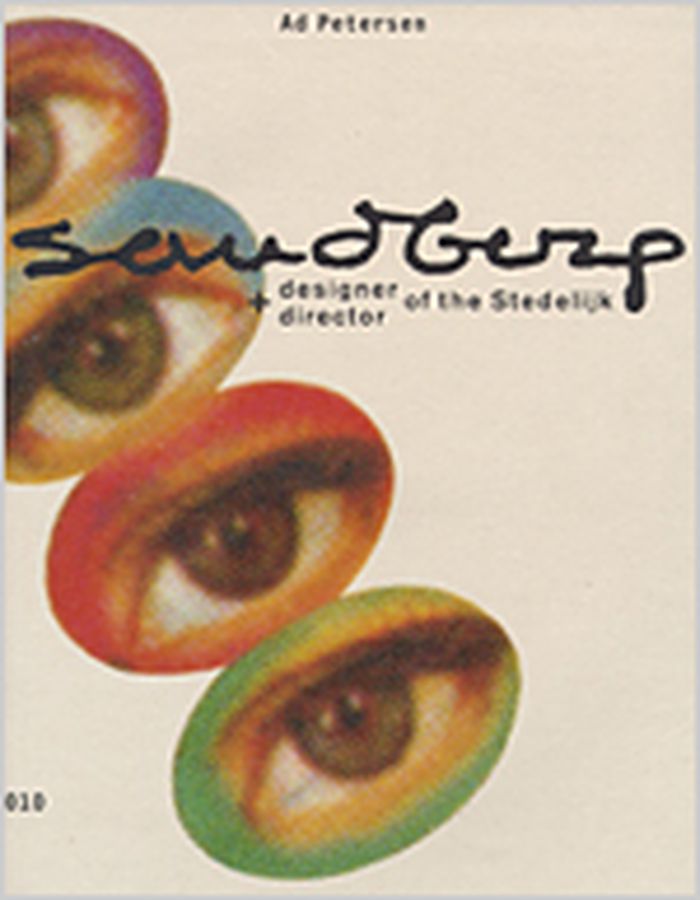
W.J.H.B. Sandberg (1897-1984) was a highly individual graphic designer as well as director of the Stedelijk Museum in Amsterdam, which after the Second World War he elevated to a leader among museums of modern art. This book gives a kaleidoscopic picture of Sandberg as the designer of almost all the Stedelijk's posters, catalogues and other printed matter and also shows the decisive influence he had on the modernizing of the museum building. The war years 1940-45 brought a turning-point in Sandberg's life. During the German occupation he took an active part in the artists' resistance movement, where he became convinced of the stimulating and provocative role artists could play in society. After the war, with few means at his disposal but with a great sense of purpose, he set about transforming the Stedelijk into a meeting ground where the public could become acquainted with a wealth of contemporary art and design in an informal setting. He gave the old-fashioned building a bright, airy interior and added a transparent new wing. He also provided a generally accessible library at the core of the museum together with a restaurant and terrace. The atmosphere pervading Sandberg's Stedelijk could be attributed to his zestful personality, his talents as a designer and his tireless efforts on behalf of artists and art, driven by a firm social commitment. The author and compiler of this book (born in 1931) spent many years working at the Stedelijk Museum and was a friend of Sandberg.
Sandberg : designer + director of the Stedelijk
Actions:
Prix:
$72.95
(disponible sur commande)
Résumé:
W.J.H.B. Sandberg (1897-1984) was a highly individual graphic designer as well as director of the Stedelijk Museum in Amsterdam, which after the Second World War he elevated to a leader among museums of modern art. This book gives a kaleidoscopic picture of Sandberg as the designer of almost all the Stedelijk's posters, catalogues and other printed matter and also shows the decisive influence he had on the modernizing of the museum building. The war years 1940-45 brought a turning-point in Sandberg's life. During the German occupation he took an active part in the artists' resistance movement, where he became convinced of the stimulating and provocative role artists could play in society. After the war, with few means at his disposal but with a great sense of purpose, he set about transforming the Stedelijk into a meeting ground where the public could become acquainted with a wealth of contemporary art and design in an informal setting. He gave the old-fashioned building a bright, airy interior and added a transparent new wing. He also provided a generally accessible library at the core of the museum together with a restaurant and terrace. The atmosphere pervading Sandberg's Stedelijk could be attributed to his zestful personality, his talents as a designer and his tireless efforts on behalf of artists and art, driven by a firm social commitment. The author and compiler of this book (born in 1931) spent many years working at the Stedelijk Museum and was a friend of Sandberg.
Classification:
livres
livres
Publication:
octobre 2004, Rotterdam
octobre 2004, Rotterdam
Classification:
livres
livres
Titre:
Massive change
Massive change
Actions:
Prix:
$39.95
(disponible sur commande)
Résumé:
"Massive Change" is a modern illustrated primer on the new inventions, technologies, and events that are affecting the human race worldwide. The book is a part of a broader research project by Bruce Mau Design intended to provoke debate and discussion about the future of design culture, broadly defined as the “familiar objects and techniques that are transforming our(...)
$39.95
(disponible sur commande)
Résumé:
"Massive Change" is a modern illustrated primer on the new inventions, technologies, and events that are affecting the human race worldwide. The book is a part of a broader research project by Bruce Mau Design intended to provoke debate and discussion about the future of design culture, broadly defined as the “familiar objects and techniques that are transforming our(...)
Publication:
novembre 2004, New York
novembre 2004, New York
Titre:
Massive change
Actions:
Prix:
$39.95
(disponible sur commande)
Résumé:
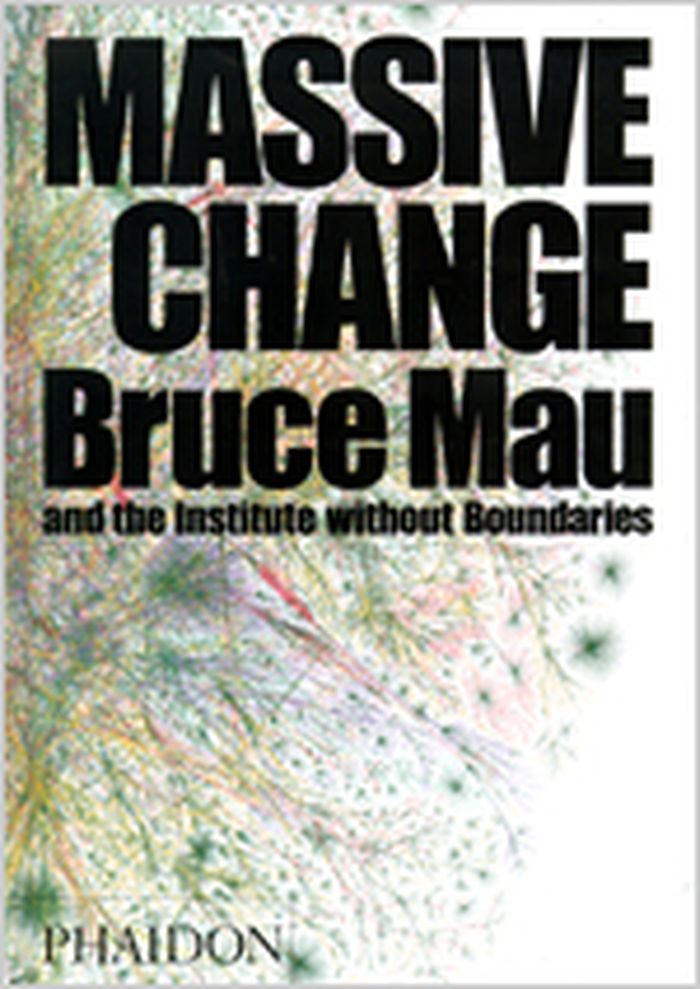
"Massive Change" is a modern illustrated primer on the new inventions, technologies, and events that are affecting the human race worldwide. The book is a part of a broader research project by Bruce Mau Design intended to provoke debate and discussion about the future of design culture, broadly defined as the “familiar objects and techniques that are transforming our lives.” In essays, interviews, and provocative imagery aimed at a broad audience, "Massive Change" explores the changing force of design in the contemporary world, and in doing so expands the definition of design to include the built environment, transportation technologies, revolutionary materials, energy and information systems, and living organisms. The book is divided into 11 heavily illustrated sections covering major areas of change in contemporary society — such as urbanism and architecture, the military, health and living, and wealth and politics. Each section intersperses intriguing documentary images with a general introductory essay, extended captions, and interviews with leading thinkers, including engineers, designers, philosophers, scientists, architects, artists, and writers. Concluding the book is a graphic timeline of significant inventions and world events from 10,000 B.C. to the present. "Massive Change" is a well designed, intelligent, visually provocative exploration of the myriad subjects percolating through popular culture: those we read about in magazines and on Web sites but rarely understand in any meaningful way. It poses the question: “Now that the human race can do almost anything, what will we do next?” Accompanies the internationally touring exhibition produced by Bruce Mau and his Institute without Borders.
Massive change
Actions:
Prix:
$39.95
(disponible sur commande)
Résumé:
"Massive Change" is a modern illustrated primer on the new inventions, technologies, and events that are affecting the human race worldwide. The book is a part of a broader research project by Bruce Mau Design intended to provoke debate and discussion about the future of design culture, broadly defined as the “familiar objects and techniques that are transforming our lives.” In essays, interviews, and provocative imagery aimed at a broad audience, "Massive Change" explores the changing force of design in the contemporary world, and in doing so expands the definition of design to include the built environment, transportation technologies, revolutionary materials, energy and information systems, and living organisms. The book is divided into 11 heavily illustrated sections covering major areas of change in contemporary society — such as urbanism and architecture, the military, health and living, and wealth and politics. Each section intersperses intriguing documentary images with a general introductory essay, extended captions, and interviews with leading thinkers, including engineers, designers, philosophers, scientists, architects, artists, and writers. Concluding the book is a graphic timeline of significant inventions and world events from 10,000 B.C. to the present. "Massive Change" is a well designed, intelligent, visually provocative exploration of the myriad subjects percolating through popular culture: those we read about in magazines and on Web sites but rarely understand in any meaningful way. It poses the question: “Now that the human race can do almost anything, what will we do next?” Accompanies the internationally touring exhibition produced by Bruce Mau and his Institute without Borders.
Classification:
livres
livres
Publication:
novembre 2004, New York
novembre 2004, New York
Classification:
livres
livres
Prix:
$74.95
(disponible sur commande)
Résumé:
This lavishly illustrated book looks at the art and architecture of episcopal palaces as expressions of power and ideology. Tracing the history of the bishop's residence in the urban centers of northern Italy over the Middle Ages, Maureen C. Miller asks why this once(...)
$74.95
(disponible sur commande)
Résumé:
This lavishly illustrated book looks at the art and architecture of episcopal palaces as expressions of power and ideology. Tracing the history of the bishop's residence in the urban centers of northern Italy over the Middle Ages, Maureen C. Miller asks why this once(...)
Titre:
The bishop's palace : architecture and authority in medieval Italy
Actions:
Prix:
$74.95
(disponible sur commande)
Résumé:
This lavishly illustrated book looks at the art and architecture of episcopal palaces as expressions of power and ideology. Tracing the history of the bishop's residence in the urban centers of northern Italy over the Middle Ages, Maureen C. Miller asks why this once rudimentary and highly fortified structure called a domus became a complex and elegant "palace" (palatium) by the late twelfth century. Miller argues that the change reflects both the emergence of a distinct clerical culture and the attempts of bishops to maintain authority in public life. She relates both to the Gregorian reform movement, which set new standards for clerical deportment and at the same time undercut episcopal claims to secular power. As bishops lost temporal authority in their cities to emerging communal governments, they compensated architecturally and competed with the communes for visual and spatial dominance in the urban center. This rivalry left indelible marks on the layout and character of Italian cities. Moreover, Miller contends, this struggle for power had highly significant, but mixed, results for western Christianity. On the one hand, as bishops lost direct governing authority in their cities, they devised ways to retain status, influence, and power through cultural practices. This response to loss was highly creative. On the other hand, their loss of secular control led bishops to emphasize their spiritual powers and to use them to obtain temporal ends. The coercive use of spiritual authority contributed to the emergence of a "persecuting society" in the central Middle Ages.
The bishop's palace : architecture and authority in medieval Italy
Actions:
Prix:
$74.95
(disponible sur commande)
Résumé:
This lavishly illustrated book looks at the art and architecture of episcopal palaces as expressions of power and ideology. Tracing the history of the bishop's residence in the urban centers of northern Italy over the Middle Ages, Maureen C. Miller asks why this once rudimentary and highly fortified structure called a domus became a complex and elegant "palace" (palatium) by the late twelfth century. Miller argues that the change reflects both the emergence of a distinct clerical culture and the attempts of bishops to maintain authority in public life. She relates both to the Gregorian reform movement, which set new standards for clerical deportment and at the same time undercut episcopal claims to secular power. As bishops lost temporal authority in their cities to emerging communal governments, they compensated architecturally and competed with the communes for visual and spatial dominance in the urban center. This rivalry left indelible marks on the layout and character of Italian cities. Moreover, Miller contends, this struggle for power had highly significant, but mixed, results for western Christianity. On the one hand, as bishops lost direct governing authority in their cities, they devised ways to retain status, influence, and power through cultural practices. This response to loss was highly creative. On the other hand, their loss of secular control led bishops to emphasize their spiritual powers and to use them to obtain temporal ends. The coercive use of spiritual authority contributed to the emergence of a "persecuting society" in the central Middle Ages.
Classification:
livres
livres
Publication:
mai 2000, Ithaca
mai 2000, Ithaca
Sujet:
Histoire jusqu’à 1900
Histoire jusqu’à 1900
Classification:
livres
livres
Prix:
$46.50
(disponible sur commande)
Résumé:
This lavishly illustrated book looks at the art and architecture of episcopal palaces as expressions of power and ideology. Tracing the history of the bishop's residence in the urban centers of northern Italy over the Middle Ages, Maureen C. Miller asks why this once rudimentary and highly fortified structure called a domus became a complex and elegant "palace" (palatium)(...)
$46.50
(disponible sur commande)
Résumé:
This lavishly illustrated book looks at the art and architecture of episcopal palaces as expressions of power and ideology. Tracing the history of the bishop's residence in the urban centers of northern Italy over the Middle Ages, Maureen C. Miller asks why this once rudimentary and highly fortified structure called a domus became a complex and elegant "palace" (palatium)(...)
Titre:
The bishop's palace : architecture & authority in medieval Italy
Actions:
Prix:
$46.50
(disponible sur commande)
Résumé:
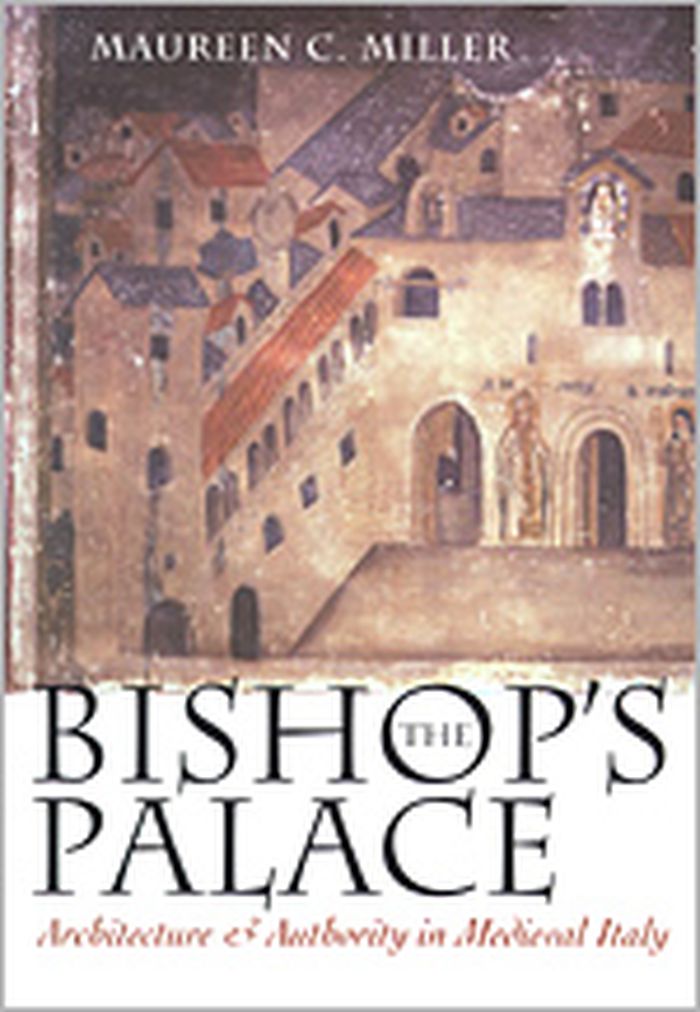
This lavishly illustrated book looks at the art and architecture of episcopal palaces as expressions of power and ideology. Tracing the history of the bishop's residence in the urban centers of northern Italy over the Middle Ages, Maureen C. Miller asks why this once rudimentary and highly fortified structure called a domus became a complex and elegant "palace" (palatium) by the late twelfth century. Miller argues that the change reflects both the emergence of a distinct clerical culture and the attempts of bishops to maintain authority in public life. She relates both to the Gregorian reform movement, which set new standards for clerical deportment and at the same time undercut episcopal claims to secular power. As bishops lost temporal authority in their cities to emerging communal governments, they compensated architecturally and competed with the communes for visual and spatial dominance in the urban center. This rivalry left indelible marks on the layout and character of Italian cities. Moreover, Miller contends, this struggle for power had highly significant, but mixed, results for western Christianity. On the one hand, as bishops lost direct governing authority in their cities, they devised ways to retain status, influence, and power through cultural practices. This response to loss was highly creative. On the other hand, their loss of secular control led bishops to emphasize their spiritual powers and to use them to obtain temporal ends. The coercive use of spiritual authority contributed to the emergence of a "persecuting society" in the central Middle Ages.
The bishop's palace : architecture & authority in medieval Italy
Actions:
Prix:
$46.50
(disponible sur commande)
Résumé:
This lavishly illustrated book looks at the art and architecture of episcopal palaces as expressions of power and ideology. Tracing the history of the bishop's residence in the urban centers of northern Italy over the Middle Ages, Maureen C. Miller asks why this once rudimentary and highly fortified structure called a domus became a complex and elegant "palace" (palatium) by the late twelfth century. Miller argues that the change reflects both the emergence of a distinct clerical culture and the attempts of bishops to maintain authority in public life. She relates both to the Gregorian reform movement, which set new standards for clerical deportment and at the same time undercut episcopal claims to secular power. As bishops lost temporal authority in their cities to emerging communal governments, they compensated architecturally and competed with the communes for visual and spatial dominance in the urban center. This rivalry left indelible marks on the layout and character of Italian cities. Moreover, Miller contends, this struggle for power had highly significant, but mixed, results for western Christianity. On the one hand, as bishops lost direct governing authority in their cities, they devised ways to retain status, influence, and power through cultural practices. This response to loss was highly creative. On the other hand, their loss of secular control led bishops to emphasize their spiritual powers and to use them to obtain temporal ends. The coercive use of spiritual authority contributed to the emergence of a "persecuting society" in the central Middle Ages.
Classification:
livres
livres
Publication:
décembre 2002, Ithaca, N.Y.
décembre 2002, Ithaca, N.Y.
Sujet:
Histoire jusqu’à 1900
Histoire jusqu’à 1900
Classification:
livres
livres
Actions:
Prix:
$99.95
(disponible sur commande)
Résumé:
For decades Frederick Law Olmsted (1822–1903) designed parks and park systems across the United States, leaving an enduring legacy of designed public space that is enjoyed, studied, and protected today. His plans and professional correspondence offer a rich source for understanding his remarkable contribution to the quality of urban life in this country and the(...)
$99.95
(disponible sur commande)
Résumé:
For decades Frederick Law Olmsted (1822–1903) designed parks and park systems across the United States, leaving an enduring legacy of designed public space that is enjoyed, studied, and protected today. His plans and professional correspondence offer a rich source for understanding his remarkable contribution to the quality of urban life in this country and the(...)
Publication:
octobre 2006, Baltimore
octobre 2006, Baltimore
Titre:
The papers of Frederick Law Olmsted : volume VII, parks, politics, and patronage 1874-1882
Actions:
Prix:
$99.95
(disponible sur commande)
Résumé:
For decades Frederick Law Olmsted (1822–1903) designed parks and park systems across the United States, leaving an enduring legacy of designed public space that is enjoyed, studied, and protected today. His plans and professional correspondence offer a rich source for understanding his remarkable contribution to the quality of urban life in this country and the development of the profession of landscape architecture. Olmsted's writings also provide a unique record of society and politics in post–Civil War America. Historians, landscape architects, conservationists, city planners, and citizens’ groups continue to turn to Olmsted for inspiration in their planning and protection of public open space in our cities. This latest and seventh volume of the Papers of Frederick Law Olmsted presents the record of his last years of residence in New York City. It includes reports on the design of Riverside and Morningside parks and Tompkins Square in Manhattan, as well as his comprehensive plan for the street system and rapid transit routes of the Bronx. It records his continuing work on Central Park and presents his final retrospective statement, “The Spoils of the Park.” In addition, volume seven contains an annotated version of the journal in which Olmsted recorded instances of political maneuvering and patronage politics in the years before his dismissal from the New York parks department in 1878. Later documents chronicle the early stages of his planning of the Boston park system—the Back Bay Fens, Arnold Arboretum, and Riverway. Other major commissions, each with its own political complications, were the grounds of the U.S. Capitol, the completion of the new state capitol in Albany, the designing of a park on Mount Royal in Montreal, and construction of the park system of Buffalo, New York. The volume also presents Olmsted’s commentary on issues of the times including federal Reconstruction policy and civil-service reform. The Olmsted Papers project is supported by the National Endowment for the Humanities, the National Historical Publications and Records Commission, the National Trust for the Humanities, the National Association for Olmsted Parks, as well as private foundations and individuals.
The papers of Frederick Law Olmsted : volume VII, parks, politics, and patronage 1874-1882
Actions:
Prix:
$99.95
(disponible sur commande)
Résumé:
For decades Frederick Law Olmsted (1822–1903) designed parks and park systems across the United States, leaving an enduring legacy of designed public space that is enjoyed, studied, and protected today. His plans and professional correspondence offer a rich source for understanding his remarkable contribution to the quality of urban life in this country and the development of the profession of landscape architecture. Olmsted's writings also provide a unique record of society and politics in post–Civil War America. Historians, landscape architects, conservationists, city planners, and citizens’ groups continue to turn to Olmsted for inspiration in their planning and protection of public open space in our cities. This latest and seventh volume of the Papers of Frederick Law Olmsted presents the record of his last years of residence in New York City. It includes reports on the design of Riverside and Morningside parks and Tompkins Square in Manhattan, as well as his comprehensive plan for the street system and rapid transit routes of the Bronx. It records his continuing work on Central Park and presents his final retrospective statement, “The Spoils of the Park.” In addition, volume seven contains an annotated version of the journal in which Olmsted recorded instances of political maneuvering and patronage politics in the years before his dismissal from the New York parks department in 1878. Later documents chronicle the early stages of his planning of the Boston park system—the Back Bay Fens, Arnold Arboretum, and Riverway. Other major commissions, each with its own political complications, were the grounds of the U.S. Capitol, the completion of the new state capitol in Albany, the designing of a park on Mount Royal in Montreal, and construction of the park system of Buffalo, New York. The volume also presents Olmsted’s commentary on issues of the times including federal Reconstruction policy and civil-service reform. The Olmsted Papers project is supported by the National Endowment for the Humanities, the National Historical Publications and Records Commission, the National Trust for the Humanities, the National Association for Olmsted Parks, as well as private foundations and individuals.
Classification:
livres
livres
Publication:
octobre 2006, Baltimore
octobre 2006, Baltimore
Classification:
livres
livres

Actions:
Prix:
$53.95
(disponible sur commande)
Résumé:
Dóra Maurer (born 1937, lives in Budapest) is considered a prominent figure on the Hungarian neo-avant-garde scene. She is one of the artists who have been taking progressive paths outside of Hungary’ s official state cultural policies since the 1960s. Her work in the mediums of print making, photographs, film, performance art, and painting features a conceptual(...)
$53.95
(disponible sur commande)
Résumé:
Dóra Maurer (born 1937, lives in Budapest) is considered a prominent figure on the Hungarian neo-avant-garde scene. She is one of the artists who have been taking progressive paths outside of Hungary’ s official state cultural policies since the 1960s. Her work in the mediums of print making, photographs, film, performance art, and painting features a conceptual(...)
Publication:
octobre 2023
octobre 2023
Titre:
Dóra Maurer: See like this and see differently
Actions:
Prix:
$53.95
(disponible sur commande)
Résumé:
Dóra Maurer (born 1937, lives in Budapest) is considered a prominent figure on the Hungarian neo-avant-garde scene. She is one of the artists who have been taking progressive paths outside of Hungary’ s official state cultural policies since the 1960s. Her work in the mediums of print making, photographs, film, performance art, and painting features a conceptual approach. Major aspects are perception, movement, displacement, and transformation. In the early years of West-Germany, abstract art was introduced as a political new beginning in that it represented the so-called open society. Accordingly, numerous collections in German museums are oriented toward this, including the one at the Kunsthalle Bielefeld, whose building was designed by the US-American architect Philip Johnson. While abstract art in the West was considered " free of ideologies " and instrumentalized as such, abstraction in countries such as Hungary, which was part of the Eastern bloc at the time, certainly had an “ oppositional” connotation. Due to both the non-representational nature of her works as well as her contacts and travels in the West prior to 1989 (permitted thanks to her Hungarian-Austrian dual citizenship), Maurer occupies a special position within the Hungarian art world, which in those days was mainly dominated by Socialist Realism. In her experiments in photography and film in the 1970s, as well as in her abstract, geometric works based on a process of displacement, there are obvious parallels to Western European and US-American post-war art. In fact, however, her oeuvre is inconceivable without her experience of life under the official Hungarian system during the socialist period.
Dóra Maurer: See like this and see differently
Actions:
Prix:
$53.95
(disponible sur commande)
Résumé:
Dóra Maurer (born 1937, lives in Budapest) is considered a prominent figure on the Hungarian neo-avant-garde scene. She is one of the artists who have been taking progressive paths outside of Hungary’ s official state cultural policies since the 1960s. Her work in the mediums of print making, photographs, film, performance art, and painting features a conceptual approach. Major aspects are perception, movement, displacement, and transformation. In the early years of West-Germany, abstract art was introduced as a political new beginning in that it represented the so-called open society. Accordingly, numerous collections in German museums are oriented toward this, including the one at the Kunsthalle Bielefeld, whose building was designed by the US-American architect Philip Johnson. While abstract art in the West was considered " free of ideologies " and instrumentalized as such, abstraction in countries such as Hungary, which was part of the Eastern bloc at the time, certainly had an “ oppositional” connotation. Due to both the non-representational nature of her works as well as her contacts and travels in the West prior to 1989 (permitted thanks to her Hungarian-Austrian dual citizenship), Maurer occupies a special position within the Hungarian art world, which in those days was mainly dominated by Socialist Realism. In her experiments in photography and film in the 1970s, as well as in her abstract, geometric works based on a process of displacement, there are obvious parallels to Western European and US-American post-war art. In fact, however, her oeuvre is inconceivable without her experience of life under the official Hungarian system during the socialist period.
Classification:
livres
livres
Publication:
octobre 2023
octobre 2023
Classification:
livres
livres
Titre:
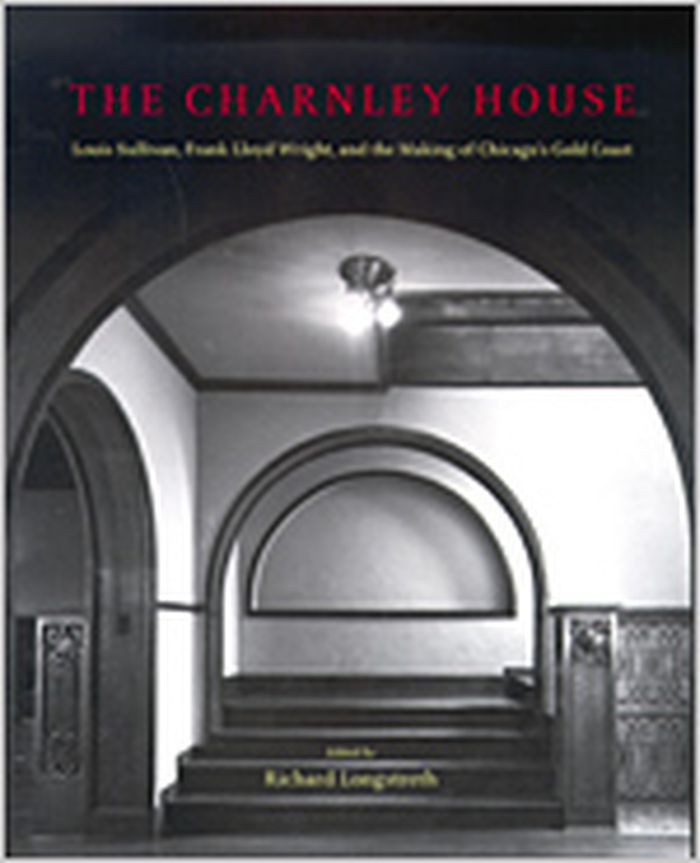
The Charnley house : Louis Sullivan, Frank Lloyd Wright, and the making of Chicago's Gold Coast
The Charnley house : Louis Sullivan, Frank Lloyd Wright, and the making of Chicago's Gold Coast
Actions:
Prix:
$71.95
(disponible sur commande)
Résumé:
Situated in Chicago's famed Gold Coast, just north of the Magnificent Mile, the Charnley house is one of the finest dwellings in the city and considered worldwide to be a stunning example of avant-garde architecture. Now the headquarters of the Society of Architectural Historians and designated a National Historic Landmark in 1998, the house was built in 1892 at a(...)
$71.95
(disponible sur commande)
Résumé:
Situated in Chicago's famed Gold Coast, just north of the Magnificent Mile, the Charnley house is one of the finest dwellings in the city and considered worldwide to be a stunning example of avant-garde architecture. Now the headquarters of the Society of Architectural Historians and designated a National Historic Landmark in 1998, the house was built in 1892 at a(...)
Titre:
The Charnley house : Louis Sullivan, Frank Lloyd Wright, and the making of Chicago's Gold Coast
Actions:
Prix:
$71.95
(disponible sur commande)
Résumé:
Situated in Chicago's famed Gold Coast, just north of the Magnificent Mile, the Charnley house is one of the finest dwellings in the city and considered worldwide to be a stunning example of avant-garde architecture. Now the headquarters of the Society of Architectural Historians and designated a National Historic Landmark in 1998, the house was built in 1892 at a critical moment in urban and architectural history. "The Charnley House" is the first authoritative publication on the building, which has long been discussed in surveys but never before examined in detail. In this collection of original essays, six well-known architectural historians illuminate various aspects of the house, both inside and out, as they consider its remarkable formal and spatial qualities, its historical significance in the development of Chicago's elite residential neighborhood, and its place in the context of American domestic architecture. Equally important, the contributors tackle the knotty, decades-old issue concerning the building's designer. While many have ascribed the scheme to Frank Lloyd Wright, Louis Sullivan's chief assistant at the time, this book sheds new light on how the house relates significantly to the work of both master and apprentice. The continuing debate over the house's "authorship" highlights the importance of the Charnley house in the history of modern architecture as the seminal work of residential design in the United States. These thoroughly researched interpretations, supplemented by an abundance of never before published illustrations, analyze this house of distinction with the care and detail it deserves. Beautifully restored in late 1980s, the Charnley house now has a book worthy of it.
The Charnley house : Louis Sullivan, Frank Lloyd Wright, and the making of Chicago's Gold Coast
Actions:
Prix:
$71.95
(disponible sur commande)
Résumé:
Situated in Chicago's famed Gold Coast, just north of the Magnificent Mile, the Charnley house is one of the finest dwellings in the city and considered worldwide to be a stunning example of avant-garde architecture. Now the headquarters of the Society of Architectural Historians and designated a National Historic Landmark in 1998, the house was built in 1892 at a critical moment in urban and architectural history. "The Charnley House" is the first authoritative publication on the building, which has long been discussed in surveys but never before examined in detail. In this collection of original essays, six well-known architectural historians illuminate various aspects of the house, both inside and out, as they consider its remarkable formal and spatial qualities, its historical significance in the development of Chicago's elite residential neighborhood, and its place in the context of American domestic architecture. Equally important, the contributors tackle the knotty, decades-old issue concerning the building's designer. While many have ascribed the scheme to Frank Lloyd Wright, Louis Sullivan's chief assistant at the time, this book sheds new light on how the house relates significantly to the work of both master and apprentice. The continuing debate over the house's "authorship" highlights the importance of the Charnley house in the history of modern architecture as the seminal work of residential design in the United States. These thoroughly researched interpretations, supplemented by an abundance of never before published illustrations, analyze this house of distinction with the care and detail it deserves. Beautifully restored in late 1980s, the Charnley house now has a book worthy of it.
Classification:
livres
livres
Publication:
mai 2004, Chicago
mai 2004, Chicago
Sujet:
Architecture, monographies
Architecture, monographies
Classification:
livres
livres
Prix:
$75.95
(disponible sur commande)
Résumé:
More than one hundred exhibitions of Frank Lloyd Wright's work were mounted between 1894 and his death in 1959. Wright organized the majority of these exhibitions himself and viewed them as crucial to his self-presentation as his extensive writings. He used them to promote his designs, appeal to new viewers, and persuade his detractors. Wright on Exhibit presents the(...)
$75.95
(disponible sur commande)
Résumé:
More than one hundred exhibitions of Frank Lloyd Wright's work were mounted between 1894 and his death in 1959. Wright organized the majority of these exhibitions himself and viewed them as crucial to his self-presentation as his extensive writings. He used them to promote his designs, appeal to new viewers, and persuade his detractors. Wright on Exhibit presents the(...)
Titre:
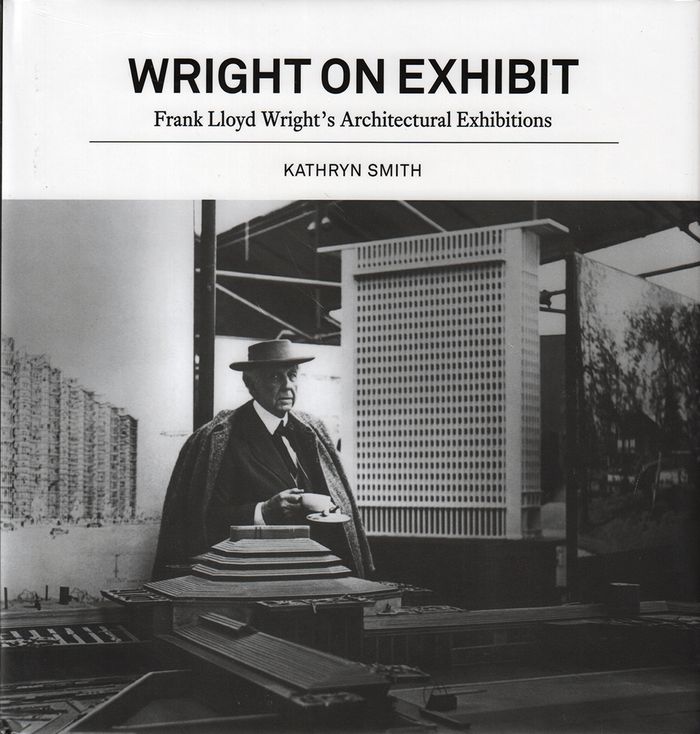
Wright on exhibit: Frank Lloyd Wright's architectural exhibitions
Actions:
Prix:
$75.95
(disponible sur commande)
Résumé:
More than one hundred exhibitions of Frank Lloyd Wright's work were mounted between 1894 and his death in 1959. Wright organized the majority of these exhibitions himself and viewed them as crucial to his self-presentation as his extensive writings. He used them to promote his designs, appeal to new viewers, and persuade his detractors. Wright on Exhibit presents the first history of this neglected aspect of the architect’s influential career. Drawing extensively from Wright’s unpublished correspondence, Kathryn Smith challenges the preconceived notion of Wright as a self-promoter who displayed his work in search of money, clients, and fame. She shows how he was an artist-architect projecting an avant-garde program, an innovator who expanded the palette of installation design as technology evolved, and a social activist driven to revolutionize society through design. While Wright’s earliest exhibitions were largely for other architects, by the 1930s he was creating public installations intended to inspire debate and change public perceptions about architecture. The nature of his exhibitions expanded with the times beyond models, drawings, and photographs to include more immersive tools such as slides, film, and even a full-scale structure built especially for his 1953 retrospective at the Guggenheim Museum. Placing Wright’s exhibitions side by side with his writings, Smith shows how integral these exhibitions were to his vision and sheds light on the broader discourse concerning architecture and modernism during the first half of the twentieth century. Wright on Exhibit features color renderings, photos, and plans, as well as a checklist of exhibitions and an illustrated catalog of extant and lost models made under Wright’s supervision.
Wright on exhibit: Frank Lloyd Wright's architectural exhibitions
Actions:
Prix:
$75.95
(disponible sur commande)
Résumé:
More than one hundred exhibitions of Frank Lloyd Wright's work were mounted between 1894 and his death in 1959. Wright organized the majority of these exhibitions himself and viewed them as crucial to his self-presentation as his extensive writings. He used them to promote his designs, appeal to new viewers, and persuade his detractors. Wright on Exhibit presents the first history of this neglected aspect of the architect’s influential career. Drawing extensively from Wright’s unpublished correspondence, Kathryn Smith challenges the preconceived notion of Wright as a self-promoter who displayed his work in search of money, clients, and fame. She shows how he was an artist-architect projecting an avant-garde program, an innovator who expanded the palette of installation design as technology evolved, and a social activist driven to revolutionize society through design. While Wright’s earliest exhibitions were largely for other architects, by the 1930s he was creating public installations intended to inspire debate and change public perceptions about architecture. The nature of his exhibitions expanded with the times beyond models, drawings, and photographs to include more immersive tools such as slides, film, and even a full-scale structure built especially for his 1953 retrospective at the Guggenheim Museum. Placing Wright’s exhibitions side by side with his writings, Smith shows how integral these exhibitions were to his vision and sheds light on the broader discourse concerning architecture and modernism during the first half of the twentieth century. Wright on Exhibit features color renderings, photos, and plans, as well as a checklist of exhibitions and an illustrated catalog of extant and lost models made under Wright’s supervision.
Classification:
livres
livres
Publication:
mai 2017
mai 2017
Sujet:
Architecture, monographies
Architecture, monographies


