


469 Résultats
Classification:
livres
livres
Titre:
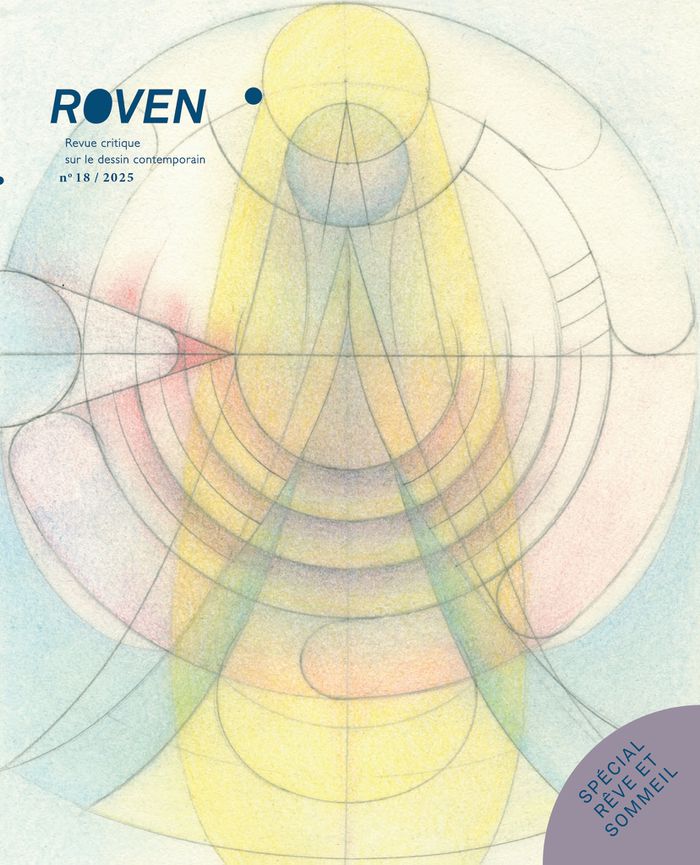
Roven n.18 2025
Roven n.18 2025
Actions:
Prix:
$45.00
(disponible sur commande)
Résumé:
Au sommaire de Roven n° 18, numéro spécial rêve et sommeil : ponctuation de Julie Redon ; essai sur la notation des rêves, par Guitemie Maldonado ; entretiens avec Marisa Cornejo par Julie Enckell, avec Jim Shaw par Camille Viéville, avec Drawing Now Paris ; David B. par Arnaud Fourrier ; approche historique par Leïla Jarbouai (Redon, Millet, Courbet, Granville, Salomon)(...)
$45.00
(disponible sur commande)
Résumé:
Au sommaire de Roven n° 18, numéro spécial rêve et sommeil : ponctuation de Julie Redon ; essai sur la notation des rêves, par Guitemie Maldonado ; entretiens avec Marisa Cornejo par Julie Enckell, avec Jim Shaw par Camille Viéville, avec Drawing Now Paris ; David B. par Arnaud Fourrier ; approche historique par Leïla Jarbouai (Redon, Millet, Courbet, Granville, Salomon)(...)
Titre:
Roven n.18 2025
Actions:
Prix:
$45.00
(disponible sur commande)
Résumé:
Au sommaire de Roven n° 18, numéro spécial rêve et sommeil : ponctuation de Julie Redon ; essai sur la notation des rêves, par Guitemie Maldonado ; entretiens avec Marisa Cornejo par Julie Enckell, avec Jim Shaw par Camille Viéville, avec Drawing Now Paris ; David B. par Arnaud Fourrier ; approche historique par Leïla Jarbouai (Redon, Millet, Courbet, Granville, Salomon) ; portfolios de Chloé Vanderstraeten (et entretien par Alexandre Leger), Kathy Acker, Martine Atrax, Federico Fellini, Stella Geppert, Lina Jabbour, Christine Rebet, Jean-Jacques Rullier, Sandra Vásquez de la Horra ; collection Frac Picardie.
Roven n.18 2025
Actions:
Prix:
$45.00
(disponible sur commande)
Résumé:
Au sommaire de Roven n° 18, numéro spécial rêve et sommeil : ponctuation de Julie Redon ; essai sur la notation des rêves, par Guitemie Maldonado ; entretiens avec Marisa Cornejo par Julie Enckell, avec Jim Shaw par Camille Viéville, avec Drawing Now Paris ; David B. par Arnaud Fourrier ; approche historique par Leïla Jarbouai (Redon, Millet, Courbet, Granville, Salomon) ; portfolios de Chloé Vanderstraeten (et entretien par Alexandre Leger), Kathy Acker, Martine Atrax, Federico Fellini, Stella Geppert, Lina Jabbour, Christine Rebet, Jean-Jacques Rullier, Sandra Vásquez de la Horra ; collection Frac Picardie.
Classification:
livres
livres
Publication:
mars 2025
mars 2025
Sujet:
Revues
Revues
Classification:
livres
livres
Actions:
Prix:
$117.00
(disponible sur commande)
Résumé:
Named America's best architect by TIME magazine in 2001 "for buildings that satisfy the spirit as well as the eye," Steven Holl is known for his experimental approach to architecture that is romantic, humanistic, and resplendently modern. 'Steven Holl Volume 1: 1975-1998' is the first in a two-part monograph on Steven Holl and features early projects such as the Bridge of(...)
$117.00
(disponible sur commande)
Résumé:
Named America's best architect by TIME magazine in 2001 "for buildings that satisfy the spirit as well as the eye," Steven Holl is known for his experimental approach to architecture that is romantic, humanistic, and resplendently modern. 'Steven Holl Volume 1: 1975-1998' is the first in a two-part monograph on Steven Holl and features early projects such as the Bridge of(...)
Titre:
Steven Holl, volume 1: 1975-1988
Actions:
Prix:
$117.00
(disponible sur commande)
Résumé:
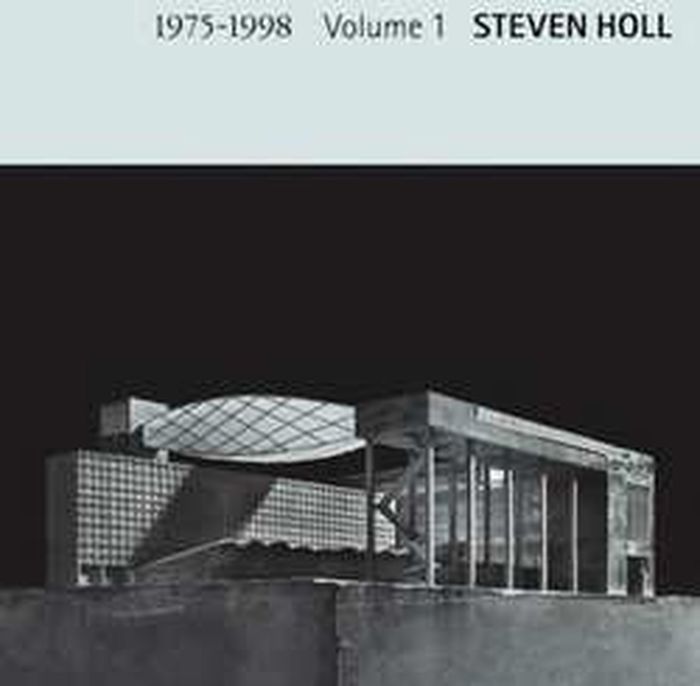
Named America's best architect by TIME magazine in 2001 "for buildings that satisfy the spirit as well as the eye," Steven Holl is known for his experimental approach to architecture that is romantic, humanistic, and resplendently modern. 'Steven Holl Volume 1: 1975-1998' is the first in a two-part monograph on Steven Holl and features early projects such as the Bridge of Houses (1979-82), D.E. Shaw & Co. Offices (1991), and the Kiasma Museum of Contemporary Art in Helsinki (1992-1998). With texts by Toyo Ito and Steven Holl.
Steven Holl, volume 1: 1975-1988
Actions:
Prix:
$117.00
(disponible sur commande)
Résumé:
Named America's best architect by TIME magazine in 2001 "for buildings that satisfy the spirit as well as the eye," Steven Holl is known for his experimental approach to architecture that is romantic, humanistic, and resplendently modern. 'Steven Holl Volume 1: 1975-1998' is the first in a two-part monograph on Steven Holl and features early projects such as the Bridge of Houses (1979-82), D.E. Shaw & Co. Offices (1991), and the Kiasma Museum of Contemporary Art in Helsinki (1992-1998). With texts by Toyo Ito and Steven Holl.
Classification:
livres
livres
Publication:
juin 2012
juin 2012
Sujet:
Architecture, monographies
Architecture, monographies
Classification:
livres
livres
Actions:
Prix:
$115.00
(disponible sur commande)
Résumé:
"Classic country estates of Lake Forest" is a systematic study of the textured built environment on Lake Michigan' s North Shore. Beginning with suburban villas in the manner of Andrew Jackson Downing, Lake Forest was transformed by the work of Henry Ives Cobb, Howard Van Doren Shaw, David Adler, Harrie T. Lindeberg, Charles A. Platt, Holabird & Roche, Delano & Aldrich,(...)
$115.00
(disponible sur commande)
Résumé:
"Classic country estates of Lake Forest" is a systematic study of the textured built environment on Lake Michigan' s North Shore. Beginning with suburban villas in the manner of Andrew Jackson Downing, Lake Forest was transformed by the work of Henry Ives Cobb, Howard Van Doren Shaw, David Adler, Harrie T. Lindeberg, Charles A. Platt, Holabird & Roche, Delano & Aldrich,(...)
Sujet:
Histoire jusqu’à 1900
Histoire jusqu’à 1900
Publication:
janvier 1900, New York / London
janvier 1900, New York / London
Titre:
Classic country estates of Lake Forest : architecture and landscape design 1856-1940
Actions:
Prix:
$115.00
(disponible sur commande)
Résumé:
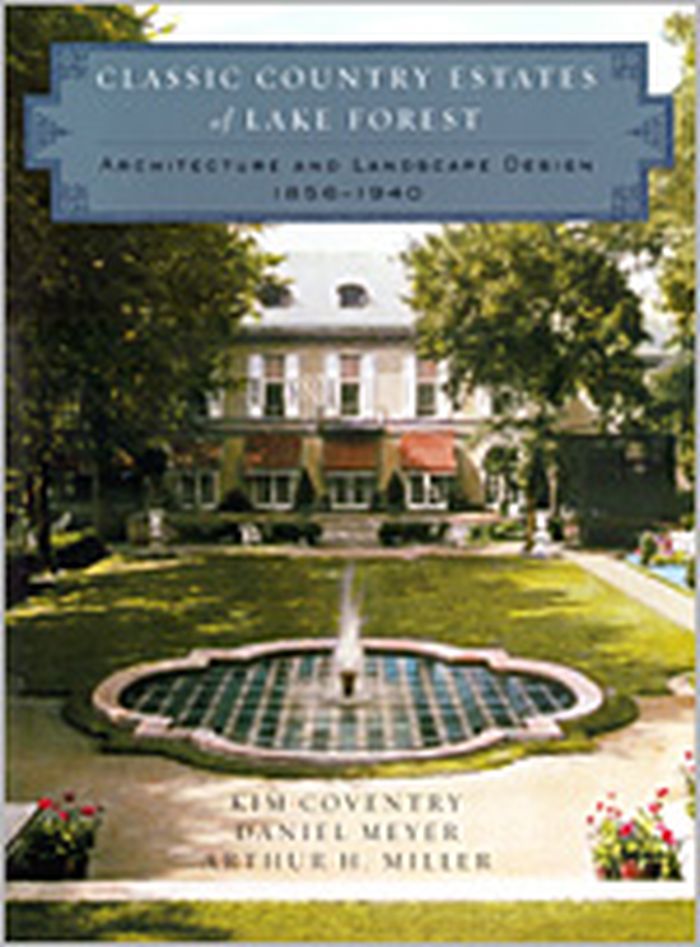
"Classic country estates of Lake Forest" is a systematic study of the textured built environment on Lake Michigan' s North Shore. Beginning with suburban villas in the manner of Andrew Jackson Downing, Lake Forest was transformed by the work of Henry Ives Cobb, Howard Van Doren Shaw, David Adler, Harrie T. Lindeberg, Charles A. Platt, Holabird & Roche, Delano & Aldrich, Arthur Heun, and others. It was also distinguished by a tradition of innovation in landscape design, from the original Romantic picturesque town plan of 1857 to the later estate work of O. C. Simonds, the Olmsteds, Warren Manning, Rose Standish Nichols, and Jens Jensen.
Classic country estates of Lake Forest : architecture and landscape design 1856-1940
Actions:
Prix:
$115.00
(disponible sur commande)
Résumé:
"Classic country estates of Lake Forest" is a systematic study of the textured built environment on Lake Michigan' s North Shore. Beginning with suburban villas in the manner of Andrew Jackson Downing, Lake Forest was transformed by the work of Henry Ives Cobb, Howard Van Doren Shaw, David Adler, Harrie T. Lindeberg, Charles A. Platt, Holabird & Roche, Delano & Aldrich, Arthur Heun, and others. It was also distinguished by a tradition of innovation in landscape design, from the original Romantic picturesque town plan of 1857 to the later estate work of O. C. Simonds, the Olmsteds, Warren Manning, Rose Standish Nichols, and Jens Jensen.
Classification:
livres
livres
Publication:
janvier 1900, New York / London
janvier 1900, New York / London
Sujet:
Histoire jusqu’à 1900
Histoire jusqu’à 1900
Classification:
livres
livres
Actions:
Prix:
$57.00
(disponible sur commande)
Résumé:
This A to Z survey of typographic design by leading typographers A2/SW/HK showcases over 100 carefully selected contemporary designers, including the best examples of their current work. Featured designers include M/M (Paris), David Pearson, Philippe Apeloig, Anthony Burrill, Marion Deuchars, and Non Format, among others. Essays by acclaimed design writers Emily(...)
$57.00
(disponible sur commande)
Résumé:
This A to Z survey of typographic design by leading typographers A2/SW/HK showcases over 100 carefully selected contemporary designers, including the best examples of their current work. Featured designers include M/M (Paris), David Pearson, Philippe Apeloig, Anthony Burrill, Marion Deuchars, and Non Format, among others. Essays by acclaimed design writers Emily(...)
Publication:
septembre 2015
septembre 2015
Titre:
New perspectives in typography
Actions:
Prix:
$57.00
(disponible sur commande)
Résumé:
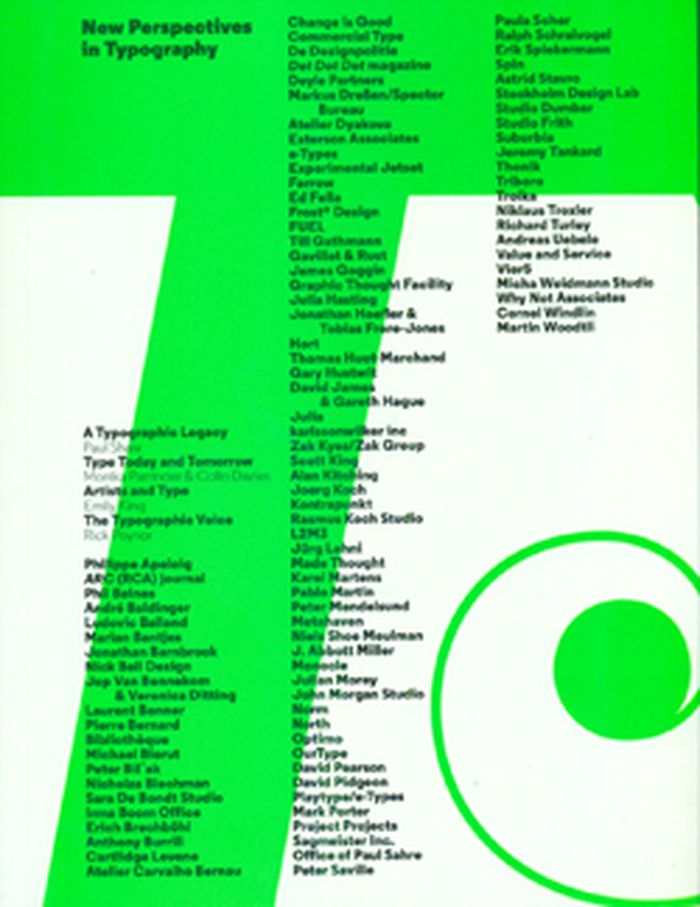
This A to Z survey of typographic design by leading typographers A2/SW/HK showcases over 100 carefully selected contemporary designers, including the best examples of their current work. Featured designers include M/M (Paris), David Pearson, Philippe Apeloig, Anthony Burrill, Marion Deuchars, and Non Format, among others. Essays by acclaimed design writers Emily King, Paul Shaw, Monika Parrinder, and Colin Davies go on to explore the past and future of type design as well as discussing the key issues affecting the discipline today. This book will encourage and inspire the next generation of designers as well as providing a sourcebook for seasoned designers and educators
New perspectives in typography
Actions:
Prix:
$57.00
(disponible sur commande)
Résumé:
This A to Z survey of typographic design by leading typographers A2/SW/HK showcases over 100 carefully selected contemporary designers, including the best examples of their current work. Featured designers include M/M (Paris), David Pearson, Philippe Apeloig, Anthony Burrill, Marion Deuchars, and Non Format, among others. Essays by acclaimed design writers Emily King, Paul Shaw, Monika Parrinder, and Colin Davies go on to explore the past and future of type design as well as discussing the key issues affecting the discipline today. This book will encourage and inspire the next generation of designers as well as providing a sourcebook for seasoned designers and educators
Classification:
livres
livres
Publication:
septembre 2015
septembre 2015
Classification:
livres
livres
Actions:
Exemplaires:
Description:
xix, 953 pages ; 25 cm
Description:
xix, 953 pages ; 25 cm
Auteur:
Sujet:
Publication:
New York : Oxford University Press, 1965.
New York : Oxford University Press, 1965.
Titre:
The modern tradition : backgrounds of modern literature / edited by Richard Ellmann and Charles Feidelson, Jr.
Actions:
Exemplaires:
Description:
xix, 953 pages ; 25 cm
The modern tradition : backgrounds of modern literature / edited by Richard Ellmann and Charles Feidelson, Jr.
Actions:
Exemplaires:
Description:
xix, 953 pages ; 25 cm
Classification:
livres
livres
Publication:
New York : Oxford University Press, 1965.
New York : Oxford University Press, 1965.
Auteur:
Sujet:
Classification:
livres
livres
Titre:
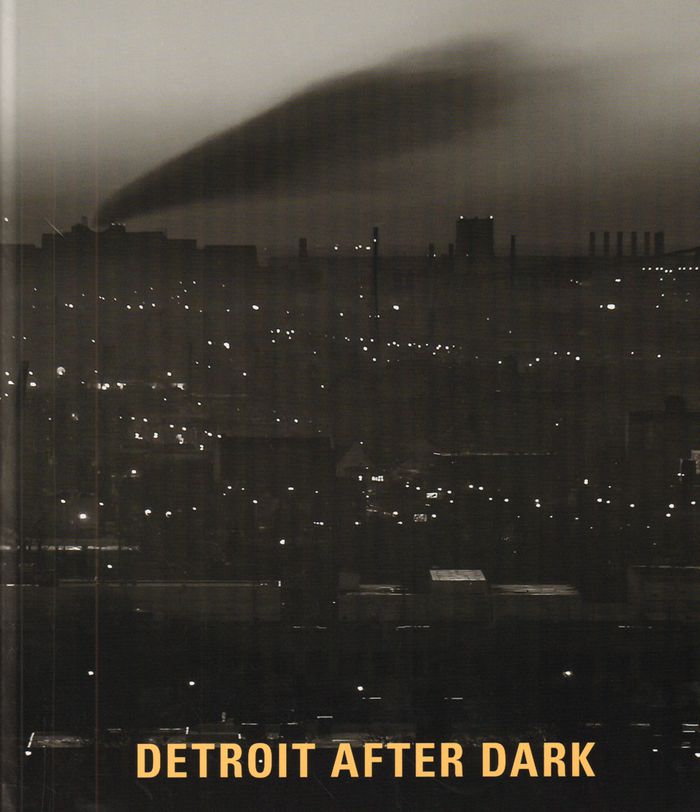
Detroit after dark
Detroit after dark
Actions:
Prix:
$50.00
(disponible en magasin)
Résumé:
This book is the first to explore photographic representations of Detroit during the hours from dusk until dawn, featuring work by artists including Robert Frank, Leni Sinclair, Steve Shaw, Russ Marshall, and Dave Jordano, among others. The city’s streets, architecture, vast industrial complexes, night clubs, and unique subcultures are captured here in otherworldly(...)
$50.00
(disponible en magasin)
Résumé:
This book is the first to explore photographic representations of Detroit during the hours from dusk until dawn, featuring work by artists including Robert Frank, Leni Sinclair, Steve Shaw, Russ Marshall, and Dave Jordano, among others. The city’s streets, architecture, vast industrial complexes, night clubs, and unique subcultures are captured here in otherworldly(...)
Titre:
Detroit after dark
Actions:
Prix:
$50.00
(disponible en magasin)
Résumé:
This book is the first to explore photographic representations of Detroit during the hours from dusk until dawn, featuring work by artists including Robert Frank, Leni Sinclair, Steve Shaw, Russ Marshall, and Dave Jordano, among others. The city’s streets, architecture, vast industrial complexes, night clubs, and unique subcultures are captured here in otherworldly visions of the nighttime urban landscape from the 1950s to the present day. These images offer a unique interpretation of Detroit, its industry, culture, and turbulent history through the second half of the 20th century and into the 21st. This book also provides context for the work by addressing historically significant artists who have contributed to the genre, including Ilse Bing, Brassaï, André Kertész, Berenice Abbott, and others.
Detroit after dark
Actions:
Prix:
$50.00
(disponible en magasin)
Résumé:
This book is the first to explore photographic representations of Detroit during the hours from dusk until dawn, featuring work by artists including Robert Frank, Leni Sinclair, Steve Shaw, Russ Marshall, and Dave Jordano, among others. The city’s streets, architecture, vast industrial complexes, night clubs, and unique subcultures are captured here in otherworldly visions of the nighttime urban landscape from the 1950s to the present day. These images offer a unique interpretation of Detroit, its industry, culture, and turbulent history through the second half of the 20th century and into the 21st. This book also provides context for the work by addressing historically significant artists who have contributed to the genre, including Ilse Bing, Brassaï, André Kertész, Berenice Abbott, and others.
Classification:
livres
livres
Publication:
novembre 2016
novembre 2016
Sujet:
Photographie- collections
Photographie- collections
Classification:
livres
livres
Exemplaires:
Description:
xviii, 377 pages ; 24 cm
Description:
xviii, 377 pages ; 24 cm
Auteur:
Sujet:
Publication:
Oxford ; New York : Oxford University Press, 1995.
Oxford ; New York : Oxford University Press, 1995.
Titre:
The Oxford book of London / edited by Paul Bailey.
Actions:
Exemplaires:
Description:
xviii, 377 pages ; 24 cm
The Oxford book of London / edited by Paul Bailey.
Actions:
Exemplaires:
Description:
xviii, 377 pages ; 24 cm
Classification:
livres
livres
Publication:
Oxford ; New York : Oxford University Press, 1995.
Oxford ; New York : Oxford University Press, 1995.
Auteur:
Sujet:
Classification:
livres
livres
Actions:
Prix:
$16.00
(disponible sur commande)
Résumé:
George Bernard Shaw once wrote: “If you have an apple and I have an apple and we exchange these apples then you and I will still each have one apple. But if you have an idea and I have an idea and we exchange these ideas, then each of us will have two ideas.” Open Field is the Walker Art Center's ongoing experiment in participation and public space. Taking place outdoors(...)
$16.00
(disponible sur commande)
Résumé:
George Bernard Shaw once wrote: “If you have an apple and I have an apple and we exchange these apples then you and I will still each have one apple. But if you have an idea and I have an idea and we exchange these ideas, then each of us will have two ideas.” Open Field is the Walker Art Center's ongoing experiment in participation and public space. Taking place outdoors(...)
Titre:
Open fields : conversations on the commons
Actions:
Prix:
$16.00
(disponible sur commande)
Résumé:
George Bernard Shaw once wrote: “If you have an apple and I have an apple and we exchange these apples then you and I will still each have one apple. But if you have an idea and I have an idea and we exchange these ideas, then each of us will have two ideas.” Open Field is the Walker Art Center's ongoing experiment in participation and public space. Taking place outdoors in the summer months, the project invites artists and visitors to imagine and inhabit the museum's campus as a cultural commons - a shared space for idea exchange, creative gatherings and unexpected interactions. In 2010, the Walker's backyard was home to numerous activities from conversations to performances and temporary sculptures. This volume discusses Open Field's genesis, exploring the meaning and impact of public practice for institutions.
Open fields : conversations on the commons
Actions:
Prix:
$16.00
(disponible sur commande)
Résumé:
George Bernard Shaw once wrote: “If you have an apple and I have an apple and we exchange these apples then you and I will still each have one apple. But if you have an idea and I have an idea and we exchange these ideas, then each of us will have two ideas.” Open Field is the Walker Art Center's ongoing experiment in participation and public space. Taking place outdoors in the summer months, the project invites artists and visitors to imagine and inhabit the museum's campus as a cultural commons - a shared space for idea exchange, creative gatherings and unexpected interactions. In 2010, the Walker's backyard was home to numerous activities from conversations to performances and temporary sculptures. This volume discusses Open Field's genesis, exploring the meaning and impact of public practice for institutions.
Classification:
livres
livres
Publication:
décembre 2011
décembre 2011
Sujet:
Théorie de l’art
Théorie de l’art
Classification:
livres
livres
Actions:
Prix:
$55.00
(disponible sur commande)
Résumé:
This second volume in the "See this Sound" series offers in-depth studies of the historical development and theoretical foundations of the overlap between visual and aural culture. The essays are gathered into two sections. The first section opens with Simon Shaw-Miller's history of the field, from 1800 to the present; Christian Holler discusses "artistic approaches to(...)
$55.00
(disponible sur commande)
Résumé:
This second volume in the "See this Sound" series offers in-depth studies of the historical development and theoretical foundations of the overlap between visual and aural culture. The essays are gathered into two sections. The first section opens with Simon Shaw-Miller's history of the field, from 1800 to the present; Christian Holler discusses "artistic approaches to(...)
Titre:
See this sound : audiovisuology 2 (essays)
Actions:
Prix:
$55.00
(disponible sur commande)
Résumé:
This second volume in the "See this Sound" series offers in-depth studies of the historical development and theoretical foundations of the overlap between visual and aural culture. The essays are gathered into two sections. The first section opens with Simon Shaw-Miller's history of the field, from 1800 to the present; Christian Holler discusses "artistic approaches to image/sound relationships in pop culture"; and Sandra Naumann looks at "the musicalization of the visual arts in the twentieth century." The second section, "Sound & Image," includes Hans Beller on film scoring; Diedrich Diederichsen on visual traditions in pop music; Katja Kwastek on music devices and art machines; Birgit Schneider on "Hearing Eyes and Seeing Ears"; and Chris Salter on the neuroscience and aesthetics of immersion, absorption and dissolution in audiovisual art. An epilogue by Michel Chion explores the cognitive conditions of audio experience
See this sound : audiovisuology 2 (essays)
Actions:
Prix:
$55.00
(disponible sur commande)
Résumé:
This second volume in the "See this Sound" series offers in-depth studies of the historical development and theoretical foundations of the overlap between visual and aural culture. The essays are gathered into two sections. The first section opens with Simon Shaw-Miller's history of the field, from 1800 to the present; Christian Holler discusses "artistic approaches to image/sound relationships in pop culture"; and Sandra Naumann looks at "the musicalization of the visual arts in the twentieth century." The second section, "Sound & Image," includes Hans Beller on film scoring; Diedrich Diederichsen on visual traditions in pop music; Katja Kwastek on music devices and art machines; Birgit Schneider on "Hearing Eyes and Seeing Ears"; and Chris Salter on the neuroscience and aesthetics of immersion, absorption and dissolution in audiovisual art. An epilogue by Michel Chion explores the cognitive conditions of audio experience
Classification:
livres
livres
Publication:
juillet 2011
juillet 2011
Sujet:
Acoustique
Acoustique
Classification:
livres
livres
Titre:
Patkau architects
Patkau architects
Actions:
Prix:
$69.00
(disponible sur commande)
Résumé:
The firm of Patkau architects, founded in 1978 and based in Vancouver, British Columbia, has achieved international renown for work that draws on the principles of modern architecture and is simultaneously inspired by the traditions and often spectacular landscape of the Pacific Northwest. The office is known for a straightforward, multifaceted expression of material and(...)
$69.00
(disponible sur commande)
Résumé:
The firm of Patkau architects, founded in 1978 and based in Vancouver, British Columbia, has achieved international renown for work that draws on the principles of modern architecture and is simultaneously inspired by the traditions and often spectacular landscape of the Pacific Northwest. The office is known for a straightforward, multifaceted expression of material and(...)
Titre:
Patkau architects
Actions:
Prix:
$69.00
(disponible sur commande)
Résumé:
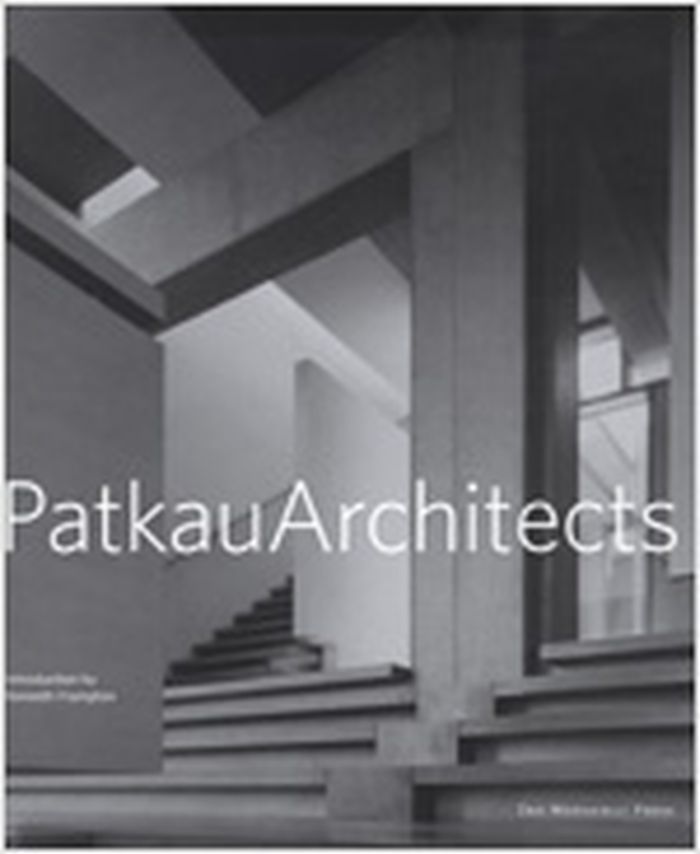
The firm of Patkau architects, founded in 1978 and based in Vancouver, British Columbia, has achieved international renown for work that draws on the principles of modern architecture and is simultaneously inspired by the traditions and often spectacular landscape of the Pacific Northwest. The office is known for a straightforward, multifaceted expression of material and detail as well as a focus on the sculpture that is inherent in architecture. This monograph includes cultural and institutional projects, such as the Canadian Clay and Glass Gallery, the National Library of Quebec in Montreal, and a major addition to the Winnipeg Centennial Library; schools, notably the Seabird Island School and the Strawberry Vale School; and a series of residences, including the Shaw house, with a dramatic elevated lap pool, and the inventive Petite Maison du Weekend (Small Weekend House), a prototype for a self-sufficient holiday house for two.
Patkau architects
Actions:
Prix:
$69.00
(disponible sur commande)
Résumé:
The firm of Patkau architects, founded in 1978 and based in Vancouver, British Columbia, has achieved international renown for work that draws on the principles of modern architecture and is simultaneously inspired by the traditions and often spectacular landscape of the Pacific Northwest. The office is known for a straightforward, multifaceted expression of material and detail as well as a focus on the sculpture that is inherent in architecture. This monograph includes cultural and institutional projects, such as the Canadian Clay and Glass Gallery, the National Library of Quebec in Montreal, and a major addition to the Winnipeg Centennial Library; schools, notably the Seabird Island School and the Strawberry Vale School; and a series of residences, including the Shaw house, with a dramatic elevated lap pool, and the inventive Petite Maison du Weekend (Small Weekend House), a prototype for a self-sufficient holiday house for two.
Classification:
livres
livres
Publication:
juin 2006, New York
juin 2006, New York
Sujet:
Architectes canadiens
Architectes canadiens


