


11284 Résultats
Niveau de description archivistique:
Projet
Projet
Numéro de référence:
AP178.S1.1993.PR06
Description:
This project series documents the proposed design for the J. Paul Getty Museum. While the records were held in the office’s archives this project was assigned the number 40/90. The office assigned the date 1993 to this project. The project was a collaboration between Álvaro Siza and Peter Testa. The proposal included renovations of the Villa and the Ranch House, the reorganization of the site, as well as the addition of new installations. The main change proposed by the architects was the creation of a Terrace Gallery and a natural amphitheater, forming a new entrance west of the Villa. Renovations to the Villa included modifications to the structure and the reorganization of the interior spaces. They proposed to rearrangeme the interior of the Ranch House and the construction of a 6,000 sqaure foot auditorium with a capacity of 200 people. The proposal also included the construction of a 13,000 square foot U-shaped building for the conservation program, the scholar program, and artist residency program. The main public entrance was redirected to the Los Liones Drives and a new parking area was proposed, with a 300 automobile and 6 bus capacity. In 1994, the Machado Silvetti Firm proposal was selected. Documenting this project are sketches and studies. Textual materials include project documentation and correspondence. Photographic materials document the models and project site.
AP178.S1.1993.PR06
Description:
This project series documents the proposed design for the J. Paul Getty Museum. While the records were held in the office’s archives this project was assigned the number 40/90. The office assigned the date 1993 to this project. The project was a collaboration between Álvaro Siza and Peter Testa. The proposal included renovations of the Villa and the Ranch House, the reorganization of the site, as well as the addition of new installations. The main change proposed by the architects was the creation of a Terrace Gallery and a natural amphitheater, forming a new entrance west of the Villa. Renovations to the Villa included modifications to the structure and the reorganization of the interior spaces. They proposed to rearrangeme the interior of the Ranch House and the construction of a 6,000 sqaure foot auditorium with a capacity of 200 people. The proposal also included the construction of a 13,000 square foot U-shaped building for the conservation program, the scholar program, and artist residency program. The main public entrance was redirected to the Los Liones Drives and a new parking area was proposed, with a 300 automobile and 6 bus capacity. In 1994, the Machado Silvetti Firm proposal was selected. Documenting this project are sketches and studies. Textual materials include project documentation and correspondence. Photographic materials document the models and project site.
Personnes et institutions:
Date:
1993-2012
1993-2012
Titre:
Museu J. Paul Getty [The J. Paul Getty Museum], Malibu, United States (1993)
Actions:
AP178.S1.1993.PR06
Description:
This project series documents the proposed design for the J. Paul Getty Museum. While the records were held in the office’s archives this project was assigned the number 40/90. The office assigned the date 1993 to this project. The project was a collaboration between Álvaro Siza and Peter Testa. The proposal included renovations of the Villa and the Ranch House, the reorganization of the site, as well as the addition of new installations. The main change proposed by the architects was the creation of a Terrace Gallery and a natural amphitheater, forming a new entrance west of the Villa. Renovations to the Villa included modifications to the structure and the reorganization of the interior spaces. They proposed to rearrangeme the interior of the Ranch House and the construction of a 6,000 sqaure foot auditorium with a capacity of 200 people. The proposal also included the construction of a 13,000 square foot U-shaped building for the conservation program, the scholar program, and artist residency program. The main public entrance was redirected to the Los Liones Drives and a new parking area was proposed, with a 300 automobile and 6 bus capacity. In 1994, the Machado Silvetti Firm proposal was selected. Documenting this project are sketches and studies. Textual materials include project documentation and correspondence. Photographic materials document the models and project site.
Museu J. Paul Getty [The J. Paul Getty Museum], Malibu, United States (1993)
Actions:
AP178.S1.1993.PR06
Description:
This project series documents the proposed design for the J. Paul Getty Museum. While the records were held in the office’s archives this project was assigned the number 40/90. The office assigned the date 1993 to this project. The project was a collaboration between Álvaro Siza and Peter Testa. The proposal included renovations of the Villa and the Ranch House, the reorganization of the site, as well as the addition of new installations. The main change proposed by the architects was the creation of a Terrace Gallery and a natural amphitheater, forming a new entrance west of the Villa. Renovations to the Villa included modifications to the structure and the reorganization of the interior spaces. They proposed to rearrangeme the interior of the Ranch House and the construction of a 6,000 sqaure foot auditorium with a capacity of 200 people. The proposal also included the construction of a 13,000 square foot U-shaped building for the conservation program, the scholar program, and artist residency program. The main public entrance was redirected to the Los Liones Drives and a new parking area was proposed, with a 300 automobile and 6 bus capacity. In 1994, the Machado Silvetti Firm proposal was selected. Documenting this project are sketches and studies. Textual materials include project documentation and correspondence. Photographic materials document the models and project site.
Niveau de description archivistique:
Project
Project
Date:
1993-2012
1993-2012
Personnes et institutions:
Niveau de description archivistique:
Sous-série
Sous-série
Numéro de référence:
AP178.S1.1980.PR02.SS1
Description:
This project subseries documents the residential complex Bonjour Tristesse after Siza won the competition for Block 121. While the records were held in the office’s archives this project was assigned the number 2/80 A. The office assigned the date 1980 for this project. Among materials for the competition phase are conceptual sketches intermingled with sketches of people, design development drawings including drawings for the model, site plans for the competition site, proposed plans, proposed elevations, and plans for the proposed nursery and school extension. Also included are photographs, negatives, and slides for the competition, and general photographs and negatives of Berlin. Textual documentation includes correspondence from IBA officials, such as Hämer, Kleihues, and Dagmar Tanuschev, as well as letters from Brigitte Cassirer (later Brigitte Fleck). Fleck was responsible for national and international competitions for the Senate of Berlin (1971-1985) and first invited Siza to participate in the IBA competition by entering a design for the Görlitzer Bad swimming pool. Other correspondence included in this project series are letters from Peter Brinkert, Siza’s contact architect in Berlin, in which they discuss the Kita and the Seniors Club Anziani. Furthermore, there is textual documentation from the IBA, as well as historical documentation on the project site and notes.
AP178.S1.1980.PR02.SS1
Description:
This project subseries documents the residential complex Bonjour Tristesse after Siza won the competition for Block 121. While the records were held in the office’s archives this project was assigned the number 2/80 A. The office assigned the date 1980 for this project. Among materials for the competition phase are conceptual sketches intermingled with sketches of people, design development drawings including drawings for the model, site plans for the competition site, proposed plans, proposed elevations, and plans for the proposed nursery and school extension. Also included are photographs, negatives, and slides for the competition, and general photographs and negatives of Berlin. Textual documentation includes correspondence from IBA officials, such as Hämer, Kleihues, and Dagmar Tanuschev, as well as letters from Brigitte Cassirer (later Brigitte Fleck). Fleck was responsible for national and international competitions for the Senate of Berlin (1971-1985) and first invited Siza to participate in the IBA competition by entering a design for the Görlitzer Bad swimming pool. Other correspondence included in this project series are letters from Peter Brinkert, Siza’s contact architect in Berlin, in which they discuss the Kita and the Seniors Club Anziani. Furthermore, there is textual documentation from the IBA, as well as historical documentation on the project site and notes.
Personnes et institutions:
Date:
circa 1981-1988
circa 1981-1988
Titre:
Concurso, Block 121, Schlesisches Tor [Competition for Schlesisches Tor residential complex], Berlin, Germany (1981-1988)
Actions:
AP178.S1.1980.PR02.SS1
Description:
This project subseries documents the residential complex Bonjour Tristesse after Siza won the competition for Block 121. While the records were held in the office’s archives this project was assigned the number 2/80 A. The office assigned the date 1980 for this project. Among materials for the competition phase are conceptual sketches intermingled with sketches of people, design development drawings including drawings for the model, site plans for the competition site, proposed plans, proposed elevations, and plans for the proposed nursery and school extension. Also included are photographs, negatives, and slides for the competition, and general photographs and negatives of Berlin. Textual documentation includes correspondence from IBA officials, such as Hämer, Kleihues, and Dagmar Tanuschev, as well as letters from Brigitte Cassirer (later Brigitte Fleck). Fleck was responsible for national and international competitions for the Senate of Berlin (1971-1985) and first invited Siza to participate in the IBA competition by entering a design for the Görlitzer Bad swimming pool. Other correspondence included in this project series are letters from Peter Brinkert, Siza’s contact architect in Berlin, in which they discuss the Kita and the Seniors Club Anziani. Furthermore, there is textual documentation from the IBA, as well as historical documentation on the project site and notes.
Concurso, Block 121, Schlesisches Tor [Competition for Schlesisches Tor residential complex], Berlin, Germany (1981-1988)
Actions:
AP178.S1.1980.PR02.SS1
Description:
This project subseries documents the residential complex Bonjour Tristesse after Siza won the competition for Block 121. While the records were held in the office’s archives this project was assigned the number 2/80 A. The office assigned the date 1980 for this project. Among materials for the competition phase are conceptual sketches intermingled with sketches of people, design development drawings including drawings for the model, site plans for the competition site, proposed plans, proposed elevations, and plans for the proposed nursery and school extension. Also included are photographs, negatives, and slides for the competition, and general photographs and negatives of Berlin. Textual documentation includes correspondence from IBA officials, such as Hämer, Kleihues, and Dagmar Tanuschev, as well as letters from Brigitte Cassirer (later Brigitte Fleck). Fleck was responsible for national and international competitions for the Senate of Berlin (1971-1985) and first invited Siza to participate in the IBA competition by entering a design for the Görlitzer Bad swimming pool. Other correspondence included in this project series are letters from Peter Brinkert, Siza’s contact architect in Berlin, in which they discuss the Kita and the Seniors Club Anziani. Furthermore, there is textual documentation from the IBA, as well as historical documentation on the project site and notes.
Niveau de description archivistique:
Project
Project
Date:
circa 1981-1988
circa 1981-1988
Personnes et institutions:
Niveau de description archivistique:
Projet
Projet
Numéro de référence:
AP178.S1.1988.PR03
Description:
This project series documents the Centro Galego de Arte Contemporânea in Santiago de Compostela, Spain. While the records were held in the office’s archives this project was assigned the number 54/80. The office assigned the date 1988 for this project. This project was commissioned by the Xunta de Galicia for the autonomous community of Galicia in Spain. The building was located near the Galego Pobo Museum and the Convento de Santo Domingo de Bonaval. The museum was approximately 75,000 square feet and divided into two L-shaped structures. The building had four floors and included exhibition halls, a terrace, a cafeteria, administrative spaces, an auditorium, and a library. The exterior was principally made of granite panels. The exhibition spaces were very bright, principally due to the natural light that came from multiple openings in the building as well as the white walls. The floors of the public spaces and exhibition rooms were made of Greek marble. Siza also transformed the Convento de Santo Domingo de Bonaval garden into a public park. The park was understood as an extension of the museum. Documenting this project are sketches, studies, preliminary drawings, plans and working drawings. Textual materials include project documentation and correspondence. Photographic materials document the models, project site and built project.
AP178.S1.1988.PR03
Description:
This project series documents the Centro Galego de Arte Contemporânea in Santiago de Compostela, Spain. While the records were held in the office’s archives this project was assigned the number 54/80. The office assigned the date 1988 for this project. This project was commissioned by the Xunta de Galicia for the autonomous community of Galicia in Spain. The building was located near the Galego Pobo Museum and the Convento de Santo Domingo de Bonaval. The museum was approximately 75,000 square feet and divided into two L-shaped structures. The building had four floors and included exhibition halls, a terrace, a cafeteria, administrative spaces, an auditorium, and a library. The exterior was principally made of granite panels. The exhibition spaces were very bright, principally due to the natural light that came from multiple openings in the building as well as the white walls. The floors of the public spaces and exhibition rooms were made of Greek marble. Siza also transformed the Convento de Santo Domingo de Bonaval garden into a public park. The park was understood as an extension of the museum. Documenting this project are sketches, studies, preliminary drawings, plans and working drawings. Textual materials include project documentation and correspondence. Photographic materials document the models, project site and built project.
Personnes et institutions:
Date:
1988-1995
1988-1995
Titre:
Centro Galego de Arte Contemporânea [Galician Centre of Contemporary Art], Santiago de Compostela, Spain, 1988-1993
Actions:
AP178.S1.1988.PR03
Description:
This project series documents the Centro Galego de Arte Contemporânea in Santiago de Compostela, Spain. While the records were held in the office’s archives this project was assigned the number 54/80. The office assigned the date 1988 for this project. This project was commissioned by the Xunta de Galicia for the autonomous community of Galicia in Spain. The building was located near the Galego Pobo Museum and the Convento de Santo Domingo de Bonaval. The museum was approximately 75,000 square feet and divided into two L-shaped structures. The building had four floors and included exhibition halls, a terrace, a cafeteria, administrative spaces, an auditorium, and a library. The exterior was principally made of granite panels. The exhibition spaces were very bright, principally due to the natural light that came from multiple openings in the building as well as the white walls. The floors of the public spaces and exhibition rooms were made of Greek marble. Siza also transformed the Convento de Santo Domingo de Bonaval garden into a public park. The park was understood as an extension of the museum. Documenting this project are sketches, studies, preliminary drawings, plans and working drawings. Textual materials include project documentation and correspondence. Photographic materials document the models, project site and built project.
Centro Galego de Arte Contemporânea [Galician Centre of Contemporary Art], Santiago de Compostela, Spain, 1988-1993
Actions:
AP178.S1.1988.PR03
Description:
This project series documents the Centro Galego de Arte Contemporânea in Santiago de Compostela, Spain. While the records were held in the office’s archives this project was assigned the number 54/80. The office assigned the date 1988 for this project. This project was commissioned by the Xunta de Galicia for the autonomous community of Galicia in Spain. The building was located near the Galego Pobo Museum and the Convento de Santo Domingo de Bonaval. The museum was approximately 75,000 square feet and divided into two L-shaped structures. The building had four floors and included exhibition halls, a terrace, a cafeteria, administrative spaces, an auditorium, and a library. The exterior was principally made of granite panels. The exhibition spaces were very bright, principally due to the natural light that came from multiple openings in the building as well as the white walls. The floors of the public spaces and exhibition rooms were made of Greek marble. Siza also transformed the Convento de Santo Domingo de Bonaval garden into a public park. The park was understood as an extension of the museum. Documenting this project are sketches, studies, preliminary drawings, plans and working drawings. Textual materials include project documentation and correspondence. Photographic materials document the models, project site and built project.
Niveau de description archivistique:
Project
Project
Date:
1988-1995
1988-1995
Personnes et institutions:
Niveau de description archivistique:
Projet
Projet
Numéro de référence:
AP178.S1.1989.PR01
Description:
The project series documents the Habitações em Concepcion Arenal in Cádiz, Spain. While the records were held in the office’s archives this project was assigned the number 61/80. The office assigned the date 1989 for this project. The project, located on Calle Concepción Arenal, consisted of two four-storey buildings on adjacent properties interrupted by Calle Botica (referred to as Block A and Block B in the project materials). Above Calle Botica, the two buildings reached toward each other with white visors on their roofs that shaded the street below. The project program described the buildings' use as commercial spaces and dwellings. Both volumes had interior courtyards that allowed natural lighting and cross ventilation for all residences. Towards the street, the buildings' lower façades were made from local stone, in stark contrast to the top façades in white plaster. The interior courtyards were faced in white plaster on all levels. The project is recorded through drawings, photographs, slides and textual records dating from 1988-1992. The drawings include plans, elevations, sections, details, axonometric drawings and sketches, while the slides and photographs mostly show the built project. Textual records include specifications, correspondence, reports on the protection of Cádiz's Old Town, and building programs.
AP178.S1.1989.PR01
Description:
The project series documents the Habitações em Concepcion Arenal in Cádiz, Spain. While the records were held in the office’s archives this project was assigned the number 61/80. The office assigned the date 1989 for this project. The project, located on Calle Concepción Arenal, consisted of two four-storey buildings on adjacent properties interrupted by Calle Botica (referred to as Block A and Block B in the project materials). Above Calle Botica, the two buildings reached toward each other with white visors on their roofs that shaded the street below. The project program described the buildings' use as commercial spaces and dwellings. Both volumes had interior courtyards that allowed natural lighting and cross ventilation for all residences. Towards the street, the buildings' lower façades were made from local stone, in stark contrast to the top façades in white plaster. The interior courtyards were faced in white plaster on all levels. The project is recorded through drawings, photographs, slides and textual records dating from 1988-1992. The drawings include plans, elevations, sections, details, axonometric drawings and sketches, while the slides and photographs mostly show the built project. Textual records include specifications, correspondence, reports on the protection of Cádiz's Old Town, and building programs.
Personnes et institutions:
Date:
1988-1992
1988-1992
Titre:
Habitações em Concepcion Arenal [Housing in Concepción Arenal], Cadiz, Spain (1989)
Actions:
AP178.S1.1989.PR01
Description:
The project series documents the Habitações em Concepcion Arenal in Cádiz, Spain. While the records were held in the office’s archives this project was assigned the number 61/80. The office assigned the date 1989 for this project. The project, located on Calle Concepción Arenal, consisted of two four-storey buildings on adjacent properties interrupted by Calle Botica (referred to as Block A and Block B in the project materials). Above Calle Botica, the two buildings reached toward each other with white visors on their roofs that shaded the street below. The project program described the buildings' use as commercial spaces and dwellings. Both volumes had interior courtyards that allowed natural lighting and cross ventilation for all residences. Towards the street, the buildings' lower façades were made from local stone, in stark contrast to the top façades in white plaster. The interior courtyards were faced in white plaster on all levels. The project is recorded through drawings, photographs, slides and textual records dating from 1988-1992. The drawings include plans, elevations, sections, details, axonometric drawings and sketches, while the slides and photographs mostly show the built project. Textual records include specifications, correspondence, reports on the protection of Cádiz's Old Town, and building programs.
Habitações em Concepcion Arenal [Housing in Concepción Arenal], Cadiz, Spain (1989)
Actions:
AP178.S1.1989.PR01
Description:
The project series documents the Habitações em Concepcion Arenal in Cádiz, Spain. While the records were held in the office’s archives this project was assigned the number 61/80. The office assigned the date 1989 for this project. The project, located on Calle Concepción Arenal, consisted of two four-storey buildings on adjacent properties interrupted by Calle Botica (referred to as Block A and Block B in the project materials). Above Calle Botica, the two buildings reached toward each other with white visors on their roofs that shaded the street below. The project program described the buildings' use as commercial spaces and dwellings. Both volumes had interior courtyards that allowed natural lighting and cross ventilation for all residences. Towards the street, the buildings' lower façades were made from local stone, in stark contrast to the top façades in white plaster. The interior courtyards were faced in white plaster on all levels. The project is recorded through drawings, photographs, slides and textual records dating from 1988-1992. The drawings include plans, elevations, sections, details, axonometric drawings and sketches, while the slides and photographs mostly show the built project. Textual records include specifications, correspondence, reports on the protection of Cádiz's Old Town, and building programs.
Niveau de description archivistique:
Project
Project
Date:
1988-1992
1988-1992
Personnes et institutions:
Classification:
expositions
expositions
Actions:
Description:
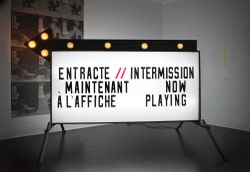
Les galeries du CCA sont transformées en salles de projection cinématographique afin de présenter une gamme de films artistiques, scientifiques et expérimentaux traitant des thèmes de la vitesse et de l’espace. Choisis par des commissaires à même les archives de la NASA, de l’Office national du film du Canada (ONF), du Musée national de l’air et de l’espace de la(...)
Les galeries du CCA sont transformées en salles de projection cinématographique afin de présenter une gamme de films artistiques, scientifiques et expérimentaux traitant des thèmes de la vitesse et de l’espace. Choisis par des commissaires à même les archives de la NASA, de l’Office national du film du Canada (ONF), du Musée national de l’air et de l’espace de la(...)
Localisation:
Salles principales
Salles principales
Date:
25 novembre 2009 au 28 février 2010
25 novembre 2009 au 28 février 2010
Titre:
Entracte : Films d'un futur héroïque
Actions:
Description:
Les galeries du CCA sont transformées en salles de projection cinématographique afin de présenter une gamme de films artistiques, scientifiques et expérimentaux traitant des thèmes de la vitesse et de l’espace. Choisis par des commissaires à même les archives de la NASA, de l’Office national du film du Canada (ONF), du Musée national de l’air et de l’espace de la(...)
Entracte : Films d'un futur héroïque
Actions:
Description:
Les galeries du CCA sont transformées en salles de projection cinématographique afin de présenter une gamme de films artistiques, scientifiques et expérimentaux traitant des thèmes de la vitesse et de l’espace. Choisis par des commissaires à même les archives de la NASA, de l’Office national du film du Canada (ONF), du Musée national de l’air et de l’espace de la(...)
Classification:
expositions
expositions
Date:
25 novembre 2009 au
28 février 2010
25 novembre 2009 au
28 février 2010
Localisation:
Salles principales
Salles principales
Classification:
expositions
expositions
Actions:
Description:
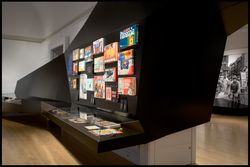
1973 : Désolé, plus d’essence analyse l’innovation architecturale à laquelle a donné naissance la crise énergétique de 1973, alors que la valeur du baril de pétrole augmentait de façon exponentielle, donnant lieu à des bouleversements économiques, politiques et sociaux dans de nombreux pays. Présentant plus de 350 objets – dessins d’architecture, photographies,(...)
1973 : Désolé, plus d’essence analyse l’innovation architecturale à laquelle a donné naissance la crise énergétique de 1973, alors que la valeur du baril de pétrole augmentait de façon exponentielle, donnant lieu à des bouleversements économiques, politiques et sociaux dans de nombreux pays. Présentant plus de 350 objets – dessins d’architecture, photographies,(...)
Localisation:
Salles principales Mot(s)-clé(s):
1973, désolé plus d'essence, crise du pétrole, énergie, environnement
Salles principales Mot(s)-clé(s):
1973, désolé plus d'essence, crise du pétrole, énergie, environnement
Date:
7 novembre 2007 au 20 avril 2008
7 novembre 2007 au 20 avril 2008
Titre:
1973 : désolé, plus d’essence
Actions:
Description:
1973 : Désolé, plus d’essence analyse l’innovation architecturale à laquelle a donné naissance la crise énergétique de 1973, alors que la valeur du baril de pétrole augmentait de façon exponentielle, donnant lieu à des bouleversements économiques, politiques et sociaux dans de nombreux pays. Présentant plus de 350 objets – dessins d’architecture, photographies,(...)
1973 : désolé, plus d’essence
Actions:
Description:
1973 : Désolé, plus d’essence analyse l’innovation architecturale à laquelle a donné naissance la crise énergétique de 1973, alors que la valeur du baril de pétrole augmentait de façon exponentielle, donnant lieu à des bouleversements économiques, politiques et sociaux dans de nombreux pays. Présentant plus de 350 objets – dessins d’architecture, photographies,(...)
Classification:
expositions
expositions
Date:
7 novembre 2007 au
20 avril 2008
7 novembre 2007 au
20 avril 2008
Localisation:
Salles principales Mot(s)-clé(s):
1973, désolé plus d'essence, crise du pétrole, énergie, environnement
Salles principales Mot(s)-clé(s):
1973, désolé plus d'essence, crise du pétrole, énergie, environnement
Classification:
expositions
expositions
Actions:
Description:
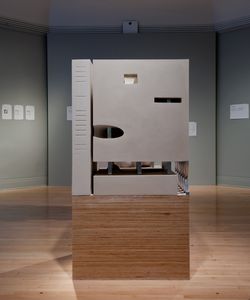
Située à Paris, la Bibliothèque nationale de France, super-bibliothèque combinant cinq collections nationales sous un même toit, a été l’étape finale des grands travaux lancés par le président François Mitterrand. Organisé à l’origine pour offrir un lieu à toute la production de mots, d’images et de sons depuis 1945, le concours d’architecture a révélé la diversité et(...)
Située à Paris, la Bibliothèque nationale de France, super-bibliothèque combinant cinq collections nationales sous un même toit, a été l’étape finale des grands travaux lancés par le président François Mitterrand. Organisé à l’origine pour offrir un lieu à toute la production de mots, d’images et de sons depuis 1945, le concours d’architecture a révélé la diversité et(...)
Localisation:
Salle octogonale
Salle octogonale
Date:
15 mai 2012 au 9 septembre 2012
15 mai 2012 au 9 septembre 2012
Titre:
Très Grande Bibliothèque (Very Big Library)
Actions:
Description:
Située à Paris, la Bibliothèque nationale de France, super-bibliothèque combinant cinq collections nationales sous un même toit, a été l’étape finale des grands travaux lancés par le président François Mitterrand. Organisé à l’origine pour offrir un lieu à toute la production de mots, d’images et de sons depuis 1945, le concours d’architecture a révélé la diversité et(...)
Très Grande Bibliothèque (Very Big Library)
Actions:
Description:
Située à Paris, la Bibliothèque nationale de France, super-bibliothèque combinant cinq collections nationales sous un même toit, a été l’étape finale des grands travaux lancés par le président François Mitterrand. Organisé à l’origine pour offrir un lieu à toute la production de mots, d’images et de sons depuis 1945, le concours d’architecture a révélé la diversité et(...)
Classification:
expositions
expositions
Date:
15 mai 2012 au
9 septembre 2012
15 mai 2012 au
9 septembre 2012
Localisation:
Salle octogonale
Salle octogonale
Classification:
expositions
expositions
Titre:
Cedric Price : de tout temps
Cedric Price : de tout temps
Actions:
Description:
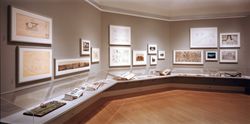
L’architecte britannique Cedric Price s’est servi de la collection du CCA pour établir des rapports complexes entre temps, espace et mouvement dans l’environnement bâti. Analysant des structures et des bâtiments de différentes époques, dont certains projets de Price lui-même, De tout temps présente des photographies d’un calendrier solaire aztèque, d’une gare de triage,(...)
L’architecte britannique Cedric Price s’est servi de la collection du CCA pour établir des rapports complexes entre temps, espace et mouvement dans l’environnement bâti. Analysant des structures et des bâtiments de différentes époques, dont certains projets de Price lui-même, De tout temps présente des photographies d’un calendrier solaire aztèque, d’une gare de triage,(...)
Localisation:
Salle octogonale
Salle octogonale
Date:
19 octobre 1999 au 27 février 2000
19 octobre 1999 au 27 février 2000
Titre:
Cedric Price : de tout temps
Actions:
Description:
L’architecte britannique Cedric Price s’est servi de la collection du CCA pour établir des rapports complexes entre temps, espace et mouvement dans l’environnement bâti. Analysant des structures et des bâtiments de différentes époques, dont certains projets de Price lui-même, De tout temps présente des photographies d’un calendrier solaire aztèque, d’une gare de triage,(...)
Cedric Price : de tout temps
Actions:
Description:
L’architecte britannique Cedric Price s’est servi de la collection du CCA pour établir des rapports complexes entre temps, espace et mouvement dans l’environnement bâti. Analysant des structures et des bâtiments de différentes époques, dont certains projets de Price lui-même, De tout temps présente des photographies d’un calendrier solaire aztèque, d’une gare de triage,(...)
Classification:
expositions
expositions
Date:
19 octobre 1999 au
27 février 2000
19 octobre 1999 au
27 février 2000
Localisation:
Salle octogonale
Salle octogonale
Classification:
expositions
expositions
Actions:
Description:
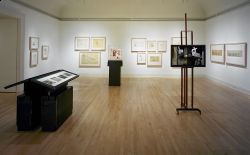
L’exposition se concentre sur un aspect déterminant et actuel de l’œuvre de Scarpa : l’approche originale qu’il utilisait pour composer avec les strates historiques qui forment le tissu d’une ville ou d’un bâtiment. En se concentrant sur l’habileté avec laquelle Scarpa pouvait développer une nouvelle œuvre à l’intérieur même, et souvent à partir, de fragments disparates(...)
L’exposition se concentre sur un aspect déterminant et actuel de l’œuvre de Scarpa : l’approche originale qu’il utilisait pour composer avec les strates historiques qui forment le tissu d’une ville ou d’un bâtiment. En se concentrant sur l’habileté avec laquelle Scarpa pouvait développer une nouvelle œuvre à l’intérieur même, et souvent à partir, de fragments disparates(...)
Localisation:
Salles principales
Salles principales
Date:
26 mai 1999 au 31 octobre 1999
26 mai 1999 au 31 octobre 1999
Titre:
Carlo Scarpa, architecte : composer avec l’histoire
Actions:
Description:
L’exposition se concentre sur un aspect déterminant et actuel de l’œuvre de Scarpa : l’approche originale qu’il utilisait pour composer avec les strates historiques qui forment le tissu d’une ville ou d’un bâtiment. En se concentrant sur l’habileté avec laquelle Scarpa pouvait développer une nouvelle œuvre à l’intérieur même, et souvent à partir, de fragments disparates(...)
Carlo Scarpa, architecte : composer avec l’histoire
Actions:
Description:
L’exposition se concentre sur un aspect déterminant et actuel de l’œuvre de Scarpa : l’approche originale qu’il utilisait pour composer avec les strates historiques qui forment le tissu d’une ville ou d’un bâtiment. En se concentrant sur l’habileté avec laquelle Scarpa pouvait développer une nouvelle œuvre à l’intérieur même, et souvent à partir, de fragments disparates(...)
Classification:
expositions
expositions
Date:
26 mai 1999 au
31 octobre 1999
26 mai 1999 au
31 octobre 1999
Localisation:
Salles principales
Salles principales
Classification:
archives
Niveau de description archivistique:
Fonds
archives
Niveau de description archivistique:
Fonds
Titre:
Fonds Günter Günschel
Fonds Günter Günschel
Numéro de référence:
AP187
Résumé:
The Günter Günschel fonds documents the architectural work of Günter Günschel. The fonds spans the years 1943 to 2006 and consists of drawings, photographic materials, and textual documentation related to over 50 projects, such as Kristallwucherungen (1953-1988), Geodätische Hallen (1955-1978), Wohnheim in Raumzellenbauweise für das Studentenwerk Göttingen (1969), Stadtquartiere (1977-1988), Emtwurf zur Bebauung der Weserinsel Teerhof in Bremen (1977-1978), and Stühle, Computergrafiken (1998).
AP187
Résumé:
The Günter Günschel fonds documents the architectural work of Günter Günschel. The fonds spans the years 1943 to 2006 and consists of drawings, photographic materials, and textual documentation related to over 50 projects, such as Kristallwucherungen (1953-1988), Geodätische Hallen (1955-1978), Wohnheim in Raumzellenbauweise für das Studentenwerk Göttingen (1969), Stadtquartiere (1977-1988), Emtwurf zur Bebauung der Weserinsel Teerhof in Bremen (1977-1978), and Stühle, Computergrafiken (1998).
Personnes et institutions:
Date:
1943-2006
1943-2006
Titre:
Fonds Günter Günschel
Actions:
AP187
Résumé:
The Günter Günschel fonds documents the architectural work of Günter Günschel. The fonds spans the years 1943 to 2006 and consists of drawings, photographic materials, and textual documentation related to over 50 projects, such as Kristallwucherungen (1953-1988), Geodätische Hallen (1955-1978), Wohnheim in Raumzellenbauweise für das Studentenwerk Göttingen (1969), Stadtquartiere (1977-1988), Emtwurf zur Bebauung der Weserinsel Teerhof in Bremen (1977-1978), and Stühle, Computergrafiken (1998).
Fonds Günter Günschel
Actions:
AP187
Résumé:
The Günter Günschel fonds documents the architectural work of Günter Günschel. The fonds spans the years 1943 to 2006 and consists of drawings, photographic materials, and textual documentation related to over 50 projects, such as Kristallwucherungen (1953-1988), Geodätische Hallen (1955-1978), Wohnheim in Raumzellenbauweise für das Studentenwerk Göttingen (1969), Stadtquartiere (1977-1988), Emtwurf zur Bebauung der Weserinsel Teerhof in Bremen (1977-1978), and Stühle, Computergrafiken (1998).
Classification:
archives
Niveau de description archivistique:
Fonds
archives
Niveau de description archivistique:
Fonds
Date:
1943-2006
1943-2006
Personnes et institutions:


