


5688 Résultats
Classification:
livres
livres
Actions:
Exemplaires:
Description:
3 volumes (1110 pages) : illustrations ; 21 cm.
Description:
3 volumes (1110 pages) : illustrations ; 21 cm.
Auteur:
Sujet:
Publication:
Roma : Bulzoni, ©1982.
Roma : Bulzoni, ©1982.
Titre:
La Corte e lo spazio, Ferrara estense / a cura di Giuseppe Papagno e Amedeo Quondam.
Actions:
Exemplaires:
Description:
3 volumes (1110 pages) : illustrations ; 21 cm.
La Corte e lo spazio, Ferrara estense / a cura di Giuseppe Papagno e Amedeo Quondam.
Actions:
Exemplaires:
Description:
3 volumes (1110 pages) : illustrations ; 21 cm.
Classification:
livres
livres
Publication:
Roma : Bulzoni, ©1982.
Roma : Bulzoni, ©1982.
Auteur:
Sujet:
Classification:
livres
livres
Actions:
Exemplaires:
Description:
295 pages : illustrations ; 25 cm
Description:
295 pages : illustrations ; 25 cm
Auteur:
Sujet:
Publication:
Paris : Éd. Autrement, 1999.
Paris : Éd. Autrement, 1999.
Titre:
Le jardin, notre double : sagesse et déraison / dir. par Hervé Brunon.
Actions:
Exemplaires:
Description:
295 pages : illustrations ; 25 cm
Le jardin, notre double : sagesse et déraison / dir. par Hervé Brunon.
Actions:
Exemplaires:
Description:
295 pages : illustrations ; 25 cm
Classification:
livres
livres
Publication:
Paris : Éd. Autrement, 1999.
Paris : Éd. Autrement, 1999.
Auteur:
Sujet:
Classification:
livres
livres
Exemplaires:
Description:
158 pages : illustrations (chiefly color), plans, portraits ; 33 cm
Description:
158 pages : illustrations (chiefly color), plans, portraits ; 33 cm
Auteur:
Sujet:
Publication:
Bruxelles : Racine, ©2010.
Bruxelles : Racine, ©2010.
Titre:
Aedes academiarum / Hervé Hasquin, Francis Strauven.
Actions:
Exemplaires:
Description:
158 pages : illustrations (chiefly color), plans, portraits ; 33 cm
Aedes academiarum / Hervé Hasquin, Francis Strauven.
Actions:
Exemplaires:
Description:
158 pages : illustrations (chiefly color), plans, portraits ; 33 cm
Classification:
livres
livres
Publication:
Bruxelles : Racine, ©2010.
Bruxelles : Racine, ©2010.
Auteur:
Sujet:
Classification:
livres
livres
Actions:
Exemplaires:
Description:
xii, 216 pages : illustrations ; 27 cm
Description:
xii, 216 pages : illustrations ; 27 cm
Auteur:
Sujet:
Publication:
Minneapolis : University of Minnesota Press, 1999.
Minneapolis : University of Minnesota Press, 1999.
Titre:
Imagining the modern city / James Donald.
Actions:
Exemplaires:
Description:
xii, 216 pages : illustrations ; 27 cm
Imagining the modern city / James Donald.
Actions:
Exemplaires:
Description:
xii, 216 pages : illustrations ; 27 cm
Classification:
livres
livres
Publication:
Minneapolis : University of Minnesota Press, 1999.
Minneapolis : University of Minnesota Press, 1999.
Auteur:
Sujet:
Classification:
livres
livres
Titre:
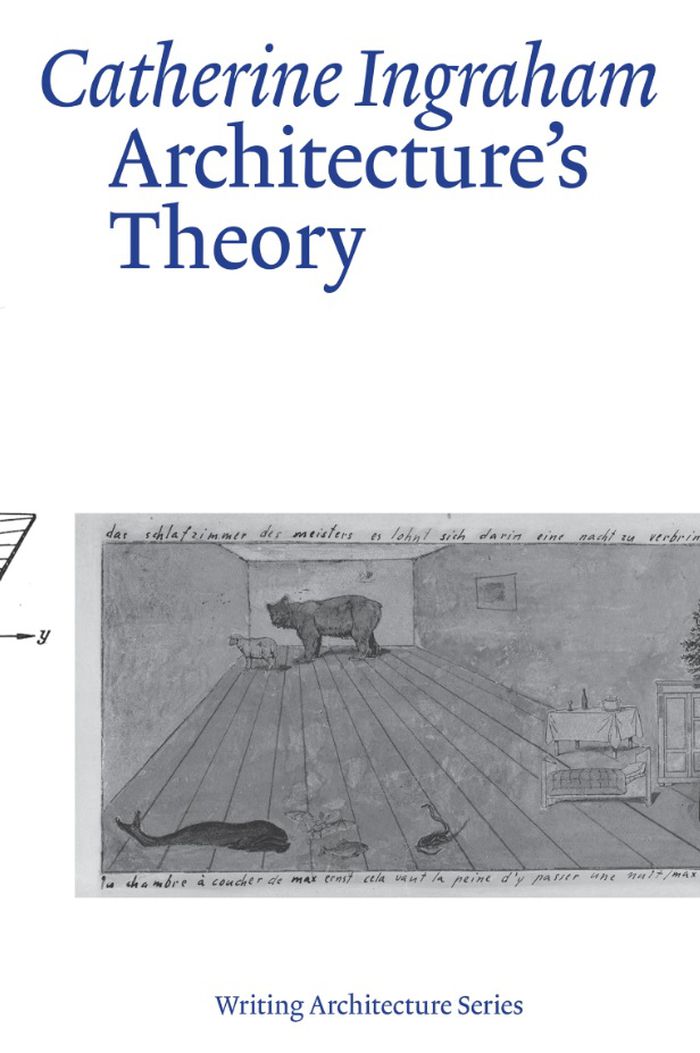
Architecture's theory
Architecture's theory
Actions:
Prix:
$45.95
(disponible en magasin)
Résumé:
From poststructuralism and deconstruction to current theories of technology and nature, critical theory has long been closely aligned with architecture. In turn, architecture as a thinking profession materializes theory in the form of built work that always carries symbolic loads. In this collection of essays, Catherine Ingraham studies the complex connectivity between(...)
$45.95
(disponible en magasin)
Résumé:
From poststructuralism and deconstruction to current theories of technology and nature, critical theory has long been closely aligned with architecture. In turn, architecture as a thinking profession materializes theory in the form of built work that always carries symbolic loads. In this collection of essays, Catherine Ingraham studies the complex connectivity between(...)
Titre:
Architecture's theory
Actions:
Prix:
$45.95
(disponible en magasin)
Résumé:
From poststructuralism and deconstruction to current theories of technology and nature, critical theory has long been closely aligned with architecture. In turn, architecture as a thinking profession materializes theory in the form of built work that always carries symbolic loads. In this collection of essays, Catherine Ingraham studies the complex connectivity between architecture's discipline and practice and theories of philosophy, art, literature, history, and politics. She argues that there can be no architecture without theory. Whether considering architecture's relationship to biomodernity or exploring the ways in which contemporary artists and designers engage in figural play, Ingraham offers provocative interpretations that enhance our understanding of both critical theory and architectural practice today. Along the way, she engages with a wide range of contemporary theorists, including Giorgio Agamben, Judith Butler, Jacques Derrida, Graham Harman, and Timothy Morton, considering buildings around the world, including the Palace of Culture in Warsaw, the Viceroy's House complex in New Delhi, Mack Scogin and Merrill Elam's Wolfsburg Science Center project in Germany, and the Superdome in New Orleans.
Architecture's theory
Actions:
Prix:
$45.95
(disponible en magasin)
Résumé:
From poststructuralism and deconstruction to current theories of technology and nature, critical theory has long been closely aligned with architecture. In turn, architecture as a thinking profession materializes theory in the form of built work that always carries symbolic loads. In this collection of essays, Catherine Ingraham studies the complex connectivity between architecture's discipline and practice and theories of philosophy, art, literature, history, and politics. She argues that there can be no architecture without theory. Whether considering architecture's relationship to biomodernity or exploring the ways in which contemporary artists and designers engage in figural play, Ingraham offers provocative interpretations that enhance our understanding of both critical theory and architectural practice today. Along the way, she engages with a wide range of contemporary theorists, including Giorgio Agamben, Judith Butler, Jacques Derrida, Graham Harman, and Timothy Morton, considering buildings around the world, including the Palace of Culture in Warsaw, the Viceroy's House complex in New Delhi, Mack Scogin and Merrill Elam's Wolfsburg Science Center project in Germany, and the Superdome in New Orleans.
Classification:
livres
livres
Publication:
avril 2023
avril 2023
Sujet:
Théorie de l’architecture
Théorie de l’architecture
Classification:
livres
livres
Actions:
Prix:
$100.00
(disponible sur commande)
Résumé:
Featured in the 2018 film "The gardener," Les Quatre Vents in Charlevoix County, Quebec, has been acclaimed as the most aesthetically satisfying and horticulturally exciting landscape experience in North America. This twenty-acre garden seamlessly combines traditional and novel elements into a splendid composition, adorned with unexpected touches and perfectly compatible(...)
$100.00
(disponible sur commande)
Résumé:
Featured in the 2018 film "The gardener," Les Quatre Vents in Charlevoix County, Quebec, has been acclaimed as the most aesthetically satisfying and horticulturally exciting landscape experience in North America. This twenty-acre garden seamlessly combines traditional and novel elements into a splendid composition, adorned with unexpected touches and perfectly compatible(...)
Titre:
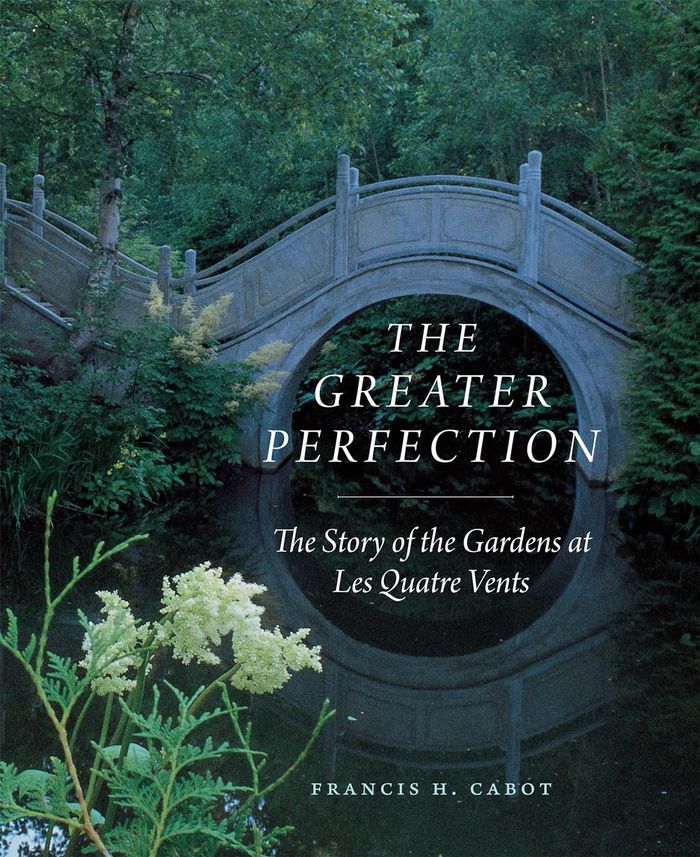
The greater perfection: The story of the gardens at Les Quatre Vents
Actions:
Prix:
$100.00
(disponible sur commande)
Résumé:
Featured in the 2018 film "The gardener," Les Quatre Vents in Charlevoix County, Quebec, has been acclaimed as the most aesthetically satisfying and horticulturally exciting landscape experience in North America. This twenty-acre garden seamlessly combines traditional and novel elements into a splendid composition, adorned with unexpected touches and perfectly compatible with its natural surroundings. "The greater perfection," first published in 2001, illustrates the delights, diversions, and surprises that await the garden’s visitors. Francis H. Cabot’s account of the challenges he faced in developing Les Quatre Vents reveals the fascinating process behind the creation of a world-class garden that has become a mecca for horticultural enthusiasts around the globe. Winner of the 2003 Annual Literature Award of the Council on Botanical and Horticultural Libraries and featuring stunning full-color images by five leading garden photographers, "The greater perfection" is one of the most beautiful books on gardens to appear in years. This new printing includes a foreword by Marianne Cabot Welch, Cabot’s daughter, that further contextualizes the gardens and explores how a place rooted in the past can confront the future.
The greater perfection: The story of the gardens at Les Quatre Vents
Actions:
Prix:
$100.00
(disponible sur commande)
Résumé:
Featured in the 2018 film "The gardener," Les Quatre Vents in Charlevoix County, Quebec, has been acclaimed as the most aesthetically satisfying and horticulturally exciting landscape experience in North America. This twenty-acre garden seamlessly combines traditional and novel elements into a splendid composition, adorned with unexpected touches and perfectly compatible with its natural surroundings. "The greater perfection," first published in 2001, illustrates the delights, diversions, and surprises that await the garden’s visitors. Francis H. Cabot’s account of the challenges he faced in developing Les Quatre Vents reveals the fascinating process behind the creation of a world-class garden that has become a mecca for horticultural enthusiasts around the globe. Winner of the 2003 Annual Literature Award of the Council on Botanical and Horticultural Libraries and featuring stunning full-color images by five leading garden photographers, "The greater perfection" is one of the most beautiful books on gardens to appear in years. This new printing includes a foreword by Marianne Cabot Welch, Cabot’s daughter, that further contextualizes the gardens and explores how a place rooted in the past can confront the future.
Classification:
livres
livres
Publication:
janvier 2024
janvier 2024
Sujet:
Jardins
Jardins
Classification:
livres
livres
Actions:
Prix:
$62.50
(disponible sur commande)
Résumé:
Swiss graphic design and “the Swiss Style” are crucial elements in the history of modernism. During the 1920s and ’30s, skills traditionally associated with Swiss industry, particularly pharmaceuticals and mechanical engineering, were matched by those of the country’s graphic designers, who produced their advertising and technical literature. These pioneering graphic(...)
$62.50
(disponible sur commande)
Résumé:
Swiss graphic design and “the Swiss Style” are crucial elements in the history of modernism. During the 1920s and ’30s, skills traditionally associated with Swiss industry, particularly pharmaceuticals and mechanical engineering, were matched by those of the country’s graphic designers, who produced their advertising and technical literature. These pioneering graphic(...)
Titre:
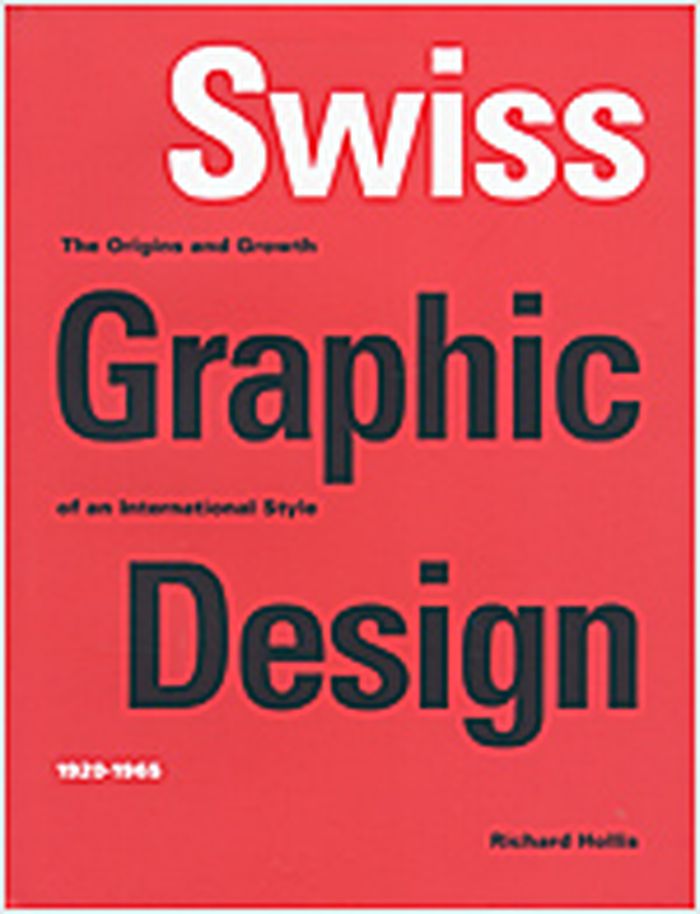
Swiss graphic design : the origins and growth of an international style 1920-1965
Actions:
Prix:
$62.50
(disponible sur commande)
Résumé:
Swiss graphic design and “the Swiss Style” are crucial elements in the history of modernism. During the 1920s and ’30s, skills traditionally associated with Swiss industry, particularly pharmaceuticals and mechanical engineering, were matched by those of the country’s graphic designers, who produced their advertising and technical literature. These pioneering graphic artists saw design as part of industrial production and searched for anonymous, objective visual communication. They chose photographic images rather than illustration, and typefaces that were industrial-looking rather than those designed for books. This volume looks at graphic language developed by such Swiss designers as Theo Ballmer, Max Bill, Adrian Frutiger, Karl Gerstner, Armin Hoffman, Ernst Keller, Herbert Matter, Josef Müller-Brockmann, and Jan Tschichold. The style of these artists received worldwide admiration for its formal discipline : images and text were organized by geometrical grids. Adopted internationally, the grid and sans serif typefaces such as Helvetica became the classic emblems of Swiss graphic design. This book shows design work across a range of media, including posters, magazines, exhibition displays, brochures, advertisements, books, and film.
Swiss graphic design : the origins and growth of an international style 1920-1965
Actions:
Prix:
$62.50
(disponible sur commande)
Résumé:
Swiss graphic design and “the Swiss Style” are crucial elements in the history of modernism. During the 1920s and ’30s, skills traditionally associated with Swiss industry, particularly pharmaceuticals and mechanical engineering, were matched by those of the country’s graphic designers, who produced their advertising and technical literature. These pioneering graphic artists saw design as part of industrial production and searched for anonymous, objective visual communication. They chose photographic images rather than illustration, and typefaces that were industrial-looking rather than those designed for books. This volume looks at graphic language developed by such Swiss designers as Theo Ballmer, Max Bill, Adrian Frutiger, Karl Gerstner, Armin Hoffman, Ernst Keller, Herbert Matter, Josef Müller-Brockmann, and Jan Tschichold. The style of these artists received worldwide admiration for its formal discipline : images and text were organized by geometrical grids. Adopted internationally, the grid and sans serif typefaces such as Helvetica became the classic emblems of Swiss graphic design. This book shows design work across a range of media, including posters, magazines, exhibition displays, brochures, advertisements, books, and film.
Classification:
livres
livres
Publication:
avril 2006, New Haven
avril 2006, New Haven
Classification:
livres
livres
Actions:
Prix:
$61.00
(disponible sur commande)
Résumé:
In the early decades of the twentieth century, European artists, poets, and designers called for the destruction of outdated assumptions about vision and language. Numerous manifestos resulted, demanding new artistic forms. None of these manifestos was more aggressive and poetic, or wider in scope than Filippo Tomasso Marinetti’s Futurist Manifesto of 1909. Painting,(...)
$61.00
(disponible sur commande)
Résumé:
In the early decades of the twentieth century, European artists, poets, and designers called for the destruction of outdated assumptions about vision and language. Numerous manifestos resulted, demanding new artistic forms. None of these manifestos was more aggressive and poetic, or wider in scope than Filippo Tomasso Marinetti’s Futurist Manifesto of 1909. Painting,(...)
Titre:
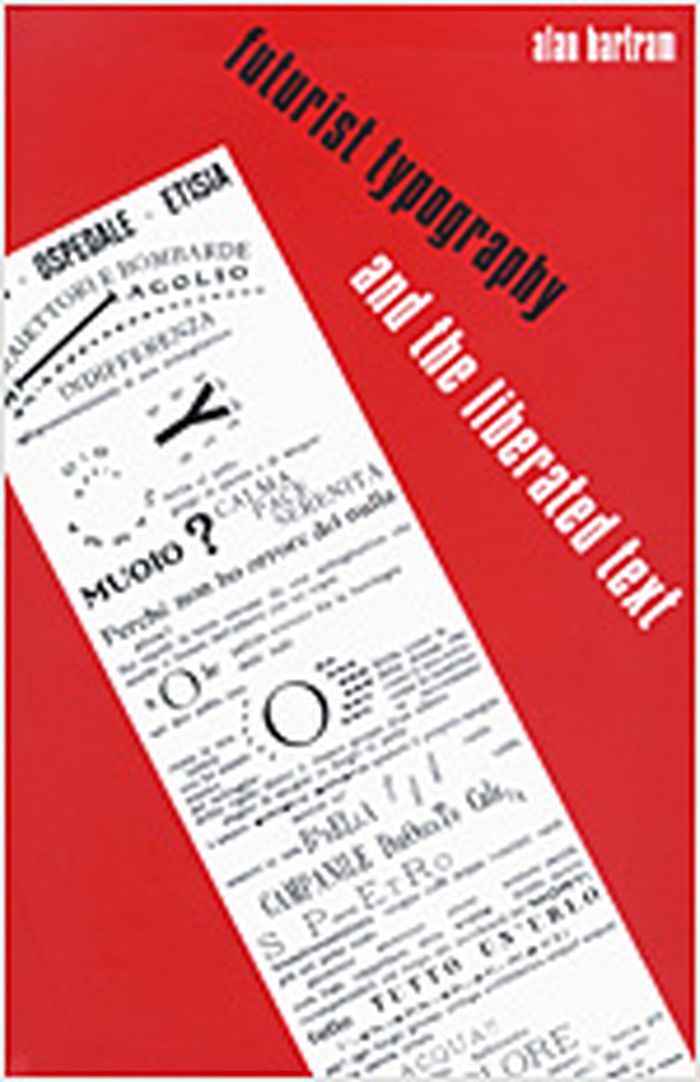
Futurist typography and the liberated text
Actions:
Prix:
$61.00
(disponible sur commande)
Résumé:
In the early decades of the twentieth century, European artists, poets, and designers called for the destruction of outdated assumptions about vision and language. Numerous manifestos resulted, demanding new artistic forms. None of these manifestos was more aggressive and poetic, or wider in scope than Filippo Tomasso Marinetti’s Futurist Manifesto of 1909. Painting, sculpture, literature, architecture, theatre, cinema, and music were all caught up in its net. Typography—until then a distant relative in the arts—also played a major role in Marinetti’s program. Written by Alan Bartram, this book examines the rise and evolution of the Futurists’ approach to typography and graphic design, placing it within the context of contemporary artistic and literary movements. The volume features examples of some eighty Futurist books or other designs for print, many of them relatively unknown or previously unpublished, accompanied by new translations of over twenty of the featured texts. Bartram illuminates the complicated meanings of the Futurist designers’ graphic works in order to provide a new understanding of their extraordinary and influential visual language.
Futurist typography and the liberated text
Actions:
Prix:
$61.00
(disponible sur commande)
Résumé:
In the early decades of the twentieth century, European artists, poets, and designers called for the destruction of outdated assumptions about vision and language. Numerous manifestos resulted, demanding new artistic forms. None of these manifestos was more aggressive and poetic, or wider in scope than Filippo Tomasso Marinetti’s Futurist Manifesto of 1909. Painting, sculpture, literature, architecture, theatre, cinema, and music were all caught up in its net. Typography—until then a distant relative in the arts—also played a major role in Marinetti’s program. Written by Alan Bartram, this book examines the rise and evolution of the Futurists’ approach to typography and graphic design, placing it within the context of contemporary artistic and literary movements. The volume features examples of some eighty Futurist books or other designs for print, many of them relatively unknown or previously unpublished, accompanied by new translations of over twenty of the featured texts. Bartram illuminates the complicated meanings of the Futurist designers’ graphic works in order to provide a new understanding of their extraordinary and influential visual language.
Classification:
livres
livres
Publication:
mars 2006, London
mars 2006, London
Classification:
livres
livres
Actions:
Prix:
$65.00
(disponible sur commande)
Résumé:
In 1811, architect, stone mason and shell obsessive George Perry published an illustrated volume, his Conchology or the Natural History of Shells, featuring 348 illustrated mollusc shells with descriptions of species, many of which were new to science. Despite the effort that went into producing the work, at a time when "conchophilia", or shell fancying, was at its(...)
$65.00
(disponible sur commande)
Résumé:
In 1811, architect, stone mason and shell obsessive George Perry published an illustrated volume, his Conchology or the Natural History of Shells, featuring 348 illustrated mollusc shells with descriptions of species, many of which were new to science. Despite the effort that went into producing the work, at a time when "conchophilia", or shell fancying, was at its(...)
Titre:
Beautiful shells: George Perry's Conchology
Actions:
Prix:
$65.00
(disponible sur commande)
Résumé:
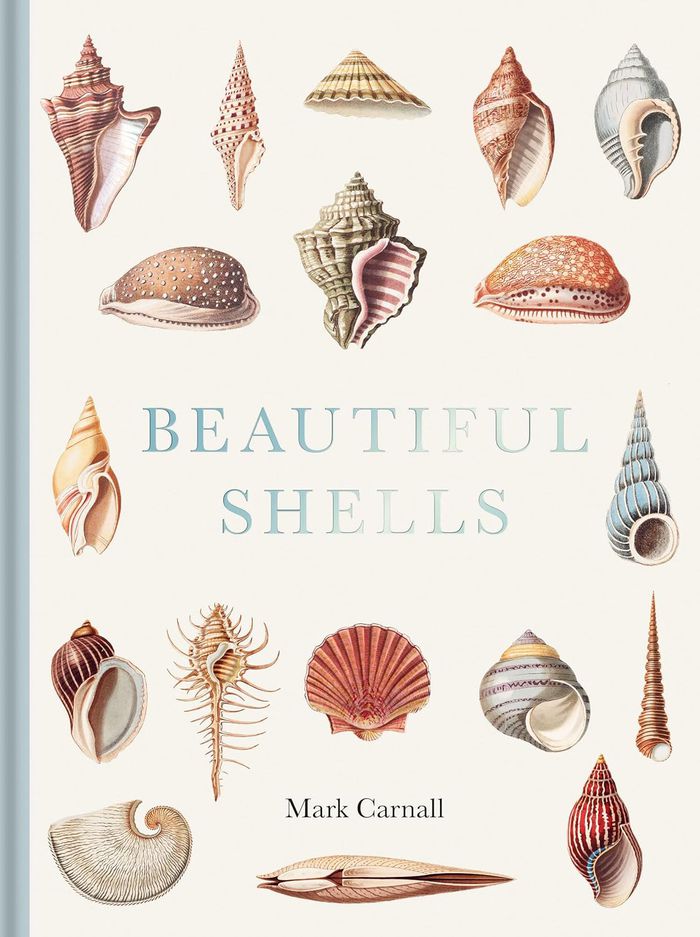
In 1811, architect, stone mason and shell obsessive George Perry published an illustrated volume, his Conchology or the Natural History of Shells, featuring 348 illustrated mollusc shells with descriptions of species, many of which were new to science. Despite the effort that went into producing the work, at a time when "conchophilia", or shell fancying, was at its height, Perry’s Conchology all but disappeared without a trace in the scientific literature, apparently actively suppressed by the leading conchologists of the day and then cruelly mocked for decades afterwards. This book reproduces the stunning, exquisitely drawn and sometimes fanciful shell illustrations from this extraordinary forgotten volume. Following an introduction exploring our fascination with shells and their impact on human history, culture and science, each of the sixty-one colour plates is included alongside a description of notable shells and what is known of the mysterious organisms that make them. From the common limpet and razor clam to the valuable cowry and spectacular divine conch, the wide range of shells featured form a treasure trove of natural beauty from our oceans and shores.
Beautiful shells: George Perry's Conchology
Actions:
Prix:
$65.00
(disponible sur commande)
Résumé:
In 1811, architect, stone mason and shell obsessive George Perry published an illustrated volume, his Conchology or the Natural History of Shells, featuring 348 illustrated mollusc shells with descriptions of species, many of which were new to science. Despite the effort that went into producing the work, at a time when "conchophilia", or shell fancying, was at its height, Perry’s Conchology all but disappeared without a trace in the scientific literature, apparently actively suppressed by the leading conchologists of the day and then cruelly mocked for decades afterwards. This book reproduces the stunning, exquisitely drawn and sometimes fanciful shell illustrations from this extraordinary forgotten volume. Following an introduction exploring our fascination with shells and their impact on human history, culture and science, each of the sixty-one colour plates is included alongside a description of notable shells and what is known of the mysterious organisms that make them. From the common limpet and razor clam to the valuable cowry and spectacular divine conch, the wide range of shells featured form a treasure trove of natural beauty from our oceans and shores.
Classification:
livres
livres
Publication:
septembre 2024
septembre 2024
Sujet:
Faune et flore
Faune et flore
Classification:
périodiques
périodiques
Actions:
Prix:
$54.00
(disponible en magasin)
Résumé:
The intersection of architecture and the machine has a history that stretches back to the Industrial Revolution, however the machine has recently begun to appear in new ways in speculative architectural drawing and modelling. This issue of AD considers the influence of the machine as an allegorical device for exploring alternative architectural practices, and includes a(...)
$54.00
(disponible en magasin)
Résumé:
The intersection of architecture and the machine has a history that stretches back to the Industrial Revolution, however the machine has recently begun to appear in new ways in speculative architectural drawing and modelling. This issue of AD considers the influence of the machine as an allegorical device for exploring alternative architectural practices, and includes a(...)
Titre:
The allegorical architectural machine
Actions:
Prix:
$54.00
(disponible en magasin)
Résumé:
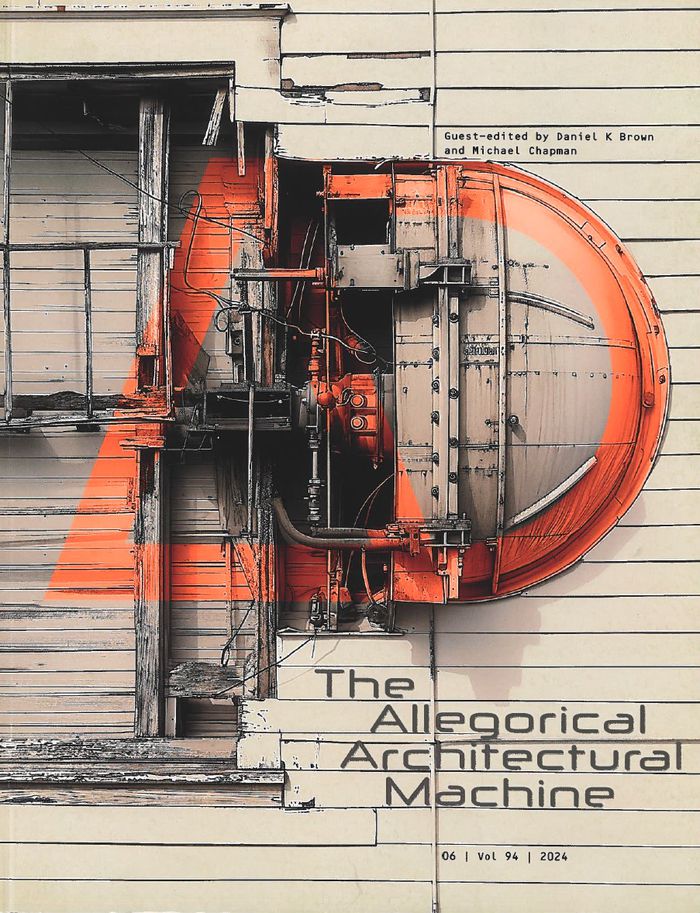
The intersection of architecture and the machine has a history that stretches back to the Industrial Revolution, however the machine has recently begun to appear in new ways in speculative architectural drawing and modelling. This issue of AD considers the influence of the machine as an allegorical device for exploring alternative architectural practices, and includes a cross-section of viewpoints from emerging and established international practitioners and academics. Allegory, a technique native to literature, provides a critical method through which machine typologies can contribute to deeper architectural narratives, offering new lenses for challenging or reassembling conventional modes of thought. An allegorical architectural project can unveil a story that enhances our awareness of something important. This AD reveals how engagement with the machine as an allegorical device in architectural discourse provides an avenue for architecture to provoke new ideas in response to current environmental, political, economic, cultural and social issues. At the forefront of this discussion, it extends the criticality of the topic within the broader spectrum of history, theory, philosophy, allegory and new technologies.
The allegorical architectural machine
Actions:
Prix:
$54.00
(disponible en magasin)
Résumé:
The intersection of architecture and the machine has a history that stretches back to the Industrial Revolution, however the machine has recently begun to appear in new ways in speculative architectural drawing and modelling. This issue of AD considers the influence of the machine as an allegorical device for exploring alternative architectural practices, and includes a cross-section of viewpoints from emerging and established international practitioners and academics. Allegory, a technique native to literature, provides a critical method through which machine typologies can contribute to deeper architectural narratives, offering new lenses for challenging or reassembling conventional modes of thought. An allegorical architectural project can unveil a story that enhances our awareness of something important. This AD reveals how engagement with the machine as an allegorical device in architectural discourse provides an avenue for architecture to provoke new ideas in response to current environmental, political, economic, cultural and social issues. At the forefront of this discussion, it extends the criticality of the topic within the broader spectrum of history, theory, philosophy, allegory and new technologies.
Classification:
périodiques
périodiques
Publication:
décembre 2024
décembre 2024
Sujet:
Revues
Revues


