


498 Résultats
Classification:
livres
livres

Titre:
St. Peter's
St. Peter's
Actions:
Prix:
$22.95
(disponible sur commande)
Résumé:
Built by the decree of Constantine, rebuilt by some of the most distinguished architects in Renaissance Italy, emulated by Hitler's architect in his vision for Germania, immortalized on film by Fellini, and fictionalized by a modern American bestseller, St. Peter's is the most easily recognizable church in the world. This book is a cultural history of one of the most(...)
$22.95
(disponible sur commande)
Résumé:
Built by the decree of Constantine, rebuilt by some of the most distinguished architects in Renaissance Italy, emulated by Hitler's architect in his vision for Germania, immortalized on film by Fellini, and fictionalized by a modern American bestseller, St. Peter's is the most easily recognizable church in the world. This book is a cultural history of one of the most(...)
Titre:
St. Peter's
Actions:
Prix:
$22.95
(disponible sur commande)
Résumé:
Built by the decree of Constantine, rebuilt by some of the most distinguished architects in Renaissance Italy, emulated by Hitler's architect in his vision for Germania, immortalized on film by Fellini, and fictionalized by a modern American bestseller, St. Peter's is the most easily recognizable church in the world. This book is a cultural history of one of the most significant structures in the West. It bears the imprint of Bramante, Raphael, Michelangelo, Bernini, and Canova. For Grand Tourists of the eighteenth century, St. Peter's exemplified the sublime. It continues to fascinate visitors today and appears globally as a familiar symbol of the papacy and of the Catholic Church itself. The church was first built in the fourth century on what is thought to be the tomb of Peter - the rock upon which Christ decreed his church shall be built. After twelve hundred years, the church was largely demolished and rebuilt in the sixteenth century when it came to acquire its present-day form. St. Peter's awes the visitor by its gigantic proportions, creating a city within itself. It is the mother church, the womb from which churches around the world have taken inspiration. This book covers the social, political, and architectural history of the church from the fourth century to the present. From the threshold, to the subterranean Roman necropolis, to the dizzying heights of the dome, this book provides rare perspectives and contexts for understanding the shape and significance of the most illustrious church in the world.
St. Peter's
Actions:
Prix:
$22.95
(disponible sur commande)
Résumé:
Built by the decree of Constantine, rebuilt by some of the most distinguished architects in Renaissance Italy, emulated by Hitler's architect in his vision for Germania, immortalized on film by Fellini, and fictionalized by a modern American bestseller, St. Peter's is the most easily recognizable church in the world. This book is a cultural history of one of the most significant structures in the West. It bears the imprint of Bramante, Raphael, Michelangelo, Bernini, and Canova. For Grand Tourists of the eighteenth century, St. Peter's exemplified the sublime. It continues to fascinate visitors today and appears globally as a familiar symbol of the papacy and of the Catholic Church itself. The church was first built in the fourth century on what is thought to be the tomb of Peter - the rock upon which Christ decreed his church shall be built. After twelve hundred years, the church was largely demolished and rebuilt in the sixteenth century when it came to acquire its present-day form. St. Peter's awes the visitor by its gigantic proportions, creating a city within itself. It is the mother church, the womb from which churches around the world have taken inspiration. This book covers the social, political, and architectural history of the church from the fourth century to the present. From the threshold, to the subterranean Roman necropolis, to the dizzying heights of the dome, this book provides rare perspectives and contexts for understanding the shape and significance of the most illustrious church in the world.
Classification:
livres
livres
Publication:
octobre 2007, London
octobre 2007, London
Classification:
livres
livres
Titre:
The colosseum
The colosseum
Actions:
Prix:
$24.95
(disponible sur commande)
Résumé:
Byron and Hitler were equally entranced by Rome's most famous monument, the Colosseum. Mid-Victorians admired the hundreds of varieties of flowers in its crannies and occasionally shuddered at its reputation for contagion, danger, and sexual temptation. Today it is the highlight of a tour of Italy for more than three million visitors a year, a concert arena for the likes(...)
$24.95
(disponible sur commande)
Résumé:
Byron and Hitler were equally entranced by Rome's most famous monument, the Colosseum. Mid-Victorians admired the hundreds of varieties of flowers in its crannies and occasionally shuddered at its reputation for contagion, danger, and sexual temptation. Today it is the highlight of a tour of Italy for more than three million visitors a year, a concert arena for the likes(...)
Titre:
The colosseum
Actions:
Prix:
$24.95
(disponible sur commande)
Résumé:
Byron and Hitler were equally entranced by Rome's most famous monument, the Colosseum. Mid-Victorians admired the hundreds of varieties of flowers in its crannies and occasionally shuddered at its reputation for contagion, danger, and sexual temptation. Today it is the highlight of a tour of Italy for more than three million visitors a year, a concert arena for the likes of Paul McCartney, and a national symbol of opposition to the death penalty. Its ancient history is chockfull of romantic but erroneous myths. There is no evidence that any gladiator ever said "Hail Caesar, those about to die..." and we know of not one single Christian martyr who met his finish here. Yet the reality is much stranger than the legend as the authors, two prominent classical historians, explain in this absorbing account. We learn the details of how the arena was built and at what cost; we are introduced to the emperors who sometimes fought in gladiatorial games staged at the Colosseum; and we take measure of the audience who reveled in, or opposed, these games. The authors also trace the strange afterlife of the monument--as fortress, shrine of martyrs, church, and glue factory. Why are we so fascinated with this arena of death?
The colosseum
Actions:
Prix:
$24.95
(disponible sur commande)
Résumé:
Byron and Hitler were equally entranced by Rome's most famous monument, the Colosseum. Mid-Victorians admired the hundreds of varieties of flowers in its crannies and occasionally shuddered at its reputation for contagion, danger, and sexual temptation. Today it is the highlight of a tour of Italy for more than three million visitors a year, a concert arena for the likes of Paul McCartney, and a national symbol of opposition to the death penalty. Its ancient history is chockfull of romantic but erroneous myths. There is no evidence that any gladiator ever said "Hail Caesar, those about to die..." and we know of not one single Christian martyr who met his finish here. Yet the reality is much stranger than the legend as the authors, two prominent classical historians, explain in this absorbing account. We learn the details of how the arena was built and at what cost; we are introduced to the emperors who sometimes fought in gladiatorial games staged at the Colosseum; and we take measure of the audience who reveled in, or opposed, these games. The authors also trace the strange afterlife of the monument--as fortress, shrine of martyrs, church, and glue factory. Why are we so fascinated with this arena of death?
Classification:
livres
livres
Publication:
novembre 2005, Cambridge
novembre 2005, Cambridge
Sujet:
Histoire jusqu’à 1900
Histoire jusqu’à 1900
Classification:
livres
livres
Titre:
The Dome of the Rock
The Dome of the Rock
Actions:
Prix:
$28.95
(disponible sur commande)
Résumé:
The Dome of the Rock, the beautiful Muslim shrine in the walled Old City of Jerusalem, was fully restored to its original state in the last half-century. Thus, this structure, sited on the third holiest spot on earth for Muslims, is at once a product of the seventh century and almost entirely the work of our own times - a paradox in keeping with the complexities and(...)
$28.95
(disponible sur commande)
Résumé:
The Dome of the Rock, the beautiful Muslim shrine in the walled Old City of Jerusalem, was fully restored to its original state in the last half-century. Thus, this structure, sited on the third holiest spot on earth for Muslims, is at once a product of the seventh century and almost entirely the work of our own times - a paradox in keeping with the complexities and(...)
Publication:
octobre 2006, Cambridge (MA), London
octobre 2006, Cambridge (MA), London
Titre:
The Dome of the Rock
Actions:
Prix:
$28.95
(disponible sur commande)
Résumé:
The Dome of the Rock, the beautiful Muslim shrine in the walled Old City of Jerusalem, was fully restored to its original state in the last half-century. Thus, this structure, sited on the third holiest spot on earth for Muslims, is at once a product of the seventh century and almost entirely the work of our own times - a paradox in keeping with the complexities and contradictions of history and religion, architecture and ideology that define this site. This book tells the story of the Dome of the Rock, from the first decades of its creation - on the esplanade built in the fourth decade B.C.E. for the Second Jewish Temple - to its engulfment in the clashes of the Crusades and the short-lived Christianization of all of Jerusalem, to its modern acquisition of different and potent meanings for Muslim, Christian, and Jewish cultures. Oleg Grabar's presentation combines what we know of the building with the views of past observers and with the broader historical, cultural, and aesthetic implications of the monument.
The Dome of the Rock
Actions:
Prix:
$28.95
(disponible sur commande)
Résumé:
The Dome of the Rock, the beautiful Muslim shrine in the walled Old City of Jerusalem, was fully restored to its original state in the last half-century. Thus, this structure, sited on the third holiest spot on earth for Muslims, is at once a product of the seventh century and almost entirely the work of our own times - a paradox in keeping with the complexities and contradictions of history and religion, architecture and ideology that define this site. This book tells the story of the Dome of the Rock, from the first decades of its creation - on the esplanade built in the fourth decade B.C.E. for the Second Jewish Temple - to its engulfment in the clashes of the Crusades and the short-lived Christianization of all of Jerusalem, to its modern acquisition of different and potent meanings for Muslim, Christian, and Jewish cultures. Oleg Grabar's presentation combines what we know of the building with the views of past observers and with the broader historical, cultural, and aesthetic implications of the monument.
Classification:
livres
livres
Publication:
octobre 2006, Cambridge (MA), London
octobre 2006, Cambridge (MA), London
Classification:
livres
livres
Prix:
$90.00
(disponible sur commande)
Résumé:
In this view of London, Farrell looks beyond the contribution of individual buildings to the city. He creates a larger, more exciting frame, charting how the capital’s messy and complex shape has been hewn out of a series of layers – natural and manmade, so the Thames and the natural landscape gets as much attention as the railway infrastructure, the roads and the canals.(...)
$90.00
(disponible sur commande)
Résumé:
In this view of London, Farrell looks beyond the contribution of individual buildings to the city. He creates a larger, more exciting frame, charting how the capital’s messy and complex shape has been hewn out of a series of layers – natural and manmade, so the Thames and the natural landscape gets as much attention as the railway infrastructure, the roads and the canals.(...)
Titre:
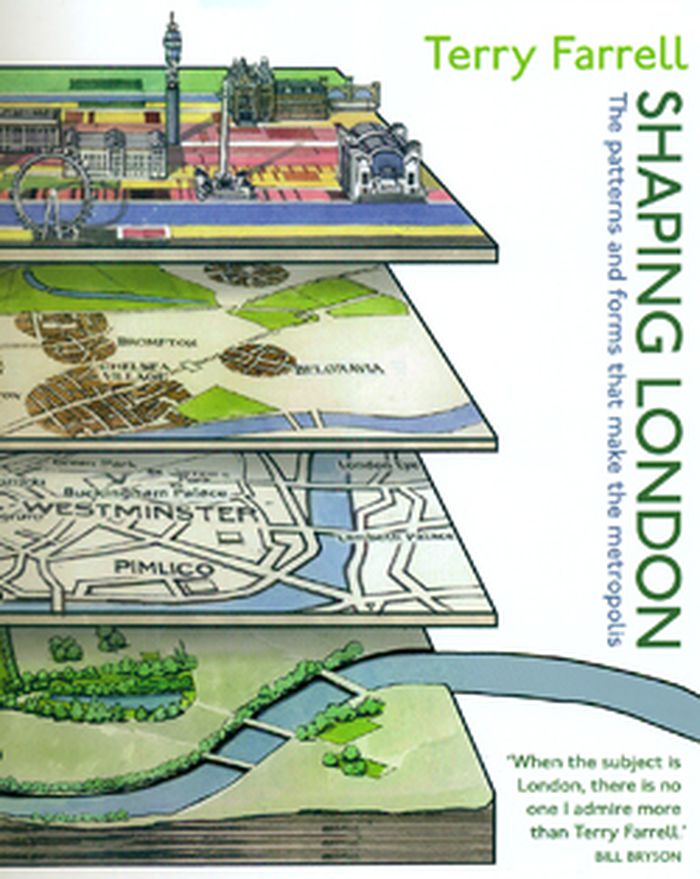
Shaping London: The patterns and forms that make the metropolis
Actions:
Prix:
$90.00
(disponible sur commande)
Résumé:
In this view of London, Farrell looks beyond the contribution of individual buildings to the city. He creates a larger, more exciting frame, charting how the capital’s messy and complex shape has been hewn out of a series of layers – natural and manmade, so the Thames and the natural landscape gets as much attention as the railway infrastructure, the roads and the canals. This provides a whole series of revelations that allow us to see the city afresh: How might the natural bends in the river have impacted where and what was built? How have the Thames’ tributaries affected historic boundaries and development, played out in the estates of Mayfair? How is the Roman plan for the city of London still discernible in today’s street patterns? Illustrated with original sketches, maps, archive photographs and paintings, this book provides a collage of London’s patterns and its history.
Shaping London: The patterns and forms that make the metropolis
Actions:
Prix:
$90.00
(disponible sur commande)
Résumé:
In this view of London, Farrell looks beyond the contribution of individual buildings to the city. He creates a larger, more exciting frame, charting how the capital’s messy and complex shape has been hewn out of a series of layers – natural and manmade, so the Thames and the natural landscape gets as much attention as the railway infrastructure, the roads and the canals. This provides a whole series of revelations that allow us to see the city afresh: How might the natural bends in the river have impacted where and what was built? How have the Thames’ tributaries affected historic boundaries and development, played out in the estates of Mayfair? How is the Roman plan for the city of London still discernible in today’s street patterns? Illustrated with original sketches, maps, archive photographs and paintings, this book provides a collage of London’s patterns and its history.
Classification:
livres
livres
Publication:
décembre 2009
décembre 2009
Classification:
livres
livres
Titre:
Robert Adams : turning back
Robert Adams : turning back
Actions:
Prix:
$56.95
(disponible sur commande)
Résumé:
"Turning back: a photographic journal of re-exploration" is published to coincide with the bicentennial of the Lewis and Clark expedition. The narrative begins at the Pacific ocean and moves eastward through what was formerly one of the world’s great rain forests. Photographs at the center of the book report on the forest’s destruction. Elsewhere they trace a search for(...)
$56.95
(disponible sur commande)
Résumé:
"Turning back: a photographic journal of re-exploration" is published to coincide with the bicentennial of the Lewis and Clark expedition. The narrative begins at the Pacific ocean and moves eastward through what was formerly one of the world’s great rain forests. Photographs at the center of the book report on the forest’s destruction. Elsewhere they trace a search for(...)
Titre:
Robert Adams : turning back
Actions:
Prix:
$56.95
(disponible sur commande)
Résumé:
"Turning back: a photographic journal of re-exploration" is published to coincide with the bicentennial of the Lewis and Clark expedition. The narrative begins at the Pacific ocean and moves eastward through what was formerly one of the world’s great rain forests. Photographs at the center of the book report on the forest’s destruction. Elsewhere they trace a search for hope. Two hundred years ago, Lewis and Clark reported finding in the American Northwest a vast forest of ancient evergreens. In "Turning back", Robert Adams looks again at the region’s trees, discovering evidence both of America’s failure and of a continuing promise. President Jefferson’s primary charge to Lewis and Clark was to prepare the way for American commerce. Today, historians still speculate about why, upon his return, Lewis lapsed into depression and apparently committed suicide. "Going east," Adams suggests, "was more difficult than going west." So then, what is the future? "Turning back" documents two kinds of predictive evidence. On the one hand we observe the results of greed so unrestrained that they are indistinguishable from those of nihilism. On the other we see what still lives, whether by our design or neglect, or Providence; in these 164 pictures the tone is celebratory, as in a prayer book. From coastal landscapes populated with tourists to timber clear-cutting and small family farms in eastern Oregon, here we reflect on what was lost, what is retained, and what we value both regionally and as a people with a common history.
Robert Adams : turning back
Actions:
Prix:
$56.95
(disponible sur commande)
Résumé:
"Turning back: a photographic journal of re-exploration" is published to coincide with the bicentennial of the Lewis and Clark expedition. The narrative begins at the Pacific ocean and moves eastward through what was formerly one of the world’s great rain forests. Photographs at the center of the book report on the forest’s destruction. Elsewhere they trace a search for hope. Two hundred years ago, Lewis and Clark reported finding in the American Northwest a vast forest of ancient evergreens. In "Turning back", Robert Adams looks again at the region’s trees, discovering evidence both of America’s failure and of a continuing promise. President Jefferson’s primary charge to Lewis and Clark was to prepare the way for American commerce. Today, historians still speculate about why, upon his return, Lewis lapsed into depression and apparently committed suicide. "Going east," Adams suggests, "was more difficult than going west." So then, what is the future? "Turning back" documents two kinds of predictive evidence. On the one hand we observe the results of greed so unrestrained that they are indistinguishable from those of nihilism. On the other we see what still lives, whether by our design or neglect, or Providence; in these 164 pictures the tone is celebratory, as in a prayer book. From coastal landscapes populated with tourists to timber clear-cutting and small family farms in eastern Oregon, here we reflect on what was lost, what is retained, and what we value both regionally and as a people with a common history.
Classification:
livres
livres
Publication:
mai 2005, New York
mai 2005, New York
Sujet:
Monographies photo
Monographies photo
Classification:
livres
livres
Titre:
Building on the built
Building on the built
Actions:
Prix:
$33.00
(disponible en magasin)
Résumé:
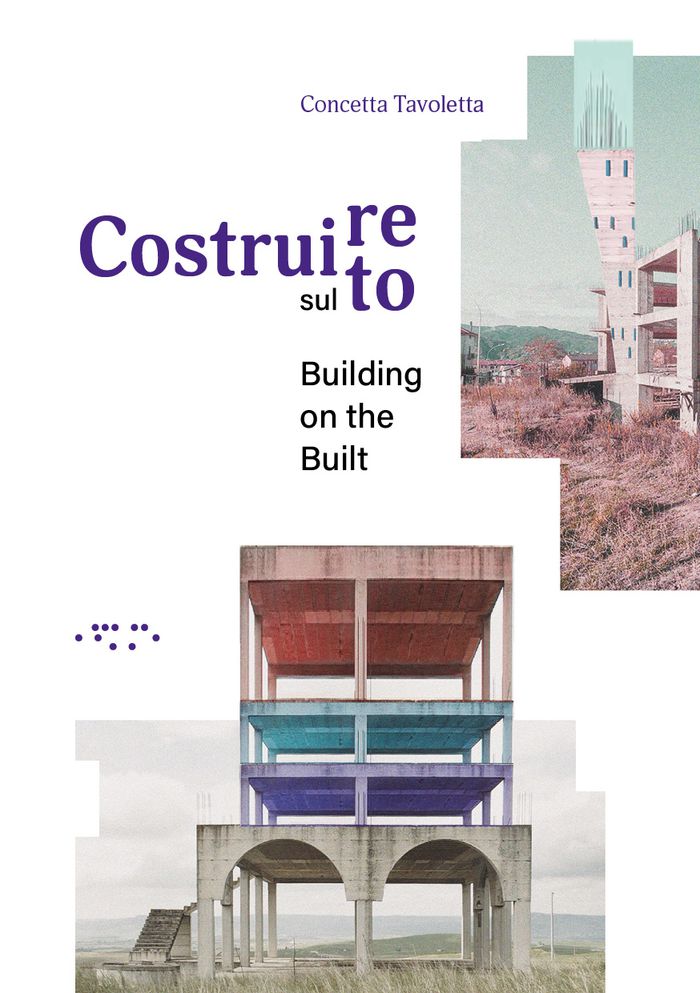
This book is the result of research carried out at the Department of Architecture and Industrial Design of the University of Campania ‘Luigi Vanvitelli’ and thanks to funds from the PON Green and Innovation project. The aim of this work was the desire to investigate a new theory of reuse at a time when space is corrupted by traces of the recent past resulting from(...)
$33.00
(disponible en magasin)
Résumé:
This book is the result of research carried out at the Department of Architecture and Industrial Design of the University of Campania ‘Luigi Vanvitelli’ and thanks to funds from the PON Green and Innovation project. The aim of this work was the desire to investigate a new theory of reuse at a time when space is corrupted by traces of the recent past resulting from(...)
Titre:
Building on the built
Actions:
Prix:
$33.00
(disponible en magasin)
Résumé:
This book is the result of research carried out at the Department of Architecture and Industrial Design of the University of Campania ‘Luigi Vanvitelli’ and thanks to funds from the PON Green and Innovation project. The aim of this work was the desire to investigate a new theory of reuse at a time when space is corrupted by traces of the recent past resulting from speculation and ‘easy building’. The paradigm of architecture’s function is changing and the project must be in dialogue with the possibility of architecture having many more lives than what it was imagined for, perhaps returning to being what it has always been, an organism ready to be everything and composed of layers of time, just as the history of architecture has taught us by building on the built without fear.
Building on the built
Actions:
Prix:
$33.00
(disponible en magasin)
Résumé:
This book is the result of research carried out at the Department of Architecture and Industrial Design of the University of Campania ‘Luigi Vanvitelli’ and thanks to funds from the PON Green and Innovation project. The aim of this work was the desire to investigate a new theory of reuse at a time when space is corrupted by traces of the recent past resulting from speculation and ‘easy building’. The paradigm of architecture’s function is changing and the project must be in dialogue with the possibility of architecture having many more lives than what it was imagined for, perhaps returning to being what it has always been, an organism ready to be everything and composed of layers of time, just as the history of architecture has taught us by building on the built without fear.
Classification:
livres
livres
Publication:
juin 2023
juin 2023
Sujet:
Architecture contemporaine
Architecture contemporaine
Classification:
livres
livres
Titre:
Maison d'Artiste, an unfinished icon by De Stijl. Theo van Doesburg and Cornelis van Eesteren
Maison d'Artiste, an unfinished icon by De Stijl. Theo van Doesburg and Cornelis van Eesteren
Actions:
Prix:
$65.00
(disponible en magasin)
Résumé:
Though it was never built, the design for the legendary artist’s house Maison d’Artiste is one of the key works of the Dutch avant-garde movement De Stijl. Created in 1923 by painter Theo van Doesburg and architect Cornelis van Eesteren for De Stijl’s first group exhibition, the Maison d’Artiste was intended to encapsulate what De Stijl aspired to: a new everyday(...)
$65.00
(disponible en magasin)
Résumé:
Though it was never built, the design for the legendary artist’s house Maison d’Artiste is one of the key works of the Dutch avant-garde movement De Stijl. Created in 1923 by painter Theo van Doesburg and architect Cornelis van Eesteren for De Stijl’s first group exhibition, the Maison d’Artiste was intended to encapsulate what De Stijl aspired to: a new everyday(...)
Titre:
Maison d'Artiste, an unfinished icon by De Stijl. Theo van Doesburg and Cornelis van Eesteren
Actions:
Prix:
$65.00
(disponible en magasin)
Résumé:
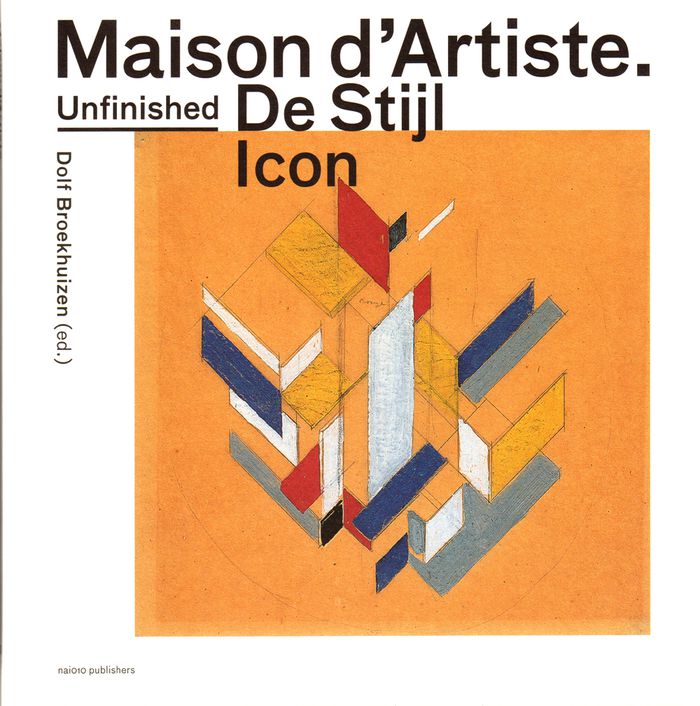
Though it was never built, the design for the legendary artist’s house Maison d’Artiste is one of the key works of the Dutch avant-garde movement De Stijl. Created in 1923 by painter Theo van Doesburg and architect Cornelis van Eesteren for De Stijl’s first group exhibition, the Maison d’Artiste was intended to encapsulate what De Stijl aspired to: a new everyday environment achieved through the harmonious fusion of painting and architecture. The scale model presented De Stijl’s ideal space for life and work, with a gym, a music room and a studio, as well as living spaces like guest rooms and bathrooms. Maison d’Artiste: An Unfinished Icon by De Stijl explores the revolutionary cultural importance of the design, its significance for the history of De Stijl and its place in a history of the unbuilt architecture of the 20th century.
Maison d'Artiste, an unfinished icon by De Stijl. Theo van Doesburg and Cornelis van Eesteren
Actions:
Prix:
$65.00
(disponible en magasin)
Résumé:
Though it was never built, the design for the legendary artist’s house Maison d’Artiste is one of the key works of the Dutch avant-garde movement De Stijl. Created in 1923 by painter Theo van Doesburg and architect Cornelis van Eesteren for De Stijl’s first group exhibition, the Maison d’Artiste was intended to encapsulate what De Stijl aspired to: a new everyday environment achieved through the harmonious fusion of painting and architecture. The scale model presented De Stijl’s ideal space for life and work, with a gym, a music room and a studio, as well as living spaces like guest rooms and bathrooms. Maison d’Artiste: An Unfinished Icon by De Stijl explores the revolutionary cultural importance of the design, its significance for the history of De Stijl and its place in a history of the unbuilt architecture of the 20th century.
Classification:
livres
livres
Publication:
février 2017
février 2017
Sujet:
Architecture, monographies
Architecture, monographies
Classification:
livres
livres
Actions:
Prix:
$60.50
(disponible sur commande)
Résumé:
If this were a novel, the tales of astounding wealth, sexual perversion, murder, munificence, rape, insanity, brutality, slavery, religious mania, selfishness, snobbery, charity, suicide, generosity, theft, madness, wickedness, failure and eccentricity which unfold in these pages would be too concentrated to allow for the willing suspension of disbelief. All these sins(...)
$60.50
(disponible sur commande)
Résumé:
If this were a novel, the tales of astounding wealth, sexual perversion, murder, munificence, rape, insanity, brutality, slavery, religious mania, selfishness, snobbery, charity, suicide, generosity, theft, madness, wickedness, failure and eccentricity which unfold in these pages would be too concentrated to allow for the willing suspension of disbelief. All these sins(...)
Publication:
octobre 2020
octobre 2020
Titre:
The English folly: the edifice complex
Actions:
Prix:
$60.50
(disponible sur commande)
Résumé:
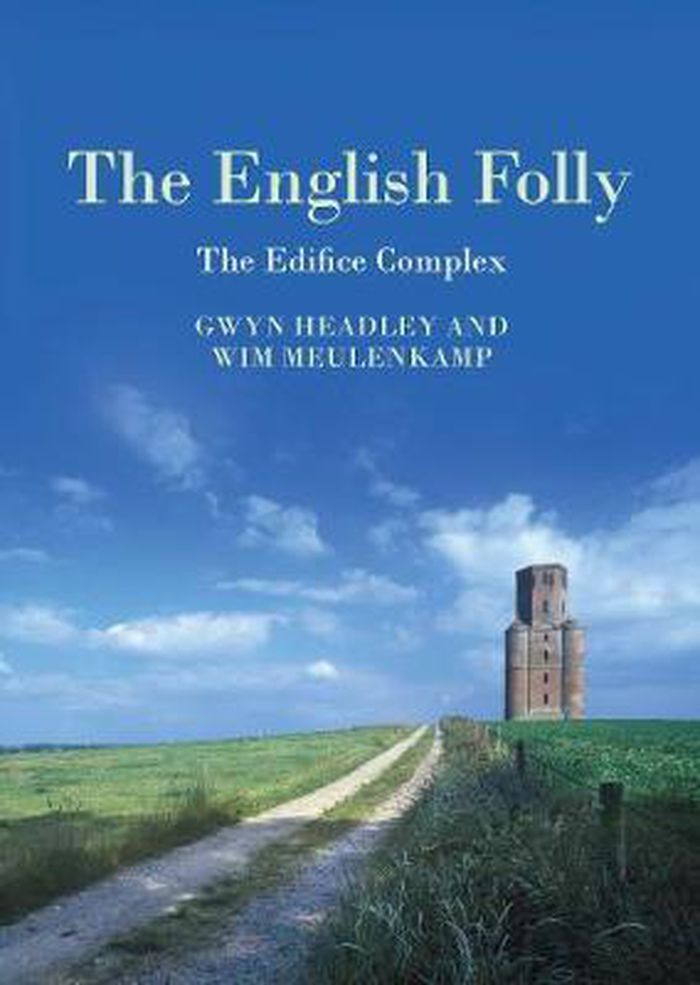
If this were a novel, the tales of astounding wealth, sexual perversion, murder, munificence, rape, insanity, brutality, slavery, religious mania, selfishness, snobbery, charity, suicide, generosity, theft, madness, wickedness, failure and eccentricity which unfold in these pages would be too concentrated to allow for the willing suspension of disbelief. All these sins and virtues, and more, are displayed by the characters in this book, some exhibiting several of them simultaneously. Folly builders were not as we are. They never built what we now call follies. They built for beauty, utility, improvement; it is only we, struggling after them with our imperfect understanding, who dismiss their prodigious constructions as follies. Follies can be found around the world, but England is their spiritual home. Having written the definitive books on follies in Great Britain, Benelux and the USA, Headley & Meulenkamp have turned their attention to the folly builders themselves, people so blinded by fashion or driven by some nameless ideology that they expended great fortunes on making their point in brick, stone and flint. Most follies are simply misunderstood buildings, and this book studies the motives, characters, decisions and delusions of their builders. If there was madness in their building, fortunately there was no method in it.
The English folly: the edifice complex
Actions:
Prix:
$60.50
(disponible sur commande)
Résumé:
If this were a novel, the tales of astounding wealth, sexual perversion, murder, munificence, rape, insanity, brutality, slavery, religious mania, selfishness, snobbery, charity, suicide, generosity, theft, madness, wickedness, failure and eccentricity which unfold in these pages would be too concentrated to allow for the willing suspension of disbelief. All these sins and virtues, and more, are displayed by the characters in this book, some exhibiting several of them simultaneously. Folly builders were not as we are. They never built what we now call follies. They built for beauty, utility, improvement; it is only we, struggling after them with our imperfect understanding, who dismiss their prodigious constructions as follies. Follies can be found around the world, but England is their spiritual home. Having written the definitive books on follies in Great Britain, Benelux and the USA, Headley & Meulenkamp have turned their attention to the folly builders themselves, people so blinded by fashion or driven by some nameless ideology that they expended great fortunes on making their point in brick, stone and flint. Most follies are simply misunderstood buildings, and this book studies the motives, characters, decisions and delusions of their builders. If there was madness in their building, fortunately there was no method in it.
Classification:
livres
livres
Publication:
octobre 2020
octobre 2020
Classification:
périodiques
périodiques

Actions:
Prix:
$15.00
(disponible sur commande)
Résumé:
"Now, and Then” is a nice elliptical phrase, never standing on its own — inconclusive in an expansive kind of way. It can be read to mean “occasionally,” as in — now and then I have a craving for raw oysters. It can be understood comparatively: this is now and that was then or it can be read as a double state of mind, considering what we are doing now and what took place(...)
$15.00
(disponible sur commande)
Résumé:
"Now, and Then” is a nice elliptical phrase, never standing on its own — inconclusive in an expansive kind of way. It can be read to mean “occasionally,” as in — now and then I have a craving for raw oysters. It can be understood comparatively: this is now and that was then or it can be read as a double state of mind, considering what we are doing now and what took place(...)
Titre:
Border Crossings 169 : Now, and then
Actions:
Prix:
$15.00
(disponible sur commande)
Résumé:
"Now, and Then” is a nice elliptical phrase, never standing on its own — inconclusive in an expansive kind of way. It can be read to mean “occasionally,” as in — now and then I have a craving for raw oysters. It can be understood comparatively: this is now and that was then or it can be read as a double state of mind, considering what we are doing now and what took place then. This is the way in which our topic for the current issue came to mind. It might also serve as an anchor in our rudderless time, to be consistently nautical, in that we can be engaged in the unavoidable present but we can also be assured that there is a history behind us — both bolstering, and dreadful, some of it we can draw and build on and much for which we ask to be forgiven.
Border Crossings 169 : Now, and then
Actions:
Prix:
$15.00
(disponible sur commande)
Résumé:
"Now, and Then” is a nice elliptical phrase, never standing on its own — inconclusive in an expansive kind of way. It can be read to mean “occasionally,” as in — now and then I have a craving for raw oysters. It can be understood comparatively: this is now and that was then or it can be read as a double state of mind, considering what we are doing now and what took place then. This is the way in which our topic for the current issue came to mind. It might also serve as an anchor in our rudderless time, to be consistently nautical, in that we can be engaged in the unavoidable present but we can also be assured that there is a history behind us — both bolstering, and dreadful, some of it we can draw and build on and much for which we ask to be forgiven.
Classification:
périodiques
périodiques
Publication:
janvier 2026
janvier 2026
Sujet:
Revues
Revues
Classification:
livres
livres
Prix:
$31.95
(disponible sur commande)
Résumé:
In this fresh and authoritative account John Macarthur presents the eighteenth century idea of the picturesque – when it was a risky term concerned with a refined taste for everyday things, such as the hovels of the labouring poor in the light of its reception and effects in modern culture. In a series of linked essays Macarthur shows: what the concept of picture does(...)
$31.95
(disponible sur commande)
Résumé:
In this fresh and authoritative account John Macarthur presents the eighteenth century idea of the picturesque – when it was a risky term concerned with a refined taste for everyday things, such as the hovels of the labouring poor in the light of its reception and effects in modern culture. In a series of linked essays Macarthur shows: what the concept of picture does(...)
Titre:
The picturesque: architecture, disgust and other irregularities
Actions:
Prix:
$31.95
(disponible sur commande)
Résumé:
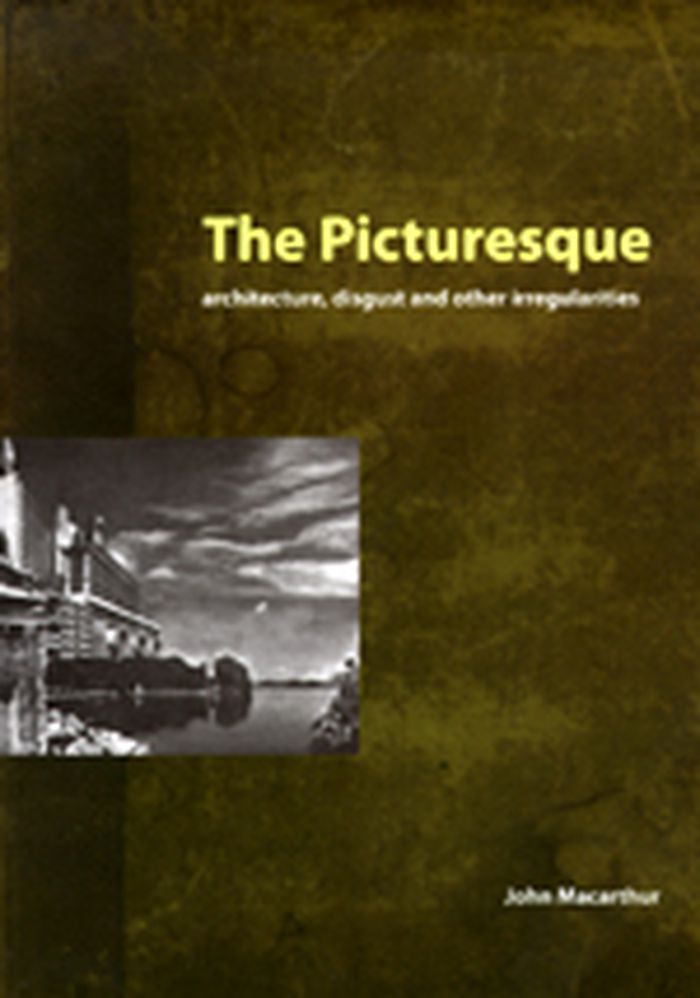
In this fresh and authoritative account John Macarthur presents the eighteenth century idea of the picturesque – when it was a risky term concerned with a refined taste for everyday things, such as the hovels of the labouring poor in the light of its reception and effects in modern culture. In a series of linked essays Macarthur shows: what the concept of picture does in the picturesque and how this relates to modern theories of the image how the distaste that might be felt today at the sentimentality of the picturesque was already at play in the eighteenth century how visual values such as ‘irregularity’ become the basis of modern architectural planning; how the concept of appropriating a view moves from landscape design into urban design why movement is fundamental to picturing the stillness of buildings, cities and landscapes. Drawing on examples from architecture, art and broader culture, John Macarthur's account of this key topic in cultural history, makes engaging reading for all those studying architecture, art history, cultural history or visual studies.
The picturesque: architecture, disgust and other irregularities
Actions:
Prix:
$31.95
(disponible sur commande)
Résumé:
In this fresh and authoritative account John Macarthur presents the eighteenth century idea of the picturesque – when it was a risky term concerned with a refined taste for everyday things, such as the hovels of the labouring poor in the light of its reception and effects in modern culture. In a series of linked essays Macarthur shows: what the concept of picture does in the picturesque and how this relates to modern theories of the image how the distaste that might be felt today at the sentimentality of the picturesque was already at play in the eighteenth century how visual values such as ‘irregularity’ become the basis of modern architectural planning; how the concept of appropriating a view moves from landscape design into urban design why movement is fundamental to picturing the stillness of buildings, cities and landscapes. Drawing on examples from architecture, art and broader culture, John Macarthur's account of this key topic in cultural history, makes engaging reading for all those studying architecture, art history, cultural history or visual studies.
Classification:
livres
livres
Publication:
octobre 2007, London, New York
octobre 2007, London, New York
Sujet:
Théorie de l’architecture
Théorie de l’architecture


