


498 Résultats
Classification:
livres
livres

Prix:
$19.95
(disponible sur commande)
Résumé:
The stirring speech given by Peter Sloterdijk in Lucerne in October 2022. From time immemorial, humanity has had to organize their "metabolism with nature." For Marx, the most important factor in this process was labor. When Prometheus, according to the myth, brought fire to earth, another crucial input was added. Fire has been used to cook food and harden tools for(...)
$19.95
(disponible sur commande)
Résumé:
The stirring speech given by Peter Sloterdijk in Lucerne in October 2022. From time immemorial, humanity has had to organize their "metabolism with nature." For Marx, the most important factor in this process was labor. When Prometheus, according to the myth, brought fire to earth, another crucial input was added. Fire has been used to cook food and harden tools for(...)
Titre:
Prometheus's remorse: From the gift of fire to global arson
Actions:
Prix:
$19.95
(disponible sur commande)
Résumé:
The stirring speech given by Peter Sloterdijk in Lucerne in October 2022. From time immemorial, humanity has had to organize their "metabolism with nature." For Marx, the most important factor in this process was labor. When Prometheus, according to the myth, brought fire to earth, another crucial input was added. Fire has been used to cook food and harden tools for hundreds of thousands of years. In this sense, it can be said that all history implies the history of the uses of fire. But whereas trees could only be burnt once, labor and fire shifted with the discovery of underground deposits of coal and oil. Modern humanity, according to Peter Sloterdijk, can be considered a collective of arsonists who set fire to the underground forests and moors. If Prometheus were to return to earth today, he might regret his gift; after all, what looms is nothing less than Ekpyrosis, the demise of the world in fire. And only a new, energetic pacifism can prevent this catastrophe.
Prometheus's remorse: From the gift of fire to global arson
Actions:
Prix:
$19.95
(disponible sur commande)
Résumé:
The stirring speech given by Peter Sloterdijk in Lucerne in October 2022. From time immemorial, humanity has had to organize their "metabolism with nature." For Marx, the most important factor in this process was labor. When Prometheus, according to the myth, brought fire to earth, another crucial input was added. Fire has been used to cook food and harden tools for hundreds of thousands of years. In this sense, it can be said that all history implies the history of the uses of fire. But whereas trees could only be burnt once, labor and fire shifted with the discovery of underground deposits of coal and oil. Modern humanity, according to Peter Sloterdijk, can be considered a collective of arsonists who set fire to the underground forests and moors. If Prometheus were to return to earth today, he might regret his gift; after all, what looms is nothing less than Ekpyrosis, the demise of the world in fire. And only a new, energetic pacifism can prevent this catastrophe.
Classification:
livres
livres
Publication:
mars 2024
mars 2024
Sujet:
Théorie/ philosophie
Théorie/ philosophie
Classification:
livres
livres
Actions:
Prix:
$30.70
(disponible sur commande)
Résumé:
'Television: Technology and Cultural Form' was first published in 1974, long before the dawn of multi-channel TV, or the reality and celebrity shows that now pack the schedules. Yet Williams' analysis of television's history, its institutions, programmes and practices, and its future prospects, remains remarkably prescient. Williams stresses the importance of(...)
$30.70
(disponible sur commande)
Résumé:
'Television: Technology and Cultural Form' was first published in 1974, long before the dawn of multi-channel TV, or the reality and celebrity shows that now pack the schedules. Yet Williams' analysis of television's history, its institutions, programmes and practices, and its future prospects, remains remarkably prescient. Williams stresses the importance of(...)
Titre:
Television: technology and cultural form
Actions:
Prix:
$30.70
(disponible sur commande)
Résumé:
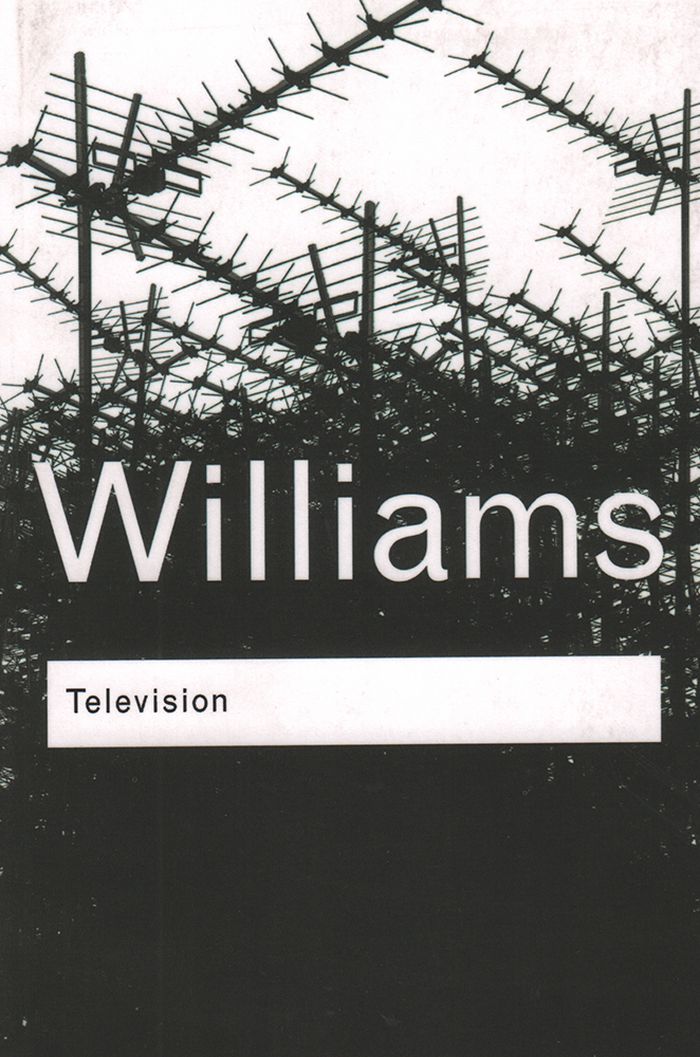
'Television: Technology and Cultural Form' was first published in 1974, long before the dawn of multi-channel TV, or the reality and celebrity shows that now pack the schedules. Yet Williams' analysis of television's history, its institutions, programmes and practices, and its future prospects, remains remarkably prescient. Williams stresses the importance of technology in shaping the cultural form of television, while always resisting the determinism of McLuhan's dictum that 'the medium is the message'. If the medium really is the message, Williams asks, what is left for us to do or say? Williams argues that, on the contrary, we as viewers have the power to disturb, disrupt and to distract the otherwise cold logic of history and technology - not just because television is part of the fabric of our daily lives, but because new technologies continue to offer opportunities, momentarily outside the sway of transnational corporations or the grasp of media moguls, for new forms of self and political expression.
Television: technology and cultural form
Actions:
Prix:
$30.70
(disponible sur commande)
Résumé:
'Television: Technology and Cultural Form' was first published in 1974, long before the dawn of multi-channel TV, or the reality and celebrity shows that now pack the schedules. Yet Williams' analysis of television's history, its institutions, programmes and practices, and its future prospects, remains remarkably prescient. Williams stresses the importance of technology in shaping the cultural form of television, while always resisting the determinism of McLuhan's dictum that 'the medium is the message'. If the medium really is the message, Williams asks, what is left for us to do or say? Williams argues that, on the contrary, we as viewers have the power to disturb, disrupt and to distract the otherwise cold logic of history and technology - not just because television is part of the fabric of our daily lives, but because new technologies continue to offer opportunities, momentarily outside the sway of transnational corporations or the grasp of media moguls, for new forms of self and political expression.
Classification:
livres
livres
Publication:
juin 2003
juin 2003
Sujet:
Théorie/ philosophie
Théorie/ philosophie
Classification:
livres
livres
Titre:
Debt: The first 5,000 years
Debt: The first 5,000 years
Actions:
Prix:
$29.99
(disponible sur commande)
Résumé:
Before there was money, there was debt. Every economics textbook says the same thing: Money was invented to replace onerous and complicated barter systems—to relieve ancient people from having to haul their goods to market. The problem with this version of history? There’s not a shred of evidence to support it. Here anthropologist David Graeber presents a stunning(...)
$29.99
(disponible sur commande)
Résumé:
Before there was money, there was debt. Every economics textbook says the same thing: Money was invented to replace onerous and complicated barter systems—to relieve ancient people from having to haul their goods to market. The problem with this version of history? There’s not a shred of evidence to support it. Here anthropologist David Graeber presents a stunning(...)
Titre:
Debt: The first 5,000 years
Actions:
Prix:
$29.99
(disponible sur commande)
Résumé:
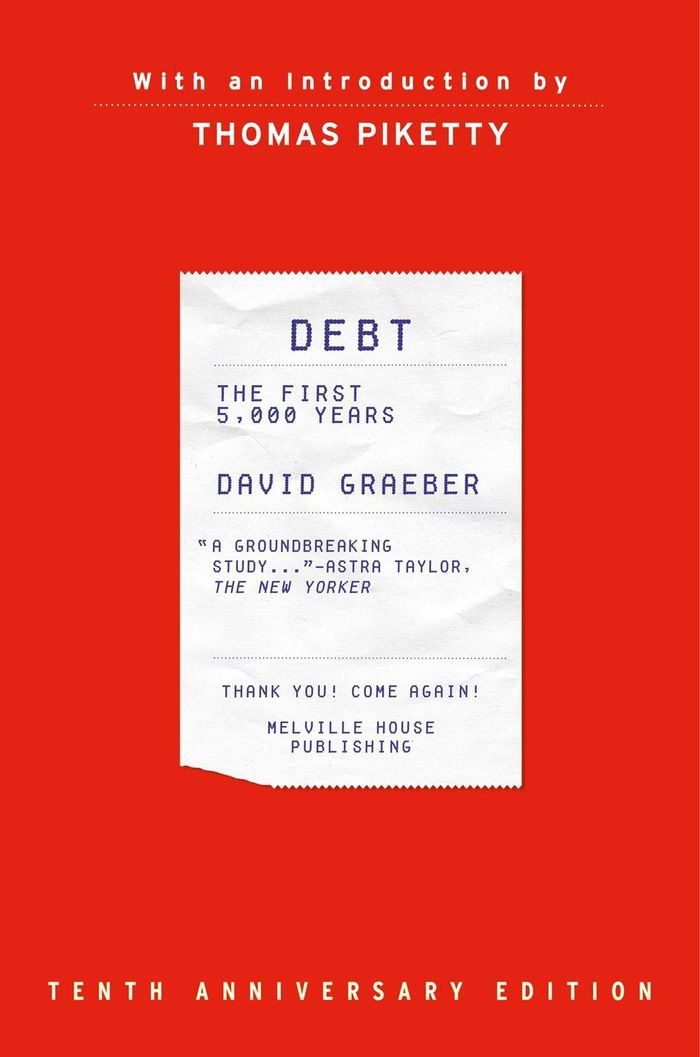
Before there was money, there was debt. Every economics textbook says the same thing: Money was invented to replace onerous and complicated barter systems—to relieve ancient people from having to haul their goods to market. The problem with this version of history? There’s not a shred of evidence to support it. Here anthropologist David Graeber presents a stunning reversal of conventional wisdom. He shows that for more than 5,000 years, since the beginnings of the first agrarian empires, humans have used elaborate credit systems to buy and sell goods—that is, long before the invention of coins or cash. It is in this era, Graeber argues, that we also first encounter a society divided into debtors and creditors. Graeber shows that arguments about debt and debt forgiveness have been at the center of political debates from Italy to China, as well as sparking innumerable insurrections. He also brilliantly demonstrates that the language of the ancient works of law and religion (words like ''guilt,'' ''sin,'' and ''redemption'') derive in large part from ancient debates about debt, and shape even our most basic ideas of right and wrong. We are still fighting these battles today without knowing it. ''Debt: The first 5,000 years'' is a fascinating chronicle of this little known history—as well as how it has defined human history. It shows how debt has defined our human past, and what that means for our economic future.
Debt: The first 5,000 years
Actions:
Prix:
$29.99
(disponible sur commande)
Résumé:
Before there was money, there was debt. Every economics textbook says the same thing: Money was invented to replace onerous and complicated barter systems—to relieve ancient people from having to haul their goods to market. The problem with this version of history? There’s not a shred of evidence to support it. Here anthropologist David Graeber presents a stunning reversal of conventional wisdom. He shows that for more than 5,000 years, since the beginnings of the first agrarian empires, humans have used elaborate credit systems to buy and sell goods—that is, long before the invention of coins or cash. It is in this era, Graeber argues, that we also first encounter a society divided into debtors and creditors. Graeber shows that arguments about debt and debt forgiveness have been at the center of political debates from Italy to China, as well as sparking innumerable insurrections. He also brilliantly demonstrates that the language of the ancient works of law and religion (words like ''guilt,'' ''sin,'' and ''redemption'') derive in large part from ancient debates about debt, and shape even our most basic ideas of right and wrong. We are still fighting these battles today without knowing it. ''Debt: The first 5,000 years'' is a fascinating chronicle of this little known history—as well as how it has defined human history. It shows how debt has defined our human past, and what that means for our economic future.
Classification:
livres
livres
Publication:
octobre 2014
octobre 2014
Sujet:
Théorie/ philosophie
Théorie/ philosophie
Classification:
livres
livres
Actions:
Prix:
$41.00
(disponible sur commande)
Résumé:
Before there was money, there was debt. Every economics textbook says the same thing: Money was invented to replace onerous and complicated barter systems—to relieve ancient people from having to haul their goods to market. The problem with this version of history? There’s not a shred of evidence to support it. Here anthropologist David Graeber presents a stunning(...)
$41.00
(disponible sur commande)
Résumé:
Before there was money, there was debt. Every economics textbook says the same thing: Money was invented to replace onerous and complicated barter systems—to relieve ancient people from having to haul their goods to market. The problem with this version of history? There’s not a shred of evidence to support it. Here anthropologist David Graeber presents a stunning(...)
Titre:
Debt: The first 5,000 years, updated and expanded
Actions:
Prix:
$41.00
(disponible sur commande)
Résumé:
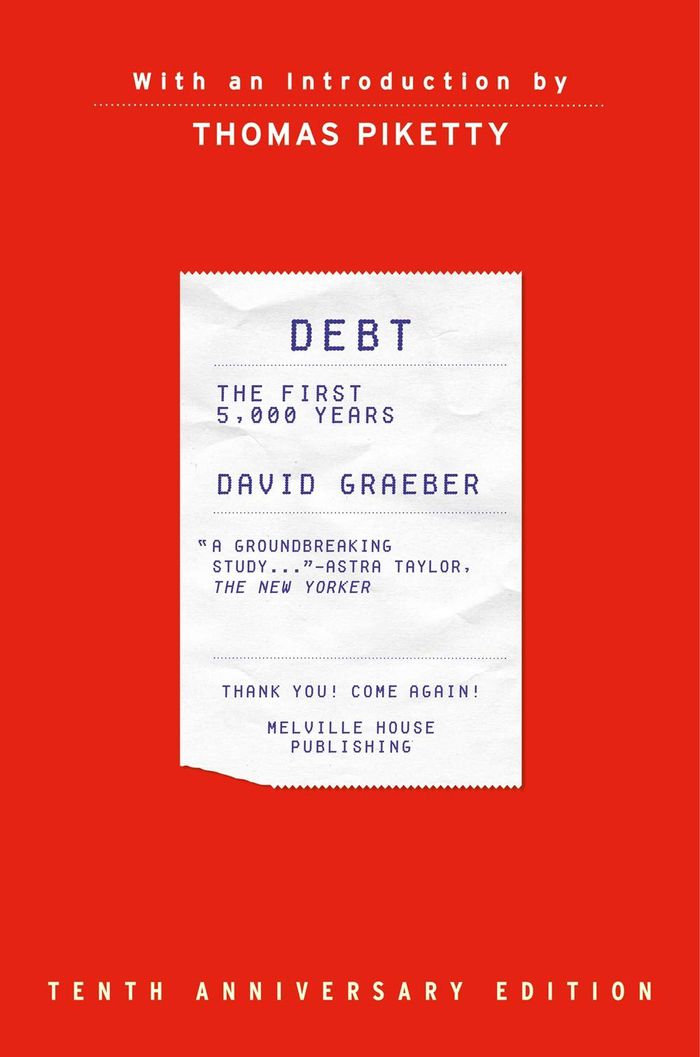
Before there was money, there was debt. Every economics textbook says the same thing: Money was invented to replace onerous and complicated barter systems—to relieve ancient people from having to haul their goods to market. The problem with this version of history? There’s not a shred of evidence to support it. Here anthropologist David Graeber presents a stunning reversal of conventional wisdom. He shows that for more than 5,000 years, since the beginnings of the first agrarian empires, humans have used elaborate credit systems to buy and sell goods—that is, long before the invention of coins or cash. It is in this era, Graeber argues, that we also first encounter a society divided into debtors and creditors. Graeber shows that arguments about debt and debt forgiveness have been at the center of political debates from Italy to China, as well as sparking innumerable insurrections. He also brilliantly demonstrates that the language of the ancient works of law and religion (words like ''guilt,'' ''sin,'' and ''redemption'') derive in large part from ancient debates about debt, and shape even our most basic ideas of right and wrong. We are still fighting these battles today without knowing it. ''Debt: The first 5,000 years'' is a fascinating chronicle of this little known history—as well as how it has defined human history. It shows how debt has defined our human past, and what that means for our economic future.
Debt: The first 5,000 years, updated and expanded
Actions:
Prix:
$41.00
(disponible sur commande)
Résumé:
Before there was money, there was debt. Every economics textbook says the same thing: Money was invented to replace onerous and complicated barter systems—to relieve ancient people from having to haul their goods to market. The problem with this version of history? There’s not a shred of evidence to support it. Here anthropologist David Graeber presents a stunning reversal of conventional wisdom. He shows that for more than 5,000 years, since the beginnings of the first agrarian empires, humans have used elaborate credit systems to buy and sell goods—that is, long before the invention of coins or cash. It is in this era, Graeber argues, that we also first encounter a society divided into debtors and creditors. Graeber shows that arguments about debt and debt forgiveness have been at the center of political debates from Italy to China, as well as sparking innumerable insurrections. He also brilliantly demonstrates that the language of the ancient works of law and religion (words like ''guilt,'' ''sin,'' and ''redemption'') derive in large part from ancient debates about debt, and shape even our most basic ideas of right and wrong. We are still fighting these battles today without knowing it. ''Debt: The first 5,000 years'' is a fascinating chronicle of this little known history—as well as how it has defined human history. It shows how debt has defined our human past, and what that means for our economic future.
Classification:
livres
livres
Publication:
juin 2021
juin 2021
Sujet:
Théorie/ philosophie
Théorie/ philosophie
Classification:
livres
livres
Prix:
$34.95
(disponible sur commande)
Résumé:
The 1958 competition for Toronto's new city hall and public square was the largest competition of its era, attracting more architects than even the 1956 Sydney Opera House competition. While the outcome is well known - Finnish architect Viljo Revell's complex opened to public acclaim in 1965 - what is lesser known to specialists and to the general public is the amazing(...)
$34.95
(disponible sur commande)
Résumé:
The 1958 competition for Toronto's new city hall and public square was the largest competition of its era, attracting more architects than even the 1956 Sydney Opera House competition. While the outcome is well known - Finnish architect Viljo Revell's complex opened to public acclaim in 1965 - what is lesser known to specialists and to the general public is the amazing(...)
Titre:
Competing modernisms: Toronto's New City Hall and Square
Actions:
Prix:
$34.95
(disponible sur commande)
Résumé:
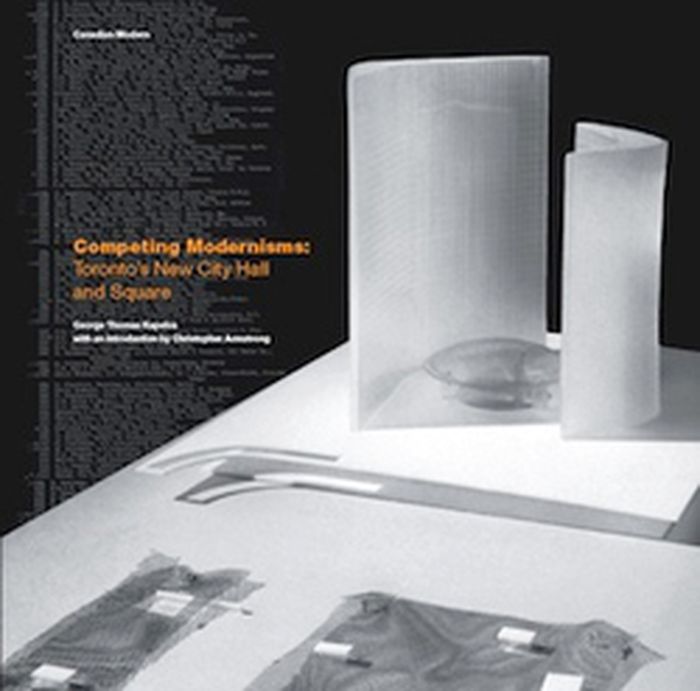
The 1958 competition for Toronto's new city hall and public square was the largest competition of its era, attracting more architects than even the 1956 Sydney Opera House competition. While the outcome is well known - Finnish architect Viljo Revell's complex opened to public acclaim in 1965 - what is lesser known to specialists and to the general public is the amazing variety of projects that were submitted from around the world. Weaving a tale that is equal parts civic, cultural, and architectural history, the authors explore the impact of the competition on the design of public institutions and urban spaces in Canada, and reflect on the value of architectural competitions as modern architecture developed in the mid-20th century.
Competing modernisms: Toronto's New City Hall and Square
Actions:
Prix:
$34.95
(disponible sur commande)
Résumé:
The 1958 competition for Toronto's new city hall and public square was the largest competition of its era, attracting more architects than even the 1956 Sydney Opera House competition. While the outcome is well known - Finnish architect Viljo Revell's complex opened to public acclaim in 1965 - what is lesser known to specialists and to the general public is the amazing variety of projects that were submitted from around the world. Weaving a tale that is equal parts civic, cultural, and architectural history, the authors explore the impact of the competition on the design of public institutions and urban spaces in Canada, and reflect on the value of architectural competitions as modern architecture developed in the mid-20th century.
Classification:
livres
livres
Publication:
septembre 2015
septembre 2015
Sujet:
Architecture du Canada
Architecture du Canada
Classification:
livres
livres
Actions:
Prix:
$16.95
(disponible sur commande)
Résumé:
In discussing what makes The Way Things Go utterly compelling to its viewers—whether they have seen it one time or many times—Jeremy Millar leaves no doubt as to why this film was chosen for the One Work series. As everyday objects crash, scrape, slide, or fly into one another with devastating, impossible, and persuasive effect, viewers find themselves witnessing a(...)
$16.95
(disponible sur commande)
Résumé:
In discussing what makes The Way Things Go utterly compelling to its viewers—whether they have seen it one time or many times—Jeremy Millar leaves no doubt as to why this film was chosen for the One Work series. As everyday objects crash, scrape, slide, or fly into one another with devastating, impossible, and persuasive effect, viewers find themselves witnessing a(...)
Titre:
Fischli and Weiss: the way things go
Actions:
Prix:
$16.95
(disponible sur commande)
Résumé:
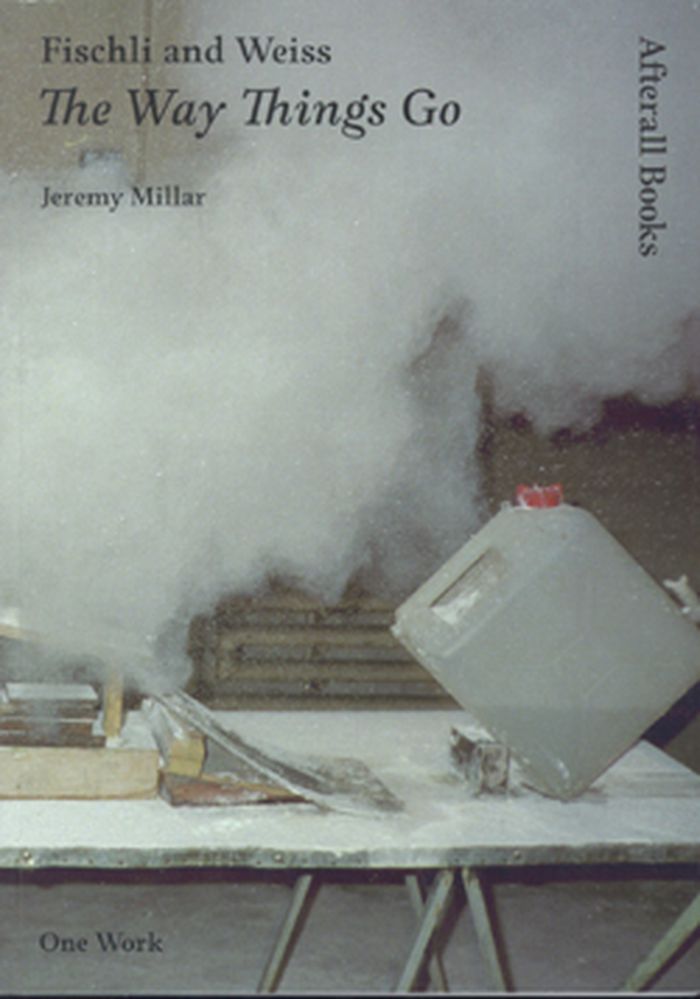
In discussing what makes The Way Things Go utterly compelling to its viewers—whether they have seen it one time or many times—Jeremy Millar leaves no doubt as to why this film was chosen for the One Work series. As everyday objects crash, scrape, slide, or fly into one another with devastating, impossible, and persuasive effect, viewers find themselves witnessing a spectacle that seems at once prehistoric and postapocalyptic. Millar tells us why this extraordinary film speaks to us at the beginning of the twenty-first century. If history is "just one thing after another," then The Way Things Go is truly a historic work.
Fischli and Weiss: the way things go
Actions:
Prix:
$16.95
(disponible sur commande)
Résumé:
In discussing what makes The Way Things Go utterly compelling to its viewers—whether they have seen it one time or many times—Jeremy Millar leaves no doubt as to why this film was chosen for the One Work series. As everyday objects crash, scrape, slide, or fly into one another with devastating, impossible, and persuasive effect, viewers find themselves witnessing a spectacle that seems at once prehistoric and postapocalyptic. Millar tells us why this extraordinary film speaks to us at the beginning of the twenty-first century. If history is "just one thing after another," then The Way Things Go is truly a historic work.
Classification:
livres
livres
Publication:
janvier 1900, London
janvier 1900, London
Sujet:
Théorie de l’art
Théorie de l’art
Classification:
livres
livres
Actions:
Prix:
$50.00
(disponible sur commande)
Résumé:
In the 1920s and 1930s, the Villa Foscari in Venice, better known as La Malcontenta, became a meeting place for intellectuals, artists, and members of the nobility such as Serge Diaghilev, Boris Kochno, Serge Lifar, Winston Churchill, Robert Byron, Diana Cooper, and Le Corbusier. It was an era of inspiring encounters between aristocrats, the avantgarde, snobs, and(...)
$50.00
(disponible sur commande)
Résumé:
In the 1920s and 1930s, the Villa Foscari in Venice, better known as La Malcontenta, became a meeting place for intellectuals, artists, and members of the nobility such as Serge Diaghilev, Boris Kochno, Serge Lifar, Winston Churchill, Robert Byron, Diana Cooper, and Le Corbusier. It was an era of inspiring encounters between aristocrats, the avantgarde, snobs, and(...)
Titre:
Tumult and order : Malcontenta, 1924-1939
Actions:
Prix:
$50.00
(disponible sur commande)
Résumé:
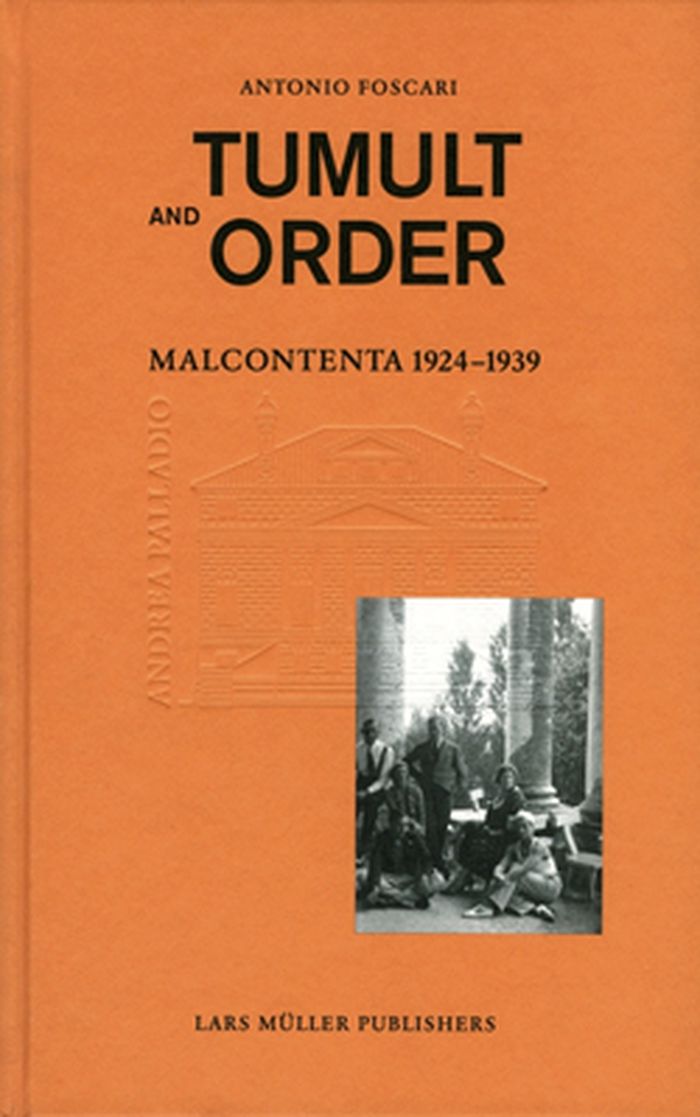
In the 1920s and 1930s, the Villa Foscari in Venice, better known as La Malcontenta, became a meeting place for intellectuals, artists, and members of the nobility such as Serge Diaghilev, Boris Kochno, Serge Lifar, Winston Churchill, Robert Byron, Diana Cooper, and Le Corbusier. It was an era of inspiring encounters between aristocrats, the avantgarde, snobs, and intellectuals that ended when Italy entered World War II. Antonio Foscari recounts this lively period in the building’s history and talks about its then owner, Bertie Landsberg, and his friends Catherine de Rochegude, Baroness of Erlanger, and Paul Rodocanachi, who not only lovingly renovated the villa, but made it such a lively place for the first time. The text is complemented by numerous photographs dating from this exciting time that convey an impression of what was happening in the villa in those days.
Tumult and order : Malcontenta, 1924-1939
Actions:
Prix:
$50.00
(disponible sur commande)
Résumé:
In the 1920s and 1930s, the Villa Foscari in Venice, better known as La Malcontenta, became a meeting place for intellectuals, artists, and members of the nobility such as Serge Diaghilev, Boris Kochno, Serge Lifar, Winston Churchill, Robert Byron, Diana Cooper, and Le Corbusier. It was an era of inspiring encounters between aristocrats, the avantgarde, snobs, and intellectuals that ended when Italy entered World War II. Antonio Foscari recounts this lively period in the building’s history and talks about its then owner, Bertie Landsberg, and his friends Catherine de Rochegude, Baroness of Erlanger, and Paul Rodocanachi, who not only lovingly renovated the villa, but made it such a lively place for the first time. The text is complemented by numerous photographs dating from this exciting time that convey an impression of what was happening in the villa in those days.
Classification:
livres
livres
Publication:
août 2012
août 2012
Sujet:
Théorie de l’architecture
Théorie de l’architecture
Classification:
livres
livres
Titre:
Robert Adams: Gone?
Robert Adams: Gone?
Actions:
Prix:
$84.00
(disponible sur commande)
Résumé:
Robert Adams began by photographing suburban landscapes along the edge of the Rocky Mountains. His goal was to record the erasure of the American wilderness, while attempting to affirm what survives of it. For Adams, photography at this juncture in history presents a melancholy vocation: "It seems to me that we are now compelled to recognize that we have no place to go(...)
$84.00
(disponible sur commande)
Résumé:
Robert Adams began by photographing suburban landscapes along the edge of the Rocky Mountains. His goal was to record the erasure of the American wilderness, while attempting to affirm what survives of it. For Adams, photography at this juncture in history presents a melancholy vocation: "It seems to me that we are now compelled to recognize that we have no place to go(...)
Titre:
Robert Adams: Gone?
Actions:
Prix:
$84.00
(disponible sur commande)
Résumé:
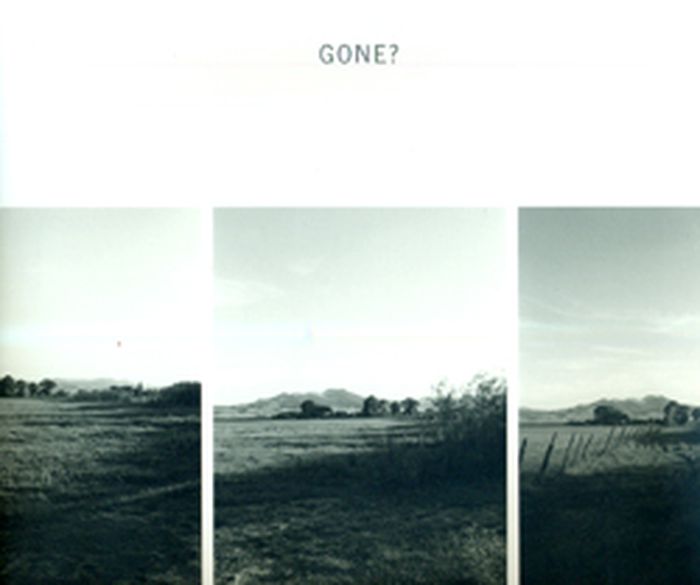
Robert Adams began by photographing suburban landscapes along the edge of the Rocky Mountains. His goal was to record the erasure of the American wilderness, while attempting to affirm what survives of it. For Adams, photography at this juncture in history presents a melancholy vocation: "It seems to me that we are now compelled to recognize that we have no place to go but where we've been," he judges. "We've got to go look at what we've done, which is oftentimes pretty awful, and see if we can't make of this place a civilized home." In Gone?, his most personal work to date, Adams lives out the implications of these words. In the 1980s, he revisited semi-rural areas he had known as a boy-landscapes that were no longer pristine, but which still retained their own particular qualities of light.
Robert Adams: Gone?
Actions:
Prix:
$84.00
(disponible sur commande)
Résumé:
Robert Adams began by photographing suburban landscapes along the edge of the Rocky Mountains. His goal was to record the erasure of the American wilderness, while attempting to affirm what survives of it. For Adams, photography at this juncture in history presents a melancholy vocation: "It seems to me that we are now compelled to recognize that we have no place to go but where we've been," he judges. "We've got to go look at what we've done, which is oftentimes pretty awful, and see if we can't make of this place a civilized home." In Gone?, his most personal work to date, Adams lives out the implications of these words. In the 1980s, he revisited semi-rural areas he had known as a boy-landscapes that were no longer pristine, but which still retained their own particular qualities of light.
Classification:
livres
livres
Publication:
avril 2010, London
avril 2010, London
Sujet:
Monographies photo
Monographies photo
Classification:
livres
livres
Actions:
Prix:
$29.95
(disponible sur commande)
Résumé:
Descanso Gardens is one of Los Angeles's oldest botanical gardens. Initially a Spanish rancho and later the estate of publisher and horticulturist E. Manchester Boddy, the 160-acre lot was granted to the people of Los Angeles and includes one of the world's finest collections of camellias and oaks. Warren Marr is part of a long tradition of photographers who have(...)
$29.95
(disponible sur commande)
Résumé:
Descanso Gardens is one of Los Angeles's oldest botanical gardens. Initially a Spanish rancho and later the estate of publisher and horticulturist E. Manchester Boddy, the 160-acre lot was granted to the people of Los Angeles and includes one of the world's finest collections of camellias and oaks. Warren Marr is part of a long tradition of photographers who have(...)
Titre:
Descanso : an urban oasis revealed
Actions:
Prix:
$29.95
(disponible sur commande)
Résumé:
Descanso Gardens is one of Los Angeles's oldest botanical gardens. Initially a Spanish rancho and later the estate of publisher and horticulturist E. Manchester Boddy, the 160-acre lot was granted to the people of Los Angeles and includes one of the world's finest collections of camellias and oaks. Warren Marr is part of a long tradition of photographers who have responded creatively to the garden and its timeless appeal. His photographic explorations of what he refers to as a "natural light box" have been called "lyrical and luminous" by Getty Museum curator Anne Lyden. Marr's lush panoramic images combined with essays on the significance of the garden plants and history make Descanso an elegant volume for photography and garden lovers.
Descanso : an urban oasis revealed
Actions:
Prix:
$29.95
(disponible sur commande)
Résumé:
Descanso Gardens is one of Los Angeles's oldest botanical gardens. Initially a Spanish rancho and later the estate of publisher and horticulturist E. Manchester Boddy, the 160-acre lot was granted to the people of Los Angeles and includes one of the world's finest collections of camellias and oaks. Warren Marr is part of a long tradition of photographers who have responded creatively to the garden and its timeless appeal. His photographic explorations of what he refers to as a "natural light box" have been called "lyrical and luminous" by Getty Museum curator Anne Lyden. Marr's lush panoramic images combined with essays on the significance of the garden plants and history make Descanso an elegant volume for photography and garden lovers.
Classification:
livres
livres
Publication:
avril 2007, Los Angeles
avril 2007, Los Angeles
Sujet:
Bouffe
Bouffe
Classification:
livres
livres
Actions:
Prix:
$55.95
(disponible sur commande)
Résumé:
Descanso Gardens is one of Los Angeles's oldest botanical gardens. Initially a Spanish rancho and later the estate of publisher and horticulturist E. Manchester Boddy, the 160-acre lot was granted to the people of Los Angeles and includes one of the world's finest collections of camellias and oaks. Warren Marr is part of a long tradition of photographers who have(...)
$55.95
(disponible sur commande)
Résumé:
Descanso Gardens is one of Los Angeles's oldest botanical gardens. Initially a Spanish rancho and later the estate of publisher and horticulturist E. Manchester Boddy, the 160-acre lot was granted to the people of Los Angeles and includes one of the world's finest collections of camellias and oaks. Warren Marr is part of a long tradition of photographers who have(...)
Titre:
Descanso : an urban oasis revealed
Actions:
Prix:
$55.95
(disponible sur commande)
Résumé:
Descanso Gardens is one of Los Angeles's oldest botanical gardens. Initially a Spanish rancho and later the estate of publisher and horticulturist E. Manchester Boddy, the 160-acre lot was granted to the people of Los Angeles and includes one of the world's finest collections of camellias and oaks. Warren Marr is part of a long tradition of photographers who have responded creatively to the garden and its timeless appeal. His photographic explorations of what he refers to as a "natural light box" have been called "lyrical and luminous" by Getty Museum curator Anne Lyden. Marr's lush panoramic images combined with essays on the significance of the garden plants and history make Descanso an elegant volume for photography and garden lovers.
Descanso : an urban oasis revealed
Actions:
Prix:
$55.95
(disponible sur commande)
Résumé:
Descanso Gardens is one of Los Angeles's oldest botanical gardens. Initially a Spanish rancho and later the estate of publisher and horticulturist E. Manchester Boddy, the 160-acre lot was granted to the people of Los Angeles and includes one of the world's finest collections of camellias and oaks. Warren Marr is part of a long tradition of photographers who have responded creatively to the garden and its timeless appeal. His photographic explorations of what he refers to as a "natural light box" have been called "lyrical and luminous" by Getty Museum curator Anne Lyden. Marr's lush panoramic images combined with essays on the significance of the garden plants and history make Descanso an elegant volume for photography and garden lovers.
Classification:
livres
livres
Publication:
avril 2007, Los Angeles
avril 2007, Los Angeles
Sujet:
Jardins
Jardins


