


530 Résultats
Classification:
livres
livres
Titre:
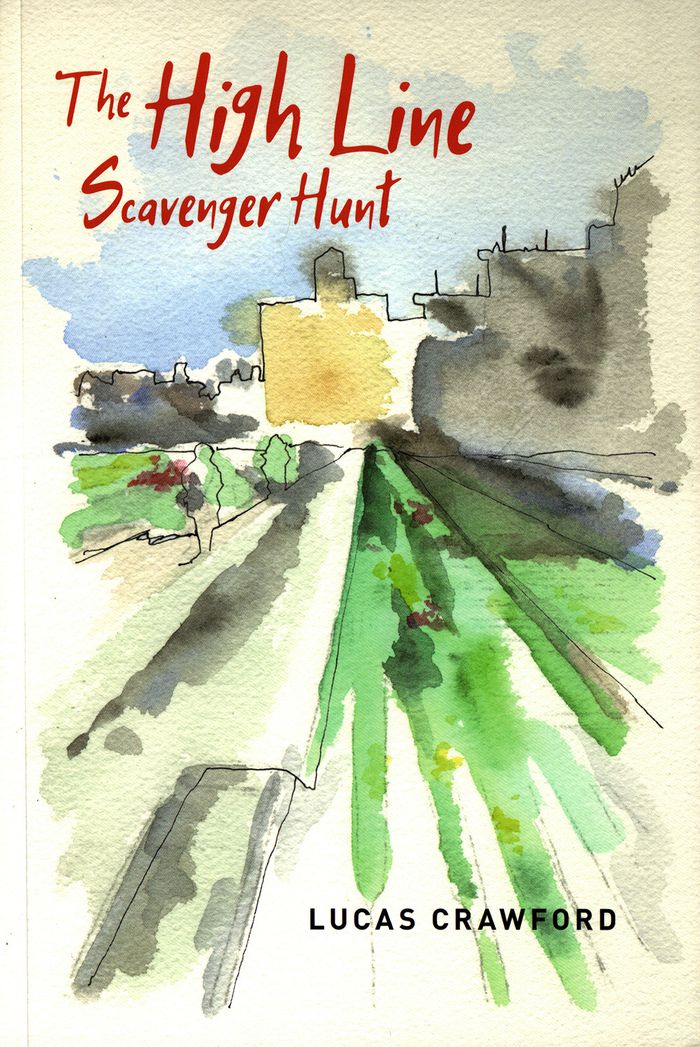
The High Line scavenger hunt
The High Line scavenger hunt
Actions:
Prix:
$18.99
(disponible sur commande)
Résumé:
Imagine: a public park that floats above the city, slicing the urban grey with its narrow green body. It winds its way through Manhattan, from the Meatpacking District to Chelsea to the Rail Yards. It is the beneficiary of millionaires, politicians, and citizens, who rescued it from demolition. Every tour book points here. Cities around the world clamor to reclaim their(...)
$18.99
(disponible sur commande)
Résumé:
Imagine: a public park that floats above the city, slicing the urban grey with its narrow green body. It winds its way through Manhattan, from the Meatpacking District to Chelsea to the Rail Yards. It is the beneficiary of millionaires, politicians, and citizens, who rescued it from demolition. Every tour book points here. Cities around the world clamor to reclaim their(...)
Publication:
septembre 2018
septembre 2018
Titre:
The High Line scavenger hunt
Actions:
Prix:
$18.99
(disponible sur commande)
Résumé:
Imagine: a public park that floats above the city, slicing the urban grey with its narrow green body. It winds its way through Manhattan, from the Meatpacking District to Chelsea to the Rail Yards. It is the beneficiary of millionaires, politicians, and citizens, who rescued it from demolition. Every tour book points here. Cities around the world clamor to reclaim their own abandoned train tracks as parks, inspired by this success. This is High Line Park.
The High Line scavenger hunt
Actions:
Prix:
$18.99
(disponible sur commande)
Résumé:
Imagine: a public park that floats above the city, slicing the urban grey with its narrow green body. It winds its way through Manhattan, from the Meatpacking District to Chelsea to the Rail Yards. It is the beneficiary of millionaires, politicians, and citizens, who rescued it from demolition. Every tour book points here. Cities around the world clamor to reclaim their own abandoned train tracks as parks, inspired by this success. This is High Line Park.
Classification:
livres
livres
Publication:
septembre 2018
septembre 2018
Classification:
livres
livres
Actions:
Prix:
$97.95
(disponible sur commande)
Résumé:
In 1987, Berlin celebrated its 750th anniversary on both sides of the wall that partitioned the city. In their efforts to recognize this milestone despite the literal division of their country, architects in East and West Berlin constructed a variety of notable buildings as they explored concepts of urban repair and postmodernist design. Today, these buildings have been(...)
$97.95
(disponible sur commande)
Résumé:
In 1987, Berlin celebrated its 750th anniversary on both sides of the wall that partitioned the city. In their efforts to recognize this milestone despite the literal division of their country, architects in East and West Berlin constructed a variety of notable buildings as they explored concepts of urban repair and postmodernist design. Today, these buildings have been(...)
Titre:
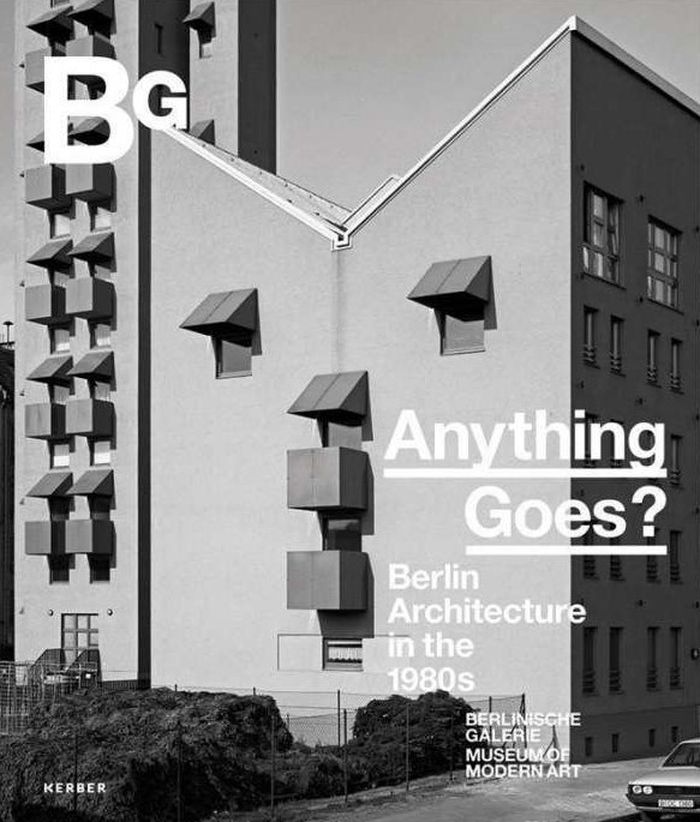
Anything goes? Berlin architecture in the 1980s
Actions:
Prix:
$97.95
(disponible sur commande)
Résumé:
In 1987, Berlin celebrated its 750th anniversary on both sides of the wall that partitioned the city. In their efforts to recognize this milestone despite the literal division of their country, architects in East and West Berlin constructed a variety of notable buildings as they explored concepts of urban repair and postmodernist design. Today, these buildings have been modified, threatened with demolition, or disappeared completely, but their legacy as witnesses to a new era of design remains, and is surveyed in this publication.
Anything goes? Berlin architecture in the 1980s
Actions:
Prix:
$97.95
(disponible sur commande)
Résumé:
In 1987, Berlin celebrated its 750th anniversary on both sides of the wall that partitioned the city. In their efforts to recognize this milestone despite the literal division of their country, architects in East and West Berlin constructed a variety of notable buildings as they explored concepts of urban repair and postmodernist design. Today, these buildings have been modified, threatened with demolition, or disappeared completely, but their legacy as witnesses to a new era of design remains, and is surveyed in this publication.
Classification:
livres
livres
Publication:
juin 2021
juin 2021
Classification:
livres
livres
Titre:
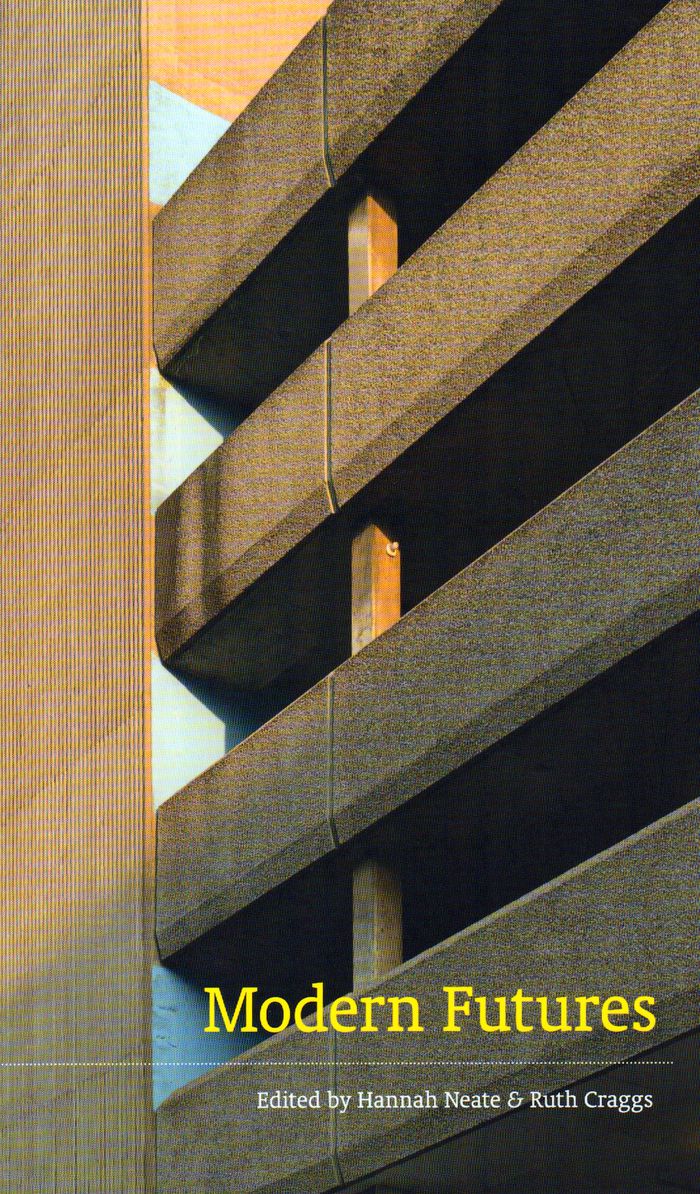
Modern futures
Modern futures
Actions:
Prix:
$34.95
(disponible en magasin)
Résumé:
There has been a groundswell of interest in modernist architecture in recent years, particularly buildings from the second half of the twentieth century. Individuals and groups are engaging with modernist environments in the form of popular histories, documentaries and community projects, and digital and social media. Alongside this growing popularity however, many of(...)
$34.95
(disponible en magasin)
Résumé:
There has been a groundswell of interest in modernist architecture in recent years, particularly buildings from the second half of the twentieth century. Individuals and groups are engaging with modernist environments in the form of popular histories, documentaries and community projects, and digital and social media. Alongside this growing popularity however, many of(...)
Titre:
Modern futures
Actions:
Prix:
$34.95
(disponible en magasin)
Résumé:
There has been a groundswell of interest in modernist architecture in recent years, particularly buildings from the second half of the twentieth century. Individuals and groups are engaging with modernist environments in the form of popular histories, documentaries and community projects, and digital and social media. Alongside this growing popularity however, many of these buildings are under threat from demolition and regeneration. "Modern futures" explores these trends, their connections, and how more popular and creative engagements might be used to inform the uncertain future of modernist architecture.
Modern futures
Actions:
Prix:
$34.95
(disponible en magasin)
Résumé:
There has been a groundswell of interest in modernist architecture in recent years, particularly buildings from the second half of the twentieth century. Individuals and groups are engaging with modernist environments in the form of popular histories, documentaries and community projects, and digital and social media. Alongside this growing popularity however, many of these buildings are under threat from demolition and regeneration. "Modern futures" explores these trends, their connections, and how more popular and creative engagements might be used to inform the uncertain future of modernist architecture.
Classification:
livres
livres
Publication:
octobre 2016
octobre 2016
Sujet:
Modernisme
Modernisme
Classification:
livres
livres
Titre:
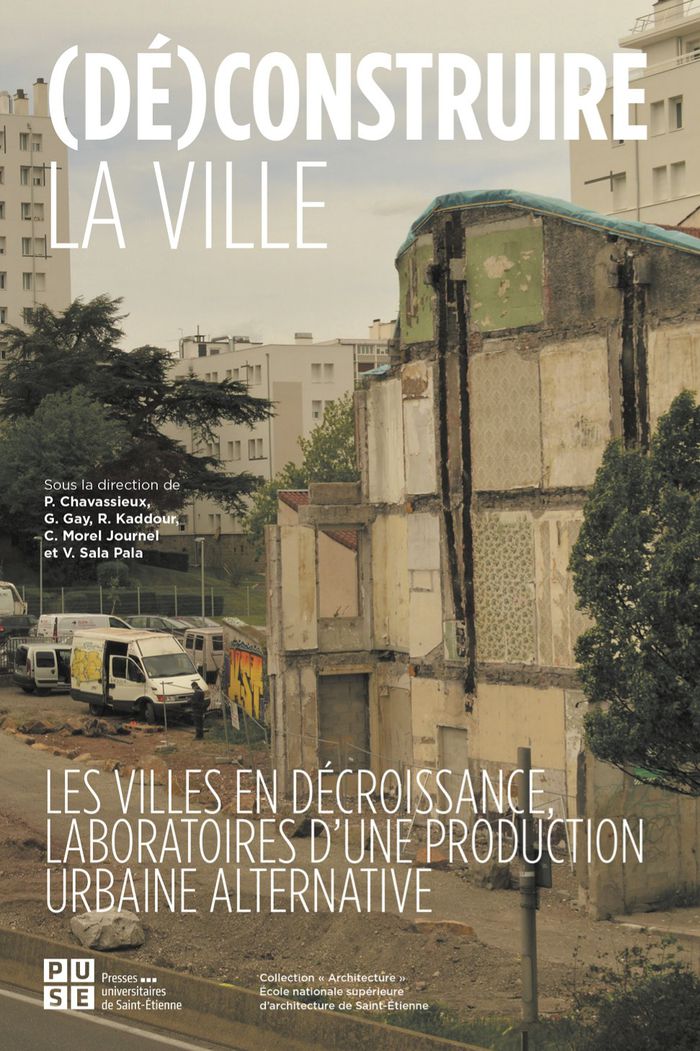
(Dé)construire la ville
(Dé)construire la ville
Actions:
Prix:
$55.00
(disponible en magasin)
Résumé:
Déconstruction ? Le mot est à la mode mais n’est pas dépourvu d’ambiguïtés. Habillage euphémique d’une pratique ancienne, la démolition, dont la brutalité s’abat plus souvent qu’à leur tour sur les maisons du peuple, il sert aussi à désigner un ensemble de processus, a priori vertueux, de sauvegarde, tri et recyclage des matériaux. Derrière l’ambiguïté et les glissements(...)
$55.00
(disponible en magasin)
Résumé:
Déconstruction ? Le mot est à la mode mais n’est pas dépourvu d’ambiguïtés. Habillage euphémique d’une pratique ancienne, la démolition, dont la brutalité s’abat plus souvent qu’à leur tour sur les maisons du peuple, il sert aussi à désigner un ensemble de processus, a priori vertueux, de sauvegarde, tri et recyclage des matériaux. Derrière l’ambiguïté et les glissements(...)
Titre:
(Dé)construire la ville
Actions:
Prix:
$55.00
(disponible en magasin)
Résumé:
Déconstruction ? Le mot est à la mode mais n’est pas dépourvu d’ambiguïtés. Habillage euphémique d’une pratique ancienne, la démolition, dont la brutalité s’abat plus souvent qu’à leur tour sur les maisons du peuple, il sert aussi à désigner un ensemble de processus, a priori vertueux, de sauvegarde, tri et recyclage des matériaux. Derrière l’ambiguïté et les glissements de sens, il y a la réalité d’un outil de communication destiné à faire accepter des choix d’aménagement dont la finalité ultime reste la création ou la restauration de valeur foncière ou immobilière. Au rebours de cet exercice d’illusionniste, le présent ouvrage entend prendre le mot de déconstruction au sérieux. Les enjeux contemporains nous y invitent. Si l’horizon du présent et de l’avenir des villes reste indexé sur le récit enchanté (ou angoissant…) du devenir métropolitain, une autre réalité s’impose à bas bruit, celle de la décroissance démographique que la scénarisation parfois racoleuse du déclin des villes de la « Rust Belt » américaine contribue paradoxalement à occulter. Loin de constituer une exception spectaculaire, le rétrécissement urbain tend à discrètement se banaliser et à devenir l’ordinaire de nombre de villes de taille et de nature diverses. Dans ce contexte, la déconstruction entendue comme la réduction raisonnée du volume bâti, peut ouvrir sur l’opportunité de reconfigurer positivement des espaces urbains souvent hâtivement et négligemment construits, au bénéfice des habitants encore là. La déconstruction s’affirme alors comme une autre manière de faire la ville, soucieuse de la qualité de vie de ceux et celles qui l’habitent et la pratiquent quels qu’ils ou elles soient. Ce sont les perspectives de cette forme de réactualisation du droit à la ville que se propose d’explorer l’ouvrage en croisant les contributions des chercheuses et chercheurs avec les témoignages des acteurs/actrices et praticiennes et praticiens. Revisitant les démolitions de « tours et de barres HLM » au prisme de l’expérience des bailleurs sociaux en contexte détendu, explorant les choix et les logiques de quelques opérations pionnières dans l’urbain décroissant, portant un regard critique sur les limites et contraintes des pratiques de déconstruction raisonnée pour déboucher enfin sur la relation d’une expérience de mise en application de la réflexion sur la ville décroissante dans l’enseignement du projet, l’ouvrage entend entrainer ses lectrices et lecteurs sur les chemins incertains d’une manière inédite de penser et faire la ville, susceptible de répondre avec justice et justesse aux défis du monde qui vient.
(Dé)construire la ville
Actions:
Prix:
$55.00
(disponible en magasin)
Résumé:
Déconstruction ? Le mot est à la mode mais n’est pas dépourvu d’ambiguïtés. Habillage euphémique d’une pratique ancienne, la démolition, dont la brutalité s’abat plus souvent qu’à leur tour sur les maisons du peuple, il sert aussi à désigner un ensemble de processus, a priori vertueux, de sauvegarde, tri et recyclage des matériaux. Derrière l’ambiguïté et les glissements de sens, il y a la réalité d’un outil de communication destiné à faire accepter des choix d’aménagement dont la finalité ultime reste la création ou la restauration de valeur foncière ou immobilière. Au rebours de cet exercice d’illusionniste, le présent ouvrage entend prendre le mot de déconstruction au sérieux. Les enjeux contemporains nous y invitent. Si l’horizon du présent et de l’avenir des villes reste indexé sur le récit enchanté (ou angoissant…) du devenir métropolitain, une autre réalité s’impose à bas bruit, celle de la décroissance démographique que la scénarisation parfois racoleuse du déclin des villes de la « Rust Belt » américaine contribue paradoxalement à occulter. Loin de constituer une exception spectaculaire, le rétrécissement urbain tend à discrètement se banaliser et à devenir l’ordinaire de nombre de villes de taille et de nature diverses. Dans ce contexte, la déconstruction entendue comme la réduction raisonnée du volume bâti, peut ouvrir sur l’opportunité de reconfigurer positivement des espaces urbains souvent hâtivement et négligemment construits, au bénéfice des habitants encore là. La déconstruction s’affirme alors comme une autre manière de faire la ville, soucieuse de la qualité de vie de ceux et celles qui l’habitent et la pratiquent quels qu’ils ou elles soient. Ce sont les perspectives de cette forme de réactualisation du droit à la ville que se propose d’explorer l’ouvrage en croisant les contributions des chercheuses et chercheurs avec les témoignages des acteurs/actrices et praticiennes et praticiens. Revisitant les démolitions de « tours et de barres HLM » au prisme de l’expérience des bailleurs sociaux en contexte détendu, explorant les choix et les logiques de quelques opérations pionnières dans l’urbain décroissant, portant un regard critique sur les limites et contraintes des pratiques de déconstruction raisonnée pour déboucher enfin sur la relation d’une expérience de mise en application de la réflexion sur la ville décroissante dans l’enseignement du projet, l’ouvrage entend entrainer ses lectrices et lecteurs sur les chemins incertains d’une manière inédite de penser et faire la ville, susceptible de répondre avec justice et justesse aux défis du monde qui vient.
Classification:
livres
livres
Publication:
février 2022
février 2022
Sujet:
Théorie de l’urbanisme
Théorie de l’urbanisme
Classification:
livres
livres
Titre:
East German modern
East German modern
Actions:
Prix:
$66.00
(disponible sur commande)
Résumé:
The buildings constructed in East Germany after the Second World War are often dismissed as drab, Soviet-style, prefabricated blocks of cement. But the architecture of the German Democratic Republic was created with an eye toward modernity and efficiency, and heralded the birth of a new country and a new economic and social system. Hans Engels has traveled throughout(...)
$66.00
(disponible sur commande)
Résumé:
The buildings constructed in East Germany after the Second World War are often dismissed as drab, Soviet-style, prefabricated blocks of cement. But the architecture of the German Democratic Republic was created with an eye toward modernity and efficiency, and heralded the birth of a new country and a new economic and social system. Hans Engels has traveled throughout(...)
Titre:
East German modern
Actions:
Prix:
$66.00
(disponible sur commande)
Résumé:
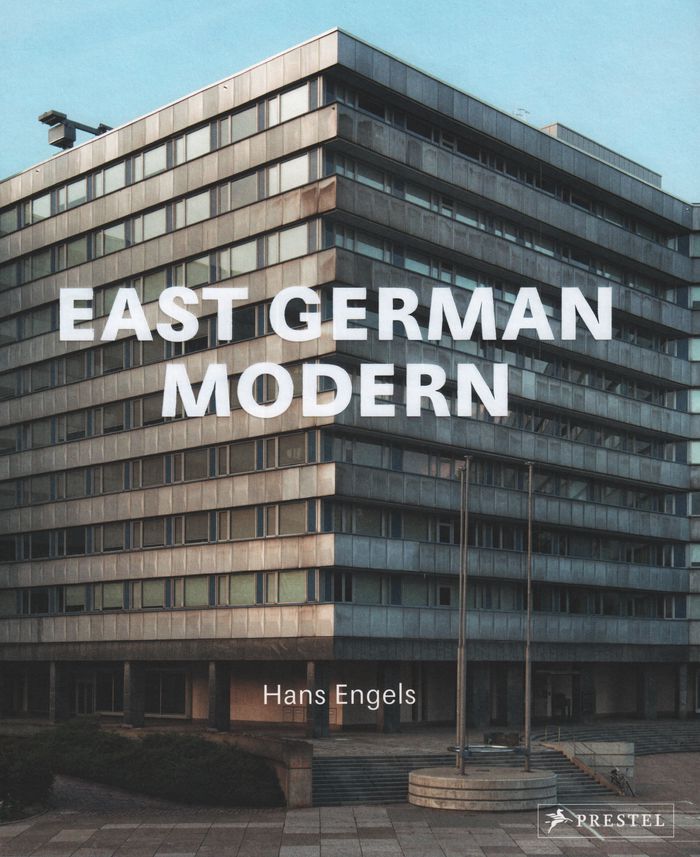
The buildings constructed in East Germany after the Second World War are often dismissed as drab, Soviet-style, prefabricated blocks of cement. But the architecture of the German Democratic Republic was created with an eye toward modernity and efficiency, and heralded the birth of a new country and a new economic and social system. Hans Engels has traveled throughout East Germany to photograph iconic modernist buildings that survived demolition. From movie theaters, high-rises, and restaurants to museums, convention centers, and transit stations, these buildings have all stood the test of time.
East German modern
Actions:
Prix:
$66.00
(disponible sur commande)
Résumé:
The buildings constructed in East Germany after the Second World War are often dismissed as drab, Soviet-style, prefabricated blocks of cement. But the architecture of the German Democratic Republic was created with an eye toward modernity and efficiency, and heralded the birth of a new country and a new economic and social system. Hans Engels has traveled throughout East Germany to photograph iconic modernist buildings that survived demolition. From movie theaters, high-rises, and restaurants to museums, convention centers, and transit stations, these buildings have all stood the test of time.
Classification:
livres
livres
Publication:
septembre 2019
septembre 2019
Sujet:
Modernisme
Modernisme
Classification:
périodiques
périodiques

Titre:
Reference #1
Reference #1
Actions:
Prix:
$40.00
(disponible sur commande)
Résumé:
Reference #1 is a limited edition print publication centered around an exploration of living design in recent history. The publication aims to highlight a myriad of approaches towards the topic, with subjects including the late Cristiano Toraldo di Francia of Superstudio, Ken Price, Polly Pocket, Stonehenge, Minitel, Japanese Demolition, and the Rosetta Stone, among(...)
$40.00
(disponible sur commande)
Résumé:
Reference #1 is a limited edition print publication centered around an exploration of living design in recent history. The publication aims to highlight a myriad of approaches towards the topic, with subjects including the late Cristiano Toraldo di Francia of Superstudio, Ken Price, Polly Pocket, Stonehenge, Minitel, Japanese Demolition, and the Rosetta Stone, among(...)
Sujet:
Revues
Revues
Publication:
octobre 2021
octobre 2021
Titre:
Reference #1
Actions:
Prix:
$40.00
(disponible sur commande)
Résumé:
Reference #1 is a limited edition print publication centered around an exploration of living design in recent history. The publication aims to highlight a myriad of approaches towards the topic, with subjects including the late Cristiano Toraldo di Francia of Superstudio, Ken Price, Polly Pocket, Stonehenge, Minitel, Japanese Demolition, and the Rosetta Stone, among others. Contributors include Joan Didion, Takashi Homma, Superstudio, Charlotte Wales, Eric Wrenn, Blommers & Schumm, Joe Gebbia, Image Group, Alessandro Bava, Calla Henkel and Max Pitegoff, Maciek Pozoga, Octave Perrault, and Nancy Meyers, among others.
Reference #1
Actions:
Prix:
$40.00
(disponible sur commande)
Résumé:
Reference #1 is a limited edition print publication centered around an exploration of living design in recent history. The publication aims to highlight a myriad of approaches towards the topic, with subjects including the late Cristiano Toraldo di Francia of Superstudio, Ken Price, Polly Pocket, Stonehenge, Minitel, Japanese Demolition, and the Rosetta Stone, among others. Contributors include Joan Didion, Takashi Homma, Superstudio, Charlotte Wales, Eric Wrenn, Blommers & Schumm, Joe Gebbia, Image Group, Alessandro Bava, Calla Henkel and Max Pitegoff, Maciek Pozoga, Octave Perrault, and Nancy Meyers, among others.
Classification:
périodiques
périodiques
Publication:
octobre 2021
octobre 2021
Sujet:
Revues
Revues
Classification:
livres
livres
Titre:
Robert Polidori: Hotel Petra
Robert Polidori: Hotel Petra
Actions:
Prix:
$70.00
(disponible en magasin)
Résumé:
This book is Robert Polidori’s portrait of the interiors of the now demolished Hotel Petra in Beirut, a grand icon of the city’s prewar history. The Hotel Petra was once one of the most popular hotels in Beirut, conveniently located in the city center adjacent to the Grand Theatre. After the Lebanese Civil War of 1975–90, Rafiq al-Hariri founded a holding company,(...)
$70.00
(disponible en magasin)
Résumé:
This book is Robert Polidori’s portrait of the interiors of the now demolished Hotel Petra in Beirut, a grand icon of the city’s prewar history. The Hotel Petra was once one of the most popular hotels in Beirut, conveniently located in the city center adjacent to the Grand Theatre. After the Lebanese Civil War of 1975–90, Rafiq al-Hariri founded a holding company,(...)
Titre:
Robert Polidori: Hotel Petra
Actions:
Prix:
$70.00
(disponible en magasin)
Résumé:
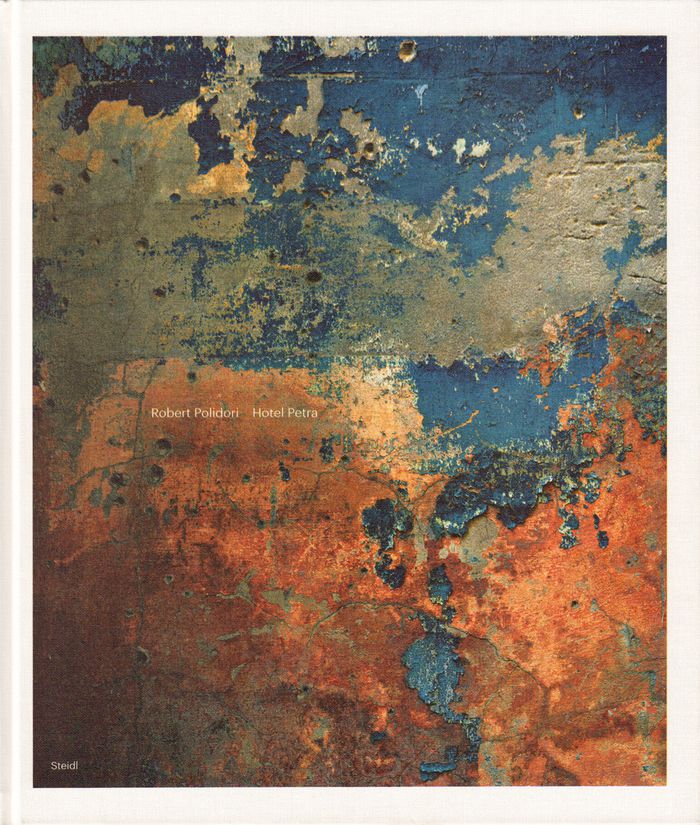
This book is Robert Polidori’s portrait of the interiors of the now demolished Hotel Petra in Beirut, a grand icon of the city’s prewar history. The Hotel Petra was once one of the most popular hotels in Beirut, conveniently located in the city center adjacent to the Grand Theatre. After the Lebanese Civil War of 1975–90, Rafiq al-Hariri founded a holding company, Solidere, whose goal was the selective demolition and reconstruction of downtown Beirut’s urban fabric. In 1992 the Hotel Petra was set aside for later restoration, and from that moment essentially cut off from any human intervention.
Robert Polidori: Hotel Petra
Actions:
Prix:
$70.00
(disponible en magasin)
Résumé:
This book is Robert Polidori’s portrait of the interiors of the now demolished Hotel Petra in Beirut, a grand icon of the city’s prewar history. The Hotel Petra was once one of the most popular hotels in Beirut, conveniently located in the city center adjacent to the Grand Theatre. After the Lebanese Civil War of 1975–90, Rafiq al-Hariri founded a holding company, Solidere, whose goal was the selective demolition and reconstruction of downtown Beirut’s urban fabric. In 1992 the Hotel Petra was set aside for later restoration, and from that moment essentially cut off from any human intervention.
Classification:
livres
livres
Publication:
août 2016
août 2016
Sujet:
Monographies photo
Monographies photo
Classification:
livres
livres
Actions:
Prix:
$32.00
(disponible sur commande)
Résumé:
In the popular imagination, the controversial 1963 demolition of Pennsylvania Station gave birth to New York City’s historic preservation movement. As the author reveals, however, historic preservation has been a persistent force in the development of New York since the 1890s, when the city’s leading politicians, planners, and architects first recognized the need to(...)
$32.00
(disponible sur commande)
Résumé:
In the popular imagination, the controversial 1963 demolition of Pennsylvania Station gave birth to New York City’s historic preservation movement. As the author reveals, however, historic preservation has been a persistent force in the development of New York since the 1890s, when the city’s leading politicians, planners, and architects first recognized the need to(...)
Titre:
The once and future New York: historic preservation and the modern city
Actions:
Prix:
$32.00
(disponible sur commande)
Résumé:
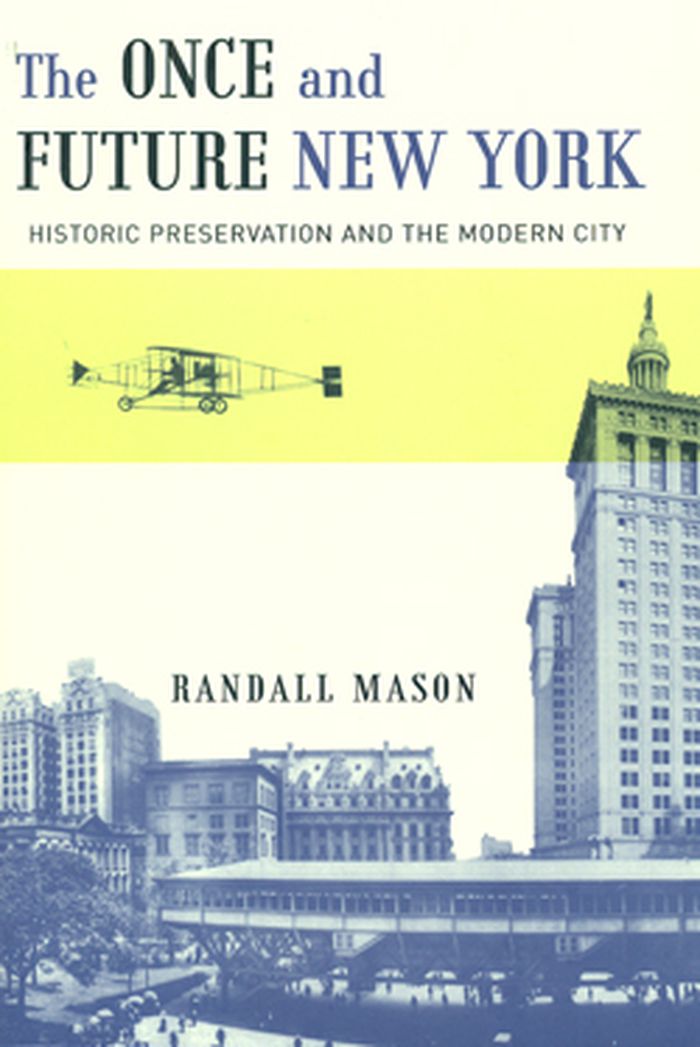
In the popular imagination, the controversial 1963 demolition of Pennsylvania Station gave birth to New York City’s historic preservation movement. As the author reveals, however, historic preservation has been a persistent force in the development of New York since the 1890s, when the city’s leading politicians, planners, and architects first recognized the need to preserve the rapidly evolving city’s past. Rich with archival research, this book documents the emergence of historic preservation in New York at the turn of the twentieth century. Between 1890 and 1920, preservationists saved and restored buildings, parks, and monuments throughout the city’s five boroughs that represented continuity with the past.
The once and future New York: historic preservation and the modern city
Actions:
Prix:
$32.00
(disponible sur commande)
Résumé:
In the popular imagination, the controversial 1963 demolition of Pennsylvania Station gave birth to New York City’s historic preservation movement. As the author reveals, however, historic preservation has been a persistent force in the development of New York since the 1890s, when the city’s leading politicians, planners, and architects first recognized the need to preserve the rapidly evolving city’s past. Rich with archival research, this book documents the emergence of historic preservation in New York at the turn of the twentieth century. Between 1890 and 1920, preservationists saved and restored buildings, parks, and monuments throughout the city’s five boroughs that represented continuity with the past.
Classification:
livres
livres
Publication:
avril 2009
avril 2009
Classification:
livres
livres
Actions:
Prix:
$35.95
(disponible sur commande)
Résumé:
A wooden Japanese house slated for demolition will instead be moved to Venice for exhibition. Yet the house put on display will not appear in its original form. Dismantled for shipping, it will be reassembled on-site in new configurations created by architects and artisans from Japan, who will add new or local materials and other elements in the process. In other words,(...)
$35.95
(disponible sur commande)
Résumé:
A wooden Japanese house slated for demolition will instead be moved to Venice for exhibition. Yet the house put on display will not appear in its original form. Dismantled for shipping, it will be reassembled on-site in new configurations created by architects and artisans from Japan, who will add new or local materials and other elements in the process. In other words,(...)
Titre:
Co-Ownership of action : trajectories of elements
Actions:
Prix:
$35.95
(disponible sur commande)
Résumé:
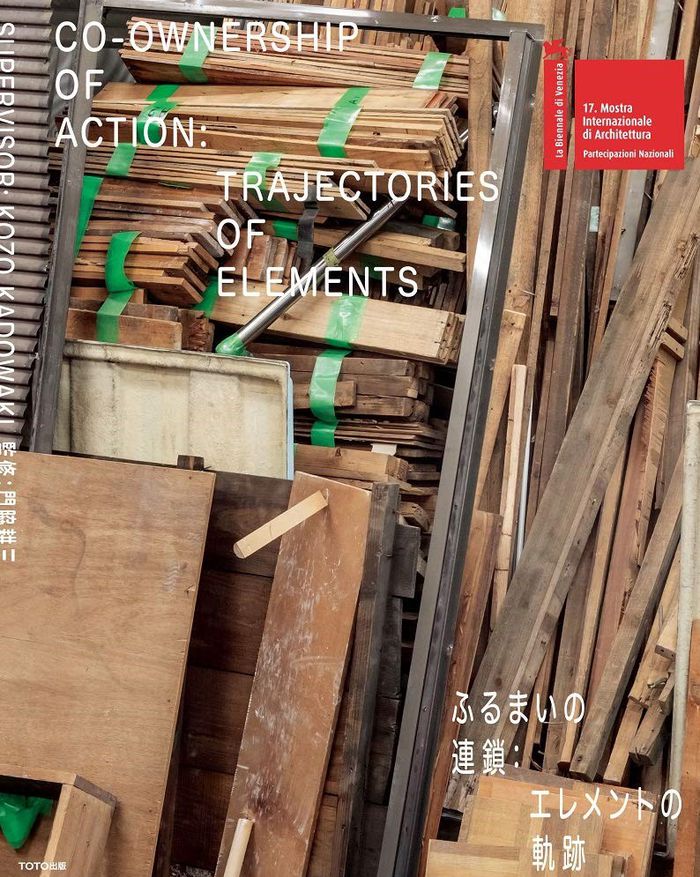
A wooden Japanese house slated for demolition will instead be moved to Venice for exhibition. Yet the house put on display will not appear in its original form. Dismantled for shipping, it will be reassembled on-site in new configurations created by architects and artisans from Japan, who will add new or local materials and other elements in the process. In other words, the exhibition of the house will be a fantastical installation that combines old and new in a composite of creative efforts by multiple designers and craftsmen. This book, edited by architect Kozo Kadowaki, explores the project in detail.
Co-Ownership of action : trajectories of elements
Actions:
Prix:
$35.95
(disponible sur commande)
Résumé:
A wooden Japanese house slated for demolition will instead be moved to Venice for exhibition. Yet the house put on display will not appear in its original form. Dismantled for shipping, it will be reassembled on-site in new configurations created by architects and artisans from Japan, who will add new or local materials and other elements in the process. In other words, the exhibition of the house will be a fantastical installation that combines old and new in a composite of creative efforts by multiple designers and craftsmen. This book, edited by architect Kozo Kadowaki, explores the project in detail.
Classification:
livres
livres
Publication:
août 2020
août 2020
Sujet:
Biennale
Biennale
Classification:
livres
livres
Actions:
Prix:
$45.00
(disponible sur commande)
Résumé:
During his travels through China, Peter Bialobrzeski became aware of the constructions known as “nail houses” - derelict houses earmarked for demolition, whose owners refused to vacate. In Nail Houses or the Destruction of Lower Shanghai, the artist gathers photographs of these isolated structures, often captured in the evening hours, when brightly lit windows convey a(...)
$45.00
(disponible sur commande)
Résumé:
During his travels through China, Peter Bialobrzeski became aware of the constructions known as “nail houses” - derelict houses earmarked for demolition, whose owners refused to vacate. In Nail Houses or the Destruction of Lower Shanghai, the artist gathers photographs of these isolated structures, often captured in the evening hours, when brightly lit windows convey a(...)
Titre:
Nail houses, or the destruction of Lower Shanghai
Actions:
Prix:
$45.00
(disponible sur commande)
Résumé:
During his travels through China, Peter Bialobrzeski became aware of the constructions known as “nail houses” - derelict houses earmarked for demolition, whose owners refused to vacate. In Nail Houses or the Destruction of Lower Shanghai, the artist gathers photographs of these isolated structures, often captured in the evening hours, when brightly lit windows convey a sense of the domestic comfort these homes provide for their owners, despite their condition. Bialobrzeski stands up for these stubborn homeowners, compelling the viewer to face uncomfortable questions and underscoring the right of every human being to a home and a feeling of security.
Nail houses, or the destruction of Lower Shanghai
Actions:
Prix:
$45.00
(disponible sur commande)
Résumé:
During his travels through China, Peter Bialobrzeski became aware of the constructions known as “nail houses” - derelict houses earmarked for demolition, whose owners refused to vacate. In Nail Houses or the Destruction of Lower Shanghai, the artist gathers photographs of these isolated structures, often captured in the evening hours, when brightly lit windows convey a sense of the domestic comfort these homes provide for their owners, despite their condition. Bialobrzeski stands up for these stubborn homeowners, compelling the viewer to face uncomfortable questions and underscoring the right of every human being to a home and a feeling of security.
Classification:
livres
livres
Publication:
août 2014
août 2014
Sujet:
Monographies photo
Monographies photo


