


498 Résultats
Classification:
livres
livres
Actions:
Prix:
$41.95
(disponible sur commande)
Résumé:
The Centre Georges Pompidou, also called Beaubourg, is today considered an icon of contemporary Paris, the quintessence of a modern building, and a model for what a museum can be. In 1971, Renzo Piano and Richard Rogers, together with the engineering firm Ove Arup & Partners, won an international architecture competition with their innovative and irreverent design.(...)
$41.95
(disponible sur commande)
Résumé:
The Centre Georges Pompidou, also called Beaubourg, is today considered an icon of contemporary Paris, the quintessence of a modern building, and a model for what a museum can be. In 1971, Renzo Piano and Richard Rogers, together with the engineering firm Ove Arup & Partners, won an international architecture competition with their innovative and irreverent design.(...)
Titre:
Centre Pompidou: Renzo Piano, Richard Rogers, and the making of a modern monument
Actions:
Prix:
$41.95
(disponible sur commande)
Résumé:
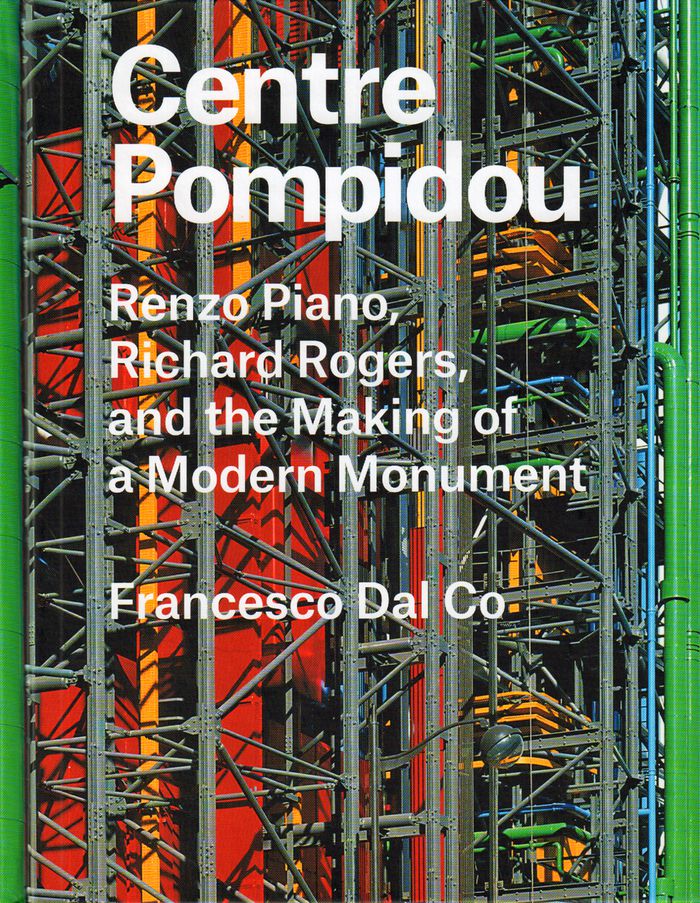
The Centre Georges Pompidou, also called Beaubourg, is today considered an icon of contemporary Paris, the quintessence of a modern building, and a model for what a museum can be. In 1971, Renzo Piano and Richard Rogers, together with the engineering firm Ove Arup & Partners, won an international architecture competition with their innovative and irreverent design. Completed in 1977, the building was at first received skeptically by critics, yet it was quickly embraced by the public as a beloved monument of the modern city of Paris. This lively intellectual biography of the building explores its history and the reasons for its success, from its genesis as a politically calculated response to Paris’s turbulent 1968 student protests to the role played by architects in its construction, as well as the historical influences and the engineering solutions that inform its design. A key reason for the Centre Pompidou’s success indeed lies in its ability to channel architectural memory, connecting it powerfully to Paris’s historic urban fabric. This essential text on one of the twentieth century’s most significant buildings is accompanied by a portfolio of rare drawings and photographs.
Centre Pompidou: Renzo Piano, Richard Rogers, and the making of a modern monument
Actions:
Prix:
$41.95
(disponible sur commande)
Résumé:
The Centre Georges Pompidou, also called Beaubourg, is today considered an icon of contemporary Paris, the quintessence of a modern building, and a model for what a museum can be. In 1971, Renzo Piano and Richard Rogers, together with the engineering firm Ove Arup & Partners, won an international architecture competition with their innovative and irreverent design. Completed in 1977, the building was at first received skeptically by critics, yet it was quickly embraced by the public as a beloved monument of the modern city of Paris. This lively intellectual biography of the building explores its history and the reasons for its success, from its genesis as a politically calculated response to Paris’s turbulent 1968 student protests to the role played by architects in its construction, as well as the historical influences and the engineering solutions that inform its design. A key reason for the Centre Pompidou’s success indeed lies in its ability to channel architectural memory, connecting it powerfully to Paris’s historic urban fabric. This essential text on one of the twentieth century’s most significant buildings is accompanied by a portfolio of rare drawings and photographs.
Classification:
livres
livres
Publication:
novembre 2016
novembre 2016
Sujet:
Architecture contemporaine
Architecture contemporaine
Classification:
livres
livres
Actions:
Prix:
$32.50
(disponible sur commande)
Résumé:
Victor Burgin is one of the most influential artists and writers working today. He came to prominence as a key ?gure in the Conceptual Art of the late 1960s. After turning to photography in his artistic practice he produced a series of groundbreaking theoretical essays that drew on semiotics, psychoanalysis and feminism in order to think through the ideological role of(...)
$32.50
(disponible sur commande)
Résumé:
Victor Burgin is one of the most influential artists and writers working today. He came to prominence as a key ?gure in the Conceptual Art of the late 1960s. After turning to photography in his artistic practice he produced a series of groundbreaking theoretical essays that drew on semiotics, psychoanalysis and feminism in order to think through the ideological role of(...)
Titre:
The Camera: essence and apparatus
Actions:
Prix:
$32.50
(disponible sur commande)
Résumé:
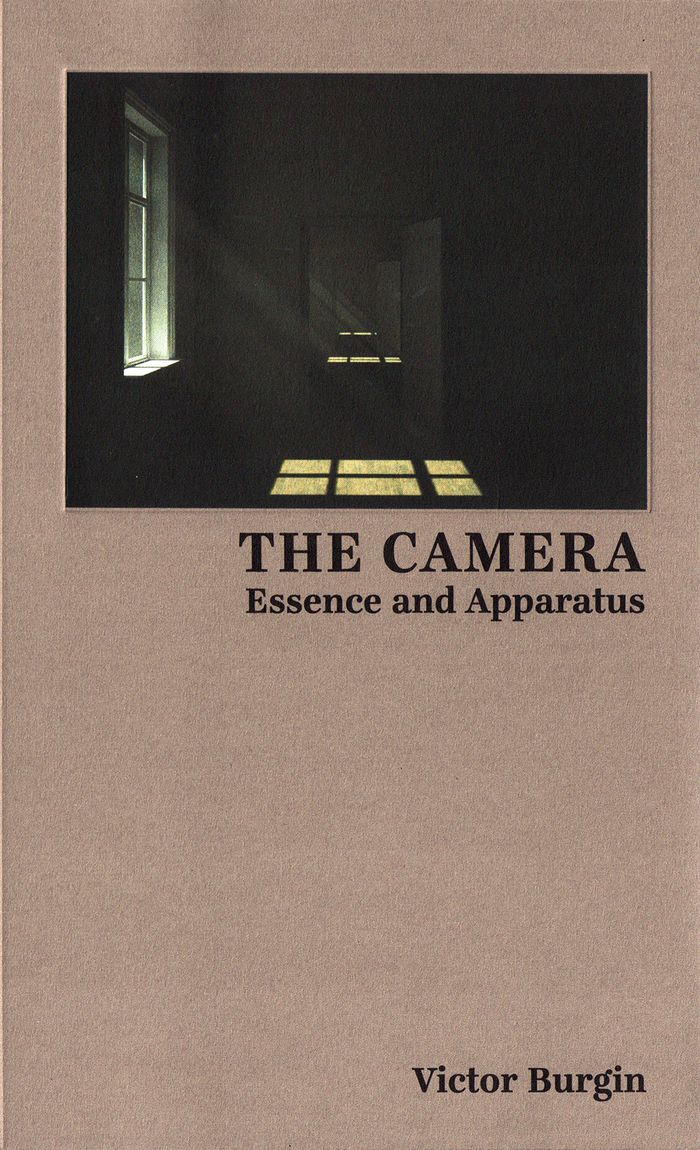
Victor Burgin is one of the most influential artists and writers working today. He came to prominence as a key ?gure in the Conceptual Art of the late 1960s. After turning to photography in his artistic practice he produced a series of groundbreaking theoretical essays that drew on semiotics, psychoanalysis and feminism in order to think through the ideological role of photographs in the production of beliefs and values, and in the understanding of memory, history, subjectivity and space. This collection brings together for the ?rst time Victor Burgin’s writings related speci?cally to the camera, following the shifts and nuances in his thinking over nearly ?ve decades. Moreover, it allows us to chart the evolution of what the camera was and is, and how its affects are to be understood.
The Camera: essence and apparatus
Actions:
Prix:
$32.50
(disponible sur commande)
Résumé:
Victor Burgin is one of the most influential artists and writers working today. He came to prominence as a key ?gure in the Conceptual Art of the late 1960s. After turning to photography in his artistic practice he produced a series of groundbreaking theoretical essays that drew on semiotics, psychoanalysis and feminism in order to think through the ideological role of photographs in the production of beliefs and values, and in the understanding of memory, history, subjectivity and space. This collection brings together for the ?rst time Victor Burgin’s writings related speci?cally to the camera, following the shifts and nuances in his thinking over nearly ?ve decades. Moreover, it allows us to chart the evolution of what the camera was and is, and how its affects are to be understood.
Classification:
livres
livres
Publication:
mai 2018
mai 2018
Sujet:
Théorie de la photographie
Théorie de la photographie
Classification:
livres
livres
Prix:
$72.50
(disponible en magasin)
Résumé:
This publication introduces the untold story of German artist and poet Anneliese Hager. Active from the 1930s to the 1960s, Hager began her photographic experimentation in Germany during the Nazi censure of modern art. Her preferred medium was the cameraless photograph, or photogram—an image made by placing objects directly on (or in close proximity to) a light-sensitive(...)
$72.50
(disponible en magasin)
Résumé:
This publication introduces the untold story of German artist and poet Anneliese Hager. Active from the 1930s to the 1960s, Hager began her photographic experimentation in Germany during the Nazi censure of modern art. Her preferred medium was the cameraless photograph, or photogram—an image made by placing objects directly on (or in close proximity to) a light-sensitive(...)
Titre:
White shadows: Anneliese Hager and the camera-less photograph
Actions:
Prix:
$72.50
(disponible en magasin)
Résumé:
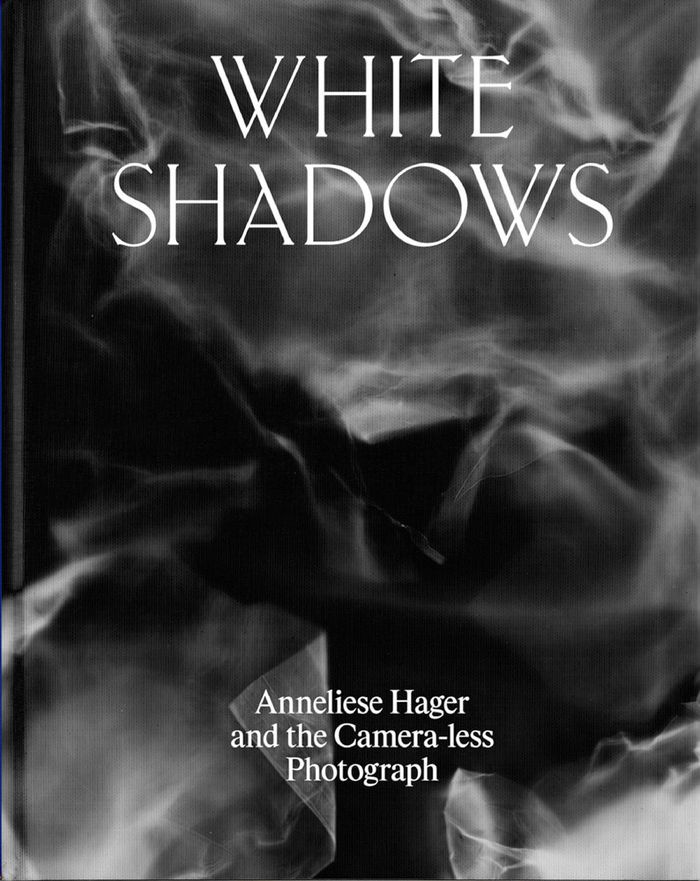
This publication introduces the untold story of German artist and poet Anneliese Hager. Active from the 1930s to the 1960s, Hager began her photographic experimentation in Germany during the Nazi censure of modern art. Her preferred medium was the cameraless photograph, or photogram—an image made by placing objects directly on (or in close proximity to) a light-sensitive surface and exposing the assembled material to light. In its final form, a photogram is a one-of-a-kind work that reverses light and dark: the longer the paper is covered, and hence unexposed, the brighter the covered parts will be, and vice versa. Hager called these bright areas "white shadows." Hager’s photograms offer a more inclusive history of the medium, synthesizing the technique’s 20th-century avant-garde trajectory (best known in the work of László Moholy-Nagy and Man Ray) and its 19th-century prehistories in the realm of science and in practices such as the making of silhouettes, collage and textile arts—pursuits often coded feminine. In 1945, all Hager’s existing artwork was destroyed in the bombing of Dresden during World War II. This book offers an unprecedented reconstruction of her development and postwar creation of otherworldly, Surrealist visions in photograms and poems, a selection of which appear here in English for the first time. For Hager, the photogram was significant for its provocative tonal inversions and surprising chance effects, but also for what emerges from the dark.
White shadows: Anneliese Hager and the camera-less photograph
Actions:
Prix:
$72.50
(disponible en magasin)
Résumé:
This publication introduces the untold story of German artist and poet Anneliese Hager. Active from the 1930s to the 1960s, Hager began her photographic experimentation in Germany during the Nazi censure of modern art. Her preferred medium was the cameraless photograph, or photogram—an image made by placing objects directly on (or in close proximity to) a light-sensitive surface and exposing the assembled material to light. In its final form, a photogram is a one-of-a-kind work that reverses light and dark: the longer the paper is covered, and hence unexposed, the brighter the covered parts will be, and vice versa. Hager called these bright areas "white shadows." Hager’s photograms offer a more inclusive history of the medium, synthesizing the technique’s 20th-century avant-garde trajectory (best known in the work of László Moholy-Nagy and Man Ray) and its 19th-century prehistories in the realm of science and in practices such as the making of silhouettes, collage and textile arts—pursuits often coded feminine. In 1945, all Hager’s existing artwork was destroyed in the bombing of Dresden during World War II. This book offers an unprecedented reconstruction of her development and postwar creation of otherworldly, Surrealist visions in photograms and poems, a selection of which appear here in English for the first time. For Hager, the photogram was significant for its provocative tonal inversions and surprising chance effects, but also for what emerges from the dark.
Classification:
livres
livres
Publication:
novembre 2023
novembre 2023
Sujet:
Monographies photo
Monographies photo
Classification:
livres
livres
Actions:
Prix:
$65.00
(disponible sur commande)
Résumé:
In 1811, architect, stone mason and shell obsessive George Perry published an illustrated volume, his Conchology or the Natural History of Shells, featuring 348 illustrated mollusc shells with descriptions of species, many of which were new to science. Despite the effort that went into producing the work, at a time when "conchophilia", or shell fancying, was at its(...)
$65.00
(disponible sur commande)
Résumé:
In 1811, architect, stone mason and shell obsessive George Perry published an illustrated volume, his Conchology or the Natural History of Shells, featuring 348 illustrated mollusc shells with descriptions of species, many of which were new to science. Despite the effort that went into producing the work, at a time when "conchophilia", or shell fancying, was at its(...)
Titre:
Beautiful shells: George Perry's Conchology
Actions:
Prix:
$65.00
(disponible sur commande)
Résumé:
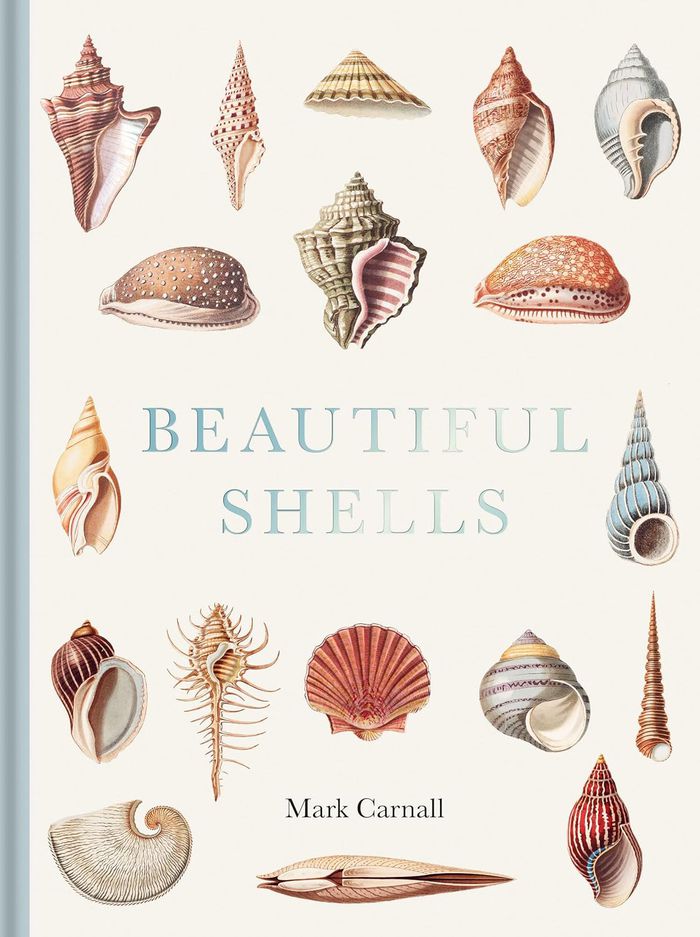
In 1811, architect, stone mason and shell obsessive George Perry published an illustrated volume, his Conchology or the Natural History of Shells, featuring 348 illustrated mollusc shells with descriptions of species, many of which were new to science. Despite the effort that went into producing the work, at a time when "conchophilia", or shell fancying, was at its height, Perry’s Conchology all but disappeared without a trace in the scientific literature, apparently actively suppressed by the leading conchologists of the day and then cruelly mocked for decades afterwards. This book reproduces the stunning, exquisitely drawn and sometimes fanciful shell illustrations from this extraordinary forgotten volume. Following an introduction exploring our fascination with shells and their impact on human history, culture and science, each of the sixty-one colour plates is included alongside a description of notable shells and what is known of the mysterious organisms that make them. From the common limpet and razor clam to the valuable cowry and spectacular divine conch, the wide range of shells featured form a treasure trove of natural beauty from our oceans and shores.
Beautiful shells: George Perry's Conchology
Actions:
Prix:
$65.00
(disponible sur commande)
Résumé:
In 1811, architect, stone mason and shell obsessive George Perry published an illustrated volume, his Conchology or the Natural History of Shells, featuring 348 illustrated mollusc shells with descriptions of species, many of which were new to science. Despite the effort that went into producing the work, at a time when "conchophilia", or shell fancying, was at its height, Perry’s Conchology all but disappeared without a trace in the scientific literature, apparently actively suppressed by the leading conchologists of the day and then cruelly mocked for decades afterwards. This book reproduces the stunning, exquisitely drawn and sometimes fanciful shell illustrations from this extraordinary forgotten volume. Following an introduction exploring our fascination with shells and their impact on human history, culture and science, each of the sixty-one colour plates is included alongside a description of notable shells and what is known of the mysterious organisms that make them. From the common limpet and razor clam to the valuable cowry and spectacular divine conch, the wide range of shells featured form a treasure trove of natural beauty from our oceans and shores.
Classification:
livres
livres
Publication:
septembre 2024
septembre 2024
Sujet:
Faune et flore
Faune et flore
Classification:
livres
livres
Titre:
Central park : an anthology
Central park : an anthology
Actions:
Prix:
$18.00
(disponible sur commande)
Résumé:
In a city where people can live sixty-three thousand to a square mile, Central Park is an escape, adventure, meditation, memory, and amusement, and this anthology, comprising the work of some of New York's literary luminaries, is a charming 21-essay tribute to what is probably the most closely watched and monitored 843 acres on Earth. Marie Winn pens a funny letter to(...)
$18.00
(disponible sur commande)
Résumé:
In a city where people can live sixty-three thousand to a square mile, Central Park is an escape, adventure, meditation, memory, and amusement, and this anthology, comprising the work of some of New York's literary luminaries, is a charming 21-essay tribute to what is probably the most closely watched and monitored 843 acres on Earth. Marie Winn pens a funny letter to(...)
Titre:
Central park : an anthology
Actions:
Prix:
$18.00
(disponible sur commande)
Résumé:
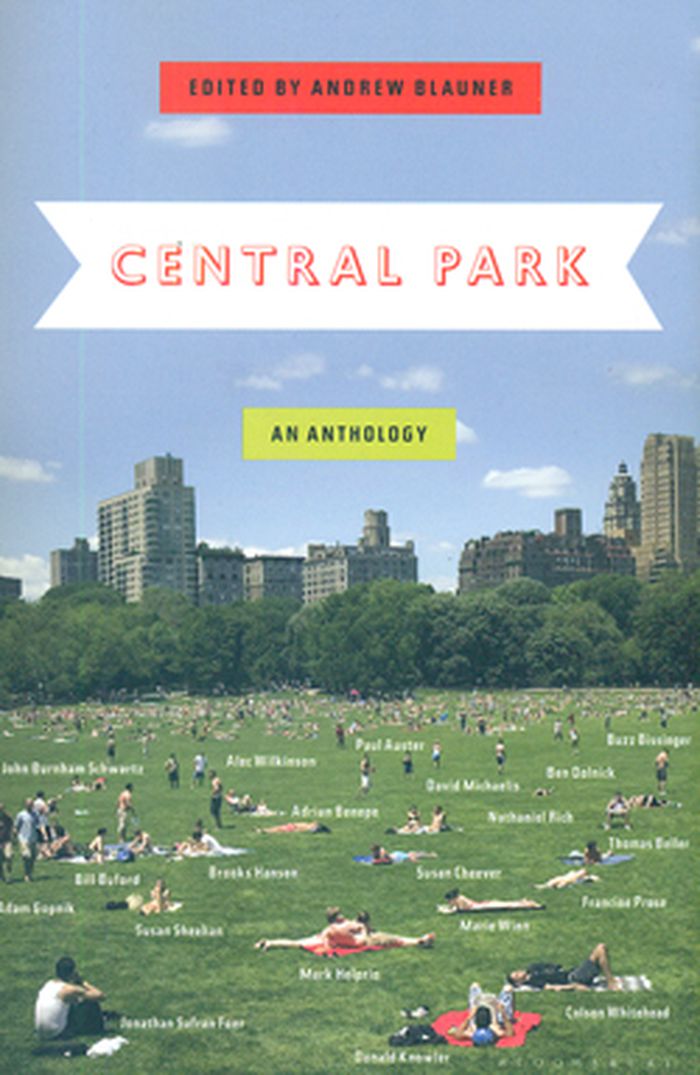
In a city where people can live sixty-three thousand to a square mile, Central Park is an escape, adventure, meditation, memory, and amusement, and this anthology, comprising the work of some of New York's literary luminaries, is a charming 21-essay tribute to what is probably the most closely watched and monitored 843 acres on Earth. Marie Winn pens a funny letter to Holden Caulfield about what happens to the park's ducks in winter; Bill Buford tries sleeping there one night; and Nathaniel Rich gives the sentimental history of an annual Thanksgiving touch-football game (the "Turkey-Lurkey Bowl"). Othersa Susan Cheever, Colson Whitehead, Adam Gopnik, and Paul Auster among thema fish for carp, run past Jackie Kennedy, befriend goats at the zoo, and explore the place "where nature is so beautifully and spectacularly kept on a leash." But it wasn't always so: the masterpiece of Frederick Law Olmstead and Calvert Vaux was, at times, a "municipal embarrassment," the site of muggings, murders, anda rumor had ita "a nightmarish water fountain that dribbled raw sewage into the mouths of toddlers." It's clear, by the collection's range, that there must be at least as many Central Parks as there are annual visitors and that's close to 40 million.
Central park : an anthology
Actions:
Prix:
$18.00
(disponible sur commande)
Résumé:
In a city where people can live sixty-three thousand to a square mile, Central Park is an escape, adventure, meditation, memory, and amusement, and this anthology, comprising the work of some of New York's literary luminaries, is a charming 21-essay tribute to what is probably the most closely watched and monitored 843 acres on Earth. Marie Winn pens a funny letter to Holden Caulfield about what happens to the park's ducks in winter; Bill Buford tries sleeping there one night; and Nathaniel Rich gives the sentimental history of an annual Thanksgiving touch-football game (the "Turkey-Lurkey Bowl"). Othersa Susan Cheever, Colson Whitehead, Adam Gopnik, and Paul Auster among thema fish for carp, run past Jackie Kennedy, befriend goats at the zoo, and explore the place "where nature is so beautifully and spectacularly kept on a leash." But it wasn't always so: the masterpiece of Frederick Law Olmstead and Calvert Vaux was, at times, a "municipal embarrassment," the site of muggings, murders, anda rumor had ita "a nightmarish water fountain that dribbled raw sewage into the mouths of toddlers." It's clear, by the collection's range, that there must be at least as many Central Parks as there are annual visitors and that's close to 40 million.
Classification:
livres
livres
Publication:
mars 2012
mars 2012
Sujet:
Théorie de l’architecture
Théorie de l’architecture
Classification:
livres
livres
Actions:
Prix:
$55.95
(disponible sur commande)
Résumé:
"You press the button, we do the rest." Kodak used this slogan in ads for the first box cameras, introduced by George Eastman in 1888. From then on, virtually anyone could take pictures--the snapshot was born!~Without exception, the amateur photos presented in "Snapshots: the eye of the century" capture what are essentially ordinary moments--yet every trace of banality(...)
$55.95
(disponible sur commande)
Résumé:
"You press the button, we do the rest." Kodak used this slogan in ads for the first box cameras, introduced by George Eastman in 1888. From then on, virtually anyone could take pictures--the snapshot was born!~Without exception, the amateur photos presented in "Snapshots: the eye of the century" capture what are essentially ordinary moments--yet every trace of banality(...)
Titre:
Snapshots : the eye of the century
Actions:
Prix:
$55.95
(disponible sur commande)
Résumé:
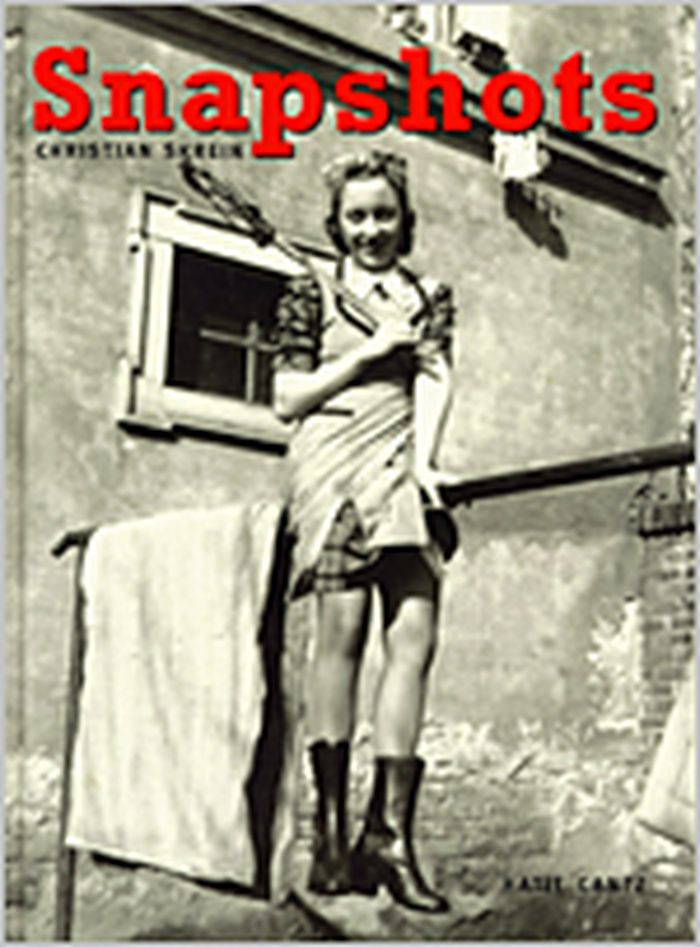
"You press the button, we do the rest." Kodak used this slogan in ads for the first box cameras, introduced by George Eastman in 1888. From then on, virtually anyone could take pictures--the snapshot was born!~Without exception, the amateur photos presented in "Snapshots: the eye of the century" capture what are essentially ordinary moments--yet every trace of banality disappears once they are removed from the context of personal biography. Sometimes the moment is right, and art just "happens," in the form of double or multiple exposures, slipped horizons, or curious details that enter the picture frame because the camera moved just as the shutter was released. Christian R. Skrein-Bumballa, an artist and a former professional photographer, has tracked down and collected thousands of these treasures, which can be viewed as part of our visual heritage. His impressive selection of photographs is here arranged thematically, and at its heart we find the essentials of the human condition: joy and pain, visualized in the decisive moment in which history stands still for a fraction of a second. Snapshots features the most aesthetically notable and otherwise curious photographs from the S.A.S. Snapshots Archiv Skrein, a collection of nearly one million snapshots from all over the world.
Snapshots : the eye of the century
Actions:
Prix:
$55.95
(disponible sur commande)
Résumé:
"You press the button, we do the rest." Kodak used this slogan in ads for the first box cameras, introduced by George Eastman in 1888. From then on, virtually anyone could take pictures--the snapshot was born!~Without exception, the amateur photos presented in "Snapshots: the eye of the century" capture what are essentially ordinary moments--yet every trace of banality disappears once they are removed from the context of personal biography. Sometimes the moment is right, and art just "happens," in the form of double or multiple exposures, slipped horizons, or curious details that enter the picture frame because the camera moved just as the shutter was released. Christian R. Skrein-Bumballa, an artist and a former professional photographer, has tracked down and collected thousands of these treasures, which can be viewed as part of our visual heritage. His impressive selection of photographs is here arranged thematically, and at its heart we find the essentials of the human condition: joy and pain, visualized in the decisive moment in which history stands still for a fraction of a second. Snapshots features the most aesthetically notable and otherwise curious photographs from the S.A.S. Snapshots Archiv Skrein, a collection of nearly one million snapshots from all over the world.
Classification:
livres
livres
Publication:
juin 2004, Ostfildern
juin 2004, Ostfildern
Classification:
livres
livres
Titre:
Treatise on elegant living
Treatise on elegant living
Actions:
Prix:
$16.00
(disponible sur commande)
Résumé:
Honoré de Balzac's 1830 Treatise on Elegant Living was a keystone text on dandyism, preceding Jules Barbey d'Aurevilly's Anatomy of Dandyism (1845) and Charles Baudelaire's “The Dandy” (in The Painter of Modern Life, 1863), and marking an important shift from the early dandyism of the British Regency to the intellectual and artistic dandyism of nineteenth-century France.(...)
$16.00
(disponible sur commande)
Résumé:
Honoré de Balzac's 1830 Treatise on Elegant Living was a keystone text on dandyism, preceding Jules Barbey d'Aurevilly's Anatomy of Dandyism (1845) and Charles Baudelaire's “The Dandy” (in The Painter of Modern Life, 1863), and marking an important shift from the early dandyism of the British Regency to the intellectual and artistic dandyism of nineteenth-century France.(...)
Titre:
Treatise on elegant living
Actions:
Prix:
$16.00
(disponible sur commande)
Résumé:
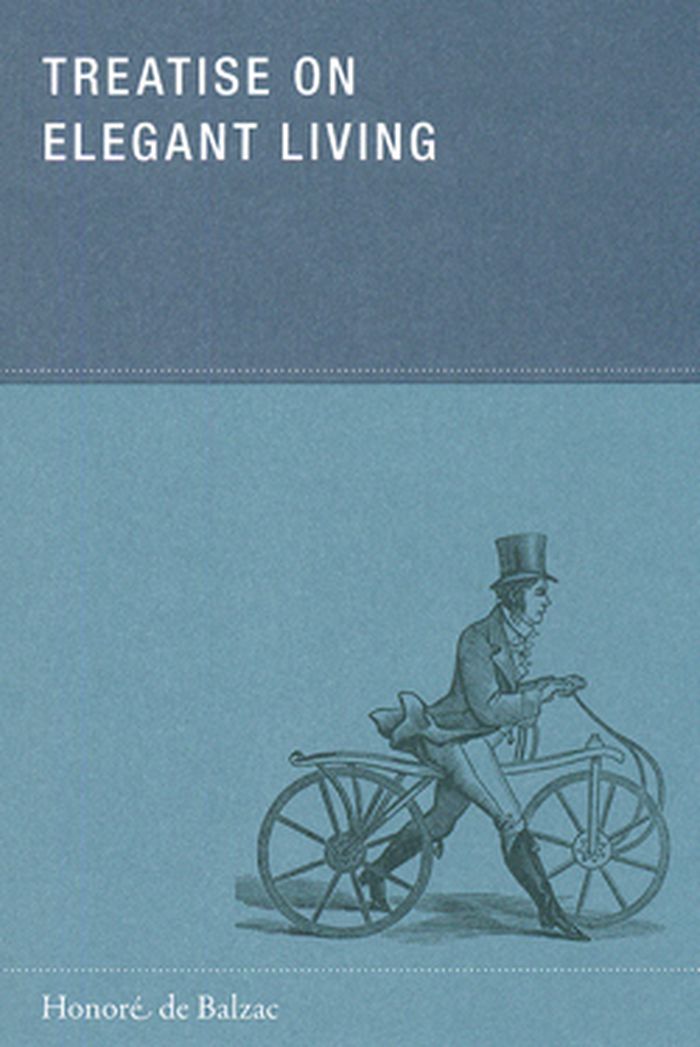
Honoré de Balzac's 1830 Treatise on Elegant Living was a keystone text on dandyism, preceding Jules Barbey d'Aurevilly's Anatomy of Dandyism (1845) and Charles Baudelaire's “The Dandy” (in The Painter of Modern Life, 1863), and marking an important shift from the early dandyism of the British Regency to the intellectual and artistic dandyism of nineteenth-century France. The Treatise is the first true philosophical expression of dandyism, and is full of well-crafted aphorisms: “Elegant living is, in the broad acceptance of the term, the art of animating repose,” runs one classic definition of dandyism, and “One must have studied at least as far as rhetoric to lead an elegant life” asserts the importance of verbal pirouette and dexterous quipping to the dandy. Further embellished with anecdotes and historical and personal illustrations, Balzac's Treatise even features a fictitious encounter with the original dandy himself, Beau Brummell. Never before translated into English, this witty tract makes for an illuminating cornerstone to Balzac's Human Comedy (which was originally to have included a never-completed four-part philosophical “Pathology of Social Life”). Above all, it represents a decisive moment in the history of dandyism, and an entertaining exposition on the profundities of what lies deepest within all of us: our appearance.
Treatise on elegant living
Actions:
Prix:
$16.00
(disponible sur commande)
Résumé:
Honoré de Balzac's 1830 Treatise on Elegant Living was a keystone text on dandyism, preceding Jules Barbey d'Aurevilly's Anatomy of Dandyism (1845) and Charles Baudelaire's “The Dandy” (in The Painter of Modern Life, 1863), and marking an important shift from the early dandyism of the British Regency to the intellectual and artistic dandyism of nineteenth-century France. The Treatise is the first true philosophical expression of dandyism, and is full of well-crafted aphorisms: “Elegant living is, in the broad acceptance of the term, the art of animating repose,” runs one classic definition of dandyism, and “One must have studied at least as far as rhetoric to lead an elegant life” asserts the importance of verbal pirouette and dexterous quipping to the dandy. Further embellished with anecdotes and historical and personal illustrations, Balzac's Treatise even features a fictitious encounter with the original dandy himself, Beau Brummell. Never before translated into English, this witty tract makes for an illuminating cornerstone to Balzac's Human Comedy (which was originally to have included a never-completed four-part philosophical “Pathology of Social Life”). Above all, it represents a decisive moment in the history of dandyism, and an entertaining exposition on the profundities of what lies deepest within all of us: our appearance.
Classification:
livres
livres
Publication:
février 2010
février 2010
Sujet:
petits formats
petits formats
Classification:
livres
livres
Prix:
$32.95
(disponible sur commande)
Résumé:
In 1949, the forest magnate, H.R. MacMillan, opened an exhibition at the Vancouver Art Gallery entitled “Design for Living,” a show which brought together design and artistic communities to create four imaginary households for postwar Vancouverites. It also heralded an unprecedented level of cooperation between the province’s industry and its artists and craftspeople – a(...)
$32.95
(disponible sur commande)
Résumé:
In 1949, the forest magnate, H.R. MacMillan, opened an exhibition at the Vancouver Art Gallery entitled “Design for Living,” a show which brought together design and artistic communities to create four imaginary households for postwar Vancouverites. It also heralded an unprecedented level of cooperation between the province’s industry and its artists and craftspeople – a(...)
Titre:
A Modern life : art and design in British Columbia, 1945-1960
Actions:
Prix:
$32.95
(disponible sur commande)
Résumé:
In 1949, the forest magnate, H.R. MacMillan, opened an exhibition at the Vancouver Art Gallery entitled “Design for Living,” a show which brought together design and artistic communities to create four imaginary households for postwar Vancouverites. It also heralded an unprecedented level of cooperation between the province’s industry and its artists and craftspeople – a relationship that seemed to hold great promise for the development of art, furniture, and craft in B.C. The celebration of the cooperative spirit between “architects, artists and designers,” between “potters, weavers and gardeners” is central to "A Modern Life", which examines the coming together of what were often very separate disciplines in post-World War II British Columbia, as well as the trend-setting design and use of materials that developed in the province, and the impact these had on the more traditional art community. "A Modern Life", demonstrates that the ideas of the artistic and design community as a whole during this vibrant period – an era of optimism and promise for the future, in a province that had reason to believe passionately in what was to come – have a continued relevance and importance for our understanding of the history of this community and the relationship of the built environment to the extraordinary landscape of British Columbia. With essays by Rachel Chinnery on ceramics, Scott Watson on fine arts, Alan Elder on collaboration, Allan Collier on wood and design, and Sherry McKay on architecture.
A Modern life : art and design in British Columbia, 1945-1960
Actions:
Prix:
$32.95
(disponible sur commande)
Résumé:
In 1949, the forest magnate, H.R. MacMillan, opened an exhibition at the Vancouver Art Gallery entitled “Design for Living,” a show which brought together design and artistic communities to create four imaginary households for postwar Vancouverites. It also heralded an unprecedented level of cooperation between the province’s industry and its artists and craftspeople – a relationship that seemed to hold great promise for the development of art, furniture, and craft in B.C. The celebration of the cooperative spirit between “architects, artists and designers,” between “potters, weavers and gardeners” is central to "A Modern Life", which examines the coming together of what were often very separate disciplines in post-World War II British Columbia, as well as the trend-setting design and use of materials that developed in the province, and the impact these had on the more traditional art community. "A Modern Life", demonstrates that the ideas of the artistic and design community as a whole during this vibrant period – an era of optimism and promise for the future, in a province that had reason to believe passionately in what was to come – have a continued relevance and importance for our understanding of the history of this community and the relationship of the built environment to the extraordinary landscape of British Columbia. With essays by Rachel Chinnery on ceramics, Scott Watson on fine arts, Alan Elder on collaboration, Allan Collier on wood and design, and Sherry McKay on architecture.
Classification:
livres
livres
Publication:
octobre 2004, Vancouver
octobre 2004, Vancouver
Sujet:
Architecture du Canada
Architecture du Canada
Classification:
livres
livres
Actions:
Prix:
$49.95
(disponible en magasin)
Résumé:
The Sydney Opera House is one of the world’s great icons and a symbol of Australia. The overall image which it has maintained does reflect the brilliant design work that Utzon invested in the project, even if it had a troubled history and it was subject to many changes. This book reveals for the first time exactly what happened. Francoise Fromonot has researched(...)
$49.95
(disponible en magasin)
Résumé:
The Sydney Opera House is one of the world’s great icons and a symbol of Australia. The overall image which it has maintained does reflect the brilliant design work that Utzon invested in the project, even if it had a troubled history and it was subject to many changes. This book reveals for the first time exactly what happened. Francoise Fromonot has researched(...)
Titre:
Jorn Utzon : the Sydney Opera House
Actions:
Prix:
$49.95
(disponible en magasin)
Résumé:
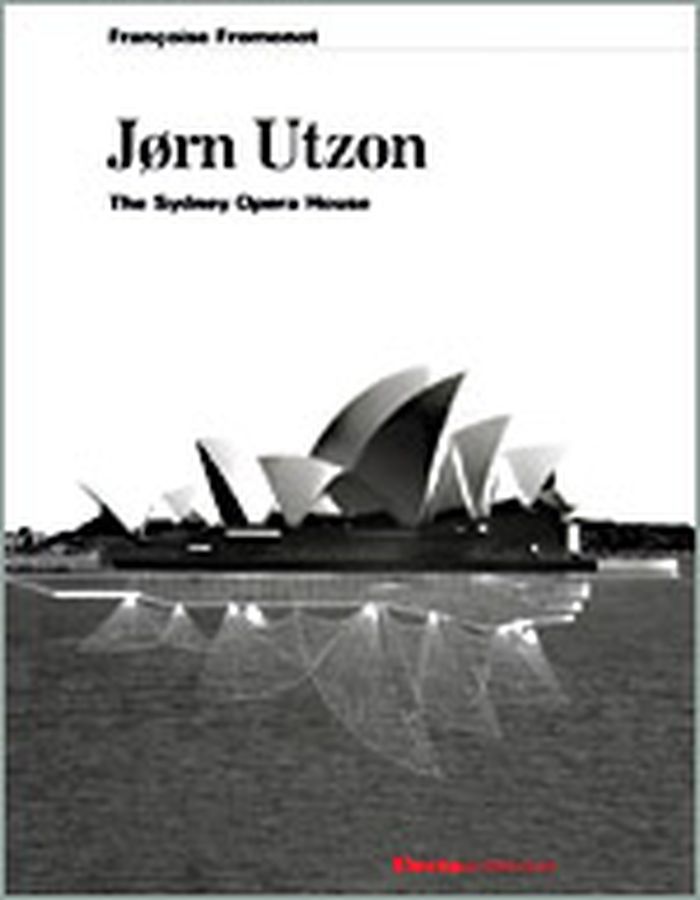
The Sydney Opera House is one of the world’s great icons and a symbol of Australia. The overall image which it has maintained does reflect the brilliant design work that Utzon invested in the project, even if it had a troubled history and it was subject to many changes. This book reveals for the first time exactly what happened. Francoise Fromonot has researched documentation relating to every single phase of project--in the process discovering a precious collection of photographic negatives depicting each stage in the construction work--and her story reveals how changes in the political situation and crude professional scheming led to the Australians ultimately abandoning the great challenge the Danish architect had offered them. The text and pictures tell a unique story, both of a building and of an architect who set us an example we still do not fully understand.
Jorn Utzon : the Sydney Opera House
Actions:
Prix:
$49.95
(disponible en magasin)
Résumé:
The Sydney Opera House is one of the world’s great icons and a symbol of Australia. The overall image which it has maintained does reflect the brilliant design work that Utzon invested in the project, even if it had a troubled history and it was subject to many changes. This book reveals for the first time exactly what happened. Francoise Fromonot has researched documentation relating to every single phase of project--in the process discovering a precious collection of photographic negatives depicting each stage in the construction work--and her story reveals how changes in the political situation and crude professional scheming led to the Australians ultimately abandoning the great challenge the Danish architect had offered them. The text and pictures tell a unique story, both of a building and of an architect who set us an example we still do not fully understand.
Classification:
livres
livres
Publication:
avril 2002, Milan
avril 2002, Milan
Sujet:
Architecture, monographies
Architecture, monographies
Classification:
livres
livres
Actions:
Prix:
$60.95
(disponible sur commande)
Résumé:
Eadweard Muybridge, one of the great pioneer-innovators of the 19th century, is a familiar figure to students of art history, photography, and cinema. Best known for the photographs of horses and other animals in motion that he made in the 1870s and '80s, Muybridge was the first person to use photography to freeze rapid action for analysis and study. He devised a method(...)
$60.95
(disponible sur commande)
Résumé:
Eadweard Muybridge, one of the great pioneer-innovators of the 19th century, is a familiar figure to students of art history, photography, and cinema. Best known for the photographs of horses and other animals in motion that he made in the 1870s and '80s, Muybridge was the first person to use photography to freeze rapid action for analysis and study. He devised a method(...)
Titre:
Time stands still : Muybridge and the instantaneous photography movement
Actions:
Prix:
$60.95
(disponible sur commande)
Résumé:
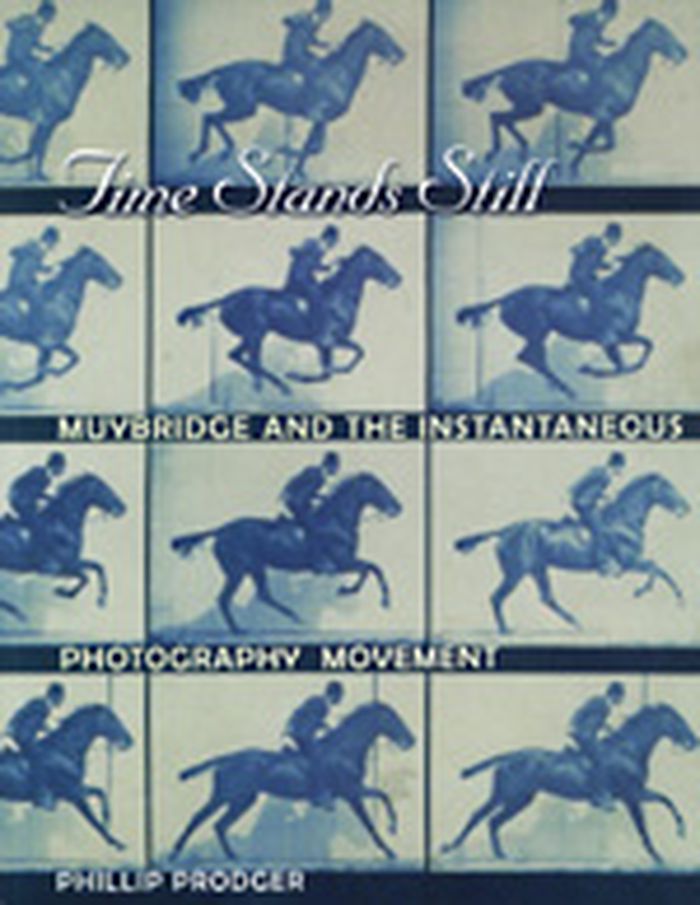
Eadweard Muybridge, one of the great pioneer-innovators of the 19th century, is a familiar figure to students of art history, photography, and cinema. Best known for the photographs of horses and other animals in motion that he made in the 1870s and '80s, Muybridge was the first person to use photography to freeze rapid action for analysis and study. He devised a method for photographing episodes of behavior using a series of cameras, producing some of the most famous sequential photographs ever made. These pictures, the first successful photographs of rapidly moving subjects, revolutionized expectations of what photography could reveal about the natural world, and ultimately led to the invention of the motion picture in the mid-1890s. "Time stands still" is the catalogue that accompanies an exhibition celebrating Muybridge's work. Though the instantaneous photography movement stands as a crucial event in the progression of photography to motion pictures, this exhibition represents the first major organized treatment of the subject. Opening in spring 2003 at the Iris and B. Gerald Cantor Center for Visual Arts at Stanford University and touring through 2004, it combines an examination of the artist's career in motion photography with a survey of early attempts to photograph moving subjects.
Time stands still : Muybridge and the instantaneous photography movement
Actions:
Prix:
$60.95
(disponible sur commande)
Résumé:
Eadweard Muybridge, one of the great pioneer-innovators of the 19th century, is a familiar figure to students of art history, photography, and cinema. Best known for the photographs of horses and other animals in motion that he made in the 1870s and '80s, Muybridge was the first person to use photography to freeze rapid action for analysis and study. He devised a method for photographing episodes of behavior using a series of cameras, producing some of the most famous sequential photographs ever made. These pictures, the first successful photographs of rapidly moving subjects, revolutionized expectations of what photography could reveal about the natural world, and ultimately led to the invention of the motion picture in the mid-1890s. "Time stands still" is the catalogue that accompanies an exhibition celebrating Muybridge's work. Though the instantaneous photography movement stands as a crucial event in the progression of photography to motion pictures, this exhibition represents the first major organized treatment of the subject. Opening in spring 2003 at the Iris and B. Gerald Cantor Center for Visual Arts at Stanford University and touring through 2004, it combines an examination of the artist's career in motion photography with a survey of early attempts to photograph moving subjects.
Classification:
livres
livres
Publication:
avril 2003, New York
avril 2003, New York
Sujet:
Monographies photo
Monographies photo


