


4871 Résultats
Classification:
livres
livres
Actions:
Exemplaires:
Description:
ix, 238 pages : illustrations ; 25 cm
Description:
ix, 238 pages : illustrations ; 25 cm
Auteur:
Sujet:
Publication:
New York : Wiley, [1975]
New York : Wiley, [1975]
Titre:
Environmental factors in the heating of buildings / L.E. Anapolʹskaya and L.S. Gandin ; translated from Russian by H. Olaru ; translation edited by P. Greenberg.
Actions:
Exemplaires:
Description:
ix, 238 pages : illustrations ; 25 cm
Environmental factors in the heating of buildings / L.E. Anapolʹskaya and L.S. Gandin ; translated from Russian by H. Olaru ; translation edited by P. Greenberg.
Actions:
Exemplaires:
Description:
ix, 238 pages : illustrations ; 25 cm
Classification:
livres
livres
Publication:
New York : Wiley, [1975]
New York : Wiley, [1975]
Auteur:
Sujet:
Classification:
livres
livres
Actions:
Exemplaires:
Description:
264 pages : chiefly illustrations ; 31 cm
Description:
264 pages : chiefly illustrations ; 31 cm
Auteur:
Sujet:
Publication:
New York : Greenwich House : Distributed by Crown Publishers, 1984.
New York : Greenwich House : Distributed by Crown Publishers, 1984.
Titre:
Soviet photography : an age of realism / edited by Sergei Morozov [and others] ; English edition edited by Valerie Lloyd.
Actions:
Exemplaires:
Description:
264 pages : chiefly illustrations ; 31 cm
Soviet photography : an age of realism / edited by Sergei Morozov [and others] ; English edition edited by Valerie Lloyd.
Actions:
Exemplaires:
Description:
264 pages : chiefly illustrations ; 31 cm
Classification:
livres
livres
Publication:
New York : Greenwich House : Distributed by Crown Publishers, 1984.
New York : Greenwich House : Distributed by Crown Publishers, 1984.
Auteur:
Sujet:
Classification:
livres
livres
Actions:
Sujet:
Publication:
L'Internationale Online 2022
L'Internationale Online 2022
Classification:
livres
livres
Publication:
L'Internationale Online 2022
L'Internationale Online 2022
Sujet:
Classification:
livres
livres
Actions:
Exemplaires:
Description:
vi, 314 pages illustrations, folded map 24 cm
Description:
vi, 314 pages illustrations, folded map 24 cm
Auteur:
Sujet:
Publication:
Jerusalem, Israel Program for Scientific Translations [available from the U.S. Dept. of Commerce, Clearinghouse for Federal Scientific and Technical Information, Springfield, Va.] 1968.
Jerusalem, Israel Program for Scientific Translations [available from the U.S. Dept. of Commerce, Clearinghouse for Federal Scientific and Technical Information, Springfield, Va.] 1968.
Titre:
Town planning in industrial districts; engineering and economics. (Rasselenie v promyshlennykh uzlakh; inzhenerno-ekonomicheskie osnovy) [By] V.G. Davidovich. Edited by I.V. Bordukov. Translated from Russian [by engineer A. Skotnicki].
Actions:
Exemplaires:
Description:
vi, 314 pages illustrations, folded map 24 cm
Town planning in industrial districts; engineering and economics. (Rasselenie v promyshlennykh uzlakh; inzhenerno-ekonomicheskie osnovy) [By] V.G. Davidovich. Edited by I.V. Bordukov. Translated from Russian [by engineer A. Skotnicki].
Actions:
Exemplaires:
Description:
vi, 314 pages illustrations, folded map 24 cm
Classification:
livres
livres
Publication:
Jerusalem, Israel Program for Scientific Translations [available from the U.S. Dept. of Commerce, Clearinghouse for Federal Scientific and Technical Information, Springfield, Va.] 1968.
Jerusalem, Israel Program for Scientific Translations [available from the U.S. Dept. of Commerce, Clearinghouse for Federal Scientific and Technical Information, Springfield, Va.] 1968.
Auteur:
Sujet:
Classification:
livres
livres
Prix:
$60.00
(disponible sur commande)
Résumé:
Russian Textiles showcases the gorgeous printed-cotton textiles created and manufactured in Russia and exported to Central Asia from approximately 1860 to 1960. More than 175 spectacular patterns spanning a variety of periods and styles, from Art Nouveau florals to Soviet-era agitprop, are featured. The people in these Central Asian countries—including Uzbeks, Tadjiks,(...)
$60.00
(disponible sur commande)
Résumé:
Russian Textiles showcases the gorgeous printed-cotton textiles created and manufactured in Russia and exported to Central Asia from approximately 1860 to 1960. More than 175 spectacular patterns spanning a variety of periods and styles, from Art Nouveau florals to Soviet-era agitprop, are featured. The people in these Central Asian countries—including Uzbeks, Tadjiks,(...)
Titre:
Russian Textiles: printed cloth for the bazaars of Central Asia
Actions:
Prix:
$60.00
(disponible sur commande)
Résumé:
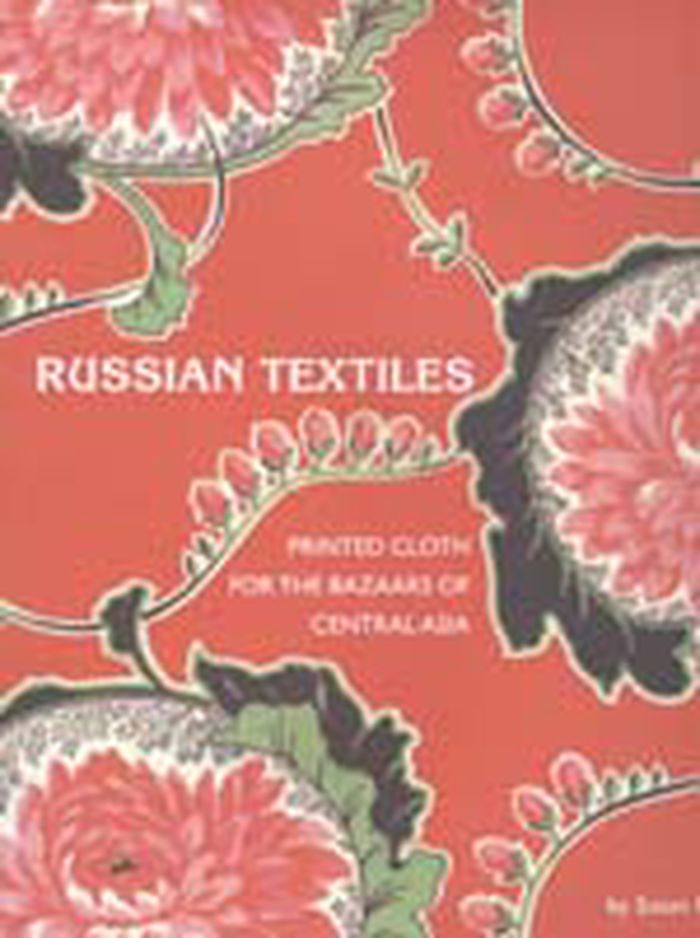
Russian Textiles showcases the gorgeous printed-cotton textiles created and manufactured in Russia and exported to Central Asia from approximately 1860 to 1960. More than 175 spectacular patterns spanning a variety of periods and styles, from Art Nouveau florals to Soviet-era agitprop, are featured. The people in these Central Asian countries—including Uzbeks, Tadjiks, and Turkmen—incorporated the brightly patterned material into their clothing, particularly their robes, and in their household items. Brief essays by the author and fellow textile experts describe the “social life” of the fabrics and the fascinating history of this merging of Russian, Western, and Central Asian aesthetic styles; Robert Kushner contributes a lively text on how an artist “sees” and is inspired by these designs. Complementing the pattern images are vintage photographs from the turn of the 20th century as well as beautifully detailed reproductions of the robes and other articles that were lined and embellished with these cloths. This is a must-have book for the inspiration library of every artist; professional fashion, interior, and product designer; crafter; and anyone with a love of extraordinary visual design.
Russian Textiles: printed cloth for the bazaars of Central Asia
Actions:
Prix:
$60.00
(disponible sur commande)
Résumé:
Russian Textiles showcases the gorgeous printed-cotton textiles created and manufactured in Russia and exported to Central Asia from approximately 1860 to 1960. More than 175 spectacular patterns spanning a variety of periods and styles, from Art Nouveau florals to Soviet-era agitprop, are featured. The people in these Central Asian countries—including Uzbeks, Tadjiks, and Turkmen—incorporated the brightly patterned material into their clothing, particularly their robes, and in their household items. Brief essays by the author and fellow textile experts describe the “social life” of the fabrics and the fascinating history of this merging of Russian, Western, and Central Asian aesthetic styles; Robert Kushner contributes a lively text on how an artist “sees” and is inspired by these designs. Complementing the pattern images are vintage photographs from the turn of the 20th century as well as beautifully detailed reproductions of the robes and other articles that were lined and embellished with these cloths. This is a must-have book for the inspiration library of every artist; professional fashion, interior, and product designer; crafter; and anyone with a love of extraordinary visual design.
Classification:
livres
livres
Publication:
septembre 2007, New York
septembre 2007, New York
Sujet:
Design d’intérieur
Design d’intérieur
Classification:
livres
livres
Actions:
Prix:
$39.00
(disponible en magasin)
Résumé:
This illustrated version of the popular Passover song "Had gadya" was the wonderfully playful offspring of the avant-garde artist El Lissitzky (1890-1941). It dates to a little-known period early in his career when he immersed himself in the Jewish cultural renaissance that flourished in Russia from roughly 1912 to the early 1920s. Signed with his Hebrew given name, this(...)
$39.00
(disponible en magasin)
Résumé:
This illustrated version of the popular Passover song "Had gadya" was the wonderfully playful offspring of the avant-garde artist El Lissitzky (1890-1941). It dates to a little-known period early in his career when he immersed himself in the Jewish cultural renaissance that flourished in Russia from roughly 1912 to the early 1920s. Signed with his Hebrew given name, this(...)
Sujet:
Illustration
Illustration
Publication:
juin 2004, Los Angeles
juin 2004, Los Angeles
Titre:
Had Gadya the only kid : Facsmile of El Lissitzky's
Actions:
Prix:
$39.00
(disponible en magasin)
Résumé:
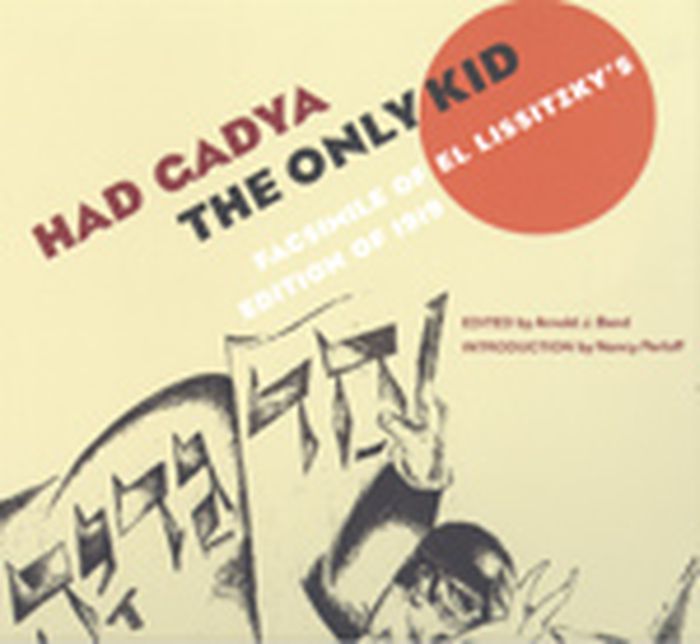
This illustrated version of the popular Passover song "Had gadya" was the wonderfully playful offspring of the avant-garde artist El Lissitzky (1890-1941). It dates to a little-known period early in his career when he immersed himself in the Jewish cultural renaissance that flourished in Russia from roughly 1912 to the early 1920s. Signed with his Hebrew given name, this volume—with its wraparound cover, colorful lithographic montages, and stylized use of Yiddish and Aramaic words—celebrates Lissitzky's interest in Jewish folk traditions while looking forward to the dynamic graphic and typographic designs for which he is best remembered. This near-scale facsimile—including the rarely seen cover—allows readers to experience Lissitzky's Had gadya as originally envisioned. It is accompanied here by Nancy Perloff's discussion of the work's cultural and artistic contexts, Arnold J. Band's English translation of Lissitzky's Yiddish version of the song, sections on Lissitzky's iconography and vocabulary, and lyrics set to music. Arnold J. Band is professor emeritus of Hebrew and comparative literature at the University of California, Los Angeles. Nancy Perloff is collections curator of modern and new media collections at the Getty Research Institute.
Had Gadya the only kid : Facsmile of El Lissitzky's
Actions:
Prix:
$39.00
(disponible en magasin)
Résumé:
This illustrated version of the popular Passover song "Had gadya" was the wonderfully playful offspring of the avant-garde artist El Lissitzky (1890-1941). It dates to a little-known period early in his career when he immersed himself in the Jewish cultural renaissance that flourished in Russia from roughly 1912 to the early 1920s. Signed with his Hebrew given name, this volume—with its wraparound cover, colorful lithographic montages, and stylized use of Yiddish and Aramaic words—celebrates Lissitzky's interest in Jewish folk traditions while looking forward to the dynamic graphic and typographic designs for which he is best remembered. This near-scale facsimile—including the rarely seen cover—allows readers to experience Lissitzky's Had gadya as originally envisioned. It is accompanied here by Nancy Perloff's discussion of the work's cultural and artistic contexts, Arnold J. Band's English translation of Lissitzky's Yiddish version of the song, sections on Lissitzky's iconography and vocabulary, and lyrics set to music. Arnold J. Band is professor emeritus of Hebrew and comparative literature at the University of California, Los Angeles. Nancy Perloff is collections curator of modern and new media collections at the Getty Research Institute.
Classification:
livres
livres
Publication:
juin 2004, Los Angeles
juin 2004, Los Angeles
Sujet:
Illustration
Illustration
Classification:
livres
livres
Actions:
Prix:
$47.95
(disponible sur commande)
Résumé:
Although a number of books have told the story of modern and contemporary art in Eastern and Central Europe, missing from these accounts have been the sources themselves. This book, the result of years of research by an international team of artists, curators, editors, translators, and scholars working with the Museum of Modern Art, presents primary documents drawn from(...)
$47.95
(disponible sur commande)
Résumé:
Although a number of books have told the story of modern and contemporary art in Eastern and Central Europe, missing from these accounts have been the sources themselves. This book, the result of years of research by an international team of artists, curators, editors, translators, and scholars working with the Museum of Modern Art, presents primary documents drawn from(...)
Sujet:
Modernisme
Modernisme
Publication:
décembre 2002, Cambridge, Mass.
décembre 2002, Cambridge, Mass.
Titre:
Primary documents : a sourcebook for Eastern and Central European art since the 1950s
Actions:
Prix:
$47.95
(disponible sur commande)
Résumé:
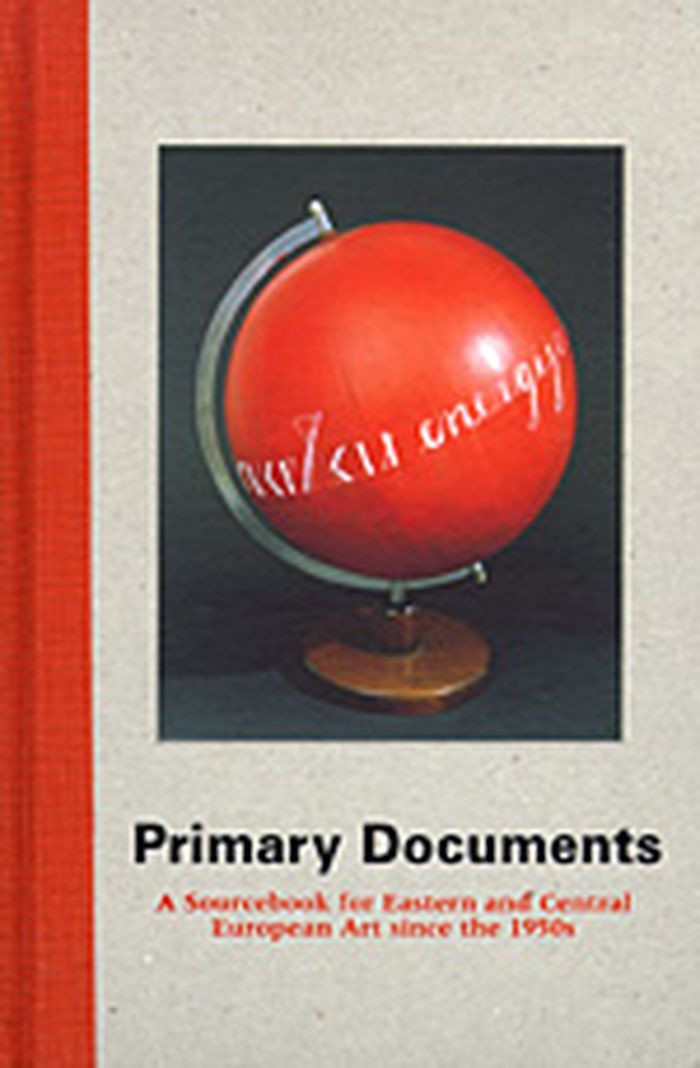
Although a number of books have told the story of modern and contemporary art in Eastern and Central Europe, missing from these accounts have been the sources themselves. This book, the result of years of research by an international team of artists, curators, editors, translators, and scholars working with the Museum of Modern Art, presents primary documents drawn from the artistic archives of Eastern and Central Europe during the second half of the twentieth century. Because the practice of criticism in this region was for many years almost completely suppressed, the writings of the artists themselves often fulfill a critical as well as an aesthetic and ideological function. The manifestoes, photo essays, proposals, scripts, and other writings assembled here comprise the first anthology of this material in any language. The source materials presented--almost all of them previously untranslated into English--are from Bulgaria, Croatia, Czech Republic, Estonia, Hungary, Latvia, Macedonia, Poland, Romania, Russia, Serbia, Slovakia, and Slovenia. The book is introduced by Ilya Kabakov. Each chapter is preceded by a brief introduction and is followed by a case study that chronicles an event or the creation or reception of an artwork, illustrating the issues raised in that chapter.
Primary documents : a sourcebook for Eastern and Central European art since the 1950s
Actions:
Prix:
$47.95
(disponible sur commande)
Résumé:
Although a number of books have told the story of modern and contemporary art in Eastern and Central Europe, missing from these accounts have been the sources themselves. This book, the result of years of research by an international team of artists, curators, editors, translators, and scholars working with the Museum of Modern Art, presents primary documents drawn from the artistic archives of Eastern and Central Europe during the second half of the twentieth century. Because the practice of criticism in this region was for many years almost completely suppressed, the writings of the artists themselves often fulfill a critical as well as an aesthetic and ideological function. The manifestoes, photo essays, proposals, scripts, and other writings assembled here comprise the first anthology of this material in any language. The source materials presented--almost all of them previously untranslated into English--are from Bulgaria, Croatia, Czech Republic, Estonia, Hungary, Latvia, Macedonia, Poland, Romania, Russia, Serbia, Slovakia, and Slovenia. The book is introduced by Ilya Kabakov. Each chapter is preceded by a brief introduction and is followed by a case study that chronicles an event or the creation or reception of an artwork, illustrating the issues raised in that chapter.
Classification:
livres
livres
Publication:
décembre 2002, Cambridge, Mass.
décembre 2002, Cambridge, Mass.
Sujet:
Modernisme
Modernisme
Classification:
livres
livres
Actions:
Prix:
$27.95
(disponible sur commande)
Résumé:
Where will you go when the trouble starts? For countless people around the world, the answer is that bomb shelter down in the basement. In fact, people from around the world have been building shelters to protect themselves from catastrophe—natural disaster, war, nuclear events—for centuries. "Waiting for the End of the World" is photographer Richard Ross's journey into(...)
$27.95
(disponible sur commande)
Résumé:
Where will you go when the trouble starts? For countless people around the world, the answer is that bomb shelter down in the basement. In fact, people from around the world have been building shelters to protect themselves from catastrophe—natural disaster, war, nuclear events—for centuries. "Waiting for the End of the World" is photographer Richard Ross's journey into(...)
Titre:
Waiting for the end of the world
Actions:
Prix:
$27.95
(disponible sur commande)
Résumé:
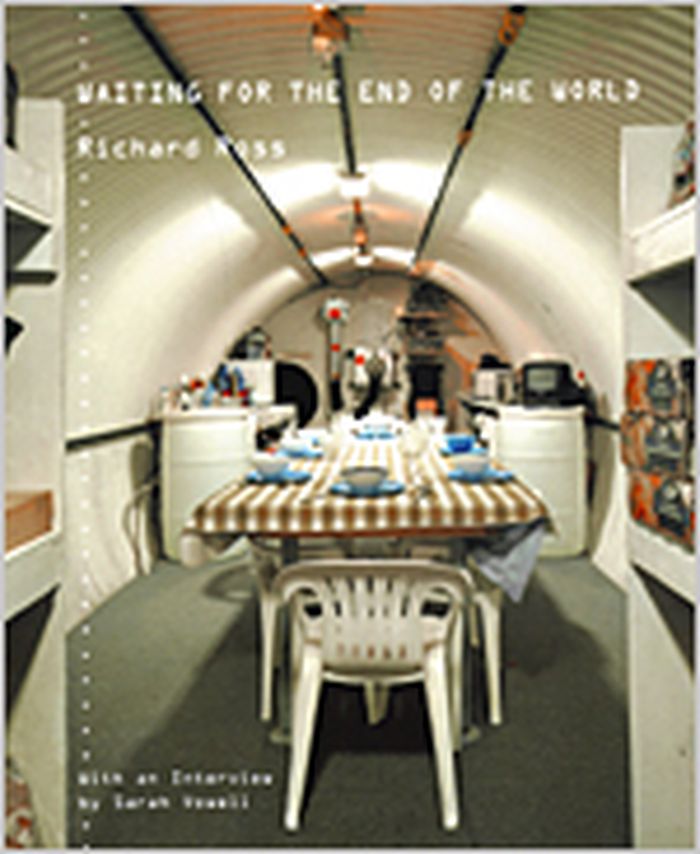
Where will you go when the trouble starts? For countless people around the world, the answer is that bomb shelter down in the basement. In fact, people from around the world have been building shelters to protect themselves from catastrophe—natural disaster, war, nuclear events—for centuries. "Waiting for the End of the World" is photographer Richard Ross's journey into this quirky, somewhat paranoid, and occasionally beautiful underground world. Ross has documented not only the bomb shelters of the United States, but also examples from Vietnam, Russia, England, Turkey, and even Switzerland, where citizens are required by law to have a bomb shelter. Ross's subjects include the Greenbrier Hotel in West Virginia, where a shelter was built to house the entire U.S. Congress, shelters in Beijing, where the Chinese built a complete city underground, and Hittite shelters in Eastern Turkey built some 4,000 years ago. His ethereal images show spaces that at once provide only the barest necessities for survival but maintain a level of idiosyncratic personality that testify to the endurance—and wackiness—of the human spirit. "Waiting for the End of the World" features an interview by author and social commentator Sarah Vowell.
Waiting for the end of the world
Actions:
Prix:
$27.95
(disponible sur commande)
Résumé:
Where will you go when the trouble starts? For countless people around the world, the answer is that bomb shelter down in the basement. In fact, people from around the world have been building shelters to protect themselves from catastrophe—natural disaster, war, nuclear events—for centuries. "Waiting for the End of the World" is photographer Richard Ross's journey into this quirky, somewhat paranoid, and occasionally beautiful underground world. Ross has documented not only the bomb shelters of the United States, but also examples from Vietnam, Russia, England, Turkey, and even Switzerland, where citizens are required by law to have a bomb shelter. Ross's subjects include the Greenbrier Hotel in West Virginia, where a shelter was built to house the entire U.S. Congress, shelters in Beijing, where the Chinese built a complete city underground, and Hittite shelters in Eastern Turkey built some 4,000 years ago. His ethereal images show spaces that at once provide only the barest necessities for survival but maintain a level of idiosyncratic personality that testify to the endurance—and wackiness—of the human spirit. "Waiting for the End of the World" features an interview by author and social commentator Sarah Vowell.
Classification:
livres
livres
Publication:
juin 2004, New York
juin 2004, New York
Sujet:
Monographies photo
Monographies photo
Classification:
livres
livres

Titre:
What is the imagined North?
What is the imagined North?
Actions:
Prix:
$20.00
(disponible sur commande)
Résumé:
The North has been imagined and represented for centuries by artists and writers of the Western world, which has led, over time and the accumulation of successive layers of discourse, to the creation of an “imagined North” – ranging from the “North” of Scandinavia, Greenland, Russia, to the “Far North” or the poles. Westerners have reached the North Pole only a century(...)
$20.00
(disponible sur commande)
Résumé:
The North has been imagined and represented for centuries by artists and writers of the Western world, which has led, over time and the accumulation of successive layers of discourse, to the creation of an “imagined North” – ranging from the “North” of Scandinavia, Greenland, Russia, to the “Far North” or the poles. Westerners have reached the North Pole only a century(...)
Titre:
What is the imagined North?
Actions:
Prix:
$20.00
(disponible sur commande)
Résumé:
The North has been imagined and represented for centuries by artists and writers of the Western world, which has led, over time and the accumulation of successive layers of discourse, to the creation of an “imagined North” – ranging from the “North” of Scandinavia, Greenland, Russia, to the “Far North” or the poles. Westerners have reached the North Pole only a century ago, which makes the “North” the product of a double perspective: an outside one – made especially of Western images – and an inside one – that of Northern cultures (Inuit, Sami, Cree, etc.). The first are often simplified and the second, ignored. If we wish to understand what the “North” is in an overall perspective, we must ask ourselves two questions: how do images define the North, and which ethical principles should govern how we consider Northern cultures in order to have a complete view (including, in particular, those that have been undervalued by the South)? In this article, I try to address these two questions, first by defining what is the imagined North and then by proposing an inclusive program to “recomplexify” the cultural Arctic.
What is the imagined North?
Actions:
Prix:
$20.00
(disponible sur commande)
Résumé:
The North has been imagined and represented for centuries by artists and writers of the Western world, which has led, over time and the accumulation of successive layers of discourse, to the creation of an “imagined North” – ranging from the “North” of Scandinavia, Greenland, Russia, to the “Far North” or the poles. Westerners have reached the North Pole only a century ago, which makes the “North” the product of a double perspective: an outside one – made especially of Western images – and an inside one – that of Northern cultures (Inuit, Sami, Cree, etc.). The first are often simplified and the second, ignored. If we wish to understand what the “North” is in an overall perspective, we must ask ourselves two questions: how do images define the North, and which ethical principles should govern how we consider Northern cultures in order to have a complete view (including, in particular, those that have been undervalued by the South)? In this article, I try to address these two questions, first by defining what is the imagined North and then by proposing an inclusive program to “recomplexify” the cultural Arctic.
Classification:
livres
livres
Publication:
juin 2022
juin 2022
Sujet:
Expositions en cours
Expositions en cours
Classification:
livres
livres
Titre:
Fairy tale architecture
Fairy tale architecture
Actions:
Prix:
$38.95
(disponible sur commande)
Résumé:
Little Red Riding Hood, Baba Yaga, Rapunzel, Jack and the Beanstalk, The Snow Queen: these and more than fifteen other stories designed by Bernheimer Architecture, Snøhetta, Rural Studio, LEVENBETTS, and LTL Architects and many other international vanguards have created stunning works for this groundbreaking collection of architectural fairy tales. Story by story, Andrew(...)
$38.95
(disponible sur commande)
Résumé:
Little Red Riding Hood, Baba Yaga, Rapunzel, Jack and the Beanstalk, The Snow Queen: these and more than fifteen other stories designed by Bernheimer Architecture, Snøhetta, Rural Studio, LEVENBETTS, and LTL Architects and many other international vanguards have created stunning works for this groundbreaking collection of architectural fairy tales. Story by story, Andrew(...)
Sujet:
Théorie de l’architecture
Théorie de l’architecture
Publication:
décembre 2020
décembre 2020
Titre:
Fairy tale architecture
Actions:
Prix:
$38.95
(disponible sur commande)
Résumé:
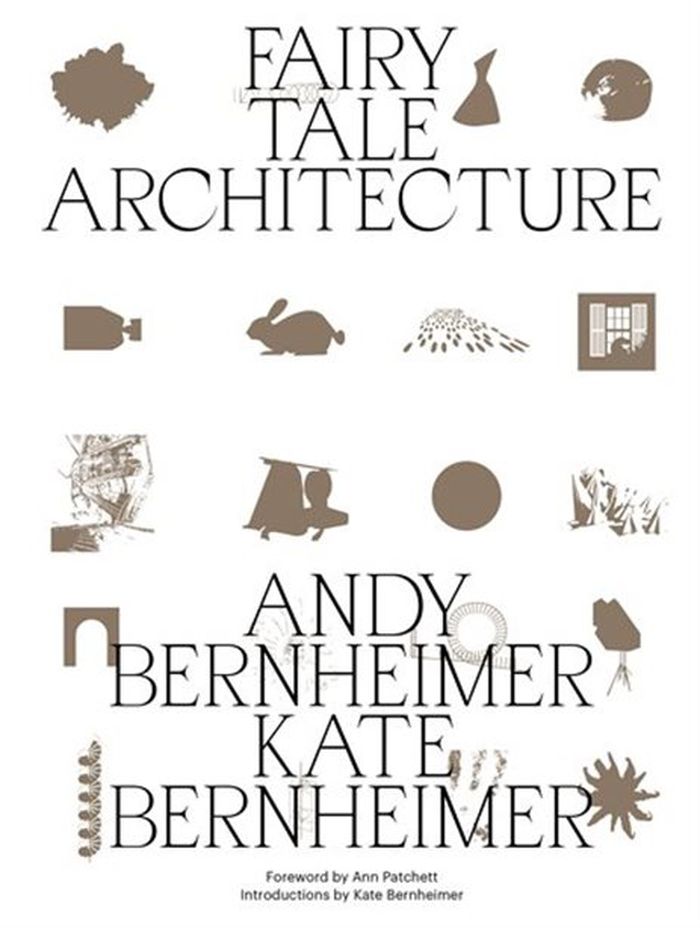
Little Red Riding Hood, Baba Yaga, Rapunzel, Jack and the Beanstalk, The Snow Queen: these and more than fifteen other stories designed by Bernheimer Architecture, Snøhetta, Rural Studio, LEVENBETTS, and LTL Architects and many other international vanguards have created stunning works for this groundbreaking collection of architectural fairy tales. Story by story, Andrew Bernheimer and Kate Bernheimer- a brother and sister team as in an old fairy tale- have built the ultimate home for lovers of fiction and design. Snow girls and spinning houses. Paper capes and engineered hair braids. Resin bee hives and infinite libraries. Here are futuristic structures made from traditional stories, inspired by everything from Hans Christian Andersen’s The Snow Queen and The Little Match Girl to the Brothers Grimm’s Rapunzel and The Juniper Tree to fairy tales by Jorge Luis Borges and Joy Williams and from China, Japan, Russia, Nigeria, and Mexico. A desire for story and shelter counts as among our most ancient instincts, and this dual desire continues to inspire our most imaginative architects and authors today. ''Fairy Tale Architecture'' invites the reader into a space of wonder, into a new form that will endure ever after.
Fairy tale architecture
Actions:
Prix:
$38.95
(disponible sur commande)
Résumé:
Little Red Riding Hood, Baba Yaga, Rapunzel, Jack and the Beanstalk, The Snow Queen: these and more than fifteen other stories designed by Bernheimer Architecture, Snøhetta, Rural Studio, LEVENBETTS, and LTL Architects and many other international vanguards have created stunning works for this groundbreaking collection of architectural fairy tales. Story by story, Andrew Bernheimer and Kate Bernheimer- a brother and sister team as in an old fairy tale- have built the ultimate home for lovers of fiction and design. Snow girls and spinning houses. Paper capes and engineered hair braids. Resin bee hives and infinite libraries. Here are futuristic structures made from traditional stories, inspired by everything from Hans Christian Andersen’s The Snow Queen and The Little Match Girl to the Brothers Grimm’s Rapunzel and The Juniper Tree to fairy tales by Jorge Luis Borges and Joy Williams and from China, Japan, Russia, Nigeria, and Mexico. A desire for story and shelter counts as among our most ancient instincts, and this dual desire continues to inspire our most imaginative architects and authors today. ''Fairy Tale Architecture'' invites the reader into a space of wonder, into a new form that will endure ever after.
Classification:
livres
livres
Publication:
décembre 2020
décembre 2020
Sujet:
Théorie de l’architecture
Théorie de l’architecture


