


10583 Résultats
Classification:
livres
livres
Prix:
$26.00
(disponible sur commande)
Résumé:
Pourquoi marchons-nous de moins en moins? Quelle influence a eu l'aménagement urbain sur le déclin de la marche dans la seconde moitié du XXe siècle, principalement en Amérique du Nord? Quelles sont les conséquences de la sédentarité sur la santé et la vie sociale? Pour une ville qui marche tente de répondre à ces questions en offrant une nouvelle vision de(...)
$26.00
(disponible sur commande)
Résumé:
Pourquoi marchons-nous de moins en moins? Quelle influence a eu l'aménagement urbain sur le déclin de la marche dans la seconde moitié du XXe siècle, principalement en Amérique du Nord? Quelles sont les conséquences de la sédentarité sur la santé et la vie sociale? Pour une ville qui marche tente de répondre à ces questions en offrant une nouvelle vision de(...)
Titre:
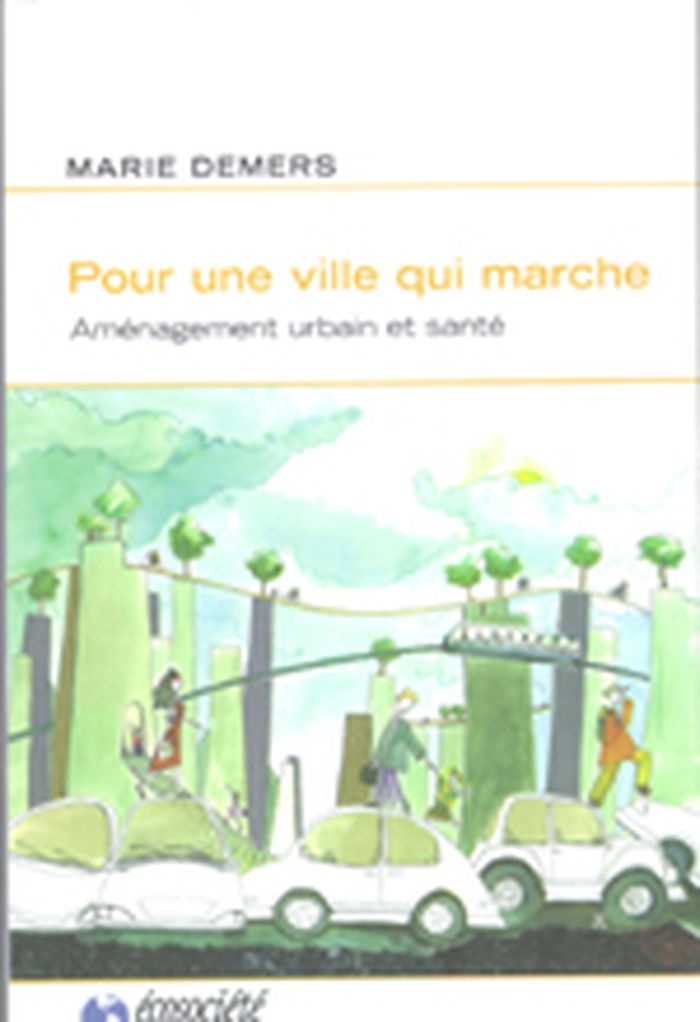
Pour une ville qui marche: aménagement urbain et santé
Actions:
Prix:
$26.00
(disponible sur commande)
Résumé:
Pourquoi marchons-nous de moins en moins? Quelle influence a eu l'aménagement urbain sur le déclin de la marche dans la seconde moitié du XXe siècle, principalement en Amérique du Nord? Quelles sont les conséquences de la sédentarité sur la santé et la vie sociale? Pour une ville qui marche tente de répondre à ces questions en offrant une nouvelle vision de l'aménegement urbain centrée sur le piéton plutôt que sur l'automobile, de façon à rendre la ville plus conviviale et plus saine.
Pour une ville qui marche: aménagement urbain et santé
Actions:
Prix:
$26.00
(disponible sur commande)
Résumé:
Pourquoi marchons-nous de moins en moins? Quelle influence a eu l'aménagement urbain sur le déclin de la marche dans la seconde moitié du XXe siècle, principalement en Amérique du Nord? Quelles sont les conséquences de la sédentarité sur la santé et la vie sociale? Pour une ville qui marche tente de répondre à ces questions en offrant une nouvelle vision de l'aménegement urbain centrée sur le piéton plutôt que sur l'automobile, de façon à rendre la ville plus conviviale et plus saine.
Classification:
livres
livres
Publication:
février 2008, Montréal
février 2008, Montréal
Sujet:
Théorie de l’urbanisme
Théorie de l’urbanisme
Classification:
livres
livres

Actions:
Prix:
$48.00
(disponible sur commande)
Résumé:
The Italian architect and historian Manfredo Tafuri made a decisive contribution to the practice of architectural history, yet the breadth of his bibliography and the depth of his perception into historical problems remains largely unexplored even today. The first English-language book to consider his contribution to architectural culture, it opens an overdue discussion(...)
$48.00
(disponible sur commande)
Résumé:
The Italian architect and historian Manfredo Tafuri made a decisive contribution to the practice of architectural history, yet the breadth of his bibliography and the depth of his perception into historical problems remains largely unexplored even today. The first English-language book to consider his contribution to architectural culture, it opens an overdue discussion(...)
Titre:
Manfredo Tafuri: choosing history
Actions:
Prix:
$48.00
(disponible sur commande)
Résumé:
The Italian architect and historian Manfredo Tafuri made a decisive contribution to the practice of architectural history, yet the breadth of his bibliography and the depth of his perception into historical problems remains largely unexplored even today. The first English-language book to consider his contribution to architectural culture, it opens an overdue discussion on both the premises of his practice and the historical questions that consequently emerge.
Manfredo Tafuri: choosing history
Actions:
Prix:
$48.00
(disponible sur commande)
Résumé:
The Italian architect and historian Manfredo Tafuri made a decisive contribution to the practice of architectural history, yet the breadth of his bibliography and the depth of his perception into historical problems remains largely unexplored even today. The first English-language book to consider his contribution to architectural culture, it opens an overdue discussion on both the premises of his practice and the historical questions that consequently emerge.
Classification:
livres
livres
Publication:
janvier 1900
janvier 1900
Sujet:
Théorie de l’architecture
Théorie de l’architecture
Classification:
livres
livres
Actions:
Prix:
$55.00
(disponible sur commande)
Résumé:
The landscape architect has great responsibility in creating projects that don't undermine the fragile natural balance of arid areas. The understanding of these kinds of landscapes will be of enormous help in preserving our world and the quality of life of the population that inhabits such regions. This book presents numerous examples of oases, gardens and agriculture in(...)
$55.00
(disponible sur commande)
Résumé:
The landscape architect has great responsibility in creating projects that don't undermine the fragile natural balance of arid areas. The understanding of these kinds of landscapes will be of enormous help in preserving our world and the quality of life of the population that inhabits such regions. This book presents numerous examples of oases, gardens and agriculture in(...)
Titre:
Aridscapes: designing in harsh and fragile lands
Actions:
Prix:
$55.00
(disponible sur commande)
Résumé:
The landscape architect has great responsibility in creating projects that don't undermine the fragile natural balance of arid areas. The understanding of these kinds of landscapes will be of enormous help in preserving our world and the quality of life of the population that inhabits such regions. This book presents numerous examples of oases, gardens and agriculture in the desert. In short, it provides a demonstration of how it is possible to work within a hostile landscape.
Aridscapes: designing in harsh and fragile lands
Actions:
Prix:
$55.00
(disponible sur commande)
Résumé:
The landscape architect has great responsibility in creating projects that don't undermine the fragile natural balance of arid areas. The understanding of these kinds of landscapes will be of enormous help in preserving our world and the quality of life of the population that inhabits such regions. This book presents numerous examples of oases, gardens and agriculture in the desert. In short, it provides a demonstration of how it is possible to work within a hostile landscape.
Classification:
livres
livres
Publication:
juin 2008
juin 2008
Sujet:
Théorie du paysage
Théorie du paysage
Classification:
livres
livres
Actions:
Prix:
$27.95
(disponible sur commande)
Résumé:
"Artificial light" suggests an alternative type of critical theory consisting of personal and fictitious anecdotes, real and fake photographs, and mini-essays that addresses prevalent themes in architecture such as immediacy, affect, abstraction, atmosphere, realness, and banality. With a narrative style reminiscent of other unconventional writers on design such as Paul(...)
$27.95
(disponible sur commande)
Résumé:
"Artificial light" suggests an alternative type of critical theory consisting of personal and fictitious anecdotes, real and fake photographs, and mini-essays that addresses prevalent themes in architecture such as immediacy, affect, abstraction, atmosphere, realness, and banality. With a narrative style reminiscent of other unconventional writers on design such as Paul(...)
Titre:
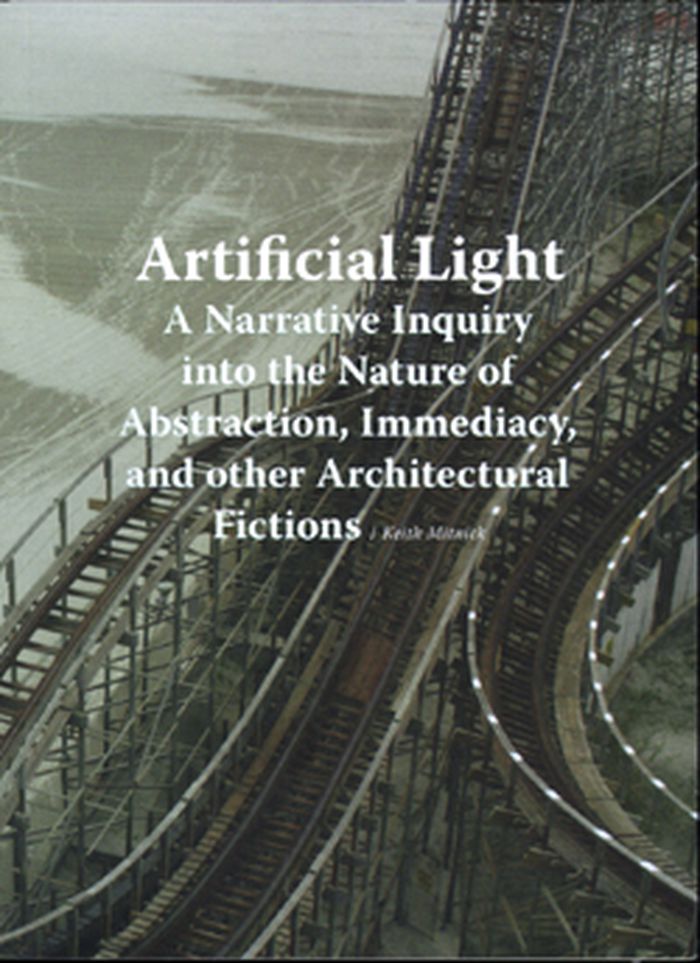
Artificial light : a narrative inquiry into the nature of abstraction, immediacy, and other architectural fictions
Actions:
Prix:
$27.95
(disponible sur commande)
Résumé:
"Artificial light" suggests an alternative type of critical theory consisting of personal and fictitious anecdotes, real and fake photographs, and mini-essays that addresses prevalent themes in architecture such as immediacy, affect, abstraction, atmosphere, realness, and banality. With a narrative style reminiscent of other unconventional writers on design such as Paul Shepheard, Roger Connah, and Rebecca Solnit, "Artificial light" is the beautifully written and visually engaging debut of a dynamic new voice in the world of architectural criticism. Keith Mitnick is an assistant professor of architecture at the University of Michigan, where he teaches graduate-level studios and seminars in architectural criticism, and a founding principal of Mitnick Roddier Hicks.
Artificial light : a narrative inquiry into the nature of abstraction, immediacy, and other architectural fictions
Actions:
Prix:
$27.95
(disponible sur commande)
Résumé:
"Artificial light" suggests an alternative type of critical theory consisting of personal and fictitious anecdotes, real and fake photographs, and mini-essays that addresses prevalent themes in architecture such as immediacy, affect, abstraction, atmosphere, realness, and banality. With a narrative style reminiscent of other unconventional writers on design such as Paul Shepheard, Roger Connah, and Rebecca Solnit, "Artificial light" is the beautifully written and visually engaging debut of a dynamic new voice in the world of architectural criticism. Keith Mitnick is an assistant professor of architecture at the University of Michigan, where he teaches graduate-level studios and seminars in architectural criticism, and a founding principal of Mitnick Roddier Hicks.
Classification:
livres
livres
Publication:
mars 2008, New York
mars 2008, New York
Sujet:
Théorie de l’architecture
Théorie de l’architecture
Classification:
livres
livres
Actions:
Prix:
$30.95
(disponible sur commande)
Résumé:
It's a truism of the age of globalization that where we live doesn't matter - we can work just as easily from a ski chalet in Aspen as in a house in Provence or an office in Chicago. Wrong, argues Richard Florida. Globalization may open up more of the world to us, but it also makes place a key factor in life. Based on more than twenty years of research, 'Who's yor City?'(...)
$30.95
(disponible sur commande)
Résumé:
It's a truism of the age of globalization that where we live doesn't matter - we can work just as easily from a ski chalet in Aspen as in a house in Provence or an office in Chicago. Wrong, argues Richard Florida. Globalization may open up more of the world to us, but it also makes place a key factor in life. Based on more than twenty years of research, 'Who's yor City?'(...)
Titre:
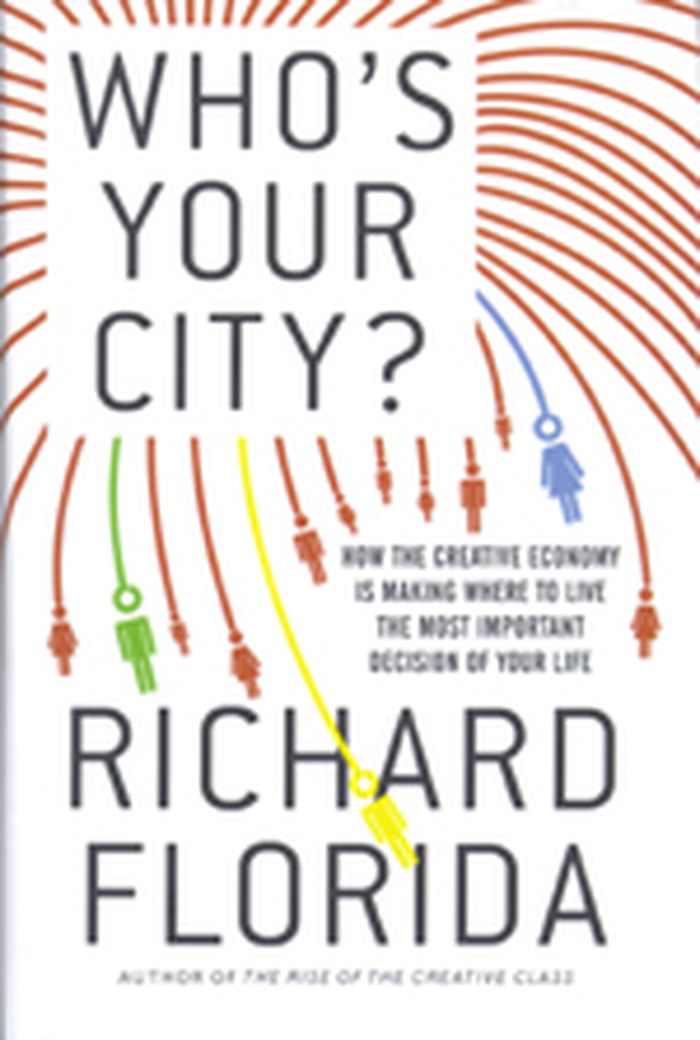
Who's your City? How the creative economy is making where to live the most important decision of your life
Actions:
Prix:
$30.95
(disponible sur commande)
Résumé:
It's a truism of the age of globalization that where we live doesn't matter - we can work just as easily from a ski chalet in Aspen as in a house in Provence or an office in Chicago. Wrong, argues Richard Florida. Globalization may open up more of the world to us, but it also makes place a key factor in life. Based on more than twenty years of research, 'Who's yor City?' shows how a new economic unit - the mega-region- is the real driver of the global economy explains why mega-regions are diverging not only in economic specialization but even in personality.
Who's your City? How the creative economy is making where to live the most important decision of your life
Actions:
Prix:
$30.95
(disponible sur commande)
Résumé:
It's a truism of the age of globalization that where we live doesn't matter - we can work just as easily from a ski chalet in Aspen as in a house in Provence or an office in Chicago. Wrong, argues Richard Florida. Globalization may open up more of the world to us, but it also makes place a key factor in life. Based on more than twenty years of research, 'Who's yor City?' shows how a new economic unit - the mega-region- is the real driver of the global economy explains why mega-regions are diverging not only in economic specialization but even in personality.
Classification:
livres
livres
Publication:
mars 2008, New York
mars 2008, New York
Sujet:
Théorie de l’urbanisme
Théorie de l’urbanisme
Classification:
livres
livres
Titre:
Trying Leviathan
Trying Leviathan
Actions:
Prix:
$29.95
(disponible sur commande)
Résumé:
In Trying Leviathan, D.Graham Burnett recovers the strange story of Maurice v. Judd, an 1818 trial that pitted the new sciences of taxonomy against the then-popular, and biblically sanctioned, view that the whale was a fish. The immediate dispute was mundace: whether whale oil was fish oil and therefore subject to state inspection. But the trial fueled a sensational(...)
$29.95
(disponible sur commande)
Résumé:
In Trying Leviathan, D.Graham Burnett recovers the strange story of Maurice v. Judd, an 1818 trial that pitted the new sciences of taxonomy against the then-popular, and biblically sanctioned, view that the whale was a fish. The immediate dispute was mundace: whether whale oil was fish oil and therefore subject to state inspection. But the trial fueled a sensational(...)
Titre:
Trying Leviathan
Actions:
Prix:
$29.95
(disponible sur commande)
Résumé:
In Trying Leviathan, D.Graham Burnett recovers the strange story of Maurice v. Judd, an 1818 trial that pitted the new sciences of taxonomy against the then-popular, and biblically sanctioned, view that the whale was a fish. The immediate dispute was mundace: whether whale oil was fish oil and therefore subject to state inspection. But the trial fueled a sensational public debate in which nothing less than the order of nature, and how we know it, was at stake.
Trying Leviathan
Actions:
Prix:
$29.95
(disponible sur commande)
Résumé:
In Trying Leviathan, D.Graham Burnett recovers the strange story of Maurice v. Judd, an 1818 trial that pitted the new sciences of taxonomy against the then-popular, and biblically sanctioned, view that the whale was a fish. The immediate dispute was mundace: whether whale oil was fish oil and therefore subject to state inspection. But the trial fueled a sensational public debate in which nothing less than the order of nature, and how we know it, was at stake.
Classification:
livres
livres
Publication:
octobre 2007, Princeton
octobre 2007, Princeton
Sujet:
Théorie de l’architecture
Théorie de l’architecture
Classification:
livres
livres
Titre:
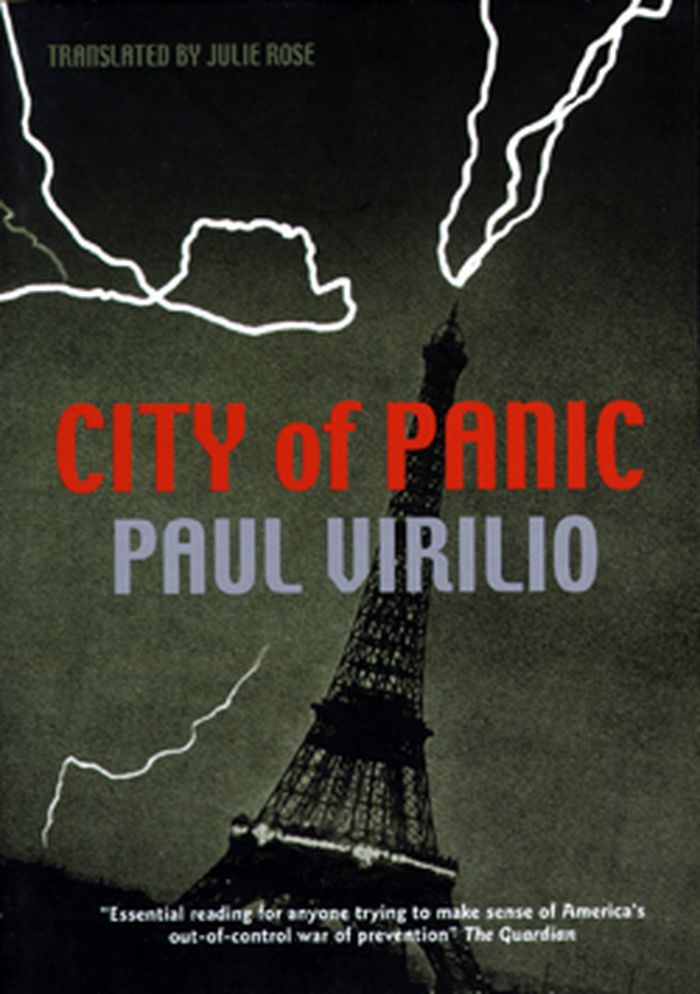
City of Panic
City of Panic
Actions:
Prix:
$19.95
(disponible sur commande)
Résumé:
City of Panic opens with a journey across the airy boulevards of Paris and into the crypt pf its Metro. Along the way, City of Panic tells the story of all cities. Cities everywhere are being reconstructed through a campaign of panic, the proliferation of gated-communities, policed shopping malls, the ever-widening net of surveillance, and a media consistently(...)
$19.95
(disponible sur commande)
Résumé:
City of Panic opens with a journey across the airy boulevards of Paris and into the crypt pf its Metro. Along the way, City of Panic tells the story of all cities. Cities everywhere are being reconstructed through a campaign of panic, the proliferation of gated-communities, policed shopping malls, the ever-widening net of surveillance, and a media consistently(...)
Titre:
City of Panic
Actions:
Prix:
$19.95
(disponible sur commande)
Résumé:
City of Panic opens with a journey across the airy boulevards of Paris and into the crypt pf its Metro. Along the way, City of Panic tells the story of all cities. Cities everywhere are being reconstructed through a campaign of panic, the proliferation of gated-communities, policed shopping malls, the ever-widening net of surveillance, and a media consistently fabricating a world of fear. As the past is torn downand replaced with an identikit present we seem to have accpted that our cities really are war zones and that every city must ben the same.
City of Panic
Actions:
Prix:
$19.95
(disponible sur commande)
Résumé:
City of Panic opens with a journey across the airy boulevards of Paris and into the crypt pf its Metro. Along the way, City of Panic tells the story of all cities. Cities everywhere are being reconstructed through a campaign of panic, the proliferation of gated-communities, policed shopping malls, the ever-widening net of surveillance, and a media consistently fabricating a world of fear. As the past is torn downand replaced with an identikit present we seem to have accpted that our cities really are war zones and that every city must ben the same.
Classification:
livres
livres
Publication:
mai 2007, Oxford, New York
mai 2007, Oxford, New York
Sujet:
Théorie de l’architecture
Théorie de l’architecture
Classification:
livres
livres
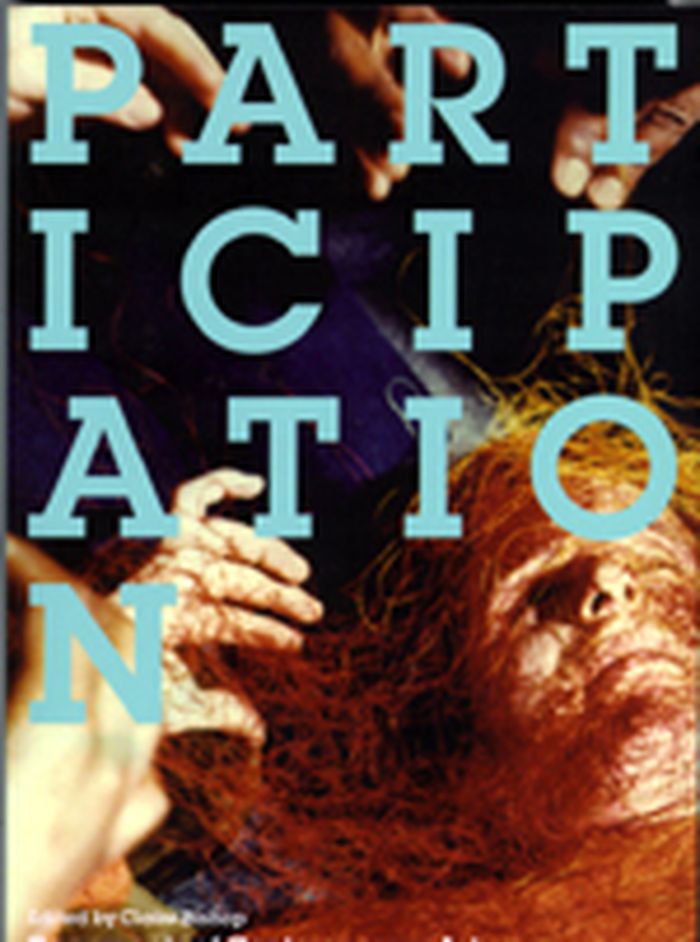
Titre:
Participation
Participation
Actions:
Prix:
$33.95
(disponible sur commande)
$33.95
(disponible sur commande)
Classification:
livres
livres
Actions:
Prix:
$19.95
(disponible sur commande)
Résumé:
Miguel Tamen's concern is to show how inanimate objects take on life through their interpretation-notably, in our own culture, as they are collected and housed in museums. It is his claim that an object becomes interpretable only in the context of a "society of friends." Thus, Tamen suggests, our inveterate tendency as human beings to interpret the phenomenal world gives(...)
$19.95
(disponible sur commande)
Résumé:
Miguel Tamen's concern is to show how inanimate objects take on life through their interpretation-notably, in our own culture, as they are collected and housed in museums. It is his claim that an object becomes interpretable only in the context of a "society of friends." Thus, Tamen suggests, our inveterate tendency as human beings to interpret the phenomenal world gives(...)
Titre:
Friends of interpretable objects
Actions:
Prix:
$19.95
(disponible sur commande)
Résumé:
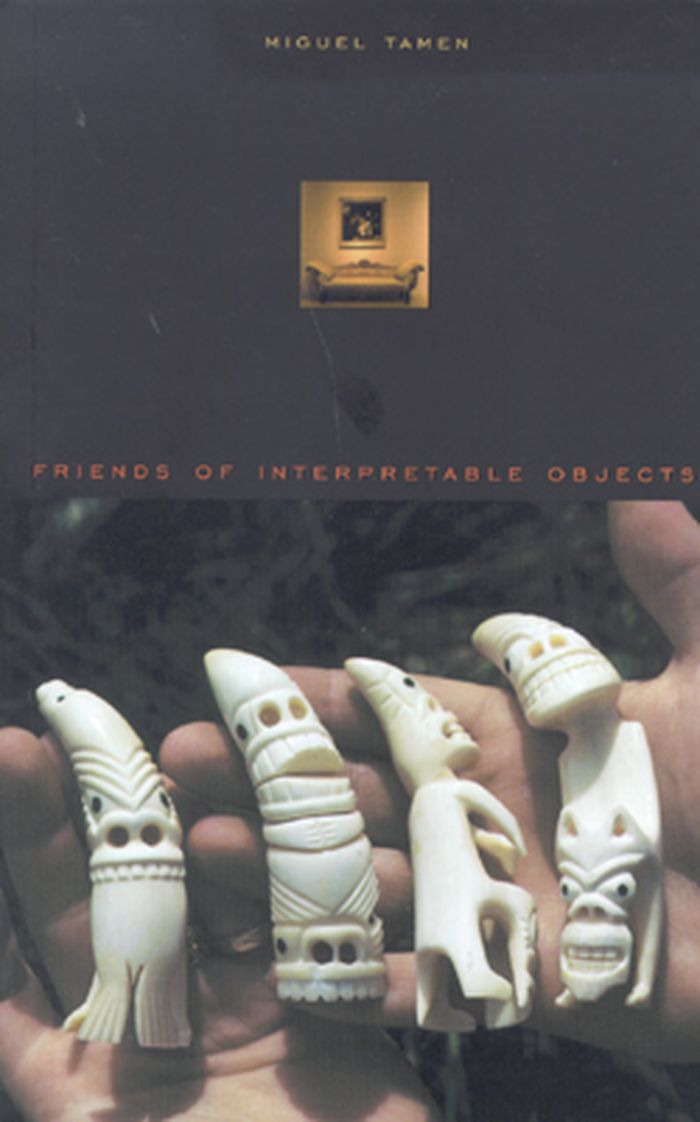
Miguel Tamen's concern is to show how inanimate objects take on life through their interpretation-notably, in our own culture, as they are collected and housed in museums. It is his claim that an object becomes interpretable only in the context of a "society of friends." Thus, Tamen suggests, our inveterate tendency as human beings to interpret the phenomenal world gives objects not only a life but also a society. As his work unfolds, "friends" also takes on a legal sense, as advocates, introduced to advance the argument that the social life of interpreted and interpretable objects engenders a related web of social obligations. Focusing on those who, through interpretation, make objects "speak" in settings as different as churches, museums, forests, and distant galaxies-those who know the best interests of corporations, endangered species, and works of art--Tamen exposes the common ground shared by art criticism, political science, tort law, and science. Learned and witty, with much to teach art historians, environmentalists, anthropologists, curators, and literary critics, his book utterly reorients our understanding of how we make sense of our world.
Friends of interpretable objects
Actions:
Prix:
$19.95
(disponible sur commande)
Résumé:
Miguel Tamen's concern is to show how inanimate objects take on life through their interpretation-notably, in our own culture, as they are collected and housed in museums. It is his claim that an object becomes interpretable only in the context of a "society of friends." Thus, Tamen suggests, our inveterate tendency as human beings to interpret the phenomenal world gives objects not only a life but also a society. As his work unfolds, "friends" also takes on a legal sense, as advocates, introduced to advance the argument that the social life of interpreted and interpretable objects engenders a related web of social obligations. Focusing on those who, through interpretation, make objects "speak" in settings as different as churches, museums, forests, and distant galaxies-those who know the best interests of corporations, endangered species, and works of art--Tamen exposes the common ground shared by art criticism, political science, tort law, and science. Learned and witty, with much to teach art historians, environmentalists, anthropologists, curators, and literary critics, his book utterly reorients our understanding of how we make sense of our world.
Classification:
livres
livres
Publication:
mars 2004, Cambridge, London
mars 2004, Cambridge, London
Sujet:
Théorie de l’art
Théorie de l’art
Classification:
livres
livres
Actions:
Prix:
$39.00
(disponible sur commande)
Résumé:
Since they were first established in the 1880s, children’s summer camps have touched the lives of millions of people. Although the camping experience has a special place in the popular imagination, few scholars have given serious thought to this peculiarly American phenomenon. Why were summer camps created? What concerns and ideals motivated their founders? Whom did they(...)
$39.00
(disponible sur commande)
Résumé:
Since they were first established in the 1880s, children’s summer camps have touched the lives of millions of people. Although the camping experience has a special place in the popular imagination, few scholars have given serious thought to this peculiarly American phenomenon. Why were summer camps created? What concerns and ideals motivated their founders? Whom did they(...)
Titre:
A manufactured wilderness: summer camps and the shaping of american youth
Actions:
Prix:
$39.00
(disponible sur commande)
Résumé:
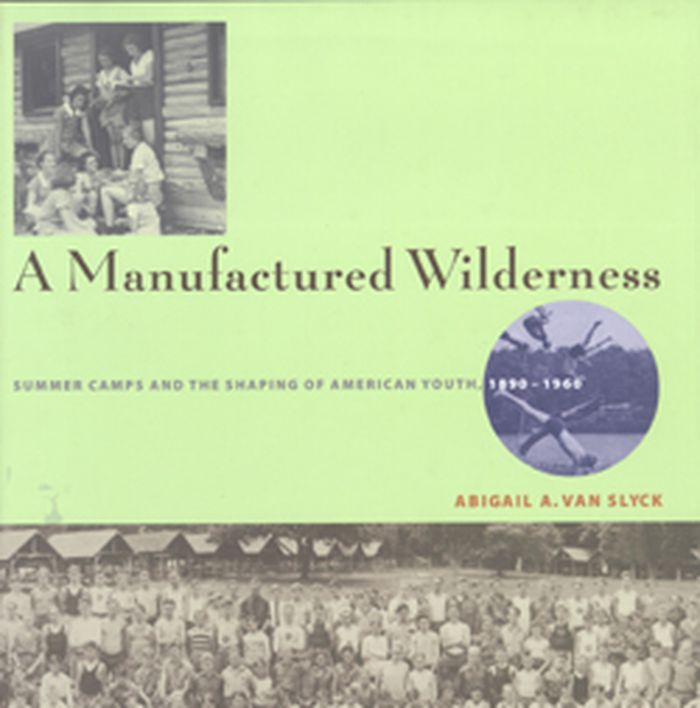
Since they were first established in the 1880s, children’s summer camps have touched the lives of millions of people. Although the camping experience has a special place in the popular imagination, few scholars have given serious thought to this peculiarly American phenomenon. Why were summer camps created? What concerns and ideals motivated their founders? Whom did they serve? How did they change over time? What factors influenced their design? To answer these and many other questions, Abigail A. Van Slyck trains an informed eye on the most visible and evocative aspect of camp life: its landscape and architecture. She argues that summer camps delivered much more than a simple encounter with the natural world. Instead, she suggests, camps provided a man-made version of wilderness, shaped by middle-class anxieties about gender roles, class tensions, race relations, and modernity and its impact on the lives of children. Following a fascinating history of summer camps and a wide-ranging overview of the factors that led to their creation, Van Slyck examines the intersections of the natural landscape with human-built forms and social activities. In particular, she addresses changing attitudes toward such subjects as children’s health, sanitation, play, relationships between the sexes, Native American culture, and evolving ideas about childhood. Generously illustrated with period photographs, maps, plans, and promotional images of camps throughout North America, A Manufactured Wilderness is the first book to offer a thorough consideration of the summer camp environment.
A manufactured wilderness: summer camps and the shaping of american youth
Actions:
Prix:
$39.00
(disponible sur commande)
Résumé:
Since they were first established in the 1880s, children’s summer camps have touched the lives of millions of people. Although the camping experience has a special place in the popular imagination, few scholars have given serious thought to this peculiarly American phenomenon. Why were summer camps created? What concerns and ideals motivated their founders? Whom did they serve? How did they change over time? What factors influenced their design? To answer these and many other questions, Abigail A. Van Slyck trains an informed eye on the most visible and evocative aspect of camp life: its landscape and architecture. She argues that summer camps delivered much more than a simple encounter with the natural world. Instead, she suggests, camps provided a man-made version of wilderness, shaped by middle-class anxieties about gender roles, class tensions, race relations, and modernity and its impact on the lives of children. Following a fascinating history of summer camps and a wide-ranging overview of the factors that led to their creation, Van Slyck examines the intersections of the natural landscape with human-built forms and social activities. In particular, she addresses changing attitudes toward such subjects as children’s health, sanitation, play, relationships between the sexes, Native American culture, and evolving ideas about childhood. Generously illustrated with period photographs, maps, plans, and promotional images of camps throughout North America, A Manufactured Wilderness is the first book to offer a thorough consideration of the summer camp environment.
Classification:
livres
livres
Publication:
octobre 2006, Minnesota
octobre 2006, Minnesota
Sujet:
Théorie de l’architecture
Théorie de l’architecture


