


555 Résultats
Classification:
livres
livres
Actions:
Exemplaires:
Description:
655 pages : illustrations (some color), maps ; 25 cm.
Description:
655 pages : illustrations (some color), maps ; 25 cm.
Auteur:
Sujet:
Publication:
Zürich : Lars Müller Publishers, [2014], ©2014
Zürich : Lars Müller Publishers, [2014], ©2014
Titre:
Global prayers : contemporary manifestations of the religious in the city / edited by Jochen Becker, Katrin Klingan, Stephan Lanz, Kathrin Wildner.
Actions:
Exemplaires:
Description:
655 pages : illustrations (some color), maps ; 25 cm.
Global prayers : contemporary manifestations of the religious in the city / edited by Jochen Becker, Katrin Klingan, Stephan Lanz, Kathrin Wildner.
Actions:
Exemplaires:
Description:
655 pages : illustrations (some color), maps ; 25 cm.
Classification:
livres
livres
Publication:
Zürich : Lars Müller Publishers, [2014], ©2014
Zürich : Lars Müller Publishers, [2014], ©2014
Auteur:
Sujet:
Classification:
livres
livres
Prix:
$32.50
(disponible sur commande)
Résumé:
Everyone is talking about shrinking. Many talk of emerging opportunities. In its first book, the International Building Exhibition (IBA) Urban Redevelopment Saxony-Anhalt 2010 discusses the shape of tomorrow's city, the international dimension of shrinking and urban redevelopment, and the challenges facing planning. This volume presents the full panorama of IBA cities(...)
$32.50
(disponible sur commande)
Résumé:
Everyone is talking about shrinking. Many talk of emerging opportunities. In its first book, the International Building Exhibition (IBA) Urban Redevelopment Saxony-Anhalt 2010 discusses the shape of tomorrow's city, the international dimension of shrinking and urban redevelopment, and the challenges facing planning. This volume presents the full panorama of IBA cities(...)
Titre:
The other cities - Die anderen städte - IBA Stadtumbau 2010
Actions:
Prix:
$32.50
(disponible sur commande)
Résumé:
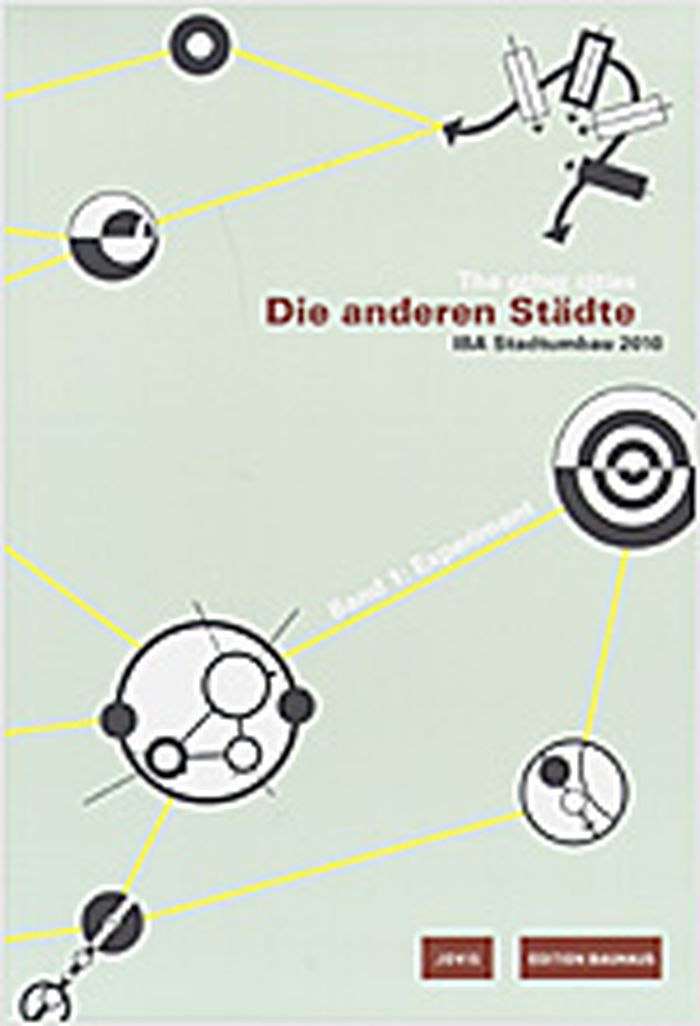
Everyone is talking about shrinking. Many talk of emerging opportunities. In its first book, the International Building Exhibition (IBA) Urban Redevelopment Saxony-Anhalt 2010 discusses the shape of tomorrow's city, the international dimension of shrinking and urban redevelopment, and the challenges facing planning. This volume presents the full panorama of IBA cities in Saxony-Anhalt and describes the working methods of the first IBA to focus on the city as a whole.
The other cities - Die anderen städte - IBA Stadtumbau 2010
Actions:
Prix:
$32.50
(disponible sur commande)
Résumé:
Everyone is talking about shrinking. Many talk of emerging opportunities. In its first book, the International Building Exhibition (IBA) Urban Redevelopment Saxony-Anhalt 2010 discusses the shape of tomorrow's city, the international dimension of shrinking and urban redevelopment, and the challenges facing planning. This volume presents the full panorama of IBA cities in Saxony-Anhalt and describes the working methods of the first IBA to focus on the city as a whole.
Classification:
livres
livres
Publication:
novembre 2004, Berlin
novembre 2004, Berlin
Sujet:
Théorie de l’urbanisme
Théorie de l’urbanisme
Classification:
livres
livres
Prix:
$35.00
(disponible sur commande)
Résumé:
This book explores an attitude in and toward design education that is socially engaged, politically aware, generous in approach, lyrical in tone, experimental in form and collaborative in practice. How can we talk about and draw out the political aspect inherent in the work of design students? What are the underlying values of such a pedagogy? What kind of practices are(...)
$35.00
(disponible sur commande)
Résumé:
This book explores an attitude in and toward design education that is socially engaged, politically aware, generous in approach, lyrical in tone, experimental in form and collaborative in practice. How can we talk about and draw out the political aspect inherent in the work of design students? What are the underlying values of such a pedagogy? What kind of practices are(...)
Titre:
Design dedication: adaptive mentalities in design education
Actions:
Prix:
$35.00
(disponible sur commande)
Résumé:
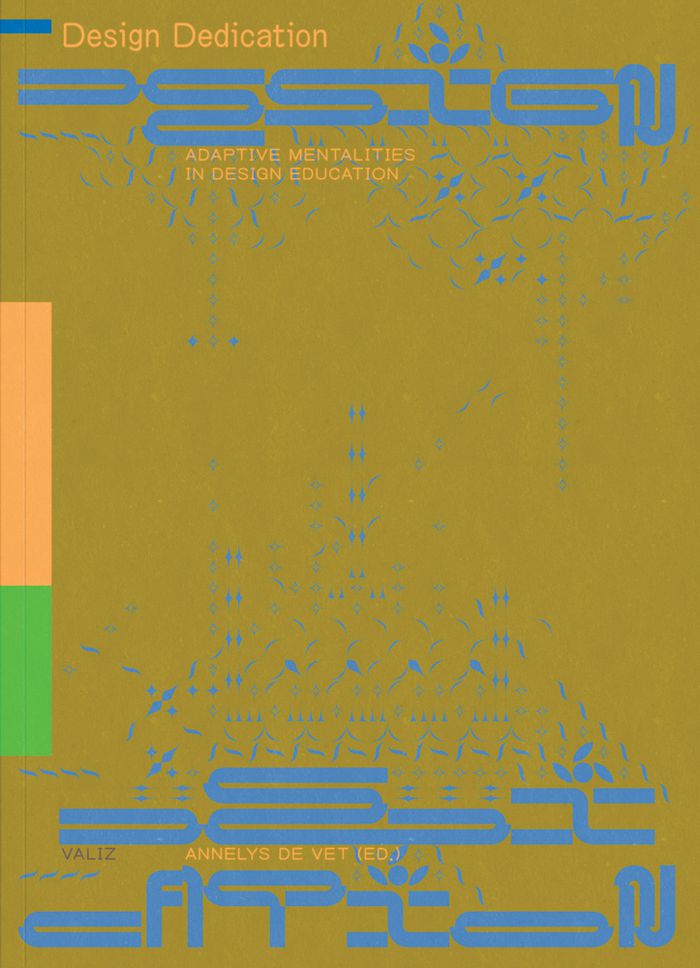
This book explores an attitude in and toward design education that is socially engaged, politically aware, generous in approach, lyrical in tone, experimental in form and collaborative in practice. How can we talk about and draw out the political aspect inherent in the work of design students? What are the underlying values of such a pedagogy? What kind of practices are developed in this context? How can an institute support and safeguard this?
Design dedication: adaptive mentalities in design education
Actions:
Prix:
$35.00
(disponible sur commande)
Résumé:
This book explores an attitude in and toward design education that is socially engaged, politically aware, generous in approach, lyrical in tone, experimental in form and collaborative in practice. How can we talk about and draw out the political aspect inherent in the work of design students? What are the underlying values of such a pedagogy? What kind of practices are developed in this context? How can an institute support and safeguard this?
Classification:
livres
livres
Publication:
mai 2020
mai 2020
Sujet:
Muséologie
Muséologie
Classification:
livres
livres
Actions:
Exemplaires:
Description:
xi, 242 pages : illustrations, maps ; 24 cm.
Description:
xi, 242 pages : illustrations, maps ; 24 cm.
Auteur:
Sujet:
Publication:
Philadelphia : University of Pennsylvania Press, ©2001.
Philadelphia : University of Pennsylvania Press, ©2001.
Titre:
Greater Portland : urban life and landscape in the Pacific Northwest / Carl Abbott.
Actions:
Exemplaires:
Description:
xi, 242 pages : illustrations, maps ; 24 cm.
Greater Portland : urban life and landscape in the Pacific Northwest / Carl Abbott.
Actions:
Exemplaires:
Description:
xi, 242 pages : illustrations, maps ; 24 cm.
Classification:
livres
livres
Publication:
Philadelphia : University of Pennsylvania Press, ©2001.
Philadelphia : University of Pennsylvania Press, ©2001.
Auteur:
Sujet:
Classification:
livres
livres
Prix:
$75.00
(disponible sur commande)
Résumé:
What role does drawing play in architectural education? How is drawing used as an instrument for communication, investigation, and representation in architecture and the construction industry? This book assembles contributions to the 2021 edition of the Lucerne Talks, the bi-annual Symposium on Pedagogy in Architecture at the Lucerne School of Engineering and(...)
$75.00
(disponible sur commande)
Résumé:
What role does drawing play in architectural education? How is drawing used as an instrument for communication, investigation, and representation in architecture and the construction industry? This book assembles contributions to the 2021 edition of the Lucerne Talks, the bi-annual Symposium on Pedagogy in Architecture at the Lucerne School of Engineering and(...)
Sujet:
Dessin d’architecture
Dessin d’architecture
Publication:
octobre 2023
octobre 2023
Titre:
Drawing in architecture, education and research: Lucerne talks
Actions:
Prix:
$75.00
(disponible sur commande)
Résumé:
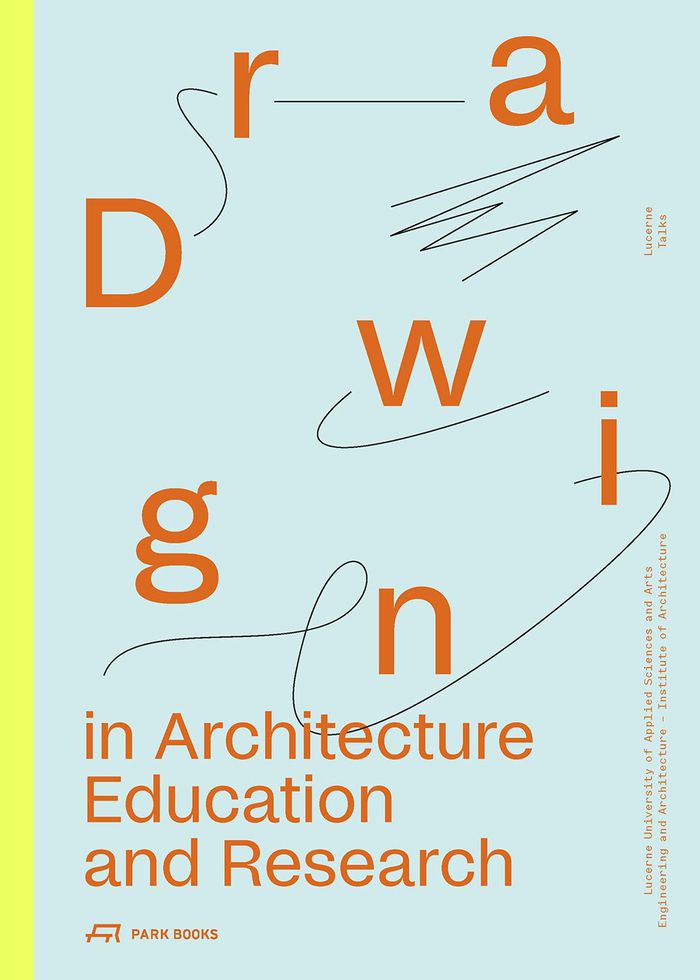
What role does drawing play in architectural education? How is drawing used as an instrument for communication, investigation, and representation in architecture and the construction industry? This book assembles contributions to the 2021 edition of the Lucerne Talks, the bi-annual Symposium on Pedagogy in Architecture at the Lucerne School of Engineering and Architecture. ''Drawing in architecture education and research'' offers a closer look at the importance of drawing culture in the curricula of Swiss schools of architecture and in the practice of architecture firms. Conceived as a compendium and reference book for students, teachers, and practitioners alike, this book explores the potential of drawing as a universal tool for communication and understanding among different societies, language groups, and professional communities. It considers drawing in its dual function as an object and a method for theory and practice in architecture and features strategies for a future transdisciplinary language of drawing that enables narrations and representations of new spatial concepts.
Drawing in architecture, education and research: Lucerne talks
Actions:
Prix:
$75.00
(disponible sur commande)
Résumé:
What role does drawing play in architectural education? How is drawing used as an instrument for communication, investigation, and representation in architecture and the construction industry? This book assembles contributions to the 2021 edition of the Lucerne Talks, the bi-annual Symposium on Pedagogy in Architecture at the Lucerne School of Engineering and Architecture. ''Drawing in architecture education and research'' offers a closer look at the importance of drawing culture in the curricula of Swiss schools of architecture and in the practice of architecture firms. Conceived as a compendium and reference book for students, teachers, and practitioners alike, this book explores the potential of drawing as a universal tool for communication and understanding among different societies, language groups, and professional communities. It considers drawing in its dual function as an object and a method for theory and practice in architecture and features strategies for a future transdisciplinary language of drawing that enables narrations and representations of new spatial concepts.
Classification:
livres
livres
Publication:
octobre 2023
octobre 2023
Sujet:
Dessin d’architecture
Dessin d’architecture
Classification:
livres
livres
Prix:
$39.95
(disponible sur commande)
Résumé:
"Not Interesting" proposes another set of terms and structures to talk about architecture, without requiring that it be interesting. This book explores a set of alternatives to the interesting and imagines how architecture might be positioned more broadly in the world using other terms: boring, confusing, and comforting. Along with interesting, these three terms make up(...)
$39.95
(disponible sur commande)
Résumé:
"Not Interesting" proposes another set of terms and structures to talk about architecture, without requiring that it be interesting. This book explores a set of alternatives to the interesting and imagines how architecture might be positioned more broadly in the world using other terms: boring, confusing, and comforting. Along with interesting, these three terms make up(...)
Titre:
Not interesting: on the limits of criticism in architecture
Actions:
Prix:
$39.95
(disponible sur commande)
Résumé:
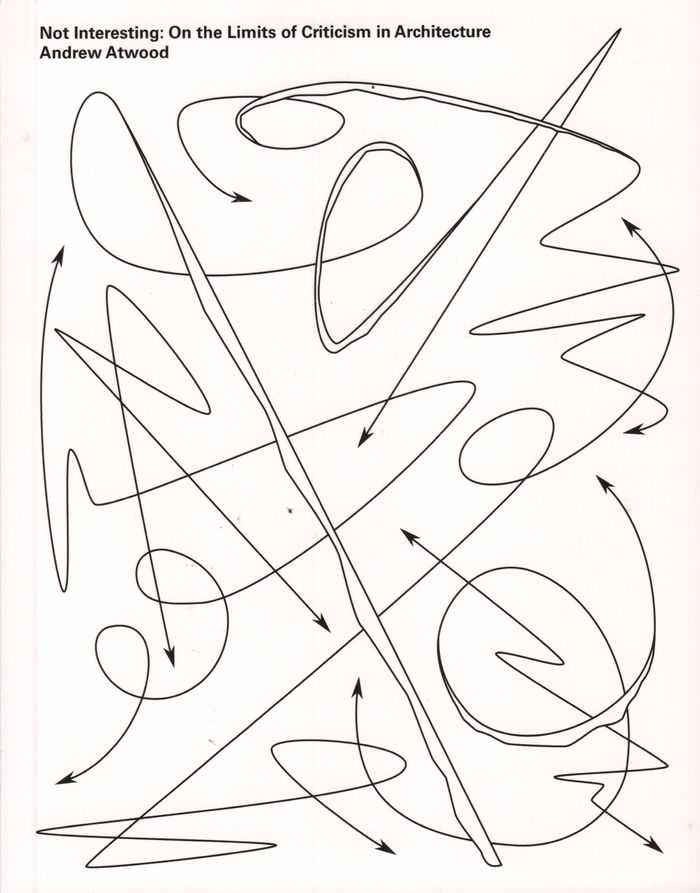
"Not Interesting" proposes another set of terms and structures to talk about architecture, without requiring that it be interesting. This book explores a set of alternatives to the interesting and imagines how architecture might be positioned more broadly in the world using other terms: boring, confusing, and comforting. Along with interesting, these three terms make up the four chapters of the book. Each chapter introduces its topic through an analysis of a different image, which serves to unpack the specific character of each term and its relationship to architecture. In addition to text, the book contains over 50 case studies using 100 drawings and images. These are presented in parallel to the text and show what architecture may look like through the lens of these other terms.
Not interesting: on the limits of criticism in architecture
Actions:
Prix:
$39.95
(disponible sur commande)
Résumé:
"Not Interesting" proposes another set of terms and structures to talk about architecture, without requiring that it be interesting. This book explores a set of alternatives to the interesting and imagines how architecture might be positioned more broadly in the world using other terms: boring, confusing, and comforting. Along with interesting, these three terms make up the four chapters of the book. Each chapter introduces its topic through an analysis of a different image, which serves to unpack the specific character of each term and its relationship to architecture. In addition to text, the book contains over 50 case studies using 100 drawings and images. These are presented in parallel to the text and show what architecture may look like through the lens of these other terms.
Classification:
livres
livres
Publication:
octobre 2018
octobre 2018
Sujet:
Théorie de l’architecture
Théorie de l’architecture
Classification:
livres
livres
Actions:
Prix:
$40.00
(disponible sur commande)
Résumé:
For ancient Romans, genius loci was literally "the genius of the place,"the presiding divinity who inhabited a site and gave it meaning. While we are less attuned to divinity today, we still sense that a place has significance. In this book, eminent garden historian John Dixon Hunt explores genius loci in many settings, including contemporary land art, the paintings of(...)
$40.00
(disponible sur commande)
Résumé:
For ancient Romans, genius loci was literally "the genius of the place,"the presiding divinity who inhabited a site and gave it meaning. While we are less attuned to divinity today, we still sense that a place has significance. In this book, eminent garden historian John Dixon Hunt explores genius loci in many settings, including contemporary land art, the paintings of(...)
Titre:
Genius Loci: An essay on the meanings of place
Actions:
Prix:
$40.00
(disponible sur commande)
Résumé:
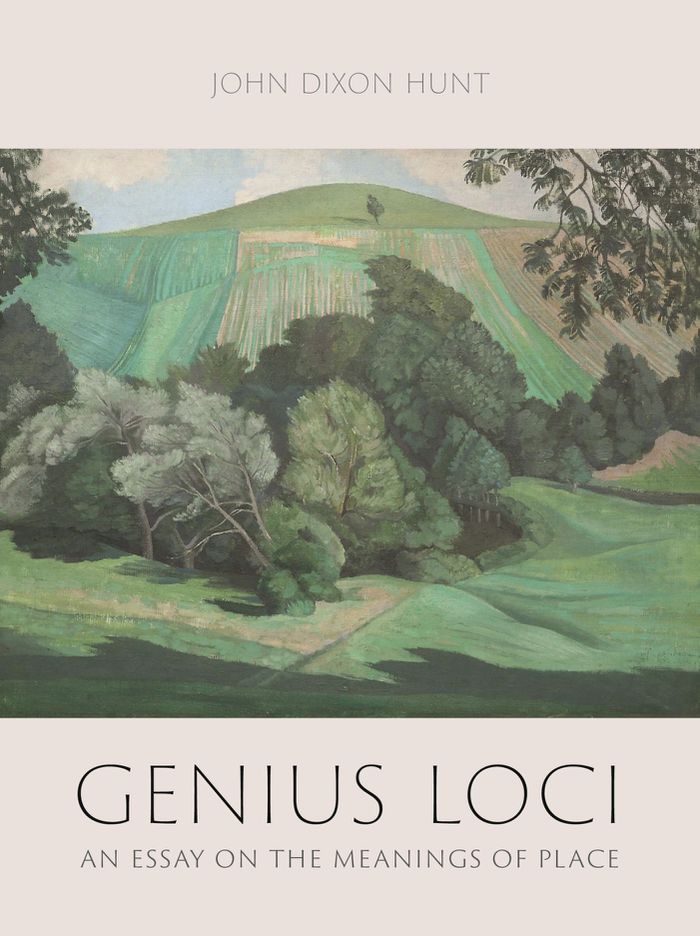
For ancient Romans, genius loci was literally "the genius of the place,"the presiding divinity who inhabited a site and gave it meaning. While we are less attuned to divinity today, we still sense that a place has significance. In this book, eminent garden historian John Dixon Hunt explores genius loci in many settings, including contemporary land art, the paintings of Paul and John Nash, travel writers such as Henry James, Paul Theroux, and Lawrence Durrell on Provence, Mexico, and Cyprus, and landscape architects who invent new meanings for a site. This book is a nuanced, thoughtful exploration of how places become more significant to us through the myriad ways we see, talk about, and remember them.
Genius Loci: An essay on the meanings of place
Actions:
Prix:
$40.00
(disponible sur commande)
Résumé:
For ancient Romans, genius loci was literally "the genius of the place,"the presiding divinity who inhabited a site and gave it meaning. While we are less attuned to divinity today, we still sense that a place has significance. In this book, eminent garden historian John Dixon Hunt explores genius loci in many settings, including contemporary land art, the paintings of Paul and John Nash, travel writers such as Henry James, Paul Theroux, and Lawrence Durrell on Provence, Mexico, and Cyprus, and landscape architects who invent new meanings for a site. This book is a nuanced, thoughtful exploration of how places become more significant to us through the myriad ways we see, talk about, and remember them.
Classification:
livres
livres
Publication:
octobre 2022
octobre 2022
Sujet:
Théorie du paysage
Théorie du paysage
Classification:
livres
livres
Prix:
$42.00
(disponible sur commande)
Résumé:
This original and thoughtful study provides the first thorough examination of the relationship between architecture and language as complex social practices. The words we use when we talk and write about architecture describe more than just bricks and mortar—they direct the ways we think of and live with buildings. This groundbreaking book is the first thorough(...)
$42.00
(disponible sur commande)
Résumé:
This original and thoughtful study provides the first thorough examination of the relationship between architecture and language as complex social practices. The words we use when we talk and write about architecture describe more than just bricks and mortar—they direct the ways we think of and live with buildings. This groundbreaking book is the first thorough(...)
Titre:
Words and buildings : a vocabulary of modern architecture
Actions:
Prix:
$42.00
(disponible sur commande)
Résumé:
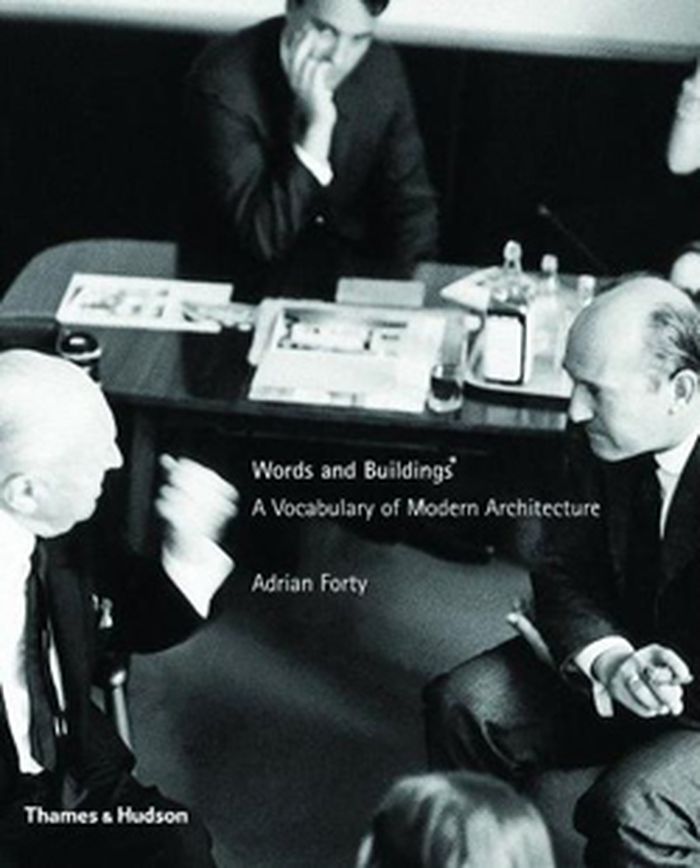
This original and thoughtful study provides the first thorough examination of the relationship between architecture and language as complex social practices. The words we use when we talk and write about architecture describe more than just bricks and mortar—they direct the ways we think of and live with buildings. This groundbreaking book is the first thorough examination of the complex relationship between architecture and language as intricate social practices. Six rigorously argued chapters and a vocabulary of key terms investigate the language of modernism; language and drawing; “masculine and feminine” architecture; language metaphors; science in architecture; and the social properties of architecture.
Words and buildings : a vocabulary of modern architecture
Actions:
Prix:
$42.00
(disponible sur commande)
Résumé:
This original and thoughtful study provides the first thorough examination of the relationship between architecture and language as complex social practices. The words we use when we talk and write about architecture describe more than just bricks and mortar—they direct the ways we think of and live with buildings. This groundbreaking book is the first thorough examination of the complex relationship between architecture and language as intricate social practices. Six rigorously argued chapters and a vocabulary of key terms investigate the language of modernism; language and drawing; “masculine and feminine” architecture; language metaphors; science in architecture; and the social properties of architecture.
Classification:
livres
livres
Publication:
mars 2012, London
mars 2012, London
Sujet:
Théorie de l’architecture
Théorie de l’architecture
Classification:
livres
livres
Titre:
Chromatic herbarium
Chromatic herbarium
Actions:
Prix:
$105.00
(disponible sur commande)
Résumé:
Massimo Gardone with Alessandra Muran has produced a volume that is many things: a living and vivid herbarium of nature's colors with elements collected and photographed while still fresh, but also an evocative photo book capable of enhancing with the eye of the graphic artist the colors and "pantone" of petals, leaves, branches and other elements of nature. The texts(...)
$105.00
(disponible sur commande)
Résumé:
Massimo Gardone with Alessandra Muran has produced a volume that is many things: a living and vivid herbarium of nature's colors with elements collected and photographed while still fresh, but also an evocative photo book capable of enhancing with the eye of the graphic artist the colors and "pantone" of petals, leaves, branches and other elements of nature. The texts(...)
Titre:
Chromatic herbarium
Actions:
Prix:
$105.00
(disponible sur commande)
Résumé:
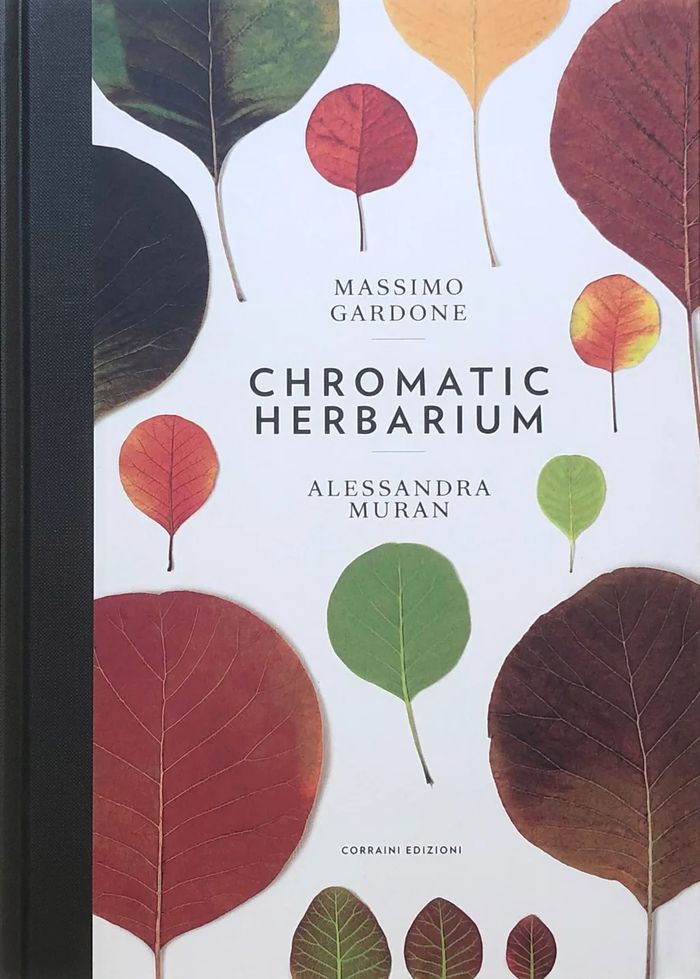
Massimo Gardone with Alessandra Muran has produced a volume that is many things: a living and vivid herbarium of nature's colors with elements collected and photographed while still fresh, but also an evocative photo book capable of enhancing with the eye of the graphic artist the colors and "pantone" of petals, leaves, branches and other elements of nature. The texts accompanying this research are an essay by Francesco Messina and reflections by landscape designer Matteo Lacivita who starts from the naturalistic observation of colors to also talk about painting, music and other art forms that color really cannot do without.
Chromatic herbarium
Actions:
Prix:
$105.00
(disponible sur commande)
Résumé:
Massimo Gardone with Alessandra Muran has produced a volume that is many things: a living and vivid herbarium of nature's colors with elements collected and photographed while still fresh, but also an evocative photo book capable of enhancing with the eye of the graphic artist the colors and "pantone" of petals, leaves, branches and other elements of nature. The texts accompanying this research are an essay by Francesco Messina and reflections by landscape designer Matteo Lacivita who starts from the naturalistic observation of colors to also talk about painting, music and other art forms that color really cannot do without.
Classification:
livres
livres
Publication:
février 2024
février 2024
Sujet:
Faune et flore
Faune et flore
Classification:
livres
livres
Actions:
Exemplaires:
Description:
406 pages : illustrations (some color), maps (some color) ; 21 cm.
Description:
406 pages : illustrations (some color), maps (some color) ; 21 cm.
Auteur:
Sujet:
Publication:
Rotterdam : NAi Publishers ; New York : [Distributed by] D.A.P./Distributed Art Publishers, ©2010.
Rotterdam : NAi Publishers ; New York : [Distributed by] D.A.P./Distributed Art Publishers, ©2010.
Titre:
Green dream : how future cities can outsmart nature / t?f, the Why Factory ; [concept and editors, Winy Maas ; with Ulf Hackauf and Pirjo Haikola].
Actions:
Exemplaires:
Description:
406 pages : illustrations (some color), maps (some color) ; 21 cm.
Green dream : how future cities can outsmart nature / t?f, the Why Factory ; [concept and editors, Winy Maas ; with Ulf Hackauf and Pirjo Haikola].
Actions:
Exemplaires:
Description:
406 pages : illustrations (some color), maps (some color) ; 21 cm.
Classification:
livres
livres
Publication:
Rotterdam : NAi Publishers ; New York : [Distributed by] D.A.P./Distributed Art Publishers, ©2010.
Rotterdam : NAi Publishers ; New York : [Distributed by] D.A.P./Distributed Art Publishers, ©2010.
Auteur:
Sujet:


