


525 Résultats
Classification:
livres
livres
Prix:
$33.95
(disponible sur commande)
Résumé:
Housing is more than bricks and mortar. The home is where our hopes and dreams play out, and it lies at the heart of our lives. This is where we rest, eat, and relax. The home we enjoy can determine our health, life expectancy, and day-to-day well-being. In contrast, the lack of a stable residence can lead to mental and physical illness and often premature death. This is(...)
$33.95
(disponible sur commande)
Résumé:
Housing is more than bricks and mortar. The home is where our hopes and dreams play out, and it lies at the heart of our lives. This is where we rest, eat, and relax. The home we enjoy can determine our health, life expectancy, and day-to-day well-being. In contrast, the lack of a stable residence can lead to mental and physical illness and often premature death. This is(...)
Titre:
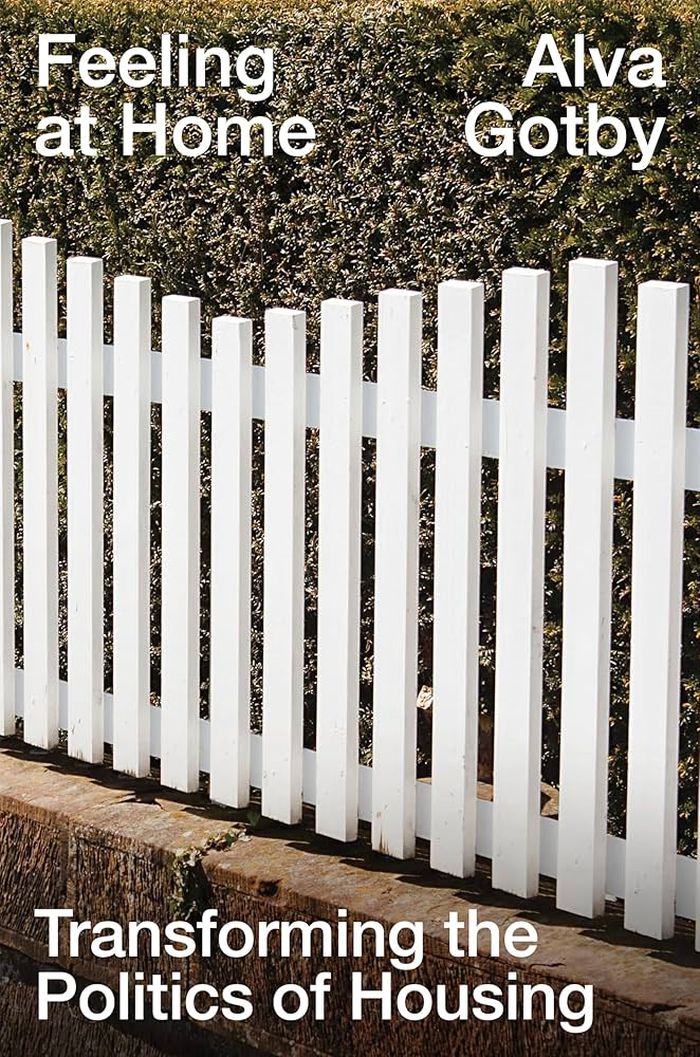
Feeling at home: Transforming the politics of housing
Actions:
Prix:
$33.95
(disponible sur commande)
Résumé:
Housing is more than bricks and mortar. The home is where our hopes and dreams play out, and it lies at the heart of our lives. This is where we rest, eat, and relax. The home we enjoy can determine our health, life expectancy, and day-to-day well-being. In contrast, the lack of a stable residence can lead to mental and physical illness and often premature death. This is central to how we conceive of a good and dignified life. "Feeling at home" grapples with the practical and emotional questions of housing – domestic labour, privacy, security, ownership, and health. Is it possible to imagine success without home ownership? Alva Gotby makes clear that solving the housing crisis is about much more than housing stock. It is about revolutionising our everyday lives and labours.
Feeling at home: Transforming the politics of housing
Actions:
Prix:
$33.95
(disponible sur commande)
Résumé:
Housing is more than bricks and mortar. The home is where our hopes and dreams play out, and it lies at the heart of our lives. This is where we rest, eat, and relax. The home we enjoy can determine our health, life expectancy, and day-to-day well-being. In contrast, the lack of a stable residence can lead to mental and physical illness and often premature death. This is central to how we conceive of a good and dignified life. "Feeling at home" grapples with the practical and emotional questions of housing – domestic labour, privacy, security, ownership, and health. Is it possible to imagine success without home ownership? Alva Gotby makes clear that solving the housing crisis is about much more than housing stock. It is about revolutionising our everyday lives and labours.
Classification:
livres
livres
Publication:
janvier 2025
janvier 2025
Sujet:
L'humain et la ville
L'humain et la ville
Classification:
livres
livres
Exemplaires:
Description:
254 pages : illustrations ; 26 cm
Description:
254 pages : illustrations ; 26 cm
Auteur:
Sujet:
Publication:
London : G. Philip, ©1984., London : G. Philip, 1984, ©1984
London : G. Philip, ©1984., London : G. Philip, 1984, ©1984
Titre:
Our Christian heritage / Warwick Rodwell and James Bentley.
Actions:
Exemplaires:
Description:
254 pages : illustrations ; 26 cm
Our Christian heritage / Warwick Rodwell and James Bentley.
Actions:
Exemplaires:
Description:
254 pages : illustrations ; 26 cm
Classification:
livres
livres
Publication:
London : G. Philip, ©1984., London : G. Philip, 1984, ©1984
London : G. Philip, ©1984., London : G. Philip, 1984, ©1984
Auteur:
Sujet:
Classification:
livres
livres
Actions:
Prix:
$39.95
(disponible sur commande)
Résumé:
Material World is the first monograph on the celebrated Canadian photographer. MacCallum's rich black and white images of sprawling industrial landscapes, luminous interior spaces of warehouses and factories, the jumbled chaos of downtown hardware and textiles outlets, all sing with an austere grace and a fine attention to detail. His objective documentary style avoids(...)
$39.95
(disponible sur commande)
Résumé:
Material World is the first monograph on the celebrated Canadian photographer. MacCallum's rich black and white images of sprawling industrial landscapes, luminous interior spaces of warehouses and factories, the jumbled chaos of downtown hardware and textiles outlets, all sing with an austere grace and a fine attention to detail. His objective documentary style avoids(...)
Sujet:
Monographies photo
Monographies photo
Publication:
janvier 1900, Toronto
janvier 1900, Toronto
Titre:
Peter MacCallum : material world
Actions:
Prix:
$39.95
(disponible sur commande)
Résumé:
Material World is the first monograph on the celebrated Canadian photographer. MacCallum's rich black and white images of sprawling industrial landscapes, luminous interior spaces of warehouses and factories, the jumbled chaos of downtown hardware and textiles outlets, all sing with an austere grace and a fine attention to detail. His objective documentary style avoids obvious commentary, allowing the material presence of the subject matter to emerge. The work comes from a keen interest in social history and the series of photographs represented here tell a story of commerce, labour and the economic relationship of cities to their industrial hinterlands. Accompanying the plates are contextual texts by novelist and media columnist Russell Smith, curator Michael Baker and artist Terence Dick, as well as an illuminating interview with the artist. This beautiful, accessible book presents the remarkable work of Peter MacCallum to a broad range of readers.
Peter MacCallum : material world
Actions:
Prix:
$39.95
(disponible sur commande)
Résumé:
Material World is the first monograph on the celebrated Canadian photographer. MacCallum's rich black and white images of sprawling industrial landscapes, luminous interior spaces of warehouses and factories, the jumbled chaos of downtown hardware and textiles outlets, all sing with an austere grace and a fine attention to detail. His objective documentary style avoids obvious commentary, allowing the material presence of the subject matter to emerge. The work comes from a keen interest in social history and the series of photographs represented here tell a story of commerce, labour and the economic relationship of cities to their industrial hinterlands. Accompanying the plates are contextual texts by novelist and media columnist Russell Smith, curator Michael Baker and artist Terence Dick, as well as an illuminating interview with the artist. This beautiful, accessible book presents the remarkable work of Peter MacCallum to a broad range of readers.
Classification:
livres
livres
Publication:
janvier 1900, Toronto
janvier 1900, Toronto
Sujet:
Monographies photo
Monographies photo
Classification:
livres
livres
Actions:
Prix:
$53.00
(disponible en magasin)
Résumé:
This publication examines the economic conditions of architecture, which are all too often disregarded in the day-to-day life of people working in the profession. The focus is on contracts, jobs, and office structures, on profitability and phases in the construction industry’s economic cycles, on work processes, authorship, and labour rights, on digital outsourcing, and(...)
$53.00
(disponible en magasin)
Résumé:
This publication examines the economic conditions of architecture, which are all too often disregarded in the day-to-day life of people working in the profession. The focus is on contracts, jobs, and office structures, on profitability and phases in the construction industry’s economic cycles, on work processes, authorship, and labour rights, on digital outsourcing, and(...)
Titre:
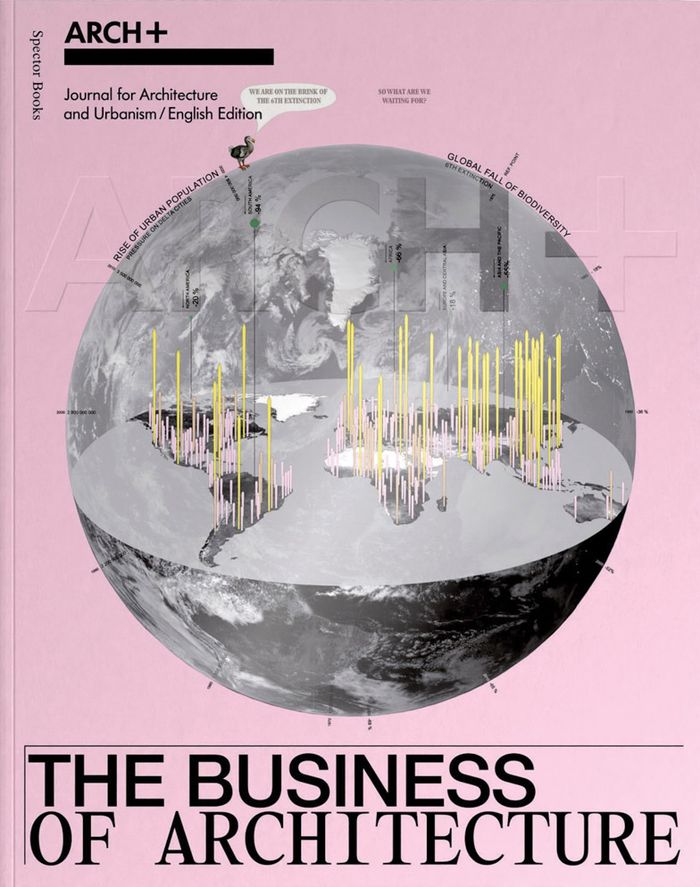
ARCH+ The business of architecture
Actions:
Prix:
$53.00
(disponible en magasin)
Résumé:
This publication examines the economic conditions of architecture, which are all too often disregarded in the day-to-day life of people working in the profession. The focus is on contracts, jobs, and office structures, on profitability and phases in the construction industry’s economic cycles, on work processes, authorship, and labour rights, on digital outsourcing, and digital out- sourcing. The book sets out to reveal the business footing on which architecture stands: How does it operate today in economic terms? "ARCH+ The Business of Architecture" is intended as a stimulus, offering tools that will empower budding and practising architects alike. A rich variety of (for the most part) up-and-coming offices are presented that have developed new, forward-looking business models, organizational strategies, and resource concepts: these include ARGE c/o, Assemble, Chybik+Kristof, Ana Filipovic, IFUB*, L’atelier—Nomadic Architecture Studio, and Space & Matter.
ARCH+ The business of architecture
Actions:
Prix:
$53.00
(disponible en magasin)
Résumé:
This publication examines the economic conditions of architecture, which are all too often disregarded in the day-to-day life of people working in the profession. The focus is on contracts, jobs, and office structures, on profitability and phases in the construction industry’s economic cycles, on work processes, authorship, and labour rights, on digital outsourcing, and digital out- sourcing. The book sets out to reveal the business footing on which architecture stands: How does it operate today in economic terms? "ARCH+ The Business of Architecture" is intended as a stimulus, offering tools that will empower budding and practising architects alike. A rich variety of (for the most part) up-and-coming offices are presented that have developed new, forward-looking business models, organizational strategies, and resource concepts: these include ARGE c/o, Assemble, Chybik+Kristof, Ana Filipovic, IFUB*, L’atelier—Nomadic Architecture Studio, and Space & Matter.
Classification:
livres
livres
Publication:
novembre 2024
novembre 2024
Sujet:
Revues
Revues
Classification:
livres
livres
Actions:
Prix:
$18.95
(disponible sur commande)
Résumé:
Digesting Recipes: The Art of Culinary Notation scrutinises the form of the recipe, using it as a means to explore a multitude of subjects in post-war Western art and culture, including industrial mass-production, consumerism, hidden labour, and art engaged with the everyday. Each chapter is presented as a dish in a nine-course meal, drawing on examples from published(...)
$18.95
(disponible sur commande)
Résumé:
Digesting Recipes: The Art of Culinary Notation scrutinises the form of the recipe, using it as a means to explore a multitude of subjects in post-war Western art and culture, including industrial mass-production, consumerism, hidden labour, and art engaged with the everyday. Each chapter is presented as a dish in a nine-course meal, drawing on examples from published(...)
Titre:
Digesting recipes: the art of culinary notation
Actions:
Prix:
$18.95
(disponible sur commande)
Résumé:
Digesting Recipes: The Art of Culinary Notation scrutinises the form of the recipe, using it as a means to explore a multitude of subjects in post-war Western art and culture, including industrial mass-production, consumerism, hidden labour, and art engaged with the everyday. Each chapter is presented as a dish in a nine-course meal, drawing on examples from published cookbooks and the work of artists such as Alison Knowles, Yoko Ono, Annette Messager, Martha Rosler, Barbara T. Smith, Bobby Baker and Mika Rottenberg. A recipe is an instruction, the imperative tone of the expert, but this constraint can offer its own kind of potential. A recipe need not be a domestic trap but might instead offer escape – something to fantasise about or aspire to. It can hold a promise of transformation both actual and metaphorical. It can be a proposal for action, or envision a possible future.
Digesting recipes: the art of culinary notation
Actions:
Prix:
$18.95
(disponible sur commande)
Résumé:
Digesting Recipes: The Art of Culinary Notation scrutinises the form of the recipe, using it as a means to explore a multitude of subjects in post-war Western art and culture, including industrial mass-production, consumerism, hidden labour, and art engaged with the everyday. Each chapter is presented as a dish in a nine-course meal, drawing on examples from published cookbooks and the work of artists such as Alison Knowles, Yoko Ono, Annette Messager, Martha Rosler, Barbara T. Smith, Bobby Baker and Mika Rottenberg. A recipe is an instruction, the imperative tone of the expert, but this constraint can offer its own kind of potential. A recipe need not be a domestic trap but might instead offer escape – something to fantasise about or aspire to. It can hold a promise of transformation both actual and metaphorical. It can be a proposal for action, or envision a possible future.
Classification:
livres
livres
Publication:
mai 2016
mai 2016
Sujet:
Bouffe
Bouffe
Classification:
livres
livres
Actions:
Prix:
$32.00
(disponible en magasin)
Résumé:
This book, the first by the design and research practice Material Cultures, assembles a series of short essays and conversations exploring the cultures, systems, and infrastructures that shape the architectural industry and the destructive ecologies it fosters. The building practices dominating contemporary architecture are rooted in the exploitation of people and the(...)
$32.00
(disponible en magasin)
Résumé:
This book, the first by the design and research practice Material Cultures, assembles a series of short essays and conversations exploring the cultures, systems, and infrastructures that shape the architectural industry and the destructive ecologies it fosters. The building practices dominating contemporary architecture are rooted in the exploitation of people and the(...)
Publication:
octobre 2022
octobre 2022
Titre:
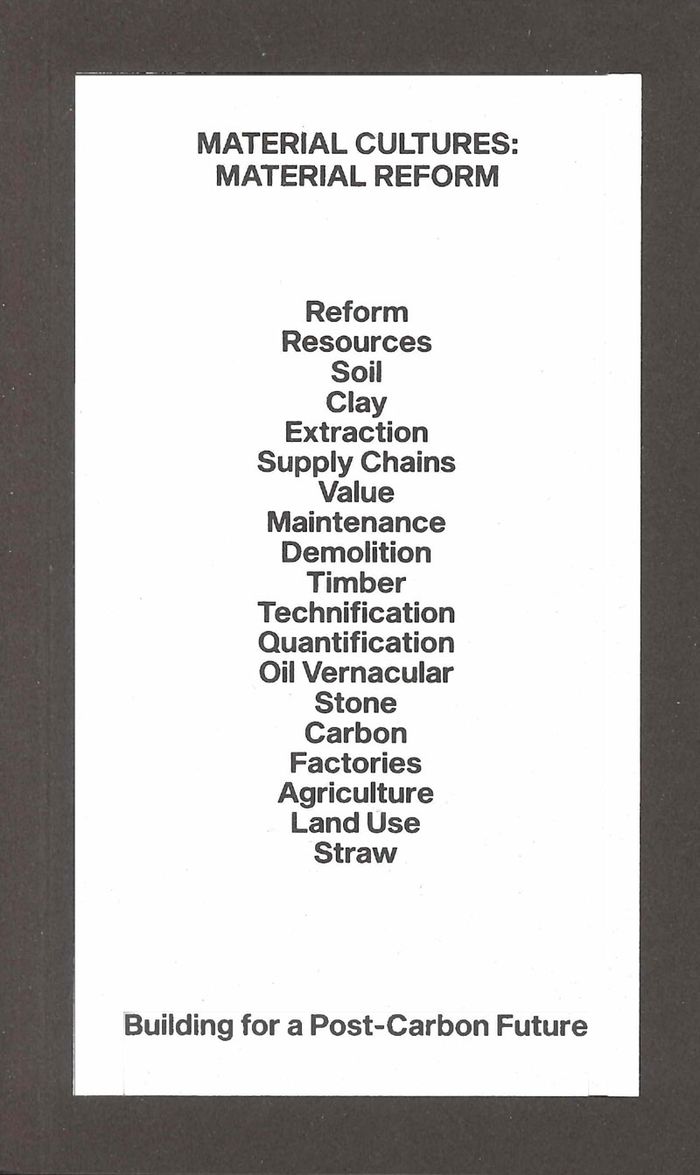
Material reform, material cultures
Actions:
Prix:
$32.00
(disponible en magasin)
Résumé:
This book, the first by the design and research practice Material Cultures, assembles a series of short essays and conversations exploring the cultures, systems, and infrastructures that shape the architectural industry and the destructive ecologies it fosters. The building practices dominating contemporary architecture are rooted in the exploitation of people and the degradation of our landscapes. Here, Paloma Gormley, Summer Islam, and George Massoud explore how this has come about and how alternative systems, with holistic approaches to the built environment, might be formulated. It presents a set of instructive and challenging perspectives drawing directly on the dialogues and tensions Material Cultures encounter in their day-to-day work. Texts centred around key concepts including labour, time, maintenance, language, land, and touch are interwoven with a visual essay reckoning with the processes that have transformed industrialised landscapes at different scales of experience and resolution.
Material reform, material cultures
Actions:
Prix:
$32.00
(disponible en magasin)
Résumé:
This book, the first by the design and research practice Material Cultures, assembles a series of short essays and conversations exploring the cultures, systems, and infrastructures that shape the architectural industry and the destructive ecologies it fosters. The building practices dominating contemporary architecture are rooted in the exploitation of people and the degradation of our landscapes. Here, Paloma Gormley, Summer Islam, and George Massoud explore how this has come about and how alternative systems, with holistic approaches to the built environment, might be formulated. It presents a set of instructive and challenging perspectives drawing directly on the dialogues and tensions Material Cultures encounter in their day-to-day work. Texts centred around key concepts including labour, time, maintenance, language, land, and touch are interwoven with a visual essay reckoning with the processes that have transformed industrialised landscapes at different scales of experience and resolution.
Classification:
livres
livres
Publication:
octobre 2022
octobre 2022
Classification:
livres
livres
Actions:
Exemplaires:
Description:
224 pages : color illustrations ; 26 cm
Description:
224 pages : color illustrations ; 26 cm
Auteur:
Sujet:
Publication:
Los Angeles : Hammer Museum ; Munich ; New York : DelMonico Books/Prestel, 2010.
Los Angeles : Hammer Museum ; Munich ; New York : DelMonico Books/Prestel, 2010.
Titre:
Rachel Whiteread drawings / Allegra Pesenti ; with essays by Ann Gallagher and Allegra Pesenti and a visual essay by Rachel Whiteread.
Actions:
Exemplaires:
Description:
224 pages : color illustrations ; 26 cm
Rachel Whiteread drawings / Allegra Pesenti ; with essays by Ann Gallagher and Allegra Pesenti and a visual essay by Rachel Whiteread.
Actions:
Exemplaires:
Description:
224 pages : color illustrations ; 26 cm
Classification:
livres
livres
Publication:
Los Angeles : Hammer Museum ; Munich ; New York : DelMonico Books/Prestel, 2010.
Los Angeles : Hammer Museum ; Munich ; New York : DelMonico Books/Prestel, 2010.
Auteur:
Sujet:
Classification:
livres
livres

Actions:
Prix:
$25.00
(disponible sur commande)
Résumé:
Delving behind Canada’s veneer of multiculturalism and tolerance, ''Policing Black lives'' traces the violent realities of anti-blackness from the slave ships to prisons, classrooms and beyond. Robyn Maynard provides readers with the first comprehensive account of nearly four hundred years of state-sanctioned surveillance, criminalization and punishment of Black lives in(...)
$25.00
(disponible sur commande)
Résumé:
Delving behind Canada’s veneer of multiculturalism and tolerance, ''Policing Black lives'' traces the violent realities of anti-blackness from the slave ships to prisons, classrooms and beyond. Robyn Maynard provides readers with the first comprehensive account of nearly four hundred years of state-sanctioned surveillance, criminalization and punishment of Black lives in(...)
Titre:
Policing Black lives: state violence in Canada from slavery to the present
Actions:
Prix:
$25.00
(disponible sur commande)
Résumé:
Delving behind Canada’s veneer of multiculturalism and tolerance, ''Policing Black lives'' traces the violent realities of anti-blackness from the slave ships to prisons, classrooms and beyond. Robyn Maynard provides readers with the first comprehensive account of nearly four hundred years of state-sanctioned surveillance, criminalization and punishment of Black lives in Canada. While highlighting the ubiquity of Black resistance, ''Policing Black lives'' traces the still-living legacy of slavery across multiple institutions, shedding light on the state’s role in perpetuating contemporary Black poverty and unemployment, racial profiling, law enforcement violence, incarceration, immigration detention, deportation, exploitative migrant labour practices, disproportionate child removal and low graduation rates. Emerging from a critical race feminist framework that insists that all Black lives matter, Maynard’s intersectional approach to anti-Black racism addresses the unique and understudied impacts of state violence as it is experienced by Black women, Black people with disabilities, as well as queer, trans, and undocumented Black communities.
Policing Black lives: state violence in Canada from slavery to the present
Actions:
Prix:
$25.00
(disponible sur commande)
Résumé:
Delving behind Canada’s veneer of multiculturalism and tolerance, ''Policing Black lives'' traces the violent realities of anti-blackness from the slave ships to prisons, classrooms and beyond. Robyn Maynard provides readers with the first comprehensive account of nearly four hundred years of state-sanctioned surveillance, criminalization and punishment of Black lives in Canada. While highlighting the ubiquity of Black resistance, ''Policing Black lives'' traces the still-living legacy of slavery across multiple institutions, shedding light on the state’s role in perpetuating contemporary Black poverty and unemployment, racial profiling, law enforcement violence, incarceration, immigration detention, deportation, exploitative migrant labour practices, disproportionate child removal and low graduation rates. Emerging from a critical race feminist framework that insists that all Black lives matter, Maynard’s intersectional approach to anti-Black racism addresses the unique and understudied impacts of state violence as it is experienced by Black women, Black people with disabilities, as well as queer, trans, and undocumented Black communities.
Classification:
livres
livres
Publication:
octobre 2017
octobre 2017
Sujet:
Social
Social
Classification:
livres
livres
Titre:
Archive of forgetfulness
Archive of forgetfulness
Actions:
Prix:
$42.00
(disponible en magasin)
Résumé:
''Archive of Forgetfulness'' is a catalogue of the pan-African digital exhibition and podcast series which ran from September 2020 and December 2021 at archiveofforgetfulness.com. The publication acts as a physical translation of the collection of work online, and opens up wider questions around archives, memory and forgetfulness. The project includes the work of(...)
$42.00
(disponible en magasin)
Résumé:
''Archive of Forgetfulness'' is a catalogue of the pan-African digital exhibition and podcast series which ran from September 2020 and December 2021 at archiveofforgetfulness.com. The publication acts as a physical translation of the collection of work online, and opens up wider questions around archives, memory and forgetfulness. The project includes the work of(...)
Titre:
Archive of forgetfulness
Actions:
Prix:
$42.00
(disponible en magasin)
Résumé:
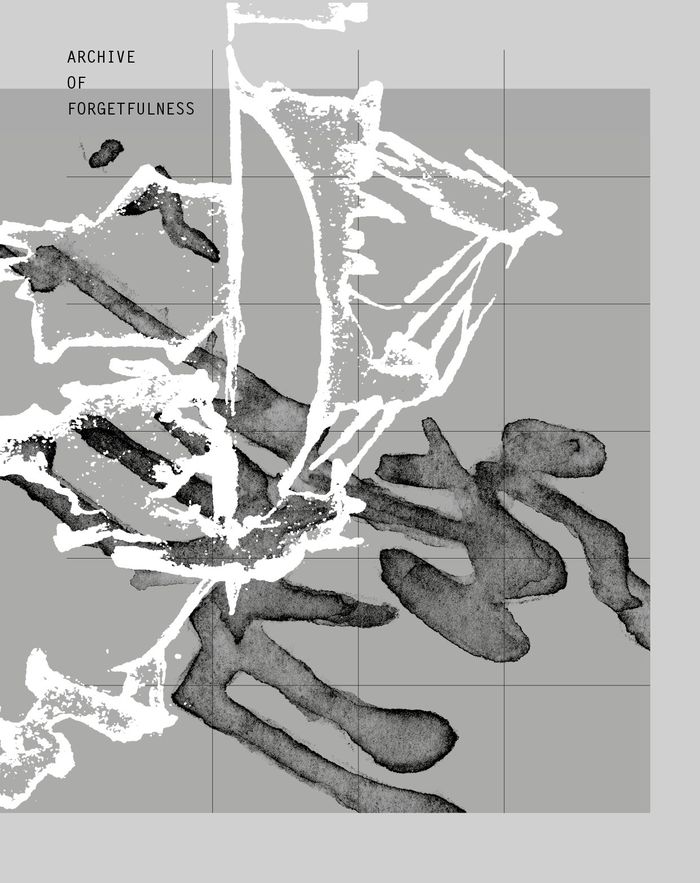
''Archive of Forgetfulness'' is a catalogue of the pan-African digital exhibition and podcast series which ran from September 2020 and December 2021 at archiveofforgetfulness.com. The publication acts as a physical translation of the collection of work online, and opens up wider questions around archives, memory and forgetfulness. The project includes the work of fifty-six artists, cultural producers, curators, creative thinkers and researchers from the African continent and diaspora. The catalogue speaks to the four parts of this larger project, namely an eight-part podcast series, twenty-two art works submitted in response to an open call, five essays and six regionally curated projects. As a collection of work centred on the African continent, the various contributors interrogate archival gestures, raise questions on personal and political histories that emerge via infrastructures of mobility, and suggest ways of living and remembering for alternative possible futures. In these works, archival labour and memory work are understood as deeply political, personal and speculative.
Archive of forgetfulness
Actions:
Prix:
$42.00
(disponible en magasin)
Résumé:
''Archive of Forgetfulness'' is a catalogue of the pan-African digital exhibition and podcast series which ran from September 2020 and December 2021 at archiveofforgetfulness.com. The publication acts as a physical translation of the collection of work online, and opens up wider questions around archives, memory and forgetfulness. The project includes the work of fifty-six artists, cultural producers, curators, creative thinkers and researchers from the African continent and diaspora. The catalogue speaks to the four parts of this larger project, namely an eight-part podcast series, twenty-two art works submitted in response to an open call, five essays and six regionally curated projects. As a collection of work centred on the African continent, the various contributors interrogate archival gestures, raise questions on personal and political histories that emerge via infrastructures of mobility, and suggest ways of living and remembering for alternative possible futures. In these works, archival labour and memory work are understood as deeply political, personal and speculative.
Classification:
livres
livres
Publication:
juin 2023
juin 2023
Sujet:
Architecture contemporaine
Architecture contemporaine
Classification:
livres
livres
Actions:
Prix:
$131.00
(disponible sur commande)
Résumé:
In the late nineteenth century, Charles Booth’s landmark social and economic survey found that 35 percent of Londoners were living in abject poverty. Booth’s team of social investigators interviewed Londoners from all walks of life, recording their comments, together with their own unrestrained remarks and statistical information, in 450 notebooks. Their findings formed(...)
$131.00
(disponible sur commande)
Résumé:
In the late nineteenth century, Charles Booth’s landmark social and economic survey found that 35 percent of Londoners were living in abject poverty. Booth’s team of social investigators interviewed Londoners from all walks of life, recording their comments, together with their own unrestrained remarks and statistical information, in 450 notebooks. Their findings formed(...)
Publication:
novembre 2019
novembre 2019
Titre:
Charles Booth's London poverty maps: a landmark reasessment of Booth's social survey
Actions:
Prix:
$131.00
(disponible sur commande)
Résumé:
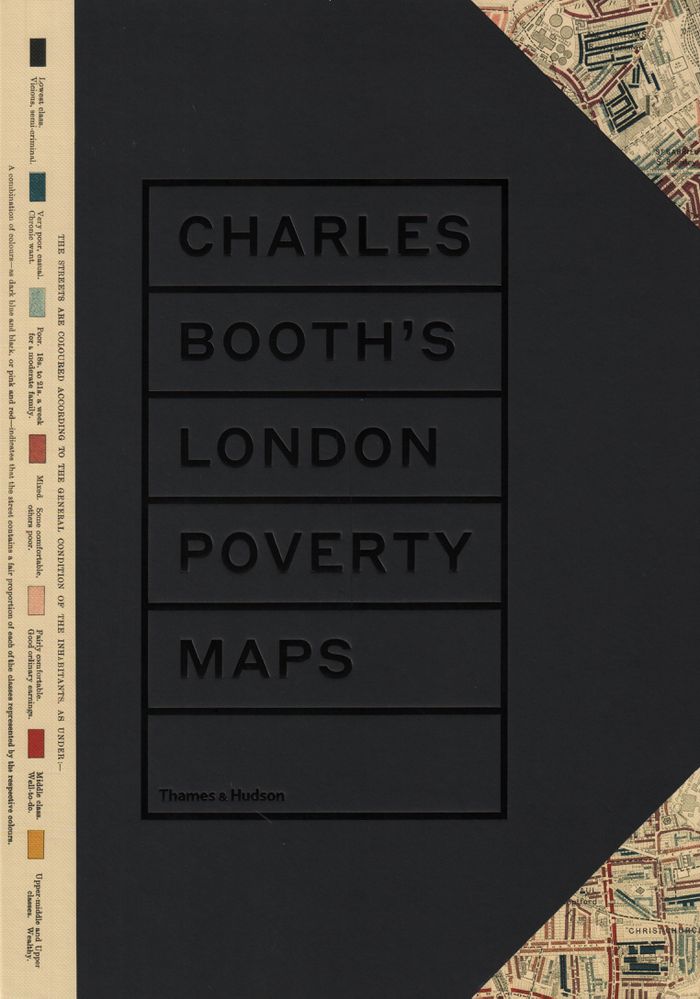
In the late nineteenth century, Charles Booth’s landmark social and economic survey found that 35 percent of Londoners were living in abject poverty. Booth’s team of social investigators interviewed Londoners from all walks of life, recording their comments, together with their own unrestrained remarks and statistical information, in 450 notebooks. Their findings formed the basis of Booth’s colour-coded social mapping (from vicious and semi-criminal to wealthy) and his seventeen-volume survey "Inquiry into the Life and Labour of the People of London, 1886–1903". Organized into six geographical sections, "Charles Booth’s London poverty map"s presents the hand-coloured preparatory and printed social mapping of London. Accompanying the maps are reproductions of pages from the original notebooks, containing anecdotes and observations too judgmental for Booth to include in his final published survey. An introduction by professor Mary S. Morgan clarifies the aims and methodology of Booth’s survey and six themed essays contextualize the the survey’s findings, accompanied by evocative period photographs.
Charles Booth's London poverty maps: a landmark reasessment of Booth's social survey
Actions:
Prix:
$131.00
(disponible sur commande)
Résumé:
In the late nineteenth century, Charles Booth’s landmark social and economic survey found that 35 percent of Londoners were living in abject poverty. Booth’s team of social investigators interviewed Londoners from all walks of life, recording their comments, together with their own unrestrained remarks and statistical information, in 450 notebooks. Their findings formed the basis of Booth’s colour-coded social mapping (from vicious and semi-criminal to wealthy) and his seventeen-volume survey "Inquiry into the Life and Labour of the People of London, 1886–1903". Organized into six geographical sections, "Charles Booth’s London poverty map"s presents the hand-coloured preparatory and printed social mapping of London. Accompanying the maps are reproductions of pages from the original notebooks, containing anecdotes and observations too judgmental for Booth to include in his final published survey. An introduction by professor Mary S. Morgan clarifies the aims and methodology of Booth’s survey and six themed essays contextualize the the survey’s findings, accompanied by evocative period photographs.
Classification:
livres
livres
Publication:
novembre 2019
novembre 2019


