


5779 Résultats
Classification:
livres
livres
Titre:
Hannah Höch album
Hannah Höch album
Actions:
Prix:
$91.00
(disponible sur commande)
Résumé:
As one of the protagonists of the Berlin Dada movement, Hannah Höch railed against tradition and conservatism in 1920s Germany. Höch and such cohorts as George Grosz and Raoul Hausmann raised anarchic revolution through cutting photomontage, nonsensical performance, and biting visual satire. A singular and important work in the artist's oeuvre is the so-called(...)
$91.00
(disponible sur commande)
Résumé:
As one of the protagonists of the Berlin Dada movement, Hannah Höch railed against tradition and conservatism in 1920s Germany. Höch and such cohorts as George Grosz and Raoul Hausmann raised anarchic revolution through cutting photomontage, nonsensical performance, and biting visual satire. A singular and important work in the artist's oeuvre is the so-called(...)
Titre:
Hannah Höch album
Actions:
Prix:
$91.00
(disponible sur commande)
Résumé:
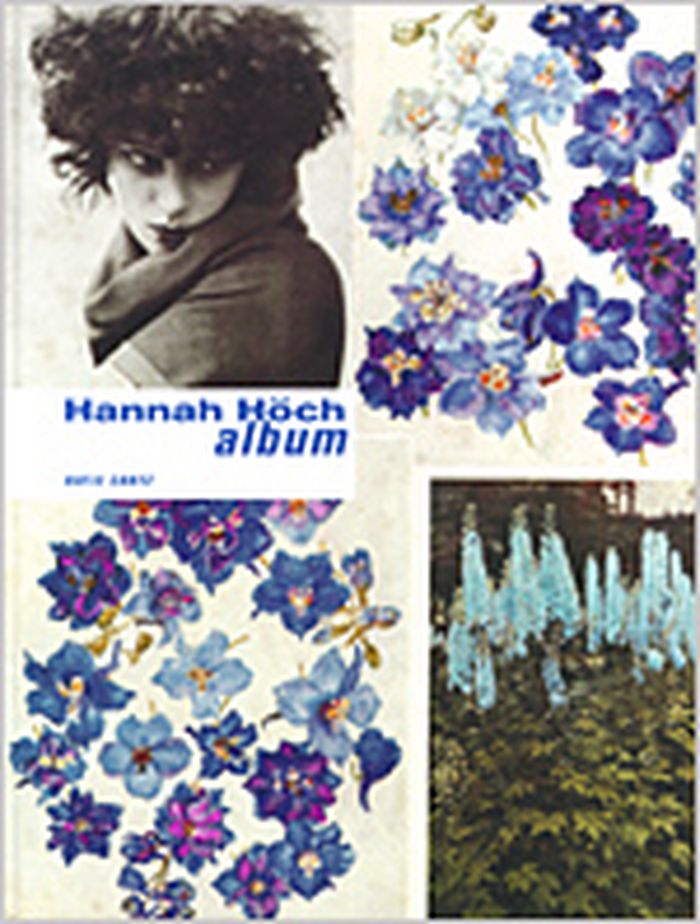
As one of the protagonists of the Berlin Dada movement, Hannah Höch railed against tradition and conservatism in 1920s Germany. Höch and such cohorts as George Grosz and Raoul Hausmann raised anarchic revolution through cutting photomontage, nonsensical performance, and biting visual satire. A singular and important work in the artist's oeuvre is the so-called "Sammelalbum," which she produced and pasted together from found imagery for her own pleasure and use, circa 1933. In it, she arranged a choice selection of newspaper and magazine photographs cut from popular German magazines of the time, such as the Berliner Illustrirte and Der Dame. A diverse, allusive group of images they are, representing everything from her favorite film stars to oddly captured animals and toy dolls, nudes, landscapes, scenic travel vistas, and synchronized dancers. By combining the collected pictures in continuous and sometimes contradictory sequences and double-page spreads, Höch created startling and often jarring photo collages. Never before published, Album can be considered to represent a heretofore unknown aspect of Höch's work, since its style of collage differs strongly from her well-known photomontages. This publication presents the entire Album in an exquisite facsimile reproduction, maintaining the filmic quality of its order and layout. In an accompanying essay, Gunda Luyken considers the content and history of the Album, locating it in the wider context of Höch’s oeuvre.
Hannah Höch album
Actions:
Prix:
$91.00
(disponible sur commande)
Résumé:
As one of the protagonists of the Berlin Dada movement, Hannah Höch railed against tradition and conservatism in 1920s Germany. Höch and such cohorts as George Grosz and Raoul Hausmann raised anarchic revolution through cutting photomontage, nonsensical performance, and biting visual satire. A singular and important work in the artist's oeuvre is the so-called "Sammelalbum," which she produced and pasted together from found imagery for her own pleasure and use, circa 1933. In it, she arranged a choice selection of newspaper and magazine photographs cut from popular German magazines of the time, such as the Berliner Illustrirte and Der Dame. A diverse, allusive group of images they are, representing everything from her favorite film stars to oddly captured animals and toy dolls, nudes, landscapes, scenic travel vistas, and synchronized dancers. By combining the collected pictures in continuous and sometimes contradictory sequences and double-page spreads, Höch created startling and often jarring photo collages. Never before published, Album can be considered to represent a heretofore unknown aspect of Höch's work, since its style of collage differs strongly from her well-known photomontages. This publication presents the entire Album in an exquisite facsimile reproduction, maintaining the filmic quality of its order and layout. In an accompanying essay, Gunda Luyken considers the content and history of the Album, locating it in the wider context of Höch’s oeuvre.
Classification:
livres
livres
Publication:
février 2004, Ostfildern
février 2004, Ostfildern
Sujet:
Monographies photo
Monographies photo
Classification:
livres
livres
Titre:
Tamiko Nishimura: Journeys
Tamiko Nishimura: Journeys
Actions:
Prix:
$54.95
(disponible en magasin)
Résumé:
Tamiko Nishimura (Born in Tokyo, 1948) graduated from Tokyo College of Photography (now Tokyo Visual Arts) in 1969. She emerged as part of the vibrant Japanese avant-garde scene in the early 1970s. Over the years, her work—largely based on her own journeys and experiences in Japan and abroad—conveys both a personal and beautifully theatrical perspective on the world.(...)
$54.95
(disponible en magasin)
Résumé:
Tamiko Nishimura (Born in Tokyo, 1948) graduated from Tokyo College of Photography (now Tokyo Visual Arts) in 1969. She emerged as part of the vibrant Japanese avant-garde scene in the early 1970s. Over the years, her work—largely based on her own journeys and experiences in Japan and abroad—conveys both a personal and beautifully theatrical perspective on the world.(...)
Sujet:
Monographies photo
Monographies photo
Publication:
novembre 2025
novembre 2025
Titre:
Tamiko Nishimura: Journeys
Actions:
Prix:
$54.95
(disponible en magasin)
Résumé:
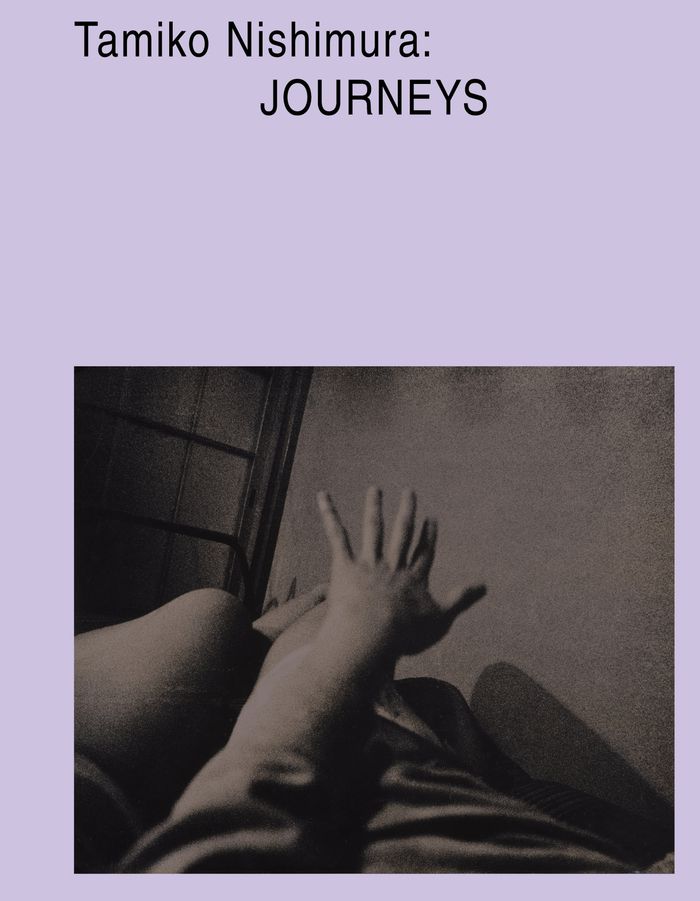
Tamiko Nishimura (Born in Tokyo, 1948) graduated from Tokyo College of Photography (now Tokyo Visual Arts) in 1969. She emerged as part of the vibrant Japanese avant-garde scene in the early 1970s. Over the years, her work—largely based on her own journeys and experiences in Japan and abroad—conveys both a personal and beautifully theatrical perspective on the world. Nishimura photographs in an instinctive and spontaneous way. Her visual language is poetic, spiritual, and deeply personal. While her stylistic approach to image-making, in contrasted black and white, often blurred, or grainy, is close to some of the artists associated with Provoke, her work is imbued with an introspective and haunting quality that evokes a unique and profound emotional dimension. Throughout her long and ongoing career, Nishimura has photographed women with a distinct attentiveness. The closeup of a woman’s face, her hair brushed by the wind; a woman energetically walking down the street with her grocery basket, her head turned away from the camera; the back of two women walking down a street; a girl reading on a sofa with a magazine resting on her knees; or the intimate portraits of her childhood friend. These photographs depicting women in their everyday lives are filled with a knowing and empathetic quality that stands out in the history of Japanese photography.
Tamiko Nishimura: Journeys
Actions:
Prix:
$54.95
(disponible en magasin)
Résumé:
Tamiko Nishimura (Born in Tokyo, 1948) graduated from Tokyo College of Photography (now Tokyo Visual Arts) in 1969. She emerged as part of the vibrant Japanese avant-garde scene in the early 1970s. Over the years, her work—largely based on her own journeys and experiences in Japan and abroad—conveys both a personal and beautifully theatrical perspective on the world. Nishimura photographs in an instinctive and spontaneous way. Her visual language is poetic, spiritual, and deeply personal. While her stylistic approach to image-making, in contrasted black and white, often blurred, or grainy, is close to some of the artists associated with Provoke, her work is imbued with an introspective and haunting quality that evokes a unique and profound emotional dimension. Throughout her long and ongoing career, Nishimura has photographed women with a distinct attentiveness. The closeup of a woman’s face, her hair brushed by the wind; a woman energetically walking down the street with her grocery basket, her head turned away from the camera; the back of two women walking down a street; a girl reading on a sofa with a magazine resting on her knees; or the intimate portraits of her childhood friend. These photographs depicting women in their everyday lives are filled with a knowing and empathetic quality that stands out in the history of Japanese photography.
Classification:
livres
livres
Publication:
novembre 2025
novembre 2025
Sujet:
Monographies photo
Monographies photo
Classification:
livres
livres
Actions:
Prix:
$12.95
(disponible sur commande)
Résumé:
In 1956, Time magazine called him one of the “form-givers of the 20th century“: with his invention of steel-tube furniture, Marcel Breuer (1902-1981) has made his mark in the history of design at the tender age of 23. He started his architectural career as one of the Bauhaus’s most influential architects with the 1932 Harnischmacher House. Even Breuer’s earliest work was(...)
$12.95
(disponible sur commande)
Résumé:
In 1956, Time magazine called him one of the “form-givers of the 20th century“: with his invention of steel-tube furniture, Marcel Breuer (1902-1981) has made his mark in the history of design at the tender age of 23. He started his architectural career as one of the Bauhaus’s most influential architects with the 1932 Harnischmacher House. Even Breuer’s earliest work was(...)
Titre:
Breuer : 1902-1981 Createur de formes du XXe siecle
Actions:
Prix:
$12.95
(disponible sur commande)
Résumé:
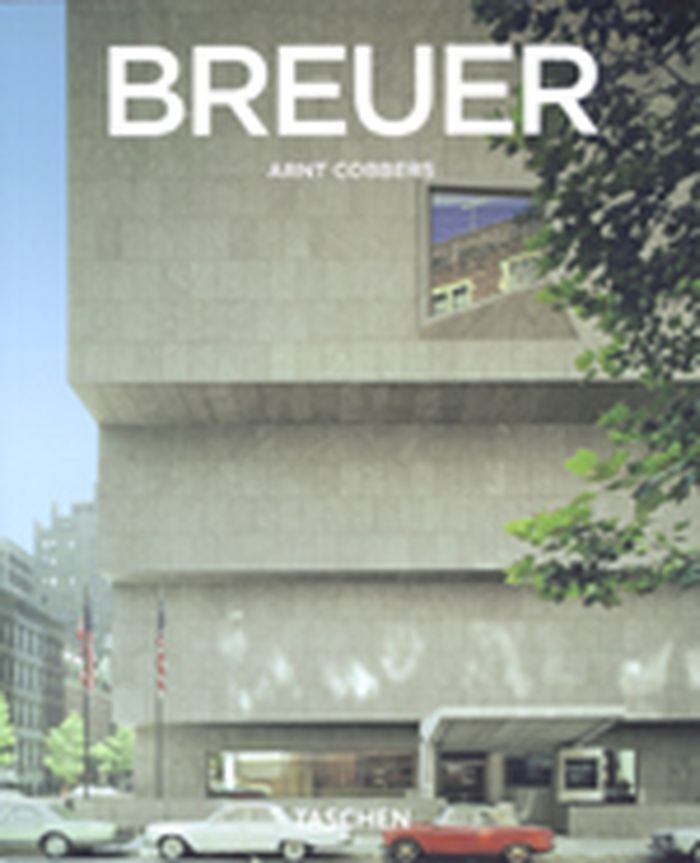
In 1956, Time magazine called him one of the “form-givers of the 20th century“: with his invention of steel-tube furniture, Marcel Breuer (1902-1981) has made his mark in the history of design at the tender age of 23. He started his architectural career as one of the Bauhaus’s most influential architects with the 1932 Harnischmacher House. Even Breuer’s earliest work was marked by the search for a symbiosis between local and global, big and small, smooth and rough. His sparse use of materials emphasized the balance among textures, colors, and shapes. In 1943, he conceived the “binuclear” house concept—the splitting of living and sleeping areas into separate wings—which he first applied to the Geller House I (1944-1946), and which would attain great popularity. After designing the UNESCO headquarters in Paris (1953-1958), reinforced concrete, with its formal plasticity und structural elasticity, continued to give monumental character to buildings such as the Abbey and Campus of St. John’s University in Minnesota (1953-1961), the IBM Research Center in France (1960-1962), and the Whitney Museum of American Art (1963-1966) in New York City. With his keen sense of proportion, shape, and material, Breuer is one of the most important Modernists and is still very much central in the discussion of contemporary architecture.
Breuer : 1902-1981 Createur de formes du XXe siecle
Actions:
Prix:
$12.95
(disponible sur commande)
Résumé:
In 1956, Time magazine called him one of the “form-givers of the 20th century“: with his invention of steel-tube furniture, Marcel Breuer (1902-1981) has made his mark in the history of design at the tender age of 23. He started his architectural career as one of the Bauhaus’s most influential architects with the 1932 Harnischmacher House. Even Breuer’s earliest work was marked by the search for a symbiosis between local and global, big and small, smooth and rough. His sparse use of materials emphasized the balance among textures, colors, and shapes. In 1943, he conceived the “binuclear” house concept—the splitting of living and sleeping areas into separate wings—which he first applied to the Geller House I (1944-1946), and which would attain great popularity. After designing the UNESCO headquarters in Paris (1953-1958), reinforced concrete, with its formal plasticity und structural elasticity, continued to give monumental character to buildings such as the Abbey and Campus of St. John’s University in Minnesota (1953-1961), the IBM Research Center in France (1960-1962), and the Whitney Museum of American Art (1963-1966) in New York City. With his keen sense of proportion, shape, and material, Breuer is one of the most important Modernists and is still very much central in the discussion of contemporary architecture.
Classification:
livres
livres
Publication:
juillet 2007, Cologne
juillet 2007, Cologne
Sujet:
Architecture, monographies
Architecture, monographies
Classification:
livres
livres
Titre:
Mike Mills : fireworks
Mike Mills : fireworks
Actions:
Prix:
$17.99
(disponible sur commande)
Résumé:
"Some things that may or may not relate to these drawings: A professional suggested I take anti-depressants. I declined. About the same time I started drawing fireworks. I didn’t know what they meant or why I was drawing them. I was confused and embarrassed by this lack of meaning, but they kept coming. I could draw them no matter how I felt. I read that fireworks were(...)
$17.99
(disponible sur commande)
Résumé:
"Some things that may or may not relate to these drawings: A professional suggested I take anti-depressants. I declined. About the same time I started drawing fireworks. I didn’t know what they meant or why I was drawing them. I was confused and embarrassed by this lack of meaning, but they kept coming. I could draw them no matter how I felt. I read that fireworks were(...)
Titre:
Mike Mills : fireworks
Actions:
Prix:
$17.99
(disponible sur commande)
Résumé:
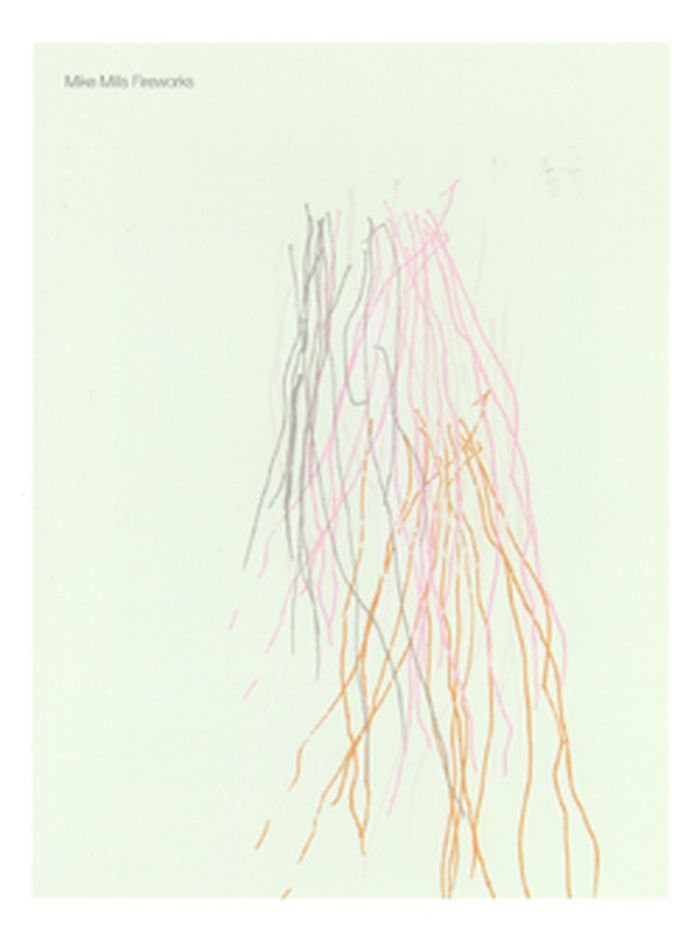
"Some things that may or may not relate to these drawings: A professional suggested I take anti-depressants. I declined. About the same time I started drawing fireworks. I didn’t know what they meant or why I was drawing them. I was confused and embarrassed by this lack of meaning, but they kept coming. I could draw them no matter how I felt. I read that fireworks were first used in China in the 12th century to scare away negative spirits. I envied a world that not only recognized spirits, but scared the negative ones away with small man made explosions. About the same time, I read in a magazine that antidepressants have a hard time performing better than the placebo pills they are tested against. Scientist cannot explain it, but almost as many people who take the fake pills say they feel relief from their depression. The blood flow in their brains actually changes in the same positive way that it does for the people who take the real pills. I felt a connection between the Chinese fireworks and the placebo effect, and some relief in all the things we don’t understand. At some point the fireworks grew more and more abstract, and messy, and complicated, and I became if not content then at least willing to make things that didn’t have any apparent meaning." Mike Mills
Mike Mills : fireworks
Actions:
Prix:
$17.99
(disponible sur commande)
Résumé:
"Some things that may or may not relate to these drawings: A professional suggested I take anti-depressants. I declined. About the same time I started drawing fireworks. I didn’t know what they meant or why I was drawing them. I was confused and embarrassed by this lack of meaning, but they kept coming. I could draw them no matter how I felt. I read that fireworks were first used in China in the 12th century to scare away negative spirits. I envied a world that not only recognized spirits, but scared the negative ones away with small man made explosions. About the same time, I read in a magazine that antidepressants have a hard time performing better than the placebo pills they are tested against. Scientist cannot explain it, but almost as many people who take the fake pills say they feel relief from their depression. The blood flow in their brains actually changes in the same positive way that it does for the people who take the real pills. I felt a connection between the Chinese fireworks and the placebo effect, and some relief in all the things we don’t understand. At some point the fireworks grew more and more abstract, and messy, and complicated, and I became if not content then at least willing to make things that didn’t have any apparent meaning." Mike Mills
Classification:
livres
livres
Publication:
janvier 1900, Zürich
janvier 1900, Zürich
Classification:
livres
livres

Titre:
Shelter cookbook
Shelter cookbook
Actions:
Prix:
$55.00
(disponible en magasin)
Résumé:
DIY architect, publisher and pioneer of the self-build movement, Lloyd Kahn (born 1935) is a legend of the American counterculture. Influenced by Buckminster Fuller, in 1968 Kahn started building geodesic domes, and was an editor for Stewart Brand’s Whole Earth Catalog. In 1970 Kahn published his first book, Domebook One, followed the next year by the bestselling Domebook(...)
$55.00
(disponible en magasin)
Résumé:
DIY architect, publisher and pioneer of the self-build movement, Lloyd Kahn (born 1935) is a legend of the American counterculture. Influenced by Buckminster Fuller, in 1968 Kahn started building geodesic domes, and was an editor for Stewart Brand’s Whole Earth Catalog. In 1970 Kahn published his first book, Domebook One, followed the next year by the bestselling Domebook(...)
Sujet:
Théorie de l’architecture
Théorie de l’architecture
Publication:
décembre 2025
décembre 2025
Titre:
Shelter cookbook
Actions:
Prix:
$55.00
(disponible en magasin)
Résumé:
DIY architect, publisher and pioneer of the self-build movement, Lloyd Kahn (born 1935) is a legend of the American counterculture. Influenced by Buckminster Fuller, in 1968 Kahn started building geodesic domes, and was an editor for Stewart Brand’s Whole Earth Catalog. In 1970 Kahn published his first book, Domebook One, followed the next year by the bestselling Domebook 2. In 1971, he bought land in Bolinas and built a geodesic dome (later to be featured in Life magazine), but he soon pursued other ways to build, resulting in the classic 1973 book "Shelter." Kahn published numerous self-build books over the ensuing decades, most recently "Tiny Homes on the Move" (2014). "Shelter Cookbook" is an exploration of Kahn’s now iconic publications by the Swiss architect Leopold Banchini (born 1981) - whose practice makes emphatic use of DIY architecture culture- and the German author and curator Lukas Feireiss (born 1977). It relates Kahn’s building philosophy to contemporary practices, recording Banchini and Feireiss’ personal search for unexpected relationships between historical documents and contemporary architectural projects. The large-format volume includes interviews, photospreads and archival material on self-building, and also includes a mycological investigation. "Shelter Cookbook" will inspire architects, designers, artists and counterculture cognoscenti alike with its positive vision of the possibilities and legacy of the self-build movement.
Shelter cookbook
Actions:
Prix:
$55.00
(disponible en magasin)
Résumé:
DIY architect, publisher and pioneer of the self-build movement, Lloyd Kahn (born 1935) is a legend of the American counterculture. Influenced by Buckminster Fuller, in 1968 Kahn started building geodesic domes, and was an editor for Stewart Brand’s Whole Earth Catalog. In 1970 Kahn published his first book, Domebook One, followed the next year by the bestselling Domebook 2. In 1971, he bought land in Bolinas and built a geodesic dome (later to be featured in Life magazine), but he soon pursued other ways to build, resulting in the classic 1973 book "Shelter." Kahn published numerous self-build books over the ensuing decades, most recently "Tiny Homes on the Move" (2014). "Shelter Cookbook" is an exploration of Kahn’s now iconic publications by the Swiss architect Leopold Banchini (born 1981) - whose practice makes emphatic use of DIY architecture culture- and the German author and curator Lukas Feireiss (born 1977). It relates Kahn’s building philosophy to contemporary practices, recording Banchini and Feireiss’ personal search for unexpected relationships between historical documents and contemporary architectural projects. The large-format volume includes interviews, photospreads and archival material on self-building, and also includes a mycological investigation. "Shelter Cookbook" will inspire architects, designers, artists and counterculture cognoscenti alike with its positive vision of the possibilities and legacy of the self-build movement.
Classification:
livres
livres
Publication:
décembre 2025
décembre 2025
Sujet:
Théorie de l’architecture
Théorie de l’architecture
Classification:
livres
livres
Titre:
La Fábrica, Ricardo Bofill
La Fábrica, Ricardo Bofill
Actions:
Prix:
$81.00
(disponible sur commande)
Résumé:
La Fábrica is one of Ricardo Bofill’s most iconoclastic creations. A former cement factory on the outskirts of Barcelona, serendipitously discovered while driving, the building became the centre of the late Catalan architect’s life, serving both as his home and as the headquarters of his practice since 1973. Here, Ricardo created a world of his own, exposing the concrete(...)
$81.00
(disponible sur commande)
Résumé:
La Fábrica is one of Ricardo Bofill’s most iconoclastic creations. A former cement factory on the outskirts of Barcelona, serendipitously discovered while driving, the building became the centre of the late Catalan architect’s life, serving both as his home and as the headquarters of his practice since 1973. Here, Ricardo created a world of his own, exposing the concrete(...)
Titre:
La Fábrica, Ricardo Bofill
Actions:
Prix:
$81.00
(disponible sur commande)
Résumé:
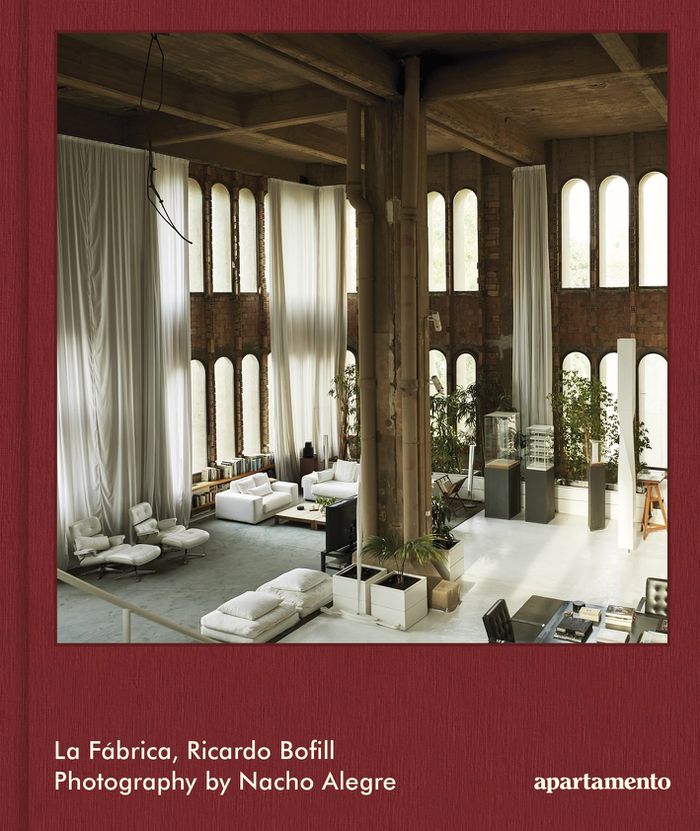
La Fábrica is one of Ricardo Bofill’s most iconoclastic creations. A former cement factory on the outskirts of Barcelona, serendipitously discovered while driving, the building became the centre of the late Catalan architect’s life, serving both as his home and as the headquarters of his practice since 1973. Here, Ricardo created a world of his own, exposing the concrete forms from beneath years of dust and smoke, encouraging nature back onto the structure, and fine-tuning the balance between its monumental scale and a delicate, human sensibility, in one of the earliest examples of the reuse of an industrial building—and it’s still changing. This new edition expands on the book originally published in 2018, featuring exclusive archival imagery courtesy of RBTA and an expansive selection of photographs taken by Nacho Alegre on his visits to La Fábrica over the last decade. He returned in November 2022 to document the building in its current state, closing the book with 32 pages of otherwise unseen images—a portrait of Ricardo’s most cherished work at a moment of profound transformation. With an introduction by Pablo Bofill, the book also features an interview with Ricardo himself by Barcelona-based architects Arquitectura-G and Guillermo López, an extended version of the conversation originally published in issue #11 of Apartamento magazine.
La Fábrica, Ricardo Bofill
Actions:
Prix:
$81.00
(disponible sur commande)
Résumé:
La Fábrica is one of Ricardo Bofill’s most iconoclastic creations. A former cement factory on the outskirts of Barcelona, serendipitously discovered while driving, the building became the centre of the late Catalan architect’s life, serving both as his home and as the headquarters of his practice since 1973. Here, Ricardo created a world of his own, exposing the concrete forms from beneath years of dust and smoke, encouraging nature back onto the structure, and fine-tuning the balance between its monumental scale and a delicate, human sensibility, in one of the earliest examples of the reuse of an industrial building—and it’s still changing. This new edition expands on the book originally published in 2018, featuring exclusive archival imagery courtesy of RBTA and an expansive selection of photographs taken by Nacho Alegre on his visits to La Fábrica over the last decade. He returned in November 2022 to document the building in its current state, closing the book with 32 pages of otherwise unseen images—a portrait of Ricardo’s most cherished work at a moment of profound transformation. With an introduction by Pablo Bofill, the book also features an interview with Ricardo himself by Barcelona-based architects Arquitectura-G and Guillermo López, an extended version of the conversation originally published in issue #11 of Apartamento magazine.
Classification:
livres
livres
Publication:
décembre 2022
décembre 2022
Sujet:
Architecture, monographies
Architecture, monographies
Classification:
livres
livres
Prix:
$78.00
(disponible sur commande)
Résumé:
For centuries, the cardinals, popes, and rulers of Italy have devoted themselves to creating vast villa gardens that represent their wealth and power, provide a calm refuge from city life, and showcase lavish plantings and rare flowers. Here, in over two hundred photographs — taken during the Edwardian era when these historic gardens were at their peak — twenty-two of(...)
$78.00
(disponible sur commande)
Résumé:
For centuries, the cardinals, popes, and rulers of Italy have devoted themselves to creating vast villa gardens that represent their wealth and power, provide a calm refuge from city life, and showcase lavish plantings and rare flowers. Here, in over two hundred photographs — taken during the Edwardian era when these historic gardens were at their peak — twenty-two of(...)
Titre:
Italian gardens : romantic splendor in the Edwardian age
Actions:
Prix:
$78.00
(disponible sur commande)
Résumé:
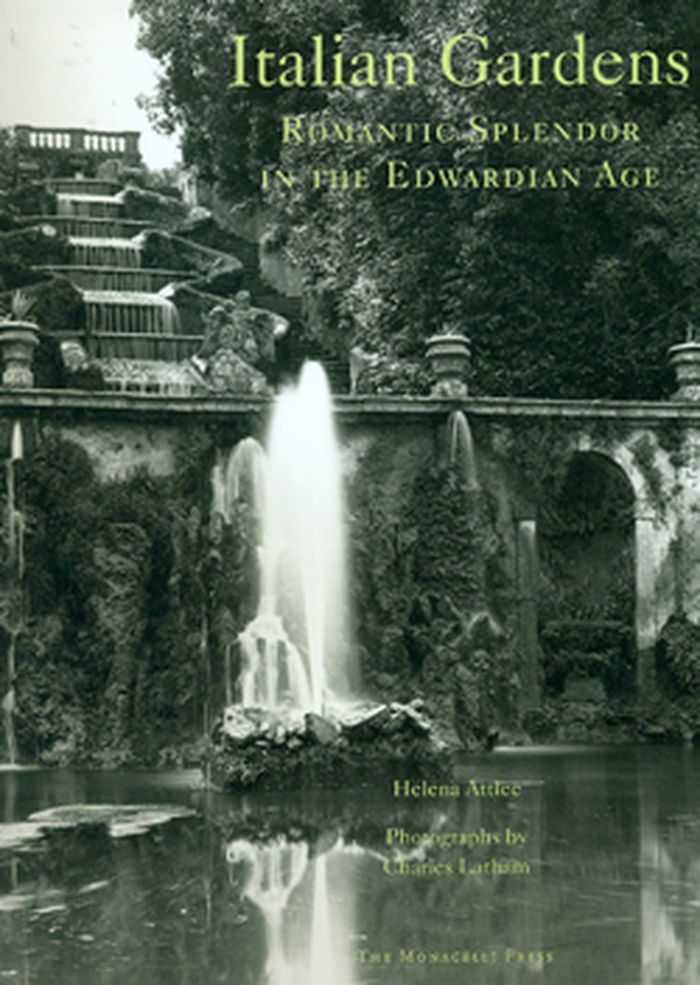
For centuries, the cardinals, popes, and rulers of Italy have devoted themselves to creating vast villa gardens that represent their wealth and power, provide a calm refuge from city life, and showcase lavish plantings and rare flowers. Here, in over two hundred photographs — taken during the Edwardian era when these historic gardens were at their peak — twenty-two of central Italy's most ornate and spectacular palace gardens are presented. This publication reveals the vanished magnificence of the aristocracy's landscapes in images from the archives of Britain's Country Life magazine. Classic photographs display patterned grottoes, elaborate terraces, sophisticated fountains, antique statuary, and sun-dappled arbors to provide an important record of these gardens at a nostalgic moment in time, before the two World Wars provoked irrevocable changes in Italy's political and economic climate and many gardens fell into neglect. Discussing the history and design of each garden, author Helena Attlee brings to life the personalities responsible for such extravagant creations as the Alley of a Hundred Fountains at the Villa d'Este in Tivoli, the swirling parterres de broderie of Villa Doria Pamphili in Rome, the broad terraces and majestic staircases of the Vatican Gardens, the frescoed loggia of the Villa Medici in Fiesole, and the border of innumerable citrus trees circling the Isolotto in Florence's famous Boboli Gardens.
Italian gardens : romantic splendor in the Edwardian age
Actions:
Prix:
$78.00
(disponible sur commande)
Résumé:
For centuries, the cardinals, popes, and rulers of Italy have devoted themselves to creating vast villa gardens that represent their wealth and power, provide a calm refuge from city life, and showcase lavish plantings and rare flowers. Here, in over two hundred photographs — taken during the Edwardian era when these historic gardens were at their peak — twenty-two of central Italy's most ornate and spectacular palace gardens are presented. This publication reveals the vanished magnificence of the aristocracy's landscapes in images from the archives of Britain's Country Life magazine. Classic photographs display patterned grottoes, elaborate terraces, sophisticated fountains, antique statuary, and sun-dappled arbors to provide an important record of these gardens at a nostalgic moment in time, before the two World Wars provoked irrevocable changes in Italy's political and economic climate and many gardens fell into neglect. Discussing the history and design of each garden, author Helena Attlee brings to life the personalities responsible for such extravagant creations as the Alley of a Hundred Fountains at the Villa d'Este in Tivoli, the swirling parterres de broderie of Villa Doria Pamphili in Rome, the broad terraces and majestic staircases of the Vatican Gardens, the frescoed loggia of the Villa Medici in Fiesole, and the border of innumerable citrus trees circling the Isolotto in Florence's famous Boboli Gardens.
Classification:
livres
livres
Publication:
août 2009
août 2009
Sujet:
Jardins
Jardins
Classification:
livres
livres

Actions:
Prix:
$13.95
(disponible en magasin)
Résumé:
Sellafield, Europe's largest nuclear site, began being decommissioned in 2022. Its primary purpose was to produce weapons-grade plutonium for the UK's nuclear weapons programme, but they also generated electrical power for the National Grid from 1956-2003 and reprocessed nuclear fuel from 1952 to 2022. In 1985, Barry Lewis photographed part of the plant for The Sunday(...)
$13.95
(disponible en magasin)
Résumé:
Sellafield, Europe's largest nuclear site, began being decommissioned in 2022. Its primary purpose was to produce weapons-grade plutonium for the UK's nuclear weapons programme, but they also generated electrical power for the National Grid from 1956-2003 and reprocessed nuclear fuel from 1952 to 2022. In 1985, Barry Lewis photographed part of the plant for The Sunday(...)
Titre:
Barry Lewis: Sellafield Nuclear Site 1985
Actions:
Prix:
$13.95
(disponible en magasin)
Résumé:
Sellafield, Europe's largest nuclear site, began being decommissioned in 2022. Its primary purpose was to produce weapons-grade plutonium for the UK's nuclear weapons programme, but they also generated electrical power for the National Grid from 1956-2003 and reprocessed nuclear fuel from 1952 to 2022. In 1985, Barry Lewis photographed part of the plant for The Sunday Times Magazine after reports found an increased incidence of leukaemia and non-Hodgkin lymphoma in children and young adults under 25 years of age living in Seascale, a village near Sellafield on the west coast of Cumbria. A government report suggested that these spikes were unlikely to have been caused by radiation exposure though the causes of these clusters of leukaemia around Sellafield was still not clear. 100Kg of plutonium had been pumped out of Sellafield into the Irish sea during the previous 40 years and 60Kg was unaccounted for. Any plutonium dust that is washed inshore, and when the tide goes out, could dry and blow inland. A single speck of plutonium inhaled is enough to trigger cancer. Sellafield is now a sprawling rubbish dump on the Cumbrian coast, with the world's largest store of plutonium that stores and treats decades of nuclear waste from atomic power generation and weapons programmes.The buildings are expected to be finally torn down by 2125 at a cost of approaching £100 billion and have its nuclear waste buried deep underground at a location still undecided.
Barry Lewis: Sellafield Nuclear Site 1985
Actions:
Prix:
$13.95
(disponible en magasin)
Résumé:
Sellafield, Europe's largest nuclear site, began being decommissioned in 2022. Its primary purpose was to produce weapons-grade plutonium for the UK's nuclear weapons programme, but they also generated electrical power for the National Grid from 1956-2003 and reprocessed nuclear fuel from 1952 to 2022. In 1985, Barry Lewis photographed part of the plant for The Sunday Times Magazine after reports found an increased incidence of leukaemia and non-Hodgkin lymphoma in children and young adults under 25 years of age living in Seascale, a village near Sellafield on the west coast of Cumbria. A government report suggested that these spikes were unlikely to have been caused by radiation exposure though the causes of these clusters of leukaemia around Sellafield was still not clear. 100Kg of plutonium had been pumped out of Sellafield into the Irish sea during the previous 40 years and 60Kg was unaccounted for. Any plutonium dust that is washed inshore, and when the tide goes out, could dry and blow inland. A single speck of plutonium inhaled is enough to trigger cancer. Sellafield is now a sprawling rubbish dump on the Cumbrian coast, with the world's largest store of plutonium that stores and treats decades of nuclear waste from atomic power generation and weapons programmes.The buildings are expected to be finally torn down by 2125 at a cost of approaching £100 billion and have its nuclear waste buried deep underground at a location still undecided.
Classification:
livres
livres
Publication:
avril 2026
avril 2026
Sujet:
Monographies photo
Monographies photo
Classification:
livres
livres

Actions:
Prix:
$115.00
(disponible en magasin)
Résumé:
With the publication of his serialized photo-essay Hikari to Kage (Light and Shadow) in the first issues of the magazine, Shashin Jidai, Daido Moriyama announced his return to photography after nearly a decade. Moriyama had been mired in an acute creative slump from his mid thirties, since the publication of his seminal book, Shashin yo Sayonara (Farewell Photography) in(...)
$115.00
(disponible en magasin)
Résumé:
With the publication of his serialized photo-essay Hikari to Kage (Light and Shadow) in the first issues of the magazine, Shashin Jidai, Daido Moriyama announced his return to photography after nearly a decade. Moriyama had been mired in an acute creative slump from his mid thirties, since the publication of his seminal book, Shashin yo Sayonara (Farewell Photography) in(...)
Titre:
Daido Moriyama Shashin Jidai 1981-1988
Actions:
Prix:
$115.00
(disponible en magasin)
Résumé:
With the publication of his serialized photo-essay Hikari to Kage (Light and Shadow) in the first issues of the magazine, Shashin Jidai, Daido Moriyama announced his return to photography after nearly a decade. Moriyama had been mired in an acute creative slump from his mid thirties, since the publication of his seminal book, Shashin yo Sayonara (Farewell Photography) in 1972. Unable to take nearly any photos for a prolonged period, he turned to illicit drugs, ultimately wasting away to little more than 40 kgs before he hit physical and emotional rock bottom. Lured back by Akira Hasegawa, Shashin Jidai’s editor, he was invited to contribute photographs for each issue. This began a long relationship between Moriyama and Shashin Jidai. He would ultimately make a total of six serialized essays that appeared through sixty-three issues (in every issue but one) until its’ demise in April 1988. During this period Moriyama worked almost exclusively for Shasin Jidai and was given a free hand to explore and experiment and in the process evolved a new aesthetic that still informs his photography today. Tragically, more than eighty percent of his negatives were lost from this pivotal body of work. In Daido Moriyama Shashin Jidai 1981–1988 the complete run of essays or chapters that appeared concurrently in Shashin Jidai are brought together for the first time, representing the only way to appreciate them without acquiring the original magazines themselves.
Daido Moriyama Shashin Jidai 1981-1988
Actions:
Prix:
$115.00
(disponible en magasin)
Résumé:
With the publication of his serialized photo-essay Hikari to Kage (Light and Shadow) in the first issues of the magazine, Shashin Jidai, Daido Moriyama announced his return to photography after nearly a decade. Moriyama had been mired in an acute creative slump from his mid thirties, since the publication of his seminal book, Shashin yo Sayonara (Farewell Photography) in 1972. Unable to take nearly any photos for a prolonged period, he turned to illicit drugs, ultimately wasting away to little more than 40 kgs before he hit physical and emotional rock bottom. Lured back by Akira Hasegawa, Shashin Jidai’s editor, he was invited to contribute photographs for each issue. This began a long relationship between Moriyama and Shashin Jidai. He would ultimately make a total of six serialized essays that appeared through sixty-three issues (in every issue but one) until its’ demise in April 1988. During this period Moriyama worked almost exclusively for Shasin Jidai and was given a free hand to explore and experiment and in the process evolved a new aesthetic that still informs his photography today. Tragically, more than eighty percent of his negatives were lost from this pivotal body of work. In Daido Moriyama Shashin Jidai 1981–1988 the complete run of essays or chapters that appeared concurrently in Shashin Jidai are brought together for the first time, representing the only way to appreciate them without acquiring the original magazines themselves.
Classification:
livres
livres
Publication:
novembre 2023
novembre 2023
Sujet:
Monographies photo
Monographies photo
Classification:
périodiques
périodiques
Actions:
Prix:
$40.00
(disponible en magasin)
Résumé:
NicheMTL is a Canadian not-for-profit publication and media platform devoted to groundbreaking new art, music, fashion, and culture from Montreal and beyond. It was conceived to showcase the most special kinds of culture — rare culture, hyperspecific culture, niche culture. Includes a CD-ROM mastered by Amelya Hempstead.
$40.00
(disponible en magasin)
Résumé:
NicheMTL is a Canadian not-for-profit publication and media platform devoted to groundbreaking new art, music, fashion, and culture from Montreal and beyond. It was conceived to showcase the most special kinds of culture — rare culture, hyperspecific culture, niche culture. Includes a CD-ROM mastered by Amelya Hempstead.
Titre:
Niche MTL, the zero issue : Yearbook 2024
Actions:
Prix:
$40.00
(disponible en magasin)
Résumé:
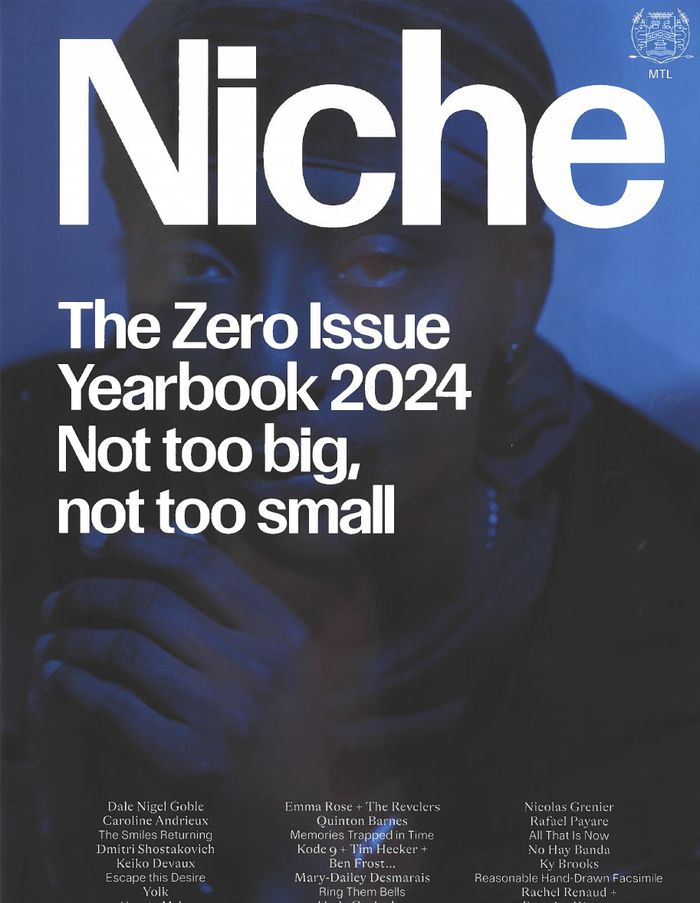
NicheMTL is a Canadian not-for-profit publication and media platform devoted to groundbreaking new art, music, fashion, and culture from Montreal and beyond. It was conceived to showcase the most special kinds of culture — rare culture, hyperspecific culture, niche culture. Includes a CD-ROM mastered by Amelya Hempstead.
Niche MTL, the zero issue : Yearbook 2024
Actions:
Prix:
$40.00
(disponible en magasin)
Résumé:
NicheMTL is a Canadian not-for-profit publication and media platform devoted to groundbreaking new art, music, fashion, and culture from Montreal and beyond. It was conceived to showcase the most special kinds of culture — rare culture, hyperspecific culture, niche culture. Includes a CD-ROM mastered by Amelya Hempstead.
Classification:
périodiques
périodiques
Publication:
octobre 2024
octobre 2024


