


543 Résultats
Classification:
livres
livres
Titre:
Pollution is colonialism
Pollution is colonialism
Actions:
Prix:
$33.95
(disponible sur commande)
Résumé:
In 'Pollution Is Colonialism' Max Liboiron presents a framework for understanding scientific research methods as practices that can align with or against colonialism. They point out that even when researchers are working toward benevolent goals, environmental science and activism are often premised on a colonial worldview and access to land. Focusing on plastic pollution,(...)
$33.95
(disponible sur commande)
Résumé:
In 'Pollution Is Colonialism' Max Liboiron presents a framework for understanding scientific research methods as practices that can align with or against colonialism. They point out that even when researchers are working toward benevolent goals, environmental science and activism are often premised on a colonial worldview and access to land. Focusing on plastic pollution,(...)
Titre:
Pollution is colonialism
Actions:
Prix:
$33.95
(disponible sur commande)
Résumé:
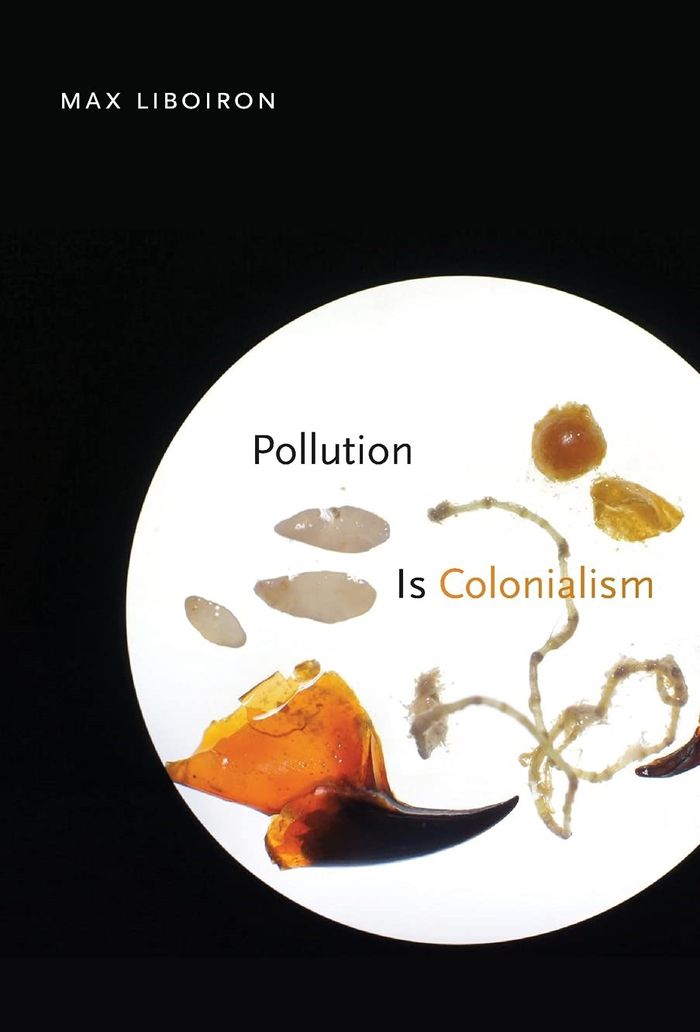
In 'Pollution Is Colonialism' Max Liboiron presents a framework for understanding scientific research methods as practices that can align with or against colonialism. They point out that even when researchers are working toward benevolent goals, environmental science and activism are often premised on a colonial worldview and access to land. Focusing on plastic pollution, the book models an anticolonial scientific practice aligned with Indigenous, particularly Métis, concepts of land, ethics, and relations. Liboiron draws on their work in the Civic Laboratory for Environmental Action Research (CLEAR) — an anticolonial science laboratory in Newfoundland, Canada — to illuminate how pollution is not a symptom of capitalism but a violent enactment of colonial land relations that claim access to Indigenous land. Liboiron's creative, lively, and passionate text refuses theories of pollution that make Indigenous land available for settler and colonial goals. In this way, their methodology demonstrates that anticolonial science is not only possible but is currently being practiced in ways that enact more ethical modes of being in the world.
Pollution is colonialism
Actions:
Prix:
$33.95
(disponible sur commande)
Résumé:
In 'Pollution Is Colonialism' Max Liboiron presents a framework for understanding scientific research methods as practices that can align with or against colonialism. They point out that even when researchers are working toward benevolent goals, environmental science and activism are often premised on a colonial worldview and access to land. Focusing on plastic pollution, the book models an anticolonial scientific practice aligned with Indigenous, particularly Métis, concepts of land, ethics, and relations. Liboiron draws on their work in the Civic Laboratory for Environmental Action Research (CLEAR) — an anticolonial science laboratory in Newfoundland, Canada — to illuminate how pollution is not a symptom of capitalism but a violent enactment of colonial land relations that claim access to Indigenous land. Liboiron's creative, lively, and passionate text refuses theories of pollution that make Indigenous land available for settler and colonial goals. In this way, their methodology demonstrates that anticolonial science is not only possible but is currently being practiced in ways that enact more ethical modes of being in the world.
Classification:
livres
livres
Publication:
mai 2021
mai 2021
Classification:
livres
livres
Titre:
Cyberfeminism index
Cyberfeminism index
Actions:
Prix:
$62.00
(disponible sur commande)
Résumé:
When learning about internet history, we are taught to focus on engineering, the military-industrial complex and the grandfathers who created the architecture and protocol, but the internet is not only a network of cables, servers and computers. It is an environment that shapes and is shaped by its inhabitants and their use.The creation and use of this Index is a social(...)
$62.00
(disponible sur commande)
Résumé:
When learning about internet history, we are taught to focus on engineering, the military-industrial complex and the grandfathers who created the architecture and protocol, but the internet is not only a network of cables, servers and computers. It is an environment that shapes and is shaped by its inhabitants and their use.The creation and use of this Index is a social(...)
Titre:
Cyberfeminism index
Actions:
Prix:
$62.00
(disponible sur commande)
Résumé:
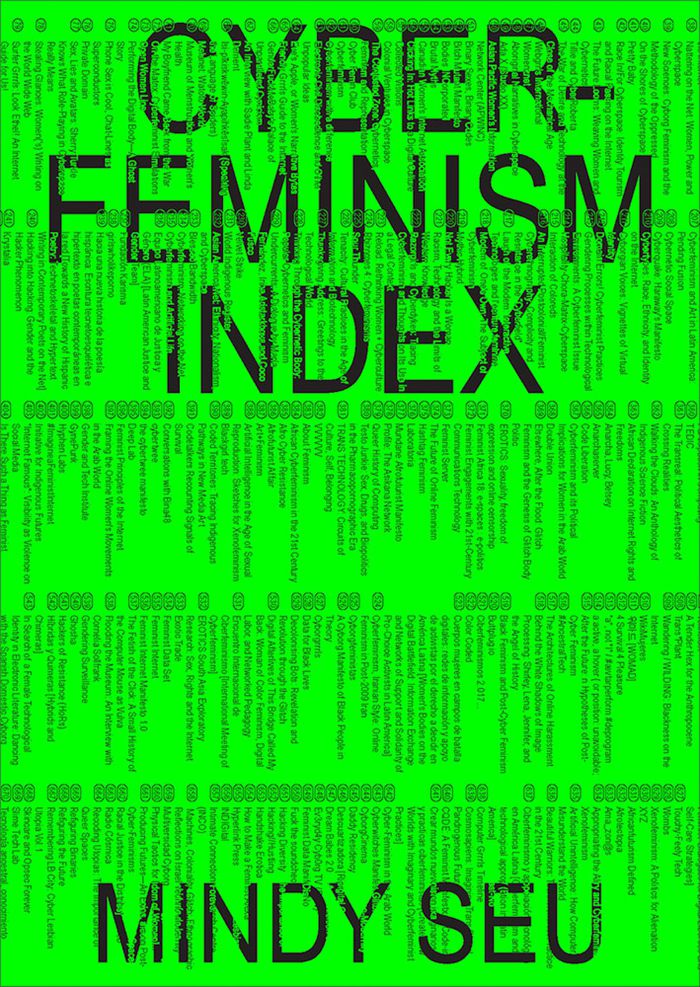
When learning about internet history, we are taught to focus on engineering, the military-industrial complex and the grandfathers who created the architecture and protocol, but the internet is not only a network of cables, servers and computers. It is an environment that shapes and is shaped by its inhabitants and their use.The creation and use of this Index is a social and political act. It takes the name cyberfeminism as an umbrella, complicates it and pushes it into plain sight. Edited by designer, professor and researcher Mindy Seu (who began the project during a fellowship at the Harvard Law School’s Berkman Klein Center for the Internet & Society, later presenting it at the New Museum), it includes more than 1,000 short entries of radical techno-critical activism in a variety of media, including excerpts from academic articles and scholarly texts; descriptions of hackerspaces, digital rights activist groups, bio-hacktivism; and depictions of feminist net art and new media art.
Cyberfeminism index
Actions:
Prix:
$62.00
(disponible sur commande)
Résumé:
When learning about internet history, we are taught to focus on engineering, the military-industrial complex and the grandfathers who created the architecture and protocol, but the internet is not only a network of cables, servers and computers. It is an environment that shapes and is shaped by its inhabitants and their use.The creation and use of this Index is a social and political act. It takes the name cyberfeminism as an umbrella, complicates it and pushes it into plain sight. Edited by designer, professor and researcher Mindy Seu (who began the project during a fellowship at the Harvard Law School’s Berkman Klein Center for the Internet & Society, later presenting it at the New Museum), it includes more than 1,000 short entries of radical techno-critical activism in a variety of media, including excerpts from academic articles and scholarly texts; descriptions of hackerspaces, digital rights activist groups, bio-hacktivism; and depictions of feminist net art and new media art.
Classification:
livres
livres
Publication:
octobre 2022
octobre 2022
Classification:
livres
livres
Prix:
$41.50
(disponible sur commande)
Résumé:
Designers around the world are carving out opportunities for new kinds of engagement, new kinds of collaboration, new kinds of design outcomes, and new kinds of practice; overturning the inherited assumptions of the design professions. Seventeen conversations with practitioners from the fields of architecture, policy, activism, design, education, research, history,(...)
$41.50
(disponible sur commande)
Résumé:
Designers around the world are carving out opportunities for new kinds of engagement, new kinds of collaboration, new kinds of design outcomes, and new kinds of practice; overturning the inherited assumptions of the design professions. Seventeen conversations with practitioners from the fields of architecture, policy, activism, design, education, research, history,(...)
Publication:
août 2012
août 2012
Titre:
Future practice : conversations from the edge of architecture
Actions:
Prix:
$41.50
(disponible sur commande)
Résumé:
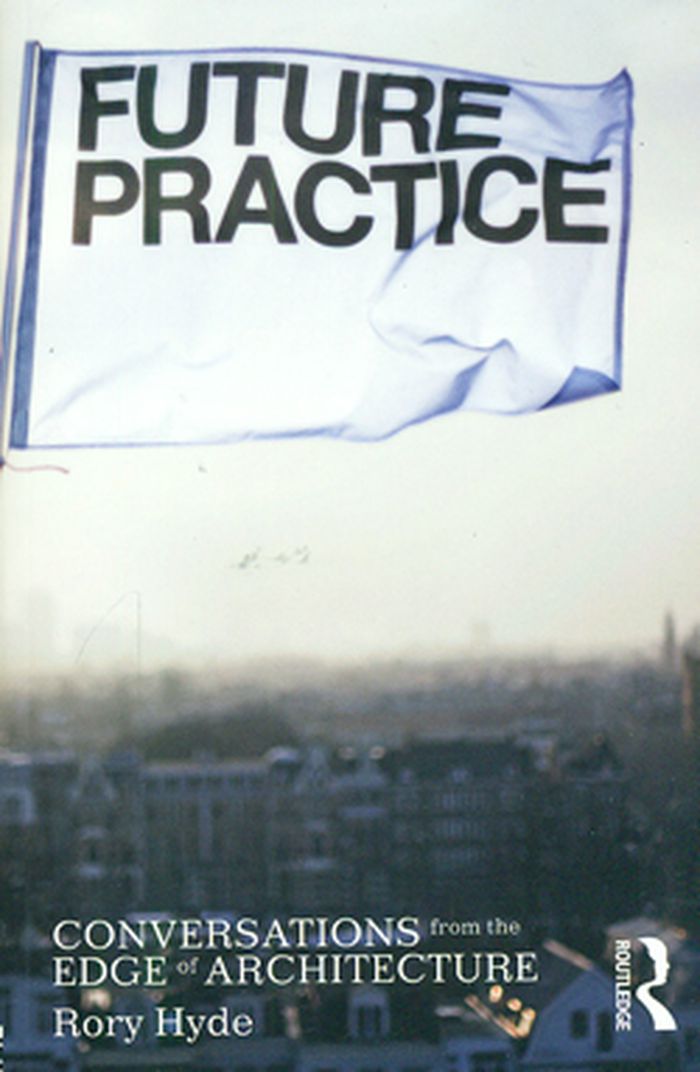
Designers around the world are carving out opportunities for new kinds of engagement, new kinds of collaboration, new kinds of design outcomes, and new kinds of practice; overturning the inherited assumptions of the design professions. Seventeen conversations with practitioners from the fields of architecture, policy, activism, design, education, research, history, community engagement and more, each representing an emergent role for designers to occupy. Whether the "civic entrepreneur," the "double agent," or the "strategic designer," this book offers a diverse spectrum of approaches to design, each offering a potential future for architectural practice. With a foreword by Dan Hill and interviews with Steve Ashton, ARM; Bryan Boyer, Helsinki Design Lab; Camila Bustamante; Mel Dodd, muf_aus; DUS Architects; Jeanne Gang, Studio Gang; Reinier de Graaf and Laura Baird, AMO; Conrad Hamann; Natalie Jeremijenko, xClinic; Indy Johar, 00:/;Bruce Mau; Arjen Oosterman and Lilet Breddels, Volume; Todd Reisz; Wouter Vanstiphout, Crimson; Matt Webb, BERG; Marcus Westbury, Renew Newcastle; and Liam Young, Unknown Fields
Future practice : conversations from the edge of architecture
Actions:
Prix:
$41.50
(disponible sur commande)
Résumé:
Designers around the world are carving out opportunities for new kinds of engagement, new kinds of collaboration, new kinds of design outcomes, and new kinds of practice; overturning the inherited assumptions of the design professions. Seventeen conversations with practitioners from the fields of architecture, policy, activism, design, education, research, history, community engagement and more, each representing an emergent role for designers to occupy. Whether the "civic entrepreneur," the "double agent," or the "strategic designer," this book offers a diverse spectrum of approaches to design, each offering a potential future for architectural practice. With a foreword by Dan Hill and interviews with Steve Ashton, ARM; Bryan Boyer, Helsinki Design Lab; Camila Bustamante; Mel Dodd, muf_aus; DUS Architects; Jeanne Gang, Studio Gang; Reinier de Graaf and Laura Baird, AMO; Conrad Hamann; Natalie Jeremijenko, xClinic; Indy Johar, 00:/;Bruce Mau; Arjen Oosterman and Lilet Breddels, Volume; Todd Reisz; Wouter Vanstiphout, Crimson; Matt Webb, BERG; Marcus Westbury, Renew Newcastle; and Liam Young, Unknown Fields
Classification:
livres
livres
Publication:
août 2012
août 2012
Classification:
livres
livres
Actions:
Prix:
$25.00
(disponible sur commande)
Résumé:
On the outbreak of the war in Gaza in October 2023, Melani McAlister began to use her journal to track the rapid development of the conflict and the parallel evolution in the ways it was represented in the US media. Drawing on McAlister’s decades of experience as a scholar of US–Middle East relations, as well as her personal history in activism, this incisive and dynamic(...)
$25.00
(disponible sur commande)
Résumé:
On the outbreak of the war in Gaza in October 2023, Melani McAlister began to use her journal to track the rapid development of the conflict and the parallel evolution in the ways it was represented in the US media. Drawing on McAlister’s decades of experience as a scholar of US–Middle East relations, as well as her personal history in activism, this incisive and dynamic(...)
Titre:
Promises, then the storm: notes on memory, protest, and the Israel-Gaza war
Actions:
Prix:
$25.00
(disponible sur commande)
Résumé:
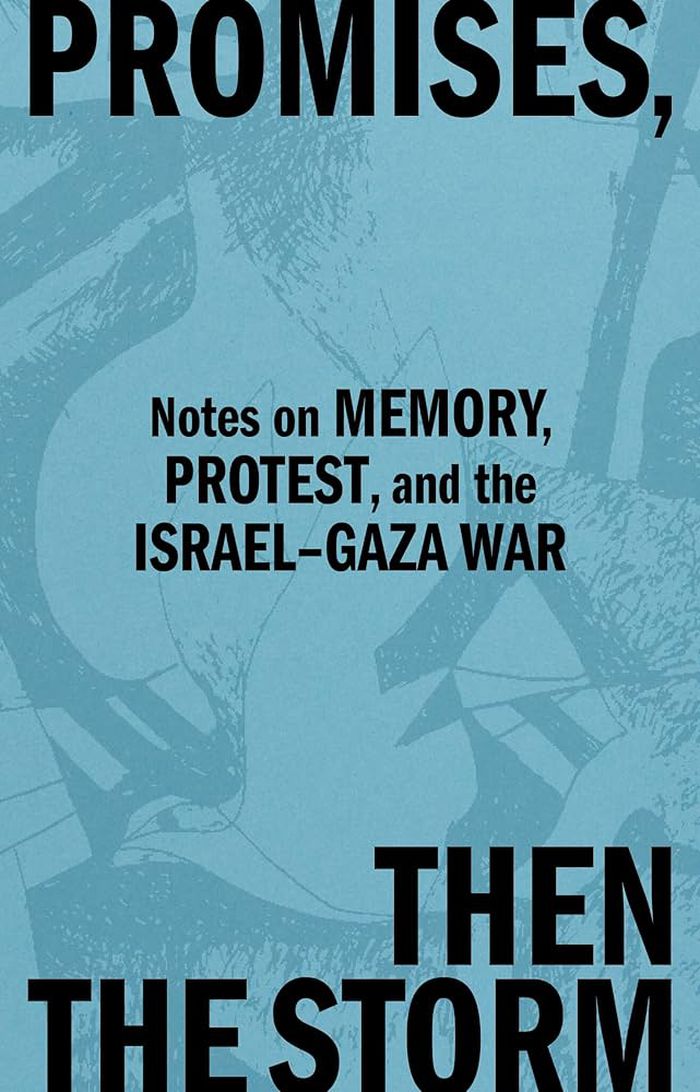
On the outbreak of the war in Gaza in October 2023, Melani McAlister began to use her journal to track the rapid development of the conflict and the parallel evolution in the ways it was represented in the US media. Drawing on McAlister’s decades of experience as a scholar of US–Middle East relations, as well as her personal history in activism, this incisive and dynamic text traces the devastating development of the current war in real time, identifying echoes with previous moments in the history of the region and the protests and artistic responses they prompted. This series of meditations explores the enduring power of narrative and memory, threading throughout the work of Arab and Arab American poets and musicians to tell a story of Palestinian resistance and resilience. ''Promises, Then the Storm'' is a reflection on the significance of Palestinian liberation at a moment when it has never been more urgently at stake – one that reckons with possibilities for justice and equality and the hopes carried by activists and artists, against all odds, into the future.
Promises, then the storm: notes on memory, protest, and the Israel-Gaza war
Actions:
Prix:
$25.00
(disponible sur commande)
Résumé:
On the outbreak of the war in Gaza in October 2023, Melani McAlister began to use her journal to track the rapid development of the conflict and the parallel evolution in the ways it was represented in the US media. Drawing on McAlister’s decades of experience as a scholar of US–Middle East relations, as well as her personal history in activism, this incisive and dynamic text traces the devastating development of the current war in real time, identifying echoes with previous moments in the history of the region and the protests and artistic responses they prompted. This series of meditations explores the enduring power of narrative and memory, threading throughout the work of Arab and Arab American poets and musicians to tell a story of Palestinian resistance and resilience. ''Promises, Then the Storm'' is a reflection on the significance of Palestinian liberation at a moment when it has never been more urgently at stake – one that reckons with possibilities for justice and equality and the hopes carried by activists and artists, against all odds, into the future.
Classification:
livres
livres
Publication:
novembre 2024
novembre 2024
Sujet:
Social
Social
Classification:
livres
livres
Actions:
Prix:
$39.95
(disponible sur commande)
Résumé:
This book is the first to present in a single volume a complete guide to one of the most notorious and radical art movements of the 20th century, the Situationist International (SI). Comprising a comprehensive history that includes an examination of the SI's far-reaching ideas about our 'society of the spectacle', this book also provides an insight into the Situationist(...)
$39.95
(disponible sur commande)
Résumé:
This book is the first to present in a single volume a complete guide to one of the most notorious and radical art movements of the 20th century, the Situationist International (SI). Comprising a comprehensive history that includes an examination of the SI's far-reaching ideas about our 'society of the spectacle', this book also provides an insight into the Situationist(...)
Titre:
The Situationist International : a user's guide
Actions:
Prix:
$39.95
(disponible sur commande)
Résumé:
This book is the first to present in a single volume a complete guide to one of the most notorious and radical art movements of the 20th century, the Situationist International (SI). Comprising a comprehensive history that includes an examination of the SI's far-reaching ideas about our 'society of the spectacle', this book also provides an insight into the Situationist legacy together with extensive visual material. Tracing its development back to the European avant-garde and groups such as COBRA, Lettrism and the International Movement for an Imaginist Bauhaus, Ford provides a comprehensive historical background to the 1957 foundation of the Situationist International under its self-proclaimed leader, the brilliant Guy Debord. Looking at painting, architecture and cinema, Ford includes detailed profiles of the main members such as the Asger Jorn, Constant, Pinot-Gallizio and Ralph Rumney. With its disintegration in 1972 the final chapter looks at how the SI's legacy can be traced within subsequent artistic and activist movements, from punk through to culture jamming and media activism.
The Situationist International : a user's guide
Actions:
Prix:
$39.95
(disponible sur commande)
Résumé:
This book is the first to present in a single volume a complete guide to one of the most notorious and radical art movements of the 20th century, the Situationist International (SI). Comprising a comprehensive history that includes an examination of the SI's far-reaching ideas about our 'society of the spectacle', this book also provides an insight into the Situationist legacy together with extensive visual material. Tracing its development back to the European avant-garde and groups such as COBRA, Lettrism and the International Movement for an Imaginist Bauhaus, Ford provides a comprehensive historical background to the 1957 foundation of the Situationist International under its self-proclaimed leader, the brilliant Guy Debord. Looking at painting, architecture and cinema, Ford includes detailed profiles of the main members such as the Asger Jorn, Constant, Pinot-Gallizio and Ralph Rumney. With its disintegration in 1972 the final chapter looks at how the SI's legacy can be traced within subsequent artistic and activist movements, from punk through to culture jamming and media activism.
Classification:
livres
livres
Publication:
octobre 2004, London
octobre 2004, London
Sujet:
Situationnisme
Situationnisme
Classification:
livres
livres
Actions:
Prix:
$41.99
(disponible sur commande)
Résumé:
In Nairobi’s underserved neighborhoods, “hustle” has emerged as both a vital survival strategy and a way of life for youth. Exploring the multiple meanings and manifestations of the hustle economy across different scenarios of provisioning, distribution, exchange, learning, and mobilizing, ''Hustle Urbanism'' draws on more than a decade of ethnographic engagement to(...)
$41.99
(disponible sur commande)
Résumé:
In Nairobi’s underserved neighborhoods, “hustle” has emerged as both a vital survival strategy and a way of life for youth. Exploring the multiple meanings and manifestations of the hustle economy across different scenarios of provisioning, distribution, exchange, learning, and mobilizing, ''Hustle Urbanism'' draws on more than a decade of ethnographic engagement to(...)
Titre:
Hustle urbanism: Making life work in Nairobi
Actions:
Prix:
$41.99
(disponible sur commande)
Résumé:
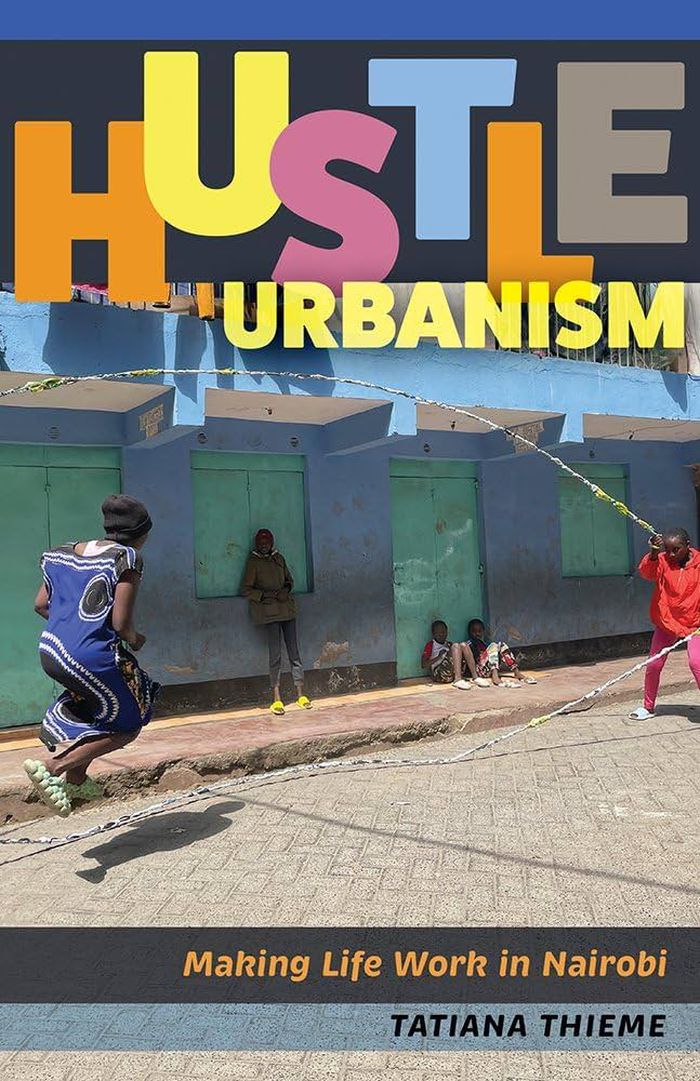
In Nairobi’s underserved neighborhoods, “hustle” has emerged as both a vital survival strategy and a way of life for youth. Exploring the multiple meanings and manifestations of the hustle economy across different scenarios of provisioning, distribution, exchange, learning, and mobilizing, ''Hustle Urbanism'' draws on more than a decade of ethnographic engagement to center the logics, perspectives, and inventive strategies of a group of youth who constantly navigate job scarcity, inadequate basic services, and climate-induced harms. Tatiana Thieme shows how young people develop tools of resistance against the legacies of colonial violence and uneven urban development while carving out spaces of opportunity for themselves and their peers. The stories she includes bring thick ethnographic detail and longitudinal perspective to the lives and livelihoods of youth whose diverse skill sets and knowledges span from circular economies and eco-activism to hip hop and local leadership. Filling a significant gap in both existing scholarship and popular discussion, ''Hustle Urbanism'' offers critical theorization of precarious urban environments and the affirmative modes of making life work in the city against the odds.
Hustle urbanism: Making life work in Nairobi
Actions:
Prix:
$41.99
(disponible sur commande)
Résumé:
In Nairobi’s underserved neighborhoods, “hustle” has emerged as both a vital survival strategy and a way of life for youth. Exploring the multiple meanings and manifestations of the hustle economy across different scenarios of provisioning, distribution, exchange, learning, and mobilizing, ''Hustle Urbanism'' draws on more than a decade of ethnographic engagement to center the logics, perspectives, and inventive strategies of a group of youth who constantly navigate job scarcity, inadequate basic services, and climate-induced harms. Tatiana Thieme shows how young people develop tools of resistance against the legacies of colonial violence and uneven urban development while carving out spaces of opportunity for themselves and their peers. The stories she includes bring thick ethnographic detail and longitudinal perspective to the lives and livelihoods of youth whose diverse skill sets and knowledges span from circular economies and eco-activism to hip hop and local leadership. Filling a significant gap in both existing scholarship and popular discussion, ''Hustle Urbanism'' offers critical theorization of precarious urban environments and the affirmative modes of making life work in the city against the odds.
Classification:
livres
livres
Publication:
juin 2025
juin 2025
Sujet:
Théorie de l’urbanisme
Théorie de l’urbanisme
Classification:
livres
livres
Actions:
Prix:
$53.50
(disponible sur commande)
Résumé:
Want to keep up with emerging design thinking and issues worldwide? "Design Studio" is a new thematic series that distils the most topical work and ideas from schools and practices globally. The first volume launches with a statement: "Everything needs to change". Exploring architecture and the climate emergency, editors Sofie Pelsmakers (author of Environmental Design(...)
$53.50
(disponible sur commande)
Résumé:
Want to keep up with emerging design thinking and issues worldwide? "Design Studio" is a new thematic series that distils the most topical work and ideas from schools and practices globally. The first volume launches with a statement: "Everything needs to change". Exploring architecture and the climate emergency, editors Sofie Pelsmakers (author of Environmental Design(...)
Titre:
Design Studio vol.1: Everything needs to change. Architecture and the climate emergency
Actions:
Prix:
$53.50
(disponible sur commande)
Résumé:
Want to keep up with emerging design thinking and issues worldwide? "Design Studio" is a new thematic series that distils the most topical work and ideas from schools and practices globally. The first volume launches with a statement: "Everything needs to change". Exploring architecture and the climate emergency, editors Sofie Pelsmakers (author of Environmental Design Sourcebook) and Nick Newman (climate activist and Director at Studio Bark), are channelling the message of Greta Thunberg to inspire, enthuse and inform the next generation of architects. Featuring articles, building profiles and case studies from a range of leading voices, it explores solutions to climatic, environmental and social challenges. It urges readers to radically rethink what it means to be an architect in an era of climate crisis, and what the role of the architect is or can be. Discover how using local materials, working with nature, radical design processes, transformative learning and activism can help us find hope in the burning world. This first volume is produced in four unique fluorescent colours – green, red, yellow and purple – to be your own poster for change.
Design Studio vol.1: Everything needs to change. Architecture and the climate emergency
Actions:
Prix:
$53.50
(disponible sur commande)
Résumé:
Want to keep up with emerging design thinking and issues worldwide? "Design Studio" is a new thematic series that distils the most topical work and ideas from schools and practices globally. The first volume launches with a statement: "Everything needs to change". Exploring architecture and the climate emergency, editors Sofie Pelsmakers (author of Environmental Design Sourcebook) and Nick Newman (climate activist and Director at Studio Bark), are channelling the message of Greta Thunberg to inspire, enthuse and inform the next generation of architects. Featuring articles, building profiles and case studies from a range of leading voices, it explores solutions to climatic, environmental and social challenges. It urges readers to radically rethink what it means to be an architect in an era of climate crisis, and what the role of the architect is or can be. Discover how using local materials, working with nature, radical design processes, transformative learning and activism can help us find hope in the burning world. This first volume is produced in four unique fluorescent colours – green, red, yellow and purple – to be your own poster for change.
Classification:
livres
livres
Publication:
mai 2021
mai 2021
Sujet:
Architecture contemporaine
Architecture contemporaine
Classification:
livres
livres

Actions:
Prix:
$80.00
(disponible sur commande)
Résumé:
This book offers a portrait of the lives and struggles of Palestinians living in the occupied Palestinian territories on the West Bank, in particular the South Hebron Hills and the Jordan Valley. Among the topics highlighted are house demolitions; confrontations between Palestinian shepherds or farmers and Israeli settlers, soldiers, and police; the daily challenges of(...)
$80.00
(disponible sur commande)
Résumé:
This book offers a portrait of the lives and struggles of Palestinians living in the occupied Palestinian territories on the West Bank, in particular the South Hebron Hills and the Jordan Valley. Among the topics highlighted are house demolitions; confrontations between Palestinian shepherds or farmers and Israeli settlers, soldiers, and police; the daily challenges of(...)
Titre:
The bitter landscapes of Palestine
Actions:
Prix:
$80.00
(disponible sur commande)
Résumé:
This book offers a portrait of the lives and struggles of Palestinians living in the occupied Palestinian territories on the West Bank, in particular the South Hebron Hills and the Jordan Valley. Among the topics highlighted are house demolitions; confrontations between Palestinian shepherds or farmers and Israeli settlers, soldiers, and police; the daily challenges of sheer existence posed by the occupation system, intent on pushing Palestinians off their land; and the tenacity and courage that these conditions require. The book endeavors to impart to the reader a sense of the beauty of the landscape, the sound of the language, the taste of friendships, and the richness of a way of life that is threatened with extinction. Voices of activists, both Palestinian and Jewish, are also present. The introduction sets forth, in brief, the historical context that generated present realities in Palestine as well as the history of the authors’ partnership. The book’s viewpoint reflects many years of activism on the peace and human rights front in Palestine as well as an ongoing conversation between two authors who have experienced together the continually renewed astonishment that comes with such encounters.
The bitter landscapes of Palestine
Actions:
Prix:
$80.00
(disponible sur commande)
Résumé:
This book offers a portrait of the lives and struggles of Palestinians living in the occupied Palestinian territories on the West Bank, in particular the South Hebron Hills and the Jordan Valley. Among the topics highlighted are house demolitions; confrontations between Palestinian shepherds or farmers and Israeli settlers, soldiers, and police; the daily challenges of sheer existence posed by the occupation system, intent on pushing Palestinians off their land; and the tenacity and courage that these conditions require. The book endeavors to impart to the reader a sense of the beauty of the landscape, the sound of the language, the taste of friendships, and the richness of a way of life that is threatened with extinction. Voices of activists, both Palestinian and Jewish, are also present. The introduction sets forth, in brief, the historical context that generated present realities in Palestine as well as the history of the authors’ partnership. The book’s viewpoint reflects many years of activism on the peace and human rights front in Palestine as well as an ongoing conversation between two authors who have experienced together the continually renewed astonishment that comes with such encounters.
Classification:
livres
livres
Publication:
juillet 2024
juillet 2024
Sujet:
Théorie de la photographie
Théorie de la photographie
Classification:
livres
livres
Prix:
$26.00
(disponible sur commande)
Résumé:
Newark's volatile past is infamous. The city has become synonymous with the Black Power movement and urban crisis. Its history reveals a vibrant and contentious political culture punctuated by traditional civic pride and an understudied tradition of protest in the black community. Newark charts this important city's place in the nation, from its founding in 1666 by a(...)
$26.00
(disponible sur commande)
Résumé:
Newark's volatile past is infamous. The city has become synonymous with the Black Power movement and urban crisis. Its history reveals a vibrant and contentious political culture punctuated by traditional civic pride and an understudied tradition of protest in the black community. Newark charts this important city's place in the nation, from its founding in 1666 by a(...)
Titre:
Newark: a history of race, rights, and riots in America
Actions:
Prix:
$26.00
(disponible sur commande)
Résumé:
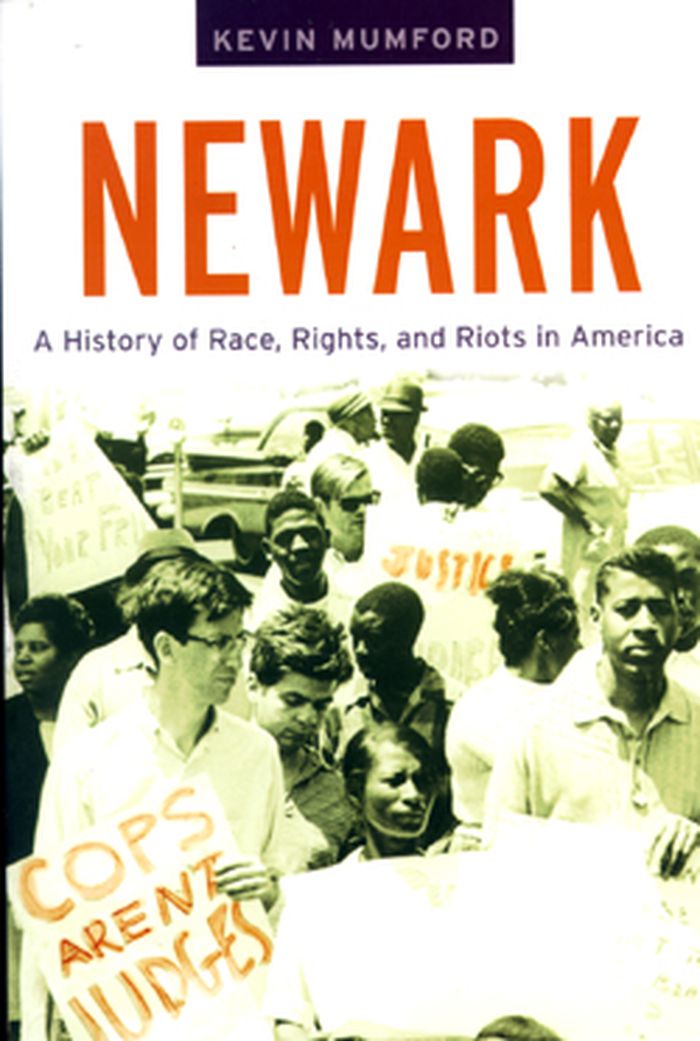
Newark's volatile past is infamous. The city has become synonymous with the Black Power movement and urban crisis. Its history reveals a vibrant and contentious political culture punctuated by traditional civic pride and an understudied tradition of protest in the black community. Newark charts this important city's place in the nation, from its founding in 1666 by a dissident Puritan as a refuge from intolerance, through the days of Jim Crow and World War II civil rights activism, to the height of postwar integration and the election of its first black mayor. In this broad and balanced history of Newark, Kevin Mumford applies the concept of the public sphere to the problem of race relations, demonstrating how political ideas and print culture were instrumental in shaping African American consciousness. He draws on both public and personal archives, interpreting official documents-such as newspapers, commission testimony, and government records-alongside interviews, political flyers, meeting minutes, and rare photos. From the migration out of the south to the rise of public housing and ethnic conflict, Newark explains the impact of African Americans on the reconstruction of American cities in the twentieth century.
Newark: a history of race, rights, and riots in America
Actions:
Prix:
$26.00
(disponible sur commande)
Résumé:
Newark's volatile past is infamous. The city has become synonymous with the Black Power movement and urban crisis. Its history reveals a vibrant and contentious political culture punctuated by traditional civic pride and an understudied tradition of protest in the black community. Newark charts this important city's place in the nation, from its founding in 1666 by a dissident Puritan as a refuge from intolerance, through the days of Jim Crow and World War II civil rights activism, to the height of postwar integration and the election of its first black mayor. In this broad and balanced history of Newark, Kevin Mumford applies the concept of the public sphere to the problem of race relations, demonstrating how political ideas and print culture were instrumental in shaping African American consciousness. He draws on both public and personal archives, interpreting official documents-such as newspapers, commission testimony, and government records-alongside interviews, political flyers, meeting minutes, and rare photos. From the migration out of the south to the rise of public housing and ethnic conflict, Newark explains the impact of African Americans on the reconstruction of American cities in the twentieth century.
Classification:
livres
livres
Publication:
novembre 2008, New York
novembre 2008, New York
Sujet:
Théorie/ philosophie
Théorie/ philosophie
Classification:
livres
livres
Actions:
Prix:
$15.95
(disponible sur commande)
Résumé:
Many of the projects described in the "Handbook" have combined innovative architectural training with cross-cultural immersion, social activism, and environmental science, using design skills (and where appropriate) hands-on construction projects to confront poverty and urgent social problems. Often involving community members and students, these case studies promote(...)
$15.95
(disponible sur commande)
Résumé:
Many of the projects described in the "Handbook" have combined innovative architectural training with cross-cultural immersion, social activism, and environmental science, using design skills (and where appropriate) hands-on construction projects to confront poverty and urgent social problems. Often involving community members and students, these case studies promote(...)
Publication:
juillet 2005, Los Angeles
juillet 2005, Los Angeles
Titre:
Cityworks Los Angeles : handbook
Actions:
Prix:
$15.95
(disponible sur commande)
Résumé:
Many of the projects described in the "Handbook" have combined innovative architectural training with cross-cultural immersion, social activism, and environmental science, using design skills (and where appropriate) hands-on construction projects to confront poverty and urgent social problems. Often involving community members and students, these case studies promote maximum use of recycled or inexpensive, locally available materials, as well as lighting and energy systems that reduce utility costs and promote resource conservation. Not all the projects are specific to the City of Los Angeles, but they are examples of the types of projects CITYWORKSLA hopes to develop. Our aim is that the case studies assembled within the "Handbook" will serve as models for making architectural education relevant to urgent social problems, helping communities mobilize indigenous resources and social capital to develop long-term sustainable practices that protect, rather than erode, cultural identity, dignity, and stability. Edited by Elizabeth Martin with articles by : Peter Aesbacher, Chantal Aquin, Monique Birault, John Cary, Jeanine Centuori, Joaquin Herranz, Jr., Maria-Rosario Jackson, Florence Kabwasa-Green, Bruce Lindsey, Vic Liptak, Elizabeth Martin, Ken McCown, William McDonough, Russell Rock, Leslie Thomas, John Quale.
Cityworks Los Angeles : handbook
Actions:
Prix:
$15.95
(disponible sur commande)
Résumé:
Many of the projects described in the "Handbook" have combined innovative architectural training with cross-cultural immersion, social activism, and environmental science, using design skills (and where appropriate) hands-on construction projects to confront poverty and urgent social problems. Often involving community members and students, these case studies promote maximum use of recycled or inexpensive, locally available materials, as well as lighting and energy systems that reduce utility costs and promote resource conservation. Not all the projects are specific to the City of Los Angeles, but they are examples of the types of projects CITYWORKSLA hopes to develop. Our aim is that the case studies assembled within the "Handbook" will serve as models for making architectural education relevant to urgent social problems, helping communities mobilize indigenous resources and social capital to develop long-term sustainable practices that protect, rather than erode, cultural identity, dignity, and stability. Edited by Elizabeth Martin with articles by : Peter Aesbacher, Chantal Aquin, Monique Birault, John Cary, Jeanine Centuori, Joaquin Herranz, Jr., Maria-Rosario Jackson, Florence Kabwasa-Green, Bruce Lindsey, Vic Liptak, Elizabeth Martin, Ken McCown, William McDonough, Russell Rock, Leslie Thomas, John Quale.
Classification:
livres
livres
Publication:
juillet 2005, Los Angeles
juillet 2005, Los Angeles


