


5377 Résultats
Classification:
livres
livres

Actions:
Prix:
$34.50
(disponible sur commande)
Résumé:
This volume presents the ''Circle of Doing Research'' : a model to get you started in art and design research. Conceived within the contextual setting of the art school, it is holistic, multidisciplinary and prioritizes practice. It consists of six actions. The basis of the circle is formed by the following: research by making, research of context and participatory(...)
$34.50
(disponible sur commande)
Résumé:
This volume presents the ''Circle of Doing Research'' : a model to get you started in art and design research. Conceived within the contextual setting of the art school, it is holistic, multidisciplinary and prioritizes practice. It consists of six actions. The basis of the circle is formed by the following: research by making, research of context and participatory(...)
Titre:
Hands on research for artists, designers & educators
Actions:
Prix:
$34.50
(disponible sur commande)
Résumé:
This volume presents the ''Circle of Doing Research'' : a model to get you started in art and design research. Conceived within the contextual setting of the art school, it is holistic, multidisciplinary and prioritizes practice. It consists of six actions. The basis of the circle is formed by the following: research by making, research of context and participatory research, where information, prototypes, encounters and experiences are gathered and produced. The remaining three actions are concerned with documenting research, publicizing research and reflecting on research. The ''Circle of Doing Research'' is an open, accessible and non-linear model. Each action can be an entry point, whether you want to start with material experiments, conversations with others, or in the library. All actions are connected and inform each other which encourages a process of iteration and constant reflection. The ''Circle'' can be enriched with methods, sources and focal points according to specific disciplines and needs. The book contains research trajectories of art and design students throughout, illustrating the rich possibilities to be uncovered in the unfolding of a research project. This illuminating model can be useful to all, from those beginning to learn about research in art and design to more advanced practitioners.
Hands on research for artists, designers & educators
Actions:
Prix:
$34.50
(disponible sur commande)
Résumé:
This volume presents the ''Circle of Doing Research'' : a model to get you started in art and design research. Conceived within the contextual setting of the art school, it is holistic, multidisciplinary and prioritizes practice. It consists of six actions. The basis of the circle is formed by the following: research by making, research of context and participatory research, where information, prototypes, encounters and experiences are gathered and produced. The remaining three actions are concerned with documenting research, publicizing research and reflecting on research. The ''Circle of Doing Research'' is an open, accessible and non-linear model. Each action can be an entry point, whether you want to start with material experiments, conversations with others, or in the library. All actions are connected and inform each other which encourages a process of iteration and constant reflection. The ''Circle'' can be enriched with methods, sources and focal points according to specific disciplines and needs. The book contains research trajectories of art and design students throughout, illustrating the rich possibilities to be uncovered in the unfolding of a research project. This illuminating model can be useful to all, from those beginning to learn about research in art and design to more advanced practitioners.
Classification:
livres
livres
Publication:
décembre 2024
décembre 2024
Sujet:
Muséologie
Muséologie
Classification:
livres
livres
Actions:
Prix:
$56.00
(disponible en magasin)
Résumé:
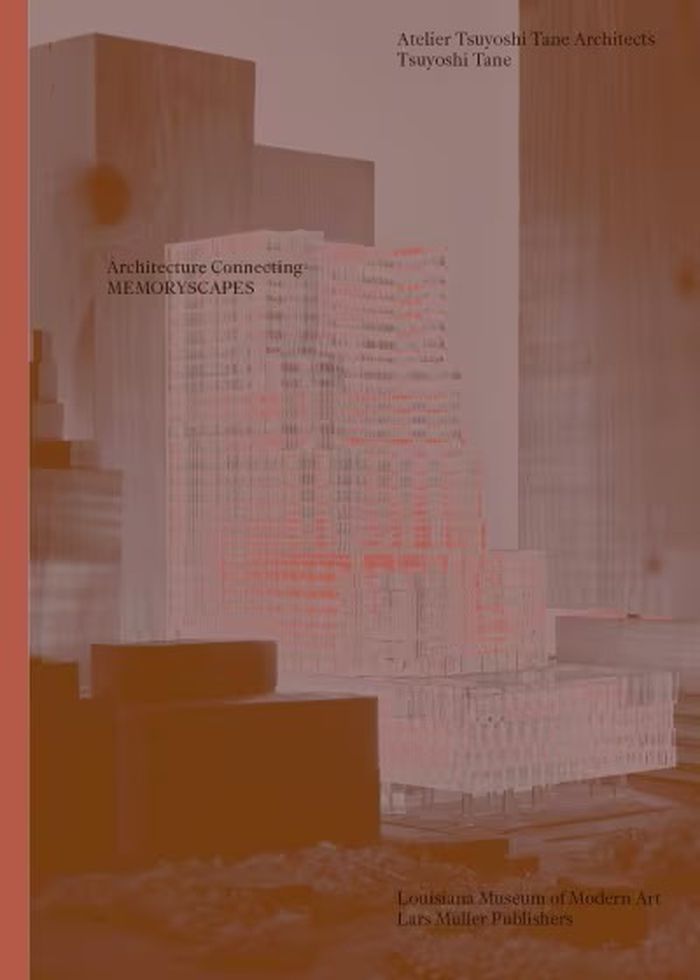
"Memoryscapes," the second volume in the "Architecture Connecting" series, co-published with the Louisiana Museum of Modern Art, examines the role of human narratives in shaping the spaces of tomorrow. Focusing on the intersections of architecture with anthropology, archaeology and geology, the book presents the work of two studios whose practices engage deeply with the(...)
$56.00
(disponible en magasin)
Résumé:
"Memoryscapes," the second volume in the "Architecture Connecting" series, co-published with the Louisiana Museum of Modern Art, examines the role of human narratives in shaping the spaces of tomorrow. Focusing on the intersections of architecture with anthropology, archaeology and geology, the book presents the work of two studios whose practices engage deeply with the(...)
Sujet:
L'écologie de l'architecure
L'écologie de l'architecure
Publication:
avril 2026
avril 2026
Titre:
Architecture connecting: Xu Tiantian & Tsuyoshi Tane
Actions:
Prix:
$56.00
(disponible en magasin)
Résumé:
"Memoryscapes," the second volume in the "Architecture Connecting" series, co-published with the Louisiana Museum of Modern Art, examines the role of human narratives in shaping the spaces of tomorrow. Focusing on the intersections of architecture with anthropology, archaeology and geology, the book presents the work of two studios whose practices engage deeply with the past through both broad investigative research and precise architectural responses. Bound back-to-back, the publication comprises two volumes presenting the distinct approaches of DnA Architecture and Design (Beijing) and Atelier Tsuyoshi Tane Architects (ATTA, Tokyo and Paris). DnA’s practice of "architectural acupuncture" focuses on the social and economic regeneration of rural Chinese communities through targeted interventions that revive long-standing cultural practices, while ATTA’s "Archaeology of the Future" draws on the layered memories of places to create future possibilities across architecture, urban planning and exhibition design, in an international context. Led by Xu Tiantian and Tsuyoshi Tane, respectively, the two studios share an approach that connects social traditions, cultural heritage, craftsmanship and production conditions within complex, site-specific frameworks. Through illustrated essays and project dossiers, the publication traces how these practices draw on lived histories and place-based knowledge to generate new architectural narratives, bridging the past and the future in response to contemporary needs.
Architecture connecting: Xu Tiantian & Tsuyoshi Tane
Actions:
Prix:
$56.00
(disponible en magasin)
Résumé:
"Memoryscapes," the second volume in the "Architecture Connecting" series, co-published with the Louisiana Museum of Modern Art, examines the role of human narratives in shaping the spaces of tomorrow. Focusing on the intersections of architecture with anthropology, archaeology and geology, the book presents the work of two studios whose practices engage deeply with the past through both broad investigative research and precise architectural responses. Bound back-to-back, the publication comprises two volumes presenting the distinct approaches of DnA Architecture and Design (Beijing) and Atelier Tsuyoshi Tane Architects (ATTA, Tokyo and Paris). DnA’s practice of "architectural acupuncture" focuses on the social and economic regeneration of rural Chinese communities through targeted interventions that revive long-standing cultural practices, while ATTA’s "Archaeology of the Future" draws on the layered memories of places to create future possibilities across architecture, urban planning and exhibition design, in an international context. Led by Xu Tiantian and Tsuyoshi Tane, respectively, the two studios share an approach that connects social traditions, cultural heritage, craftsmanship and production conditions within complex, site-specific frameworks. Through illustrated essays and project dossiers, the publication traces how these practices draw on lived histories and place-based knowledge to generate new architectural narratives, bridging the past and the future in response to contemporary needs.
Classification:
livres
livres
Publication:
avril 2026
avril 2026
Sujet:
L'écologie de l'architecure
L'écologie de l'architecure
Classification:
livres
livres
Prix:
$134.95
(disponible sur commande)
Résumé:
The Austrian architect-artist Hans Hollein was appointed in 1972 to design a new museum for the post-industrial city of Mönchengladbach in West Germany which transformed it into a centre for contemporary art. This book reveals the full story of this innovative masterpiece. Opening in 1982, Museum Abteiberg was instantly lauded by international critics and Hollein was duly(...)
$134.95
(disponible sur commande)
Résumé:
The Austrian architect-artist Hans Hollein was appointed in 1972 to design a new museum for the post-industrial city of Mönchengladbach in West Germany which transformed it into a centre for contemporary art. This book reveals the full story of this innovative masterpiece. Opening in 1982, Museum Abteiberg was instantly lauded by international critics and Hollein was duly(...)
Titre:
Hans Hollein's Masterpiece: Art, architecture and the city
Actions:
Prix:
$134.95
(disponible sur commande)
Résumé:
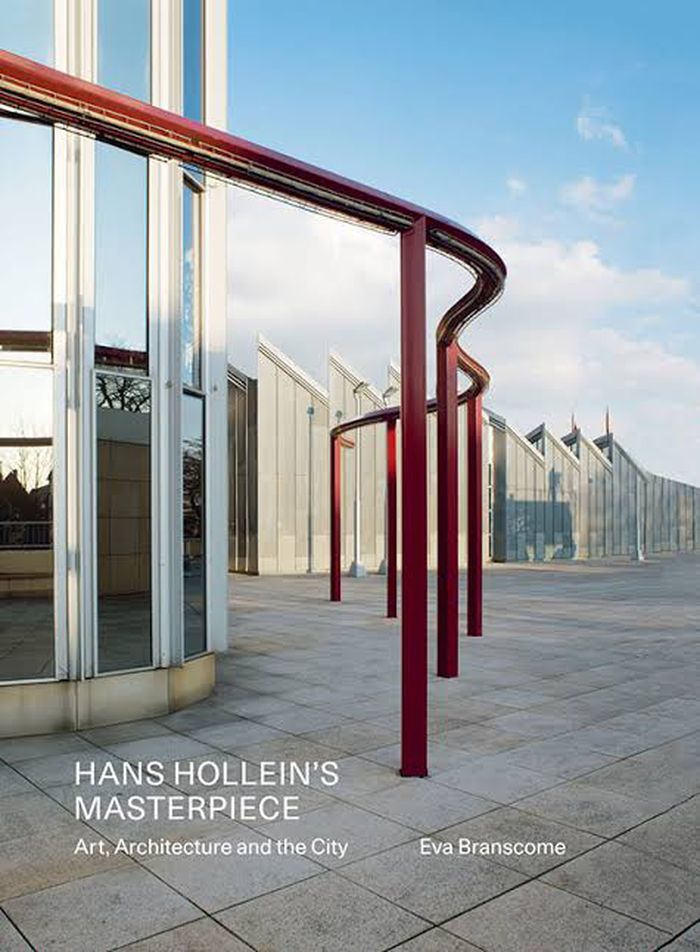
The Austrian architect-artist Hans Hollein was appointed in 1972 to design a new museum for the post-industrial city of Mönchengladbach in West Germany which transformed it into a centre for contemporary art. This book reveals the full story of this innovative masterpiece. Opening in 1982, Museum Abteiberg was instantly lauded by international critics and Hollein was duly awarded the 1985 Pritzker Prize. The book provides a timely and comprehensive reappraisal of the museum from concept, through the design process to its completion. It explains that Hollein was at his core a conceptual artist, perceiving the museum as provocative land art, with an architectural collage as exterior and a labyrinthine, ‘'democratic'’ interior, designed around the collection. It features a triptych of characters - Hollein, director Johannes Cladders and artist Joseph Beuys – whose close collaboration resulted in a museum which transformed thinking about how art, architecture and context – historical, cultural and geographical - should all relate. Radical at the time, many of the ideas that they first realised in this building have now become the norm in museum practice. Broader than a simple building study, this is a story which not only connects art with architecture and with the city, but with finance, corporate power and capital investment.
Hans Hollein's Masterpiece: Art, architecture and the city
Actions:
Prix:
$134.95
(disponible sur commande)
Résumé:
The Austrian architect-artist Hans Hollein was appointed in 1972 to design a new museum for the post-industrial city of Mönchengladbach in West Germany which transformed it into a centre for contemporary art. This book reveals the full story of this innovative masterpiece. Opening in 1982, Museum Abteiberg was instantly lauded by international critics and Hollein was duly awarded the 1985 Pritzker Prize. The book provides a timely and comprehensive reappraisal of the museum from concept, through the design process to its completion. It explains that Hollein was at his core a conceptual artist, perceiving the museum as provocative land art, with an architectural collage as exterior and a labyrinthine, ‘'democratic'’ interior, designed around the collection. It features a triptych of characters - Hollein, director Johannes Cladders and artist Joseph Beuys – whose close collaboration resulted in a museum which transformed thinking about how art, architecture and context – historical, cultural and geographical - should all relate. Radical at the time, many of the ideas that they first realised in this building have now become the norm in museum practice. Broader than a simple building study, this is a story which not only connects art with architecture and with the city, but with finance, corporate power and capital investment.
Classification:
livres
livres
Publication:
novembre 2025
novembre 2025
Sujet:
Architecture, monographies
Architecture, monographies
Classification:
livres
livres
Actions:
Prix:
$16.95
(disponible en magasin)
Résumé:
In the summer of 2025, nine Western States formally recognized the State of Palestine. This State recognition and the resurrection of the moribund so-called “two-State solution” is combined with a criminalization of calls to liberate Palestine “from the river to the sea.” This issue asks: can liberation ever take the form of a state? Borrowing a phrase Sophia Azeb used(...)
$16.95
(disponible en magasin)
Résumé:
In the summer of 2025, nine Western States formally recognized the State of Palestine. This State recognition and the resurrection of the moribund so-called “two-State solution” is combined with a criminalization of calls to liberate Palestine “from the river to the sea.” This issue asks: can liberation ever take the form of a state? Borrowing a phrase Sophia Azeb used(...)
Titre:
The Funambulist 64: The no-state solution
Actions:
Prix:
$16.95
(disponible en magasin)
Résumé:
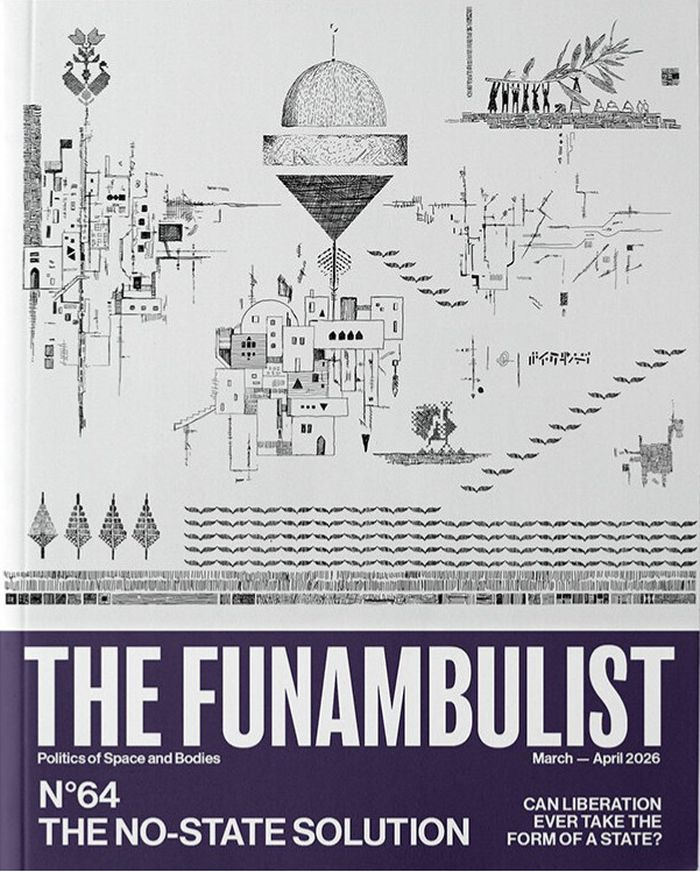
In the summer of 2025, nine Western States formally recognized the State of Palestine. This State recognition and the resurrection of the moribund so-called “two-State solution” is combined with a criminalization of calls to liberate Palestine “from the river to the sea.” This issue asks: can liberation ever take the form of a state? Borrowing a phrase Sophia Azeb used multiple times in the history of The Funambulist (since our first conversation in 2014), The No-State Solution intends to revisit this concept in the context of Palestine in challenging the very idea of “solution” (Sophia Azeb & Rebecca Gross), but also in other liberation struggles such as the Kurdish (Havin Guneser) and Zapatista (Linda Quiquivix) ones. It warns us against state dreams, such as the ones implemented in Sierra Leone and Liberia (what William C. Anderson calls “Black Zionism” in his contribution), and questions the differences between State and community forms of governance, in particular when it comes to healthcare, as made evident in Cuba and Venezuela (Lisbeth Moya González). Finally, it envisions borderless, stateless futures in Aotearoa (Kai-rui Cheng) and Kanaky (Florenda Nirikani). As for the artwork on the cover, it is an original creation by Samir Harb.
The Funambulist 64: The no-state solution
Actions:
Prix:
$16.95
(disponible en magasin)
Résumé:
In the summer of 2025, nine Western States formally recognized the State of Palestine. This State recognition and the resurrection of the moribund so-called “two-State solution” is combined with a criminalization of calls to liberate Palestine “from the river to the sea.” This issue asks: can liberation ever take the form of a state? Borrowing a phrase Sophia Azeb used multiple times in the history of The Funambulist (since our first conversation in 2014), The No-State Solution intends to revisit this concept in the context of Palestine in challenging the very idea of “solution” (Sophia Azeb & Rebecca Gross), but also in other liberation struggles such as the Kurdish (Havin Guneser) and Zapatista (Linda Quiquivix) ones. It warns us against state dreams, such as the ones implemented in Sierra Leone and Liberia (what William C. Anderson calls “Black Zionism” in his contribution), and questions the differences between State and community forms of governance, in particular when it comes to healthcare, as made evident in Cuba and Venezuela (Lisbeth Moya González). Finally, it envisions borderless, stateless futures in Aotearoa (Kai-rui Cheng) and Kanaky (Florenda Nirikani). As for the artwork on the cover, it is an original creation by Samir Harb.
Classification:
livres
livres
Publication:
mars 2026
mars 2026
Sujet:
Revues
Revues
Classification:
livres
livres
Actions:
Prix:
$44.95
(disponible sur commande)
Résumé:
This volume expands David Reinfurt’s uniquely pragmatic and experimental approach to pedagogy into a collaborative project that weaves together a multiplicity of voices to present a polyphonic approach to design history and teaching. Three of Reinfurt’s new Princeton University graphic design courses—C-i-r-c-u-l-a-t-i-o-n, M-u-l-t-p-l-i-c-i-t-y and(...)
$44.95
(disponible sur commande)
Résumé:
This volume expands David Reinfurt’s uniquely pragmatic and experimental approach to pedagogy into a collaborative project that weaves together a multiplicity of voices to present a polyphonic approach to design history and teaching. Three of Reinfurt’s new Princeton University graphic design courses—C-i-r-c-u-l-a-t-i-o-n, M-u-l-t-p-l-i-c-i-t-y and(...)
Publication:
août 2025
août 2025
Titre:
A Co* program for graphic design
Actions:
Prix:
$44.95
(disponible sur commande)
Résumé:
This volume expands David Reinfurt’s uniquely pragmatic and experimental approach to pedagogy into a collaborative project that weaves together a multiplicity of voices to present a polyphonic approach to design history and teaching. Three of Reinfurt’s new Princeton University graphic design courses—C-i-r-c-u-l-a-t-i-o-n, M-u-l-t-p-l-i-c-i-t-y and R-e-s-e-a-r-c-h—developed explicitly in the context of remote teaching and in light of urgent realignments around whose stories get told and who does the telling, are presented in this follow-up to A *New* Program for Graphic Design (Inventory Press/D.A.P., 2018). C-i-r-c-u-l-a-t-i-o-n examines the distribution networks for graphic design including electronic and conventional means. M-u-l-t-p-l-i-c-i-t-y, taught with mathematics professor Philip Ording, explores graphic design from the perspective of topology and topology through the practice of graphic design. R-e-s-e-a-r-c-h is an advanced graphic design class which cultivates an exploratory and expansive design process and investigates what the term ""design research"" has meant at different points in design history.
A Co* program for graphic design
Actions:
Prix:
$44.95
(disponible sur commande)
Résumé:
This volume expands David Reinfurt’s uniquely pragmatic and experimental approach to pedagogy into a collaborative project that weaves together a multiplicity of voices to present a polyphonic approach to design history and teaching. Three of Reinfurt’s new Princeton University graphic design courses—C-i-r-c-u-l-a-t-i-o-n, M-u-l-t-p-l-i-c-i-t-y and R-e-s-e-a-r-c-h—developed explicitly in the context of remote teaching and in light of urgent realignments around whose stories get told and who does the telling, are presented in this follow-up to A *New* Program for Graphic Design (Inventory Press/D.A.P., 2018). C-i-r-c-u-l-a-t-i-o-n examines the distribution networks for graphic design including electronic and conventional means. M-u-l-t-p-l-i-c-i-t-y, taught with mathematics professor Philip Ording, explores graphic design from the perspective of topology and topology through the practice of graphic design. R-e-s-e-a-r-c-h is an advanced graphic design class which cultivates an exploratory and expansive design process and investigates what the term ""design research"" has meant at different points in design history.
Classification:
livres
livres
Publication:
août 2025
août 2025
Classification:
livres
livres
Actions:
Prix:
$83.00
(disponible sur commande)
Résumé:
The ecological approach to building is the great untold story in the architectural history of the past century. This book is essential reading for architects and students. As an urgent wake-up call on the state of our built environment, it will be of interest to everyone who cares about the future of our planet. In the past, many of the key tenets of the ecological(...)
$83.00
(disponible sur commande)
Résumé:
The ecological approach to building is the great untold story in the architectural history of the past century. This book is essential reading for architects and students. As an urgent wake-up call on the state of our built environment, it will be of interest to everyone who cares about the future of our planet. In the past, many of the key tenets of the ecological(...)
Titre:
Ecological architecture : a critical history
Actions:
Prix:
$83.00
(disponible sur commande)
Résumé:
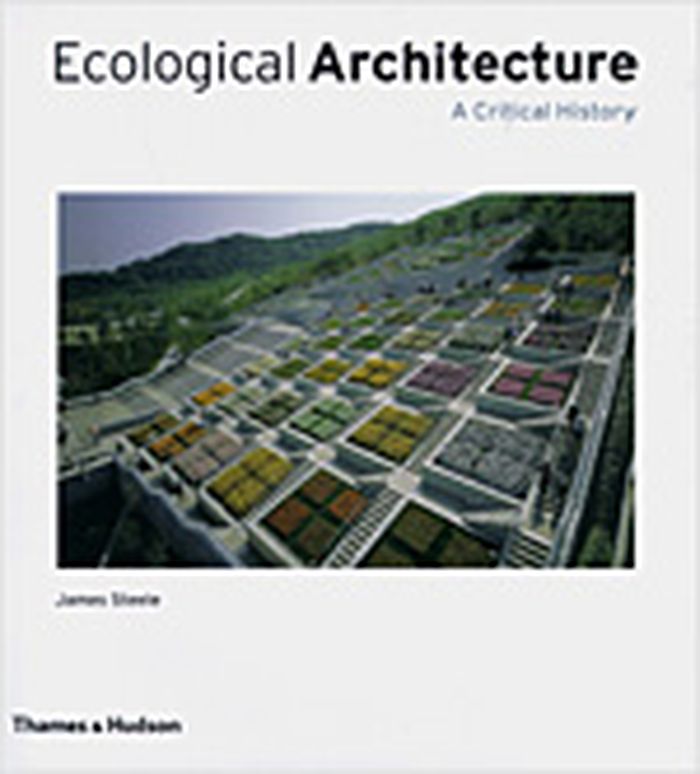
The ecological approach to building is the great untold story in the architectural history of the past century. This book is essential reading for architects and students. As an urgent wake-up call on the state of our built environment, it will be of interest to everyone who cares about the future of our planet. In the past, many of the key tenets of the ecological philosophy - sustainability, energy efficiency, harmonious relationship with the environment - appeared to stand contrast to the sweep of science-led ‘progress’ that characterized the modern movement. Today, however, past visionaries are vindicated and yesterday’s eccentricities are today’s legal requirements: every architect has an obligation to the environment as well as to his or her client. After an introduction to the terminology of ecological architecture - including terms such as ‘green’ and ‘sustainable’, ’Part one’ identifies recurring themes in ecological architecture. ‘Part two’ features twenty-five case studies each focusing on a specific architect, movement or topic. Some of the names are familiar in this context - Rasem Badran, Hassan Fathy - but there are also plenty of surprises - Le Corbusier, Buckminster Fuller, Rudolf Schindler. ‘Part three’ looks to the future as ecological architecture struggles to deal with global urbanization.
Ecological architecture : a critical history
Actions:
Prix:
$83.00
(disponible sur commande)
Résumé:
The ecological approach to building is the great untold story in the architectural history of the past century. This book is essential reading for architects and students. As an urgent wake-up call on the state of our built environment, it will be of interest to everyone who cares about the future of our planet. In the past, many of the key tenets of the ecological philosophy - sustainability, energy efficiency, harmonious relationship with the environment - appeared to stand contrast to the sweep of science-led ‘progress’ that characterized the modern movement. Today, however, past visionaries are vindicated and yesterday’s eccentricities are today’s legal requirements: every architect has an obligation to the environment as well as to his or her client. After an introduction to the terminology of ecological architecture - including terms such as ‘green’ and ‘sustainable’, ’Part one’ identifies recurring themes in ecological architecture. ‘Part two’ features twenty-five case studies each focusing on a specific architect, movement or topic. Some of the names are familiar in this context - Rasem Badran, Hassan Fathy - but there are also plenty of surprises - Le Corbusier, Buckminster Fuller, Rudolf Schindler. ‘Part three’ looks to the future as ecological architecture struggles to deal with global urbanization.
Classification:
livres
livres
Publication:
octobre 2005, London
octobre 2005, London
Sujet:
Architecture écologique
Architecture écologique
Classification:
livres
livres
Actions:
Prix:
$98.00
(disponible sur commande)
Résumé:
Robert A. M. Stern is dedicated to the synthesis of tradition and innovation. In more than thirty-five years of practice, he has produced a wide range of building types with a variety of stylistic influences, all inspired by the great legacy of American architecture. His firm, Robert A. M. Stern architects, was first recognized for its distinguished houses, and(...)
$98.00
(disponible sur commande)
Résumé:
Robert A. M. Stern is dedicated to the synthesis of tradition and innovation. In more than thirty-five years of practice, he has produced a wide range of building types with a variety of stylistic influences, all inspired by the great legacy of American architecture. His firm, Robert A. M. Stern architects, was first recognized for its distinguished houses, and(...)
Titre:
Robert A. M. Stern : houses and gardens
Actions:
Prix:
$98.00
(disponible sur commande)
Résumé:
Robert A. M. Stern is dedicated to the synthesis of tradition and innovation. In more than thirty-five years of practice, he has produced a wide range of building types with a variety of stylistic influences, all inspired by the great legacy of American architecture. His firm, Robert A. M. Stern architects, was first recognized for its distinguished houses, and residential design remains the cornerstone of the practice. This illustrated monograph-a companion to "Robert A. M. Stern: houses"- presents twenty-six of the firm's most memorable houses. Located in diverse settings across North America-from a valley in Colorado with views of the Aspen mountains to a bluff overlooking Long Island Sound to an island off the coast of British Columbia-these houses reveal the architect's emphasis on the importance of context and his dedication to exploring the nature of space. Each house invokes the vernacular architectural heritage particular to its region while reflecting its unique natural surroundings. Whether they are Shingle style "cottages" by the sea, colonial Georgian country estates, or elegant Regency designs, Stern's houses are unique both for their timelessness and their ability to evoke a conversation with the past-a dialogue he believes lies at the heart of architecture.
Robert A. M. Stern : houses and gardens
Actions:
Prix:
$98.00
(disponible sur commande)
Résumé:
Robert A. M. Stern is dedicated to the synthesis of tradition and innovation. In more than thirty-five years of practice, he has produced a wide range of building types with a variety of stylistic influences, all inspired by the great legacy of American architecture. His firm, Robert A. M. Stern architects, was first recognized for its distinguished houses, and residential design remains the cornerstone of the practice. This illustrated monograph-a companion to "Robert A. M. Stern: houses"- presents twenty-six of the firm's most memorable houses. Located in diverse settings across North America-from a valley in Colorado with views of the Aspen mountains to a bluff overlooking Long Island Sound to an island off the coast of British Columbia-these houses reveal the architect's emphasis on the importance of context and his dedication to exploring the nature of space. Each house invokes the vernacular architectural heritage particular to its region while reflecting its unique natural surroundings. Whether they are Shingle style "cottages" by the sea, colonial Georgian country estates, or elegant Regency designs, Stern's houses are unique both for their timelessness and their ability to evoke a conversation with the past-a dialogue he believes lies at the heart of architecture.
Classification:
livres
livres
Publication:
décembre 2005, New York
décembre 2005, New York
Sujet:
Architecture, monographies
Architecture, monographies
Classification:
livres
livres
Titre:
Unseen Europe : a survey of EU politics and its impact on spatial development in the Netherlands
Unseen Europe : a survey of EU politics and its impact on spatial development in the Netherlands
Actions:
Prix:
$37.95
(disponible sur commande)
Résumé:
The EU is involved, either directly or indirectly, in the most vital issues of national spatial policy. The indirect - and therefore usually unseen - consequences are often more significant, and will become increasingly so in the future. These are the most important findings in "Unseen Europe : a survey of EU politics and its impact on spatial development in the(...)
$37.95
(disponible sur commande)
Résumé:
The EU is involved, either directly or indirectly, in the most vital issues of national spatial policy. The indirect - and therefore usually unseen - consequences are often more significant, and will become increasingly so in the future. These are the most important findings in "Unseen Europe : a survey of EU politics and its impact on spatial development in the(...)
Publication:
janvier 2004, Rotterdam
janvier 2004, Rotterdam
Titre:
Unseen Europe : a survey of EU politics and its impact on spatial development in the Netherlands
Actions:
Prix:
$37.95
(disponible sur commande)
Résumé:
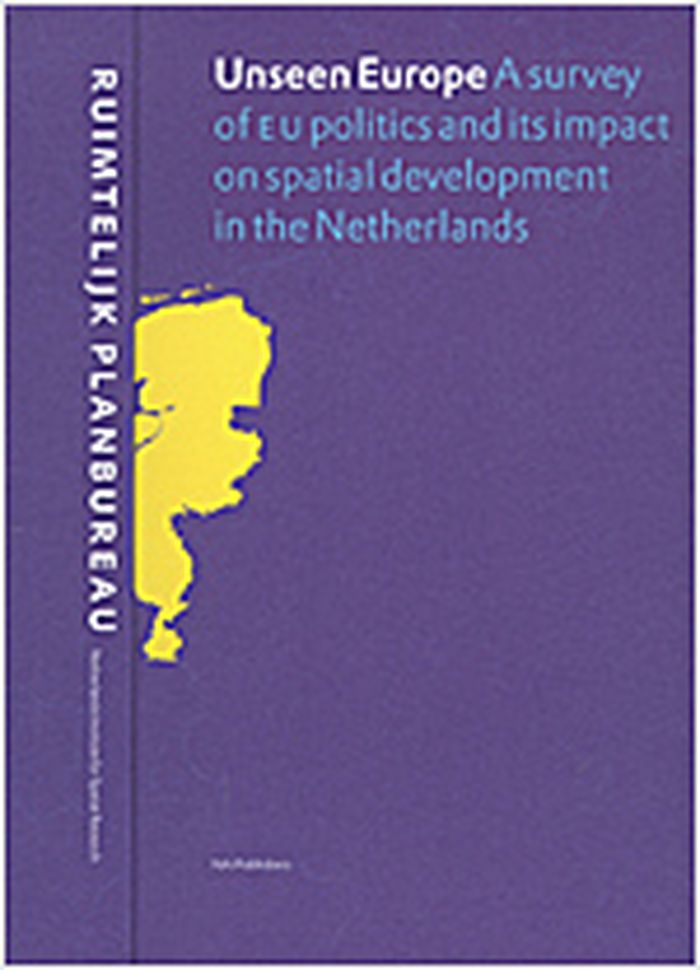
The EU is involved, either directly or indirectly, in the most vital issues of national spatial policy. The indirect - and therefore usually unseen - consequences are often more significant, and will become increasingly so in the future. These are the most important findings in "Unseen Europe : a survey of EU politics and its impact on spatial development in the Netherlands". This study by the Netherlands Institute for Spatial Planning (Ruimtelijk Planbureau) was presented to the Dutch minister of Housing, Spatial Planning and the Environment, Sybilla M. Dekker. This study surveys a selected number of spatially relevant EU policy fields and their potential impacts in the Netherlands. Given this growing importance of European policy, those involved in spatial policy should keep abreast of developments to avoid being caught off-guard by new EU directives or initiatives. Where necessary position should be taken against the too uniform a character of European policy. Otherwise, the Dutch government should more actively anticipate the chances offered by the European context. Without this European perspective it is more and more difficult to conduct spatial policy. Instead of considering the EU as restrictive only, policy should therefore be formulated from a European perspective. In this respect the Netherlands still turns its back on Brussels too much.
Unseen Europe : a survey of EU politics and its impact on spatial development in the Netherlands
Actions:
Prix:
$37.95
(disponible sur commande)
Résumé:
The EU is involved, either directly or indirectly, in the most vital issues of national spatial policy. The indirect - and therefore usually unseen - consequences are often more significant, and will become increasingly so in the future. These are the most important findings in "Unseen Europe : a survey of EU politics and its impact on spatial development in the Netherlands". This study by the Netherlands Institute for Spatial Planning (Ruimtelijk Planbureau) was presented to the Dutch minister of Housing, Spatial Planning and the Environment, Sybilla M. Dekker. This study surveys a selected number of spatially relevant EU policy fields and their potential impacts in the Netherlands. Given this growing importance of European policy, those involved in spatial policy should keep abreast of developments to avoid being caught off-guard by new EU directives or initiatives. Where necessary position should be taken against the too uniform a character of European policy. Otherwise, the Dutch government should more actively anticipate the chances offered by the European context. Without this European perspective it is more and more difficult to conduct spatial policy. Instead of considering the EU as restrictive only, policy should therefore be formulated from a European perspective. In this respect the Netherlands still turns its back on Brussels too much.
Classification:
livres
livres
Publication:
janvier 2004, Rotterdam
janvier 2004, Rotterdam
Classification:
livres
livres
Titre:
Queering architecture
Queering architecture
Actions:
Prix:
$52.50
(disponible sur commande)
Résumé:
Featuring contributions from a range of significant voices in the field, this volume renews the conversation around what it means to speak of the "queer" in the context of architecture, and offers a fresh take on the methodological and epistemological challenges this poses to the discipline of architectural theory. Architecture as a discipline, a profession and an applied(...)
$52.50
(disponible sur commande)
Résumé:
Featuring contributions from a range of significant voices in the field, this volume renews the conversation around what it means to speak of the "queer" in the context of architecture, and offers a fresh take on the methodological and epistemological challenges this poses to the discipline of architectural theory. Architecture as a discipline, a profession and an applied(...)
Titre:
Queering architecture
Actions:
Prix:
$52.50
(disponible sur commande)
Résumé:
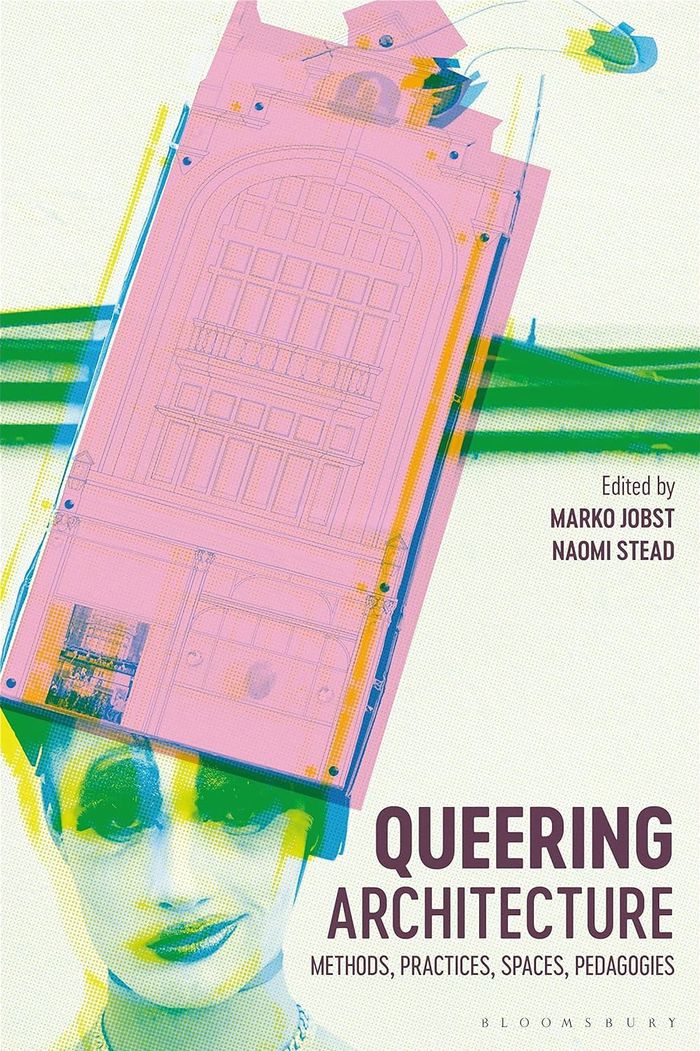
Featuring contributions from a range of significant voices in the field, this volume renews the conversation around what it means to speak of the "queer" in the context of architecture, and offers a fresh take on the methodological and epistemological challenges this poses to the discipline of architectural theory. Architecture as a discipline, a profession and an applied practice, is always subordinate to its own conceptual framework, which is one of orderliness. It refers to buildings, but also to infrastructures of thought and knowledge, to conventions and taxonomies, to structures of governance, hierarchies of power and systems of administration. How, then, can one look at queering architectural discourse when the very term "queer", celebrated for its elusive, slippery nature, resists and attacks such order? Divided into four subsections, the essays in this anthology each purse a distinct line of inquiry - methods, practices, spaces, and pedagogies - in order to help particularize the proposed queering of architecture. They demonstrate the paradoxical nature of the endeavour from a diverse range of perspectives – from the questions of mapping queer theory in architecture; to the issues of queer architectural archives, or lack thereof; to the non-Western linguistic challenges to the very term queer alongside decolonial approaches to architecture via indigeneity and landscape.
Queering architecture
Actions:
Prix:
$52.50
(disponible sur commande)
Résumé:
Featuring contributions from a range of significant voices in the field, this volume renews the conversation around what it means to speak of the "queer" in the context of architecture, and offers a fresh take on the methodological and epistemological challenges this poses to the discipline of architectural theory. Architecture as a discipline, a profession and an applied practice, is always subordinate to its own conceptual framework, which is one of orderliness. It refers to buildings, but also to infrastructures of thought and knowledge, to conventions and taxonomies, to structures of governance, hierarchies of power and systems of administration. How, then, can one look at queering architectural discourse when the very term "queer", celebrated for its elusive, slippery nature, resists and attacks such order? Divided into four subsections, the essays in this anthology each purse a distinct line of inquiry - methods, practices, spaces, and pedagogies - in order to help particularize the proposed queering of architecture. They demonstrate the paradoxical nature of the endeavour from a diverse range of perspectives – from the questions of mapping queer theory in architecture; to the issues of queer architectural archives, or lack thereof; to the non-Western linguistic challenges to the very term queer alongside decolonial approaches to architecture via indigeneity and landscape.
Classification:
livres
livres
Publication:
mai 2024
mai 2024
Classification:
livres
livres

Actions:
Prix:
$134.99
(disponible en magasin)
Résumé:
Zaha Hadid is widely regarded as a visionary and influential architect, who became globally acclaimed by the time of her untimely death in 2016. This book is the first to focus on how painting was fundamental to her practice. During the first 20 years of her career, she earned her reputation through ‘'paper architecture'’: projects which were widely published in(...)
$134.99
(disponible en magasin)
Résumé:
Zaha Hadid is widely regarded as a visionary and influential architect, who became globally acclaimed by the time of her untimely death in 2016. This book is the first to focus on how painting was fundamental to her practice. During the first 20 years of her career, she earned her reputation through ‘'paper architecture'’: projects which were widely published in(...)
Titre:
Zaha Hadid's paintings: imagining architecture
Actions:
Prix:
$134.99
(disponible en magasin)
Résumé:
Zaha Hadid is widely regarded as a visionary and influential architect, who became globally acclaimed by the time of her untimely death in 2016. This book is the first to focus on how painting was fundamental to her practice. During the first 20 years of her career, she earned her reputation through ‘'paper architecture'’: projects which were widely published in architecture journals and exhibited, but which remained largely unbuilt. Influenced by the Suprematists, she used her paintings as design tools and abstraction as an investigative structure for imagining architecture. Drawing extensively on interviews with Hadid's contemporaries and her team of assistants and her past presentations and in-depth interviews, this book is the first to focus on the important aspect of Hadid’s work. It examines selected paintings in detail, both critically assessing them in the wider context of 20th-century fine art – in relation to the Suprematists, de Stijl, Cubism and Futurism – and offering insights into how Hadid used the paintings to develop architectural and spatial ideas, which she would later realise in her buildings. The paintings were created at a pivotal time in architecture, just before the move away from hand drawing to computers and many of Hadid’s paintings pre-empt the potential of digital and virtual reality.
Zaha Hadid's paintings: imagining architecture
Actions:
Prix:
$134.99
(disponible en magasin)
Résumé:
Zaha Hadid is widely regarded as a visionary and influential architect, who became globally acclaimed by the time of her untimely death in 2016. This book is the first to focus on how painting was fundamental to her practice. During the first 20 years of her career, she earned her reputation through ‘'paper architecture'’: projects which were widely published in architecture journals and exhibited, but which remained largely unbuilt. Influenced by the Suprematists, she used her paintings as design tools and abstraction as an investigative structure for imagining architecture. Drawing extensively on interviews with Hadid's contemporaries and her team of assistants and her past presentations and in-depth interviews, this book is the first to focus on the important aspect of Hadid’s work. It examines selected paintings in detail, both critically assessing them in the wider context of 20th-century fine art – in relation to the Suprematists, de Stijl, Cubism and Futurism – and offering insights into how Hadid used the paintings to develop architectural and spatial ideas, which she would later realise in her buildings. The paintings were created at a pivotal time in architecture, just before the move away from hand drawing to computers and many of Hadid’s paintings pre-empt the potential of digital and virtual reality.
Classification:
livres
livres
Publication:
mai 2025
mai 2025
Sujet:
Architecture, monographies
Architecture, monographies


