


5377 Résultats
Classification:
livres
livres
Actions:
Prix:
$44.95
(disponible sur commande)
Résumé:
This volume expands David Reinfurt’s uniquely pragmatic and experimental approach to pedagogy into a collaborative project that weaves together a multiplicity of voices to present a polyphonic approach to design history and teaching. Three of Reinfurt’s new Princeton University graphic design courses—C-i-r-c-u-l-a-t-i-o-n, M-u-l-t-p-l-i-c-i-t-y and(...)
$44.95
(disponible sur commande)
Résumé:
This volume expands David Reinfurt’s uniquely pragmatic and experimental approach to pedagogy into a collaborative project that weaves together a multiplicity of voices to present a polyphonic approach to design history and teaching. Three of Reinfurt’s new Princeton University graphic design courses—C-i-r-c-u-l-a-t-i-o-n, M-u-l-t-p-l-i-c-i-t-y and(...)
Publication:
août 2025
août 2025
Titre:
A Co* program for graphic design
Actions:
Prix:
$44.95
(disponible sur commande)
Résumé:
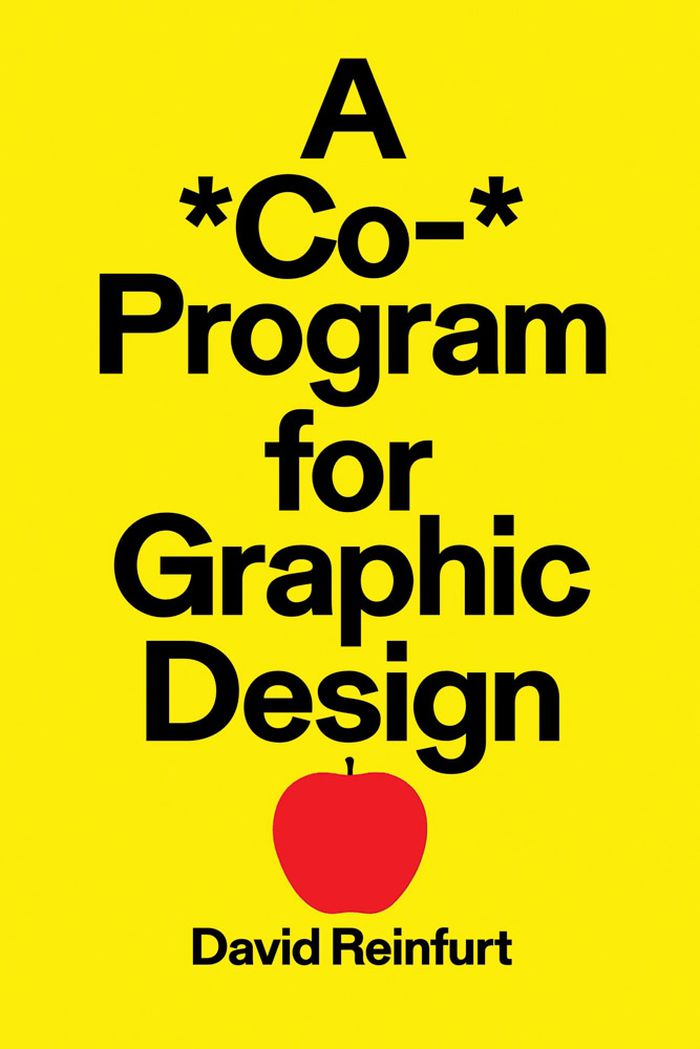
This volume expands David Reinfurt’s uniquely pragmatic and experimental approach to pedagogy into a collaborative project that weaves together a multiplicity of voices to present a polyphonic approach to design history and teaching. Three of Reinfurt’s new Princeton University graphic design courses—C-i-r-c-u-l-a-t-i-o-n, M-u-l-t-p-l-i-c-i-t-y and R-e-s-e-a-r-c-h—developed explicitly in the context of remote teaching and in light of urgent realignments around whose stories get told and who does the telling, are presented in this follow-up to A *New* Program for Graphic Design (Inventory Press/D.A.P., 2018). C-i-r-c-u-l-a-t-i-o-n examines the distribution networks for graphic design including electronic and conventional means. M-u-l-t-p-l-i-c-i-t-y, taught with mathematics professor Philip Ording, explores graphic design from the perspective of topology and topology through the practice of graphic design. R-e-s-e-a-r-c-h is an advanced graphic design class which cultivates an exploratory and expansive design process and investigates what the term ""design research"" has meant at different points in design history.
A Co* program for graphic design
Actions:
Prix:
$44.95
(disponible sur commande)
Résumé:
This volume expands David Reinfurt’s uniquely pragmatic and experimental approach to pedagogy into a collaborative project that weaves together a multiplicity of voices to present a polyphonic approach to design history and teaching. Three of Reinfurt’s new Princeton University graphic design courses—C-i-r-c-u-l-a-t-i-o-n, M-u-l-t-p-l-i-c-i-t-y and R-e-s-e-a-r-c-h—developed explicitly in the context of remote teaching and in light of urgent realignments around whose stories get told and who does the telling, are presented in this follow-up to A *New* Program for Graphic Design (Inventory Press/D.A.P., 2018). C-i-r-c-u-l-a-t-i-o-n examines the distribution networks for graphic design including electronic and conventional means. M-u-l-t-p-l-i-c-i-t-y, taught with mathematics professor Philip Ording, explores graphic design from the perspective of topology and topology through the practice of graphic design. R-e-s-e-a-r-c-h is an advanced graphic design class which cultivates an exploratory and expansive design process and investigates what the term ""design research"" has meant at different points in design history.
Classification:
livres
livres
Publication:
août 2025
août 2025
Classification:
livres
livres

Actions:
Prix:
$67.00
(disponible sur commande)
Résumé:
In 2004, we published Sonic, our bestseller that presented visuals for music. Along with the continuing proliferation and success of MP3s and the iPod over the last three years, engaging cover and packaging design have become even more important reasons for listeners to buy music in its traditional forms. Supersonic results from and investigates these recent(...)
$67.00
(disponible sur commande)
Résumé:
In 2004, we published Sonic, our bestseller that presented visuals for music. Along with the continuing proliferation and success of MP3s and the iPod over the last three years, engaging cover and packaging design have become even more important reasons for listeners to buy music in its traditional forms. Supersonic results from and investigates these recent(...)
Sujet:
Design d’intérieur
Design d’intérieur
Publication:
octobre 2007, Berlin
octobre 2007, Berlin
Titre:
Supersonic: Visuals for music
Actions:
Prix:
$67.00
(disponible sur commande)
Résumé:
In 2004, we published Sonic, our bestseller that presented visuals for music. Along with the continuing proliferation and success of MP3s and the iPod over the last three years, engaging cover and packaging design have become even more important reasons for listeners to buy music in its traditional forms. Supersonic results from and investigates these recent developments. Supersonic presents over 320 striking pages of today's best-designed music products with a focus on Independent and Alterative Rock as well as Electronica. In addition to abundant visuals, the book contains an informative foreword and features portraits of selected designers and companies, who are creating outstanding work in these musical fields. The diverse examples are structured into chapters with introductory texts that put each new subject into context for the reader. With its stunning images from today's most exciting music, Supersonic is a source of inspiration for all music insiders and the graphic artists creating music packaging and visual identities for bands. Because design for music is a field where experimental work thrives and new trends develop that go on to influence other fields, this book is also a veritable "must-have" for a general audience of creatives as well as concertgoers and gift givers.
Supersonic: Visuals for music
Actions:
Prix:
$67.00
(disponible sur commande)
Résumé:
In 2004, we published Sonic, our bestseller that presented visuals for music. Along with the continuing proliferation and success of MP3s and the iPod over the last three years, engaging cover and packaging design have become even more important reasons for listeners to buy music in its traditional forms. Supersonic results from and investigates these recent developments. Supersonic presents over 320 striking pages of today's best-designed music products with a focus on Independent and Alterative Rock as well as Electronica. In addition to abundant visuals, the book contains an informative foreword and features portraits of selected designers and companies, who are creating outstanding work in these musical fields. The diverse examples are structured into chapters with introductory texts that put each new subject into context for the reader. With its stunning images from today's most exciting music, Supersonic is a source of inspiration for all music insiders and the graphic artists creating music packaging and visual identities for bands. Because design for music is a field where experimental work thrives and new trends develop that go on to influence other fields, this book is also a veritable "must-have" for a general audience of creatives as well as concertgoers and gift givers.
Classification:
livres
livres
Publication:
octobre 2007, Berlin
octobre 2007, Berlin
Sujet:
Design d’intérieur
Design d’intérieur
Classification:
livres
livres

Titre:
World City
World City
Actions:
Prix:
$29.99
(disponible sur commande)
Résumé:
Cities around the world are striving to be global. This book tells the story of one of them, and in so doing raises questions which are essential for all cities. These questions concern identity, place, and political responsibility in the changing geographies of our times. The book also tells the story of the rise of a new class, of deepening inequality, and of the(...)
$29.99
(disponible sur commande)
Résumé:
Cities around the world are striving to be global. This book tells the story of one of them, and in so doing raises questions which are essential for all cities. These questions concern identity, place, and political responsibility in the changing geographies of our times. The book also tells the story of the rise of a new class, of deepening inequality, and of the(...)
Sujet:
Théorie de l’architecture
Théorie de l’architecture
Publication:
septembre 2007, Cambridge, Malden
septembre 2007, Cambridge, Malden
Titre:
World City
Actions:
Prix:
$29.99
(disponible sur commande)
Résumé:
Cities around the world are striving to be global. This book tells the story of one of them, and in so doing raises questions which are essential for all cities. These questions concern identity, place, and political responsibility in the changing geographies of our times. The book also tells the story of the rise of a new class, of deepening inequality, and of the geographical imaginations that are mobilised to legitimate the increasing dominance of these powerful metropoles. In so doing, it sets the global city in its wider geographical and political context. World City focuses its account on London, one of the greatest of these global cities. London is a city of delight and of creativity, of the generation of vast wealth and of acute poverty. It also presides over a country increasingly divided between North and South and over a neo-liberal form of globalisation the deregulation, financialisation and commercialisation of all aspects of life that results in an evermore unequal world.World City explores how we can understand this complex narrative and asks a question that should be asked of any city: what does this place stand for? This book will appeal to students of human geography, politics and sociology as well as to the general reader.
World City
Actions:
Prix:
$29.99
(disponible sur commande)
Résumé:
Cities around the world are striving to be global. This book tells the story of one of them, and in so doing raises questions which are essential for all cities. These questions concern identity, place, and political responsibility in the changing geographies of our times. The book also tells the story of the rise of a new class, of deepening inequality, and of the geographical imaginations that are mobilised to legitimate the increasing dominance of these powerful metropoles. In so doing, it sets the global city in its wider geographical and political context. World City focuses its account on London, one of the greatest of these global cities. London is a city of delight and of creativity, of the generation of vast wealth and of acute poverty. It also presides over a country increasingly divided between North and South and over a neo-liberal form of globalisation the deregulation, financialisation and commercialisation of all aspects of life that results in an evermore unequal world.World City explores how we can understand this complex narrative and asks a question that should be asked of any city: what does this place stand for? This book will appeal to students of human geography, politics and sociology as well as to the general reader.
Classification:
livres
livres
Publication:
septembre 2007, Cambridge, Malden
septembre 2007, Cambridge, Malden
Sujet:
Théorie de l’architecture
Théorie de l’architecture
Classification:
livres
livres
Actions:
Prix:
$26.95
(disponible sur commande)
Résumé:
Measures are the subject of this unusual book, in which Robert Tavernor offers a fascinating account of the various measuring systems human beings have devised over two millennia. Tavernor urges us to look beyond the notion that measuring is strictly a scientific activity, divorced from human concerns. Instead, he sets measures and measuring in cultural context and shows(...)
$26.95
(disponible sur commande)
Résumé:
Measures are the subject of this unusual book, in which Robert Tavernor offers a fascinating account of the various measuring systems human beings have devised over two millennia. Tavernor urges us to look beyond the notion that measuring is strictly a scientific activity, divorced from human concerns. Instead, he sets measures and measuring in cultural context and shows(...)
Titre:
Smoot's Ear : The measure of humanity
Actions:
Prix:
$26.95
(disponible sur commande)
Résumé:
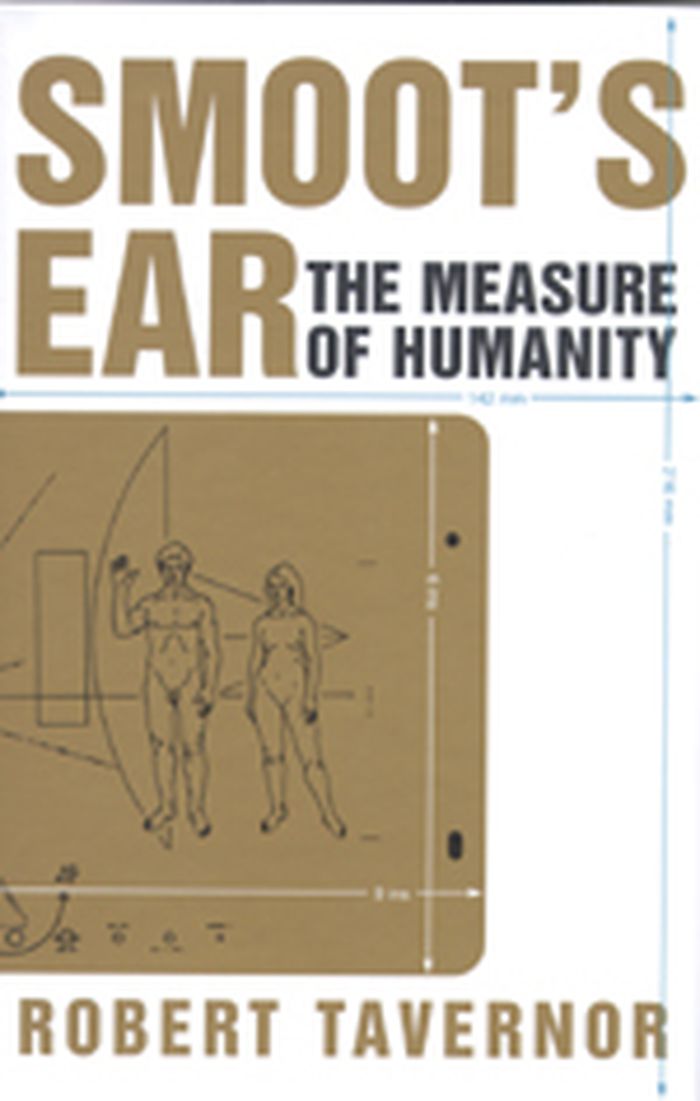
Measures are the subject of this unusual book, in which Robert Tavernor offers a fascinating account of the various measuring systems human beings have devised over two millennia. Tavernor urges us to look beyond the notion that measuring is strictly a scientific activity, divorced from human concerns. Instead, he sets measures and measuring in cultural context and shows how deeply they are connected to human experience and history. The book explores changing attitudes toward measure, focusing on key moments in art, sculpture, architecture, philosophy, and the development of scientific thought. It encompasses the journey of Western civilization from the construction of the Great Pyramid to the first manned flight to the moon. Beginning with a review of early measuring standards that referred to the feet and inches of ideal bodies, the book then tracks how Enlightenment interest in a truly scientific system of measure led to the creation of the metric system. This “rational” approach to measure in turn has inspired artists, architects, writers, and others to seek a balance that takes the human story into account. Tavernor concludes with a discussion of measure in our own time, when space travel presents to humankind a direct encounter with the unfathomable measure of the universe.
Smoot's Ear : The measure of humanity
Actions:
Prix:
$26.95
(disponible sur commande)
Résumé:
Measures are the subject of this unusual book, in which Robert Tavernor offers a fascinating account of the various measuring systems human beings have devised over two millennia. Tavernor urges us to look beyond the notion that measuring is strictly a scientific activity, divorced from human concerns. Instead, he sets measures and measuring in cultural context and shows how deeply they are connected to human experience and history. The book explores changing attitudes toward measure, focusing on key moments in art, sculpture, architecture, philosophy, and the development of scientific thought. It encompasses the journey of Western civilization from the construction of the Great Pyramid to the first manned flight to the moon. Beginning with a review of early measuring standards that referred to the feet and inches of ideal bodies, the book then tracks how Enlightenment interest in a truly scientific system of measure led to the creation of the metric system. This “rational” approach to measure in turn has inspired artists, architects, writers, and others to seek a balance that takes the human story into account. Tavernor concludes with a discussion of measure in our own time, when space travel presents to humankind a direct encounter with the unfathomable measure of the universe.
Classification:
livres
livres
Publication:
août 2007
août 2007
Classification:
périodiques
périodiques
Actions:
Prix:
$18.00
(disponible sur commande)
Résumé:
Après avoir exploré les méandres de la violence interpersonnelle dans notre dernier numéro, Violence Psycho, nous abordons ici même les effets de la violence dans le contexte d'une mondialisation galopante. Violence sans fin, violence sans frontières, l'aspect illimité de la chose est flagrant. Et même, pourrait-on dire, plus il y a de mondialisation, plus il y a de(...)
$18.00
(disponible sur commande)
Résumé:
Après avoir exploré les méandres de la violence interpersonnelle dans notre dernier numéro, Violence Psycho, nous abordons ici même les effets de la violence dans le contexte d'une mondialisation galopante. Violence sans fin, violence sans frontières, l'aspect illimité de la chose est flagrant. Et même, pourrait-on dire, plus il y a de mondialisation, plus il y a de(...)
Titre:
Parachute 124 : violence unlimited
Actions:
Prix:
$18.00
(disponible sur commande)
Résumé:
Après avoir exploré les méandres de la violence interpersonnelle dans notre dernier numéro, Violence Psycho, nous abordons ici même les effets de la violence dans le contexte d'une mondialisation galopante. Violence sans fin, violence sans frontières, l'aspect illimité de la chose est flagrant. Et même, pourrait-on dire, plus il y a de mondialisation, plus il y a de violence. On peut se demander pourquoi, en chercher les fondements, rationaliser la chose, il reste que la violence tient de l'irrationnel, de la démesure et de la folie collective, à toutes fins utiles. // After having explored the meanders of interpersonal violence in the previous issue, Violence Psycho, we now focus our attention on the effects of violence in the alarmingly unbounded context of globalization. Violence without end, violence without borders; the unlimited aspect of the phenomenon is flagrant. One could say that the more globalization makes itself manifest, the more violence appears. Also, one could ponder on the reasons for this and attempt to comprehend the underpinnings of such violence and rationalize it; the fact remains: violence stems from an irrational source, from collective folly and excess, for all intents and purposes. Textes de / texts by : Slavoj Zizek, Frédéric Maufras, Guitemie Maldonado, Nicolas Exertier, Derek Conrad Murray, Kinga Araya, Rana Dasgupta, Mariella Pandolfi + Chowra Makaremi.
Parachute 124 : violence unlimited
Actions:
Prix:
$18.00
(disponible sur commande)
Résumé:
Après avoir exploré les méandres de la violence interpersonnelle dans notre dernier numéro, Violence Psycho, nous abordons ici même les effets de la violence dans le contexte d'une mondialisation galopante. Violence sans fin, violence sans frontières, l'aspect illimité de la chose est flagrant. Et même, pourrait-on dire, plus il y a de mondialisation, plus il y a de violence. On peut se demander pourquoi, en chercher les fondements, rationaliser la chose, il reste que la violence tient de l'irrationnel, de la démesure et de la folie collective, à toutes fins utiles. // After having explored the meanders of interpersonal violence in the previous issue, Violence Psycho, we now focus our attention on the effects of violence in the alarmingly unbounded context of globalization. Violence without end, violence without borders; the unlimited aspect of the phenomenon is flagrant. One could say that the more globalization makes itself manifest, the more violence appears. Also, one could ponder on the reasons for this and attempt to comprehend the underpinnings of such violence and rationalize it; the fact remains: violence stems from an irrational source, from collective folly and excess, for all intents and purposes. Textes de / texts by : Slavoj Zizek, Frédéric Maufras, Guitemie Maldonado, Nicolas Exertier, Derek Conrad Murray, Kinga Araya, Rana Dasgupta, Mariella Pandolfi + Chowra Makaremi.
Classification:
périodiques
périodiques
Publication:
octobre 2006, Montréal
octobre 2006, Montréal
Sujet:
Revues
Revues
Classification:
livres
livres
Titre:
School
School
Actions:
Prix:
$31.00
(disponible sur commande)
Résumé:
As a specific form of architecture, the school is an amalgam of its function and its history. Though recognizable across cultures, the schoolhouse nevertheless retains the distinctive markings of different nations and eras. School is the first book to examine this institutional building’s modern growth on a global scale. Ian Grosvenor and Catherine Burke demonstrate(...)
$31.00
(disponible sur commande)
Résumé:
As a specific form of architecture, the school is an amalgam of its function and its history. Though recognizable across cultures, the schoolhouse nevertheless retains the distinctive markings of different nations and eras. School is the first book to examine this institutional building’s modern growth on a global scale. Ian Grosvenor and Catherine Burke demonstrate(...)
Publication:
novembre 2006, London
novembre 2006, London
Titre:
School
Actions:
Prix:
$31.00
(disponible sur commande)
Résumé:
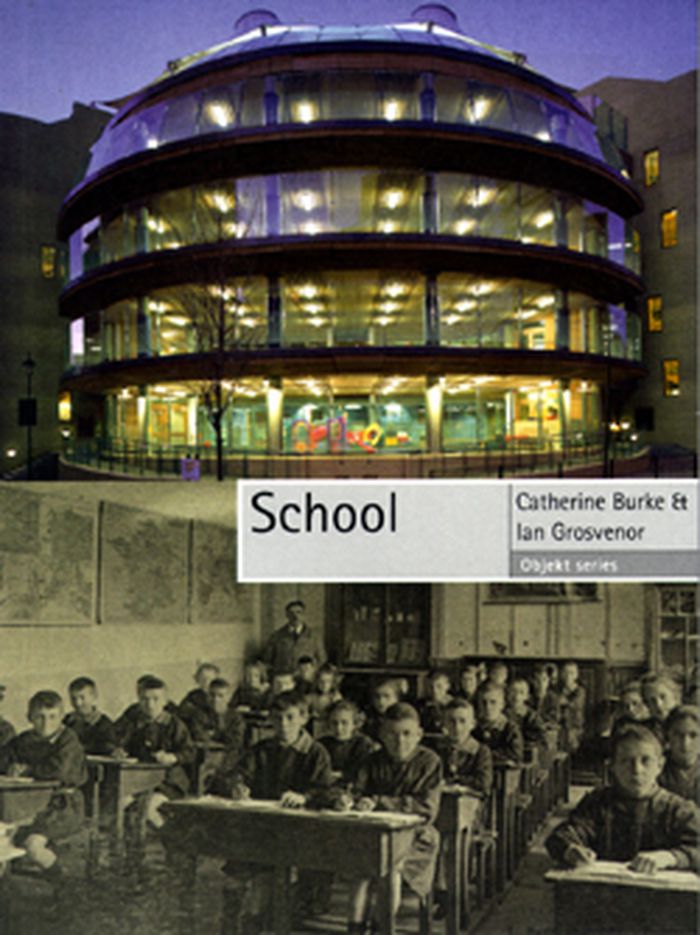
As a specific form of architecture, the school is an amalgam of its function and its history. Though recognizable across cultures, the schoolhouse nevertheless retains the distinctive markings of different nations and eras. School is the first book to examine this institutional building’s modern growth on a global scale. Ian Grosvenor and Catherine Burke demonstrate how school buildings help organize and manipulate time and space for teachers and students, using methods ranging from bells to lines to lesson plans. They reveal the ways in which schools, by their actual physical situation—surrounded by swathes of green or butting up against other urban structures, in neighborhoods stratified by class or segregated by race—make clear their place in society as fragmented sites of cultural memory and creation. The authors further consider how new technologies and continuing globalization will inevitably force us to rethink our notions of school—and school buildings. In the twenty-first century, these shifts represent a radically new context for education. School will provide stimulating reading for anyone interested in this extraordinary evolution of architecture and education. Ian Grosvenor is director of learning and teaching at the School of Education, University of Birmingham. Catherine Burke is lecturer in education in the School of Education, University of Leeds.
School
Actions:
Prix:
$31.00
(disponible sur commande)
Résumé:
As a specific form of architecture, the school is an amalgam of its function and its history. Though recognizable across cultures, the schoolhouse nevertheless retains the distinctive markings of different nations and eras. School is the first book to examine this institutional building’s modern growth on a global scale. Ian Grosvenor and Catherine Burke demonstrate how school buildings help organize and manipulate time and space for teachers and students, using methods ranging from bells to lines to lesson plans. They reveal the ways in which schools, by their actual physical situation—surrounded by swathes of green or butting up against other urban structures, in neighborhoods stratified by class or segregated by race—make clear their place in society as fragmented sites of cultural memory and creation. The authors further consider how new technologies and continuing globalization will inevitably force us to rethink our notions of school—and school buildings. In the twenty-first century, these shifts represent a radically new context for education. School will provide stimulating reading for anyone interested in this extraordinary evolution of architecture and education. Ian Grosvenor is director of learning and teaching at the School of Education, University of Birmingham. Catherine Burke is lecturer in education in the School of Education, University of Leeds.
Classification:
livres
livres
Publication:
novembre 2006, London
novembre 2006, London
Classification:
périodiques
périodiques
Actions:
Prix:
$32.00
(disponible sur commande)
Résumé:
Perspecta 31 examines the relationship between architectural design and structural engineering through the processes and products of both disciplines. The contributing architects, engineers, and historians explore how structures reflect both the professions and(...)
$32.00
(disponible sur commande)
Résumé:
Perspecta 31 examines the relationship between architectural design and structural engineering through the processes and products of both disciplines. The contributing architects, engineers, and historians explore how structures reflect both the professions and(...)
Titre:
Perspecta 31 : reading structures
Actions:
Prix:
$32.00
(disponible sur commande)
Résumé:
Perspecta 31 examines the relationship between architectural design and structural engineering through the processes and products of both disciplines. The contributing architects, engineers, and historians explore how structures reflect both the professions and the cultures that produce them. The authors' common approach to structure, which carefully considers context, reveals the politics, economic influences, design ideas, and chance circumstances that influence its configuration. The resulting series of articles and case studies shows how one can understand structures that are embedded in architecture. The journal looks specifically at issues of collaboration between architects and engineers. It also addresses the relationship of structural form to materials, the transition from conceptual to actual structures, and the cultural history of architectural and industrial structures. Reflecting the theme of structure as process, the journal documents an ongoing conversation between the editors, contributors, and others. The twelve articles are followed by short responses, and major themes emerging from the articles are identified and explored by the editors. The journal concludes with the results of an informal survey of architects on the role of structure in the design process. Contributors include Thomas H. Beeby, Eric DeLony, Gregory K. Dreicer, Hugh Dutton, Lucie Fontein, Antonio Juarez, Guy Nordenson, Alan Organschi, Tom F. Peters, Herman D. J. Spiegel, Carles Vallhonrat, Peter D. Waldman.
Perspecta 31 : reading structures
Actions:
Prix:
$32.00
(disponible sur commande)
Résumé:
Perspecta 31 examines the relationship between architectural design and structural engineering through the processes and products of both disciplines. The contributing architects, engineers, and historians explore how structures reflect both the professions and the cultures that produce them. The authors' common approach to structure, which carefully considers context, reveals the politics, economic influences, design ideas, and chance circumstances that influence its configuration. The resulting series of articles and case studies shows how one can understand structures that are embedded in architecture. The journal looks specifically at issues of collaboration between architects and engineers. It also addresses the relationship of structural form to materials, the transition from conceptual to actual structures, and the cultural history of architectural and industrial structures. Reflecting the theme of structure as process, the journal documents an ongoing conversation between the editors, contributors, and others. The twelve articles are followed by short responses, and major themes emerging from the articles are identified and explored by the editors. The journal concludes with the results of an informal survey of architects on the role of structure in the design process. Contributors include Thomas H. Beeby, Eric DeLony, Gregory K. Dreicer, Hugh Dutton, Lucie Fontein, Antonio Juarez, Guy Nordenson, Alan Organschi, Tom F. Peters, Herman D. J. Spiegel, Carles Vallhonrat, Peter D. Waldman.
Classification:
périodiques
périodiques
Publication:
mai 2000, Cambridge
mai 2000, Cambridge
Sujet:
Revues
Revues
Classification:
livres
livres
Titre:
2G 13 : Carlos Jimenez
2G 13 : Carlos Jimenez
Actions:
Prix:
$39.95
(disponible en magasin)
Résumé:
This issue of 2G is dedicated to the work of Texas-based architect Carlos Jiménez and includes unpublished projects such as the competition proposal for the Arrecife's waterfront in Lanzarote, Canary Islands and the Cummins Engine Distributorship Facility Prototypes. The architectural practice of Carlos Jiménez now spans almost twenty years, and yet it is(...)
$39.95
(disponible en magasin)
Résumé:
This issue of 2G is dedicated to the work of Texas-based architect Carlos Jiménez and includes unpublished projects such as the competition proposal for the Arrecife's waterfront in Lanzarote, Canary Islands and the Cummins Engine Distributorship Facility Prototypes. The architectural practice of Carlos Jiménez now spans almost twenty years, and yet it is(...)
Sujet:
Architecture, monographies
Architecture, monographies
Publication:
janvier 2000, Barcelona
janvier 2000, Barcelona
Titre:
2G 13 : Carlos Jimenez
Actions:
Prix:
$39.95
(disponible en magasin)
Résumé:
This issue of 2G is dedicated to the work of Texas-based architect Carlos Jiménez and includes unpublished projects such as the competition proposal for the Arrecife's waterfront in Lanzarote, Canary Islands and the Cummins Engine Distributorship Facility Prototypes. The architectural practice of Carlos Jiménez now spans almost twenty years, and yet it is still a young practice by a young architect. Jiménez began to build the moment he finished school; his buildings have gathered their meaning in use and simple presence. "Buildings bleed," says Jiménez; their meaning is evolutionary and they acquire content in every context they partake in. The introduction by Michael Bell titled "Houston, Texas and the Architecture of Carlos Jiménez", analyzes how the architect's practice has made use of given conditions, sites and intellectual histories, showing that the multi-faceted depth of Jiménez's practice is in large part due to his diligent and empathetic care for the milieu that he works within. This publication presents fourteen recent works and projects with abundant graphic and photographic documentation. The introduction by Luis Fernández-Galiano weaves biographical insights with Jiménez's lyrical and personal architectural language, emphasizing the importance of memory in his work. The 'Nexus' section includes a text by Carlos Jiménez titled "Memory, a City, and the Need for Poetry".
2G 13 : Carlos Jimenez
Actions:
Prix:
$39.95
(disponible en magasin)
Résumé:
This issue of 2G is dedicated to the work of Texas-based architect Carlos Jiménez and includes unpublished projects such as the competition proposal for the Arrecife's waterfront in Lanzarote, Canary Islands and the Cummins Engine Distributorship Facility Prototypes. The architectural practice of Carlos Jiménez now spans almost twenty years, and yet it is still a young practice by a young architect. Jiménez began to build the moment he finished school; his buildings have gathered their meaning in use and simple presence. "Buildings bleed," says Jiménez; their meaning is evolutionary and they acquire content in every context they partake in. The introduction by Michael Bell titled "Houston, Texas and the Architecture of Carlos Jiménez", analyzes how the architect's practice has made use of given conditions, sites and intellectual histories, showing that the multi-faceted depth of Jiménez's practice is in large part due to his diligent and empathetic care for the milieu that he works within. This publication presents fourteen recent works and projects with abundant graphic and photographic documentation. The introduction by Luis Fernández-Galiano weaves biographical insights with Jiménez's lyrical and personal architectural language, emphasizing the importance of memory in his work. The 'Nexus' section includes a text by Carlos Jiménez titled "Memory, a City, and the Need for Poetry".
Classification:
livres
livres
Publication:
janvier 2000, Barcelona
janvier 2000, Barcelona
Sujet:
Architecture, monographies
Architecture, monographies
Classification:
livres
livres
Titre:
Frédéric Teschner
Frédéric Teschner
Actions:
Prix:
$59.95
(disponible sur commande)
Résumé:
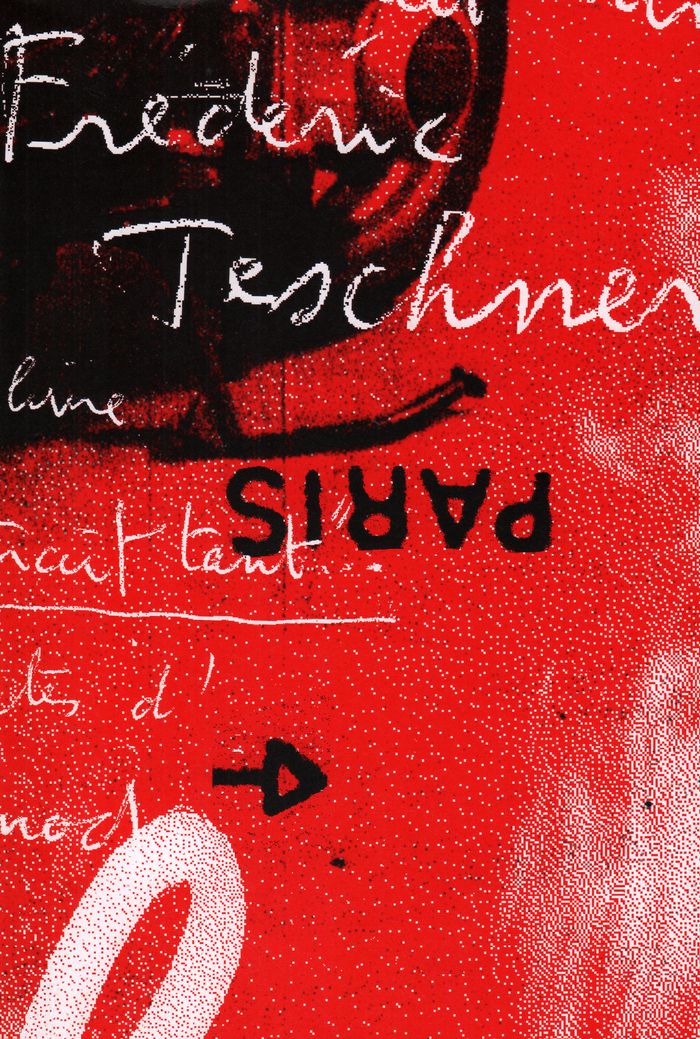
Ce livre donne à voir une sélection précise des différents projets conçus par Frédéric Teschner au cours de sa carrière. Son travail est présenté par un dispositif original et inédit grâce à une série de photographies de Morgane Le Gall mettant en scène 48 affiches et de nombreux objets (livres, affiches, identités visuelles, etc.). Pour appréhender son œuvre et sa(...)
$59.95
(disponible sur commande)
Résumé:
Ce livre donne à voir une sélection précise des différents projets conçus par Frédéric Teschner au cours de sa carrière. Son travail est présenté par un dispositif original et inédit grâce à une série de photographies de Morgane Le Gall mettant en scène 48 affiches et de nombreux objets (livres, affiches, identités visuelles, etc.). Pour appréhender son œuvre et sa(...)
Publication:
août 2019
août 2019
Titre:
Frédéric Teschner
Actions:
Prix:
$59.95
(disponible sur commande)
Résumé:
Ce livre donne à voir une sélection précise des différents projets conçus par Frédéric Teschner au cours de sa carrière. Son travail est présenté par un dispositif original et inédit grâce à une série de photographies de Morgane Le Gall mettant en scène 48 affiches et de nombreux objets (livres, affiches, identités visuelles, etc.). Pour appréhender son œuvre et sa démarche, treize textes ont été commandés à des personnalités du monde culturel ayant collaboré ou accompagné Teschner au cours de sa carrière. Un échantillon d’affiche imprimé en sérigraphie à l’échelle 1 sur du papier affiche au dos bleu est inséré en fin de cahier, rendant chaque exemplaire du livre unique. // This monograph is dedicated to the French graphic designer Frédéric Teschner. Whether dealing with the visual arts, music, or theatre, Teschner’s approach has relied on graphic communication as a vehicle for the values of public service. He always strives to create a visual context for a dialogue between ordinary people and public cultural activities, and essentially sees the role of the graphic designer as interlocuter between design and its audience. A number of contributors offer detailed insight into various aspects of Teschner’s oeuvre in this comprehensive overview and tribute, which also includes a large portfolio of his work and a detailed chronological biography.
Frédéric Teschner
Actions:
Prix:
$59.95
(disponible sur commande)
Résumé:
Ce livre donne à voir une sélection précise des différents projets conçus par Frédéric Teschner au cours de sa carrière. Son travail est présenté par un dispositif original et inédit grâce à une série de photographies de Morgane Le Gall mettant en scène 48 affiches et de nombreux objets (livres, affiches, identités visuelles, etc.). Pour appréhender son œuvre et sa démarche, treize textes ont été commandés à des personnalités du monde culturel ayant collaboré ou accompagné Teschner au cours de sa carrière. Un échantillon d’affiche imprimé en sérigraphie à l’échelle 1 sur du papier affiche au dos bleu est inséré en fin de cahier, rendant chaque exemplaire du livre unique. // This monograph is dedicated to the French graphic designer Frédéric Teschner. Whether dealing with the visual arts, music, or theatre, Teschner’s approach has relied on graphic communication as a vehicle for the values of public service. He always strives to create a visual context for a dialogue between ordinary people and public cultural activities, and essentially sees the role of the graphic designer as interlocuter between design and its audience. A number of contributors offer detailed insight into various aspects of Teschner’s oeuvre in this comprehensive overview and tribute, which also includes a large portfolio of his work and a detailed chronological biography.
Classification:
livres
livres
Publication:
août 2019
août 2019
Classification:
livres
livres
Titre:
The Urban Archetypes of Jane Jacobs and Ebenezer Howard: Contradiction and meaning in city form
The Urban Archetypes of Jane Jacobs and Ebenezer Howard: Contradiction and meaning in city form
Actions:
Prix:
$80.00
(disponible sur commande)
Résumé:
Ebenezer Howard, an Englishman, and Jane Jacobs, a naturalized Canadian, personify the twentieth century’s opposing outlooks on cities. Howard had envisaged small towns, newly built from scratch, fashioned on single family homes with small gardens. Jacobs embraced existing inner-city neighbourhoods emphasizing the verve of the living street. From Howard’s idea, the(...)
$80.00
(disponible sur commande)
Résumé:
Ebenezer Howard, an Englishman, and Jane Jacobs, a naturalized Canadian, personify the twentieth century’s opposing outlooks on cities. Howard had envisaged small towns, newly built from scratch, fashioned on single family homes with small gardens. Jacobs embraced existing inner-city neighbourhoods emphasizing the verve of the living street. From Howard’s idea, the(...)
Titre:
The Urban Archetypes of Jane Jacobs and Ebenezer Howard: Contradiction and meaning in city form
Actions:
Prix:
$80.00
(disponible sur commande)
Résumé:
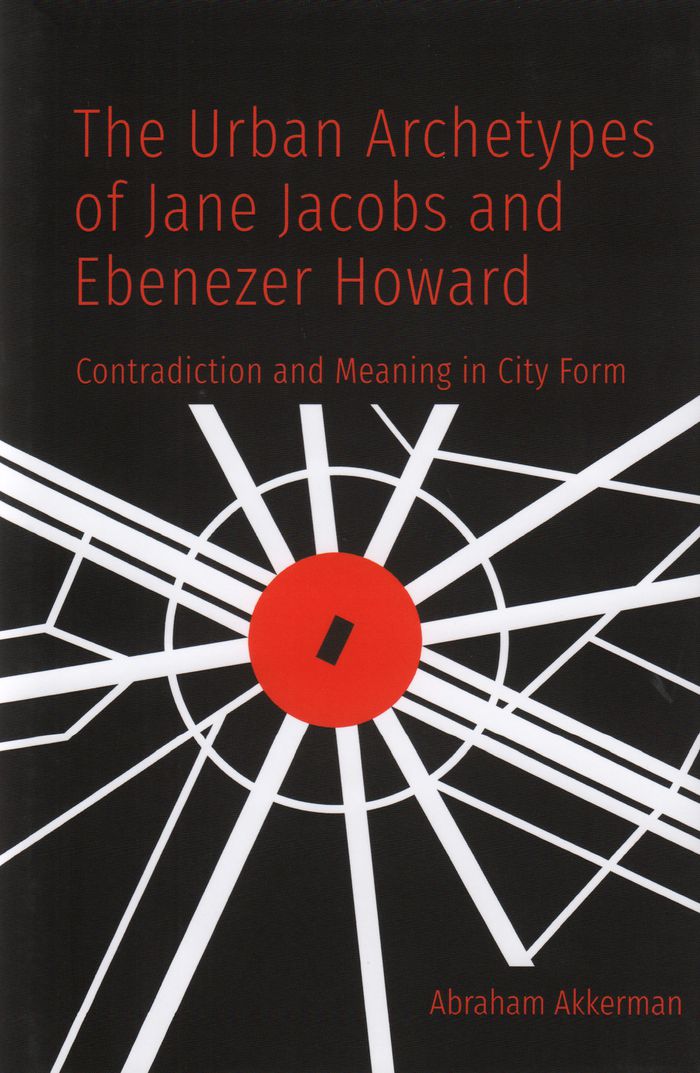
Ebenezer Howard, an Englishman, and Jane Jacobs, a naturalized Canadian, personify the twentieth century’s opposing outlooks on cities. Howard had envisaged small towns, newly built from scratch, fashioned on single family homes with small gardens. Jacobs embraced existing inner-city neighbourhoods emphasizing the verve of the living street. From Howard’s idea, the American Dream of garden suburbs had emerged, yet his conceptualization of a modern city received criticism for being uniform and alienated from the rest of the city. Similarly, at the turn of the new century, Jacobs’ inner-city neighbourhoods came to be recognized as the result of commodification, vacillating between poverty and newly discovered hubs of urban authenticity. Presenting Howard and Jacobs within a psychocultural context, ''The urban archetypes of Jane Jacobs and Ebenezer Howard'' addresses our urban crisis in the recognition that ''city form'' is a gendered, allegorical medium expressing femininity and masculinity within two founding features of the built environment: void and volume. Both founding contrasts bring tensions, but also the opportunities of fusion between pairs of urban polarities: human scale against superscale, gait against speed, and spontaneity against surveillance. Jacobs and Howard, in their respective attitudes, have come to embrace the two ancient archetypes, the Garden and the Citadel, leaving it to future generations to blend their two contrarian stances.
The Urban Archetypes of Jane Jacobs and Ebenezer Howard: Contradiction and meaning in city form
Actions:
Prix:
$80.00
(disponible sur commande)
Résumé:
Ebenezer Howard, an Englishman, and Jane Jacobs, a naturalized Canadian, personify the twentieth century’s opposing outlooks on cities. Howard had envisaged small towns, newly built from scratch, fashioned on single family homes with small gardens. Jacobs embraced existing inner-city neighbourhoods emphasizing the verve of the living street. From Howard’s idea, the American Dream of garden suburbs had emerged, yet his conceptualization of a modern city received criticism for being uniform and alienated from the rest of the city. Similarly, at the turn of the new century, Jacobs’ inner-city neighbourhoods came to be recognized as the result of commodification, vacillating between poverty and newly discovered hubs of urban authenticity. Presenting Howard and Jacobs within a psychocultural context, ''The urban archetypes of Jane Jacobs and Ebenezer Howard'' addresses our urban crisis in the recognition that ''city form'' is a gendered, allegorical medium expressing femininity and masculinity within two founding features of the built environment: void and volume. Both founding contrasts bring tensions, but also the opportunities of fusion between pairs of urban polarities: human scale against superscale, gait against speed, and spontaneity against surveillance. Jacobs and Howard, in their respective attitudes, have come to embrace the two ancient archetypes, the Garden and the Citadel, leaving it to future generations to blend their two contrarian stances.
Classification:
livres
livres
Publication:
janvier 2020
janvier 2020
Sujet:
Théorie de l’urbanisme
Théorie de l’urbanisme


