


5581 Résultats
Classification:
livres
livres
Exemplaires:
Description:
388 pages : illustrations (chiefly color) ; 25 cm
Description:
388 pages : illustrations (chiefly color) ; 25 cm
Auteur:
Sujet:
Publication:
[Montreal] : Canadian Centre for Architecture ; Zurich : Lars Müller Publishers, [2016], ©2016
[Montreal] : Canadian Centre for Architecture ; Zurich : Lars Müller Publishers, [2016], ©2016
Titre:
The anatomy of the architectural book / André Tavares.
Actions:
Exemplaires:
Description:
388 pages : illustrations (chiefly color) ; 25 cm
The anatomy of the architectural book / André Tavares.
Actions:
Exemplaires:
Description:
388 pages : illustrations (chiefly color) ; 25 cm
Classification:
livres
livres
Publication:
[Montreal] : Canadian Centre for Architecture ; Zurich : Lars Müller Publishers, [2016], ©2016
[Montreal] : Canadian Centre for Architecture ; Zurich : Lars Müller Publishers, [2016], ©2016
Auteur:
Sujet:
Classification:
archives
archives
Actions:
Exemplaires:
Description:
3.5 l.m. of textual records, 0.7 l.m. of photographic materials, 297 film and video reels and cassettes, 108 drawings, prints and collages, 36 audio reels, 23 audio...
Description:
3.5 l.m. of textual records, 0.7 l.m. of photographic materials, 297 film and video reels and cassettes, 108 drawings, prints and collages, 36 audio reels, 23 audio...
Auteur:
Sujet:
Titre:
Gordon Matta-Clark collection, 1914-2008.
Actions:
Exemplaires:
Description:
3.5 l.m. of textual records, 0.7 l.m. of photographic materials, 297 film and video reels and cassettes, 108 drawings, prints and collages, 36 audio reels, 23 audio...
Gordon Matta-Clark collection, 1914-2008.
Actions:
Exemplaires:
Description:
3.5 l.m. of textual records, 0.7 l.m. of photographic materials, 297 film and video reels and cassettes, 108 drawings, prints and collages, 36 audio reels, 23 audio...
Classification:
archives
archives
Auteur:
Sujet:
Classification:
livres
livres
Actions:
Exemplaires:
Description:
xix, 312 pages : illustrations ; 28 cm
Description:
xix, 312 pages : illustrations ; 28 cm
Auteur:
Sujet:
Publication:
Lanham, Maryland : The Scarecrow Press, Inc. ; [Ottawa] : Art Libraries Society of North America, 2007., ©2007
Lanham, Maryland : The Scarecrow Press, Inc. ; [Ottawa] : Art Libraries Society of North America, 2007., ©2007
Titre:
Art museum libraries and librarianship / edited by Joan M. Benedetti ; foreword by Michael Brand ; introduction by Ann B. Abid.
Actions:
Exemplaires:
Description:
xix, 312 pages : illustrations ; 28 cm
Art museum libraries and librarianship / edited by Joan M. Benedetti ; foreword by Michael Brand ; introduction by Ann B. Abid.
Actions:
Exemplaires:
Description:
xix, 312 pages : illustrations ; 28 cm
Classification:
livres
livres
Publication:
Lanham, Maryland : The Scarecrow Press, Inc. ; [Ottawa] : Art Libraries Society of North America, 2007., ©2007
Lanham, Maryland : The Scarecrow Press, Inc. ; [Ottawa] : Art Libraries Society of North America, 2007., ©2007
Auteur:
Sujet:
Classification:
livres
livres
Actions:
Prix:
$35.00
(disponible en magasin)
Résumé:
A collection of primary sources chosen by the research fellows ''Centring Africa: Postcolonial Perspectives on Architecture'', Doreen Adengo, Dele Adeyemo, Warebi Gabriel Brisibe and Ramota Obagah-Stephen, Rachel Lee and Monika Motylinska, Ikem Stanley Okoye, Cole Roskam, Lukasz Stanek, and Huda Tayob. ''Fugitive Archives'' is not a book about African architecture or(...)
$35.00
(disponible en magasin)
Résumé:
A collection of primary sources chosen by the research fellows ''Centring Africa: Postcolonial Perspectives on Architecture'', Doreen Adengo, Dele Adeyemo, Warebi Gabriel Brisibe and Ramota Obagah-Stephen, Rachel Lee and Monika Motylinska, Ikem Stanley Okoye, Cole Roskam, Lukasz Stanek, and Huda Tayob. ''Fugitive Archives'' is not a book about African architecture or(...)
Titre:
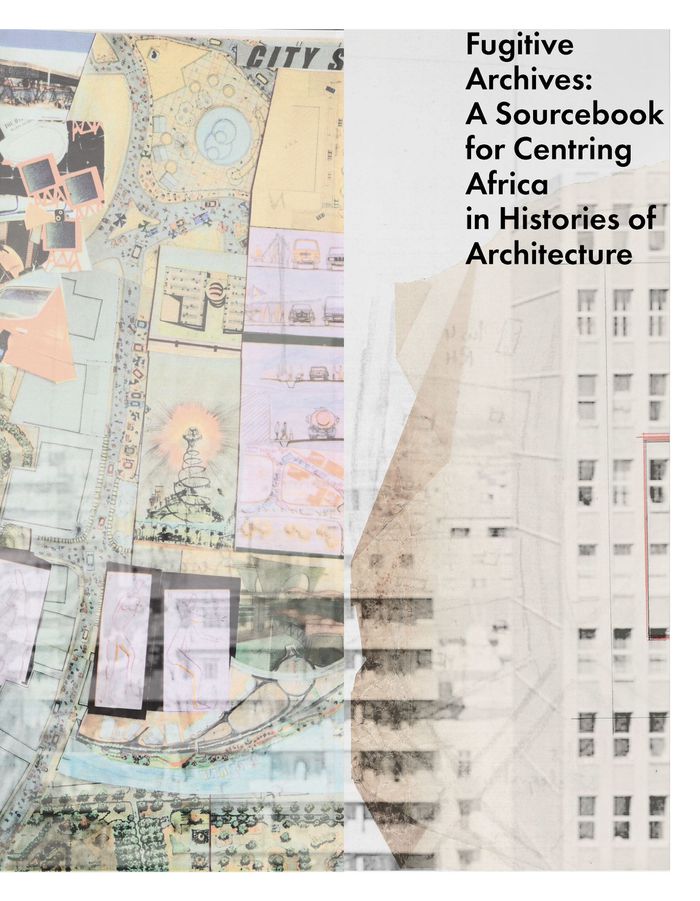
Fugitive Archives: A Sourcebook for Centring Africa in Histories of Architecture
Actions:
Prix:
$35.00
(disponible en magasin)
Résumé:
A collection of primary sources chosen by the research fellows ''Centring Africa: Postcolonial Perspectives on Architecture'', Doreen Adengo, Dele Adeyemo, Warebi Gabriel Brisibe and Ramota Obagah-Stephen, Rachel Lee and Monika Motylinska, Ikem Stanley Okoye, Cole Roskam, Lukasz Stanek, and Huda Tayob. ''Fugitive Archives'' is not a book about African architecture or its history. It is a book about the role of primary research in the work of the fellows and about how, to centre Africa in histories of modern architecture, they had to develop new ways of finding, seeing, and listening. The sources presented here are starting points for dismantling and expanding existing architectural archives, in which what is considered valuable enough to archive remains dominated by colonial or Western knowledge frameworks. Through varied media and formats, the sources multiply narratives by highlighting diverse actors, practices, and geographies—on and off the continent—implicated in the history of modern African architecture. Rather than suggesting key, but inevitably reductive, themes, this book brings the fellows and their sources into dialogue in three sections that foreground similar methods and challenges to locating, accessing, reading, and constructing otherwise fugitive archives.
Fugitive Archives: A Sourcebook for Centring Africa in Histories of Architecture
Actions:
Prix:
$35.00
(disponible en magasin)
Résumé:
A collection of primary sources chosen by the research fellows ''Centring Africa: Postcolonial Perspectives on Architecture'', Doreen Adengo, Dele Adeyemo, Warebi Gabriel Brisibe and Ramota Obagah-Stephen, Rachel Lee and Monika Motylinska, Ikem Stanley Okoye, Cole Roskam, Lukasz Stanek, and Huda Tayob. ''Fugitive Archives'' is not a book about African architecture or its history. It is a book about the role of primary research in the work of the fellows and about how, to centre Africa in histories of modern architecture, they had to develop new ways of finding, seeing, and listening. The sources presented here are starting points for dismantling and expanding existing architectural archives, in which what is considered valuable enough to archive remains dominated by colonial or Western knowledge frameworks. Through varied media and formats, the sources multiply narratives by highlighting diverse actors, practices, and geographies—on and off the continent—implicated in the history of modern African architecture. Rather than suggesting key, but inevitably reductive, themes, this book brings the fellows and their sources into dialogue in three sections that foreground similar methods and challenges to locating, accessing, reading, and constructing otherwise fugitive archives.
Classification:
livres
livres
Publication:
août 2023
août 2023
Sujet:
Publications du CCA
Publications du CCA
Classification:
livres
livres
Actions:
Prix:
$34.00
(disponible en magasin)
Résumé:
Journeys explores architectural issues raised by increased global mobility. Stories by different authors, presented in a fictional framework, highlight key concepts critical to understanding the impact of the movement of people, animals, objects and ideas. The vagabondage of seeds. The transfer of knowledge and experience as people move from one place to another. The(...)
$34.00
(disponible en magasin)
Résumé:
Journeys explores architectural issues raised by increased global mobility. Stories by different authors, presented in a fictional framework, highlight key concepts critical to understanding the impact of the movement of people, animals, objects and ideas. The vagabondage of seeds. The transfer of knowledge and experience as people move from one place to another. The(...)
Titre:
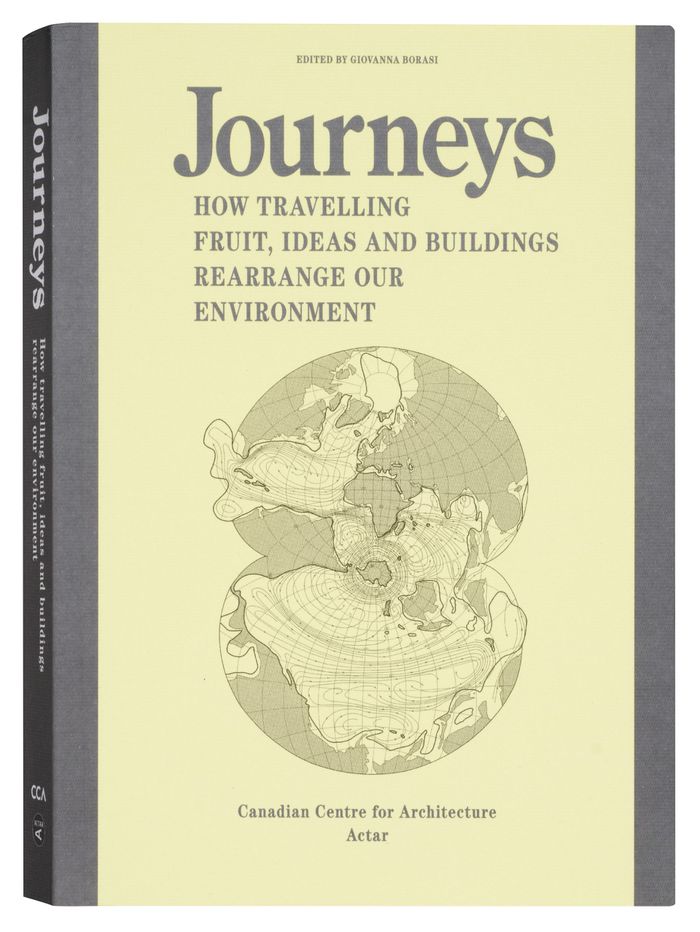
Journeys: how travelling fruit, ideas and buildings rearrange our environment
Actions:
Prix:
$34.00
(disponible en magasin)
Résumé:
Journeys explores architectural issues raised by increased global mobility. Stories by different authors, presented in a fictional framework, highlight key concepts critical to understanding the impact of the movement of people, animals, objects and ideas. The vagabondage of seeds. The transfer of knowledge and experience as people move from one place to another. The physical reconfiguration of communities. These are among the wide range of topics Journeys explores as it seeks to analyze and visually depict how these flows, encounters and migrations unexpectedly change society and our built environment.
Journeys: how travelling fruit, ideas and buildings rearrange our environment
Actions:
Prix:
$34.00
(disponible en magasin)
Résumé:
Journeys explores architectural issues raised by increased global mobility. Stories by different authors, presented in a fictional framework, highlight key concepts critical to understanding the impact of the movement of people, animals, objects and ideas. The vagabondage of seeds. The transfer of knowledge and experience as people move from one place to another. The physical reconfiguration of communities. These are among the wide range of topics Journeys explores as it seeks to analyze and visually depict how these flows, encounters and migrations unexpectedly change society and our built environment.
Classification:
livres
livres
Publication:
octobre 2010
octobre 2010
Sujet:
Publications du CCA
Publications du CCA
Classification:
livres
livres
Actions:
Prix:
$34.00
(disponible en magasin)
Résumé:
Trajets explore les problématiques architecturales liées au phénomène mondial d’une mobilité grandissante. Sous forme de récits de fiction, différents auteurs nous présentent ici des concepts essentiels permettant d’appréhender les effets des déplacements de personnes, d’animaux, de biens et d’idées. Le vagabondage des noix, le transfert de compétences et de pratiques(...)
$34.00
(disponible en magasin)
Résumé:
Trajets explore les problématiques architecturales liées au phénomène mondial d’une mobilité grandissante. Sous forme de récits de fiction, différents auteurs nous présentent ici des concepts essentiels permettant d’appréhender les effets des déplacements de personnes, d’animaux, de biens et d’idées. Le vagabondage des noix, le transfert de compétences et de pratiques(...)
Titre:
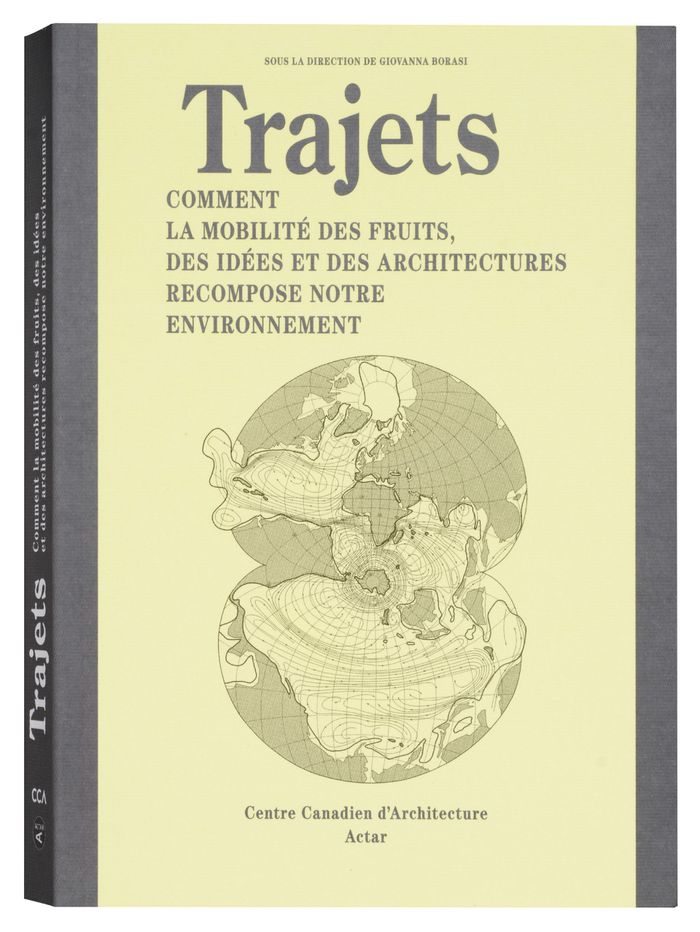
Trajets : comment la mobilité des fruits, des idées et des architectures recompose notre environnement
Actions:
Prix:
$34.00
(disponible en magasin)
Résumé:
Trajets explore les problématiques architecturales liées au phénomène mondial d’une mobilité grandissante. Sous forme de récits de fiction, différents auteurs nous présentent ici des concepts essentiels permettant d’appréhender les effets des déplacements de personnes, d’animaux, de biens et d’idées. Le vagabondage des noix, le transfert de compétences et de pratiques ou encore, la réorganisation physique de communautés, ne sont que quelques-uns parmi les divers sujets abordés. Trajets analyse et rend visible comment ces flux, ces rencontres et ces migrations transforment de manière surprenante nos sociétés et notre environnement bâti.
Trajets : comment la mobilité des fruits, des idées et des architectures recompose notre environnement
Actions:
Prix:
$34.00
(disponible en magasin)
Résumé:
Trajets explore les problématiques architecturales liées au phénomène mondial d’une mobilité grandissante. Sous forme de récits de fiction, différents auteurs nous présentent ici des concepts essentiels permettant d’appréhender les effets des déplacements de personnes, d’animaux, de biens et d’idées. Le vagabondage des noix, le transfert de compétences et de pratiques ou encore, la réorganisation physique de communautés, ne sont que quelques-uns parmi les divers sujets abordés. Trajets analyse et rend visible comment ces flux, ces rencontres et ces migrations transforment de manière surprenante nos sociétés et notre environnement bâti.
Classification:
livres
livres
Publication:
octobre 2010
octobre 2010
Sujet:
Publications du CCA
Publications du CCA
Classification:
livres
livres
Actions:
Prix:
$50.00
(disponible en magasin)
Résumé:
Contrairement à ce que suggèrent la plupart des histoires, la Seconde Guerre mondiale à été un moment fondamental dans la modernisation tant théorique que pratique de l'architecture. Architecture en uniforme ouvre de nouvelles perspectives sur l'histoire architecturale de la guerre, rendant compte des épisodes qui se sont succédé entre le bombardement de Guernica en(...)
$50.00
(disponible en magasin)
Résumé:
Contrairement à ce que suggèrent la plupart des histoires, la Seconde Guerre mondiale à été un moment fondamental dans la modernisation tant théorique que pratique de l'architecture. Architecture en uniforme ouvre de nouvelles perspectives sur l'histoire architecturale de la guerre, rendant compte des épisodes qui se sont succédé entre le bombardement de Guernica en(...)
Titre:
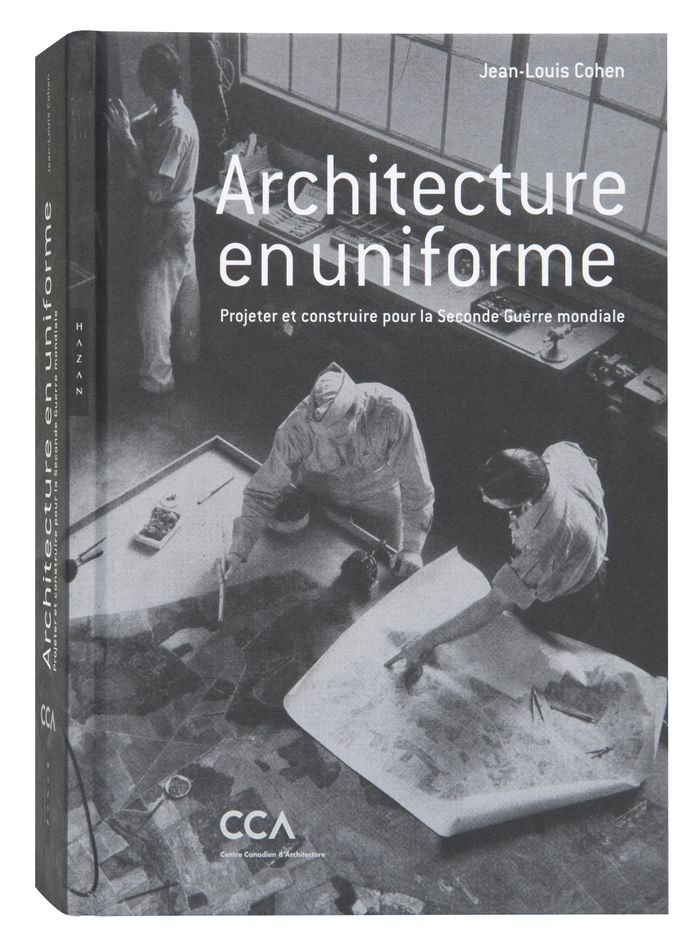
Architecture en uniforme : projeter et construire pour la Seconde Guerre mondiale
Actions:
Prix:
$50.00
(disponible en magasin)
Résumé:
Contrairement à ce que suggèrent la plupart des histoires, la Seconde Guerre mondiale à été un moment fondamental dans la modernisation tant théorique que pratique de l'architecture. Architecture en uniforme ouvre de nouvelles perspectives sur l'histoire architecturale de la guerre, rendant compte des épisodes qui se sont succédé entre le bombardement de Guernica en 1937 et celui d'Hiroshima en 1945, et qui ont conduit à la suprématie définitive des langages modernes. Les thèmes parcourus, comme le rôle des villes dans la guerre aérienne, les nouveaux bâtiments des usines, la participation directe de l'architecture à la guerre, les mégaprojets et les développements dans la vie civile après la guerre, révèlent l'ampleur de la contribution des architectes à tous les aspects de la mobilisation totale de ces années douloureuses.
Architecture en uniforme : projeter et construire pour la Seconde Guerre mondiale
Actions:
Prix:
$50.00
(disponible en magasin)
Résumé:
Contrairement à ce que suggèrent la plupart des histoires, la Seconde Guerre mondiale à été un moment fondamental dans la modernisation tant théorique que pratique de l'architecture. Architecture en uniforme ouvre de nouvelles perspectives sur l'histoire architecturale de la guerre, rendant compte des épisodes qui se sont succédé entre le bombardement de Guernica en 1937 et celui d'Hiroshima en 1945, et qui ont conduit à la suprématie définitive des langages modernes. Les thèmes parcourus, comme le rôle des villes dans la guerre aérienne, les nouveaux bâtiments des usines, la participation directe de l'architecture à la guerre, les mégaprojets et les développements dans la vie civile après la guerre, révèlent l'ampleur de la contribution des architectes à tous les aspects de la mobilisation totale de ces années douloureuses.
Classification:
livres
livres
Publication:
avril 2011
avril 2011
Sujet:
Publications du CCA
Publications du CCA
Classification:
livres
livres
Actions:
Prix:
$50.00
(disponible en magasin)
Résumé:
Contrary to what is suggested by most historical accounts, the Second World War was a key moment in the modernisation of architectural theory and practice. Architecture in Uniform offers a new perspective on the architectural history of the war, documenting a series of episodes that took place between the bombings of Guernica in 1937 and Hiroshima in 1945, leading to(...)
$50.00
(disponible en magasin)
Résumé:
Contrary to what is suggested by most historical accounts, the Second World War was a key moment in the modernisation of architectural theory and practice. Architecture in Uniform offers a new perspective on the architectural history of the war, documenting a series of episodes that took place between the bombings of Guernica in 1937 and Hiroshima in 1945, leading to(...)
Titre:
Architecture in uniform: designing and building for the Second World War
Actions:
Prix:
$50.00
(disponible en magasin)
Résumé:
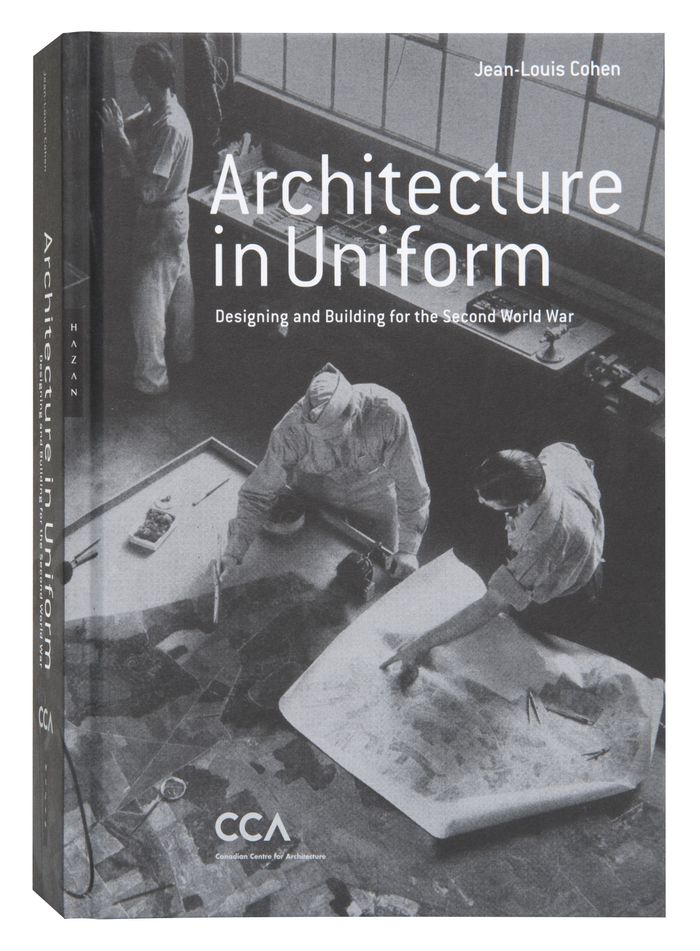
Contrary to what is suggested by most historical accounts, the Second World War was a key moment in the modernisation of architectural theory and practice. Architecture in Uniform offers a new perspective on the architectural history of the war, documenting a series of episodes that took place between the bombings of Guernica in 1937 and Hiroshima in 1945, leading to the definitive supremacy of modernism in architecture. It discusses topics such as the role of cities in the air war, the new buildings erected for industrial production, architecture's participation in actual warfare, and wartime mega-projects and post-war developments in the civilian sphere, revealing the extent of the contribution made by architects to all aspects of the mobilisation that characterised the war years.
Architecture in uniform: designing and building for the Second World War
Actions:
Prix:
$50.00
(disponible en magasin)
Résumé:
Contrary to what is suggested by most historical accounts, the Second World War was a key moment in the modernisation of architectural theory and practice. Architecture in Uniform offers a new perspective on the architectural history of the war, documenting a series of episodes that took place between the bombings of Guernica in 1937 and Hiroshima in 1945, leading to the definitive supremacy of modernism in architecture. It discusses topics such as the role of cities in the air war, the new buildings erected for industrial production, architecture's participation in actual warfare, and wartime mega-projects and post-war developments in the civilian sphere, revealing the extent of the contribution made by architects to all aspects of the mobilisation that characterised the war years.
Classification:
livres
livres
Publication:
avril 2011
avril 2011
Sujet:
Publications du CCA
Publications du CCA
Classification:
livres
livres
Actions:
Prix:
$60.00
(disponible en magasin)
Résumé:
Imperfect Health takes a critical look at how architects and planners are responding to growing urban health concerns and points to sometimes unforeseen consequences of their built interventions. Available in English and French editions, the book tackles this contemporary issue from a historical and critical perspective, focusing on different themes: epidemics and urban(...)
$60.00
(disponible en magasin)
Résumé:
Imperfect Health takes a critical look at how architects and planners are responding to growing urban health concerns and points to sometimes unforeseen consequences of their built interventions. Available in English and French editions, the book tackles this contemporary issue from a historical and critical perspective, focusing on different themes: epidemics and urban(...)
Titre:
Imperfect health: the medicalization of architecture
Actions:
Prix:
$60.00
(disponible en magasin)
Résumé:
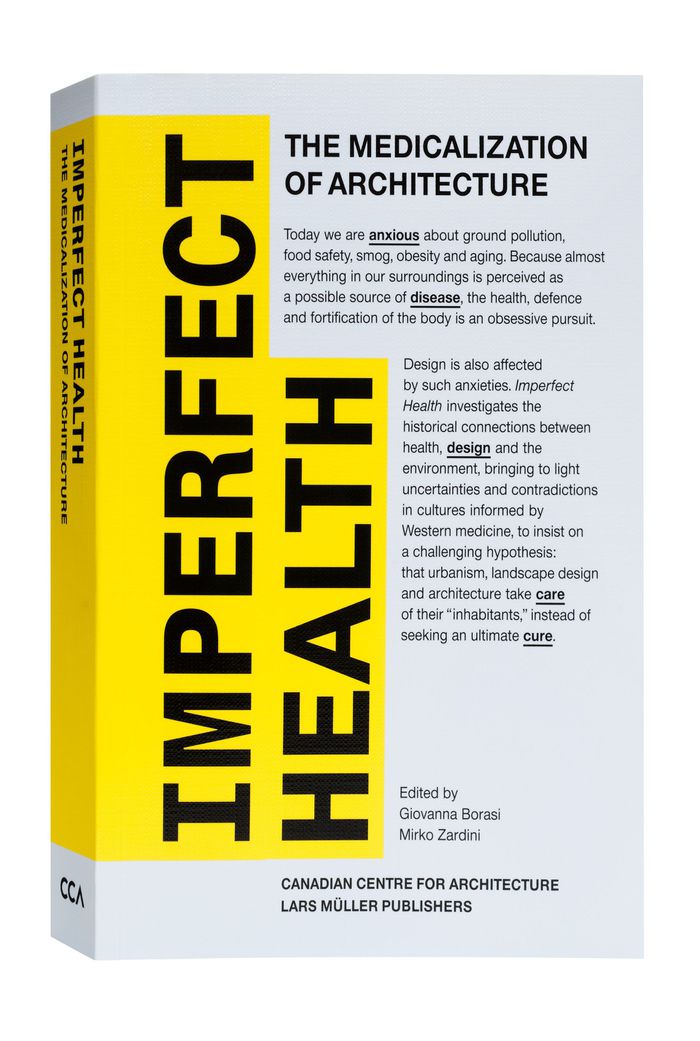
Imperfect Health takes a critical look at how architects and planners are responding to growing urban health concerns and points to sometimes unforeseen consequences of their built interventions. Available in English and French editions, the book tackles this contemporary issue from a historical and critical perspective, focusing on different themes: epidemics and urban defence systems; architecture combating pollution; environmental and urban challenges, obesity and design strategies; Modernism and tuberculosis; sunbathing and suburbia; aging today and indoor life and toxic materials. The publication is richly conveyed through a diverse range of materials including architectural drawings, photographs, books and artefacts.
Imperfect health: the medicalization of architecture
Actions:
Prix:
$60.00
(disponible en magasin)
Résumé:
Imperfect Health takes a critical look at how architects and planners are responding to growing urban health concerns and points to sometimes unforeseen consequences of their built interventions. Available in English and French editions, the book tackles this contemporary issue from a historical and critical perspective, focusing on different themes: epidemics and urban defence systems; architecture combating pollution; environmental and urban challenges, obesity and design strategies; Modernism and tuberculosis; sunbathing and suburbia; aging today and indoor life and toxic materials. The publication is richly conveyed through a diverse range of materials including architectural drawings, photographs, books and artefacts.
Classification:
livres
livres
Publication:
février 2012
février 2012
Sujet:
Publications du CCA
Publications du CCA
Classification:
livres
livres
Prix:
$60.00
(disponible en magasin)
Résumé:
Alors que les débats politiques contemporains abordent de plus en plus la question de la santé, les urbanistes et les architectes tentent eux aussi de répondre à ces préoccupations sociétales. En imparfaite santé : la médicalisation de l’architecture étudie la complexité, la corrélation et l’émergence de ces problèmes sanitaires contemporains au travers des réponses(...)
$60.00
(disponible en magasin)
Résumé:
Alors que les débats politiques contemporains abordent de plus en plus la question de la santé, les urbanistes et les architectes tentent eux aussi de répondre à ces préoccupations sociétales. En imparfaite santé : la médicalisation de l’architecture étudie la complexité, la corrélation et l’émergence de ces problèmes sanitaires contemporains au travers des réponses(...)
Titre:
En imparfaite santé : la médicalisation de l'architecture
Actions:
Prix:
$60.00
(disponible en magasin)
Résumé:
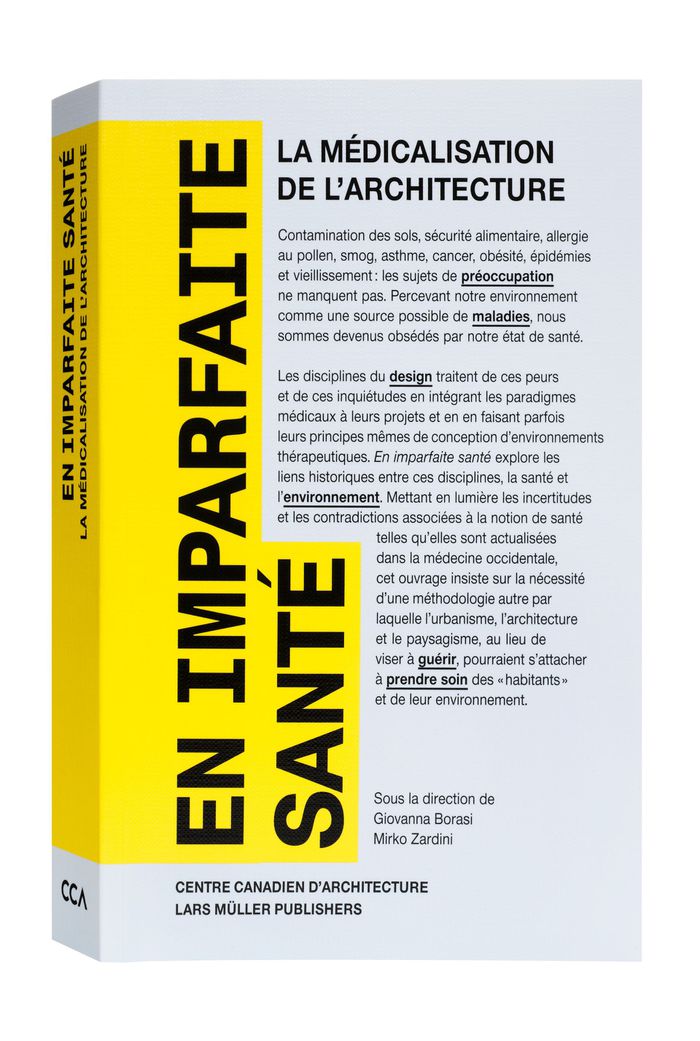
Alors que les débats politiques contemporains abordent de plus en plus la question de la santé, les urbanistes et les architectes tentent eux aussi de répondre à ces préoccupations sociétales. En imparfaite santé : la médicalisation de l’architecture étudie la complexité, la corrélation et l’émergence de ces problèmes sanitaires contemporains au travers des réponses architecturales et urbaines proposées. Les disciplines du design traitent de ces peurs et de ces inquiétudes en intégrant les paradigmes médicaux à leurs projets et en faisant parfois leurs principes mêmes de conception d'environnements thérapeutiques. En imparfaite santé explore les liens historiques entre ces disciplines, la santé et l'environnement. Mettant en lumière les incertitudes et les contradictions associées à la notion de santé telles qu,elles sont actualisée dans la médecine occidentale, cet ouvrage insiste sur la nécessité d'une méthodologie autre par laquelle l'urbanisme, l'architecture et le paysagisme, au lieu de guérir, pourraient s'attacher à prendre soin des habitants et de leur environnement.
En imparfaite santé : la médicalisation de l'architecture
Actions:
Prix:
$60.00
(disponible en magasin)
Résumé:
Alors que les débats politiques contemporains abordent de plus en plus la question de la santé, les urbanistes et les architectes tentent eux aussi de répondre à ces préoccupations sociétales. En imparfaite santé : la médicalisation de l’architecture étudie la complexité, la corrélation et l’émergence de ces problèmes sanitaires contemporains au travers des réponses architecturales et urbaines proposées. Les disciplines du design traitent de ces peurs et de ces inquiétudes en intégrant les paradigmes médicaux à leurs projets et en faisant parfois leurs principes mêmes de conception d'environnements thérapeutiques. En imparfaite santé explore les liens historiques entre ces disciplines, la santé et l'environnement. Mettant en lumière les incertitudes et les contradictions associées à la notion de santé telles qu,elles sont actualisée dans la médecine occidentale, cet ouvrage insiste sur la nécessité d'une méthodologie autre par laquelle l'urbanisme, l'architecture et le paysagisme, au lieu de guérir, pourraient s'attacher à prendre soin des habitants et de leur environnement.
Classification:
livres
livres
Publication:
février 2012
février 2012
Sujet:
Publications du CCA
Publications du CCA


