


5377 Résultats
Classification:
livres
livres
Actions:
Prix:
$58.95
(disponible en magasin)
Résumé:
"In 2005, more than ever, architecture is annihilating places, banalizing them, violating them. Sometimes it replaces the landscape, creates it in its own image, which is nothing but another way of effacing it÷ At a time when we rush across the world faster and faster, when we listen to and watch the same global networks, share feelings about the same disasters, when we(...)
$58.95
(disponible en magasin)
Résumé:
"In 2005, more than ever, architecture is annihilating places, banalizing them, violating them. Sometimes it replaces the landscape, creates it in its own image, which is nothing but another way of effacing it÷ At a time when we rush across the world faster and faster, when we listen to and watch the same global networks, share feelings about the same disasters, when we(...)
Titre:
Jean Nouvel: Louisiana museum of modern art
Actions:
Prix:
$58.95
(disponible en magasin)
Résumé:
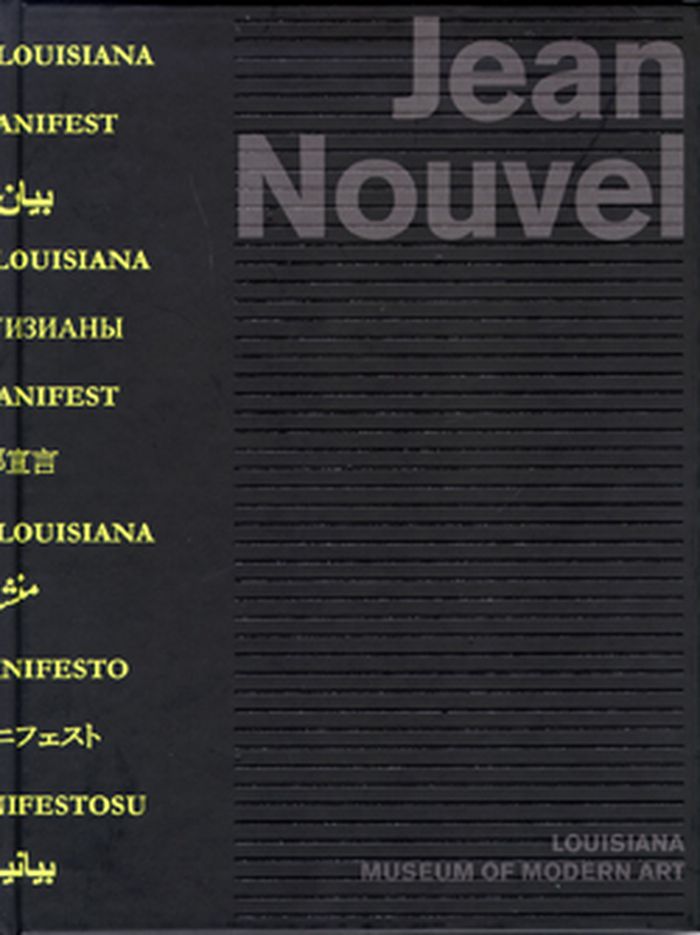
"In 2005, more than ever, architecture is annihilating places, banalizing them, violating them. Sometimes it replaces the landscape, creates it in its own image, which is nothing but another way of effacing it÷ At a time when we rush across the world faster and faster, when we listen to and watch the same global networks, share feelings about the same disasters, when we dance to the same hits, watch the same matches, when they flood us with the same films, in which the star is global, when the president of one country wants to rule the world, when we shop in cloned shopping centers, work behind the same eternal curtain walls÷and when whatever good might come of this forms no part of global priorities÷the global economy is accentuating the effects of the dominant architecture, the type that claims Îwe don't need context.' And yet debate on this galloping frenzy does not exist: architectural criticism, invoking the limits of the discipline, is content with aesthetic and stylistic reflections devoid of any analysis of the real, and ignores the crucial historical clash that--more insistently every day--sets a global architecture against an architecture of situations, generic architecture against an architecture of specificity." So says the international architecture star Jean Nouvel in his manifesto, published here in 12 languages, along with images of his recently completed Louisiana Museum of Modern Art, Denmark.
Jean Nouvel: Louisiana museum of modern art
Actions:
Prix:
$58.95
(disponible en magasin)
Résumé:
"In 2005, more than ever, architecture is annihilating places, banalizing them, violating them. Sometimes it replaces the landscape, creates it in its own image, which is nothing but another way of effacing it÷ At a time when we rush across the world faster and faster, when we listen to and watch the same global networks, share feelings about the same disasters, when we dance to the same hits, watch the same matches, when they flood us with the same films, in which the star is global, when the president of one country wants to rule the world, when we shop in cloned shopping centers, work behind the same eternal curtain walls÷and when whatever good might come of this forms no part of global priorities÷the global economy is accentuating the effects of the dominant architecture, the type that claims Îwe don't need context.' And yet debate on this galloping frenzy does not exist: architectural criticism, invoking the limits of the discipline, is content with aesthetic and stylistic reflections devoid of any analysis of the real, and ignores the crucial historical clash that--more insistently every day--sets a global architecture against an architecture of situations, generic architecture against an architecture of specificity." So says the international architecture star Jean Nouvel in his manifesto, published here in 12 languages, along with images of his recently completed Louisiana Museum of Modern Art, Denmark.
Classification:
livres
livres
Publication:
août 2006, Louisiana
août 2006, Louisiana
Sujet:
Architecture, monographies
Architecture, monographies
Classification:
livres
livres
Actions:
Exemplaires:
Description:
186 pages : illustrations ; 24 cm
Description:
186 pages : illustrations ; 24 cm
Auteur:
Sujet:
Publication:
Nancy : Presses universitaires de Nancy, c2015.
Nancy : Presses universitaires de Nancy, c2015.
Titre:
Mutations du projet : milieux et cultures numériques : actes du colloque, CNAM, les 28 et 29 mai 2015 / sous la direction d'Aurélie de Boissieu, Catherine Deshayes et Antonella Tufano.
Actions:
Exemplaires:
Description:
186 pages : illustrations ; 24 cm
Mutations du projet : milieux et cultures numériques : actes du colloque, CNAM, les 28 et 29 mai 2015 / sous la direction d'Aurélie de Boissieu, Catherine Deshayes et Antonella Tufano.
Actions:
Exemplaires:
Description:
186 pages : illustrations ; 24 cm
Classification:
livres
livres
Publication:
Nancy : Presses universitaires de Nancy, c2015.
Nancy : Presses universitaires de Nancy, c2015.
Auteur:
Sujet:
Classification:
livres
livres
Actions:
Exemplaires:
Description:
319 pages : color illustrations ; 24 cm
Description:
319 pages : color illustrations ; 24 cm
Auteur:
Sujet:
Publication:
©2023, Antony : Éditions Le Moniteur, [2023]
©2023, Antony : Éditions Le Moniteur, [2023]
Titre:
L'art de concevoir et gérer un musée / Claude Mollard, Laurent Le Bon, Nathalie Bondil ; avec le concours de Mathieu Deldicque, Iris Moisson, Stéphanie Molins, Lucile Montagne ; préface de Jean-François Hébert ; introduction de Jack Lang.
Actions:
Exemplaires:
Description:
319 pages : color illustrations ; 24 cm
L'art de concevoir et gérer un musée / Claude Mollard, Laurent Le Bon, Nathalie Bondil ; avec le concours de Mathieu Deldicque, Iris Moisson, Stéphanie Molins, Lucile Montagne ; préface de Jean-François Hébert ; introduction de Jack Lang.
Actions:
Exemplaires:
Description:
319 pages : color illustrations ; 24 cm
Classification:
livres
livres
Publication:
©2023, Antony : Éditions Le Moniteur, [2023]
©2023, Antony : Éditions Le Moniteur, [2023]
Auteur:
Sujet:
Classification:
livres
livres
Actions:
Prix:
$99.00
(disponible sur commande)
Résumé:
''Magic Architecture'' was the architect Frederick Kiesler’s most ambitious book project, an epoch-spanning history of human housing from prehistory to the atomic era, submitted to editors after World War II but left unpublished. In its holistic view of habitation through the lens of anthropology, ecology, and the life sciences, ''Magic Architecture'' is one of the most(...)
$99.00
(disponible sur commande)
Résumé:
''Magic Architecture'' was the architect Frederick Kiesler’s most ambitious book project, an epoch-spanning history of human housing from prehistory to the atomic era, submitted to editors after World War II but left unpublished. In its holistic view of habitation through the lens of anthropology, ecology, and the life sciences, ''Magic Architecture'' is one of the most(...)
Titre:
Magic architecture: The story of human housing
Actions:
Prix:
$99.00
(disponible sur commande)
Résumé:
''Magic Architecture'' was the architect Frederick Kiesler’s most ambitious book project, an epoch-spanning history of human housing from prehistory to the atomic era, submitted to editors after World War II but left unpublished. In its holistic view of habitation through the lens of anthropology, ecology, and the life sciences, ''Magic Architecture'' is one of the most extraordinary texts on architecture written in the twentieth century, now at last published in the twenty-first. Kiesler’s exploration of the effects of modern technology in combination with the alternative epistemology of “magical” practices associated with cave drawings and the first artifacts of human industry reflects his profoundly interdisciplinary perspective on the development of art, architecture, and design. This critical edition preserves Kiesler’s conception of the book as a neo-Vitruvian treatise divided into ten parts that narrate an alternative history and theory of architecture. Also included are more than seventy composite plate illustrations consisting of images cut and pasted from books and popular science journals, with elaborate captions, as well as Kiesler’s own line drawings made specifically for this project. The editors have reassembled the book’s text and illustrations from archival documents, supplementing them with notes that trace the copious development of the work. Introductory essays provide an interpretation of key themes and bibliographic sources, as well as a chronological context of the architect’s research. Appendixes offer additional textual and visual material gathered by Kiesler for the project.
Magic architecture: The story of human housing
Actions:
Prix:
$99.00
(disponible sur commande)
Résumé:
''Magic Architecture'' was the architect Frederick Kiesler’s most ambitious book project, an epoch-spanning history of human housing from prehistory to the atomic era, submitted to editors after World War II but left unpublished. In its holistic view of habitation through the lens of anthropology, ecology, and the life sciences, ''Magic Architecture'' is one of the most extraordinary texts on architecture written in the twentieth century, now at last published in the twenty-first. Kiesler’s exploration of the effects of modern technology in combination with the alternative epistemology of “magical” practices associated with cave drawings and the first artifacts of human industry reflects his profoundly interdisciplinary perspective on the development of art, architecture, and design. This critical edition preserves Kiesler’s conception of the book as a neo-Vitruvian treatise divided into ten parts that narrate an alternative history and theory of architecture. Also included are more than seventy composite plate illustrations consisting of images cut and pasted from books and popular science journals, with elaborate captions, as well as Kiesler’s own line drawings made specifically for this project. The editors have reassembled the book’s text and illustrations from archival documents, supplementing them with notes that trace the copious development of the work. Introductory essays provide an interpretation of key themes and bibliographic sources, as well as a chronological context of the architect’s research. Appendixes offer additional textual and visual material gathered by Kiesler for the project.
Classification:
livres
livres
Publication:
avril 2025
avril 2025
Sujet:
Architecture, monographies
Architecture, monographies
Classification:
livres
livres
![[Re] reading Perspecta : the first 50 years of the Yale Architectural Journal](/img-bookstore/U2zEypAg4vNoqdQ07aKvxPIdXbM=/700x919/MIG-13694.jpg)
Actions:
Prix:
$93.95
(disponible sur commande)
Résumé:
"Perspecta", the oldest and most respected student-edited architectural journal in the United States, marks its fiftieth anniversary with this selection of influential and provocative pieces published in its pages from the 1950s through the 1990s. The essays and portfolios in "[Re]Reading Perspecta" trace the development of architectural culture and discourse over the(...)
$93.95
(disponible sur commande)
Résumé:
"Perspecta", the oldest and most respected student-edited architectural journal in the United States, marks its fiftieth anniversary with this selection of influential and provocative pieces published in its pages from the 1950s through the 1990s. The essays and portfolios in "[Re]Reading Perspecta" trace the development of architectural culture and discourse over the(...)
Sujet:
Théorie de l’architecture
Théorie de l’architecture
Publication:
mai 2004, Cambridge, Massachusetts
mai 2004, Cambridge, Massachusetts
Titre:
[Re] reading Perspecta : the first 50 years of the Yale Architectural Journal
Actions:
Prix:
$93.95
(disponible sur commande)
Résumé:
"Perspecta", the oldest and most respected student-edited architectural journal in the United States, marks its fiftieth anniversary with this selection of influential and provocative pieces published in its pages from the 1950s through the 1990s. The essays and portfolios in "[Re]Reading Perspecta" trace the development of architectural culture and discourse over the past fifty years and bear witness to the influential role played by "Perspecta" in a time of crucial debate about the function and future of architecture. This collection (with over 800 pages and 900 images) presents engaging and stimulating essays published in "Perspecta", written by such well-known historians, theorists, and architects as Vincent Scully, Colin Rowe, Roland Barthes, Karsten Harries, K. Michael Hays, Allan Greenberg, Sibyl Moholy-Nagy, John Hejduk, Francesco Dal Co, Bernard Tschumi, and Mark Wigley. "[Re]Reading Perspecta" also assembles the best examples of the richly-illustrated portfolios of projects published over the years, including work by Paul Rudolph, Louis Kahn, Robert Venturi, Eero Saarinen, Charles Moore, Philip Johnson, Peter Eisenman, John Hejduk, Steven Holl, Thomas Leeser, Hani Rashid, and others. The editors introduce each section with essays that offer historical context and critical commentary. "[Re]Reading Perspecta" also includes essays by Kenneth Frampton, K. Michael Hays, Joan Ockman, and Sandy Isenstadt on the history of "Perspecta" and its role in architectural discourse. This selection of the best of "Perspecta" covers a broad and lively spectrum of American architectural design, history, theory, and criticism.
[Re] reading Perspecta : the first 50 years of the Yale Architectural Journal
Actions:
Prix:
$93.95
(disponible sur commande)
Résumé:
"Perspecta", the oldest and most respected student-edited architectural journal in the United States, marks its fiftieth anniversary with this selection of influential and provocative pieces published in its pages from the 1950s through the 1990s. The essays and portfolios in "[Re]Reading Perspecta" trace the development of architectural culture and discourse over the past fifty years and bear witness to the influential role played by "Perspecta" in a time of crucial debate about the function and future of architecture. This collection (with over 800 pages and 900 images) presents engaging and stimulating essays published in "Perspecta", written by such well-known historians, theorists, and architects as Vincent Scully, Colin Rowe, Roland Barthes, Karsten Harries, K. Michael Hays, Allan Greenberg, Sibyl Moholy-Nagy, John Hejduk, Francesco Dal Co, Bernard Tschumi, and Mark Wigley. "[Re]Reading Perspecta" also assembles the best examples of the richly-illustrated portfolios of projects published over the years, including work by Paul Rudolph, Louis Kahn, Robert Venturi, Eero Saarinen, Charles Moore, Philip Johnson, Peter Eisenman, John Hejduk, Steven Holl, Thomas Leeser, Hani Rashid, and others. The editors introduce each section with essays that offer historical context and critical commentary. "[Re]Reading Perspecta" also includes essays by Kenneth Frampton, K. Michael Hays, Joan Ockman, and Sandy Isenstadt on the history of "Perspecta" and its role in architectural discourse. This selection of the best of "Perspecta" covers a broad and lively spectrum of American architectural design, history, theory, and criticism.
Classification:
livres
livres
Publication:
mai 2004, Cambridge, Massachusetts
mai 2004, Cambridge, Massachusetts
Sujet:
Théorie de l’architecture
Théorie de l’architecture
Classification:
livres
livres
Actions:
Prix:
$37.50
(disponible sur commande)
Résumé:
This book chronicles the planning and construction process of the Frank Gehry-designed Ray and Maria Stata Center at MIT. Taking us from the historical background and architectural context at MIT through the interaction of the clients' needs and the architect's vision to the choice of building materials and construction methods, "Building Stata" offers a detailed look at(...)
$37.50
(disponible sur commande)
Résumé:
This book chronicles the planning and construction process of the Frank Gehry-designed Ray and Maria Stata Center at MIT. Taking us from the historical background and architectural context at MIT through the interaction of the clients' needs and the architect's vision to the choice of building materials and construction methods, "Building Stata" offers a detailed look at(...)
Sujet:
Architecture, monographies
Architecture, monographies
Publication:
mai 2004, Cambridge, Mass.
mai 2004, Cambridge, Mass.
Titre:
Building Stata : the design and construction of Frank O. Gehry's Stata Center at MIT
Actions:
Prix:
$37.50
(disponible sur commande)
Résumé:
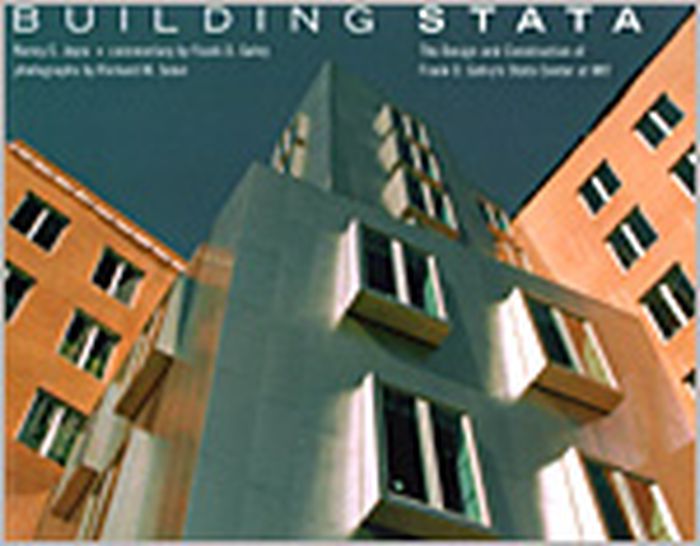
This book chronicles the planning and construction process of the Frank Gehry-designed Ray and Maria Stata Center at MIT. Taking us from the historical background and architectural context at MIT through the interaction of the clients' needs and the architect's vision to the choice of building materials and construction methods, "Building Stata" offers a detailed look at the evolution of a major work by a master architect. The purpose of the Stata Center is to bring the "intelligence sciences" - computer science, artificial intelligence, information and decision systems, linguistics, and philosophy - together into a space that emphasizes research-focused collaboration. Frank Gehry's design integrates flexible and interconnected workspaces and incorporates a series of steps from public to private space, with places for social and intellectual interaction on lower levels giving way to space for study and contemplation on the upper floors; thus a two-level warehouse-like space is topped by two towers. The Center is wrapped around a series of outdoor terraces visible from a central court in both towers. The characteristic Gehry curves are clad in metal, the more block-like elements in brick. The architectural drawings and photographs in "Building Stata" document the making of the Stata Center from concept to concrete reality. The photographs by Richard Sobol portray a work in progress, evoking the beauty of its architectural form and capturing the telling detail - the building's sculptured shape against a clear blue sky, or construction workers perched on a massive curve of metal.
Building Stata : the design and construction of Frank O. Gehry's Stata Center at MIT
Actions:
Prix:
$37.50
(disponible sur commande)
Résumé:
This book chronicles the planning and construction process of the Frank Gehry-designed Ray and Maria Stata Center at MIT. Taking us from the historical background and architectural context at MIT through the interaction of the clients' needs and the architect's vision to the choice of building materials and construction methods, "Building Stata" offers a detailed look at the evolution of a major work by a master architect. The purpose of the Stata Center is to bring the "intelligence sciences" - computer science, artificial intelligence, information and decision systems, linguistics, and philosophy - together into a space that emphasizes research-focused collaboration. Frank Gehry's design integrates flexible and interconnected workspaces and incorporates a series of steps from public to private space, with places for social and intellectual interaction on lower levels giving way to space for study and contemplation on the upper floors; thus a two-level warehouse-like space is topped by two towers. The Center is wrapped around a series of outdoor terraces visible from a central court in both towers. The characteristic Gehry curves are clad in metal, the more block-like elements in brick. The architectural drawings and photographs in "Building Stata" document the making of the Stata Center from concept to concrete reality. The photographs by Richard Sobol portray a work in progress, evoking the beauty of its architectural form and capturing the telling detail - the building's sculptured shape against a clear blue sky, or construction workers perched on a massive curve of metal.
Classification:
livres
livres
Publication:
mai 2004, Cambridge, Mass.
mai 2004, Cambridge, Mass.
Sujet:
Architecture, monographies
Architecture, monographies
Classification:
livres
livres

Prix:
$29.00
(disponible sur commande)
Résumé:
Preface by Fritz Haeg. Texts by Fritz Haeg, Diana Balmori, Rosalind Creasy, Michael Pollan, Lesley Stern, Michelle Christman, Stan Cox, Michael Foti. The Edible Estates project proposes the replacement of the domestic front lawn with a highly productive edible landscape. It was initiated by architect and artist Fritz Haeg on Independence Day, 2005, with the planting of(...)
$29.00
(disponible sur commande)
Résumé:
Preface by Fritz Haeg. Texts by Fritz Haeg, Diana Balmori, Rosalind Creasy, Michael Pollan, Lesley Stern, Michelle Christman, Stan Cox, Michael Foti. The Edible Estates project proposes the replacement of the domestic front lawn with a highly productive edible landscape. It was initiated by architect and artist Fritz Haeg on Independence Day, 2005, with the planting of(...)
Titre:
Edible estates: Attack on the front lawn. A project by Fritz Haeg
Actions:
Prix:
$29.00
(disponible sur commande)
Résumé:
Preface by Fritz Haeg. Texts by Fritz Haeg, Diana Balmori, Rosalind Creasy, Michael Pollan, Lesley Stern, Michelle Christman, Stan Cox, Michael Foti. The Edible Estates project proposes the replacement of the domestic front lawn with a highly productive edible landscape. It was initiated by architect and artist Fritz Haeg on Independence Day, 2005, with the planting of the first regional prototype garden in the geographic center of the United States, Salina, Kansas. Since then three more prototype gardens have been created, in Lakewood, California; Maplewood, New Jersey and London, England. Edible Estates regional prototype gardens will ultimately be established in nine cities across the United States. Edible Estates: Attack on the Front Lawn documents the first four gardens with personal accounts written by the owners, garden plans and photographs illustrating the creation of the gardens--from ripping up the grass to harvesting a wide variety of fruits, vegetables and herbs. Essays by Haeg, landscape architect Diana Balmori, garden and food writer Rosalind Creasy, author Michael Pollan and artist and writer Lesley Stern set the Edible Estates project in the context of larger issues concerning the environment, global food production and the imperative to generate a sense of community in our urban and suburban neighborhoods. This smart, affordable and well-designed book also includes reports and photographs from the owners of other edible front yards around the country, as well as helpful resources to guide you in making your own Edible Estate.
Edible estates: Attack on the front lawn. A project by Fritz Haeg
Actions:
Prix:
$29.00
(disponible sur commande)
Résumé:
Preface by Fritz Haeg. Texts by Fritz Haeg, Diana Balmori, Rosalind Creasy, Michael Pollan, Lesley Stern, Michelle Christman, Stan Cox, Michael Foti. The Edible Estates project proposes the replacement of the domestic front lawn with a highly productive edible landscape. It was initiated by architect and artist Fritz Haeg on Independence Day, 2005, with the planting of the first regional prototype garden in the geographic center of the United States, Salina, Kansas. Since then three more prototype gardens have been created, in Lakewood, California; Maplewood, New Jersey and London, England. Edible Estates regional prototype gardens will ultimately be established in nine cities across the United States. Edible Estates: Attack on the Front Lawn documents the first four gardens with personal accounts written by the owners, garden plans and photographs illustrating the creation of the gardens--from ripping up the grass to harvesting a wide variety of fruits, vegetables and herbs. Essays by Haeg, landscape architect Diana Balmori, garden and food writer Rosalind Creasy, author Michael Pollan and artist and writer Lesley Stern set the Edible Estates project in the context of larger issues concerning the environment, global food production and the imperative to generate a sense of community in our urban and suburban neighborhoods. This smart, affordable and well-designed book also includes reports and photographs from the owners of other edible front yards around the country, as well as helpful resources to guide you in making your own Edible Estate.
Classification:
livres
livres
Publication:
février 2008, New York
février 2008, New York
Sujet:
Théorie du paysage
Théorie du paysage
Classification:
livres
livres
Actions:
Prix:
$46.95
(disponible sur commande)
Résumé:
Hans Haacke’s art articulates the interdependence of multiple elements. An artwork is not merely an object but is also its context—the economic, social, and political conditions of the art world and the world at large. Among his best-known works are MoMA-Poll (1970), which polled museumgoers on their opinions about Nelson Rockefeller and the Nixon administration’s(...)
$46.95
(disponible sur commande)
Résumé:
Hans Haacke’s art articulates the interdependence of multiple elements. An artwork is not merely an object but is also its context—the economic, social, and political conditions of the art world and the world at large. Among his best-known works are MoMA-Poll (1970), which polled museumgoers on their opinions about Nelson Rockefeller and the Nixon administration’s(...)
Titre:
Working conditions: the writings of Hans Haacke
Actions:
Prix:
$46.95
(disponible sur commande)
Résumé:
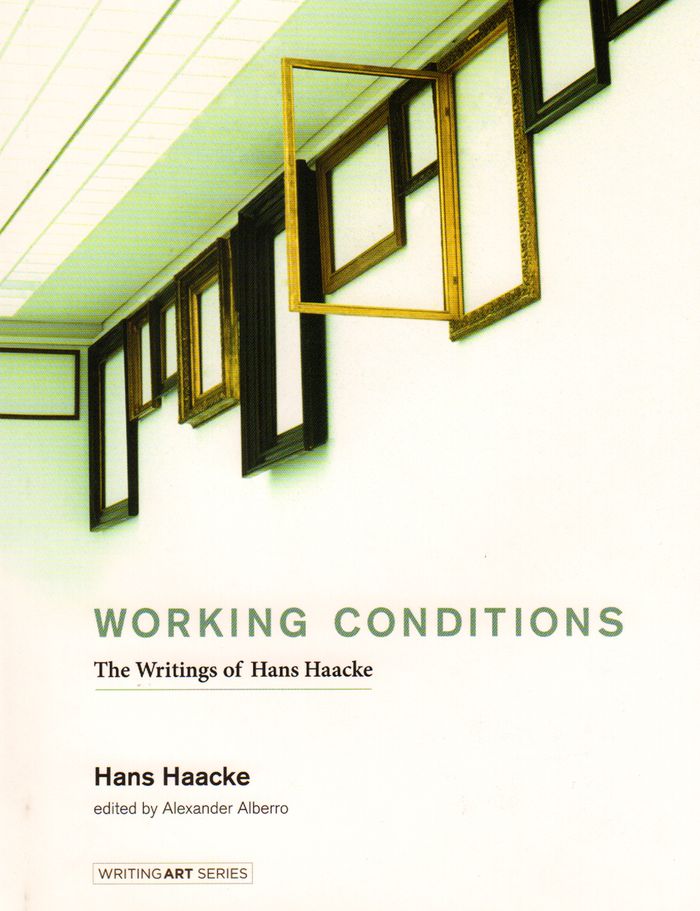
Hans Haacke’s art articulates the interdependence of multiple elements. An artwork is not merely an object but is also its context—the economic, social, and political conditions of the art world and the world at large. Among his best-known works are MoMA-Poll (1970), which polled museumgoers on their opinions about Nelson Rockefeller and the Nixon administration’s Indochina policy; Gallery-Goers’ Birthplace and Residence Profile (1969), which canvassed visitors to the Howard Wise Gallery in Manhattan; and the famously canceled 1971 solo exhibition at the Guggenheim Museum, which was meant to display, among other things, works on two New York real estate empires. This volume collects writings by Haacke that explain and document his practice. The texts, some of which have never before been published, run from straightforward descriptions to wide-ranging reflections and full-throated polemics. They include correspondence with MoMA and the Guggenheim and a letter refusing to represent the United States at the 1969 São Paulo Biennial; the title piece, “Working Conditions,” which discusses corporate influence on the art world; Haacke’s thinking about “real-time social systems”; and texts written for museum catalogs on various artworks, including GERMANIA, in the German Pavilion of the 1993 Venice Biennial; DER BEVÖLKERUNG (To the Population) of 2000 at the Berlin Reichstag; Mixed Messages, an exhibition of objects from the Victoria and Albert Museum (2001); and Gift Horse, unveiled on the fourth plinth in Trafalgar Square in 2015.
Working conditions: the writings of Hans Haacke
Actions:
Prix:
$46.95
(disponible sur commande)
Résumé:
Hans Haacke’s art articulates the interdependence of multiple elements. An artwork is not merely an object but is also its context—the economic, social, and political conditions of the art world and the world at large. Among his best-known works are MoMA-Poll (1970), which polled museumgoers on their opinions about Nelson Rockefeller and the Nixon administration’s Indochina policy; Gallery-Goers’ Birthplace and Residence Profile (1969), which canvassed visitors to the Howard Wise Gallery in Manhattan; and the famously canceled 1971 solo exhibition at the Guggenheim Museum, which was meant to display, among other things, works on two New York real estate empires. This volume collects writings by Haacke that explain and document his practice. The texts, some of which have never before been published, run from straightforward descriptions to wide-ranging reflections and full-throated polemics. They include correspondence with MoMA and the Guggenheim and a letter refusing to represent the United States at the 1969 São Paulo Biennial; the title piece, “Working Conditions,” which discusses corporate influence on the art world; Haacke’s thinking about “real-time social systems”; and texts written for museum catalogs on various artworks, including GERMANIA, in the German Pavilion of the 1993 Venice Biennial; DER BEVÖLKERUNG (To the Population) of 2000 at the Berlin Reichstag; Mixed Messages, an exhibition of objects from the Victoria and Albert Museum (2001); and Gift Horse, unveiled on the fourth plinth in Trafalgar Square in 2015.
Classification:
livres
livres
Publication:
octobre 2016
octobre 2016
Sujet:
Théorie de l’art
Théorie de l’art
Classification:
livres
livres
Prix:
$25.50
(disponible sur commande)
Résumé:
According to Paul Shepheard, architecture is the rearranging of the world for human purposes. Sculpture, machines, and landscapes are all architecture -- every bit as much as buildings are. In his writings, Shepheard examines old assumptions about architecture and replaces the critical theory of the academic with the active theory of the architect-citizen enamored of the(...)
$25.50
(disponible sur commande)
Résumé:
According to Paul Shepheard, architecture is the rearranging of the world for human purposes. Sculpture, machines, and landscapes are all architecture -- every bit as much as buildings are. In his writings, Shepheard examines old assumptions about architecture and replaces the critical theory of the academic with the active theory of the architect-citizen enamored of the(...)
Titre:
Artificial love : a story of machines and architecture
Actions:
Prix:
$25.50
(disponible sur commande)
Résumé:
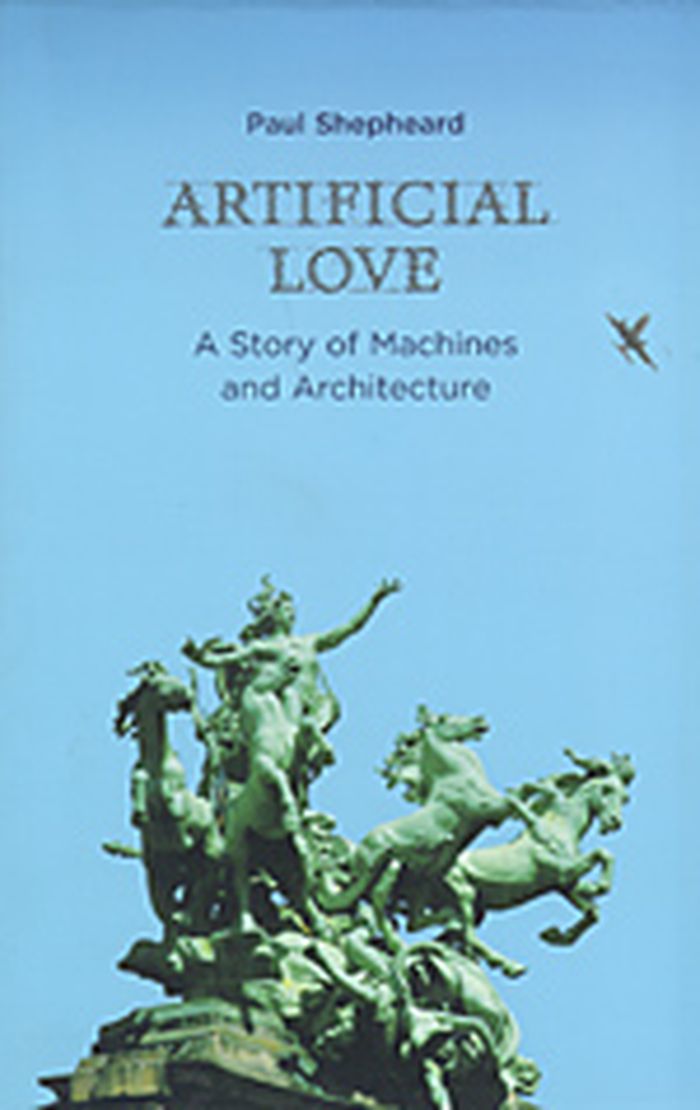
According to Paul Shepheard, architecture is the rearranging of the world for human purposes. Sculpture, machines, and landscapes are all architecture -- every bit as much as buildings are. In his writings, Shepheard examines old assumptions about architecture and replaces the critical theory of the academic with the active theory of the architect-citizen enamored of the world around him. Artificial Love weaves together three stories about architecture into one. The first, about machines as architecture, leads to speculations about technology and the human condition and to the assertion that machines are the sculptures of today. The second story is about the ways that architecture reflects the tribal and personal desires of those who make it. In the West, ideas of community, multiculturalism, and globalization compete furiously, leaving architecture to exist as it always has, as the past in the present. The third story features individual people experiencing their lives in the context of architecture. Here, Shepheard borrows the rhetorical device of Shakespeare's seven ages of man to propose that each person's life imitates the accumulating history of the human species. Shepheard's version of the history of humans is a technological one, in which machines become sculpture and sculpture becomes architecture. For Shepheard, our machines do not separate us from nature. Rather, our technology is our nature, and we cannot but be in harmony with nature. The change that we have wrought in the world, he says, is a wonderful and powerful thing.
Artificial love : a story of machines and architecture
Actions:
Prix:
$25.50
(disponible sur commande)
Résumé:
According to Paul Shepheard, architecture is the rearranging of the world for human purposes. Sculpture, machines, and landscapes are all architecture -- every bit as much as buildings are. In his writings, Shepheard examines old assumptions about architecture and replaces the critical theory of the academic with the active theory of the architect-citizen enamored of the world around him. Artificial Love weaves together three stories about architecture into one. The first, about machines as architecture, leads to speculations about technology and the human condition and to the assertion that machines are the sculptures of today. The second story is about the ways that architecture reflects the tribal and personal desires of those who make it. In the West, ideas of community, multiculturalism, and globalization compete furiously, leaving architecture to exist as it always has, as the past in the present. The third story features individual people experiencing their lives in the context of architecture. Here, Shepheard borrows the rhetorical device of Shakespeare's seven ages of man to propose that each person's life imitates the accumulating history of the human species. Shepheard's version of the history of humans is a technological one, in which machines become sculpture and sculpture becomes architecture. For Shepheard, our machines do not separate us from nature. Rather, our technology is our nature, and we cannot but be in harmony with nature. The change that we have wrought in the world, he says, is a wonderful and powerful thing.
Classification:
livres
livres
Publication:
mai 2003, Cambridge, Mass.
mai 2003, Cambridge, Mass.
Sujet:
Théorie de l’architecture
Théorie de l’architecture
Classification:
livres
livres
Prix:
$67.25
(disponible sur commande)
Résumé:
According to Paul Shepheard, architecture is the rearranging of the world for human purposes. Sculpture, machines, and landscapes are all architecture -- every bit as much as buildings are. In his writings, Shepheard examines old assumptions about architecture and replaces the critical theory of the academic with the active theory of the architect-citizen enamored of the(...)
$67.25
(disponible sur commande)
Résumé:
According to Paul Shepheard, architecture is the rearranging of the world for human purposes. Sculpture, machines, and landscapes are all architecture -- every bit as much as buildings are. In his writings, Shepheard examines old assumptions about architecture and replaces the critical theory of the academic with the active theory of the architect-citizen enamored of the(...)
Titre:
Artificial love : a story of machines and architecture
Actions:
Prix:
$67.25
(disponible sur commande)
Résumé:
According to Paul Shepheard, architecture is the rearranging of the world for human purposes. Sculpture, machines, and landscapes are all architecture -- every bit as much as buildings are. In his writings, Shepheard examines old assumptions about architecture and replaces the critical theory of the academic with the active theory of the architect-citizen enamored of the world around him. Artificial Love weaves together three stories about architecture into one. The first, about machines as architecture, leads to speculations about technology and the human condition and to the assertion that machines are the sculptures of today. The second story is about the ways that architecture reflects the tribal and personal desires of those who make it. In the West, ideas of community, multiculturalism, and globalization compete furiously, leaving architecture to exist as it always has, as the past in the present. The third story features individual people experiencing their lives in the context of architecture. Here, Shepheard borrows the rhetorical device of Shakespeare's seven ages of man to propose that each person's life imitates the accumulating history of the human species. Shepheard's version of the history of humans is a technological one, in which machines become sculpture and sculpture becomes architecture. For Shepheard, our machines do not separate us from nature. Rather, our technology is our nature, and we cannot but be in harmony with nature. The change that we have wrought in the world, he says, is a wonderful and powerful thing.
Artificial love : a story of machines and architecture
Actions:
Prix:
$67.25
(disponible sur commande)
Résumé:
According to Paul Shepheard, architecture is the rearranging of the world for human purposes. Sculpture, machines, and landscapes are all architecture -- every bit as much as buildings are. In his writings, Shepheard examines old assumptions about architecture and replaces the critical theory of the academic with the active theory of the architect-citizen enamored of the world around him. Artificial Love weaves together three stories about architecture into one. The first, about machines as architecture, leads to speculations about technology and the human condition and to the assertion that machines are the sculptures of today. The second story is about the ways that architecture reflects the tribal and personal desires of those who make it. In the West, ideas of community, multiculturalism, and globalization compete furiously, leaving architecture to exist as it always has, as the past in the present. The third story features individual people experiencing their lives in the context of architecture. Here, Shepheard borrows the rhetorical device of Shakespeare's seven ages of man to propose that each person's life imitates the accumulating history of the human species. Shepheard's version of the history of humans is a technological one, in which machines become sculpture and sculpture becomes architecture. For Shepheard, our machines do not separate us from nature. Rather, our technology is our nature, and we cannot but be in harmony with nature. The change that we have wrought in the world, he says, is a wonderful and powerful thing.
Classification:
livres
livres
Publication:
juin 2003, Cambridge, Mass.
juin 2003, Cambridge, Mass.
Sujet:
Théorie de l’architecture
Théorie de l’architecture


