


624 Résultats
Classification:
livres
livres
Actions:
Exemplaires:
Description:
279 pages : illustrations ; 24 cm
Description:
279 pages : illustrations ; 24 cm
Auteur:
Sujet:
Publication:
New York : Princeton Architectural Press, ©1998.
New York : Princeton Architectural Press, ©1998.
Titre:
Sidewalk critic : Lewis Mumford's writings on New York / edited by Robert Wojtowicz.
Actions:
Exemplaires:
Description:
279 pages : illustrations ; 24 cm
Sidewalk critic : Lewis Mumford's writings on New York / edited by Robert Wojtowicz.
Actions:
Exemplaires:
Description:
279 pages : illustrations ; 24 cm
Classification:
livres
livres
Publication:
New York : Princeton Architectural Press, ©1998.
New York : Princeton Architectural Press, ©1998.
Auteur:
Sujet:
Classification:
livres
livres
Actions:
Prix:
$37.50
(disponible sur commande)
Résumé:
After half a century of neoliberalism, a new radical, practice-based ideology is making its way from the margins: commonism, with an o in the middle. It is based on the values of sharing, common (intellectual) ownership and new social co-operations. Commoners assert that social relationships can replace money (contract) relationships. They advocate solidarity and they(...)
$37.50
(disponible sur commande)
Résumé:
After half a century of neoliberalism, a new radical, practice-based ideology is making its way from the margins: commonism, with an o in the middle. It is based on the values of sharing, common (intellectual) ownership and new social co-operations. Commoners assert that social relationships can replace money (contract) relationships. They advocate solidarity and they(...)
Titre:
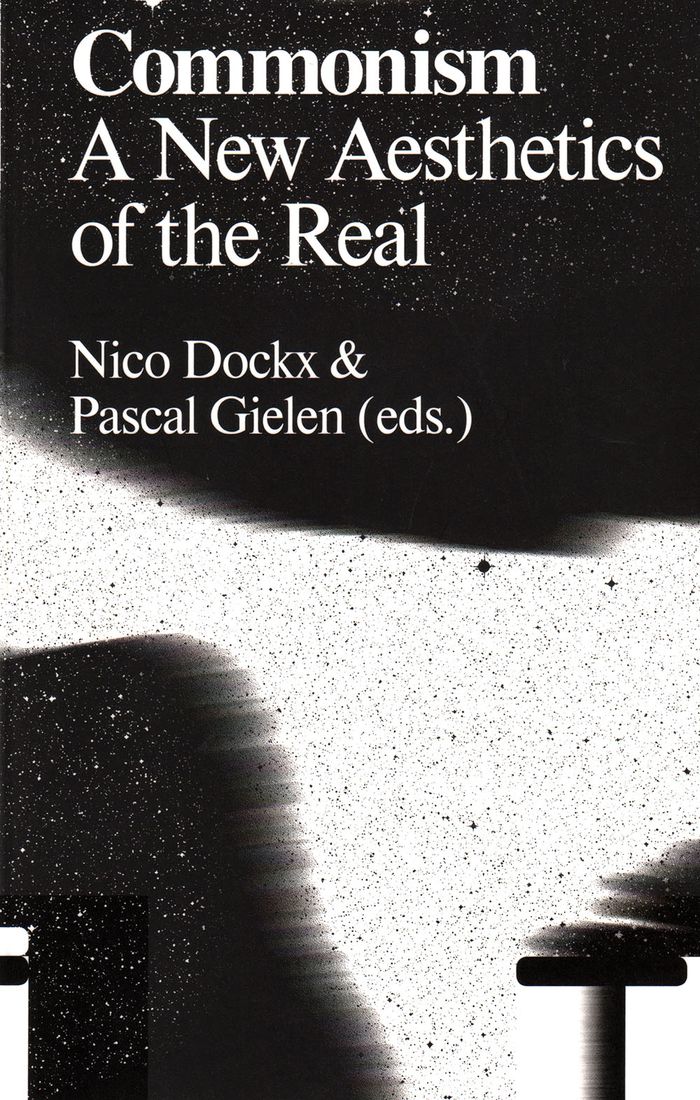
Commonism: a new aesthetics of the real
Actions:
Prix:
$37.50
(disponible sur commande)
Résumé:
After half a century of neoliberalism, a new radical, practice-based ideology is making its way from the margins: commonism, with an o in the middle. It is based on the values of sharing, common (intellectual) ownership and new social co-operations. Commoners assert that social relationships can replace money (contract) relationships. They advocate solidarity and they trust in peer-to-peer relationships to develop new ways of production.
Commonism: a new aesthetics of the real
Actions:
Prix:
$37.50
(disponible sur commande)
Résumé:
After half a century of neoliberalism, a new radical, practice-based ideology is making its way from the margins: commonism, with an o in the middle. It is based on the values of sharing, common (intellectual) ownership and new social co-operations. Commoners assert that social relationships can replace money (contract) relationships. They advocate solidarity and they trust in peer-to-peer relationships to develop new ways of production.
Classification:
livres
livres
Publication:
novembre 2018
novembre 2018
Sujet:
Théorie de l’art
Théorie de l’art
Classification:
livres
livres
Titre:
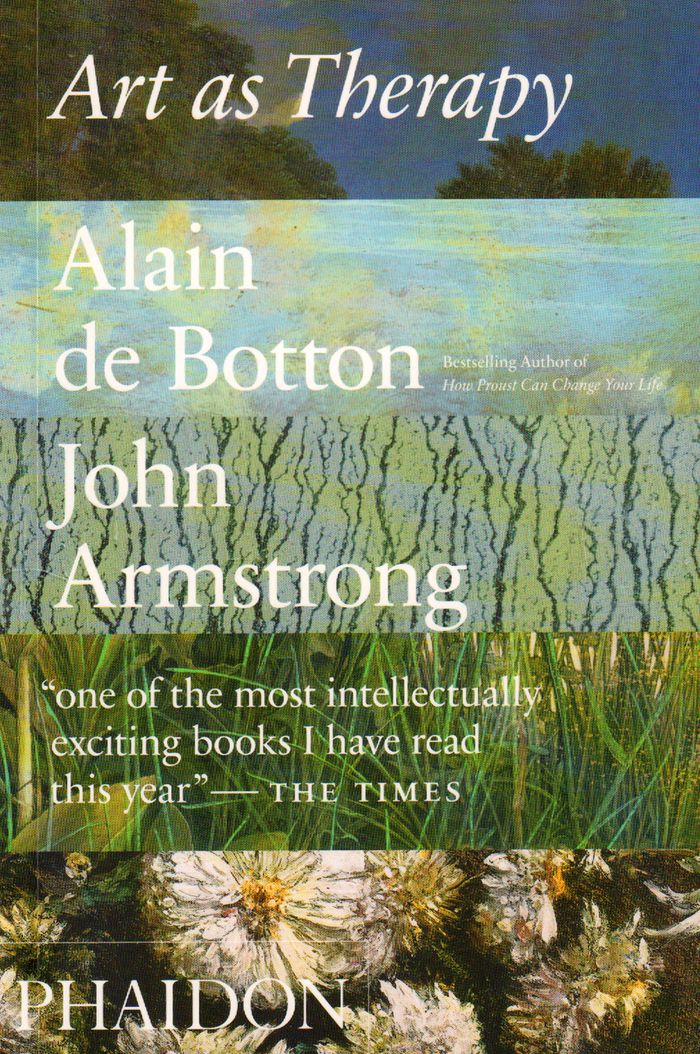
Art as therapy
Art as therapy
Actions:
Prix:
$22.95
(disponible sur commande)
Résumé:
This book proposes a new way of looking at art, suggesting that it can be useful, relevant, and therapeutic. Through practical examples, the world-renowned authors argue that certain great works of art have clues as to how to manage the tensions and confusions of modern life. Chapters on love, nature, money, and politics show how art can help with many common(...)
$22.95
(disponible sur commande)
Résumé:
This book proposes a new way of looking at art, suggesting that it can be useful, relevant, and therapeutic. Through practical examples, the world-renowned authors argue that certain great works of art have clues as to how to manage the tensions and confusions of modern life. Chapters on love, nature, money, and politics show how art can help with many common(...)
Titre:
Art as therapy
Actions:
Prix:
$22.95
(disponible sur commande)
Résumé:
This book proposes a new way of looking at art, suggesting that it can be useful, relevant, and therapeutic. Through practical examples, the world-renowned authors argue that certain great works of art have clues as to how to manage the tensions and confusions of modern life. Chapters on love, nature, money, and politics show how art can help with many common difficulties, from forging good relationships to coming to terms with mortality.
Art as therapy
Actions:
Prix:
$22.95
(disponible sur commande)
Résumé:
This book proposes a new way of looking at art, suggesting that it can be useful, relevant, and therapeutic. Through practical examples, the world-renowned authors argue that certain great works of art have clues as to how to manage the tensions and confusions of modern life. Chapters on love, nature, money, and politics show how art can help with many common difficulties, from forging good relationships to coming to terms with mortality.
Classification:
livres
livres
Publication:
octobre 2016
octobre 2016
Sujet:
Théorie de l’art
Théorie de l’art
Classification:
livres
livres
Actions:
Prix:
$29.95
(disponible sur commande)
Résumé:
Transnational markets hold sway over all aspects of contemporary culture, and that has transformed the environment of recent art, blurring the previously discrete realms of price and value, capital and creativity. Artists have responded not only critically but imaginatively to the many issues this raises, including the treatment of artworks as analogous to capital goods,(...)
$29.95
(disponible sur commande)
Résumé:
Transnational markets hold sway over all aspects of contemporary culture, and that has transformed the environment of recent art, blurring the previously discrete realms of price and value, capital and creativity. Artists have responded not only critically but imaginatively to the many issues this raises, including the treatment of artworks as analogous to capital goods,(...)
Titre:
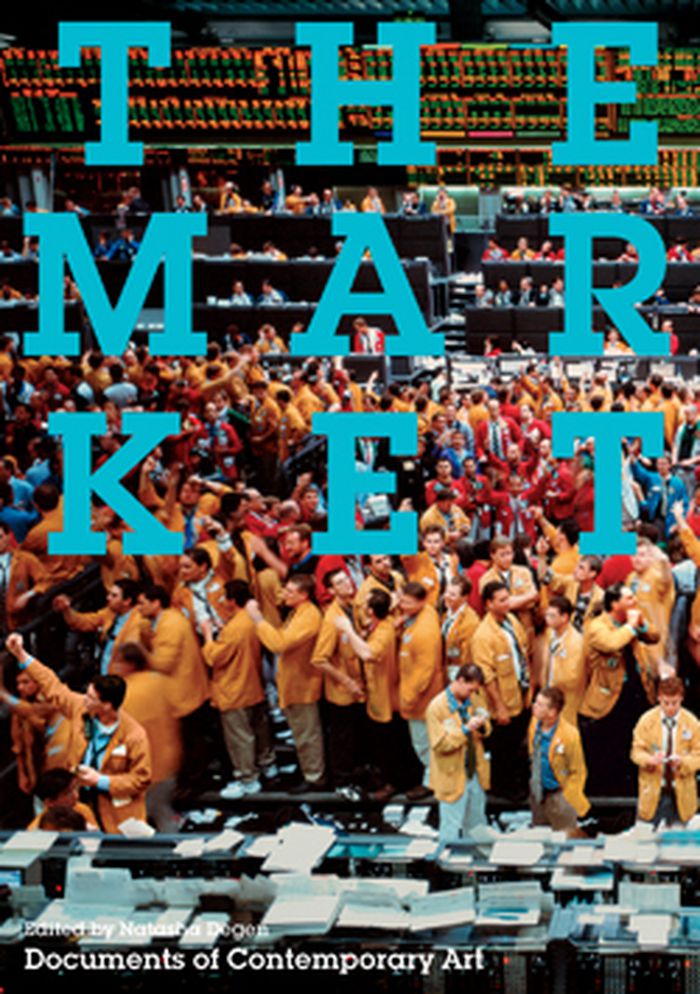
The Market : documents of contemporary art
Actions:
Prix:
$29.95
(disponible sur commande)
Résumé:
Transnational markets hold sway over all aspects of contemporary culture, and that has transformed the environment of recent art, blurring the previously discrete realms of price and value, capital and creativity. Artists have responded not only critically but imaginatively to the many issues this raises, including the treatment of artworks as analogous to capital goods, the assertion that art's value is best measured by the market, and the notion that art and money share an internal logic. Some artists have investigated the market's pressures on creative democracy, its ubiquity, vulgarity, and fetishizing force, while others have embraced the creative possibilities the market offers. And for a decade curators and theorists have speculated on the implications of this new symbiosis between art and money, cultural and economic value. Drawing on a wide range of interdisciplinary sources, in dialogue with artists' writings, this anthology traces the historic origins of these debates in different versions of modernism and surveys the relationships among art, value, and price; the evolution and influence of patronage; the actors and institutions of the art market; and the diversity of artistic practices that either criticize or embrace the conditions of the contemporary market.
The Market : documents of contemporary art
Actions:
Prix:
$29.95
(disponible sur commande)
Résumé:
Transnational markets hold sway over all aspects of contemporary culture, and that has transformed the environment of recent art, blurring the previously discrete realms of price and value, capital and creativity. Artists have responded not only critically but imaginatively to the many issues this raises, including the treatment of artworks as analogous to capital goods, the assertion that art's value is best measured by the market, and the notion that art and money share an internal logic. Some artists have investigated the market's pressures on creative democracy, its ubiquity, vulgarity, and fetishizing force, while others have embraced the creative possibilities the market offers. And for a decade curators and theorists have speculated on the implications of this new symbiosis between art and money, cultural and economic value. Drawing on a wide range of interdisciplinary sources, in dialogue with artists' writings, this anthology traces the historic origins of these debates in different versions of modernism and surveys the relationships among art, value, and price; the evolution and influence of patronage; the actors and institutions of the art market; and the diversity of artistic practices that either criticize or embrace the conditions of the contemporary market.
Classification:
livres
livres
Publication:
septembre 2013
septembre 2013
Sujet:
Théorie de l’art
Théorie de l’art
Classification:
livres
livres
Prix:
$37.50
(disponible sur commande)
Résumé:
Many experts agree that energy is the defining issue of this century. Economic recessions, foreign wars, and foreclosures are only a few of the results of America’s dependence on oil. In Terra Nova, ecologist Eric Sanderson elucidates the interconnections between oil and money, cars and transportation, and suburbs and land use. He then charts a path toward renewed(...)
$37.50
(disponible sur commande)
Résumé:
Many experts agree that energy is the defining issue of this century. Economic recessions, foreign wars, and foreclosures are only a few of the results of America’s dependence on oil. In Terra Nova, ecologist Eric Sanderson elucidates the interconnections between oil and money, cars and transportation, and suburbs and land use. He then charts a path toward renewed(...)
Titre:
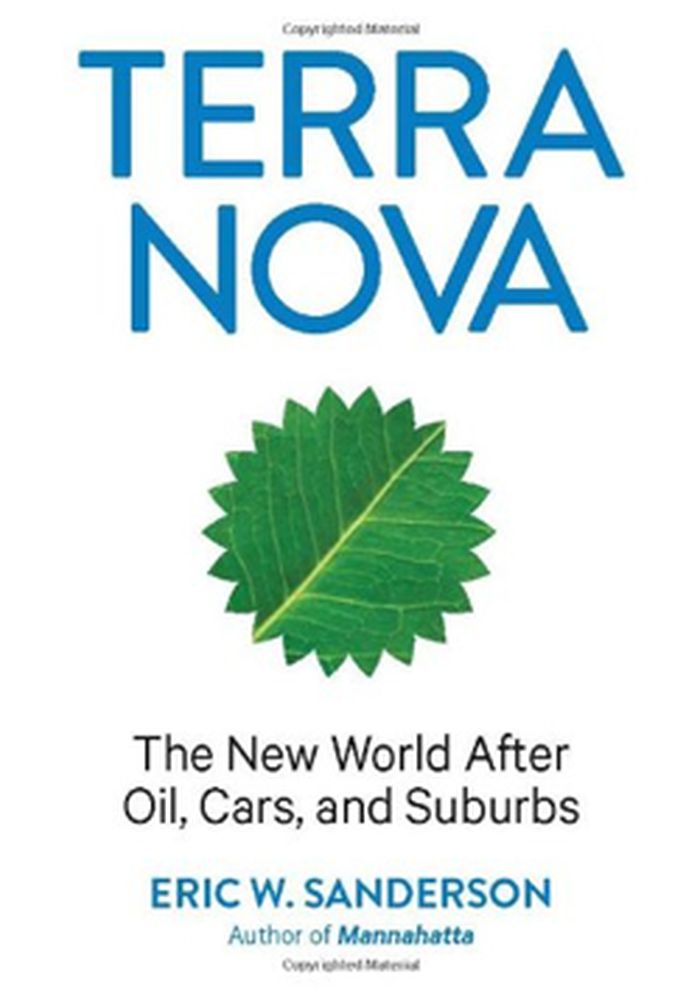
Terra nova: the new world after oil, cars, and suburbs
Actions:
Prix:
$37.50
(disponible sur commande)
Résumé:
Many experts agree that energy is the defining issue of this century. Economic recessions, foreign wars, and foreclosures are only a few of the results of America’s dependence on oil. In Terra Nova, ecologist Eric Sanderson elucidates the interconnections between oil and money, cars and transportation, and suburbs and land use. He then charts a path toward renewed economic growth, enhanced national security, revitalized communities, and a sustainable environment: a new form of the American Dream.
Terra nova: the new world after oil, cars, and suburbs
Actions:
Prix:
$37.50
(disponible sur commande)
Résumé:
Many experts agree that energy is the defining issue of this century. Economic recessions, foreign wars, and foreclosures are only a few of the results of America’s dependence on oil. In Terra Nova, ecologist Eric Sanderson elucidates the interconnections between oil and money, cars and transportation, and suburbs and land use. He then charts a path toward renewed economic growth, enhanced national security, revitalized communities, and a sustainable environment: a new form of the American Dream.
Classification:
livres
livres
Publication:
avril 2013
avril 2013
Sujet:
Architecture écologique
Architecture écologique
Classification:
périodiques
périodiques
Titre:
San Rocco 12: clients
San Rocco 12: clients
Actions:
Prix:
$33.00
(disponible en magasin)
Résumé:
The issue with the client is that the reasons why clients should pay for architecture (i.e., the reasons why rich or powerful individuals could become clients) seem to be disappearing. In fact, architecture corresponds to a singular mixture of exhibitionism and shame that leads people to try to acquire public renown (and at the same time erase the memory of how they used(...)
$33.00
(disponible en magasin)
Résumé:
The issue with the client is that the reasons why clients should pay for architecture (i.e., the reasons why rich or powerful individuals could become clients) seem to be disappearing. In fact, architecture corresponds to a singular mixture of exhibitionism and shame that leads people to try to acquire public renown (and at the same time erase the memory of how they used(...)
Titre:
San Rocco 12: clients
Actions:
Prix:
$33.00
(disponible en magasin)
Résumé:
The issue with the client is that the reasons why clients should pay for architecture (i.e., the reasons why rich or powerful individuals could become clients) seem to be disappearing. In fact, architecture corresponds to a singular mixture of exhibitionism and shame that leads people to try to acquire public renown (and at the same time erase the memory of how they used to make money) by contributing to the construction of the spaces of public life. And while there is no shortage of exhibitionism nowadays...
San Rocco 12: clients
Actions:
Prix:
$33.00
(disponible en magasin)
Résumé:
The issue with the client is that the reasons why clients should pay for architecture (i.e., the reasons why rich or powerful individuals could become clients) seem to be disappearing. In fact, architecture corresponds to a singular mixture of exhibitionism and shame that leads people to try to acquire public renown (and at the same time erase the memory of how they used to make money) by contributing to the construction of the spaces of public life. And while there is no shortage of exhibitionism nowadays...
Classification:
périodiques
périodiques
Publication:
avril 2016
avril 2016
Sujet:
Revues
Revues
Classification:
livres
livres
Prix:
$40.00
(disponible sur commande)
Résumé:
An exploration of the intimate and inextricable relationship between architecture, power, money and politics in the twentieth century. How and why have presidents, prime ministers, mayors, millionaires and bishops come to share such a fascination with architecture? From Blair to Mitterrand, from Hitler to Stalin to Saddam Hussein, architecture has become an end in itself,(...)
$40.00
(disponible sur commande)
Résumé:
An exploration of the intimate and inextricable relationship between architecture, power, money and politics in the twentieth century. How and why have presidents, prime ministers, mayors, millionaires and bishops come to share such a fascination with architecture? From Blair to Mitterrand, from Hitler to Stalin to Saddam Hussein, architecture has become an end in itself,(...)
Titre:
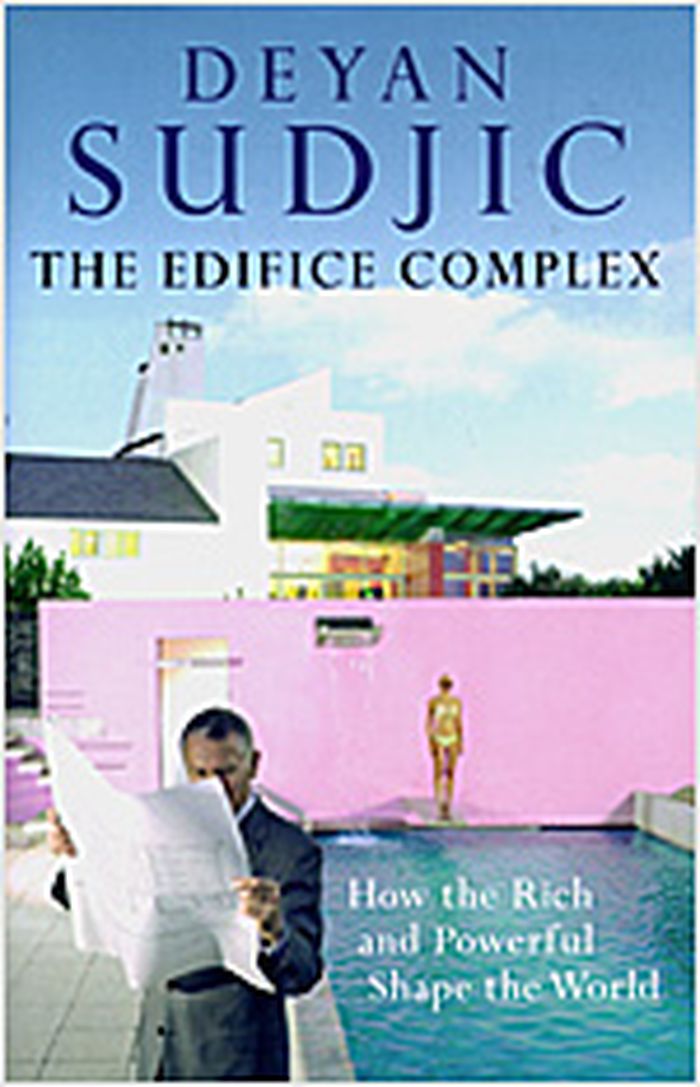
The edifice complex : how the rich and powerful shape the world
Actions:
Prix:
$40.00
(disponible sur commande)
Résumé:
An exploration of the intimate and inextricable relationship between architecture, power, money and politics in the twentieth century. How and why have presidents, prime ministers, mayors, millionaires and bishops come to share such a fascination with architecture? From Blair to Mitterrand, from Hitler to Stalin to Saddam Hussein, architecture has become an end in itself, as well as a means to an end. This is a book of genuine timeliness, throwing new light on the aspirations and the motivations of the rich and powerful across the world - and on the political nature of contemporary culture.
The edifice complex : how the rich and powerful shape the world
Actions:
Prix:
$40.00
(disponible sur commande)
Résumé:
An exploration of the intimate and inextricable relationship between architecture, power, money and politics in the twentieth century. How and why have presidents, prime ministers, mayors, millionaires and bishops come to share such a fascination with architecture? From Blair to Mitterrand, from Hitler to Stalin to Saddam Hussein, architecture has become an end in itself, as well as a means to an end. This is a book of genuine timeliness, throwing new light on the aspirations and the motivations of the rich and powerful across the world - and on the political nature of contemporary culture.
Classification:
livres
livres
Publication:
avril 2005, London
avril 2005, London
Sujet:
Théorie de l’architecture
Théorie de l’architecture
Classification:
livres
livres
Prix:
$18.00
(disponible sur commande)
Résumé:
"The edifice complex" explores the intimate and inextricable relationship between power, money and architecture in the twentieth century. How and why have presidents, prime ministers, mayors, millionaires and bishops come to share such a fascination with grand designs? From Blair to Mitterrand, from Hitler to Stalin to Saddam Hussein, architecture has become an end in(...)
$18.00
(disponible sur commande)
Résumé:
"The edifice complex" explores the intimate and inextricable relationship between power, money and architecture in the twentieth century. How and why have presidents, prime ministers, mayors, millionaires and bishops come to share such a fascination with grand designs? From Blair to Mitterrand, from Hitler to Stalin to Saddam Hussein, architecture has become an end in(...)
Titre:
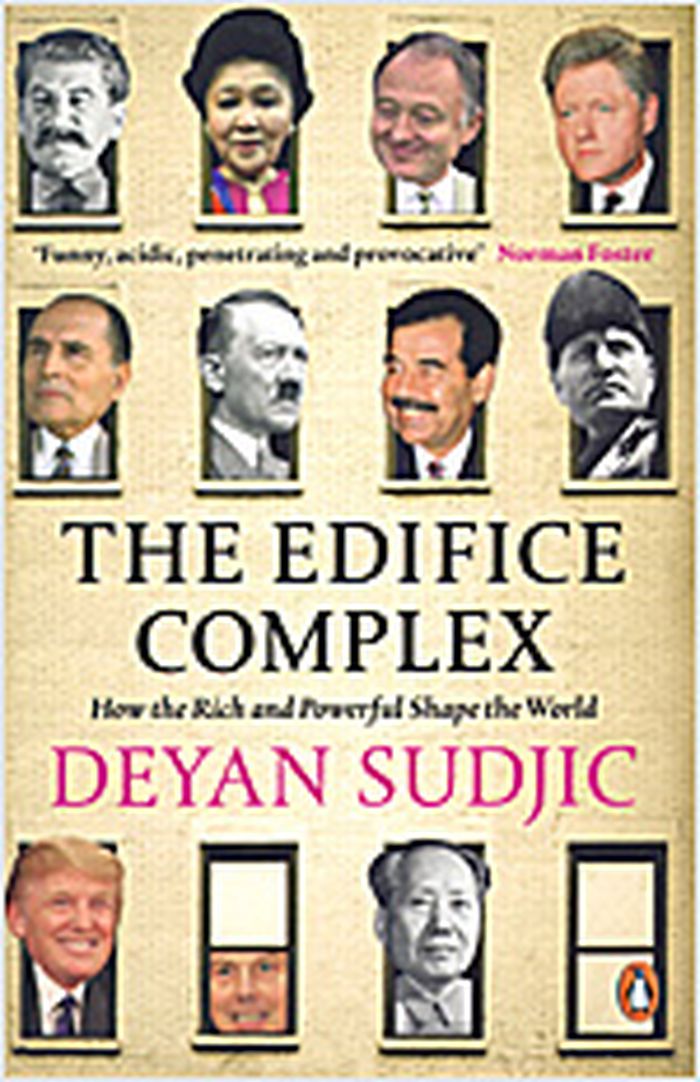
The edifice complex : how the rich and powerful shape the world
Actions:
Prix:
$18.00
(disponible sur commande)
Résumé:
"The edifice complex" explores the intimate and inextricable relationship between power, money and architecture in the twentieth century. How and why have presidents, prime ministers, mayors, millionaires and bishops come to share such a fascination with grand designs? From Blair to Mitterrand, from Hitler to Stalin to Saddam Hussein, architecture has become an end in itself, as well as a means to an end. This is a book of genuine timeliness, throwing new light on the motivations of the rich and powerful around the world - and on the ways they seek to affect us.
The edifice complex : how the rich and powerful shape the world
Actions:
Prix:
$18.00
(disponible sur commande)
Résumé:
"The edifice complex" explores the intimate and inextricable relationship between power, money and architecture in the twentieth century. How and why have presidents, prime ministers, mayors, millionaires and bishops come to share such a fascination with grand designs? From Blair to Mitterrand, from Hitler to Stalin to Saddam Hussein, architecture has become an end in itself, as well as a means to an end. This is a book of genuine timeliness, throwing new light on the motivations of the rich and powerful around the world - and on the ways they seek to affect us.
Classification:
livres
livres
Publication:
mai 2006, London, New York
mai 2006, London, New York
Sujet:
Théorie de l’architecture
Théorie de l’architecture
Classification:
livres
livres
Actions:
Prix:
$32.95
(disponible sur commande)
Résumé:
Are cancer rates higher or lower in rural communities? How can you know how much money to sock away for retirement when you don't know when you'll die? And where exactly did nineteenth-century novelists get their ideas? These are some of the fascinating questions Wainer invites readers to consider. Along the way he traces the origins and development of graphical display,(...)
$32.95
(disponible sur commande)
Résumé:
Are cancer rates higher or lower in rural communities? How can you know how much money to sock away for retirement when you don't know when you'll die? And where exactly did nineteenth-century novelists get their ideas? These are some of the fascinating questions Wainer invites readers to consider. Along the way he traces the origins and development of graphical display,(...)
Publication:
juin 2009, Princeton / Oxford
juin 2009, Princeton / Oxford
Titre:
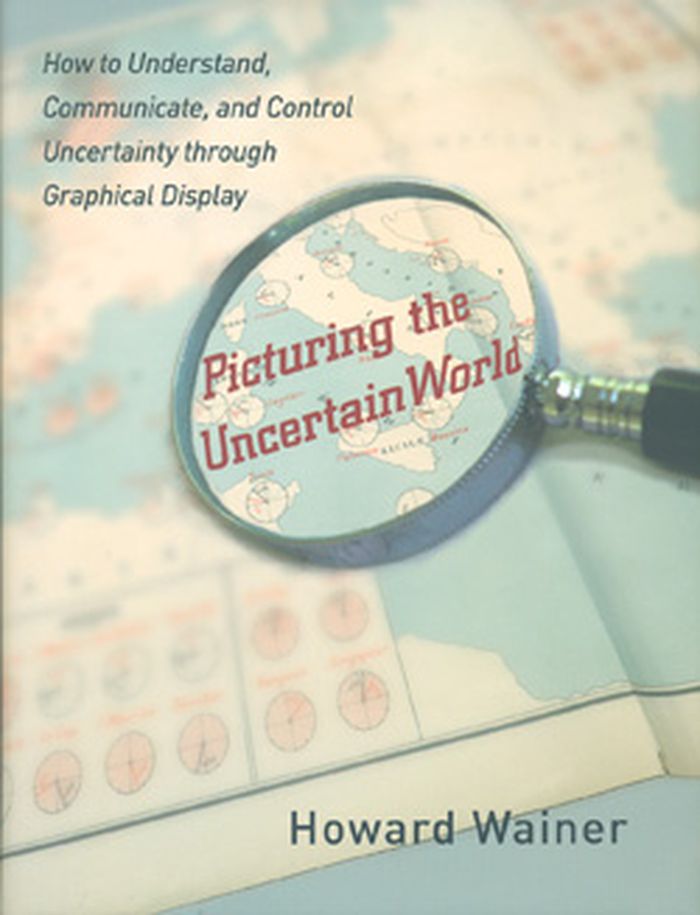
Picturing the uncertain world: how to understand, communicate, and control uncertainty through graphical display
Actions:
Prix:
$32.95
(disponible sur commande)
Résumé:
Are cancer rates higher or lower in rural communities? How can you know how much money to sock away for retirement when you don't know when you'll die? And where exactly did nineteenth-century novelists get their ideas? These are some of the fascinating questions Wainer invites readers to consider. Along the way he traces the origins and development of graphical display, from William Playfair, who pioneered the use of graphs in the eighteenth century, to instances today where the public has been misled through poorly designed graphs.
Picturing the uncertain world: how to understand, communicate, and control uncertainty through graphical display
Actions:
Prix:
$32.95
(disponible sur commande)
Résumé:
Are cancer rates higher or lower in rural communities? How can you know how much money to sock away for retirement when you don't know when you'll die? And where exactly did nineteenth-century novelists get their ideas? These are some of the fascinating questions Wainer invites readers to consider. Along the way he traces the origins and development of graphical display, from William Playfair, who pioneered the use of graphs in the eighteenth century, to instances today where the public has been misled through poorly designed graphs.
Classification:
livres
livres
Publication:
juin 2009, Princeton / Oxford
juin 2009, Princeton / Oxford
Classification:
livres
livres
Titre:
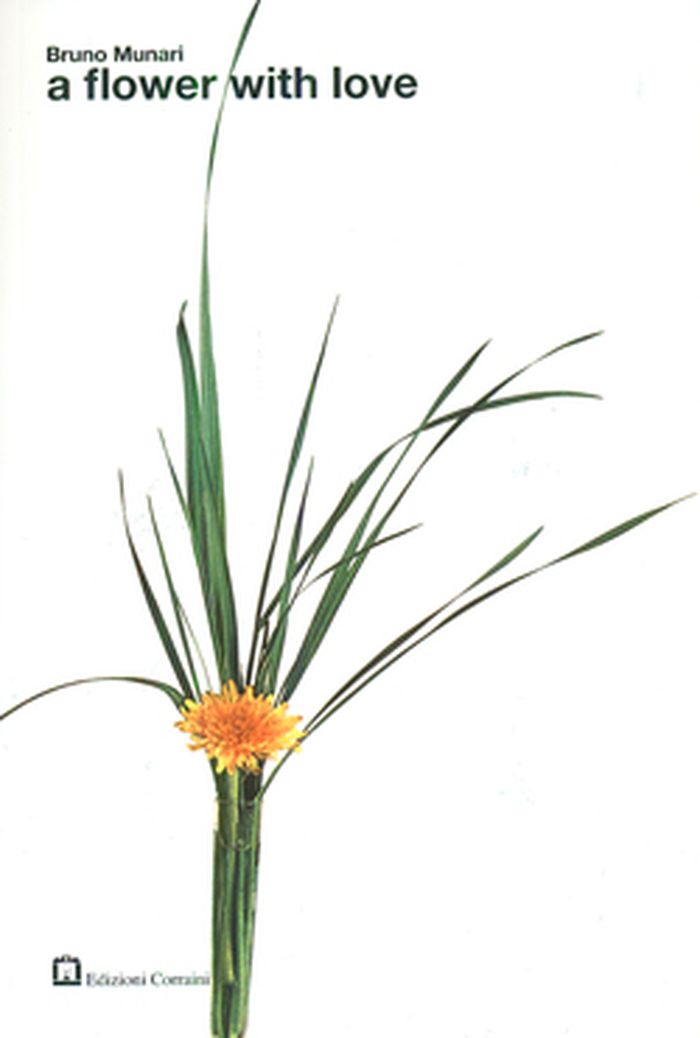
A flower with love
A flower with love
Actions:
Prix:
$19.95
(disponible sur commande)
Résumé:
In A Flower with Love, Bruno Munari lets us in on the secret: "...what really matters is the love with which a little daisy, a lavender sprig or some moss are chosen, that one there in particular and not that other one." With full-color images, we learn that flower arranging is not an obscure art but a natural gesture requiring more care and imagination than money.(...)
$19.95
(disponible sur commande)
Résumé:
In A Flower with Love, Bruno Munari lets us in on the secret: "...what really matters is the love with which a little daisy, a lavender sprig or some moss are chosen, that one there in particular and not that other one." With full-color images, we learn that flower arranging is not an obscure art but a natural gesture requiring more care and imagination than money.(...)
Titre:
A flower with love
Actions:
Prix:
$19.95
(disponible sur commande)
Résumé:
In A Flower with Love, Bruno Munari lets us in on the secret: "...what really matters is the love with which a little daisy, a lavender sprig or some moss are chosen, that one there in particular and not that other one." With full-color images, we learn that flower arranging is not an obscure art but a natural gesture requiring more care and imagination than money. Munari's examples are not to be copied slavishly; they represent examples to aid the reader in uncovering their own natural aesthetic sensibilities.
A flower with love
Actions:
Prix:
$19.95
(disponible sur commande)
Résumé:
In A Flower with Love, Bruno Munari lets us in on the secret: "...what really matters is the love with which a little daisy, a lavender sprig or some moss are chosen, that one there in particular and not that other one." With full-color images, we learn that flower arranging is not an obscure art but a natural gesture requiring more care and imagination than money. Munari's examples are not to be copied slavishly; they represent examples to aid the reader in uncovering their own natural aesthetic sensibilities.
Classification:
livres
livres
Publication:
février 2014
février 2014


