


6917 Résultats
Classification:
livres
livres

Actions:
Prix:
$20.00
(disponible sur commande)
Résumé:
Il y a une dizaine de milliers d’années, la sédentarisation des groupes humains, l’émergence de l’agriculture et l’établissement des premiers États ont jeté les bases de notre civilisation. Et si cette «révolution néolithique» n’était qu’une parenthèse malheureuse dans le cours de l’histoire humaine, comme le prétendent les primitivistes?? Et si ces événements, loin(...)
$20.00
(disponible sur commande)
Résumé:
Il y a une dizaine de milliers d’années, la sédentarisation des groupes humains, l’émergence de l’agriculture et l’établissement des premiers États ont jeté les bases de notre civilisation. Et si cette «révolution néolithique» n’était qu’une parenthèse malheureuse dans le cours de l’histoire humaine, comme le prétendent les primitivistes?? Et si ces événements, loin(...)
Titre:
Faut-il en finir la civilisation ?
Actions:
Prix:
$20.00
(disponible sur commande)
Résumé:
Il y a une dizaine de milliers d’années, la sédentarisation des groupes humains, l’émergence de l’agriculture et l’établissement des premiers États ont jeté les bases de notre civilisation. Et si cette «révolution néolithique» n’était qu’une parenthèse malheureuse dans le cours de l’histoire humaine, comme le prétendent les primitivistes?? Et si ces événements, loin d’être «civilisateurs», avaient précipité l’humanité dans un processus écocide et autodestructeur dont nous mesurons seulement aujourd’hui toute la gravité? Stimulé par ces questions qui imprègnent les débats écologistes depuis les années 1960, Pierre Madelin examine d’un regard critique les fondements historiques et anthropologiques de cette théorie selon laquelle les multiples formes de domination ne sont pas inhérentes à la vie sociale, mais résultent de cette «catastrophe fondatrice» du Néolithique. Or le primitivisme se révèle une impasse politique, affirme l’auteur: plutôt que de mythifier la vie préhistorique en anticipant l’effondrement de la civilisation industrielle, ne vaudrait-il pas mieux se mobiliser pour une transition vers une société agroécologique?
Faut-il en finir la civilisation ?
Actions:
Prix:
$20.00
(disponible sur commande)
Résumé:
Il y a une dizaine de milliers d’années, la sédentarisation des groupes humains, l’émergence de l’agriculture et l’établissement des premiers États ont jeté les bases de notre civilisation. Et si cette «révolution néolithique» n’était qu’une parenthèse malheureuse dans le cours de l’histoire humaine, comme le prétendent les primitivistes?? Et si ces événements, loin d’être «civilisateurs», avaient précipité l’humanité dans un processus écocide et autodestructeur dont nous mesurons seulement aujourd’hui toute la gravité? Stimulé par ces questions qui imprègnent les débats écologistes depuis les années 1960, Pierre Madelin examine d’un regard critique les fondements historiques et anthropologiques de cette théorie selon laquelle les multiples formes de domination ne sont pas inhérentes à la vie sociale, mais résultent de cette «catastrophe fondatrice» du Néolithique. Or le primitivisme se révèle une impasse politique, affirme l’auteur: plutôt que de mythifier la vie préhistorique en anticipant l’effondrement de la civilisation industrielle, ne vaudrait-il pas mieux se mobiliser pour une transition vers une société agroécologique?
Classification:
livres
livres
Publication:
janvier 2021
janvier 2021
Classification:
livres
livres
Actions:
Prix:
$20.95
(disponible sur commande)
Résumé:
In the shadow of climate change, it is common to presume that solar energy is the big solution to our energy problems. It is a fuel source of infinite supply, resistant to commodification and speculation, and collectible and expendable without the destructive consequences of fossil fuels and nuclear energy. What remains to be understood is not the amount of energy solar(...)
$20.95
(disponible sur commande)
Résumé:
In the shadow of climate change, it is common to presume that solar energy is the big solution to our energy problems. It is a fuel source of infinite supply, resistant to commodification and speculation, and collectible and expendable without the destructive consequences of fossil fuels and nuclear energy. What remains to be understood is not the amount of energy solar(...)
Publication:
janvier 2021
janvier 2021
Titre:
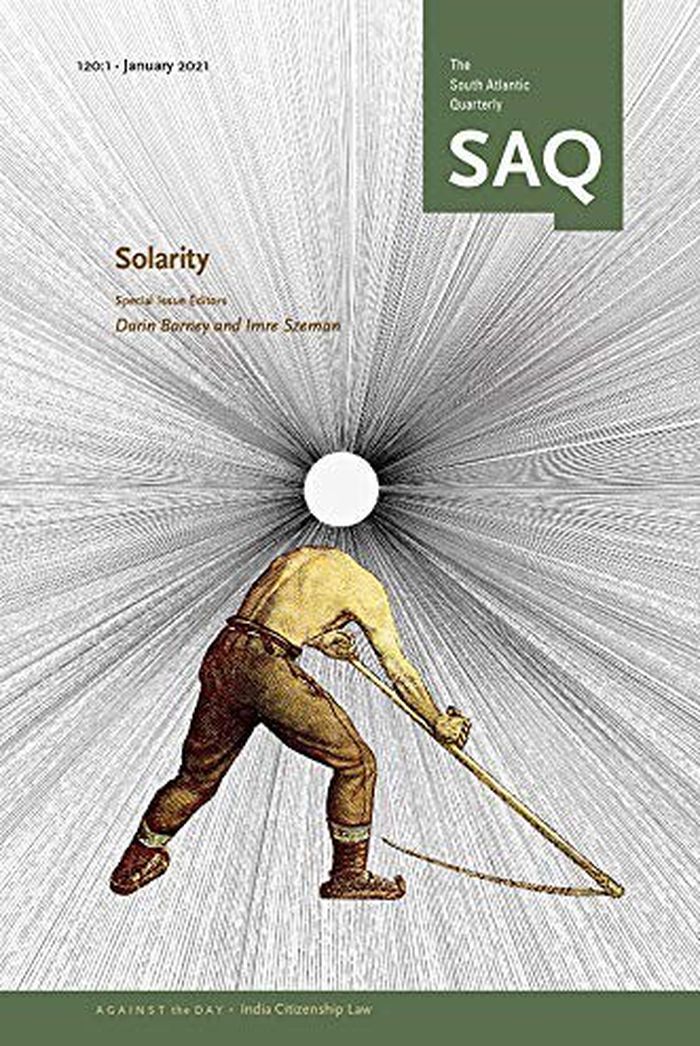
Solarity (South Atlantic Quarterly v.120, number 1)
Actions:
Prix:
$20.95
(disponible sur commande)
Résumé:
In the shadow of climate change, it is common to presume that solar energy is the big solution to our energy problems. It is a fuel source of infinite supply, resistant to commodification and speculation, and collectible and expendable without the destructive consequences of fossil fuels and nuclear energy. What remains to be understood is not the amount of energy solar power can produce, or whether it is truly an adequate replacement for fossil fuels, but the conditions of social and political possibility solar might generate. The contributors to this special issue address the overlapping relationships, strategies, and conflicts that will attend this latest and perhaps last energy transition under the term 'solarity.' By approaching the social implications — and not just the technical ones — of the emergence of solar energy, they investigate whether and how it might avoid, or reproduce, the pathologies of existing capitalist and colonialist petrocultures.
Solarity (South Atlantic Quarterly v.120, number 1)
Actions:
Prix:
$20.95
(disponible sur commande)
Résumé:
In the shadow of climate change, it is common to presume that solar energy is the big solution to our energy problems. It is a fuel source of infinite supply, resistant to commodification and speculation, and collectible and expendable without the destructive consequences of fossil fuels and nuclear energy. What remains to be understood is not the amount of energy solar power can produce, or whether it is truly an adequate replacement for fossil fuels, but the conditions of social and political possibility solar might generate. The contributors to this special issue address the overlapping relationships, strategies, and conflicts that will attend this latest and perhaps last energy transition under the term 'solarity.' By approaching the social implications — and not just the technical ones — of the emergence of solar energy, they investigate whether and how it might avoid, or reproduce, the pathologies of existing capitalist and colonialist petrocultures.
Classification:
livres
livres
Publication:
janvier 2021
janvier 2021
Classification:
livres
livres
Prix:
$58.00
(disponible sur commande)
Résumé:
Smart design can make solar, wind, and geothermal energy beautiful, affordable, and accessible to all. Thirty-five projects from around the world demonstrate that clean, healthy energy is within reach in every sector and field, from townhouses to schools and offices, and even power plants. Harmonizing nature, technology, and space, each project in "Good energy" shows how(...)
$58.00
(disponible sur commande)
Résumé:
Smart design can make solar, wind, and geothermal energy beautiful, affordable, and accessible to all. Thirty-five projects from around the world demonstrate that clean, healthy energy is within reach in every sector and field, from townhouses to schools and offices, and even power plants. Harmonizing nature, technology, and space, each project in "Good energy" shows how(...)
Titre:
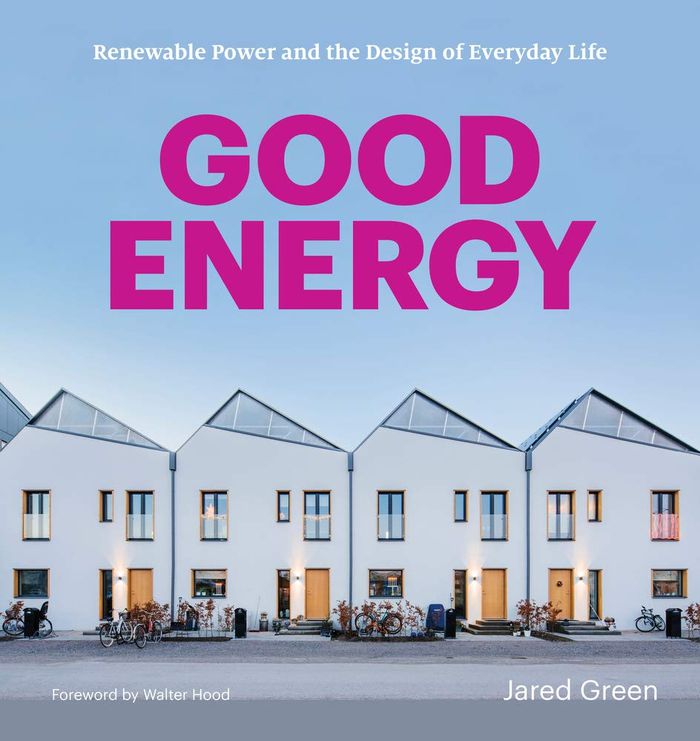
Good energy: renewable power and the design of everyday life
Actions:
Prix:
$58.00
(disponible sur commande)
Résumé:
Smart design can make solar, wind, and geothermal energy beautiful, affordable, and accessible to all. Thirty-five projects from around the world demonstrate that clean, healthy energy is within reach in every sector and field, from townhouses to schools and offices, and even power plants. Harmonizing nature, technology, and space, each project in "Good energy" shows how design can improve planetary well-being while producing cost savings and creating green jobs. A visual and informative guide to renewal energy: "Good energy" includes over 200 colour photographs showing each project in detail, accompanied by informative essays. The book includes a foreword by artist and landscape designer Walter Hood, founder of Hood Design Studio, and an interview with Mark Z. Jacobson, Stanford University professor of civil and environmental engineering and a cofounder of the Solutions Project.
Good energy: renewable power and the design of everyday life
Actions:
Prix:
$58.00
(disponible sur commande)
Résumé:
Smart design can make solar, wind, and geothermal energy beautiful, affordable, and accessible to all. Thirty-five projects from around the world demonstrate that clean, healthy energy is within reach in every sector and field, from townhouses to schools and offices, and even power plants. Harmonizing nature, technology, and space, each project in "Good energy" shows how design can improve planetary well-being while producing cost savings and creating green jobs. A visual and informative guide to renewal energy: "Good energy" includes over 200 colour photographs showing each project in detail, accompanied by informative essays. The book includes a foreword by artist and landscape designer Walter Hood, founder of Hood Design Studio, and an interview with Mark Z. Jacobson, Stanford University professor of civil and environmental engineering and a cofounder of the Solutions Project.
Classification:
livres
livres
Publication:
mai 2021
mai 2021
Classification:
livres
livres
Titre:
Le climat qui cache la forêt
Le climat qui cache la forêt
Actions:
Prix:
$17.95
(disponible sur commande)
Résumé:
La priorité accordée aujourd'hui au climat par les États, les ONG, les médias est-elle justifiée ? Soulever cette simple question paraît, en soi, iconoclaste, voire scandaleux, tant il semble communément admis que « la lutte contre le réchauffement climatique » est la mère de toutes les batailles environnementales. Il ne s'agit pas ici de nier la réalité du changement(...)
$17.95
(disponible sur commande)
Résumé:
La priorité accordée aujourd'hui au climat par les États, les ONG, les médias est-elle justifiée ? Soulever cette simple question paraît, en soi, iconoclaste, voire scandaleux, tant il semble communément admis que « la lutte contre le réchauffement climatique » est la mère de toutes les batailles environnementales. Il ne s'agit pas ici de nier la réalité du changement(...)
Publication:
janvier 2021
janvier 2021
Titre:
Le climat qui cache la forêt
Actions:
Prix:
$17.95
(disponible sur commande)
Résumé:
La priorité accordée aujourd'hui au climat par les États, les ONG, les médias est-elle justifiée ? Soulever cette simple question paraît, en soi, iconoclaste, voire scandaleux, tant il semble communément admis que « la lutte contre le réchauffement climatique » est la mère de toutes les batailles environnementales. Il ne s'agit pas ici de nier la réalité du changement climatique ni son importance. Toutefois, ce sujet a pris, depuis les années 1990, une prépondérance telle qu'il en vient non seulement à dominer les politiques environnementales, mais aussi à leur nuire. Or si le changement climatique constitue un enjeu majeur, il n'apparaît pas plus crucial que la pollution de l'air ou de l'eau, l'érosion de la biodiversité ou encore la dégradation des sols. Guillaume Sainteny le démontre en comparant, par exemple, le nombre de décès prématurés liés à ces phénomènes, leurs coûts économiques ou la hiérarchie des constats et recommandations des grandes organisations internationales.
Le climat qui cache la forêt
Actions:
Prix:
$17.95
(disponible sur commande)
Résumé:
La priorité accordée aujourd'hui au climat par les États, les ONG, les médias est-elle justifiée ? Soulever cette simple question paraît, en soi, iconoclaste, voire scandaleux, tant il semble communément admis que « la lutte contre le réchauffement climatique » est la mère de toutes les batailles environnementales. Il ne s'agit pas ici de nier la réalité du changement climatique ni son importance. Toutefois, ce sujet a pris, depuis les années 1990, une prépondérance telle qu'il en vient non seulement à dominer les politiques environnementales, mais aussi à leur nuire. Or si le changement climatique constitue un enjeu majeur, il n'apparaît pas plus crucial que la pollution de l'air ou de l'eau, l'érosion de la biodiversité ou encore la dégradation des sols. Guillaume Sainteny le démontre en comparant, par exemple, le nombre de décès prématurés liés à ces phénomènes, leurs coûts économiques ou la hiérarchie des constats et recommandations des grandes organisations internationales.
Classification:
livres
livres
Publication:
janvier 2021
janvier 2021
Classification:
livres
livres
Titre:
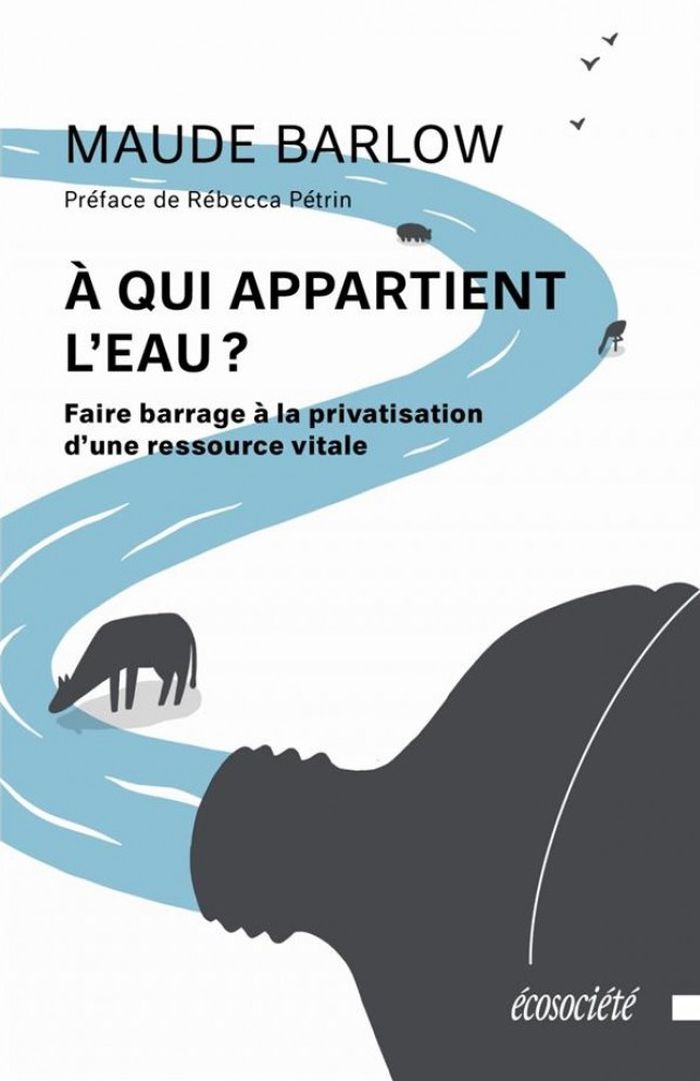
À qui appartient l'eau ?
À qui appartient l'eau ?
Actions:
Prix:
$20.00
(disponible sur commande)
Résumé:
Maude Barlow est une militante de la première heure pour le droit à l’eau. Elle a arpenté les conférences des Nations Unies à la défense de l’eau comme bien commun et est allée à la rencontre des communautés fragilisées par leur manque d’accès à l’eau. Pour elle, le droit à l’eau et le besoin de la protéger à son état naturel sont interconnectés, écologie et droits de la(...)
$20.00
(disponible sur commande)
Résumé:
Maude Barlow est une militante de la première heure pour le droit à l’eau. Elle a arpenté les conférences des Nations Unies à la défense de l’eau comme bien commun et est allée à la rencontre des communautés fragilisées par leur manque d’accès à l’eau. Pour elle, le droit à l’eau et le besoin de la protéger à son état naturel sont interconnectés, écologie et droits de la(...)
Titre:
À qui appartient l'eau ?
Actions:
Prix:
$20.00
(disponible sur commande)
Résumé:
Maude Barlow est une militante de la première heure pour le droit à l’eau. Elle a arpenté les conférences des Nations Unies à la défense de l’eau comme bien commun et est allée à la rencontre des communautés fragilisées par leur manque d’accès à l’eau. Pour elle, le droit à l’eau et le besoin de la protéger à son état naturel sont interconnectés, écologie et droits de la personne y sont étroitement liés. Car plus nous malmenons l’eau, en la pompant de façon excessive et en la polluant, le moins il en restera à partager équitablement. Et, lorsqu’il n’y en aura plus suffisamment, les plus vulnérables seront touchés les premiers et les plus durement. Fidèle à sa mission, elle fait ici le point sur l’urgence de préserver les ressources en eau de la privatisation et de se mobiliser dans chaque communauté pour se réapproprier cette ressource vitale.
À qui appartient l'eau ?
Actions:
Prix:
$20.00
(disponible sur commande)
Résumé:
Maude Barlow est une militante de la première heure pour le droit à l’eau. Elle a arpenté les conférences des Nations Unies à la défense de l’eau comme bien commun et est allée à la rencontre des communautés fragilisées par leur manque d’accès à l’eau. Pour elle, le droit à l’eau et le besoin de la protéger à son état naturel sont interconnectés, écologie et droits de la personne y sont étroitement liés. Car plus nous malmenons l’eau, en la pompant de façon excessive et en la polluant, le moins il en restera à partager équitablement. Et, lorsqu’il n’y en aura plus suffisamment, les plus vulnérables seront touchés les premiers et les plus durement. Fidèle à sa mission, elle fait ici le point sur l’urgence de préserver les ressources en eau de la privatisation et de se mobiliser dans chaque communauté pour se réapproprier cette ressource vitale.
Classification:
livres
livres
Publication:
mars 2021
mars 2021
Classification:
livres
livres
Titre:
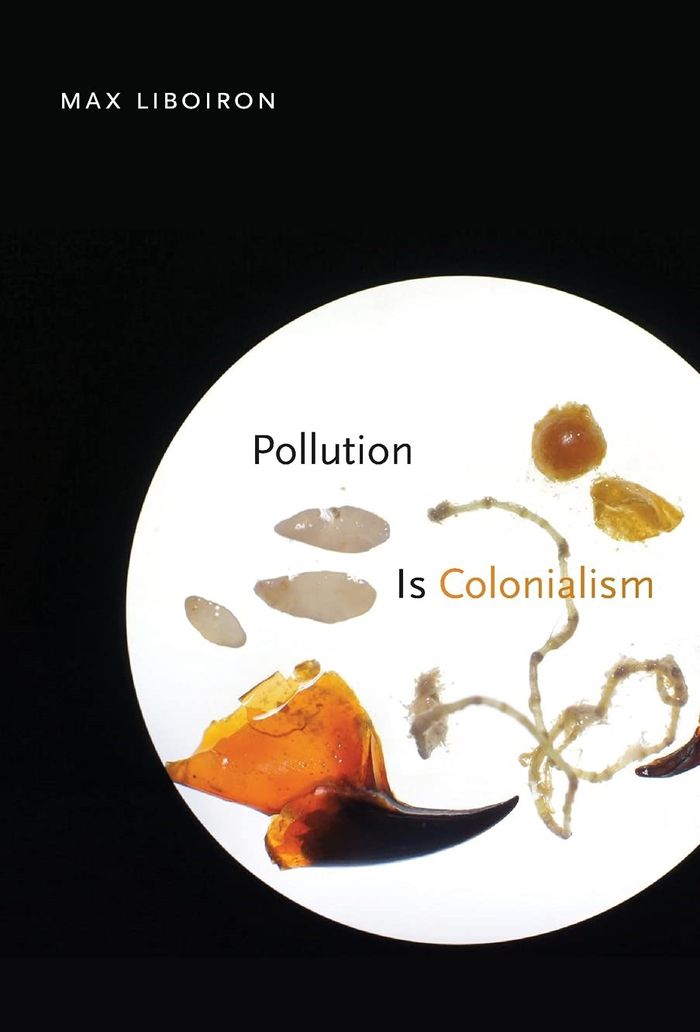
Pollution is colonialism
Pollution is colonialism
Actions:
Prix:
$33.95
(disponible sur commande)
Résumé:
In 'Pollution Is Colonialism' Max Liboiron presents a framework for understanding scientific research methods as practices that can align with or against colonialism. They point out that even when researchers are working toward benevolent goals, environmental science and activism are often premised on a colonial worldview and access to land. Focusing on plastic pollution,(...)
$33.95
(disponible sur commande)
Résumé:
In 'Pollution Is Colonialism' Max Liboiron presents a framework for understanding scientific research methods as practices that can align with or against colonialism. They point out that even when researchers are working toward benevolent goals, environmental science and activism are often premised on a colonial worldview and access to land. Focusing on plastic pollution,(...)
Titre:
Pollution is colonialism
Actions:
Prix:
$33.95
(disponible sur commande)
Résumé:
In 'Pollution Is Colonialism' Max Liboiron presents a framework for understanding scientific research methods as practices that can align with or against colonialism. They point out that even when researchers are working toward benevolent goals, environmental science and activism are often premised on a colonial worldview and access to land. Focusing on plastic pollution, the book models an anticolonial scientific practice aligned with Indigenous, particularly Métis, concepts of land, ethics, and relations. Liboiron draws on their work in the Civic Laboratory for Environmental Action Research (CLEAR) — an anticolonial science laboratory in Newfoundland, Canada — to illuminate how pollution is not a symptom of capitalism but a violent enactment of colonial land relations that claim access to Indigenous land. Liboiron's creative, lively, and passionate text refuses theories of pollution that make Indigenous land available for settler and colonial goals. In this way, their methodology demonstrates that anticolonial science is not only possible but is currently being practiced in ways that enact more ethical modes of being in the world.
Pollution is colonialism
Actions:
Prix:
$33.95
(disponible sur commande)
Résumé:
In 'Pollution Is Colonialism' Max Liboiron presents a framework for understanding scientific research methods as practices that can align with or against colonialism. They point out that even when researchers are working toward benevolent goals, environmental science and activism are often premised on a colonial worldview and access to land. Focusing on plastic pollution, the book models an anticolonial scientific practice aligned with Indigenous, particularly Métis, concepts of land, ethics, and relations. Liboiron draws on their work in the Civic Laboratory for Environmental Action Research (CLEAR) — an anticolonial science laboratory in Newfoundland, Canada — to illuminate how pollution is not a symptom of capitalism but a violent enactment of colonial land relations that claim access to Indigenous land. Liboiron's creative, lively, and passionate text refuses theories of pollution that make Indigenous land available for settler and colonial goals. In this way, their methodology demonstrates that anticolonial science is not only possible but is currently being practiced in ways that enact more ethical modes of being in the world.
Classification:
livres
livres
Publication:
mai 2021
mai 2021
Classification:
livres
livres
Actions:
Prix:
$26.50
(disponible en magasin)
Résumé:
Matsutake is the most valuable mushroom in the world — and a weed that grows in human-disturbed forests across the Northern Hemisphere. Anna Lowenhaupt Tsing’s account of these sought-after fungi offers insights into areas far beyond just mushrooms and addresses a crucial question: What manages to live in the ruins we have made? 'The Mushroom at the End of the World'(...)
$26.50
(disponible en magasin)
Résumé:
Matsutake is the most valuable mushroom in the world — and a weed that grows in human-disturbed forests across the Northern Hemisphere. Anna Lowenhaupt Tsing’s account of these sought-after fungi offers insights into areas far beyond just mushrooms and addresses a crucial question: What manages to live in the ruins we have made? 'The Mushroom at the End of the World'(...)
Publication:
juin 2021
juin 2021
Titre:
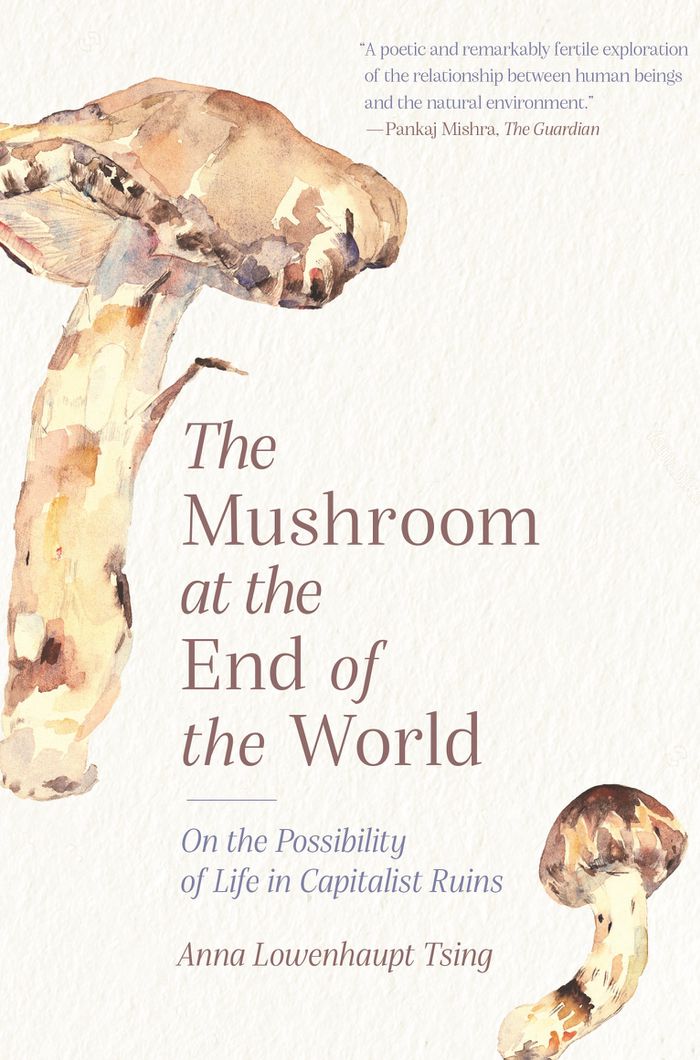
The mushroom at the end of the world, second edition
Actions:
Prix:
$26.50
(disponible en magasin)
Résumé:
Matsutake is the most valuable mushroom in the world — and a weed that grows in human-disturbed forests across the Northern Hemisphere. Anna Lowenhaupt Tsing’s account of these sought-after fungi offers insights into areas far beyond just mushrooms and addresses a crucial question: What manages to live in the ruins we have made? 'The Mushroom at the End of the World' explores the unexpected corners of matsutake commerce, where we encounter Japanese gourmets, capitalist traders, Hmong jungle fighters, Finnish nature guides, and more. These companions lead us into fungal ecologies and forest histories to better understand the promise of cohabitation in a time of massive human devastation. The book delves into the relationship between capitalist destruction and collaborative survival within multispecies landscapes, the prerequisite for continuing life on earth.
The mushroom at the end of the world, second edition
Actions:
Prix:
$26.50
(disponible en magasin)
Résumé:
Matsutake is the most valuable mushroom in the world — and a weed that grows in human-disturbed forests across the Northern Hemisphere. Anna Lowenhaupt Tsing’s account of these sought-after fungi offers insights into areas far beyond just mushrooms and addresses a crucial question: What manages to live in the ruins we have made? 'The Mushroom at the End of the World' explores the unexpected corners of matsutake commerce, where we encounter Japanese gourmets, capitalist traders, Hmong jungle fighters, Finnish nature guides, and more. These companions lead us into fungal ecologies and forest histories to better understand the promise of cohabitation in a time of massive human devastation. The book delves into the relationship between capitalist destruction and collaborative survival within multispecies landscapes, the prerequisite for continuing life on earth.
Classification:
livres
livres
Publication:
juin 2021
juin 2021
Classification:
livres
livres
Titre:
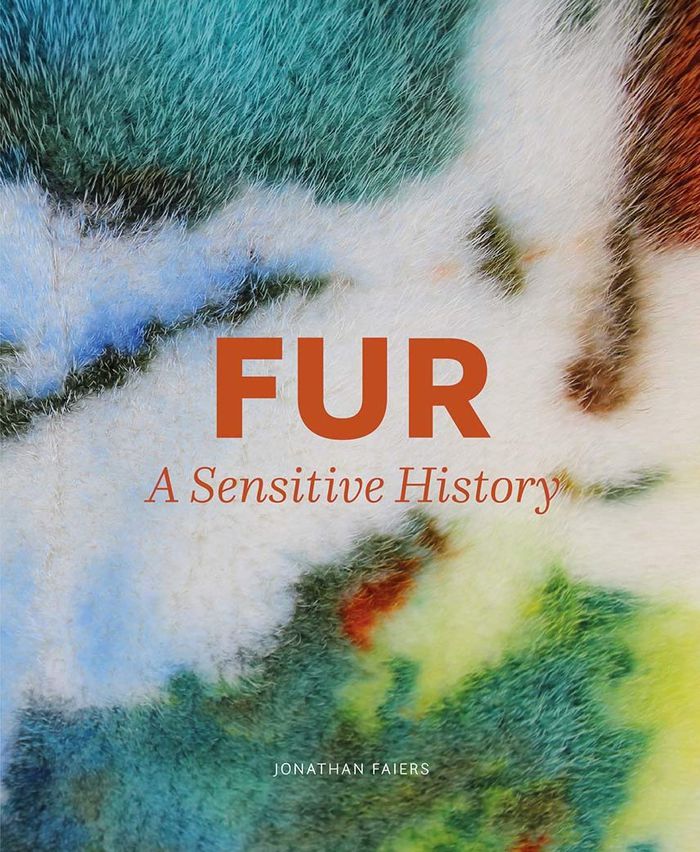
Fur: a sensitive history
Fur: a sensitive history
Actions:
Prix:
$75.00
(disponible sur commande)
Résumé:
This publication looks at the impact of fur on society, politics, and, of course, fashion. This material has a long, complex, and rich history, culminating in recent and ongoing anti-fur debates. Jonathan Faiers discusses how fur — long praised for its warmth, softness, and connotation of status — became so controversial, at the center of campaigns against animal cruelty(...)
$75.00
(disponible sur commande)
Résumé:
This publication looks at the impact of fur on society, politics, and, of course, fashion. This material has a long, complex, and rich history, culminating in recent and ongoing anti-fur debates. Jonathan Faiers discusses how fur — long praised for its warmth, softness, and connotation of status — became so controversial, at the center of campaigns against animal cruelty(...)
Publication:
octobre 2020
octobre 2020
Titre:
Fur: a sensitive history
Actions:
Prix:
$75.00
(disponible sur commande)
Résumé:
This publication looks at the impact of fur on society, politics, and, of course, fashion. This material has a long, complex, and rich history, culminating in recent and ongoing anti-fur debates. Jonathan Faiers discusses how fur — long praised for its warmth, softness, and connotation of status — became so controversial, at the center of campaigns against animal cruelty and the movement toward ethical fashion. At the same time, fake fur now faces a backlash of its own, given the environmental impact of its manufacture and its links to fast fashion. Divided into five sections — dedicated to hair, pelt, coat, skin, and fleece — the book surveys not only the politics of fur but also its centrality to western fashion, the tactile pleasure it gives, and its use in literature, art, and film.
Fur: a sensitive history
Actions:
Prix:
$75.00
(disponible sur commande)
Résumé:
This publication looks at the impact of fur on society, politics, and, of course, fashion. This material has a long, complex, and rich history, culminating in recent and ongoing anti-fur debates. Jonathan Faiers discusses how fur — long praised for its warmth, softness, and connotation of status — became so controversial, at the center of campaigns against animal cruelty and the movement toward ethical fashion. At the same time, fake fur now faces a backlash of its own, given the environmental impact of its manufacture and its links to fast fashion. Divided into five sections — dedicated to hair, pelt, coat, skin, and fleece — the book surveys not only the politics of fur but also its centrality to western fashion, the tactile pleasure it gives, and its use in literature, art, and film.
Classification:
livres
livres
Publication:
octobre 2020
octobre 2020
Classification:
livres
livres
Actions:
Prix:
$23.95
(disponible sur commande)
Résumé:
The first task of critique is to point out the poverty of these options. A second task might be to create the space within which very different kinds of knowledge and practice might meet. Economic, technical, political, and cultural transformations are all advisable, but at least part of the problem is their relation to each other. The liberation of carbon transforms the(...)
$23.95
(disponible sur commande)
Résumé:
The first task of critique is to point out the poverty of these options. A second task might be to create the space within which very different kinds of knowledge and practice might meet. Economic, technical, political, and cultural transformations are all advisable, but at least part of the problem is their relation to each other. The liberation of carbon transforms the(...)
Titre:
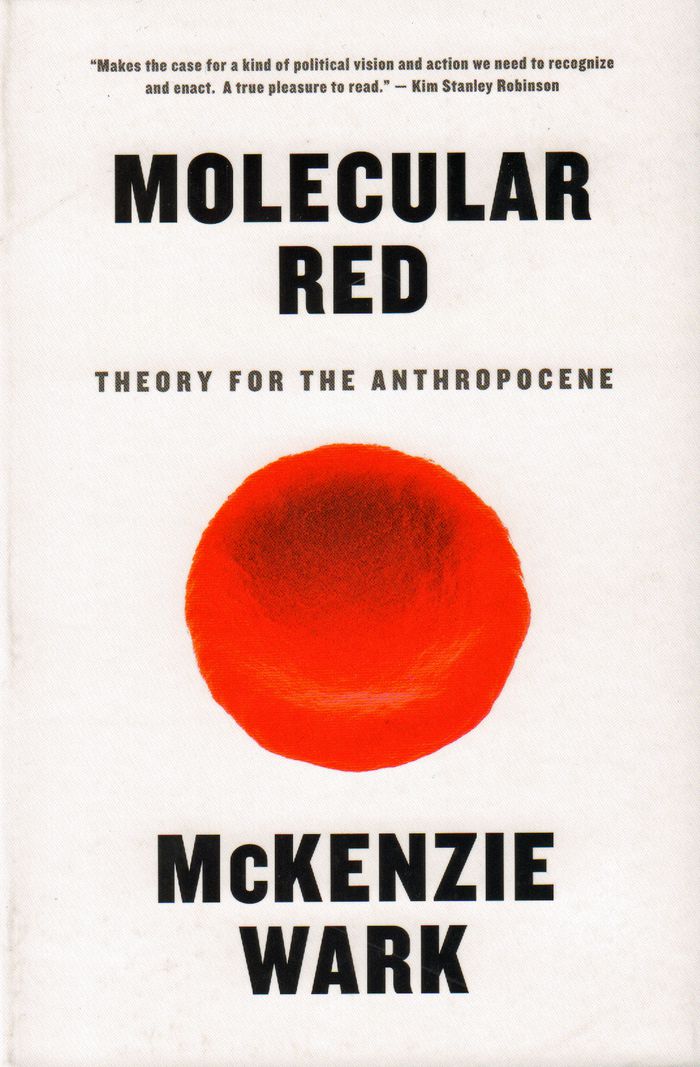
Molecular red : theory for the anthropocene
Actions:
Prix:
$23.95
(disponible sur commande)
Résumé:
The first task of critique is to point out the poverty of these options. A second task might be to create the space within which very different kinds of knowledge and practice might meet. Economic, technical, political, and cultural transformations are all advisable, but at least part of the problem is their relation to each other. The liberation of carbon transforms the totality within which each of these specific modes of thinking and being could be practiced. That calls for new ways of organizing knowledge.
Molecular red : theory for the anthropocene
Actions:
Prix:
$23.95
(disponible sur commande)
Résumé:
The first task of critique is to point out the poverty of these options. A second task might be to create the space within which very different kinds of knowledge and practice might meet. Economic, technical, political, and cultural transformations are all advisable, but at least part of the problem is their relation to each other. The liberation of carbon transforms the totality within which each of these specific modes of thinking and being could be practiced. That calls for new ways of organizing knowledge.
Classification:
livres
livres
Publication:
mars 2015
mars 2015
Classification:
livres
livres

Titre:
A short history of progress
A short history of progress
Actions:
Prix:
$19.95
(disponible sur commande)
Résumé:
Each time history repeats itself, so it's said, the price goes up. The twentieth century was a time of runaway growth in human population, consumption, and technology, placing a colossal load on all natural systems, especially earth, air, and water -- the very elements of life. The most urgent questions of the twenty-first century are: where will this growth lead? can it(...)
$19.95
(disponible sur commande)
Résumé:
Each time history repeats itself, so it's said, the price goes up. The twentieth century was a time of runaway growth in human population, consumption, and technology, placing a colossal load on all natural systems, especially earth, air, and water -- the very elements of life. The most urgent questions of the twenty-first century are: where will this growth lead? can it(...)
Titre:
A short history of progress
Actions:
Prix:
$19.95
(disponible sur commande)
Résumé:
Each time history repeats itself, so it's said, the price goes up. The twentieth century was a time of runaway growth in human population, consumption, and technology, placing a colossal load on all natural systems, especially earth, air, and water -- the very elements of life. The most urgent questions of the twenty-first century are: where will this growth lead? can it be consolidated or sustained? and what kind of world is our present bequeathing to our future? In "A short history of progress" Ronald Wright argues that our modern predicament is as old as civilization, a 10,000-year experiment we have participated in but seldom controlled. Only by understanding the patterns of triumph and disaster that humanity has repeated around the world since the Stone Age can we recognize the experiment's inherent dangers, and, with luck and wisdom, shape its outcome.
A short history of progress
Actions:
Prix:
$19.95
(disponible sur commande)
Résumé:
Each time history repeats itself, so it's said, the price goes up. The twentieth century was a time of runaway growth in human population, consumption, and technology, placing a colossal load on all natural systems, especially earth, air, and water -- the very elements of life. The most urgent questions of the twenty-first century are: where will this growth lead? can it be consolidated or sustained? and what kind of world is our present bequeathing to our future? In "A short history of progress" Ronald Wright argues that our modern predicament is as old as civilization, a 10,000-year experiment we have participated in but seldom controlled. Only by understanding the patterns of triumph and disaster that humanity has repeated around the world since the Stone Age can we recognize the experiment's inherent dangers, and, with luck and wisdom, shape its outcome.
Classification:
livres
livres
Publication:
octobre 2004
octobre 2004


