


13794 Résultats
Classification:
livres
livres
Prix:
$35.95
(disponible sur commande)
Résumé:
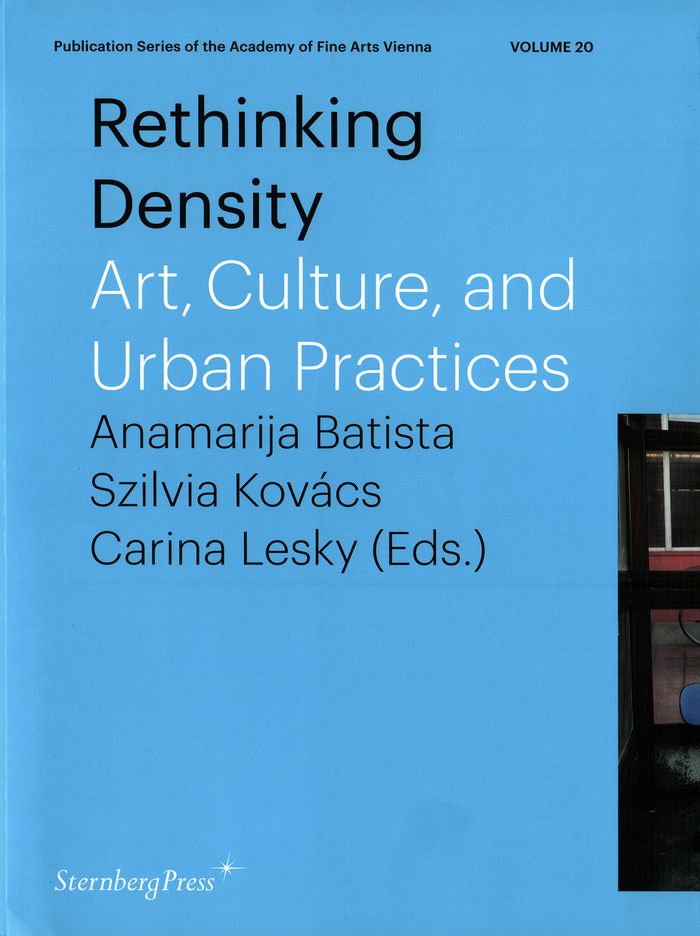
Rethinking Density: Art, Culture, and Urban Practices considers new perspectives and discussions related to the category of density, which for a long time has been part of urban-planning discourses and is now regaining the attention of artists and practitioners from a number of different disciplines. In an interplay of models, coping strategies, and experimental(...)
$35.95
(disponible sur commande)
Résumé:
Rethinking Density: Art, Culture, and Urban Practices considers new perspectives and discussions related to the category of density, which for a long time has been part of urban-planning discourses and is now regaining the attention of artists and practitioners from a number of different disciplines. In an interplay of models, coping strategies, and experimental(...)
Sujet:
Théorie/ philosophie
Théorie/ philosophie
Publication:
décembre 2017
décembre 2017
Titre:
Rethinking density: art, culture, and urban practices
Actions:
Prix:
$35.95
(disponible sur commande)
Résumé:
Rethinking Density: Art, Culture, and Urban Practices considers new perspectives and discussions related to the category of density, which for a long time has been part of urban-planning discourses and is now regaining the attention of artists and practitioners from a number of different disciplines. In an interplay of models, coping strategies, and experimental approaches, this publication combines research from cultural studies, artistic research, sound studiess as well as architectural and urban theory. The issues discussed include the consideration of retroactive architectural design as a means to retrace the historical layers of a city, a proposal for spacesharing concepts as instruments for urban revitalization processes, and a case study on the potential for new sonic social spaces as subversive modes to undermine prevailing power structures.
Rethinking density: art, culture, and urban practices
Actions:
Prix:
$35.95
(disponible sur commande)
Résumé:
Rethinking Density: Art, Culture, and Urban Practices considers new perspectives and discussions related to the category of density, which for a long time has been part of urban-planning discourses and is now regaining the attention of artists and practitioners from a number of different disciplines. In an interplay of models, coping strategies, and experimental approaches, this publication combines research from cultural studies, artistic research, sound studiess as well as architectural and urban theory. The issues discussed include the consideration of retroactive architectural design as a means to retrace the historical layers of a city, a proposal for spacesharing concepts as instruments for urban revitalization processes, and a case study on the potential for new sonic social spaces as subversive modes to undermine prevailing power structures.
Classification:
livres
livres
Publication:
décembre 2017
décembre 2017
Sujet:
Théorie/ philosophie
Théorie/ philosophie
Classification:
livres
livres
Titre:
The new urban question
The new urban question
Actions:
Prix:
$47.00
(disponible sur commande)
Résumé:
"The New Urban Question" is an exuberant and illuminating adventure through our current global urban condition, tracing the connections between radical urban theory and political activism. From Haussmann's attempts to use urban planning to rid 19th-century Paris of workers revolution to the contemporary metropolis, including urban disaster-zones such as downtown Detroit,(...)
$47.00
(disponible sur commande)
Résumé:
"The New Urban Question" is an exuberant and illuminating adventure through our current global urban condition, tracing the connections between radical urban theory and political activism. From Haussmann's attempts to use urban planning to rid 19th-century Paris of workers revolution to the contemporary metropolis, including urban disaster-zones such as downtown Detroit,(...)
Titre:
The new urban question
Actions:
Prix:
$47.00
(disponible sur commande)
Résumé:
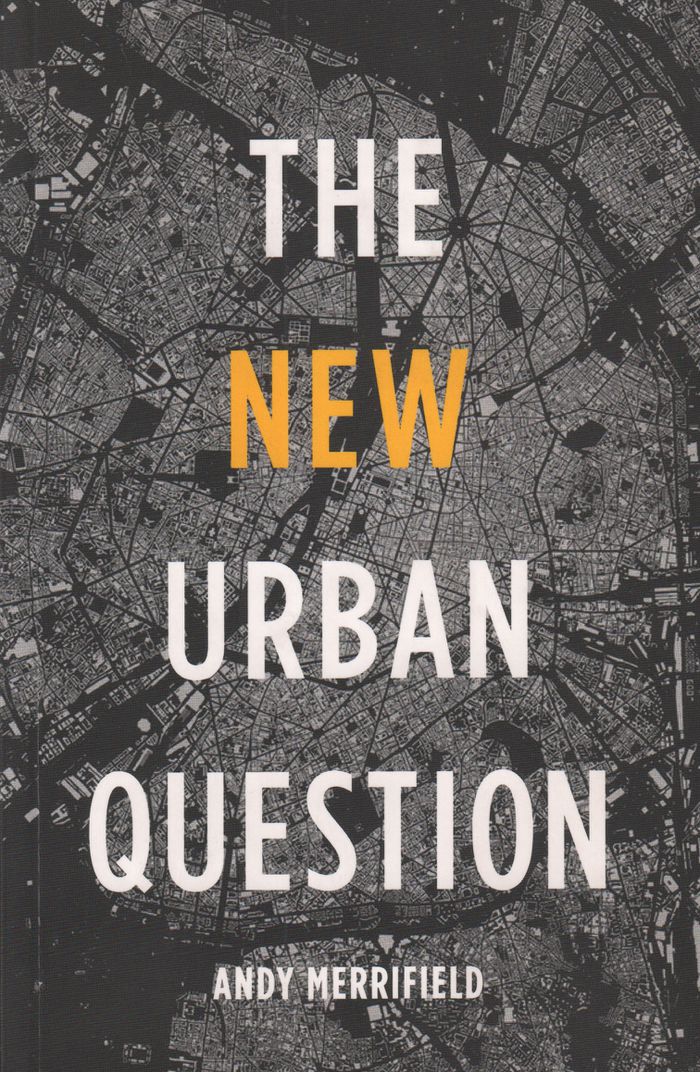
"The New Urban Question" is an exuberant and illuminating adventure through our current global urban condition, tracing the connections between radical urban theory and political activism. From Haussmann's attempts to use urban planning to rid 19th-century Paris of workers revolution to the contemporary metropolis, including urban disaster-zones such as downtown Detroit, Merrifield reveals how the urban experience has been profoundly shaped by class antagonism and been the battle-ground for conspiracies, revolts and social eruptions. Going beyond the work of earlier urban theorists such as Manuel Castells, Merrifield identifies the new urban question that has emerged and demands urgent attention, as the city becomes a site of active plunder by capital and the setting for new forms of urban struggle, from Occupy to the Indignados.
The new urban question
Actions:
Prix:
$47.00
(disponible sur commande)
Résumé:
"The New Urban Question" is an exuberant and illuminating adventure through our current global urban condition, tracing the connections between radical urban theory and political activism. From Haussmann's attempts to use urban planning to rid 19th-century Paris of workers revolution to the contemporary metropolis, including urban disaster-zones such as downtown Detroit, Merrifield reveals how the urban experience has been profoundly shaped by class antagonism and been the battle-ground for conspiracies, revolts and social eruptions. Going beyond the work of earlier urban theorists such as Manuel Castells, Merrifield identifies the new urban question that has emerged and demands urgent attention, as the city becomes a site of active plunder by capital and the setting for new forms of urban struggle, from Occupy to the Indignados.
Classification:
livres
livres
Publication:
mars 2014
mars 2014
Sujet:
Théorie de l’urbanisme
Théorie de l’urbanisme
Classification:
livres
livres
Actions:
Prix:
$29.95
(disponible sur commande)
Résumé:
Although appropropriation is often associated with the 1980s practice of such artists as Peter Halley, Sherrie Levine, Richard Prince, and Cindy Sherman, as well as the critical discourse of postmodernism and the simulacral theory of Jean Baudrillard, appropriation’s significance for art is not limited by that cultural and political moment. In an expanded(...)
$29.95
(disponible sur commande)
Résumé:
Although appropropriation is often associated with the 1980s practice of such artists as Peter Halley, Sherrie Levine, Richard Prince, and Cindy Sherman, as well as the critical discourse of postmodernism and the simulacral theory of Jean Baudrillard, appropriation’s significance for art is not limited by that cultural and political moment. In an expanded(...)
Titre:
Appropriation: Documents of contemporary art
Actions:
Prix:
$29.95
(disponible sur commande)
Résumé:
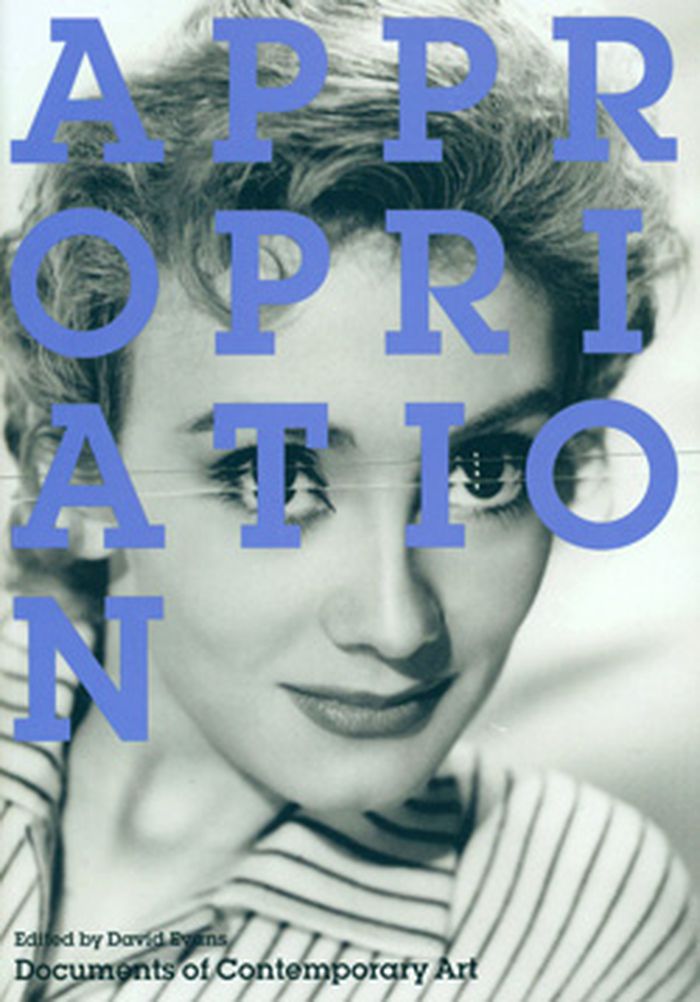
Although appropropriation is often associated with the 1980s practice of such artists as Peter Halley, Sherrie Levine, Richard Prince, and Cindy Sherman, as well as the critical discourse of postmodernism and the simulacral theory of Jean Baudrillard, appropriation’s significance for art is not limited by that cultural and political moment. In an expanded art-historical frame, this book recontextualizes avant-garde photomontage, the Duchampian readymade, and the Pop image among such alternative precursors as Francis Picabia, Bertolt Brecht, Guy Debord, Akasegawa Genpei, Dan Graham, Cildo Meireles, and Martha Rosler. In the recent work of many artists, including Mike Kelley, Glenn Ligon, Pierre Huyghe, and Aleksandra Mir, among others, appropriation is central to their critique of the contemporary world and vision for alternative futures.
Appropriation: Documents of contemporary art
Actions:
Prix:
$29.95
(disponible sur commande)
Résumé:
Although appropropriation is often associated with the 1980s practice of such artists as Peter Halley, Sherrie Levine, Richard Prince, and Cindy Sherman, as well as the critical discourse of postmodernism and the simulacral theory of Jean Baudrillard, appropriation’s significance for art is not limited by that cultural and political moment. In an expanded art-historical frame, this book recontextualizes avant-garde photomontage, the Duchampian readymade, and the Pop image among such alternative precursors as Francis Picabia, Bertolt Brecht, Guy Debord, Akasegawa Genpei, Dan Graham, Cildo Meireles, and Martha Rosler. In the recent work of many artists, including Mike Kelley, Glenn Ligon, Pierre Huyghe, and Aleksandra Mir, among others, appropriation is central to their critique of the contemporary world and vision for alternative futures.
Classification:
livres
livres
Publication:
avril 2009, Cambridge (MA), London
avril 2009, Cambridge (MA), London
Sujet:
Théorie de l’art
Théorie de l’art
Classification:
livres
livres
Prix:
$32.50
(disponible sur commande)
Résumé:
This volume investigates the dissolution of the classical paradigm of architecture as imitative form in the context of the French Enlightenment, and analyzes the emergence of a new logic of architecture based on a biopolitical process of subject formation. Wallenstein draws especially on the late work of Michel Foucault for his argument and distinguishes Foucault’s theory(...)
$32.50
(disponible sur commande)
Résumé:
This volume investigates the dissolution of the classical paradigm of architecture as imitative form in the context of the French Enlightenment, and analyzes the emergence of a new logic of architecture based on a biopolitical process of subject formation. Wallenstein draws especially on the late work of Michel Foucault for his argument and distinguishes Foucault’s theory(...)
Titre:
Bio-politics and the emergence of modern architecture
Actions:
Prix:
$32.50
(disponible sur commande)
Résumé:
This volume investigates the dissolution of the classical paradigm of architecture as imitative form in the context of the French Enlightenment, and analyzes the emergence of a new logic of architecture based on a biopolitical process of subject formation. Wallenstein draws especially on the late work of Michel Foucault for his argument and distinguishes Foucault’s theory of biopolitics from that of Giorgio Agamben. Published shortly after the release of the first English translation of Foucault’s The Birth of Biopolitics, this is the first volume that specifically relates the biopolitical concept to architecture. The book concludes with a pictorial essay on the development over the last two centuries of the modern hospital, a building type that epitomizes the unfolding of this new architectural logic.
Bio-politics and the emergence of modern architecture
Actions:
Prix:
$32.50
(disponible sur commande)
Résumé:
This volume investigates the dissolution of the classical paradigm of architecture as imitative form in the context of the French Enlightenment, and analyzes the emergence of a new logic of architecture based on a biopolitical process of subject formation. Wallenstein draws especially on the late work of Michel Foucault for his argument and distinguishes Foucault’s theory of biopolitics from that of Giorgio Agamben. Published shortly after the release of the first English translation of Foucault’s The Birth of Biopolitics, this is the first volume that specifically relates the biopolitical concept to architecture. The book concludes with a pictorial essay on the development over the last two centuries of the modern hospital, a building type that epitomizes the unfolding of this new architectural logic.
Classification:
livres
livres
Publication:
décembre 2008, New York
décembre 2008, New York
Sujet:
Théorie de l’architecture
Théorie de l’architecture
Classification:
livres
livres

Titre:
Nomography
Nomography
Actions:
Prix:
$15.95
(disponible en magasin)
Résumé:
This book proposes a provocative interpretation of the dynamic relationship between the normative and the transgressive. Combining sociology, biopolitics and satire, it offers a surprising theory of normative imagination as a cognitive mode characteristic of the era of emotional capitalism. Gender, fashion, artistic creation and surveillance are analyzed from the(...)
$15.95
(disponible en magasin)
Résumé:
This book proposes a provocative interpretation of the dynamic relationship between the normative and the transgressive. Combining sociology, biopolitics and satire, it offers a surprising theory of normative imagination as a cognitive mode characteristic of the era of emotional capitalism. Gender, fashion, artistic creation and surveillance are analyzed from the(...)
Titre:
Nomography
Actions:
Prix:
$15.95
(disponible en magasin)
Résumé:
This book proposes a provocative interpretation of the dynamic relationship between the normative and the transgressive. Combining sociology, biopolitics and satire, it offers a surprising theory of normative imagination as a cognitive mode characteristic of the era of emotional capitalism. Gender, fashion, artistic creation and surveillance are analyzed from the perspective of a regulatory drive, a continuously renovated and imperative push for normalcy that no longer comes from factual powers but from citizens themselves. These, united in a spontaneous popular court, armed with smartphones and driven by juridical compulsion, become the axis of societies of control. In this way the affective ways of constructing subjectivity are replaced by the distinctive pathology of our times, the name of the globalized game: normopathy for all.
Nomography
Actions:
Prix:
$15.95
(disponible en magasin)
Résumé:
This book proposes a provocative interpretation of the dynamic relationship between the normative and the transgressive. Combining sociology, biopolitics and satire, it offers a surprising theory of normative imagination as a cognitive mode characteristic of the era of emotional capitalism. Gender, fashion, artistic creation and surveillance are analyzed from the perspective of a regulatory drive, a continuously renovated and imperative push for normalcy that no longer comes from factual powers but from citizens themselves. These, united in a spontaneous popular court, armed with smartphones and driven by juridical compulsion, become the axis of societies of control. In this way the affective ways of constructing subjectivity are replaced by the distinctive pathology of our times, the name of the globalized game: normopathy for all.
Classification:
livres
livres
Publication:
décembre 2020
décembre 2020
Sujet:
Théorie/ philosophie
Théorie/ philosophie
Classification:
livres
livres
Actions:
Prix:
$93.95
(disponible sur commande)
Résumé:
This volume is a theory of contemporary architecture, spanning the work of 112 practices in 750 images. Against the popular characterization of contemporary architecture as a centerless field where anything goes and everything is possible, the book argues that much recent work belongs to a collective undertaking. Underneath the impression of kaleidoscopic difference(...)
$93.95
(disponible sur commande)
Résumé:
This volume is a theory of contemporary architecture, spanning the work of 112 practices in 750 images. Against the popular characterization of contemporary architecture as a centerless field where anything goes and everything is possible, the book argues that much recent work belongs to a collective undertaking. Underneath the impression of kaleidoscopic difference(...)
Titre:
Inscriptions: Architecture before speech
Actions:
Prix:
$93.95
(disponible sur commande)
Résumé:
This volume is a theory of contemporary architecture, spanning the work of 112 practices in 750 images. Against the popular characterization of contemporary architecture as a centerless field where anything goes and everything is possible, the book argues that much recent work belongs to a collective undertaking. Underneath the impression of kaleidoscopic difference produced by the rapid circulation of design images, there is a shared mechanism, an agreement about how architectural objects emerge from the procedures of design. This mechanism, which we call "Inscription", manages to both offer fundamentally intelligible form to architecture’s audiences, while at the same time advancing the field toward novel outcomes. The ensuing work is nothing less than democratically optimistic in its wide appeal and challenging in its cuts against convention.
Inscriptions: Architecture before speech
Actions:
Prix:
$93.95
(disponible sur commande)
Résumé:
This volume is a theory of contemporary architecture, spanning the work of 112 practices in 750 images. Against the popular characterization of contemporary architecture as a centerless field where anything goes and everything is possible, the book argues that much recent work belongs to a collective undertaking. Underneath the impression of kaleidoscopic difference produced by the rapid circulation of design images, there is a shared mechanism, an agreement about how architectural objects emerge from the procedures of design. This mechanism, which we call "Inscription", manages to both offer fundamentally intelligible form to architecture’s audiences, while at the same time advancing the field toward novel outcomes. The ensuing work is nothing less than democratically optimistic in its wide appeal and challenging in its cuts against convention.
Classification:
livres
livres
Publication:
juillet 2022
juillet 2022
Sujet:
Théorie de l’architecture
Théorie de l’architecture
Classification:
livres
livres
Prix:
$27.95
(disponible sur commande)
Résumé:
Kristin Ross’s new work on the thought and culture of the Communard uprising of 1871 resonates with the motivations and actions of contemporary protest, which has found its most powerful expression in the reclamation of public space. Today’s concerns —internationalism, education, the future of labor, the status of art, and ecological theory and practice — frame and inform(...)
$27.95
(disponible sur commande)
Résumé:
Kristin Ross’s new work on the thought and culture of the Communard uprising of 1871 resonates with the motivations and actions of contemporary protest, which has found its most powerful expression in the reclamation of public space. Today’s concerns —internationalism, education, the future of labor, the status of art, and ecological theory and practice — frame and inform(...)
Titre:
Communal luxury : the political imaginary of the Paris commune
Actions:
Prix:
$27.95
(disponible sur commande)
Résumé:
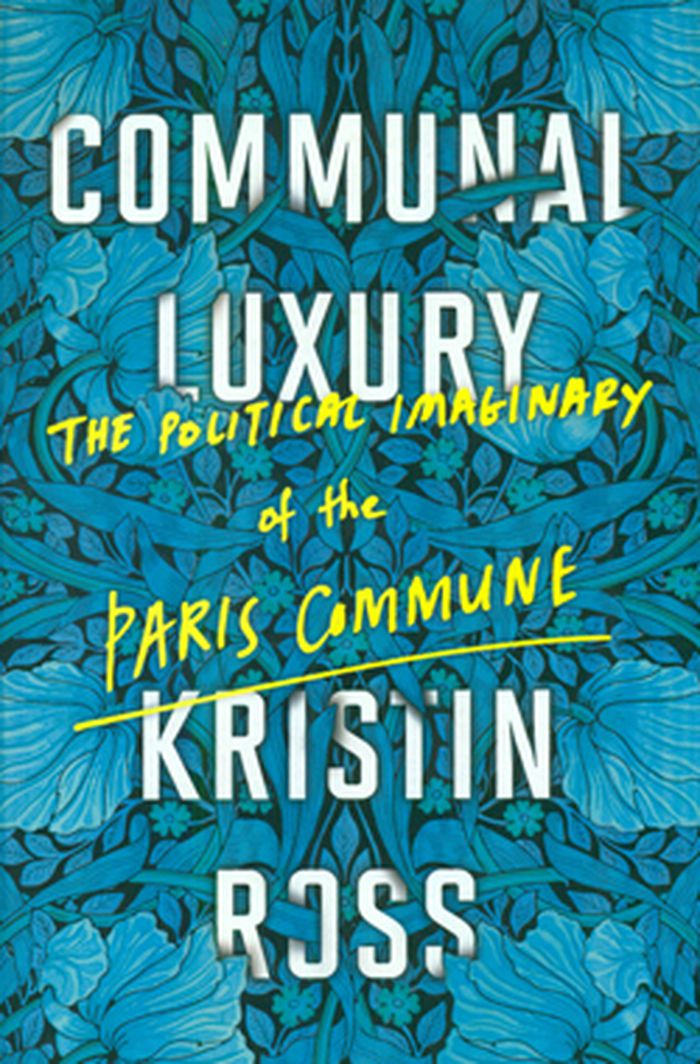
Kristin Ross’s new work on the thought and culture of the Communard uprising of 1871 resonates with the motivations and actions of contemporary protest, which has found its most powerful expression in the reclamation of public space. Today’s concerns —internationalism, education, the future of labor, the status of art, and ecological theory and practice — frame and inform her carefully researched restaging of the words and actions of individual Communards. This analysis of an event and its centrifugal effects brings to life the workers in Paris who became revolutionaries, the significance they attributed to their struggle, and the elaboration and continuation of their thought in the encounters that transpired between the insurrection’s survivors and supporters like Marx, Kropotkin, and William Morris.
Communal luxury : the political imaginary of the Paris commune
Actions:
Prix:
$27.95
(disponible sur commande)
Résumé:
Kristin Ross’s new work on the thought and culture of the Communard uprising of 1871 resonates with the motivations and actions of contemporary protest, which has found its most powerful expression in the reclamation of public space. Today’s concerns —internationalism, education, the future of labor, the status of art, and ecological theory and practice — frame and inform her carefully researched restaging of the words and actions of individual Communards. This analysis of an event and its centrifugal effects brings to life the workers in Paris who became revolutionaries, the significance they attributed to their struggle, and the elaboration and continuation of their thought in the encounters that transpired between the insurrection’s survivors and supporters like Marx, Kropotkin, and William Morris.
Classification:
livres
livres
Publication:
août 2015
août 2015
Sujet:
Théorie/ philosophie
Théorie/ philosophie
Classification:
livres
livres

Actions:
Prix:
$40.00
(disponible sur commande)
Résumé:
Discard studies is an emerging field that looks at waste and wasting broadly construed. Rather than focusing on waste and trash as the primary objects of study, discard studies looks at wider systems of waste and wasting to explore how some materials, practices, regions, and people are valued or devalued, becoming dominant or disposable. In this book, Max Liboiron and(...)
$40.00
(disponible sur commande)
Résumé:
Discard studies is an emerging field that looks at waste and wasting broadly construed. Rather than focusing on waste and trash as the primary objects of study, discard studies looks at wider systems of waste and wasting to explore how some materials, practices, regions, and people are valued or devalued, becoming dominant or disposable. In this book, Max Liboiron and(...)
Publication:
mai 2022
mai 2022
Titre:
Discard studies: Wasting, systems, and power
Actions:
Prix:
$40.00
(disponible sur commande)
Résumé:
Discard studies is an emerging field that looks at waste and wasting broadly construed. Rather than focusing on waste and trash as the primary objects of study, discard studies looks at wider systems of waste and wasting to explore how some materials, practices, regions, and people are valued or devalued, becoming dominant or disposable. In this book, Max Liboiron and Josh Lepawsky argue that social, political, and economic systems maintain power by discarding certain people, places, and things. They show how the theories and methods of discard studies can be applied in a variety of cases, many of which do not involve waste, trash, or pollution. Liboiron and Lepawsky consider the partiality of knowledge and offer a theory of scale, exploring the myth that most waste is municipal solid waste produced by consumers; discuss peripheries, centers, and power, using content moderation as an example of how dominant systems find ways to discard; and use theories of difference to show that universalism, stereotypes, and inclusion all have politics of discard and even purification—as exemplified in ''inclusive'' efforts to broaden the Black Lives Matter movement. Finally, they develop a theory of change by considering ''wasting well,'' outlining techniques, methods, and propositions for a justice-oriented discard studies that keeps power in view.
Discard studies: Wasting, systems, and power
Actions:
Prix:
$40.00
(disponible sur commande)
Résumé:
Discard studies is an emerging field that looks at waste and wasting broadly construed. Rather than focusing on waste and trash as the primary objects of study, discard studies looks at wider systems of waste and wasting to explore how some materials, practices, regions, and people are valued or devalued, becoming dominant or disposable. In this book, Max Liboiron and Josh Lepawsky argue that social, political, and economic systems maintain power by discarding certain people, places, and things. They show how the theories and methods of discard studies can be applied in a variety of cases, many of which do not involve waste, trash, or pollution. Liboiron and Lepawsky consider the partiality of knowledge and offer a theory of scale, exploring the myth that most waste is municipal solid waste produced by consumers; discuss peripheries, centers, and power, using content moderation as an example of how dominant systems find ways to discard; and use theories of difference to show that universalism, stereotypes, and inclusion all have politics of discard and even purification—as exemplified in ''inclusive'' efforts to broaden the Black Lives Matter movement. Finally, they develop a theory of change by considering ''wasting well,'' outlining techniques, methods, and propositions for a justice-oriented discard studies that keeps power in view.
Classification:
livres
livres
Publication:
mai 2022
mai 2022
Classification:
livres
livres
Titre:
Queering architecture
Queering architecture
Actions:
Prix:
$52.50
(disponible sur commande)
Résumé:
Featuring contributions from a range of significant voices in the field, this volume renews the conversation around what it means to speak of the "queer" in the context of architecture, and offers a fresh take on the methodological and epistemological challenges this poses to the discipline of architectural theory. Architecture as a discipline, a profession and an applied(...)
$52.50
(disponible sur commande)
Résumé:
Featuring contributions from a range of significant voices in the field, this volume renews the conversation around what it means to speak of the "queer" in the context of architecture, and offers a fresh take on the methodological and epistemological challenges this poses to the discipline of architectural theory. Architecture as a discipline, a profession and an applied(...)
Titre:
Queering architecture
Actions:
Prix:
$52.50
(disponible sur commande)
Résumé:
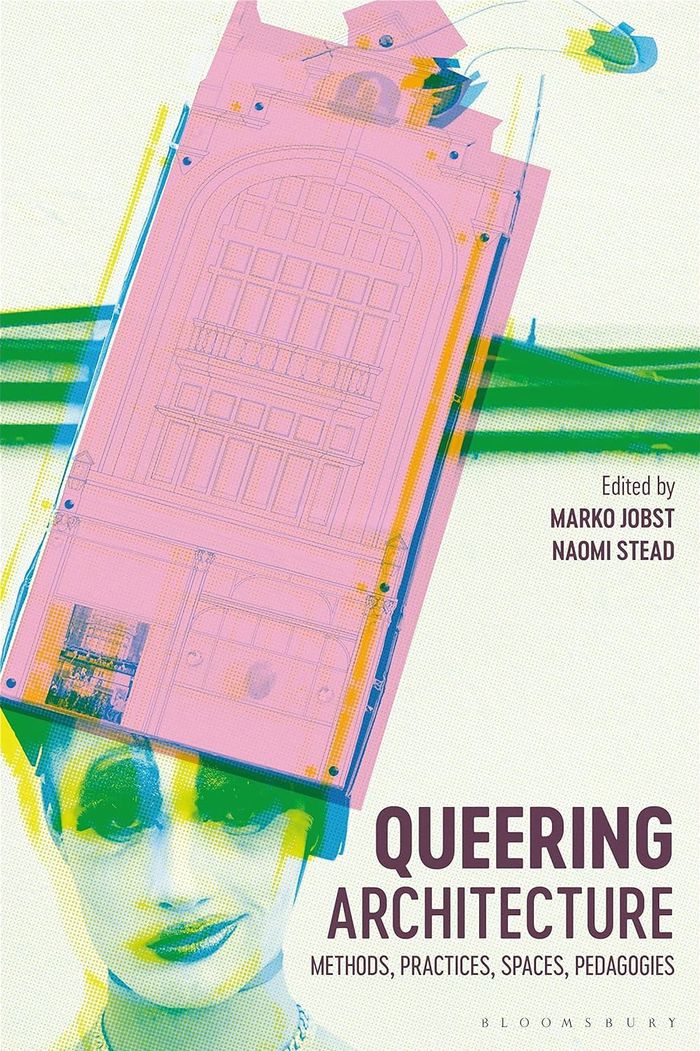
Featuring contributions from a range of significant voices in the field, this volume renews the conversation around what it means to speak of the "queer" in the context of architecture, and offers a fresh take on the methodological and epistemological challenges this poses to the discipline of architectural theory. Architecture as a discipline, a profession and an applied practice, is always subordinate to its own conceptual framework, which is one of orderliness. It refers to buildings, but also to infrastructures of thought and knowledge, to conventions and taxonomies, to structures of governance, hierarchies of power and systems of administration. How, then, can one look at queering architectural discourse when the very term "queer", celebrated for its elusive, slippery nature, resists and attacks such order? Divided into four subsections, the essays in this anthology each purse a distinct line of inquiry - methods, practices, spaces, and pedagogies - in order to help particularize the proposed queering of architecture. They demonstrate the paradoxical nature of the endeavour from a diverse range of perspectives – from the questions of mapping queer theory in architecture; to the issues of queer architectural archives, or lack thereof; to the non-Western linguistic challenges to the very term queer alongside decolonial approaches to architecture via indigeneity and landscape.
Queering architecture
Actions:
Prix:
$52.50
(disponible sur commande)
Résumé:
Featuring contributions from a range of significant voices in the field, this volume renews the conversation around what it means to speak of the "queer" in the context of architecture, and offers a fresh take on the methodological and epistemological challenges this poses to the discipline of architectural theory. Architecture as a discipline, a profession and an applied practice, is always subordinate to its own conceptual framework, which is one of orderliness. It refers to buildings, but also to infrastructures of thought and knowledge, to conventions and taxonomies, to structures of governance, hierarchies of power and systems of administration. How, then, can one look at queering architectural discourse when the very term "queer", celebrated for its elusive, slippery nature, resists and attacks such order? Divided into four subsections, the essays in this anthology each purse a distinct line of inquiry - methods, practices, spaces, and pedagogies - in order to help particularize the proposed queering of architecture. They demonstrate the paradoxical nature of the endeavour from a diverse range of perspectives – from the questions of mapping queer theory in architecture; to the issues of queer architectural archives, or lack thereof; to the non-Western linguistic challenges to the very term queer alongside decolonial approaches to architecture via indigeneity and landscape.
Classification:
livres
livres
Publication:
mai 2024
mai 2024
Classification:
livres
livres
Exemplaires:
Description:
xviii, 189 pages : illustrations, maps ; 24 cm
Description:
xviii, 189 pages : illustrations, maps ; 24 cm
Auteur:
Sujet:
Publication:
London : Routledge, 2005.
London : Routledge, 2005.
Titre:
Rome : a new planning strategy / Franco Archibugi.
Actions:
Exemplaires:
Description:
xviii, 189 pages : illustrations, maps ; 24 cm
Rome : a new planning strategy / Franco Archibugi.
Actions:
Exemplaires:
Description:
xviii, 189 pages : illustrations, maps ; 24 cm
Classification:
livres
livres
Publication:
London : Routledge, 2005.
London : Routledge, 2005.
Auteur:
Sujet:


