


5615 Résultats
Classification:
livres
livres
Titre:
Neri Oxman: material ecology
Neri Oxman: material ecology
Actions:
Prix:
$69.95
(disponible sur commande)
Résumé:
The first survey on the interdisciplinary biodesign genius of Neri Oxman, pioneer of "material ecology.'' Throughout her 20-year career, Neri Oxman has invented not only new ideas for materials, buildings and construction processes, but also new frameworks for interdisciplinary—and interspecies—collaborations. She coined the term ''material ecology'' to describe her(...)
$69.95
(disponible sur commande)
Résumé:
The first survey on the interdisciplinary biodesign genius of Neri Oxman, pioneer of "material ecology.'' Throughout her 20-year career, Neri Oxman has invented not only new ideas for materials, buildings and construction processes, but also new frameworks for interdisciplinary—and interspecies—collaborations. She coined the term ''material ecology'' to describe her(...)
Sujet:
Architecture, monographies
Architecture, monographies
Publication:
mai 2020
mai 2020
Titre:
Neri Oxman: material ecology
Actions:
Prix:
$69.95
(disponible sur commande)
Résumé:
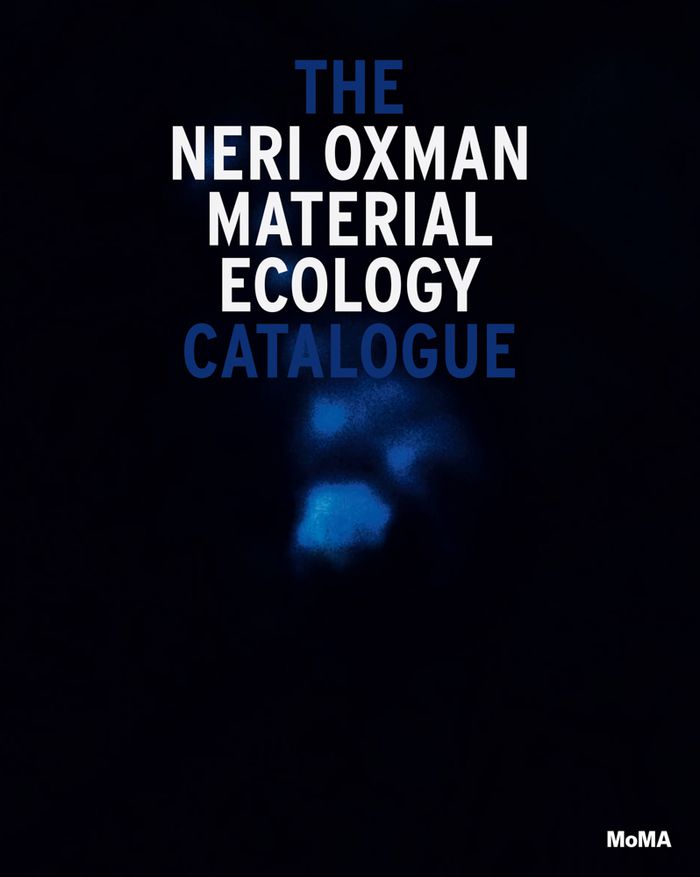
The first survey on the interdisciplinary biodesign genius of Neri Oxman, pioneer of "material ecology.'' Throughout her 20-year career, Neri Oxman has invented not only new ideas for materials, buildings and construction processes, but also new frameworks for interdisciplinary—and interspecies—collaborations. She coined the term ''material ecology'' to describe her process of producing techniques and objects informed by the structural, systemic and aesthetic wisdom of nature, from the shells of crustaceans to the flow of human breathing. Groundbreaking for its solid technological and scientific basis, its rigorous and daring experimentation, its visionary philosophy and its unquestionable attention to formal elegance, Oxman’s work operates at the intersection of biology, engineering, architecture and artistic design, material science and computer science. This book—designed by Irma Boom and published to accompany a midcareer retrospective of Oxman’s work—highlights the interdisciplinary nature of the designer’s practice. It demonstrates how Oxman’s contributions allow us to question and redefine the idea of modernism—a concept in constant evolution—and of organic design.
Neri Oxman: material ecology
Actions:
Prix:
$69.95
(disponible sur commande)
Résumé:
The first survey on the interdisciplinary biodesign genius of Neri Oxman, pioneer of "material ecology.'' Throughout her 20-year career, Neri Oxman has invented not only new ideas for materials, buildings and construction processes, but also new frameworks for interdisciplinary—and interspecies—collaborations. She coined the term ''material ecology'' to describe her process of producing techniques and objects informed by the structural, systemic and aesthetic wisdom of nature, from the shells of crustaceans to the flow of human breathing. Groundbreaking for its solid technological and scientific basis, its rigorous and daring experimentation, its visionary philosophy and its unquestionable attention to formal elegance, Oxman’s work operates at the intersection of biology, engineering, architecture and artistic design, material science and computer science. This book—designed by Irma Boom and published to accompany a midcareer retrospective of Oxman’s work—highlights the interdisciplinary nature of the designer’s practice. It demonstrates how Oxman’s contributions allow us to question and redefine the idea of modernism—a concept in constant evolution—and of organic design.
Classification:
livres
livres
Publication:
mai 2020
mai 2020
Sujet:
Architecture, monographies
Architecture, monographies
Classification:
livres
livres
Prix:
$79.00
(disponible sur commande)
Résumé:
Of the architects who made Palm Springs a crucible of midcentury American modernism, William F. Cody (1916-1978) was one of the most prolific, diverse, and iconic. Directing a practice ranging from residences to commercial centers and industrial complexes to master plans, Cody's designs are so recognizable that they provide visual shorthand for what is widely hailed as(...)
$79.00
(disponible sur commande)
Résumé:
Of the architects who made Palm Springs a crucible of midcentury American modernism, William F. Cody (1916-1978) was one of the most prolific, diverse, and iconic. Directing a practice ranging from residences to commercial centers and industrial complexes to master plans, Cody's designs are so recognizable that they provide visual shorthand for what is widely hailed as(...)
Sujet:
Architecture, monographies
Architecture, monographies
Publication:
septembre 2021
septembre 2021
Titre:
Master of the midcentury: the architecture of Williiam F. Cody
Actions:
Prix:
$79.00
(disponible sur commande)
Résumé:
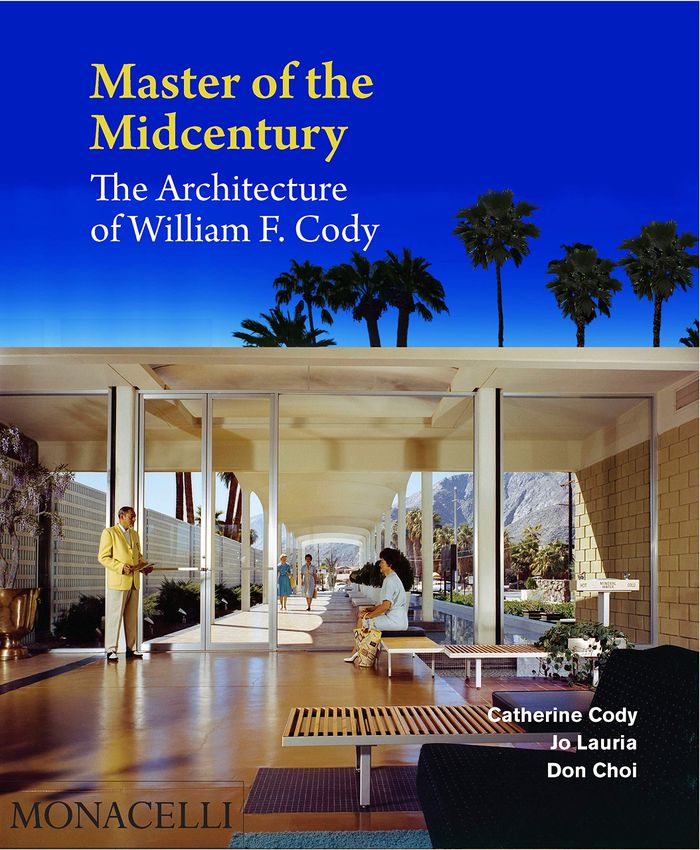
Of the architects who made Palm Springs a crucible of midcentury American modernism, William F. Cody (1916-1978) was one of the most prolific, diverse, and iconic. Directing a practice ranging from residences to commercial centers and industrial complexes to master plans, Cody's designs are so recognizable that they provide visual shorthand for what is widely hailed as "Desert Modern." While his architecture was disciplined and technically innovative, Cody did not practice an austere modernism; he imbued in his projects a love for social spaces, rich with patterns, texture, color, and art. Though the majority of Cody's built work was concentrated in California and Arizona, he had commissions in other western states, Hawaii, Mexico, Honduras, and Cuba. From icons like the Del Marcos Hotel (1946), to inventive country clubs like the Eldorado (1957), to houses for celebrities (Frank Sinatra, Bing Crosby, Walt Disney), Cody's projects defined the emerging West Coast lifestyle that combined luxury, leisure, and experimental design. Cody also pushed the boundaries of engineering, with beams and roof slabs so thin that his buildings seemed to defy gravity.
Master of the midcentury: the architecture of Williiam F. Cody
Actions:
Prix:
$79.00
(disponible sur commande)
Résumé:
Of the architects who made Palm Springs a crucible of midcentury American modernism, William F. Cody (1916-1978) was one of the most prolific, diverse, and iconic. Directing a practice ranging from residences to commercial centers and industrial complexes to master plans, Cody's designs are so recognizable that they provide visual shorthand for what is widely hailed as "Desert Modern." While his architecture was disciplined and technically innovative, Cody did not practice an austere modernism; he imbued in his projects a love for social spaces, rich with patterns, texture, color, and art. Though the majority of Cody's built work was concentrated in California and Arizona, he had commissions in other western states, Hawaii, Mexico, Honduras, and Cuba. From icons like the Del Marcos Hotel (1946), to inventive country clubs like the Eldorado (1957), to houses for celebrities (Frank Sinatra, Bing Crosby, Walt Disney), Cody's projects defined the emerging West Coast lifestyle that combined luxury, leisure, and experimental design. Cody also pushed the boundaries of engineering, with beams and roof slabs so thin that his buildings seemed to defy gravity.
Classification:
livres
livres
Publication:
septembre 2021
septembre 2021
Sujet:
Architecture, monographies
Architecture, monographies
Classification:
livres
livres
Actions:
Prix:
$12.00
(disponible sur commande)
Résumé:
Thirteen Postcards of illustrations from the book of narrative poetry We Will Be Fish. These images are compiled from turn-of-the-century mail-order catalogs, medical & zoological textbooks, and engineering diagrams. We Will Be Fish is a collection of narrative poems and illustrations, which can be viewed here, published by Pistol Press in 2008. It was listed for the(...)
$12.00
(disponible sur commande)
Résumé:
Thirteen Postcards of illustrations from the book of narrative poetry We Will Be Fish. These images are compiled from turn-of-the-century mail-order catalogs, medical & zoological textbooks, and engineering diagrams. We Will Be Fish is a collection of narrative poems and illustrations, which can be viewed here, published by Pistol Press in 2008. It was listed for the(...)
Titre:
JP King : 13 postcards from the book We will be fish
Actions:
Prix:
$12.00
(disponible sur commande)
Résumé:
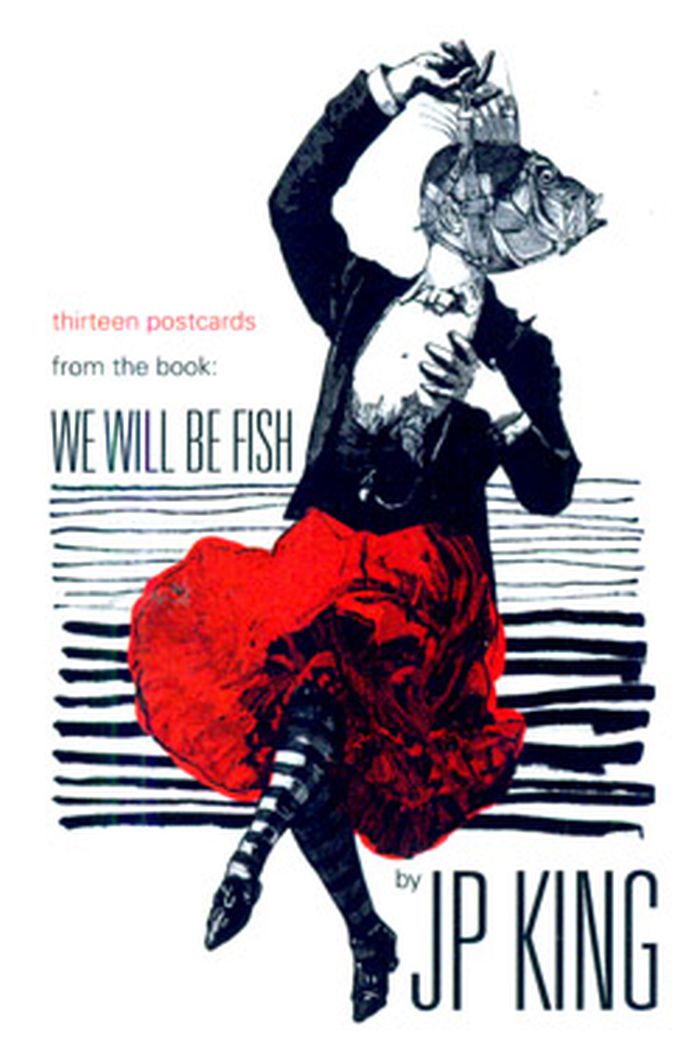
Thirteen Postcards of illustrations from the book of narrative poetry We Will Be Fish. These images are compiled from turn-of-the-century mail-order catalogs, medical & zoological textbooks, and engineering diagrams. We Will Be Fish is a collection of narrative poems and illustrations, which can be viewed here, published by Pistol Press in 2008. It was listed for the 2008 ReLit Awards and 2009 Expozine Awards, and a top ten seller at Drawn & Quarterley in 2008. The story follows the life of Leopold Canary, who loses his wife to sleeping sickness and gets tangled up in a government scam covering the truth behind the disease. He goes on to try and find his place in other small towns, at times working as an appliance designer, a self-appointed dentist, and the guide of his own basement museum. With thirteen cards you can choose your favorites for the fridge and use the rest to tell your grandma about all the nifty things you've been up to as of late.
JP King : 13 postcards from the book We will be fish
Actions:
Prix:
$12.00
(disponible sur commande)
Résumé:
Thirteen Postcards of illustrations from the book of narrative poetry We Will Be Fish. These images are compiled from turn-of-the-century mail-order catalogs, medical & zoological textbooks, and engineering diagrams. We Will Be Fish is a collection of narrative poems and illustrations, which can be viewed here, published by Pistol Press in 2008. It was listed for the 2008 ReLit Awards and 2009 Expozine Awards, and a top ten seller at Drawn & Quarterley in 2008. The story follows the life of Leopold Canary, who loses his wife to sleeping sickness and gets tangled up in a government scam covering the truth behind the disease. He goes on to try and find his place in other small towns, at times working as an appliance designer, a self-appointed dentist, and the guide of his own basement museum. With thirteen cards you can choose your favorites for the fridge and use the rest to tell your grandma about all the nifty things you've been up to as of late.
Classification:
livres
livres
Publication:
septembre 2012
septembre 2012
Classification:
livres
livres
Actions:
Prix:
$36.95
(disponible sur commande)
Résumé:
The term 'geoengineering' refers to technologies that counteract the effects of anthropogenic climate change by deliberately intervening in Earth systems. In the midst of a climate crisis, and with disparate views on whether planetary-scale design is the appropriate response at all, 'The Planet After Geoengineering' employs a speculative fiction approach to think with and(...)
$36.95
(disponible sur commande)
Résumé:
The term 'geoengineering' refers to technologies that counteract the effects of anthropogenic climate change by deliberately intervening in Earth systems. In the midst of a climate crisis, and with disparate views on whether planetary-scale design is the appropriate response at all, 'The Planet After Geoengineering' employs a speculative fiction approach to think with and(...)
Publication:
juillet 2021
juillet 2021
Titre:
The planet after geoengineering
Actions:
Prix:
$36.95
(disponible sur commande)
Résumé:
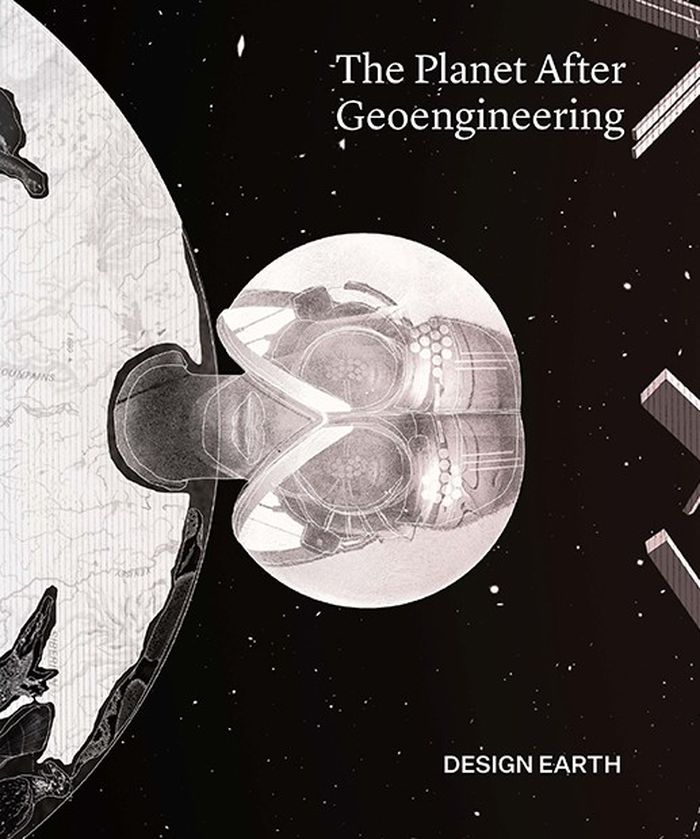
The term 'geoengineering' refers to technologies that counteract the effects of anthropogenic climate change by deliberately intervening in Earth systems. In the midst of a climate crisis, and with disparate views on whether planetary-scale design is the appropriate response at all, 'The Planet After Geoengineering' employs a speculative fiction approach to think with and against geoengineering as a form of planetary management. The graphic novel makes climate engineering and its controversies visible in a series of five stories that are collectively assembled into a planetary section from the deep underground to outer space. Each geostory - Petrified Carbon, Arctic Albedo, Sky River, Sulfur Storm, and Dust Cloud - depicts possible future Earths that we come to inhabit on the heels of a geoengineering intervention all while situating such promisory visions within a genealogy of climate-control projects from nineteenth-century rainmaking machines and volcanic eruptions to Cold War military plans. Such fabrications of an engineerable earth open a space to forge a new geo-politics that includes the actual Earth - its dimensions, processes, and lifeforms - as constitutive of design and the planet.
The planet after geoengineering
Actions:
Prix:
$36.95
(disponible sur commande)
Résumé:
The term 'geoengineering' refers to technologies that counteract the effects of anthropogenic climate change by deliberately intervening in Earth systems. In the midst of a climate crisis, and with disparate views on whether planetary-scale design is the appropriate response at all, 'The Planet After Geoengineering' employs a speculative fiction approach to think with and against geoengineering as a form of planetary management. The graphic novel makes climate engineering and its controversies visible in a series of five stories that are collectively assembled into a planetary section from the deep underground to outer space. Each geostory - Petrified Carbon, Arctic Albedo, Sky River, Sulfur Storm, and Dust Cloud - depicts possible future Earths that we come to inhabit on the heels of a geoengineering intervention all while situating such promisory visions within a genealogy of climate-control projects from nineteenth-century rainmaking machines and volcanic eruptions to Cold War military plans. Such fabrications of an engineerable earth open a space to forge a new geo-politics that includes the actual Earth - its dimensions, processes, and lifeforms - as constitutive of design and the planet.
Classification:
livres
livres
Publication:
juillet 2021
juillet 2021
Classification:
livres
livres
Prix:
$43.00
(disponible sur commande)
Résumé:
Rivers, on a long view, are alive. They are born; they change; they shift their channels; they forge new routes to the sea; they move both gradually and violently; they can teem (usually) with life; they may die a quasi-natural death; they are frequently maimed and even murdered. It is the annual flood pulse?the brief time when the river occupies the floodplain?that gives(...)
$43.00
(disponible sur commande)
Résumé:
Rivers, on a long view, are alive. They are born; they change; they shift their channels; they forge new routes to the sea; they move both gradually and violently; they can teem (usually) with life; they may die a quasi-natural death; they are frequently maimed and even murdered. It is the annual flood pulse?the brief time when the river occupies the floodplain?that gives(...)
Titre:
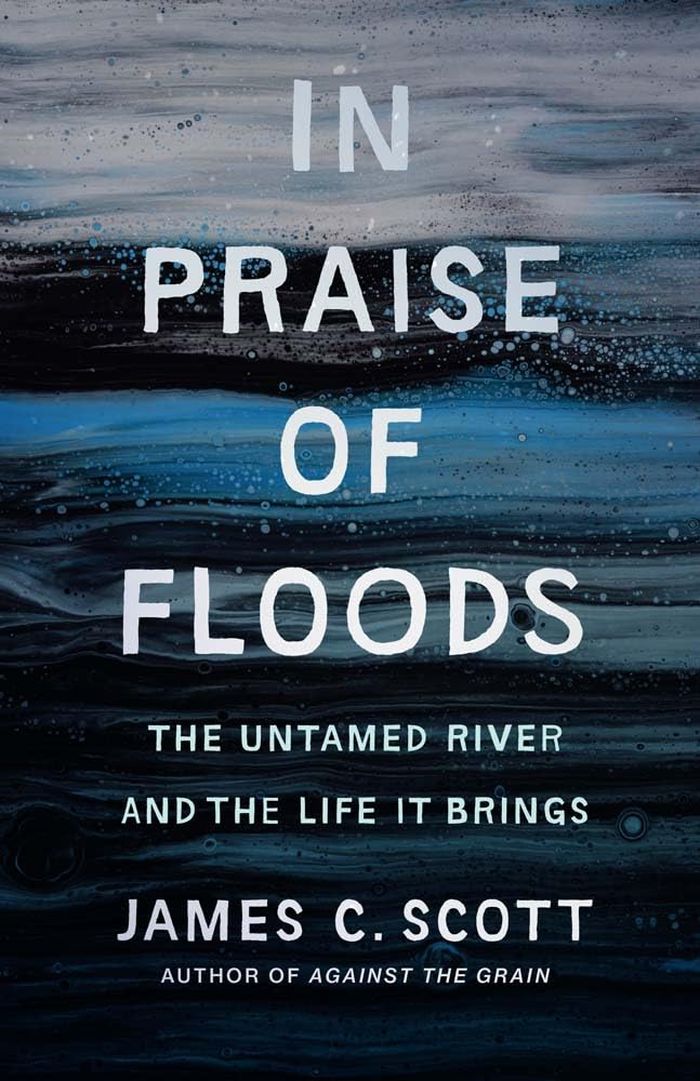
In praise of floods: The untamed river and the life it brings
Actions:
Prix:
$43.00
(disponible sur commande)
Résumé:
Rivers, on a long view, are alive. They are born; they change; they shift their channels; they forge new routes to the sea; they move both gradually and violently; they can teem (usually) with life; they may die a quasi-natural death; they are frequently maimed and even murdered. It is the annual flood pulse?the brief time when the river occupies the floodplain?that gives a river its vitality, but it is human engineering that kills it, suppressing the flood pulse with dams, irrigation, siltation, dikes, and levees. In demonstrating these threats to the riverine world, award-winning author James C. Scott examines the life history of a particular river, the Ayeyarwady (Irrawaddy) of Burma, the heartland and superhighway of Burman culture. Scott opens our understanding of rivers to encompass their entirety?tributaries, wetlands, floodplains, backwaters, eddies, periodic marshlands, and the assemblage of life forms dependent on rivers for their existence and well-being. For anyone interested in the Anthropocene and the Great Acceleration, rivers offer a striking example of the consequences of human intervention in trying to control and domesticate a natural process, the complexity and variability of which we barely understand.
In praise of floods: The untamed river and the life it brings
Actions:
Prix:
$43.00
(disponible sur commande)
Résumé:
Rivers, on a long view, are alive. They are born; they change; they shift their channels; they forge new routes to the sea; they move both gradually and violently; they can teem (usually) with life; they may die a quasi-natural death; they are frequently maimed and even murdered. It is the annual flood pulse?the brief time when the river occupies the floodplain?that gives a river its vitality, but it is human engineering that kills it, suppressing the flood pulse with dams, irrigation, siltation, dikes, and levees. In demonstrating these threats to the riverine world, award-winning author James C. Scott examines the life history of a particular river, the Ayeyarwady (Irrawaddy) of Burma, the heartland and superhighway of Burman culture. Scott opens our understanding of rivers to encompass their entirety?tributaries, wetlands, floodplains, backwaters, eddies, periodic marshlands, and the assemblage of life forms dependent on rivers for their existence and well-being. For anyone interested in the Anthropocene and the Great Acceleration, rivers offer a striking example of the consequences of human intervention in trying to control and domesticate a natural process, the complexity and variability of which we barely understand.
Classification:
livres
livres
Publication:
février 2025
février 2025
Sujet:
Théorie du paysage
Théorie du paysage
Classification:
livres
livres
Titre:
The Gothic Revival
The Gothic Revival
Actions:
Prix:
$22.99
(disponible sur commande)
Résumé:
‘The Gothic Revival’, writes Michael Lewis, ‘is more than a fashion craze for pointed arches and pinnacles. During its years of greatest influence, it subjected every aspect of art, belief, society, and labour to intense intellectual scrutiny, using the Middle Ages as a platform from which to judge the modern world.’ It is the unique merit of "The Gothic Revival"(...)
$22.99
(disponible sur commande)
Résumé:
‘The Gothic Revival’, writes Michael Lewis, ‘is more than a fashion craze for pointed arches and pinnacles. During its years of greatest influence, it subjected every aspect of art, belief, society, and labour to intense intellectual scrutiny, using the Middle Ages as a platform from which to judge the modern world.’ It is the unique merit of "The Gothic Revival"(...)
Titre:
The Gothic Revival
Actions:
Prix:
$22.99
(disponible sur commande)
Résumé:
‘The Gothic Revival’, writes Michael Lewis, ‘is more than a fashion craze for pointed arches and pinnacles. During its years of greatest influence, it subjected every aspect of art, belief, society, and labour to intense intellectual scrutiny, using the Middle Ages as a platform from which to judge the modern world.’ It is the unique merit of "The Gothic Revival" that it gives as much attention to the ideas that gave Gothic architecture its emotional and intellectual power as it does to its great monuments. The eighteenth century admired the Gothic for its sense of decay and melancholy; the nineteenth century first cherished its religious piety, then its superb engineering. In the course of the Revival the Gothic was attached to social movements of every sort – from political liberalism to patriotic nationalism to labour reform. Like Marxism, which also drew lessons from medieval society, the Gothic Revival seemed to offer a comprehensive response to the dislocations and traumas of the Industrial Revolution. By the early twentieth century, the Gothic Revival had outlived its ideals. In recent years, however, the climate of opinion has changed, and we are ready to understand, appreciate and learn from it.
The Gothic Revival
Actions:
Prix:
$22.99
(disponible sur commande)
Résumé:
‘The Gothic Revival’, writes Michael Lewis, ‘is more than a fashion craze for pointed arches and pinnacles. During its years of greatest influence, it subjected every aspect of art, belief, society, and labour to intense intellectual scrutiny, using the Middle Ages as a platform from which to judge the modern world.’ It is the unique merit of "The Gothic Revival" that it gives as much attention to the ideas that gave Gothic architecture its emotional and intellectual power as it does to its great monuments. The eighteenth century admired the Gothic for its sense of decay and melancholy; the nineteenth century first cherished its religious piety, then its superb engineering. In the course of the Revival the Gothic was attached to social movements of every sort – from political liberalism to patriotic nationalism to labour reform. Like Marxism, which also drew lessons from medieval society, the Gothic Revival seemed to offer a comprehensive response to the dislocations and traumas of the Industrial Revolution. By the early twentieth century, the Gothic Revival had outlived its ideals. In recent years, however, the climate of opinion has changed, and we are ready to understand, appreciate and learn from it.
Classification:
livres
livres
Publication:
juin 2002, London
juin 2002, London
Sujet:
Histoire jusqu’à 1900
Histoire jusqu’à 1900
Classification:
livres
livres
Prix:
$32.50
(disponible sur commande)
Résumé:
Rivers, on a long view, are alive. They are born; they change; they shift their channels; they forge new routes to the sea; they move both gradually and violently; they can teem (usually) with life; they may die a quasi-natural death; they are frequently maimed and even murdered. It is the annual flood pulse—the brief time when the river occupies the floodplain—that(...)
$32.50
(disponible sur commande)
Résumé:
Rivers, on a long view, are alive. They are born; they change; they shift their channels; they forge new routes to the sea; they move both gradually and violently; they can teem (usually) with life; they may die a quasi-natural death; they are frequently maimed and even murdered. It is the annual flood pulse—the brief time when the river occupies the floodplain—that(...)
Titre:
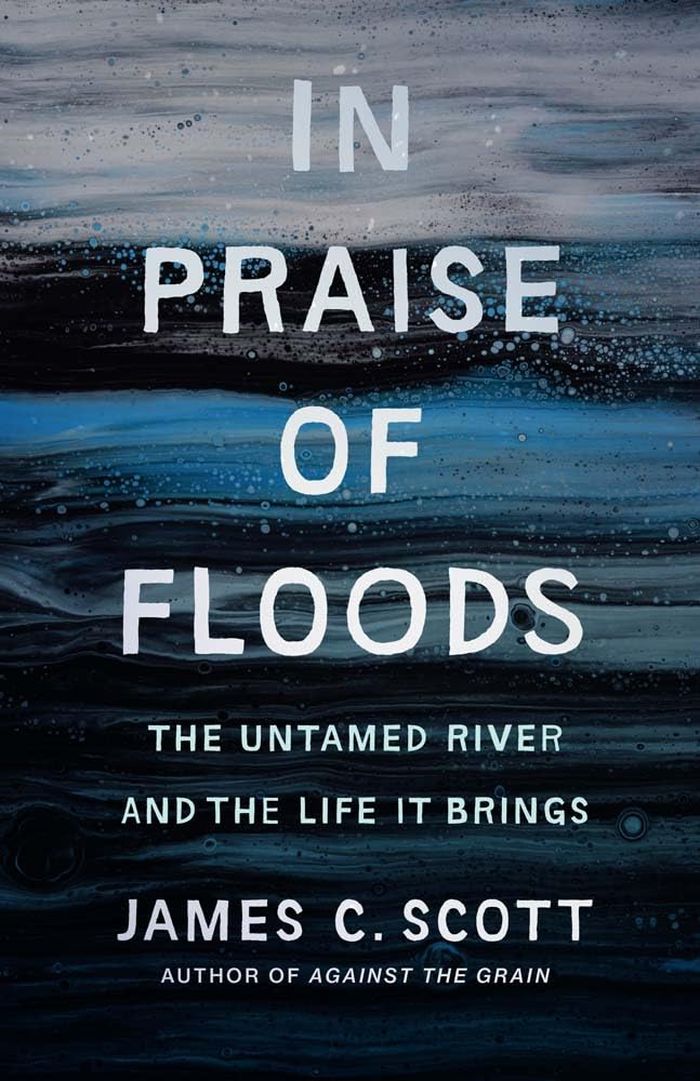
In praise of floods: the untamed river and the life it brings
Actions:
Prix:
$32.50
(disponible sur commande)
Résumé:
Rivers, on a long view, are alive. They are born; they change; they shift their channels; they forge new routes to the sea; they move both gradually and violently; they can teem (usually) with life; they may die a quasi-natural death; they are frequently maimed and even murdered. It is the annual flood pulse—the brief time when the river occupies the floodplain—that gives a river its vitality, but it is human engineering that kills it, suppressing the flood pulse with dams, irrigation, siltation, dikes, and levees. In demonstrating these threats to the riverine world, award-winning author James C. Scott examines the life history of a particular river, the Ayeyarwady (Irrawaddy) of Burma, the heartland and superhighway of Burman culture. Scott opens our understanding of rivers to encompass their entirety—tributaries, wetlands, floodplains, backwaters, eddies, periodic marshlands, and the assemblage of life forms dependent on rivers for their existence and well-being. For anyone interested in the Anthropocene and the Great Acceleration, rivers offer a striking example of the consequences of human intervention in trying to control and domesticate a natural process, the complexity and variability of which we barely understand.
In praise of floods: the untamed river and the life it brings
Actions:
Prix:
$32.50
(disponible sur commande)
Résumé:
Rivers, on a long view, are alive. They are born; they change; they shift their channels; they forge new routes to the sea; they move both gradually and violently; they can teem (usually) with life; they may die a quasi-natural death; they are frequently maimed and even murdered. It is the annual flood pulse—the brief time when the river occupies the floodplain—that gives a river its vitality, but it is human engineering that kills it, suppressing the flood pulse with dams, irrigation, siltation, dikes, and levees. In demonstrating these threats to the riverine world, award-winning author James C. Scott examines the life history of a particular river, the Ayeyarwady (Irrawaddy) of Burma, the heartland and superhighway of Burman culture. Scott opens our understanding of rivers to encompass their entirety—tributaries, wetlands, floodplains, backwaters, eddies, periodic marshlands, and the assemblage of life forms dependent on rivers for their existence and well-being. For anyone interested in the Anthropocene and the Great Acceleration, rivers offer a striking example of the consequences of human intervention in trying to control and domesticate a natural process, the complexity and variability of which we barely understand.
Classification:
livres
livres
Publication:
mai 2026
mai 2026
Sujet:
Théorie du paysage
Théorie du paysage
Classification:
livres
livres
Actions:
Prix:
$41.95
(disponible sur commande)
Résumé:
In order to analyze the phenomenon of late Gothic “Cell Vaults“, it is essential to understand the building process, the characteristics of the specifications formulated in planning, and the design criteria for these structures. On one hand, the reasons for the invention of this particular type of vaulted ceiling in the late 15th century and its spread over a large area(...)
$41.95
(disponible sur commande)
Résumé:
In order to analyze the phenomenon of late Gothic “Cell Vaults“, it is essential to understand the building process, the characteristics of the specifications formulated in planning, and the design criteria for these structures. On one hand, the reasons for the invention of this particular type of vaulted ceiling in the late 15th century and its spread over a large area(...)
Publication:
novembre 2016
novembre 2016
Titre:
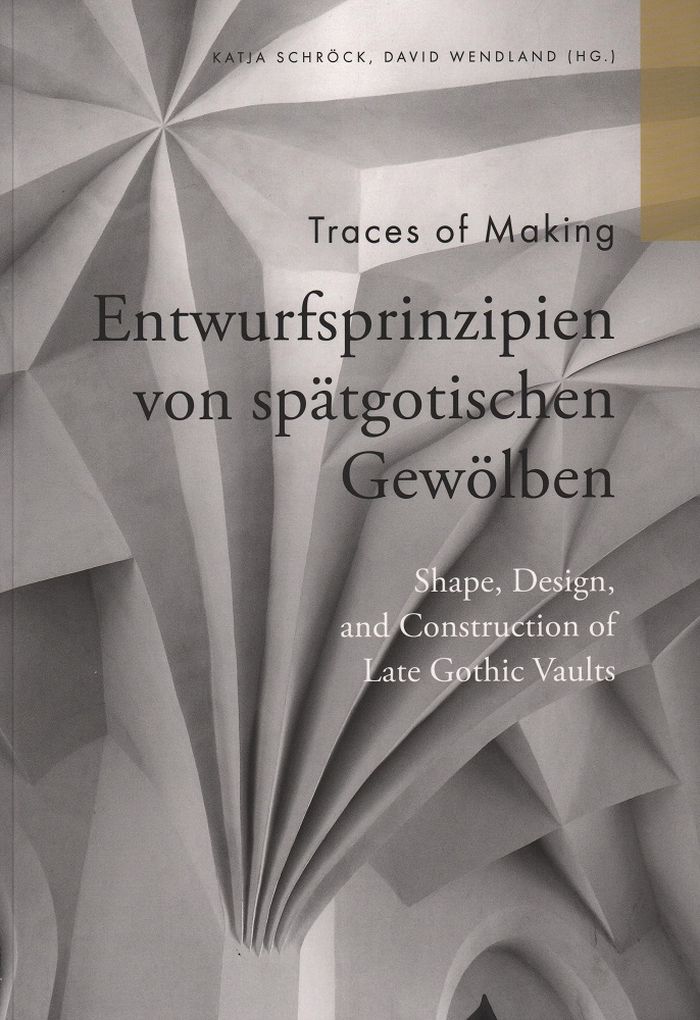
Traces of making: shape, design and construction of late Gothic vaults
Actions:
Prix:
$41.95
(disponible sur commande)
Résumé:
In order to analyze the phenomenon of late Gothic “Cell Vaults“, it is essential to understand the building process, the characteristics of the specifications formulated in planning, and the design criteria for these structures. On one hand, the reasons for the invention of this particular type of vaulted ceiling in the late 15th century and its spread over a large area are usually viewed from a technological standpoint. On the other hand, the appearance of these vaults, in particular the character of their curves and surfaces, can only be described against this background. As it happens, we have no recourse to contemporary information regarding the construction techniques or the design specifications of cell vaults. This constitutes a methodological problem: how is it possible, starting from the existing artifact, to formulate a clear idea of not only the production of the vaults but also the decision-making and communication processes associated with their making? Within the research project “Form, Construction and Design Principles of late Gothic Cell Vaults – ‘Reverse Engineering’ and Experimental Archaeology”, ways of thinking about the genesis of these particular vaults are formulated.
Traces of making: shape, design and construction of late Gothic vaults
Actions:
Prix:
$41.95
(disponible sur commande)
Résumé:
In order to analyze the phenomenon of late Gothic “Cell Vaults“, it is essential to understand the building process, the characteristics of the specifications formulated in planning, and the design criteria for these structures. On one hand, the reasons for the invention of this particular type of vaulted ceiling in the late 15th century and its spread over a large area are usually viewed from a technological standpoint. On the other hand, the appearance of these vaults, in particular the character of their curves and surfaces, can only be described against this background. As it happens, we have no recourse to contemporary information regarding the construction techniques or the design specifications of cell vaults. This constitutes a methodological problem: how is it possible, starting from the existing artifact, to formulate a clear idea of not only the production of the vaults but also the decision-making and communication processes associated with their making? Within the research project “Form, Construction and Design Principles of late Gothic Cell Vaults – ‘Reverse Engineering’ and Experimental Archaeology”, ways of thinking about the genesis of these particular vaults are formulated.
Classification:
livres
livres
Publication:
novembre 2016
novembre 2016
Classification:
livres
livres
Actions:
Prix:
$64.95
(disponible sur commande)
Résumé:
Ecological Urbanism: The Nature of the City asks the questions that are important inside and outside the built environment professions: what are climate change, urbanisation and ecology doing to the theory and practice of urban design? How does Ecological Urbanism figure in this change? What is Ecological Urbanism? In answer, this book is neither definitive – impossible(...)
$64.95
(disponible sur commande)
Résumé:
Ecological Urbanism: The Nature of the City asks the questions that are important inside and outside the built environment professions: what are climate change, urbanisation and ecology doing to the theory and practice of urban design? How does Ecological Urbanism figure in this change? What is Ecological Urbanism? In answer, this book is neither definitive – impossible(...)
Titre:
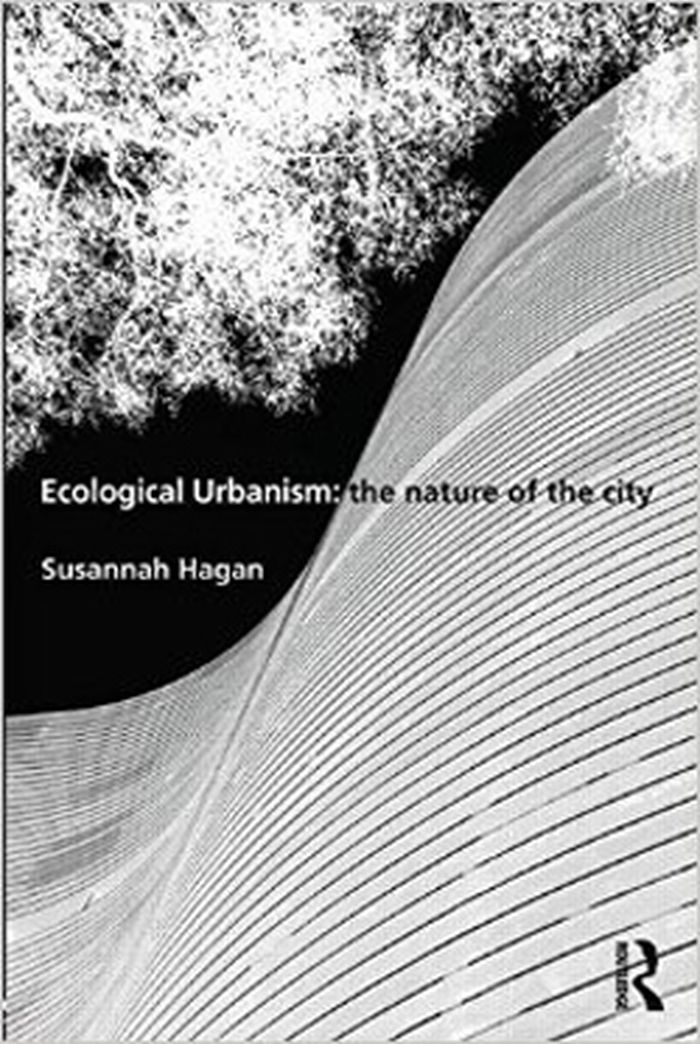
Ecological urbanism: the nature of the city
Actions:
Prix:
$64.95
(disponible sur commande)
Résumé:
Ecological Urbanism: The Nature of the City asks the questions that are important inside and outside the built environment professions: what are climate change, urbanisation and ecology doing to the theory and practice of urban design? How does Ecological Urbanism figure in this change? What is Ecological Urbanism? In answer, this book is neither definitive – impossible when a subject is still in motion – nor encyclopaedic – equally impossible when so much has been written on almost every aspect of these essays. Instead, it seeks to rebalance the ecological narrative and its embryonic modes of practice with the narratives of urbanism and its older, deeply embedded modes of practice. It examines the implications for cities and the designers of cities now we are required to again address their metabolic as well as social and formal dimensions, and it explores the extent to which environmental engineering and natural systems design can and should become drivers for the remaking of cities in the 21st century. Above all, it argues that sooner rather than later, urbanism needs to become environmentally literate, and environmental design needs to become culturally literate.
Ecological urbanism: the nature of the city
Actions:
Prix:
$64.95
(disponible sur commande)
Résumé:
Ecological Urbanism: The Nature of the City asks the questions that are important inside and outside the built environment professions: what are climate change, urbanisation and ecology doing to the theory and practice of urban design? How does Ecological Urbanism figure in this change? What is Ecological Urbanism? In answer, this book is neither definitive – impossible when a subject is still in motion – nor encyclopaedic – equally impossible when so much has been written on almost every aspect of these essays. Instead, it seeks to rebalance the ecological narrative and its embryonic modes of practice with the narratives of urbanism and its older, deeply embedded modes of practice. It examines the implications for cities and the designers of cities now we are required to again address their metabolic as well as social and formal dimensions, and it explores the extent to which environmental engineering and natural systems design can and should become drivers for the remaking of cities in the 21st century. Above all, it argues that sooner rather than later, urbanism needs to become environmentally literate, and environmental design needs to become culturally literate.
Classification:
livres
livres
Publication:
novembre 2014
novembre 2014
Sujet:
Paysages urbains
Paysages urbains
Classification:
livres
livres
Actions:
Prix:
$69.50
(disponible sur commande)
Résumé:
This publication brings together the manifold, international and multidisciplinary contributions of the GameSetandMatch II conference - the architecture co-laboratory, directed by Kas Oosterhuis, professor at the Faculty of Architecture of the Delft University of technology, the Netherlands. It adresses contemporary and future changes within and across the boundaries of(...)
$69.50
(disponible sur commande)
Résumé:
This publication brings together the manifold, international and multidisciplinary contributions of the GameSetandMatch II conference - the architecture co-laboratory, directed by Kas Oosterhuis, professor at the Faculty of Architecture of the Delft University of technology, the Netherlands. It adresses contemporary and future changes within and across the boundaries of(...)
Publication:
janvier 1900, Delft
janvier 1900, Delft
Titre:
The architecture co-laboratory : game set and match II - on computer games, advanced geometries, and digital technologies
Actions:
Prix:
$69.50
(disponible sur commande)
Résumé:
This publication brings together the manifold, international and multidisciplinary contributions of the GameSetandMatch II conference - the architecture co-laboratory, directed by Kas Oosterhuis, professor at the Faculty of Architecture of the Delft University of technology, the Netherlands. It adresses contemporary and future changes within and across the boundaries of digitally driven architectural and design practices. The notion of architecture as a co-laboratory accentuates this strong devotion to experimentation and collaboration. In so doing it offers a kaleidoscopic view of, rather than a defines perspective on current developments in the digital design domain. The authors of the essays and papers included in this book come from very diverse backgrounds ranging from architecture and design to technology and engineering as well as computer sciences and humanities. An interlaced series of three thematic areas - 'Play', 'Geometry ++' and 'Open Source' - will relate diverse sources of knowledge and enable the reader to cross reference, question, recontextualize, and even create new connections among the content presented. "GameSetandMatch II" includes contributions from Robert Aish, Ole Bouman, Raoul Bunschoten, Bernard Cache, Jan Edler and Tim Edler, Georg Flachbart, John Frazer, Mark Goulthorpe, Branko Kolarevic, Anne Nigten, Marcos Novak, Kas Oosterhuis, Antonino Saggio, Katie Salen, Norbert Streitz, Tom Verebes, Peter Weibel and many more.
The architecture co-laboratory : game set and match II - on computer games, advanced geometries, and digital technologies
Actions:
Prix:
$69.50
(disponible sur commande)
Résumé:
This publication brings together the manifold, international and multidisciplinary contributions of the GameSetandMatch II conference - the architecture co-laboratory, directed by Kas Oosterhuis, professor at the Faculty of Architecture of the Delft University of technology, the Netherlands. It adresses contemporary and future changes within and across the boundaries of digitally driven architectural and design practices. The notion of architecture as a co-laboratory accentuates this strong devotion to experimentation and collaboration. In so doing it offers a kaleidoscopic view of, rather than a defines perspective on current developments in the digital design domain. The authors of the essays and papers included in this book come from very diverse backgrounds ranging from architecture and design to technology and engineering as well as computer sciences and humanities. An interlaced series of three thematic areas - 'Play', 'Geometry ++' and 'Open Source' - will relate diverse sources of knowledge and enable the reader to cross reference, question, recontextualize, and even create new connections among the content presented. "GameSetandMatch II" includes contributions from Robert Aish, Ole Bouman, Raoul Bunschoten, Bernard Cache, Jan Edler and Tim Edler, Georg Flachbart, John Frazer, Mark Goulthorpe, Branko Kolarevic, Anne Nigten, Marcos Novak, Kas Oosterhuis, Antonino Saggio, Katie Salen, Norbert Streitz, Tom Verebes, Peter Weibel and many more.
Classification:
livres
livres
Publication:
janvier 1900, Delft
janvier 1900, Delft


