


6921 Résultats
Classification:
livres
livres
Actions:
Prix:
$27.95
(disponible sur commande)
Résumé:
The violence wrought by climate change, toxic drift, deforestation, oil spills, and the environmental aftermath of war takes place gradually and often invisibly. Using the innovative concept of “slow violence” to describe these threats, Rob Nixon focuses on the inattention we have paid to the attritional lethality of many environmental crises, in contrast with the(...)
$27.95
(disponible sur commande)
Résumé:
The violence wrought by climate change, toxic drift, deforestation, oil spills, and the environmental aftermath of war takes place gradually and often invisibly. Using the innovative concept of “slow violence” to describe these threats, Rob Nixon focuses on the inattention we have paid to the attritional lethality of many environmental crises, in contrast with the(...)
Titre:
Slow violence and the environmentalism of the poor
Actions:
Prix:
$27.95
(disponible sur commande)
Résumé:
The violence wrought by climate change, toxic drift, deforestation, oil spills, and the environmental aftermath of war takes place gradually and often invisibly. Using the innovative concept of “slow violence” to describe these threats, Rob Nixon focuses on the inattention we have paid to the attritional lethality of many environmental crises, in contrast with the sensational, spectacle-driven messaging that impels public activism today. Slow violence, because it is so readily ignored by a hard-charging capitalism, exacerbates the vulnerability of ecosystems and of people who are poor, disempowered, and often involuntarily displaced, while fueling social conflicts that arise from desperation as life-sustaining conditions erode.
Slow violence and the environmentalism of the poor
Actions:
Prix:
$27.95
(disponible sur commande)
Résumé:
The violence wrought by climate change, toxic drift, deforestation, oil spills, and the environmental aftermath of war takes place gradually and often invisibly. Using the innovative concept of “slow violence” to describe these threats, Rob Nixon focuses on the inattention we have paid to the attritional lethality of many environmental crises, in contrast with the sensational, spectacle-driven messaging that impels public activism today. Slow violence, because it is so readily ignored by a hard-charging capitalism, exacerbates the vulnerability of ecosystems and of people who are poor, disempowered, and often involuntarily displaced, while fueling social conflicts that arise from desperation as life-sustaining conditions erode.
Classification:
livres
livres
Publication:
mars 2013
mars 2013
Classification:
livres
livres
Actions:
Prix:
$39.00
(disponible sur commande)
Résumé:
This book is a collection of essays at the intersection of architecture and climate change. Neither a collective lament nor an inventory of architectural responses, the essays consider cultural values ascribed to climate and ask how climate re? ects our conception of what architecture is and does. Which materials and conceptual infrastructures render climate legible,(...)
$39.00
(disponible sur commande)
Résumé:
This book is a collection of essays at the intersection of architecture and climate change. Neither a collective lament nor an inventory of architectural responses, the essays consider cultural values ascribed to climate and ask how climate re? ects our conception of what architecture is and does. Which materials and conceptual infrastructures render climate legible,(...)
Publication:
juillet 2016
juillet 2016
Titre:
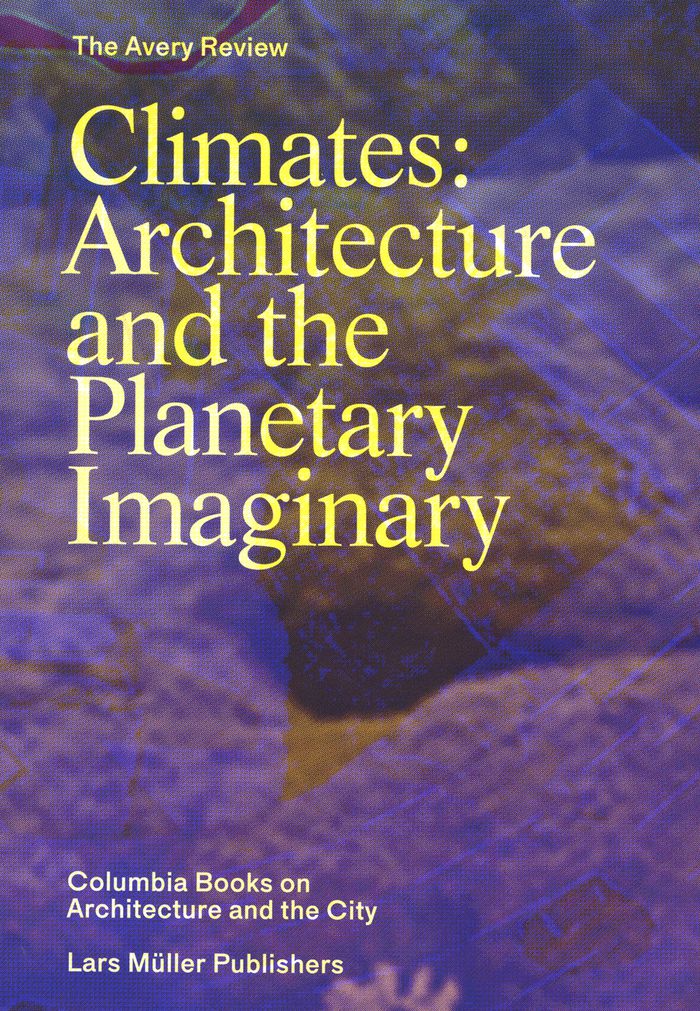
Climates: architecture and the planetary imaginary
Actions:
Prix:
$39.00
(disponible sur commande)
Résumé:
This book is a collection of essays at the intersection of architecture and climate change. Neither a collective lament nor an inventory of architectural responses, the essays consider cultural values ascribed to climate and ask how climate re? ects our conception of what architecture is and does. Which materials and conceptual infrastructures render climate legible, knowable, and actionable, and what are their spatial implications? How do these interrelated questions offer new vantage points on the architectural rami? cations of climate change at the interface of resiliency, sustain-ability, and ecotechnology? 'Climates' also contains a dossier of precedents for thinking about architecture and climate change drawn from a number of leading practitioners. New approaches to understanding climate in architecture make this book invaluable.This publication is a project by The Avery Review, a journal produced by the Of?ce of Publications at Columbia University's Graduate School of Architecture, Planning and Preservation.
Climates: architecture and the planetary imaginary
Actions:
Prix:
$39.00
(disponible sur commande)
Résumé:
This book is a collection of essays at the intersection of architecture and climate change. Neither a collective lament nor an inventory of architectural responses, the essays consider cultural values ascribed to climate and ask how climate re? ects our conception of what architecture is and does. Which materials and conceptual infrastructures render climate legible, knowable, and actionable, and what are their spatial implications? How do these interrelated questions offer new vantage points on the architectural rami? cations of climate change at the interface of resiliency, sustain-ability, and ecotechnology? 'Climates' also contains a dossier of precedents for thinking about architecture and climate change drawn from a number of leading practitioners. New approaches to understanding climate in architecture make this book invaluable.This publication is a project by The Avery Review, a journal produced by the Of?ce of Publications at Columbia University's Graduate School of Architecture, Planning and Preservation.
Classification:
livres
livres
Publication:
juillet 2016
juillet 2016
Classification:
livres
livres
Actions:
Prix:
$75.50
(disponible sur commande)
Résumé:
Convergence is based on the thermodynamic premise that architecture should maximize its ecological and architectural power. No matter how paradoxical it might initially seem, architects should maximize energy intake, maximize energy use, and maximize energy feedback and reinforcement. This presumes that the necessary excess of architecture is in fact an architect’s(...)
$75.50
(disponible sur commande)
Résumé:
Convergence is based on the thermodynamic premise that architecture should maximize its ecological and architectural power. No matter how paradoxical it might initially seem, architects should maximize energy intake, maximize energy use, and maximize energy feedback and reinforcement. This presumes that the necessary excess of architecture is in fact an architect’s(...)
Titre:
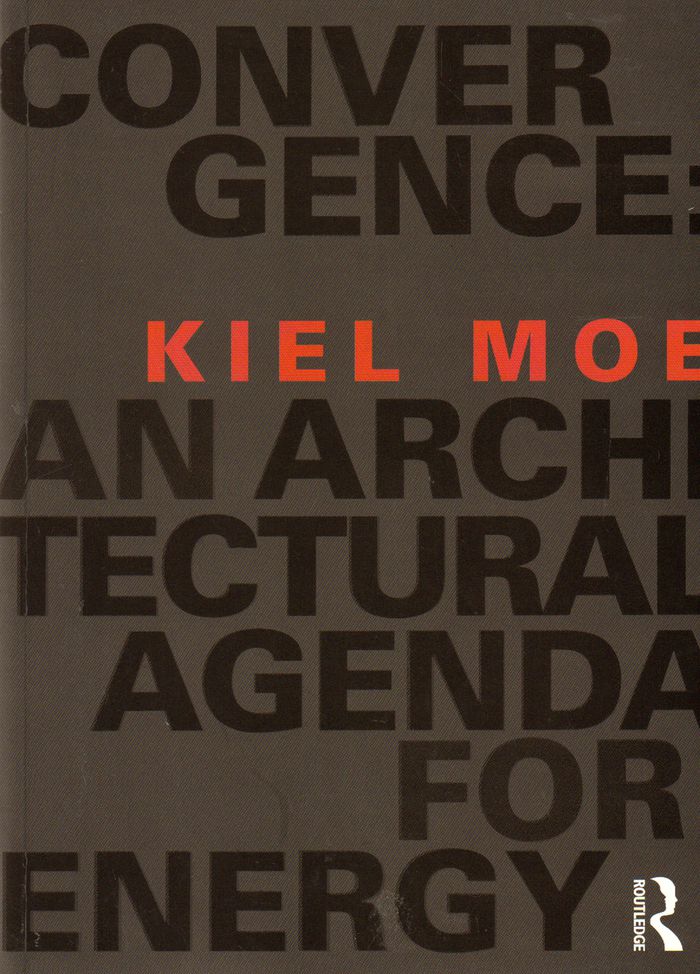
Convergence: An Architectural Agenda for Energy
Actions:
Prix:
$75.50
(disponible sur commande)
Résumé:
Convergence is based on the thermodynamic premise that architecture should maximize its ecological and architectural power. No matter how paradoxical it might initially seem, architects should maximize energy intake, maximize energy use, and maximize energy feedback and reinforcement. This presumes that the necessary excess of architecture is in fact an architect’s greatest asset when it comes to an agenda for energy, not a liability.
Convergence: An Architectural Agenda for Energy
Actions:
Prix:
$75.50
(disponible sur commande)
Résumé:
Convergence is based on the thermodynamic premise that architecture should maximize its ecological and architectural power. No matter how paradoxical it might initially seem, architects should maximize energy intake, maximize energy use, and maximize energy feedback and reinforcement. This presumes that the necessary excess of architecture is in fact an architect’s greatest asset when it comes to an agenda for energy, not a liability.
Classification:
livres
livres
Publication:
janvier 2014
janvier 2014
Classification:
livres
livres
Prix:
$37.00
(disponible sur commande)
Résumé:
While ecology has received little systematic attention within art history, its visibility and significance has grown in relation to the threats of climate change and environmental destruction. By engaging artists widespread aesthetic and political engagement with environmental conditions and processes around the globe and looking at cutting-edge theoretical, political,(...)
$37.00
(disponible sur commande)
Résumé:
While ecology has received little systematic attention within art history, its visibility and significance has grown in relation to the threats of climate change and environmental destruction. By engaging artists widespread aesthetic and political engagement with environmental conditions and processes around the globe and looking at cutting-edge theoretical, political,(...)
Titre:
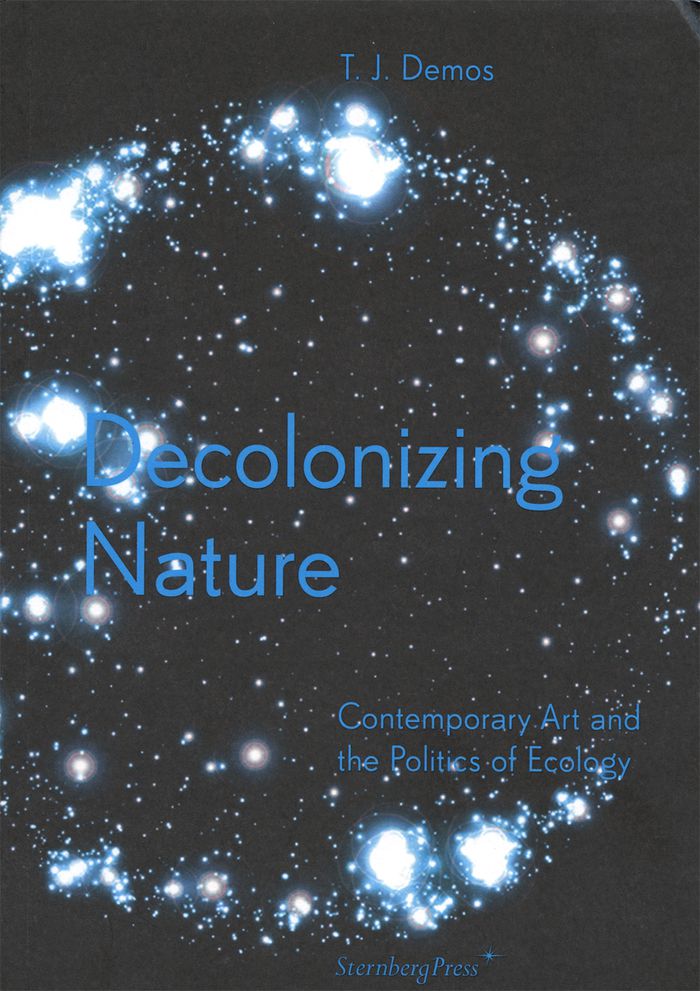
Decolonizing nature : contemporary art and the politics of ecology
Actions:
Prix:
$37.00
(disponible sur commande)
Résumé:
While ecology has received little systematic attention within art history, its visibility and significance has grown in relation to the threats of climate change and environmental destruction. By engaging artists widespread aesthetic and political engagement with environmental conditions and processes around the globe and looking at cutting-edge theoretical, political, and cultural developments in the Global South and North Decolonizing Nature offers a significant, original contribution to the intersecting fields of art history, ecology, visual culture, geography, and environmental politics.
Decolonizing nature : contemporary art and the politics of ecology
Actions:
Prix:
$37.00
(disponible sur commande)
Résumé:
While ecology has received little systematic attention within art history, its visibility and significance has grown in relation to the threats of climate change and environmental destruction. By engaging artists widespread aesthetic and political engagement with environmental conditions and processes around the globe and looking at cutting-edge theoretical, political, and cultural developments in the Global South and North Decolonizing Nature offers a significant, original contribution to the intersecting fields of art history, ecology, visual culture, geography, and environmental politics.
Classification:
livres
livres
Publication:
juin 2016
juin 2016
Classification:
livres
livres
Actions:
Prix:
$23.95
(disponible sur commande)
Résumé:
Some thousands of years ago, the world was home to an immense variety of large mammals. From wooly mammoths and saber-toothed tigers to giant ground sloths and armadillos the size of automobiles, these spectacular creatures roamed freely. Then human beings arrived. Devouring their way down the food chain as they spread across the planet, they began a process of voracious(...)
$23.95
(disponible sur commande)
Résumé:
Some thousands of years ago, the world was home to an immense variety of large mammals. From wooly mammoths and saber-toothed tigers to giant ground sloths and armadillos the size of automobiles, these spectacular creatures roamed freely. Then human beings arrived. Devouring their way down the food chain as they spread across the planet, they began a process of voracious(...)
Titre:
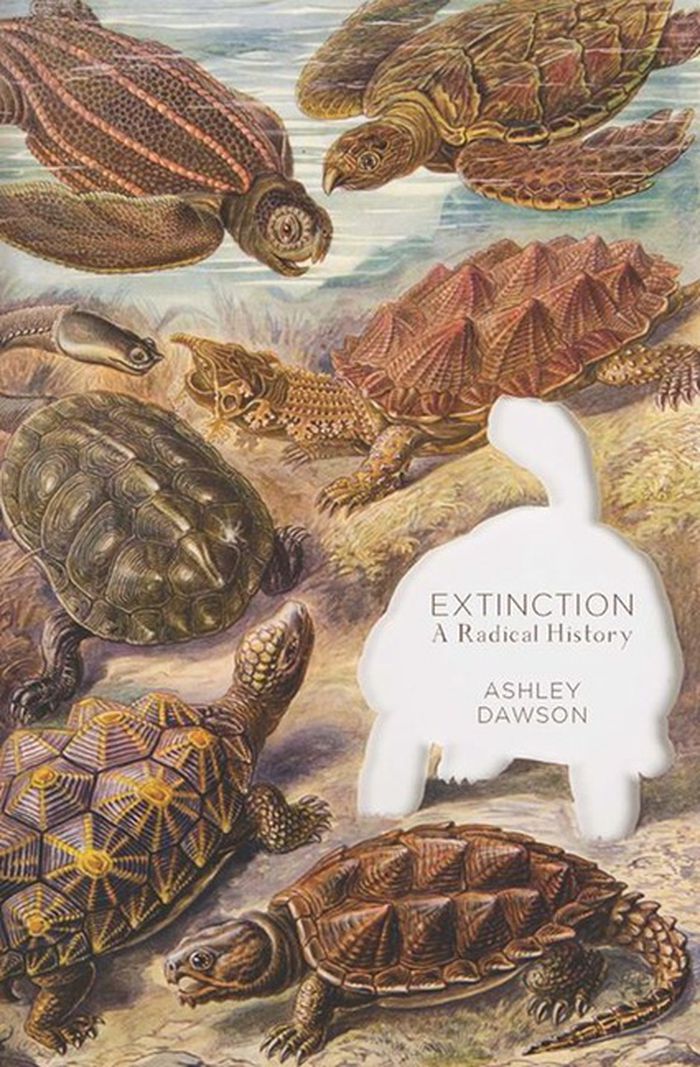
Extinction: a radical history
Actions:
Prix:
$23.95
(disponible sur commande)
Résumé:
Some thousands of years ago, the world was home to an immense variety of large mammals. From wooly mammoths and saber-toothed tigers to giant ground sloths and armadillos the size of automobiles, these spectacular creatures roamed freely. Then human beings arrived. Devouring their way down the food chain as they spread across the planet, they began a process of voracious extinction that has continued to the present. For Ashley Dawson, this is the product of a global attack on the commons, the great trove of air, water, plants and creatures, as well as collectively created cultural forms such as language, that have been regarded traditionally as the inheritance of humanity as a whole. This attack has its genesis in the need for capital to expand relentlessly into all spheres of life. Extinction, Dawson argues, cannot be understood in isolation from a critique of our economic system. To achieve this we need to transgress the boundaries between science, environmentalism and radical politics.
Extinction: a radical history
Actions:
Prix:
$23.95
(disponible sur commande)
Résumé:
Some thousands of years ago, the world was home to an immense variety of large mammals. From wooly mammoths and saber-toothed tigers to giant ground sloths and armadillos the size of automobiles, these spectacular creatures roamed freely. Then human beings arrived. Devouring their way down the food chain as they spread across the planet, they began a process of voracious extinction that has continued to the present. For Ashley Dawson, this is the product of a global attack on the commons, the great trove of air, water, plants and creatures, as well as collectively created cultural forms such as language, that have been regarded traditionally as the inheritance of humanity as a whole. This attack has its genesis in the need for capital to expand relentlessly into all spheres of life. Extinction, Dawson argues, cannot be understood in isolation from a critique of our economic system. To achieve this we need to transgress the boundaries between science, environmentalism and radical politics.
Classification:
livres
livres
Publication:
juillet 2016
juillet 2016
Classification:
livres
livres
Actions:
Prix:
$29.95
(disponible en magasin)
Résumé:
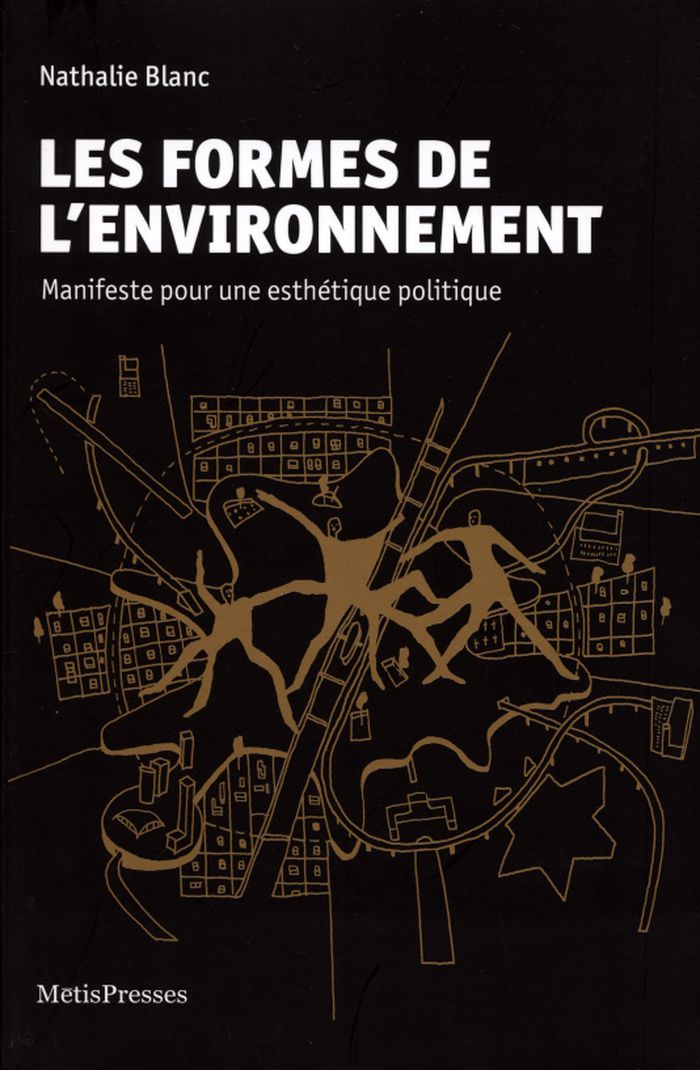
La géographe se positionne en contrepoint d'une approche trop gestionnaire et maîtrisée de l'environnement, celle des politiques publiques. Elle propose au contraire une approche fondée sur la notion de forme environnementale, associant esthétique et politique.
$29.95
(disponible en magasin)
Résumé:
La géographe se positionne en contrepoint d'une approche trop gestionnaire et maîtrisée de l'environnement, celle des politiques publiques. Elle propose au contraire une approche fondée sur la notion de forme environnementale, associant esthétique et politique.
Titre:
Les formes de l'environnement : manifeste pour une esthétique politique
Actions:
Prix:
$29.95
(disponible en magasin)
Résumé:
La géographe se positionne en contrepoint d'une approche trop gestionnaire et maîtrisée de l'environnement, celle des politiques publiques. Elle propose au contraire une approche fondée sur la notion de forme environnementale, associant esthétique et politique.
Les formes de l'environnement : manifeste pour une esthétique politique
Actions:
Prix:
$29.95
(disponible en magasin)
Résumé:
La géographe se positionne en contrepoint d'une approche trop gestionnaire et maîtrisée de l'environnement, celle des politiques publiques. Elle propose au contraire une approche fondée sur la notion de forme environnementale, associant esthétique et politique.
Classification:
livres
livres
Publication:
avril 2016
avril 2016
Classification:
livres
livres
Actions:
Prix:
$35.95
(disponible sur commande)
Résumé:
The logistics of agricultural society resulted in global warming and hardwired dangerous ideas about life-forms into the human mind. Dark ecology puts us in an uncanny position of radical self-knowledge, illuminating our place in the biosphere and our belonging to a species in a sense that is far less obvious than we like to think. Morton explores the logical foundations(...)
$35.95
(disponible sur commande)
Résumé:
The logistics of agricultural society resulted in global warming and hardwired dangerous ideas about life-forms into the human mind. Dark ecology puts us in an uncanny position of radical self-knowledge, illuminating our place in the biosphere and our belonging to a species in a sense that is far less obvious than we like to think. Morton explores the logical foundations(...)
Titre:
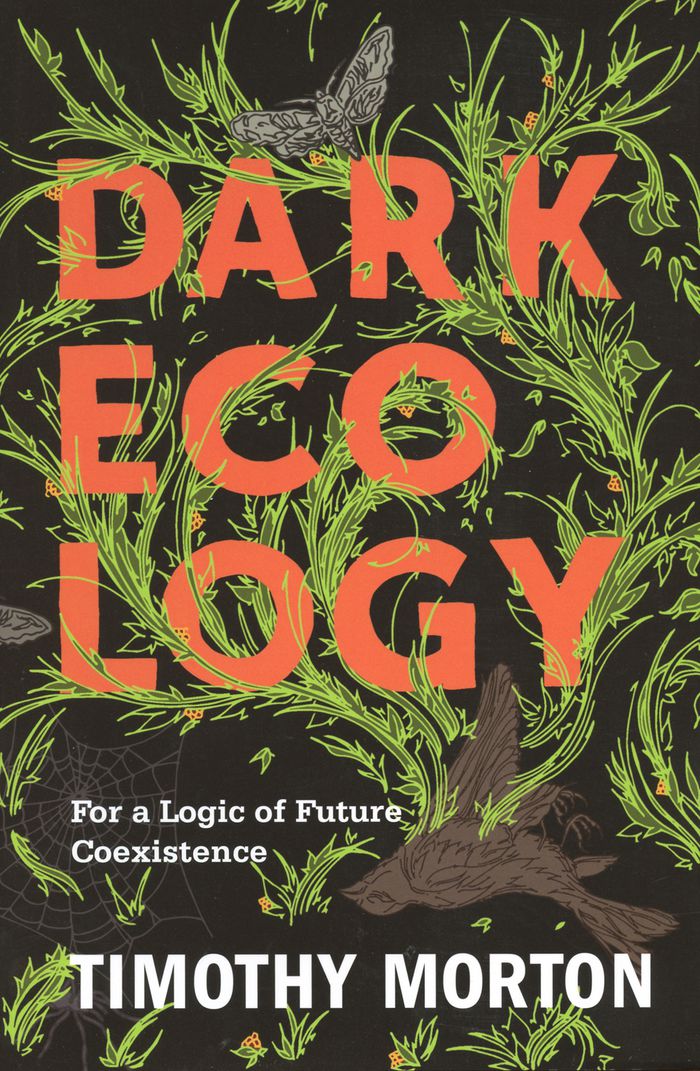
Dark ecology : for a logic of future coexistence
Actions:
Prix:
$35.95
(disponible sur commande)
Résumé:
The logistics of agricultural society resulted in global warming and hardwired dangerous ideas about life-forms into the human mind. Dark ecology puts us in an uncanny position of radical self-knowledge, illuminating our place in the biosphere and our belonging to a species in a sense that is far less obvious than we like to think. Morton explores the logical foundations of the ecological crisis, which is suffused with the melancholy and negativity of coexistence yet evolving, as we explore its loop form, into something playful, anarchic, and comedic. His work is a skilled fusion of humanities and scientific scholarship, incorporating the theories and findings of philosophy, anthropology, literature, ecology, biology, and physics. Morton hopes to reestablish our ties to nonhuman beings and to help us rediscover the playfulness and joy that can brighten the dark, strange loop we traverse.
Dark ecology : for a logic of future coexistence
Actions:
Prix:
$35.95
(disponible sur commande)
Résumé:
The logistics of agricultural society resulted in global warming and hardwired dangerous ideas about life-forms into the human mind. Dark ecology puts us in an uncanny position of radical self-knowledge, illuminating our place in the biosphere and our belonging to a species in a sense that is far less obvious than we like to think. Morton explores the logical foundations of the ecological crisis, which is suffused with the melancholy and negativity of coexistence yet evolving, as we explore its loop form, into something playful, anarchic, and comedic. His work is a skilled fusion of humanities and scientific scholarship, incorporating the theories and findings of philosophy, anthropology, literature, ecology, biology, and physics. Morton hopes to reestablish our ties to nonhuman beings and to help us rediscover the playfulness and joy that can brighten the dark, strange loop we traverse.
Classification:
livres
livres
Publication:
avril 2016
avril 2016
Classification:
livres
livres
Titre:
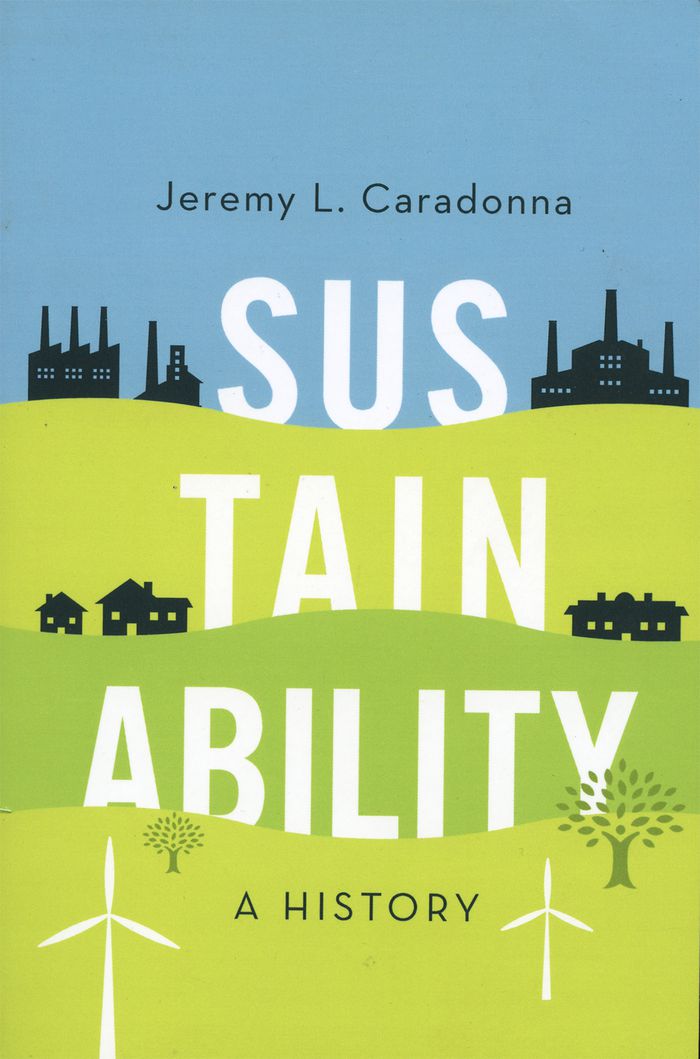
Sustainability: a history
Sustainability: a history
Actions:
Prix:
$20.95
(disponible sur commande)
Résumé:
The word is nearly ubiquitous: at the grocery store we shop for "sustainable foods" that were produced from "sustainable agriculture"; groups ranging from small advocacy organizations to city and state governments to the United Nations tout "sustainable development" as a strategy for local and global stability; and woe betide the city-dweller who doesn't aim for a(...)
$20.95
(disponible sur commande)
Résumé:
The word is nearly ubiquitous: at the grocery store we shop for "sustainable foods" that were produced from "sustainable agriculture"; groups ranging from small advocacy organizations to city and state governments to the United Nations tout "sustainable development" as a strategy for local and global stability; and woe betide the city-dweller who doesn't aim for a(...)
Publication:
octobre 2016
octobre 2016
Titre:
Sustainability: a history
Actions:
Prix:
$20.95
(disponible sur commande)
Résumé:
The word is nearly ubiquitous: at the grocery store we shop for "sustainable foods" that were produced from "sustainable agriculture"; groups ranging from small advocacy organizations to city and state governments to the United Nations tout "sustainable development" as a strategy for local and global stability; and woe betide the city-dweller who doesn't aim for a "sustainable lifestyle." Seeming to have come out of nowhere to dominate the discussion-from permaculture to renewable energy to the local food movement-the ideas that underlie and define sustainability can be traced back several centuries.
Sustainability: a history
Actions:
Prix:
$20.95
(disponible sur commande)
Résumé:
The word is nearly ubiquitous: at the grocery store we shop for "sustainable foods" that were produced from "sustainable agriculture"; groups ranging from small advocacy organizations to city and state governments to the United Nations tout "sustainable development" as a strategy for local and global stability; and woe betide the city-dweller who doesn't aim for a "sustainable lifestyle." Seeming to have come out of nowhere to dominate the discussion-from permaculture to renewable energy to the local food movement-the ideas that underlie and define sustainability can be traced back several centuries.
Classification:
livres
livres
Publication:
octobre 2016
octobre 2016
Classification:
livres
livres
Actions:
Prix:
$40.95
(disponible sur commande)
Résumé:
For years, environmentalists have insisted that nature is fundamentally good. In this publication, Benjamin Hale adopts the opposite position — that much of the time nature can be bad — in order to show that even if nature is cruel, we still need to be environmentally conscientious. Hale argues that environmentalists needn’t feel compelled to defend the value of nature,(...)
$40.95
(disponible sur commande)
Résumé:
For years, environmentalists have insisted that nature is fundamentally good. In this publication, Benjamin Hale adopts the opposite position — that much of the time nature can be bad — in order to show that even if nature is cruel, we still need to be environmentally conscientious. Hale argues that environmentalists needn’t feel compelled to defend the value of nature,(...)
Titre:
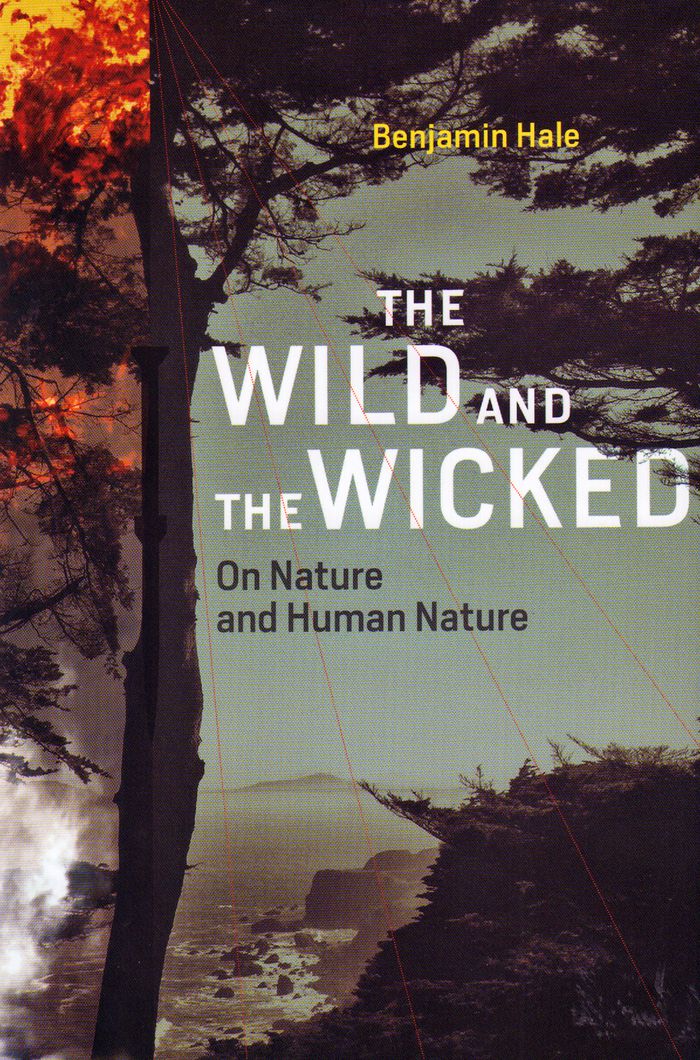
The wild and the wicked: on nature and human nature
Actions:
Prix:
$40.95
(disponible sur commande)
Résumé:
For years, environmentalists have insisted that nature is fundamentally good. In this publication, Benjamin Hale adopts the opposite position — that much of the time nature can be bad — in order to show that even if nature is cruel, we still need to be environmentally conscientious. Hale argues that environmentalists needn’t feel compelled to defend the value of nature, or even to adopt the attitudes of tree-hugging nature lovers. We can acknowledge nature’s indifference and periodic hostility. Deftly weaving anecdote and philosophy, he shows that we don’t need to love nature to be green. What really ought to be driving our environmentalism is our humanity, not nature’s value.
The wild and the wicked: on nature and human nature
Actions:
Prix:
$40.95
(disponible sur commande)
Résumé:
For years, environmentalists have insisted that nature is fundamentally good. In this publication, Benjamin Hale adopts the opposite position — that much of the time nature can be bad — in order to show that even if nature is cruel, we still need to be environmentally conscientious. Hale argues that environmentalists needn’t feel compelled to defend the value of nature, or even to adopt the attitudes of tree-hugging nature lovers. We can acknowledge nature’s indifference and periodic hostility. Deftly weaving anecdote and philosophy, he shows that we don’t need to love nature to be green. What really ought to be driving our environmentalism is our humanity, not nature’s value.
Classification:
livres
livres
Publication:
janvier 2017
janvier 2017
Classification:
livres
livres
Prix:
$37.95
(disponible sur commande)
Résumé:
Ce livre est le premier à introduire William Cronon en France où il reste très peu connu en dehors d’un public spécialisé. Sont rassemblés dans ce volume tous les grands articles de cet historien, articulant ainsi toute la gamme des propositions de son oeuvre complexe et riche. Peu d’auteurs peuvent revendiquer d’avoir écrit des articles dont chacun a été aussi influent(...)
$37.95
(disponible sur commande)
Résumé:
Ce livre est le premier à introduire William Cronon en France où il reste très peu connu en dehors d’un public spécialisé. Sont rassemblés dans ce volume tous les grands articles de cet historien, articulant ainsi toute la gamme des propositions de son oeuvre complexe et riche. Peu d’auteurs peuvent revendiquer d’avoir écrit des articles dont chacun a été aussi influent(...)
Titre:
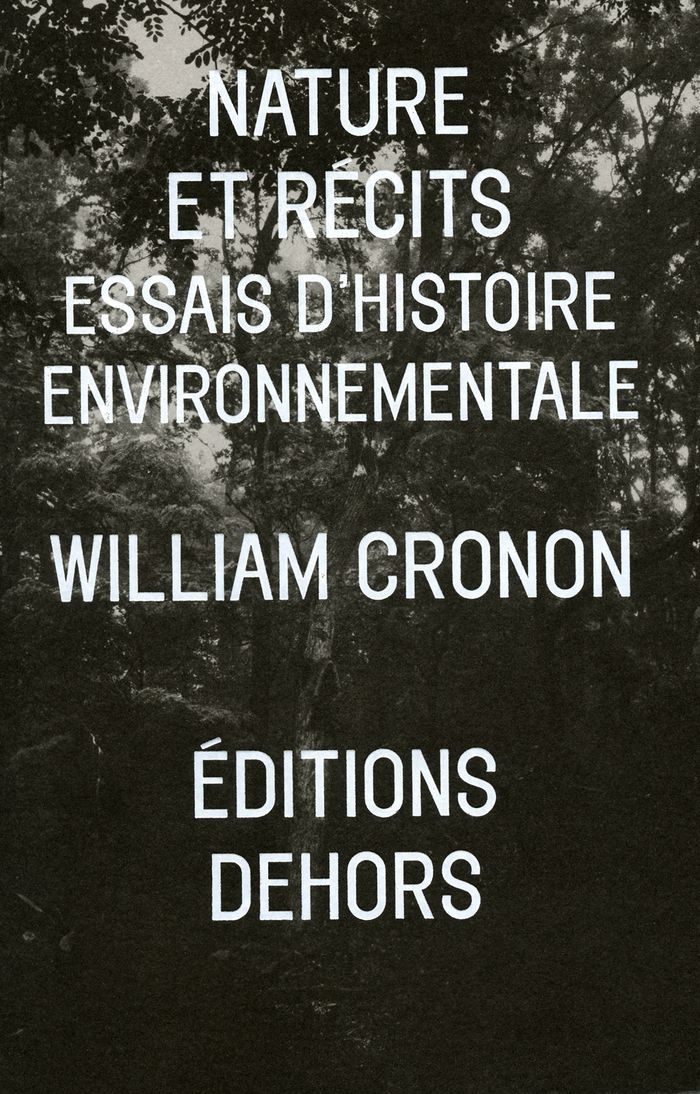
Nature et récits : essais d'histoire environnementale
Actions:
Prix:
$37.95
(disponible sur commande)
Résumé:
Ce livre est le premier à introduire William Cronon en France où il reste très peu connu en dehors d’un public spécialisé. Sont rassemblés dans ce volume tous les grands articles de cet historien, articulant ainsi toute la gamme des propositions de son oeuvre complexe et riche. Peu d’auteurs peuvent revendiquer d’avoir écrit des articles dont chacun a été aussi influent dans le monde intellectuel. Cette publication arrive dans un contexte éditorial français favorable, marqué par l’intérêt croissant pour l’histoire environnementale et la manière dont les avancées de ce type de recherches permettent aujourd’hui de repenser les questions écologiques actuelles.
Nature et récits : essais d'histoire environnementale
Actions:
Prix:
$37.95
(disponible sur commande)
Résumé:
Ce livre est le premier à introduire William Cronon en France où il reste très peu connu en dehors d’un public spécialisé. Sont rassemblés dans ce volume tous les grands articles de cet historien, articulant ainsi toute la gamme des propositions de son oeuvre complexe et riche. Peu d’auteurs peuvent revendiquer d’avoir écrit des articles dont chacun a été aussi influent dans le monde intellectuel. Cette publication arrive dans un contexte éditorial français favorable, marqué par l’intérêt croissant pour l’histoire environnementale et la manière dont les avancées de ce type de recherches permettent aujourd’hui de repenser les questions écologiques actuelles.
Classification:
livres
livres
Publication:
mai 2016
mai 2016


