


600 Résultats
Classification:
livres
livres
Actions:
Prix:
$143.95
(disponible sur commande)
Résumé:
Friedrich Weinwurm, a contemporary of Le Corbusier, Mies van der Rohe or Walter Gropius and one of the most noteworthy architects of Slovakia, can be ranked among the leading representatives of the interwar Central European architectural avant-garde. His legacy of several dozen designed and completed office buildings, single-family houses, villas and housing complexes(...)
$143.95
(disponible sur commande)
Résumé:
Friedrich Weinwurm, a contemporary of Le Corbusier, Mies van der Rohe or Walter Gropius and one of the most noteworthy architects of Slovakia, can be ranked among the leading representatives of the interwar Central European architectural avant-garde. His legacy of several dozen designed and completed office buildings, single-family houses, villas and housing complexes(...)
Titre:
Friedrich Weinwurm, architect
Actions:
Prix:
$143.95
(disponible sur commande)
Résumé:
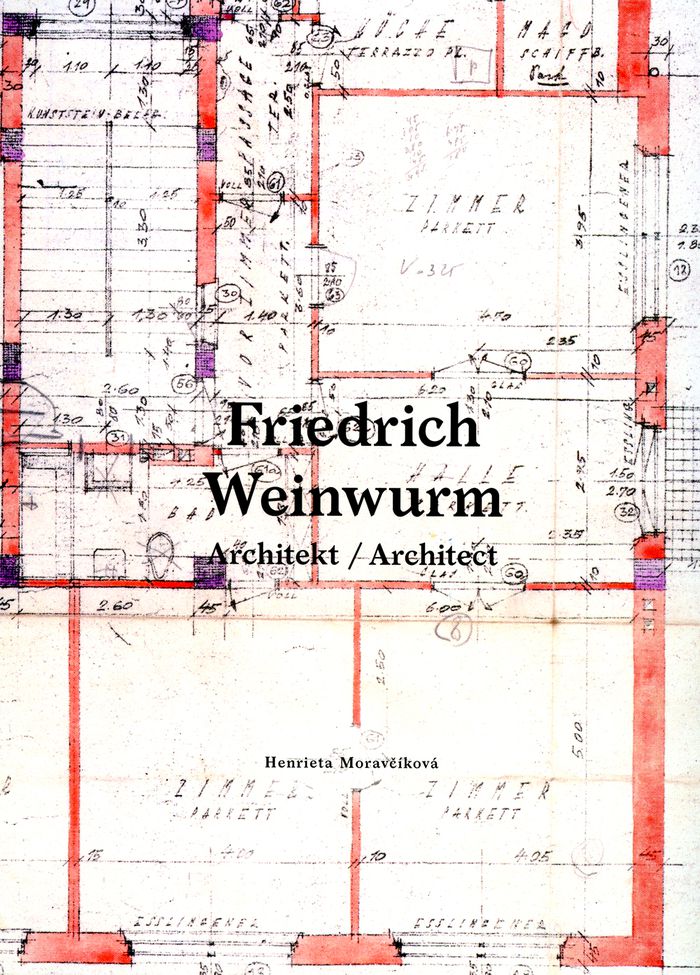
Friedrich Weinwurm, a contemporary of Le Corbusier, Mies van der Rohe or Walter Gropius and one of the most noteworthy architects of Slovakia, can be ranked among the leading representatives of the interwar Central European architectural avant-garde. His legacy of several dozen designed and completed office buildings, single-family houses, villas and housing complexes (Nová Doba, Unitas) forms an oeuvre attracting admiration today. His progressive social program and clear principles for architectural design influenced the Slovak architectural scene of the 1920s and 1930s more than the work of any other architect. The publication contains a comparison between Weinwurm´s work and its contemporary efforts on both the local and international levels, as well as its integration into the context of the domestic and broader European architectural situation.
Friedrich Weinwurm, architect
Actions:
Prix:
$143.95
(disponible sur commande)
Résumé:
Friedrich Weinwurm, a contemporary of Le Corbusier, Mies van der Rohe or Walter Gropius and one of the most noteworthy architects of Slovakia, can be ranked among the leading representatives of the interwar Central European architectural avant-garde. His legacy of several dozen designed and completed office buildings, single-family houses, villas and housing complexes (Nová Doba, Unitas) forms an oeuvre attracting admiration today. His progressive social program and clear principles for architectural design influenced the Slovak architectural scene of the 1920s and 1930s more than the work of any other architect. The publication contains a comparison between Weinwurm´s work and its contemporary efforts on both the local and international levels, as well as its integration into the context of the domestic and broader European architectural situation.
Classification:
livres
livres
Publication:
mai 2016
mai 2016
Sujet:
Architecture, monographies
Architecture, monographies
Classification:
livres
livres

Titre:
Bauhaus conflicts 1919-2009
Bauhaus conflicts 1919-2009
Actions:
Prix:
$36.00
(disponible sur commande)
Résumé:
From its founding in 1919, the function and identity of the Bauhaus was mobilized by warring factions, as it passed through the guiding hands of its three directors (the apolitical Walter Gropius, the Communist Hannes Meyer and the progressive Mies van der Rohe). Even beyond the well-known controversies that arose between colleagues during the heroic Bauhaus years, the(...)
$36.00
(disponible sur commande)
Résumé:
From its founding in 1919, the function and identity of the Bauhaus was mobilized by warring factions, as it passed through the guiding hands of its three directors (the apolitical Walter Gropius, the Communist Hannes Meyer and the progressive Mies van der Rohe). Even beyond the well-known controversies that arose between colleagues during the heroic Bauhaus years, the(...)
Titre:
Bauhaus conflicts 1919-2009
Actions:
Prix:
$36.00
(disponible sur commande)
Résumé:
From its founding in 1919, the function and identity of the Bauhaus was mobilized by warring factions, as it passed through the guiding hands of its three directors (the apolitical Walter Gropius, the Communist Hannes Meyer and the progressive Mies van der Rohe). Even beyond the well-known controversies that arose between colleagues during the heroic Bauhaus years, the reception and legacy of the various Modernist icons associated with the Bauhaus led to dispute: Socialists, Communists, Nazis, Stalinists, Capitalists, Cold Warriors, student revolutionaries in the 1960s and later dissidents, all have created their own image of the Bauhaus. The Bauhaus Debate 1919-2009 examines the critical reception of the legendary school, its teachers, students and pedagogical philosophy and the battles over its legacy that continue to this day.
Bauhaus conflicts 1919-2009
Actions:
Prix:
$36.00
(disponible sur commande)
Résumé:
From its founding in 1919, the function and identity of the Bauhaus was mobilized by warring factions, as it passed through the guiding hands of its three directors (the apolitical Walter Gropius, the Communist Hannes Meyer and the progressive Mies van der Rohe). Even beyond the well-known controversies that arose between colleagues during the heroic Bauhaus years, the reception and legacy of the various Modernist icons associated with the Bauhaus led to dispute: Socialists, Communists, Nazis, Stalinists, Capitalists, Cold Warriors, student revolutionaries in the 1960s and later dissidents, all have created their own image of the Bauhaus. The Bauhaus Debate 1919-2009 examines the critical reception of the legendary school, its teachers, students and pedagogical philosophy and the battles over its legacy that continue to this day.
Classification:
livres
livres
Publication:
janvier 2010
janvier 2010
Sujet:
Modernisme
Modernisme
Classification:
livres
livres
Titre:
From the world heritage of Wroclaw to that of Dessau : the path of Modernism architecture, 1900-1930
From the world heritage of Wroclaw to that of Dessau : the path of Modernism architecture, 1900-1930
Actions:
Prix:
$34.00
(disponible sur commande)
Résumé:
An unusual journey between Breslau and Dessau, from the World Cultural Heritage of the Centennial Hall (1913) to the World Cultural Heritage of Bauhaus dating from the twenties : and there are many highpoints of modern architecture in-between—in Görlitz, Dresden-Hellerau, Leipzig or Chemnitz, for example. Almost all the great modernist architects are gathered together(...)
$34.00
(disponible sur commande)
Résumé:
An unusual journey between Breslau and Dessau, from the World Cultural Heritage of the Centennial Hall (1913) to the World Cultural Heritage of Bauhaus dating from the twenties : and there are many highpoints of modern architecture in-between—in Görlitz, Dresden-Hellerau, Leipzig or Chemnitz, for example. Almost all the great modernist architects are gathered together(...)
Publication:
novembre 2009
novembre 2009
Titre:
From the world heritage of Wroclaw to that of Dessau : the path of Modernism architecture, 1900-1930
Actions:
Prix:
$34.00
(disponible sur commande)
Résumé:
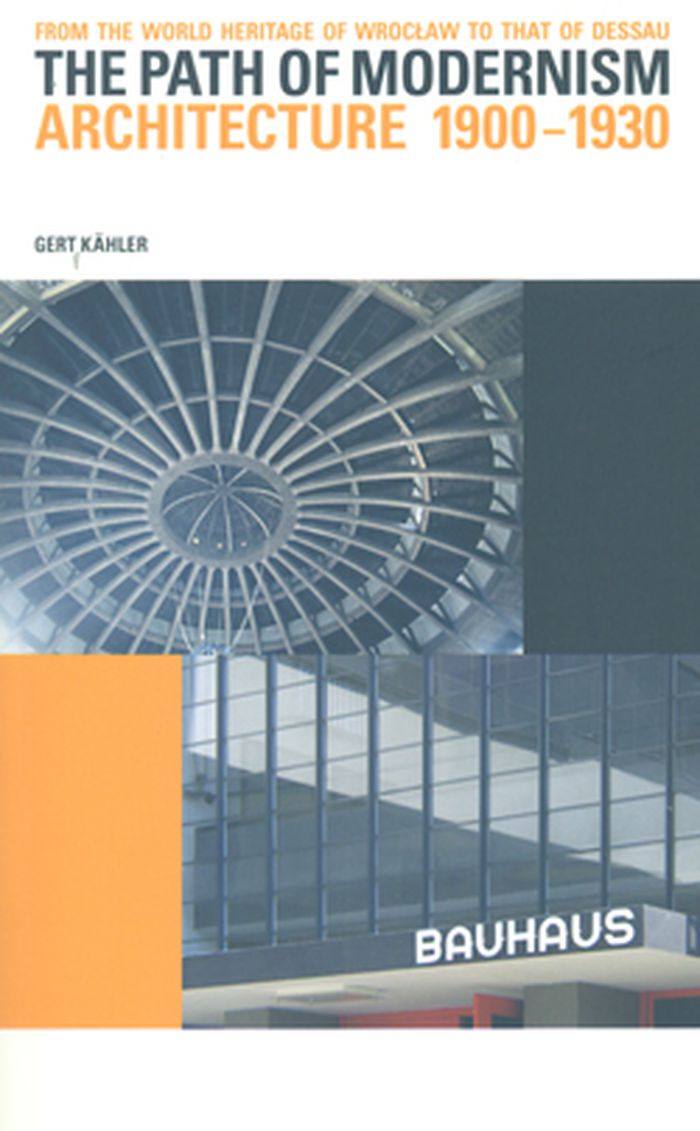
An unusual journey between Breslau and Dessau, from the World Cultural Heritage of the Centennial Hall (1913) to the World Cultural Heritage of Bauhaus dating from the twenties : and there are many highpoints of modern architecture in-between—in Görlitz, Dresden-Hellerau, Leipzig or Chemnitz, for example. Almost all the great modernist architects are gathered together here, from Hans Poelzig and Henry van de Velde to Heinrich Tessenow, Richard Riemerschmid, Hans Scharoun, Erich Mendelsohn and even Walter Gropius. But the focus is also on the cities themselves; at a very early date, their progressive building councillors thought hard about European urban development — about buildings ranging from striking tower blocks to top-quality mass housing. This publication illustrates an important chapter of architectural history in an original, condensed-format travel guide.
From the world heritage of Wroclaw to that of Dessau : the path of Modernism architecture, 1900-1930
Actions:
Prix:
$34.00
(disponible sur commande)
Résumé:
An unusual journey between Breslau and Dessau, from the World Cultural Heritage of the Centennial Hall (1913) to the World Cultural Heritage of Bauhaus dating from the twenties : and there are many highpoints of modern architecture in-between—in Görlitz, Dresden-Hellerau, Leipzig or Chemnitz, for example. Almost all the great modernist architects are gathered together here, from Hans Poelzig and Henry van de Velde to Heinrich Tessenow, Richard Riemerschmid, Hans Scharoun, Erich Mendelsohn and even Walter Gropius. But the focus is also on the cities themselves; at a very early date, their progressive building councillors thought hard about European urban development — about buildings ranging from striking tower blocks to top-quality mass housing. This publication illustrates an important chapter of architectural history in an original, condensed-format travel guide.
Classification:
livres
livres
Publication:
novembre 2009
novembre 2009
Classification:
livres
livres
Actions:
Prix:
$32.95
(disponible sur commande)
Résumé:
Nicholas Fox Weber, for thirty-four years head of the Albers Foundation, spent many years with Anni and Josef Albers, the only husband-and-wife artistic pair at the Bauhaus (she was a textile artist; he was a professor and an artist, in glass, metal, wood, and photography). The Alberses told him their own stories and described life at the Bauhaus with their fellow artists(...)
$32.95
(disponible sur commande)
Résumé:
Nicholas Fox Weber, for thirty-four years head of the Albers Foundation, spent many years with Anni and Josef Albers, the only husband-and-wife artistic pair at the Bauhaus (she was a textile artist; he was a professor and an artist, in glass, metal, wood, and photography). The Alberses told him their own stories and described life at the Bauhaus with their fellow artists(...)
Titre:
The Bauhaus group : six masters of modernism
Actions:
Prix:
$32.95
(disponible sur commande)
Résumé:
Nicholas Fox Weber, for thirty-four years head of the Albers Foundation, spent many years with Anni and Josef Albers, the only husband-and-wife artistic pair at the Bauhaus (she was a textile artist; he was a professor and an artist, in glass, metal, wood, and photography). The Alberses told him their own stories and described life at the Bauhaus with their fellow artists and teachers, Walter Gropius, Paul Klee, Wassily Kandinsky, Ludwig Mies van der Rohe, as well as with these figures' lesser-known wives and girlfriends. In thisgroup biography, Weber brings to life the pioneering art school in Germany's Weimar and Dessau in the 1920s and early 1930s, and captures the spirit and flair with which these Bauhaus geniuses lived, as well as their consuming goal of making art and architecture.
The Bauhaus group : six masters of modernism
Actions:
Prix:
$32.95
(disponible sur commande)
Résumé:
Nicholas Fox Weber, for thirty-four years head of the Albers Foundation, spent many years with Anni and Josef Albers, the only husband-and-wife artistic pair at the Bauhaus (she was a textile artist; he was a professor and an artist, in glass, metal, wood, and photography). The Alberses told him their own stories and described life at the Bauhaus with their fellow artists and teachers, Walter Gropius, Paul Klee, Wassily Kandinsky, Ludwig Mies van der Rohe, as well as with these figures' lesser-known wives and girlfriends. In thisgroup biography, Weber brings to life the pioneering art school in Germany's Weimar and Dessau in the 1920s and early 1930s, and captures the spirit and flair with which these Bauhaus geniuses lived, as well as their consuming goal of making art and architecture.
Classification:
livres
livres
Publication:
février 2011
février 2011
Sujet:
Modernisme
Modernisme
Classification:
livres
livres
Actions:
Prix:
$49.95
(disponible sur commande)
Résumé:
Furniture by Architects surveys the twentieth-century tradition of innovative furniture design by architects, which stems into the present as architects continue to design movable furnishings for their buildings, creating aesthetically unified environments. The book poses such questions as: Do architects design differently to product designers? Do they exhibit any(...)
$49.95
(disponible sur commande)
Résumé:
Furniture by Architects surveys the twentieth-century tradition of innovative furniture design by architects, which stems into the present as architects continue to design movable furnishings for their buildings, creating aesthetically unified environments. The book poses such questions as: Do architects design differently to product designers? Do they exhibit any(...)
Titre:
From Aalto to Zumthor: Furniture by architects
Actions:
Prix:
$49.95
(disponible sur commande)
Résumé:
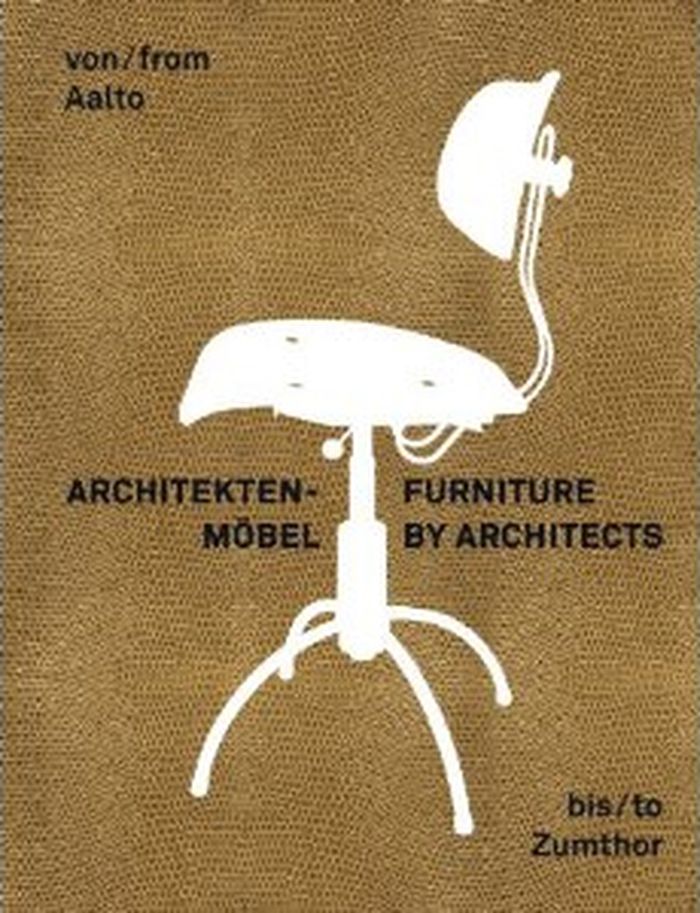
Furniture by Architects surveys the twentieth-century tradition of innovative furniture design by architects, which stems into the present as architects continue to design movable furnishings for their buildings, creating aesthetically unified environments. The book poses such questions as: Do architects design differently to product designers? Do they exhibit any consistent aesthetic preferences? Is there something typically architectural in their designs? Furniture by Architects features works by Alvar Aalto, Ron Arad, Gae Aulenti, Karl Bertsch, Emil Beutinger, Marcel Breuer, Pierre Chareau, Egon Eiermann, El Lissitsky, Norman Foster, Frank Gehry, Walter Gropius, Zaha Hadid, Marc Held, Josef Hoffmann, Arne Jacobsen, Le Corbusier, Daniel Libeskind, Gio Ponti, Richard Riemerschmid, Gerrit Rietveld, Eero Saarinen, Mackay Hugh Baillie Scott, O.M. Ungers, Mies van der Rohe, Otto Wagner, Frank Lloyd Wright and Peter Zumthor, among others.
From Aalto to Zumthor: Furniture by architects
Actions:
Prix:
$49.95
(disponible sur commande)
Résumé:
Furniture by Architects surveys the twentieth-century tradition of innovative furniture design by architects, which stems into the present as architects continue to design movable furnishings for their buildings, creating aesthetically unified environments. The book poses such questions as: Do architects design differently to product designers? Do they exhibit any consistent aesthetic preferences? Is there something typically architectural in their designs? Furniture by Architects features works by Alvar Aalto, Ron Arad, Gae Aulenti, Karl Bertsch, Emil Beutinger, Marcel Breuer, Pierre Chareau, Egon Eiermann, El Lissitsky, Norman Foster, Frank Gehry, Walter Gropius, Zaha Hadid, Marc Held, Josef Hoffmann, Arne Jacobsen, Le Corbusier, Daniel Libeskind, Gio Ponti, Richard Riemerschmid, Gerrit Rietveld, Eero Saarinen, Mackay Hugh Baillie Scott, O.M. Ungers, Mies van der Rohe, Otto Wagner, Frank Lloyd Wright and Peter Zumthor, among others.
Classification:
livres
livres
Publication:
mai 2012
mai 2012
Sujet:
Design industriel
Design industriel
Classification:
livres
livres
Actions:
Prix:
$45.95
(disponible sur commande)
Résumé:
L'année où il fut écrit, en 1923, Adolf Behne ne trouva pas d'éditeur. Quand, trois ans plus tard, il paraît, Walter Gropius et son ouvrage Architecture internationale lui ont ravi la vedette, surtout en ce qui concerne les illustrations. Au travers de la polémique qui s'ensuivit, se dessine une mutation du rôle conféré aux images de certains bâtiments, celles-ci(...)
$45.95
(disponible sur commande)
Résumé:
L'année où il fut écrit, en 1923, Adolf Behne ne trouva pas d'éditeur. Quand, trois ans plus tard, il paraît, Walter Gropius et son ouvrage Architecture internationale lui ont ravi la vedette, surtout en ce qui concerne les illustrations. Au travers de la polémique qui s'ensuivit, se dessine une mutation du rôle conféré aux images de certains bâtiments, celles-ci(...)
Titre:
La construction fonctionnelle moderne
Actions:
Prix:
$45.95
(disponible sur commande)
Résumé:
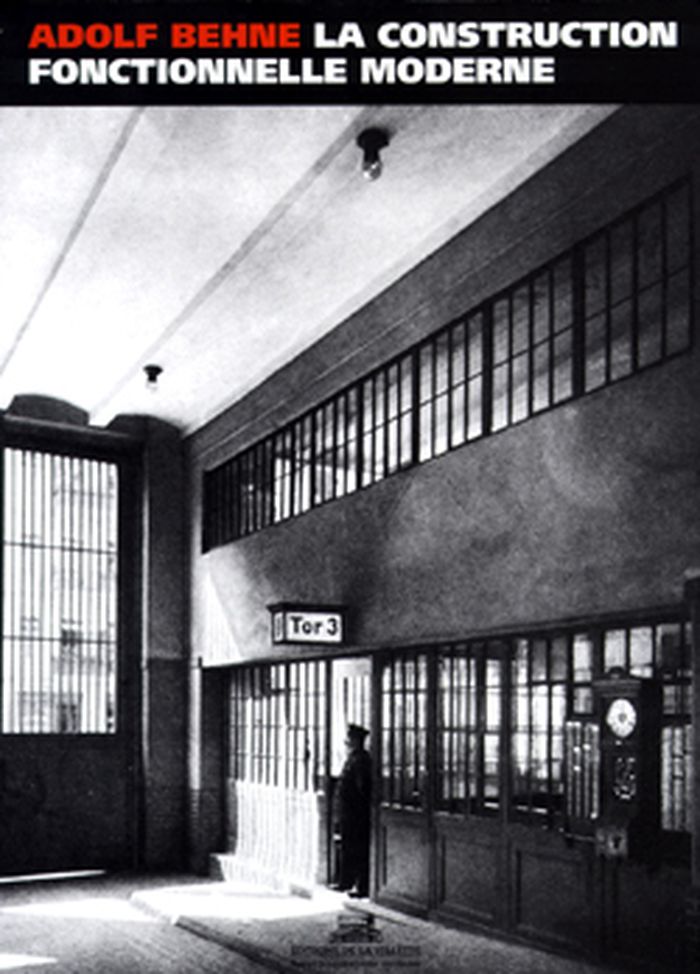
L'année où il fut écrit, en 1923, Adolf Behne ne trouva pas d'éditeur. Quand, trois ans plus tard, il paraît, Walter Gropius et son ouvrage Architecture internationale lui ont ravi la vedette, surtout en ce qui concerne les illustrations. Au travers de la polémique qui s'ensuivit, se dessine une mutation du rôle conféré aux images de certains bâtiments, celles-ci acquérant une importance majeure dans l'avènement d'une nouvelle architecture. Outre sa recherche iconographique originale, Behnes livre est surtout la première analyse précise et complète de la révolution 'qui touche l'architecture lorsqu'elle commence à éprouver la beauté vivante dans la fonction elle-même. A partir des travaux de trois architectes : Alfred Messel pour l'Allemagne, Hendrik Berlage pour la Hollande et Otto Wagner pour l'Autriche, l'auteur propose une généalogie de la construction moderne dont la finalité profonde est la restauration de l'unité perdue.
La construction fonctionnelle moderne
Actions:
Prix:
$45.95
(disponible sur commande)
Résumé:
L'année où il fut écrit, en 1923, Adolf Behne ne trouva pas d'éditeur. Quand, trois ans plus tard, il paraît, Walter Gropius et son ouvrage Architecture internationale lui ont ravi la vedette, surtout en ce qui concerne les illustrations. Au travers de la polémique qui s'ensuivit, se dessine une mutation du rôle conféré aux images de certains bâtiments, celles-ci acquérant une importance majeure dans l'avènement d'une nouvelle architecture. Outre sa recherche iconographique originale, Behnes livre est surtout la première analyse précise et complète de la révolution 'qui touche l'architecture lorsqu'elle commence à éprouver la beauté vivante dans la fonction elle-même. A partir des travaux de trois architectes : Alfred Messel pour l'Allemagne, Hendrik Berlage pour la Hollande et Otto Wagner pour l'Autriche, l'auteur propose une généalogie de la construction moderne dont la finalité profonde est la restauration de l'unité perdue.
Classification:
livres
livres
Publication:
octobre 2005, paris
octobre 2005, paris
Sujet:
Théorie de l’architecture
Théorie de l’architecture
Classification:
livres
livres
Titre:
Bauhaus World Heritage Site
Bauhaus World Heritage Site
Actions:
Prix:
$21.00
(disponible sur commande)
Résumé:
Between 1919 and 1933, the Bauhaus revolutionized prevailing ideas about architecture and design, and the construction methods associated with them. The architecture of the Bauhaus itself was equally innovative; the buildings conceived by Walter Gropius and Hannes Meyer had a lasting influence on the architecture of the 20th century. To celebrate and preserve this legacy,(...)
$21.00
(disponible sur commande)
Résumé:
Between 1919 and 1933, the Bauhaus revolutionized prevailing ideas about architecture and design, and the construction methods associated with them. The architecture of the Bauhaus itself was equally innovative; the buildings conceived by Walter Gropius and Hannes Meyer had a lasting influence on the architecture of the 20th century. To celebrate and preserve this legacy,(...)
Titre:
Bauhaus World Heritage Site
Actions:
Prix:
$21.00
(disponible sur commande)
Résumé:
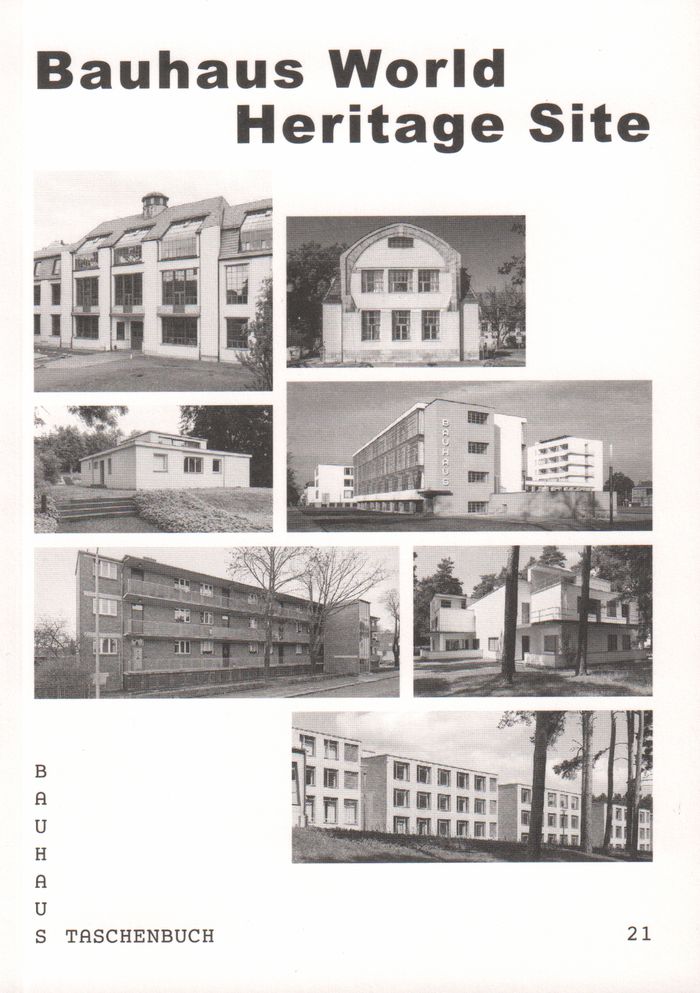
Between 1919 and 1933, the Bauhaus revolutionized prevailing ideas about architecture and design, and the construction methods associated with them. The architecture of the Bauhaus itself was equally innovative; the buildings conceived by Walter Gropius and Hannes Meyer had a lasting influence on the architecture of the 20th century. To celebrate and preserve this legacy, the Bauhaus buildings in Weimar and Dessau were named UNESCO World Heritage Sites in 1996. More recently, UNESCO added several other Bauhaus buildings to the list, including the houses with balcony access in Dessau, the ADGB Trades Union School in Bernau, the Haus am Horn and the old Art School and the old School of Arts and Crafts in Weimar. Bauhaus World Heritage Site documents the Bauhaus buildings protected by UNESCO, exploring the architectural legacy of the Bauhaus through a close look at the school’s own architecture.
Bauhaus World Heritage Site
Actions:
Prix:
$21.00
(disponible sur commande)
Résumé:
Between 1919 and 1933, the Bauhaus revolutionized prevailing ideas about architecture and design, and the construction methods associated with them. The architecture of the Bauhaus itself was equally innovative; the buildings conceived by Walter Gropius and Hannes Meyer had a lasting influence on the architecture of the 20th century. To celebrate and preserve this legacy, the Bauhaus buildings in Weimar and Dessau were named UNESCO World Heritage Sites in 1996. More recently, UNESCO added several other Bauhaus buildings to the list, including the houses with balcony access in Dessau, the ADGB Trades Union School in Bernau, the Haus am Horn and the old Art School and the old School of Arts and Crafts in Weimar. Bauhaus World Heritage Site documents the Bauhaus buildings protected by UNESCO, exploring the architectural legacy of the Bauhaus through a close look at the school’s own architecture.
Classification:
livres
livres
Publication:
juin 2018
juin 2018
Sujet:
Modernisme
Modernisme
Classification:
livres
livres
Actions:
Prix:
$72.50
(disponible sur commande)
Résumé:
With his very first building of 1924, the single-family home titled the Wohnmaschine (machine for living in), Bauhaus architect and designer Carl Fieger (1893–1960) made architectural history, greatly influencing his modernist colleagues. Later, in the '50s, he was responsible for Germany's first prefab housing. Today Fieger is probably best known as a draftsman,(...)
$72.50
(disponible sur commande)
Résumé:
With his very first building of 1924, the single-family home titled the Wohnmaschine (machine for living in), Bauhaus architect and designer Carl Fieger (1893–1960) made architectural history, greatly influencing his modernist colleagues. Later, in the '50s, he was responsible for Germany's first prefab housing. Today Fieger is probably best known as a draftsman,(...)
Titre:
Carl Fieger: from the Bauhaus to Bauakademie
Actions:
Prix:
$72.50
(disponible sur commande)
Résumé:
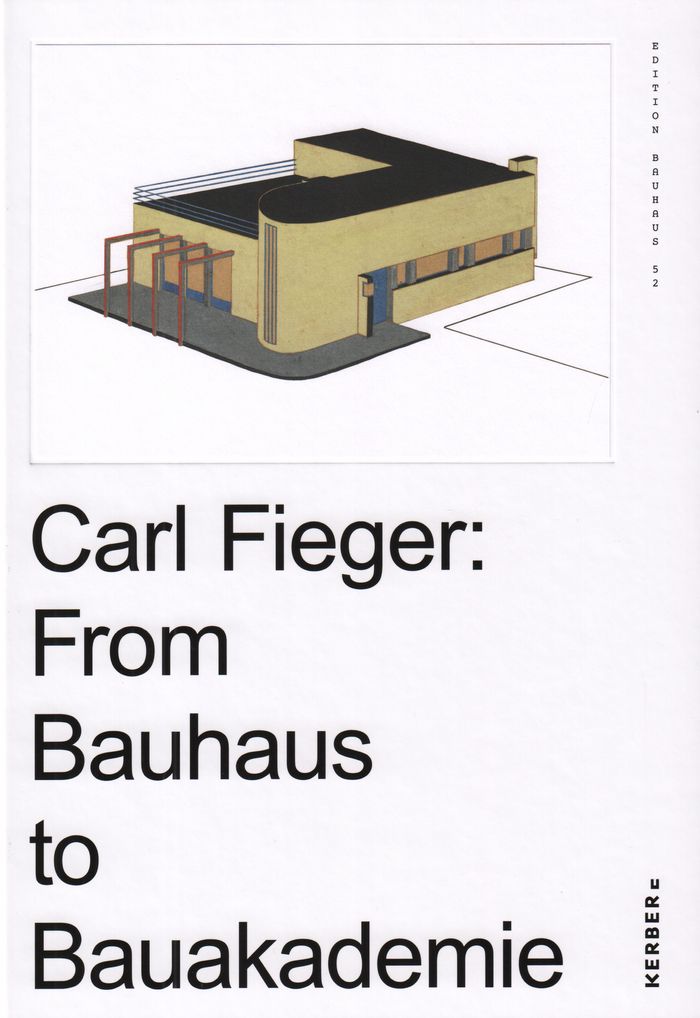
With his very first building of 1924, the single-family home titled the Wohnmaschine (machine for living in), Bauhaus architect and designer Carl Fieger (1893–1960) made architectural history, greatly influencing his modernist colleagues. Later, in the '50s, he was responsible for Germany's first prefab housing. Today Fieger is probably best known as a draftsman, initially for Peter Behrens’ office and later for the office of Walter Gropius and Adolf Meyer, where he was involved in planning numerous iconic buildings, among them the Fagus Factory in Alfeld (1922–25), and the Bauhaus Building and Masters’ Houses in Dessau. Between 1925 and 1928 he taught at the Bauhaus Dessau. Reproducing designs, drawings and photographs, this book presents the innovative projects he realized as an independent architect and furniture designer, and examines his close connection to the Bauhaus.
Carl Fieger: from the Bauhaus to Bauakademie
Actions:
Prix:
$72.50
(disponible sur commande)
Résumé:
With his very first building of 1924, the single-family home titled the Wohnmaschine (machine for living in), Bauhaus architect and designer Carl Fieger (1893–1960) made architectural history, greatly influencing his modernist colleagues. Later, in the '50s, he was responsible for Germany's first prefab housing. Today Fieger is probably best known as a draftsman, initially for Peter Behrens’ office and later for the office of Walter Gropius and Adolf Meyer, where he was involved in planning numerous iconic buildings, among them the Fagus Factory in Alfeld (1922–25), and the Bauhaus Building and Masters’ Houses in Dessau. Between 1925 and 1928 he taught at the Bauhaus Dessau. Reproducing designs, drawings and photographs, this book presents the innovative projects he realized as an independent architect and furniture designer, and examines his close connection to the Bauhaus.
Classification:
livres
livres
Publication:
juin 2018
juin 2018
Sujet:
Architecture, monographies
Architecture, monographies
Classification:
livres
livres
Actions:
Prix:
$24.95
(disponible sur commande)
Résumé:
The German architect Konrad Wachsmann (1901–80) played a major role in the development of industrialized building production, notably through his collaboration with Walter Gropius on a "Packaged House System" for prefabricated homes that could be assembled in under nine hours (Wachsmann was also known for the summer house he designed for Albert Einstein). This catalog(...)
$24.95
(disponible sur commande)
Résumé:
The German architect Konrad Wachsmann (1901–80) played a major role in the development of industrialized building production, notably through his collaboration with Walter Gropius on a "Packaged House System" for prefabricated homes that could be assembled in under nine hours (Wachsmann was also known for the summer house he designed for Albert Einstein). This catalog(...)
Titre:
The art of joining: designing the universal connector. Bauhaus Taschenbuch 23
Actions:
Prix:
$24.95
(disponible sur commande)
Résumé:
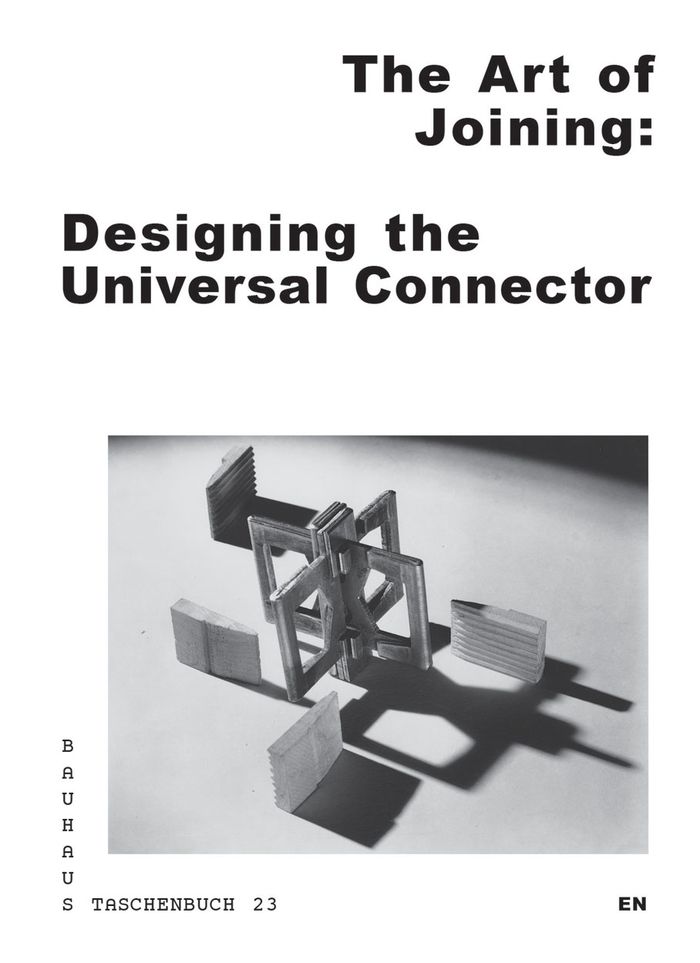
The German architect Konrad Wachsmann (1901–80) played a major role in the development of industrialized building production, notably through his collaboration with Walter Gropius on a "Packaged House System" for prefabricated homes that could be assembled in under nine hours (Wachsmann was also known for the summer house he designed for Albert Einstein). This catalog collects research conducted at the Bauhaus in 2018 focusing on the decisive and historic importance of the universal wedge connector, one of Wachsmann’s key contributions that radically expanded the capacity for industrialized home production in its deceptively simple design, saving considerable time and cost. The collected texts by scientists and designers position the connector as "the cornerstone of an industrialized building system," and elaborately trace the historical contexts of postwar modernism and industrial design that led to the development of this decisive piece of technology.
The art of joining: designing the universal connector. Bauhaus Taschenbuch 23
Actions:
Prix:
$24.95
(disponible sur commande)
Résumé:
The German architect Konrad Wachsmann (1901–80) played a major role in the development of industrialized building production, notably through his collaboration with Walter Gropius on a "Packaged House System" for prefabricated homes that could be assembled in under nine hours (Wachsmann was also known for the summer house he designed for Albert Einstein). This catalog collects research conducted at the Bauhaus in 2018 focusing on the decisive and historic importance of the universal wedge connector, one of Wachsmann’s key contributions that radically expanded the capacity for industrialized home production in its deceptively simple design, saving considerable time and cost. The collected texts by scientists and designers position the connector as "the cornerstone of an industrialized building system," and elaborately trace the historical contexts of postwar modernism and industrial design that led to the development of this decisive piece of technology.
Classification:
livres
livres
Publication:
septembre 2019
septembre 2019
Sujet:
Modernisme
Modernisme
Classification:
livres
livres
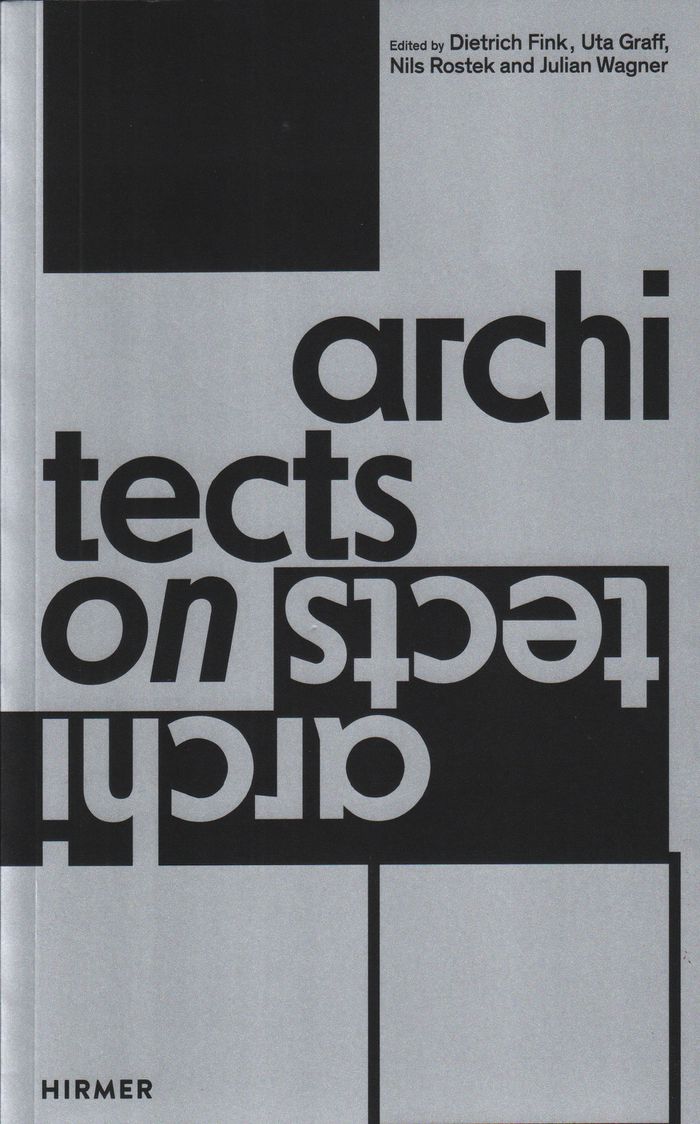
Titre:
Architects on architects
Architects on architects
Actions:
Prix:
$39.95
(disponible sur commande)
Résumé:
Architects on Architects is a collection of essays and interviews rooted in one fascinating premise: What do the architects of today have to say about their predecessors? Based on a series of lectures organized by the Department of Architecture at the Technical University of Munich, this volume explores how architects from previous generations have influenced(...)
$39.95
(disponible sur commande)
Résumé:
Architects on Architects is a collection of essays and interviews rooted in one fascinating premise: What do the architects of today have to say about their predecessors? Based on a series of lectures organized by the Department of Architecture at the Technical University of Munich, this volume explores how architects from previous generations have influenced(...)
Sujet:
Théorie de l’architecture
Théorie de l’architecture
Publication:
février 2020
février 2020
Titre:
Architects on architects
Actions:
Prix:
$39.95
(disponible sur commande)
Résumé:
Architects on Architects is a collection of essays and interviews rooted in one fascinating premise: What do the architects of today have to say about their predecessors? Based on a series of lectures organized by the Department of Architecture at the Technical University of Munich, this volume explores how architects from previous generations have influenced present-day professionals in the field. The essays touch on the relevance of historical concepts as they have been transmitted across generations and the ways in which today’s architects have used—and at times reshaped—those concepts to suit contemporary needs. The stimulating discussions involve, among others, Arno Lederer on Sigurd Lewerentz, Hans Kollhoff on Oswald Mathias Ungers, Tom Emerson on Ludwig Mies van der Rohe, Mario Botta on Louis I. Kahn and Carlo Scarpa, and Donatella Fioretti on Walter Gropius and László Maholy-Nagy.
Architects on architects
Actions:
Prix:
$39.95
(disponible sur commande)
Résumé:
Architects on Architects is a collection of essays and interviews rooted in one fascinating premise: What do the architects of today have to say about their predecessors? Based on a series of lectures organized by the Department of Architecture at the Technical University of Munich, this volume explores how architects from previous generations have influenced present-day professionals in the field. The essays touch on the relevance of historical concepts as they have been transmitted across generations and the ways in which today’s architects have used—and at times reshaped—those concepts to suit contemporary needs. The stimulating discussions involve, among others, Arno Lederer on Sigurd Lewerentz, Hans Kollhoff on Oswald Mathias Ungers, Tom Emerson on Ludwig Mies van der Rohe, Mario Botta on Louis I. Kahn and Carlo Scarpa, and Donatella Fioretti on Walter Gropius and László Maholy-Nagy.
Classification:
livres
livres
Publication:
février 2020
février 2020
Sujet:
Théorie de l’architecture
Théorie de l’architecture


