


13794 Résultats
Classification:
livres
livres
Actions:
Prix:
$30.00
(disponible en magasin)
Résumé:
Architecture is often thought to be a diary of a society, filled with symbolic representations of specific cultural moments. However, as Craig L. Wilkins observes, that diary includes far too few narratives of the diverse cultures in U.S. society. Wilkins states that the discipline of architecture has a resistance to African Americans at every level, from the startlingly(...)
$30.00
(disponible en magasin)
Résumé:
Architecture is often thought to be a diary of a society, filled with symbolic representations of specific cultural moments. However, as Craig L. Wilkins observes, that diary includes far too few narratives of the diverse cultures in U.S. society. Wilkins states that the discipline of architecture has a resistance to African Americans at every level, from the startlingly(...)
Titre:
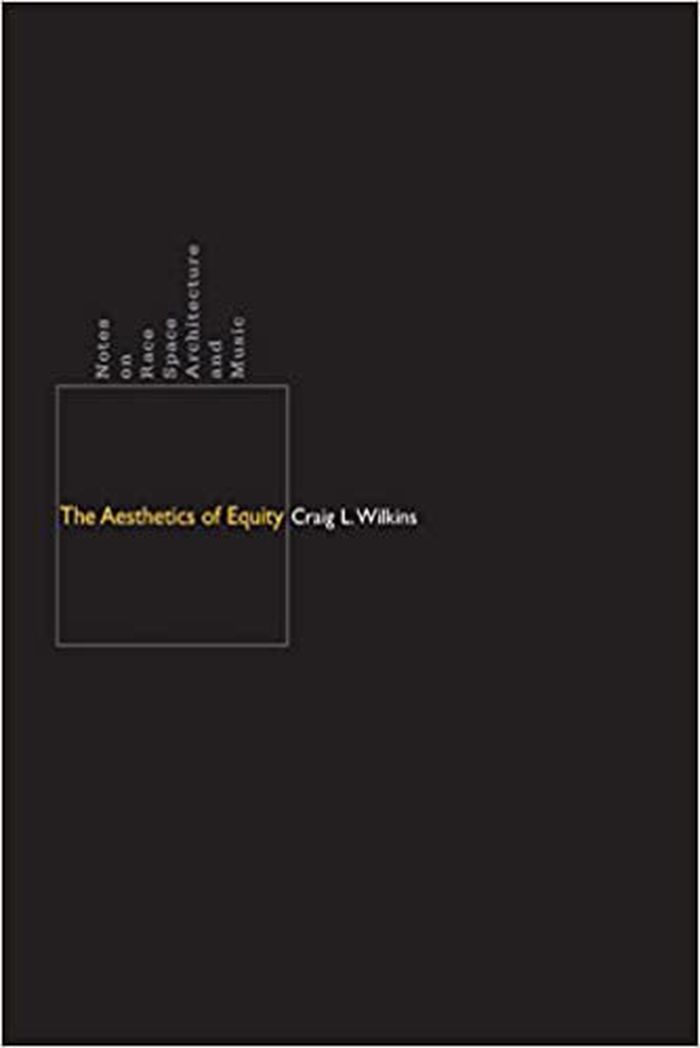
The Aesthetics of equity: notes on race, space, architecture, and music
Actions:
Prix:
$30.00
(disponible en magasin)
Résumé:
Architecture is often thought to be a diary of a society, filled with symbolic representations of specific cultural moments. However, as Craig L. Wilkins observes, that diary includes far too few narratives of the diverse cultures in U.S. society. Wilkins states that the discipline of architecture has a resistance to African Americans at every level, from the startlingly small number of architecture students to the paltry number of registered architects in the United States today. Working to understand how ideologies are formed, transmitted, and embedded in the built environment, Wilkins deconstructs how the marginalization of African Americans is authorized within the field of architecture. He then outlines how activist forms of expression shape and sustain communities, fashioning an architectural theory around the site of environmental conflict constructed by hip-hop culture. Wilkins places his concerns in a historical context, and also offers practical solutions to address them. In doing so, he reveals new possibilities for an architecture that acknowledges its current shortcomings and replies to the needs of multicultural constituencies.
The Aesthetics of equity: notes on race, space, architecture, and music
Actions:
Prix:
$30.00
(disponible en magasin)
Résumé:
Architecture is often thought to be a diary of a society, filled with symbolic representations of specific cultural moments. However, as Craig L. Wilkins observes, that diary includes far too few narratives of the diverse cultures in U.S. society. Wilkins states that the discipline of architecture has a resistance to African Americans at every level, from the startlingly small number of architecture students to the paltry number of registered architects in the United States today. Working to understand how ideologies are formed, transmitted, and embedded in the built environment, Wilkins deconstructs how the marginalization of African Americans is authorized within the field of architecture. He then outlines how activist forms of expression shape and sustain communities, fashioning an architectural theory around the site of environmental conflict constructed by hip-hop culture. Wilkins places his concerns in a historical context, and also offers practical solutions to address them. In doing so, he reveals new possibilities for an architecture that acknowledges its current shortcomings and replies to the needs of multicultural constituencies.
Classification:
livres
livres
Publication:
octobre 2007
octobre 2007
Sujet:
Théorie de l’architecture
Théorie de l’architecture
Classification:
livres
livres
Actions:
Prix:
$19.95
(disponible sur commande)
Résumé:
The Utopie group was born in 1966 at Henri Lefebvre's house in the Pyrenees. The eponymous journal edited by Hubert Tonka brought together sociologists Jean Baudrillard, René Lourau, and Catherine Cot, architects Jean Aubert, Jean-Paul Jungmann, Antoine Stinco, and landscape architect Isabelle Auricoste. Over the next decade, both in theory and in practice, the group(...)
$19.95
(disponible sur commande)
Résumé:
The Utopie group was born in 1966 at Henri Lefebvre's house in the Pyrenees. The eponymous journal edited by Hubert Tonka brought together sociologists Jean Baudrillard, René Lourau, and Catherine Cot, architects Jean Aubert, Jean-Paul Jungmann, Antoine Stinco, and landscape architect Isabelle Auricoste. Over the next decade, both in theory and in practice, the group(...)
Titre:
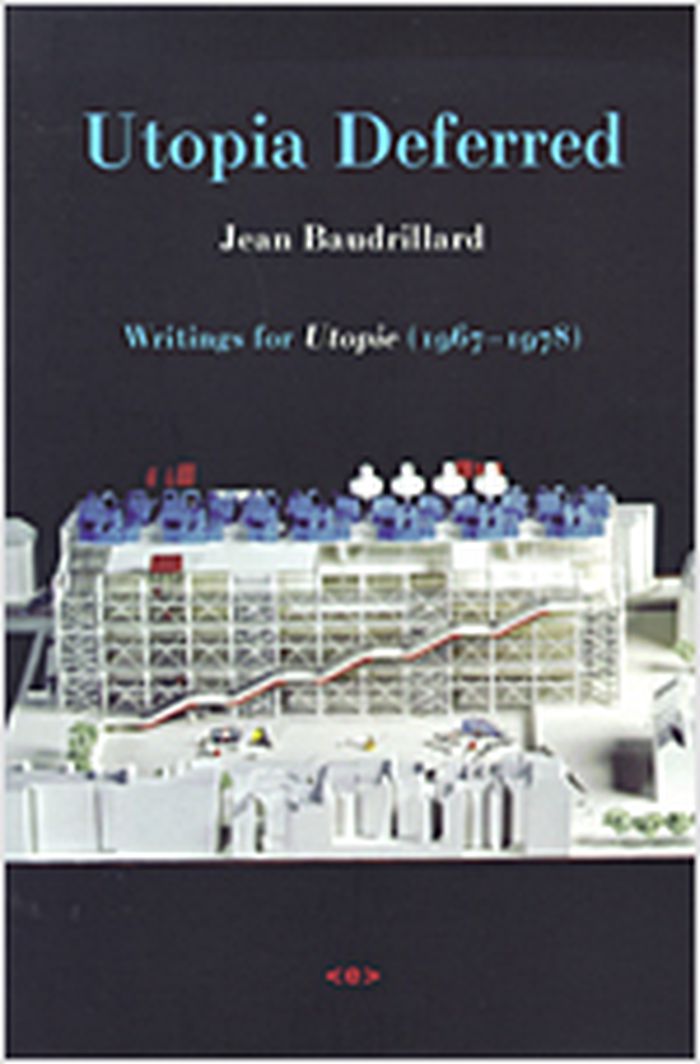
Utopia deferred : Jean Baudrillard, writings for Utopie (1967-1978)
Actions:
Prix:
$19.95
(disponible sur commande)
Résumé:
The Utopie group was born in 1966 at Henri Lefebvre's house in the Pyrenees. The eponymous journal edited by Hubert Tonka brought together sociologists Jean Baudrillard, René Lourau, and Catherine Cot, architects Jean Aubert, Jean-Paul Jungmann, Antoine Stinco, and landscape architect Isabelle Auricoste. Over the next decade, both in theory and in practice, the group articulated a radical ultra-leftist critique of architecture, urbanism, and everyday life. "Utopia deferred" collects all of the essays Jean Baudrillard published in Utopie as well as recent interviews with Jean Baudrillard and Hubert Tonka. Utopie served as a workshop for Baudrillard's thought. Many of the essays he first published in Utopie were seminal for some of his books: "For a critique of the political economy of the sign", "The mirror of production", "Simulations", "Symbolic exchange and death", and "In the shadow of the silent majorities". But Utopie was also a topical journal and a political one; the topics of these essays are often torn from the headlines of the tumultuous decade following the uprisings of May 1968.
Utopia deferred : Jean Baudrillard, writings for Utopie (1967-1978)
Actions:
Prix:
$19.95
(disponible sur commande)
Résumé:
The Utopie group was born in 1966 at Henri Lefebvre's house in the Pyrenees. The eponymous journal edited by Hubert Tonka brought together sociologists Jean Baudrillard, René Lourau, and Catherine Cot, architects Jean Aubert, Jean-Paul Jungmann, Antoine Stinco, and landscape architect Isabelle Auricoste. Over the next decade, both in theory and in practice, the group articulated a radical ultra-leftist critique of architecture, urbanism, and everyday life. "Utopia deferred" collects all of the essays Jean Baudrillard published in Utopie as well as recent interviews with Jean Baudrillard and Hubert Tonka. Utopie served as a workshop for Baudrillard's thought. Many of the essays he first published in Utopie were seminal for some of his books: "For a critique of the political economy of the sign", "The mirror of production", "Simulations", "Symbolic exchange and death", and "In the shadow of the silent majorities". But Utopie was also a topical journal and a political one; the topics of these essays are often torn from the headlines of the tumultuous decade following the uprisings of May 1968.
Classification:
livres
livres
Publication:
octobre 2006, Cambridge (MA)
octobre 2006, Cambridge (MA)
Sujet:
Théorie/ philosophie
Théorie/ philosophie
Classification:
livres
livres
Titre:
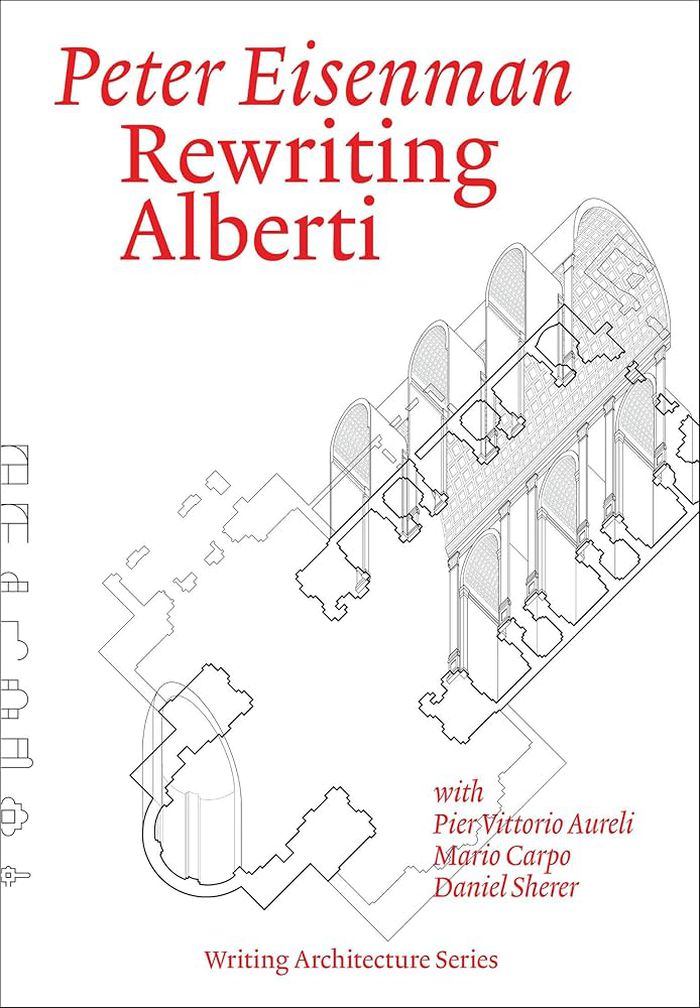
Rewriting Alberti
Rewriting Alberti
Actions:
Prix:
$45.95
(disponible sur commande)
Résumé:
Much has been written about Renaissance architect Leon Battista Alberti’s mantra of part-to-whole as one of the continuing conditions of architecture. While this underlying thesis has often been repeated in the annals of architectural history and theory, architects have rarely questioned the idea. In ''Rewriting Alberti'', architect Peter Eisenman suggests, however, that(...)
$45.95
(disponible sur commande)
Résumé:
Much has been written about Renaissance architect Leon Battista Alberti’s mantra of part-to-whole as one of the continuing conditions of architecture. While this underlying thesis has often been repeated in the annals of architectural history and theory, architects have rarely questioned the idea. In ''Rewriting Alberti'', architect Peter Eisenman suggests, however, that(...)
Sujet:
Théorie de l’architecture
Théorie de l’architecture
Publication:
octobre 2025
octobre 2025
Titre:
Rewriting Alberti
Actions:
Prix:
$45.95
(disponible sur commande)
Résumé:
Much has been written about Renaissance architect Leon Battista Alberti’s mantra of part-to-whole as one of the continuing conditions of architecture. While this underlying thesis has often been repeated in the annals of architectural history and theory, architects have rarely questioned the idea. In ''Rewriting Alberti'', architect Peter Eisenman suggests, however, that Alberti provoked a radical discourse beyond the part-to-whole dialogue featured in his Ten Books of Architecture. Eisenman’s in-depth analysis of Alberti’s five built works reveals a disjunction between the architect’s buildings and theoretical writings, suggesting a new relationship of form to meaning based on the fragmentation of homogeneous space. ''Rewriting Alberti'' includes contributions by Pier Vittorio Aureli, Mario Carpo, and Daniel Sherer. Carpo, an architectural historian and critic, theorizes that Alberti’s work initiated an idea of the discipline as a notational system akin to contemporary computational logics. By way of comparison, Sherer, an architectural historian, reconsiders critic Manfredo Tafuri’s readings of Alberti, and architect and theorist Aureli draws on Alberti to propose another idea of the architectural “project.”
Rewriting Alberti
Actions:
Prix:
$45.95
(disponible sur commande)
Résumé:
Much has been written about Renaissance architect Leon Battista Alberti’s mantra of part-to-whole as one of the continuing conditions of architecture. While this underlying thesis has often been repeated in the annals of architectural history and theory, architects have rarely questioned the idea. In ''Rewriting Alberti'', architect Peter Eisenman suggests, however, that Alberti provoked a radical discourse beyond the part-to-whole dialogue featured in his Ten Books of Architecture. Eisenman’s in-depth analysis of Alberti’s five built works reveals a disjunction between the architect’s buildings and theoretical writings, suggesting a new relationship of form to meaning based on the fragmentation of homogeneous space. ''Rewriting Alberti'' includes contributions by Pier Vittorio Aureli, Mario Carpo, and Daniel Sherer. Carpo, an architectural historian and critic, theorizes that Alberti’s work initiated an idea of the discipline as a notational system akin to contemporary computational logics. By way of comparison, Sherer, an architectural historian, reconsiders critic Manfredo Tafuri’s readings of Alberti, and architect and theorist Aureli draws on Alberti to propose another idea of the architectural “project.”
Classification:
livres
livres
Publication:
octobre 2025
octobre 2025
Sujet:
Théorie de l’architecture
Théorie de l’architecture
Classification:
livres
livres
Prix:
$118.00
(disponible sur commande)
Résumé:
The first issue of the legendary architecture journal "Pencil Points" appeared in 1920 as "a journal for the drafting room." Born out of "The Architectural Review", and merged with "Progressive Architecture" in 1943, "Pencil Points" became the leading voice in architectural and graphic design when modernism flourished, introducing key players from America and Europe. It(...)
$118.00
(disponible sur commande)
Résumé:
The first issue of the legendary architecture journal "Pencil Points" appeared in 1920 as "a journal for the drafting room." Born out of "The Architectural Review", and merged with "Progressive Architecture" in 1943, "Pencil Points" became the leading voice in architectural and graphic design when modernism flourished, introducing key players from America and Europe. It(...)
Sujet:
Théorie de l’architecture
Théorie de l’architecture
Publication:
janvier 1900, New York
janvier 1900, New York
Titre:
Pencil points reader : a journal for the drafting room, 1920-1943
Actions:
Prix:
$118.00
(disponible sur commande)
Résumé:
The first issue of the legendary architecture journal "Pencil Points" appeared in 1920 as "a journal for the drafting room." Born out of "The Architectural Review", and merged with "Progressive Architecture" in 1943, "Pencil Points" became the leading voice in architectural and graphic design when modernism flourished, introducing key players from America and Europe. It also established the agenda in architectural theory: multivolume pieces by John Harbeson, Talbot Hamlin, Hugh Ferris, and others dealt with major issues that are still relevant today - architectural education and practice, small-house design and portable housing, city planning, and the influence (or not) of modernism. Items like George Nelson's series of reports from Europe in the early 1930's, H. Van Buren Magonigle's diatribes against modernism, and a glossary of École des Beaux-Arts terms sit side-by-side with the best architectural drawings and photographs of the 20th century. "Pencil Points Reader" re-publishes the most important essays from the journal's 23 years, arranged chronologically, and offers an insider's introduction by John Morris Dixon, the former executive editor of "Progressive Architecture".
Pencil points reader : a journal for the drafting room, 1920-1943
Actions:
Prix:
$118.00
(disponible sur commande)
Résumé:
The first issue of the legendary architecture journal "Pencil Points" appeared in 1920 as "a journal for the drafting room." Born out of "The Architectural Review", and merged with "Progressive Architecture" in 1943, "Pencil Points" became the leading voice in architectural and graphic design when modernism flourished, introducing key players from America and Europe. It also established the agenda in architectural theory: multivolume pieces by John Harbeson, Talbot Hamlin, Hugh Ferris, and others dealt with major issues that are still relevant today - architectural education and practice, small-house design and portable housing, city planning, and the influence (or not) of modernism. Items like George Nelson's series of reports from Europe in the early 1930's, H. Van Buren Magonigle's diatribes against modernism, and a glossary of École des Beaux-Arts terms sit side-by-side with the best architectural drawings and photographs of the 20th century. "Pencil Points Reader" re-publishes the most important essays from the journal's 23 years, arranged chronologically, and offers an insider's introduction by John Morris Dixon, the former executive editor of "Progressive Architecture".
Classification:
livres
livres
Publication:
janvier 1900, New York
janvier 1900, New York
Sujet:
Théorie de l’architecture
Théorie de l’architecture
Classification:
livres
livres
Actions:
Prix:
$63.95
(disponible sur commande)
Résumé:
Reyner Banham (1922-88) was one of the most influential writers on architecture, design, and popular culture from the mid-1950s to the late 1980s. Trained in mechanical engineering and art history, he was convinced that technology was making society not only more exciting but more democratic. His combination of academic rigor and pop culture sensibility put him in(...)
$63.95
(disponible sur commande)
Résumé:
Reyner Banham (1922-88) was one of the most influential writers on architecture, design, and popular culture from the mid-1950s to the late 1980s. Trained in mechanical engineering and art history, he was convinced that technology was making society not only more exciting but more democratic. His combination of academic rigor and pop culture sensibility put him in(...)
Titre:
Reyner Banham : historian of the immediate future
Actions:
Prix:
$63.95
(disponible sur commande)
Résumé:
Reyner Banham (1922-88) was one of the most influential writers on architecture, design, and popular culture from the mid-1950s to the late 1980s. Trained in mechanical engineering and art history, he was convinced that technology was making society not only more exciting but more democratic. His combination of academic rigor and pop culture sensibility put him in opposition to both traditionalists and orthodox Modernists, but placed him in a unique position to understand the cultural, social, and political implications of the visual arts in the postwar period. His first book, "Theory and Design in the First Machine Age", was central to the overhaul of Modernism, and it gave Futurism and Expressionism credibility amid the dynamism and change of the 1960s. This intellectual biography is the first comprehensive critical examination of Banham’s theories and ideas, not only on architecture but also on the wide variety of subjects that interested him. It covers the full range of his oeuvre and discusses the values, enthusiasms, and influences that formed his thinking.
Reyner Banham : historian of the immediate future
Actions:
Prix:
$63.95
(disponible sur commande)
Résumé:
Reyner Banham (1922-88) was one of the most influential writers on architecture, design, and popular culture from the mid-1950s to the late 1980s. Trained in mechanical engineering and art history, he was convinced that technology was making society not only more exciting but more democratic. His combination of academic rigor and pop culture sensibility put him in opposition to both traditionalists and orthodox Modernists, but placed him in a unique position to understand the cultural, social, and political implications of the visual arts in the postwar period. His first book, "Theory and Design in the First Machine Age", was central to the overhaul of Modernism, and it gave Futurism and Expressionism credibility amid the dynamism and change of the 1960s. This intellectual biography is the first comprehensive critical examination of Banham’s theories and ideas, not only on architecture but also on the wide variety of subjects that interested him. It covers the full range of his oeuvre and discusses the values, enthusiasms, and influences that formed his thinking.
Classification:
livres
livres
Publication:
octobre 2001, Cambridge, MA
octobre 2001, Cambridge, MA
Sujet:
Théorie de l’architecture
Théorie de l’architecture
Classification:
livres
livres
Actions:
Prix:
$30.95
(disponible sur commande)
Résumé:
In a world of disruptions and seemingly endless complexity, cities have become central to thinking about the future of humanity. Yet the study of cities is fragmented among different silos of expertise, diverse genres of scholarship, and widening chasms between theory and practice. How can we do better? ''Cities Rethought'' suggests that we need to remake the way we see(...)
$30.95
(disponible sur commande)
Résumé:
In a world of disruptions and seemingly endless complexity, cities have become central to thinking about the future of humanity. Yet the study of cities is fragmented among different silos of expertise, diverse genres of scholarship, and widening chasms between theory and practice. How can we do better? ''Cities Rethought'' suggests that we need to remake the way we see(...)
Sujet:
Théorie de l’urbanisme
Théorie de l’urbanisme
Publication:
janvier 2025
janvier 2025
Titre:
Cities rethought: A new urban disposition
Actions:
Prix:
$30.95
(disponible sur commande)
Résumé:
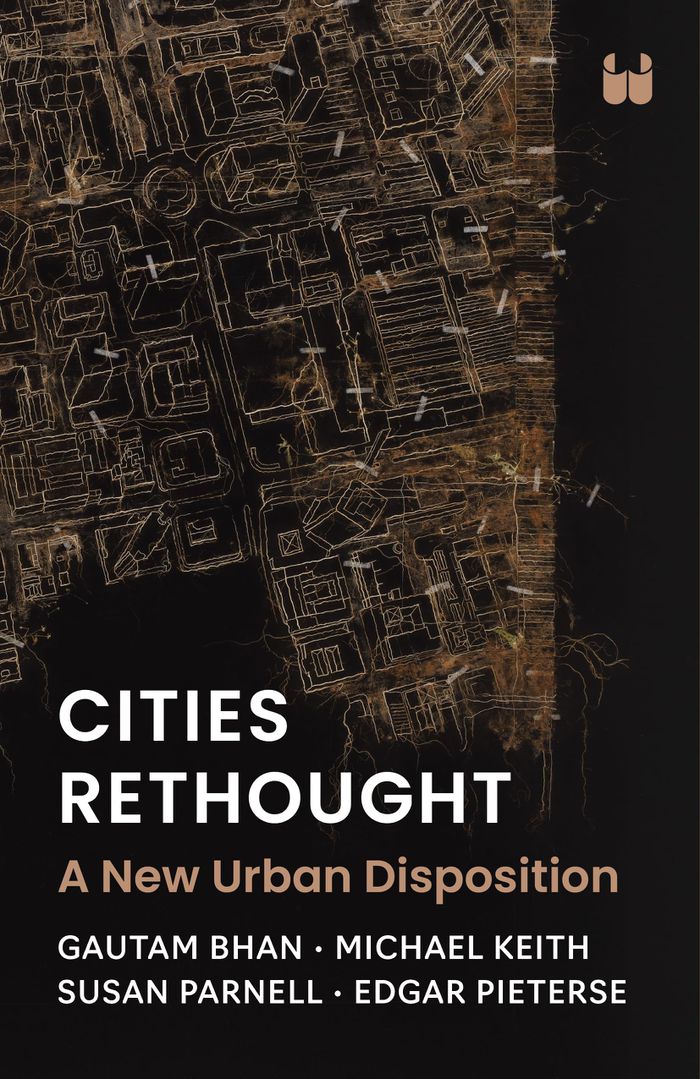
In a world of disruptions and seemingly endless complexity, cities have become central to thinking about the future of humanity. Yet the study of cities is fragmented among different silos of expertise, diverse genres of scholarship, and widening chasms between theory and practice. How can we do better? ''Cities Rethought'' suggests that we need to remake the way we see and know cities in order to rethink how we act and intervene within them. To this end, it offers the contours of a new urban disposition. Its normative, analytical, and operational elements offer an opportunity for scholars, practitioners, and citizens alike to approach the complexity of cities anew. Written collectively for a wide audience, the text draws from cities across the global north and south, speaks across diverse genres of ideas, and reflects on the lived experience of the authors as both researchers and practitioners. It is an essential text for anyone committed to knowing their own cities as well as finding ways to meaningfully intervene in them.
Cities rethought: A new urban disposition
Actions:
Prix:
$30.95
(disponible sur commande)
Résumé:
In a world of disruptions and seemingly endless complexity, cities have become central to thinking about the future of humanity. Yet the study of cities is fragmented among different silos of expertise, diverse genres of scholarship, and widening chasms between theory and practice. How can we do better? ''Cities Rethought'' suggests that we need to remake the way we see and know cities in order to rethink how we act and intervene within them. To this end, it offers the contours of a new urban disposition. Its normative, analytical, and operational elements offer an opportunity for scholars, practitioners, and citizens alike to approach the complexity of cities anew. Written collectively for a wide audience, the text draws from cities across the global north and south, speaks across diverse genres of ideas, and reflects on the lived experience of the authors as both researchers and practitioners. It is an essential text for anyone committed to knowing their own cities as well as finding ways to meaningfully intervene in them.
Classification:
livres
livres
Publication:
janvier 2025
janvier 2025
Sujet:
Théorie de l’urbanisme
Théorie de l’urbanisme
Classification:
livres
livres
Actions:
Prix:
$59.95
(disponible sur commande)
Résumé:
The goal of this book is to introduce designers to the many research tools that can be used to inform design as well as to ideas about how and when to deploy them effectively. The chapter authors come from diverse institutions and enterprises, including Stanford University, MIT, Intel, Maxis, Studio Anybody, Sweden?s HUMlab, and Big Blue Dot. Each has something to say(...)
$59.95
(disponible sur commande)
Résumé:
The goal of this book is to introduce designers to the many research tools that can be used to inform design as well as to ideas about how and when to deploy them effectively. The chapter authors come from diverse institutions and enterprises, including Stanford University, MIT, Intel, Maxis, Studio Anybody, Sweden?s HUMlab, and Big Blue Dot. Each has something to say(...)
Titre:
Design research : methods and perspectives
Actions:
Prix:
$59.95
(disponible sur commande)
Résumé:
The goal of this book is to introduce designers to the many research tools that can be used to inform design as well as to ideas about how and when to deploy them effectively. The chapter authors come from diverse institutions and enterprises, including Stanford University, MIT, Intel, Maxis, Studio Anybody, Sweden?s HUMlab, and Big Blue Dot. Each has something to say about how designers make themselves better at what they do through research, and illustrates it with real world examples--case studies, anecdotes, and images. Topics of this multi-voice conversation include qualitative and quantitative methods, performance ethnography and design improvisation, trend research, cultural diversity, formal and structural research practice, tactical discussions of design research process, and case studies drawn from areas as unique as computer games, museum information systems, and movies. Interspersed throughout the book are one-page "demos," snapshots of the design research experience. Design Research charts the paths from research methods to research findings to design principles to design results and demonstrates the transformation of theory into a richly satisfying and more reliably successful practice.
Design research : methods and perspectives
Actions:
Prix:
$59.95
(disponible sur commande)
Résumé:
The goal of this book is to introduce designers to the many research tools that can be used to inform design as well as to ideas about how and when to deploy them effectively. The chapter authors come from diverse institutions and enterprises, including Stanford University, MIT, Intel, Maxis, Studio Anybody, Sweden?s HUMlab, and Big Blue Dot. Each has something to say about how designers make themselves better at what they do through research, and illustrates it with real world examples--case studies, anecdotes, and images. Topics of this multi-voice conversation include qualitative and quantitative methods, performance ethnography and design improvisation, trend research, cultural diversity, formal and structural research practice, tactical discussions of design research process, and case studies drawn from areas as unique as computer games, museum information systems, and movies. Interspersed throughout the book are one-page "demos," snapshots of the design research experience. Design Research charts the paths from research methods to research findings to design principles to design results and demonstrates the transformation of theory into a richly satisfying and more reliably successful practice.
Classification:
livres
livres
Publication:
février 2004, Cambridge, Mass.
février 2004, Cambridge, Mass.
Sujet:
Théorie de l’architecture
Théorie de l’architecture
Classification:
livres
livres

Actions:
Prix:
$28.95
(disponible sur commande)
Résumé:
Artists surveyed include: Joseph Albers, Mel Bochner, Daniel Buren, Carlos Cruz-Diez, Robert Delaunay, Sonia Delaunay, Jimmie Durham, Helen Frankenthaler, Paul Gauguin, Donald Judd, Wassily Kandinsky, Paul Klee, Yves Klein, Kazimir Malevich, Piero Manzoni, Henri Matisse, Henri Michaux, Beatriz Milhazes, Piet Mondrian, Barnett Newman, Kenneth Noland, Hélio Oiticica, Paul(...)
$28.95
(disponible sur commande)
Résumé:
Artists surveyed include: Joseph Albers, Mel Bochner, Daniel Buren, Carlos Cruz-Diez, Robert Delaunay, Sonia Delaunay, Jimmie Durham, Helen Frankenthaler, Paul Gauguin, Donald Judd, Wassily Kandinsky, Paul Klee, Yves Klein, Kazimir Malevich, Piero Manzoni, Henri Matisse, Henri Michaux, Beatriz Milhazes, Piet Mondrian, Barnett Newman, Kenneth Noland, Hélio Oiticica, Paul(...)
Titre:
Colour: Documents on comtemporary art
Actions:
Prix:
$28.95
(disponible sur commande)
Résumé:
Artists surveyed include: Joseph Albers, Mel Bochner, Daniel Buren, Carlos Cruz-Diez, Robert Delaunay, Sonia Delaunay, Jimmie Durham, Helen Frankenthaler, Paul Gauguin, Donald Judd, Wassily Kandinsky, Paul Klee, Yves Klein, Kazimir Malevich, Piero Manzoni, Henri Matisse, Henri Michaux, Beatriz Milhazes, Piet Mondrian, Barnett Newman, Kenneth Noland, Hélio Oiticica, Paul Signac, Ad Reinhardt, Gerhard Richter, Aleksandr Rodchenko, Bridget Riley, Mark Rothko, Yinka Shonibare, Jessica Stockholder, Theo van Doesburg, Vincent van Gogh, Victor Vasarely, Rachel Whiteread. Writers include: Theodor Adorno, Roland Barthes, Charles Baudelaire, Jean Baudrillard, Walter Benjamin, Charles Blanc, Jacques Derrida, Thierry de Duve, Umberto Eco, Victoria Finlay, Joris-Karl Huysmans, Johannes Itten, Julia Kristeva, Claude Lévi-Strauss, Jacqueline Lichtenstein, Maurice Merleau-Ponty, John Ruskin, Adrian Stokes, Ludwig Wittgenstein. About the Editor: David Batchelor is an artist and writer who has exhibited widely in Europe and America. Senior Tutor in Critical Theory in the Department of Curating Contemporary Art at the Royal College of Art, London, he is a frequent contributor to such journals as Artforum and Frieze and the author of Minimalism and Chromophobia.
Colour: Documents on comtemporary art
Actions:
Prix:
$28.95
(disponible sur commande)
Résumé:
Artists surveyed include: Joseph Albers, Mel Bochner, Daniel Buren, Carlos Cruz-Diez, Robert Delaunay, Sonia Delaunay, Jimmie Durham, Helen Frankenthaler, Paul Gauguin, Donald Judd, Wassily Kandinsky, Paul Klee, Yves Klein, Kazimir Malevich, Piero Manzoni, Henri Matisse, Henri Michaux, Beatriz Milhazes, Piet Mondrian, Barnett Newman, Kenneth Noland, Hélio Oiticica, Paul Signac, Ad Reinhardt, Gerhard Richter, Aleksandr Rodchenko, Bridget Riley, Mark Rothko, Yinka Shonibare, Jessica Stockholder, Theo van Doesburg, Vincent van Gogh, Victor Vasarely, Rachel Whiteread. Writers include: Theodor Adorno, Roland Barthes, Charles Baudelaire, Jean Baudrillard, Walter Benjamin, Charles Blanc, Jacques Derrida, Thierry de Duve, Umberto Eco, Victoria Finlay, Joris-Karl Huysmans, Johannes Itten, Julia Kristeva, Claude Lévi-Strauss, Jacqueline Lichtenstein, Maurice Merleau-Ponty, John Ruskin, Adrian Stokes, Ludwig Wittgenstein. About the Editor: David Batchelor is an artist and writer who has exhibited widely in Europe and America. Senior Tutor in Critical Theory in the Department of Curating Contemporary Art at the Royal College of Art, London, he is a frequent contributor to such journals as Artforum and Frieze and the author of Minimalism and Chromophobia.
Classification:
livres
livres
Publication:
mars 2008, London/Massachusetts
mars 2008, London/Massachusetts
Sujet:
Théorie de l’art
Théorie de l’art
Classification:
livres
livres
Titre:
Andy Warhol: blow job
Andy Warhol: blow job
Actions:
Prix:
$16.00
(disponible sur commande)
Résumé:
In Andy Warhol's silent black-and-white movie, Blow Job (1964), a youth is filmed as he is apparently being given the sex act named in the title. The 35-minute film is accentuated by the paucity of expression on the actor's face: we see only his head and shoulders, rigidly framed so that all offscreen space has to be imagined, or avoided. In this extended examination of(...)
$16.00
(disponible sur commande)
Résumé:
In Andy Warhol's silent black-and-white movie, Blow Job (1964), a youth is filmed as he is apparently being given the sex act named in the title. The 35-minute film is accentuated by the paucity of expression on the actor's face: we see only his head and shoulders, rigidly framed so that all offscreen space has to be imagined, or avoided. In this extended examination of(...)
Titre:
Andy Warhol: blow job
Actions:
Prix:
$16.00
(disponible sur commande)
Résumé:
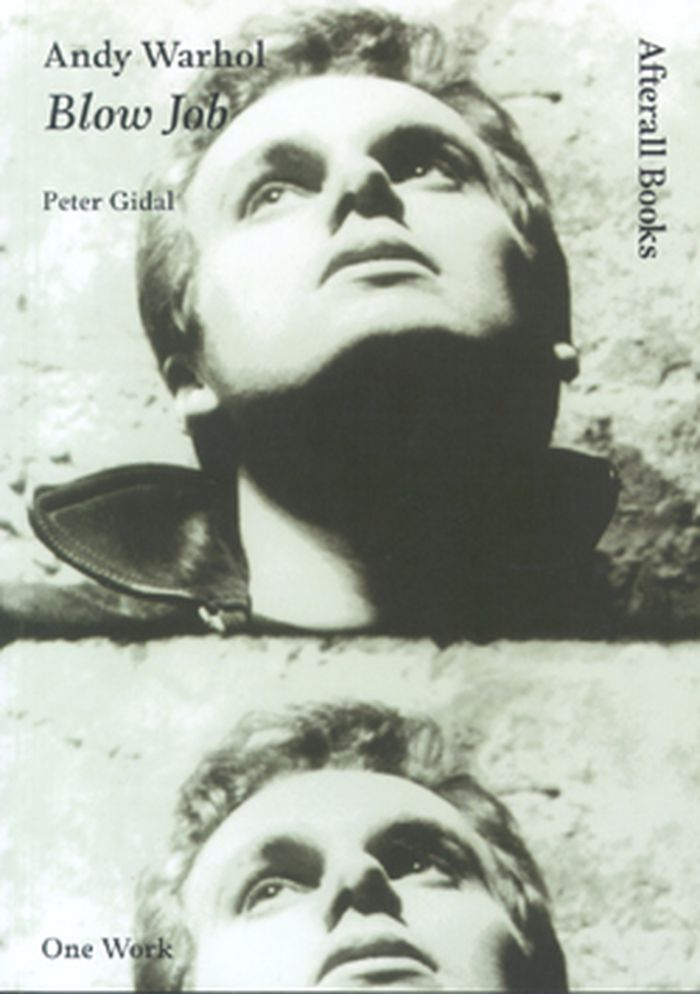
In Andy Warhol's silent black-and-white movie, Blow Job (1964), a youth is filmed as he is apparently being given the sex act named in the title. The 35-minute film is accentuated by the paucity of expression on the actor's face: we see only his head and shoulders, rigidly framed so that all offscreen space has to be imagined, or avoided. In this extended examination of Blow Job, Peter Gidal deciphers the structures, abstract and concrete, of Warhol's crucial film. Warhol's techniques—the use of the close-up, the general use of camera movement, and the complete theatrical mise en scène—(especially when compared to the Godardian cinéma vérité of the time) make the materiality of the film process, its making and viewing, ineluctably present. An important experimental filmmaker, Gidal has had retrospectives at the London Film-Maker's Co-op; the Centre Pompidou, Paris; the National Film Theatre, London, as well as in Japan and San Francisco. He taught advanced film theory at the Royal College of Art, London, from 1971-1983.
Andy Warhol: blow job
Actions:
Prix:
$16.00
(disponible sur commande)
Résumé:
In Andy Warhol's silent black-and-white movie, Blow Job (1964), a youth is filmed as he is apparently being given the sex act named in the title. The 35-minute film is accentuated by the paucity of expression on the actor's face: we see only his head and shoulders, rigidly framed so that all offscreen space has to be imagined, or avoided. In this extended examination of Blow Job, Peter Gidal deciphers the structures, abstract and concrete, of Warhol's crucial film. Warhol's techniques—the use of the close-up, the general use of camera movement, and the complete theatrical mise en scène—(especially when compared to the Godardian cinéma vérité of the time) make the materiality of the film process, its making and viewing, ineluctably present. An important experimental filmmaker, Gidal has had retrospectives at the London Film-Maker's Co-op; the Centre Pompidou, Paris; the National Film Theatre, London, as well as in Japan and San Francisco. He taught advanced film theory at the Royal College of Art, London, from 1971-1983.
Classification:
livres
livres
Publication:
janvier 1900, London
janvier 1900, London
Sujet:
Théorie de l’art
Théorie de l’art
Classification:
livres
livres
Actions:
Prix:
$16.95
(disponible sur commande)
Résumé:
In 1975 Bas Jan Ader disappeared at sea while trying to sail from the East Coast of the United States to Europe as part of a project titled In Search of the Miraculous. The circumstances of his disappearance have led many interpreters to identify Ader (as a person) with the role of the tragic romantic hero. The cult status of the artist as a hero whose work is(...)
$16.95
(disponible sur commande)
Résumé:
In 1975 Bas Jan Ader disappeared at sea while trying to sail from the East Coast of the United States to Europe as part of a project titled In Search of the Miraculous. The circumstances of his disappearance have led many interpreters to identify Ader (as a person) with the role of the tragic romantic hero. The cult status of the artist as a hero whose work is(...)
Titre:
Bas Jan Ader: in the search of the miraculous
Actions:
Prix:
$16.95
(disponible sur commande)
Résumé:
In 1975 Bas Jan Ader disappeared at sea while trying to sail from the East Coast of the United States to Europe as part of a project titled In Search of the Miraculous. The circumstances of his disappearance have led many interpreters to identify Ader (as a person) with the role of the tragic romantic hero. The cult status of the artist as a hero whose work is authenticated through his death, however, has obscured the fact that Ader's art was a critical investigation of precisely those romantic motives his persona has now come to be identified with. This book unpicks these ties in Ader's work in order to highlight the specific and unique way in which Ader explores the existential and emotional with an artistic approach that is as conceptual and analytic as it is poetic and personal. Jan Verwoert lives in Hamburg and works as a freelance writer. He is a member of the advisory board of the Kunstverein Munich and Guest Professor of Contemporary Art and Theory at the Academy of Umeå.
Bas Jan Ader: in the search of the miraculous
Actions:
Prix:
$16.95
(disponible sur commande)
Résumé:
In 1975 Bas Jan Ader disappeared at sea while trying to sail from the East Coast of the United States to Europe as part of a project titled In Search of the Miraculous. The circumstances of his disappearance have led many interpreters to identify Ader (as a person) with the role of the tragic romantic hero. The cult status of the artist as a hero whose work is authenticated through his death, however, has obscured the fact that Ader's art was a critical investigation of precisely those romantic motives his persona has now come to be identified with. This book unpicks these ties in Ader's work in order to highlight the specific and unique way in which Ader explores the existential and emotional with an artistic approach that is as conceptual and analytic as it is poetic and personal. Jan Verwoert lives in Hamburg and works as a freelance writer. He is a member of the advisory board of the Kunstverein Munich and Guest Professor of Contemporary Art and Theory at the Academy of Umeå.
Classification:
livres
livres
Publication:
janvier 1900, London
janvier 1900, London
Sujet:
Théorie de l’art
Théorie de l’art


