


13794 Résultats
Classification:
livres
livres
Actions:
Prix:
$32.95
(disponible sur commande)
Résumé:
Writing, according to Panayotis Tournikiotis, has always exerted a powerful influence on architecture. Indeed, the study of modern architecture cannot be separated from a fascination with the texts that have tried to explain the idea of a new architecture in a new society. During the last forty years, the question of the relationship of architecture to its history - of(...)
$32.95
(disponible sur commande)
Résumé:
Writing, according to Panayotis Tournikiotis, has always exerted a powerful influence on architecture. Indeed, the study of modern architecture cannot be separated from a fascination with the texts that have tried to explain the idea of a new architecture in a new society. During the last forty years, the question of the relationship of architecture to its history - of(...)
Sujet:
Théorie de l’architecture
Théorie de l’architecture
Publication:
avril 2001, Cambridge, Mass.
avril 2001, Cambridge, Mass.
Titre:
The historiography of modern architecture
Actions:
Prix:
$32.95
(disponible sur commande)
Résumé:
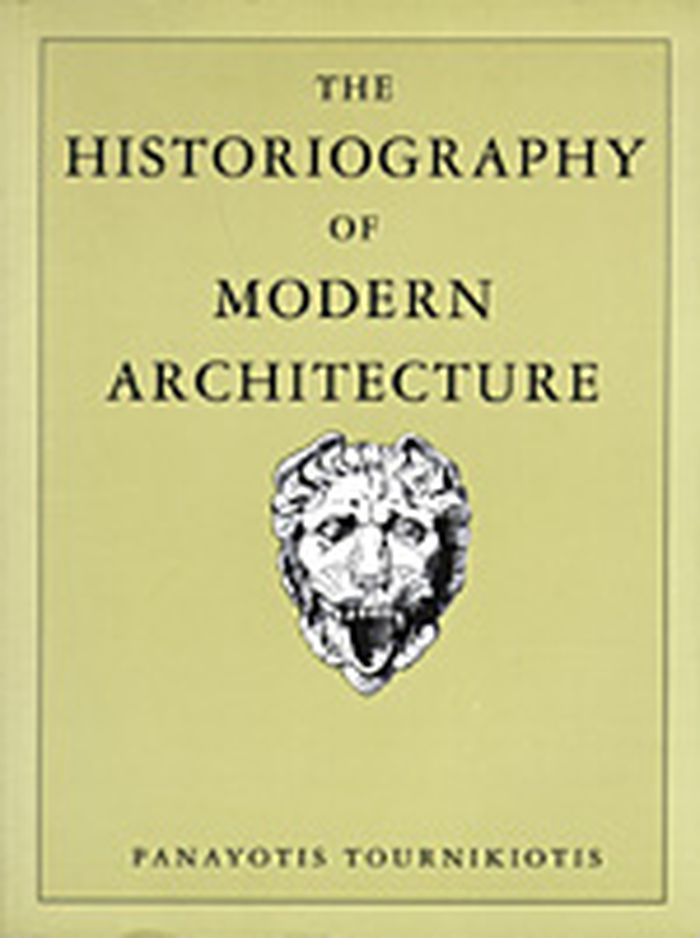
Writing, according to Panayotis Tournikiotis, has always exerted a powerful influence on architecture. Indeed, the study of modern architecture cannot be separated from a fascination with the texts that have tried to explain the idea of a new architecture in a new society. During the last forty years, the question of the relationship of architecture to its history - of buildings to books - has been one of the most important themes in debates about the course of modern architecture. Tournikiotis argues that the history of modern architecture tends to be written from the present, projecting back onto the past our current concerns, so that the "beginning" of the story really functions as a "representation" of its end. In this book the buildings are the quotations, while the texts are the structure. Tournikiotis focuses on a group of books by major historians of the twentieth century: Nikolaus Pevsner, Emil Kaufmann, Sigfried Giedion, Bruno Zevi, Leonardo Benevolo, Henry-Russell Hitchcock, Reyner Banham, Peter Collins, and Manfredo Tafuri. In examining these writers' thoughts, he draws on concepts from critical theory, relating architecture to broader historical models.
The historiography of modern architecture
Actions:
Prix:
$32.95
(disponible sur commande)
Résumé:
Writing, according to Panayotis Tournikiotis, has always exerted a powerful influence on architecture. Indeed, the study of modern architecture cannot be separated from a fascination with the texts that have tried to explain the idea of a new architecture in a new society. During the last forty years, the question of the relationship of architecture to its history - of buildings to books - has been one of the most important themes in debates about the course of modern architecture. Tournikiotis argues that the history of modern architecture tends to be written from the present, projecting back onto the past our current concerns, so that the "beginning" of the story really functions as a "representation" of its end. In this book the buildings are the quotations, while the texts are the structure. Tournikiotis focuses on a group of books by major historians of the twentieth century: Nikolaus Pevsner, Emil Kaufmann, Sigfried Giedion, Bruno Zevi, Leonardo Benevolo, Henry-Russell Hitchcock, Reyner Banham, Peter Collins, and Manfredo Tafuri. In examining these writers' thoughts, he draws on concepts from critical theory, relating architecture to broader historical models.
Classification:
livres
livres
Publication:
avril 2001, Cambridge, Mass.
avril 2001, Cambridge, Mass.
Sujet:
Théorie de l’architecture
Théorie de l’architecture
Classification:
livres
livres
Titre:
After-images of the city
After-images of the city
Actions:
Prix:
$27.95
(disponible sur commande)
Résumé:
Criticism on the textual and iconographic construction of the city is extensive, yet the problem of historical change in representations of "the urban" has received little attention. Believing traditional accounts are limited by their reflection of a specific historical moment, Joan Ramon Resina and Dieter Ingenschay focus, by contrast, on transition. In essays written(...)
$27.95
(disponible sur commande)
Résumé:
Criticism on the textual and iconographic construction of the city is extensive, yet the problem of historical change in representations of "the urban" has received little attention. Believing traditional accounts are limited by their reflection of a specific historical moment, Joan Ramon Resina and Dieter Ingenschay focus, by contrast, on transition. In essays written(...)
Sujet:
Théorie de l’urbanisme
Théorie de l’urbanisme
Publication:
février 2003, Ithaca, N.Y.
février 2003, Ithaca, N.Y.
Titre:
After-images of the city
Actions:
Prix:
$27.95
(disponible sur commande)
Résumé:
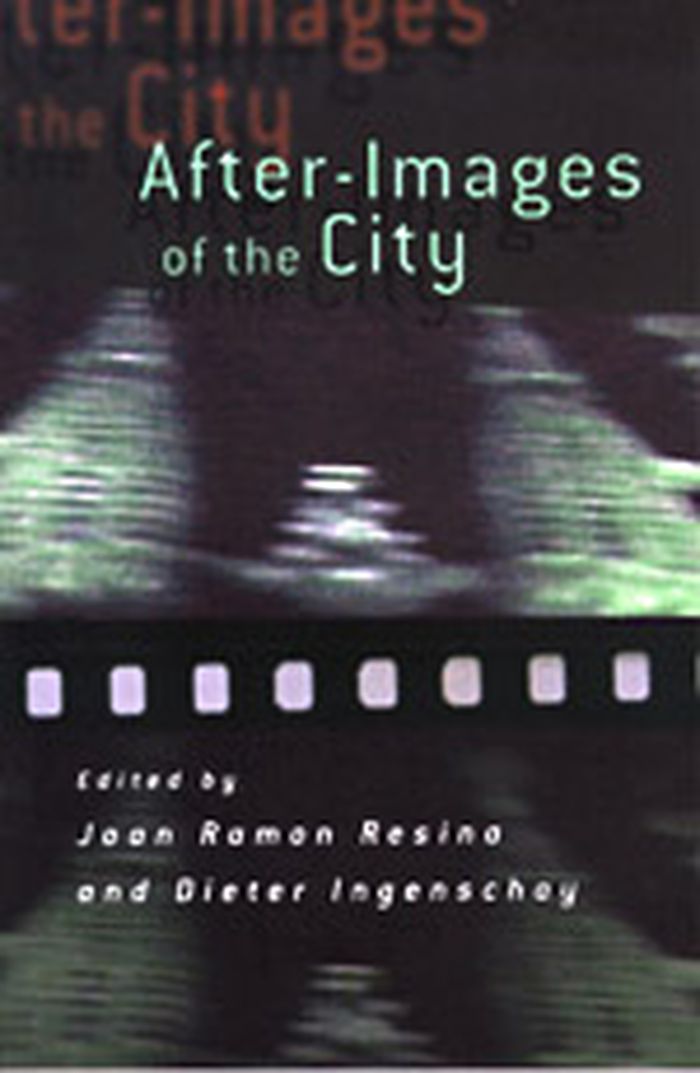
Criticism on the textual and iconographic construction of the city is extensive, yet the problem of historical change in representations of "the urban" has received little attention. Believing traditional accounts are limited by their reflection of a specific historical moment, Joan Ramon Resina and Dieter Ingenschay focus, by contrast, on transition. In essays written for this volume, scholars of literary and visual studies, the history of architecture, cultural theory, and urban geography explore the ways perceptual or conceptual paradigms of the city supersede or replace others, while at the same time retaining the "after-image" of what went before. The writers touch on a wide variety of issues related to contemporary urban cultures as they journey through cities including New York, Barcelona, Madrid, Paris, Tijuana, Berlin, and London. Drawing on the work of Roland Barthes, Walter Benjamin, Camilo José Cela, Honoré de Balzac, and Alfred Stieglitz, their approach is broadly cultural rather than technical. "After-images of the city" takes into account the intrinsic instability of the image and reveals that representations of the modern metropolis cannot be fixed in time and history.
After-images of the city
Actions:
Prix:
$27.95
(disponible sur commande)
Résumé:
Criticism on the textual and iconographic construction of the city is extensive, yet the problem of historical change in representations of "the urban" has received little attention. Believing traditional accounts are limited by their reflection of a specific historical moment, Joan Ramon Resina and Dieter Ingenschay focus, by contrast, on transition. In essays written for this volume, scholars of literary and visual studies, the history of architecture, cultural theory, and urban geography explore the ways perceptual or conceptual paradigms of the city supersede or replace others, while at the same time retaining the "after-image" of what went before. The writers touch on a wide variety of issues related to contemporary urban cultures as they journey through cities including New York, Barcelona, Madrid, Paris, Tijuana, Berlin, and London. Drawing on the work of Roland Barthes, Walter Benjamin, Camilo José Cela, Honoré de Balzac, and Alfred Stieglitz, their approach is broadly cultural rather than technical. "After-images of the city" takes into account the intrinsic instability of the image and reveals that representations of the modern metropolis cannot be fixed in time and history.
Classification:
livres
livres
Publication:
février 2003, Ithaca, N.Y.
février 2003, Ithaca, N.Y.
Sujet:
Théorie de l’urbanisme
Théorie de l’urbanisme
Classification:
livres
livres
Actions:
Prix:
$42.95
(disponible sur commande)
Résumé:
As teachers of architectural design, Kent Bloomer and Charles Moore have attempted to introduce architecture from the standpoint of how buildings are experienced, how the affect individuals and communities emotionally and provide us with a sense of joy, identity, and place. In giving priority to these issues and in questioning the professional reliance on abstract(...)
$42.95
(disponible sur commande)
Résumé:
As teachers of architectural design, Kent Bloomer and Charles Moore have attempted to introduce architecture from the standpoint of how buildings are experienced, how the affect individuals and communities emotionally and provide us with a sense of joy, identity, and place. In giving priority to these issues and in questioning the professional reliance on abstract(...)
Sujet:
Théorie de l’architecture
Théorie de l’architecture
Publication:
septembre 1977, New Haven / London
septembre 1977, New Haven / London
Titre:
Body, memory, and architecture
Actions:
Prix:
$42.95
(disponible sur commande)
Résumé:
As teachers of architectural design, Kent Bloomer and Charles Moore have attempted to introduce architecture from the standpoint of how buildings are experienced, how the affect individuals and communities emotionally and provide us with a sense of joy, identity, and place. In giving priority to these issues and in questioning the professional reliance on abstract two-dimensional drawings, they often find themselves in conflict with a general and undebated assumption that architecture is a highly specialized system with a set of prescribed technical goals, rather than a sensual social art historically derived from experiences and memories of the human body. "Body, memory, and architecture" traces the significance of the body from its place as the divine organizing principle in the earliest built forms to its near elimination from architectural thought in this century. The authors draw on contemporary models of spatial perception as well as on body-image theory in arguing for a return of the body to its proper place in the architectural equation. With a contribution by Robert J. Yudell.
Body, memory, and architecture
Actions:
Prix:
$42.95
(disponible sur commande)
Résumé:
As teachers of architectural design, Kent Bloomer and Charles Moore have attempted to introduce architecture from the standpoint of how buildings are experienced, how the affect individuals and communities emotionally and provide us with a sense of joy, identity, and place. In giving priority to these issues and in questioning the professional reliance on abstract two-dimensional drawings, they often find themselves in conflict with a general and undebated assumption that architecture is a highly specialized system with a set of prescribed technical goals, rather than a sensual social art historically derived from experiences and memories of the human body. "Body, memory, and architecture" traces the significance of the body from its place as the divine organizing principle in the earliest built forms to its near elimination from architectural thought in this century. The authors draw on contemporary models of spatial perception as well as on body-image theory in arguing for a return of the body to its proper place in the architectural equation. With a contribution by Robert J. Yudell.
Classification:
livres
livres
Publication:
septembre 1977, New Haven / London
septembre 1977, New Haven / London
Sujet:
Théorie de l’architecture
Théorie de l’architecture
Classification:
livres
livres
Actions:
Prix:
$105.00
(disponible sur commande)
Résumé:
In The Psychologizing of Modernity, Mark Jarzombek examines the impact of psychology on twentieth-century aesthetics. Analysing the interface between psychology, art history and avant-gardist practices, he(...)
$105.00
(disponible sur commande)
Résumé:
In The Psychologizing of Modernity, Mark Jarzombek examines the impact of psychology on twentieth-century aesthetics. Analysing the interface between psychology, art history and avant-gardist practices, he(...)
Titre:
The psychologizing of modernity
Actions:
Prix:
$105.00
(disponible sur commande)
Résumé:
In The Psychologizing of Modernity, Mark Jarzombek examines the impact of psychology on twentieth-century aesthetics. Analysing the interface between psychology, art history and avant-gardist practices, he also reflects on the longevity of the myth of aesthetic individuality as it infiltrated not only avant-garde art, but also history writing. The principal focus of this study is pre-World War II Germany, where theories of empathy and Entartung emerged; and post-war America, where artists, critics and historians gradually shifted from their reliance on psychology to philosophy, and, most recently, to theory. Included are discussions of writers such as Heinrich Wölfflin, Ludwig Volkmann, John Dewey, Vincent Scully and Richard Arnheim, among others. The Psychologizing of Modernity is a broad and erudite study of the evolution of modern aesthetic thinking in the fields of art and architectural history. Chapter Contents Introduction; 1. The Art of Psychologizing; 2. The Theater of Self and the Crisis of Historiography; 3. The Body Ethos; 4. The visualist ethos; 5. The social ethos; 6. The literary ethos; 7. Shadows and mirrors; Conclusion.
The psychologizing of modernity
Actions:
Prix:
$105.00
(disponible sur commande)
Résumé:
In The Psychologizing of Modernity, Mark Jarzombek examines the impact of psychology on twentieth-century aesthetics. Analysing the interface between psychology, art history and avant-gardist practices, he also reflects on the longevity of the myth of aesthetic individuality as it infiltrated not only avant-garde art, but also history writing. The principal focus of this study is pre-World War II Germany, where theories of empathy and Entartung emerged; and post-war America, where artists, critics and historians gradually shifted from their reliance on psychology to philosophy, and, most recently, to theory. Included are discussions of writers such as Heinrich Wölfflin, Ludwig Volkmann, John Dewey, Vincent Scully and Richard Arnheim, among others. The Psychologizing of Modernity is a broad and erudite study of the evolution of modern aesthetic thinking in the fields of art and architectural history. Chapter Contents Introduction; 1. The Art of Psychologizing; 2. The Theater of Self and the Crisis of Historiography; 3. The Body Ethos; 4. The visualist ethos; 5. The social ethos; 6. The literary ethos; 7. Shadows and mirrors; Conclusion.
Classification:
livres
livres
Publication:
novembre 1998, Cambridge
novembre 1998, Cambridge
Sujet:
Théorie de l’architecture
Théorie de l’architecture
Classification:
livres
livres
Actions:
Prix:
$67.50
(disponible sur commande)
Résumé:
Writing, according to Panayotis Tournikiotis, has always exerted a powerful influence on architecture. Indeed, the study of modern architecture cannot be separated from a fascination with the texts that have tried to explain the idea of a new architecture in a new society. During the last forty years, the question of the relationship of architecture to its history - of(...)
$67.50
(disponible sur commande)
Résumé:
Writing, according to Panayotis Tournikiotis, has always exerted a powerful influence on architecture. Indeed, the study of modern architecture cannot be separated from a fascination with the texts that have tried to explain the idea of a new architecture in a new society. During the last forty years, the question of the relationship of architecture to its history - of(...)
Sujet:
Théorie de l’architecture
Théorie de l’architecture
Publication:
juillet 1999, Cambridge, Mass.
juillet 1999, Cambridge, Mass.
Titre:
The historiography of modern architecture
Actions:
Prix:
$67.50
(disponible sur commande)
Résumé:
Writing, according to Panayotis Tournikiotis, has always exerted a powerful influence on architecture. Indeed, the study of modern architecture cannot be separated from a fascination with the texts that have tried to explain the idea of a new architecture in a new society. During the last forty years, the question of the relationship of architecture to its history - of buildings to books - has been one of the most important themes in debates about the course of modern architecture. Tournikiotis argues that the history of modern architecture tends to be written from the present, projecting back onto the past our current concerns, so that the "beginning" of the story really functions as a "representation" of its end. In this book the buildings are the quotations, while the texts are the structure. Tournikiotis focuses on a group of books by major historians of the twentieth century: Nikolaus Pevsner, Emil Kaufmann, Sigfried Giedion, Bruno Zevi, Leonardo Benevolo, Henry-Russell Hitchcock, Reyner Banham, Peter Collins, and Manfredo Tafuri. In examining these writers' thoughts, he draws on concepts from critical theory, relating architecture to broader historical models.
The historiography of modern architecture
Actions:
Prix:
$67.50
(disponible sur commande)
Résumé:
Writing, according to Panayotis Tournikiotis, has always exerted a powerful influence on architecture. Indeed, the study of modern architecture cannot be separated from a fascination with the texts that have tried to explain the idea of a new architecture in a new society. During the last forty years, the question of the relationship of architecture to its history - of buildings to books - has been one of the most important themes in debates about the course of modern architecture. Tournikiotis argues that the history of modern architecture tends to be written from the present, projecting back onto the past our current concerns, so that the "beginning" of the story really functions as a "representation" of its end. In this book the buildings are the quotations, while the texts are the structure. Tournikiotis focuses on a group of books by major historians of the twentieth century: Nikolaus Pevsner, Emil Kaufmann, Sigfried Giedion, Bruno Zevi, Leonardo Benevolo, Henry-Russell Hitchcock, Reyner Banham, Peter Collins, and Manfredo Tafuri. In examining these writers' thoughts, he draws on concepts from critical theory, relating architecture to broader historical models.
Classification:
livres
livres
Publication:
juillet 1999, Cambridge, Mass.
juillet 1999, Cambridge, Mass.
Sujet:
Théorie de l’architecture
Théorie de l’architecture
Classification:
livres
livres
Actions:
Prix:
$35.50
(disponible sur commande)
Résumé:
Revolutionary developments in economics are rare. The conservative bias of the field and its enshrined knowledge make it difficult to introduce new ideas not in line with received theory. Happiness research, however, has the potential to change economics substantially in the future. Its findings, which are gradually being taken into account in standard economics, can be(...)
$35.50
(disponible sur commande)
Résumé:
Revolutionary developments in economics are rare. The conservative bias of the field and its enshrined knowledge make it difficult to introduce new ideas not in line with received theory. Happiness research, however, has the potential to change economics substantially in the future. Its findings, which are gradually being taken into account in standard economics, can be(...)
Titre:
Happiness: a revolution in economics
Actions:
Prix:
$35.50
(disponible sur commande)
Résumé:
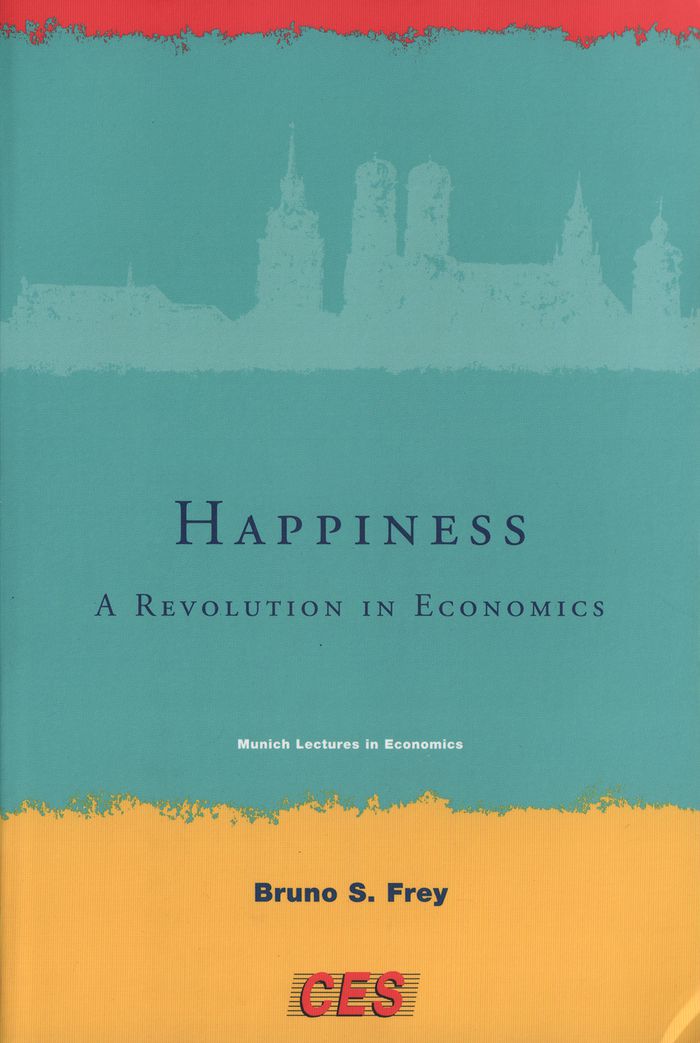
Revolutionary developments in economics are rare. The conservative bias of the field and its enshrined knowledge make it difficult to introduce new ideas not in line with received theory. Happiness research, however, has the potential to change economics substantially in the future. Its findings, which are gradually being taken into account in standard economics, can be considered revolutionary in three respects: the measurement of experienced utility using psychologists’ tools for measuring subjective well-being; new insights into how human beings value goods and services and social conditions that include consideration of such non-material values as autonomy and social relations; and policy consequences of these new insights that suggest different ways for government to affect individual well-being.
Happiness: a revolution in economics
Actions:
Prix:
$35.50
(disponible sur commande)
Résumé:
Revolutionary developments in economics are rare. The conservative bias of the field and its enshrined knowledge make it difficult to introduce new ideas not in line with received theory. Happiness research, however, has the potential to change economics substantially in the future. Its findings, which are gradually being taken into account in standard economics, can be considered revolutionary in three respects: the measurement of experienced utility using psychologists’ tools for measuring subjective well-being; new insights into how human beings value goods and services and social conditions that include consideration of such non-material values as autonomy and social relations; and policy consequences of these new insights that suggest different ways for government to affect individual well-being.
Classification:
livres
livres
Publication:
août 2010
août 2010
Classification:
livres
livres
Actions:
Exemplaires:
Description:
xiii, 251 pages : illustrations ; 24 cm
Description:
xiii, 251 pages : illustrations ; 24 cm
Auteur:
Sujet:
Publication:
Hanover [N.H.] : University Press of New England, ©2005.
Hanover [N.H.] : University Press of New England, ©2005.
Titre:
American playgrounds : revitalizing community space / Susan Solomon.
Actions:
Exemplaires:
Description:
xiii, 251 pages : illustrations ; 24 cm
American playgrounds : revitalizing community space / Susan Solomon.
Actions:
Exemplaires:
Description:
xiii, 251 pages : illustrations ; 24 cm
Classification:
livres
livres
Publication:
Hanover [N.H.] : University Press of New England, ©2005.
Hanover [N.H.] : University Press of New England, ©2005.
Auteur:
Sujet:
Classification:
livres
livres
Actions:
Prix:
$59.95
(disponible sur commande)
Résumé:
Rooted in sound theory and based on technology that is available now, ''A genius planet'' offers an accessible but detailed and insightful perspective on how we can free ourselves from our dependency on natural resources and generate, trade, and use energy in ways that open up the genuine potential that we have at our disposal today. Imagine a world where the power is(...)
$59.95
(disponible sur commande)
Résumé:
Rooted in sound theory and based on technology that is available now, ''A genius planet'' offers an accessible but detailed and insightful perspective on how we can free ourselves from our dependency on natural resources and generate, trade, and use energy in ways that open up the genuine potential that we have at our disposal today. Imagine a world where the power is(...)
Publication:
août 2017
août 2017
Titre:
A genius planet : energy, from scarcity to abundance, a radical pathway
Actions:
Prix:
$59.95
(disponible sur commande)
Résumé:
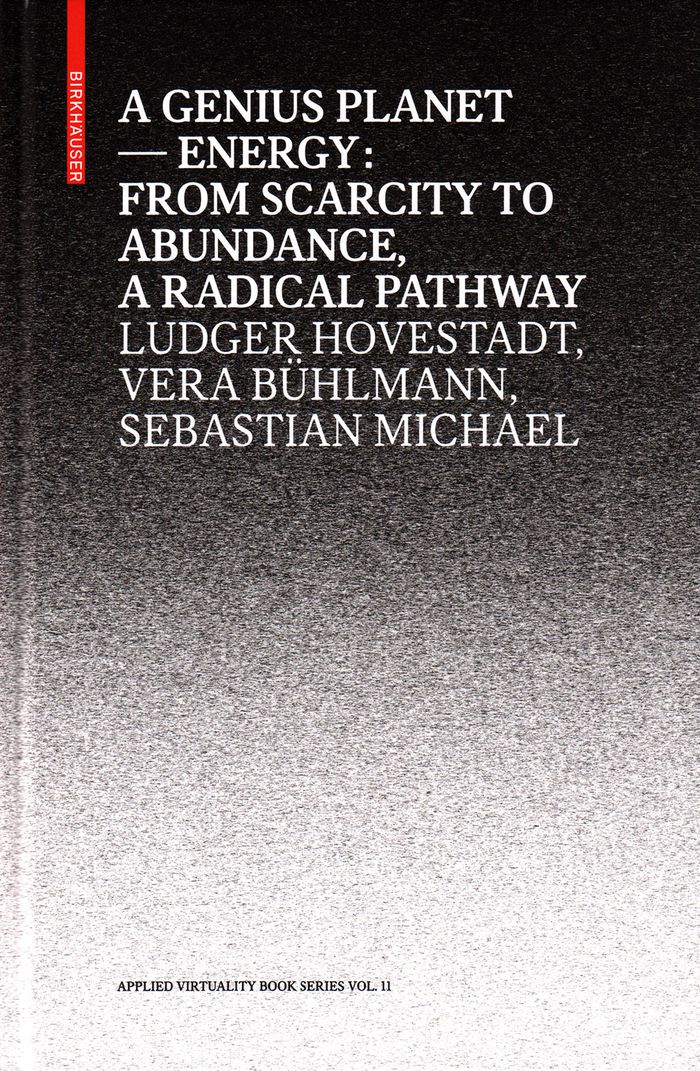
Rooted in sound theory and based on technology that is available now, ''A genius planet'' offers an accessible but detailed and insightful perspective on how we can free ourselves from our dependency on natural resources and generate, trade, and use energy in ways that open up the genuine potential that we have at our disposal today. Imagine a world where the power is always on, where there is not just enough energy, but an abundance of it. Such a world is no Utopia, it is a possible reality. Using indefinitely available sources of energy – especially photovoltaic solar, in combination with others – and networking this energy, much in the way that we have networked information, we can get beyond our current energy ‘crisis’ and resolve it.
A genius planet : energy, from scarcity to abundance, a radical pathway
Actions:
Prix:
$59.95
(disponible sur commande)
Résumé:
Rooted in sound theory and based on technology that is available now, ''A genius planet'' offers an accessible but detailed and insightful perspective on how we can free ourselves from our dependency on natural resources and generate, trade, and use energy in ways that open up the genuine potential that we have at our disposal today. Imagine a world where the power is always on, where there is not just enough energy, but an abundance of it. Such a world is no Utopia, it is a possible reality. Using indefinitely available sources of energy – especially photovoltaic solar, in combination with others – and networking this energy, much in the way that we have networked information, we can get beyond our current energy ‘crisis’ and resolve it.
Classification:
livres
livres
Publication:
août 2017
août 2017
Classification:
livres
livres
Actions:
Prix:
$35.95
(disponible sur commande)
Résumé:
Environmentalism, in theory and practice, is concerned with protecting nature. But if we have now reached "the end of nature", as Bill McKibben and other environmental thinkers have declared, what is there left to protect? In Thinking like a Mall, Steven Vogel argues that environmental thinking would be better off if it dropped the concept of “nature” altogether and spoke(...)
$35.95
(disponible sur commande)
Résumé:
Environmentalism, in theory and practice, is concerned with protecting nature. But if we have now reached "the end of nature", as Bill McKibben and other environmental thinkers have declared, what is there left to protect? In Thinking like a Mall, Steven Vogel argues that environmental thinking would be better off if it dropped the concept of “nature” altogether and spoke(...)
Titre:
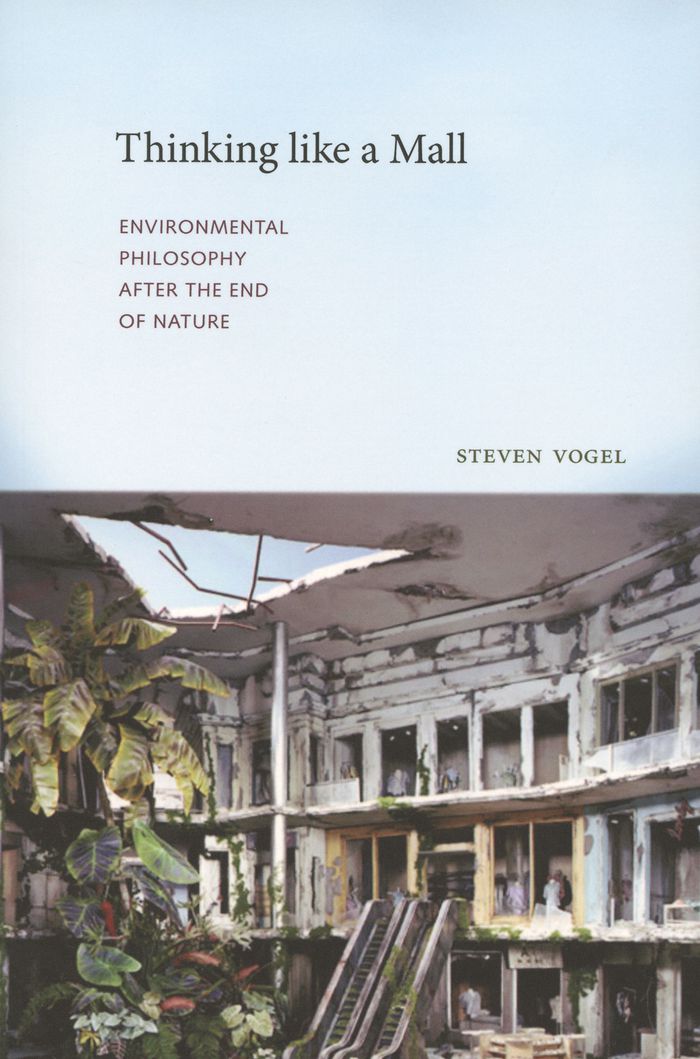
Thinking like a mall: environmental philosophy after the end of nature
Actions:
Prix:
$35.95
(disponible sur commande)
Résumé:
Environmentalism, in theory and practice, is concerned with protecting nature. But if we have now reached "the end of nature", as Bill McKibben and other environmental thinkers have declared, what is there left to protect? In Thinking like a Mall, Steven Vogel argues that environmental thinking would be better off if it dropped the concept of “nature” altogether and spoke instead of the “environment”—that is, the world that actually surrounds us, which is always a built world, the only one that we inhabit. We need to think not so much like a mountain (as Aldo Leopold urged) as like a mall. Shopping malls, too, are part of the environment and deserve as much serious consideration from environmental thinkers as do mountains.
Thinking like a mall: environmental philosophy after the end of nature
Actions:
Prix:
$35.95
(disponible sur commande)
Résumé:
Environmentalism, in theory and practice, is concerned with protecting nature. But if we have now reached "the end of nature", as Bill McKibben and other environmental thinkers have declared, what is there left to protect? In Thinking like a Mall, Steven Vogel argues that environmental thinking would be better off if it dropped the concept of “nature” altogether and spoke instead of the “environment”—that is, the world that actually surrounds us, which is always a built world, the only one that we inhabit. We need to think not so much like a mountain (as Aldo Leopold urged) as like a mall. Shopping malls, too, are part of the environment and deserve as much serious consideration from environmental thinkers as do mountains.
Classification:
livres
livres
Publication:
septembre 2016
septembre 2016
Classification:
périodiques
périodiques
Actions:
Prix:
$50.00
(disponible sur commande)
Résumé:
For centuries, architectural theory, discourse and agency have been based on diurnal and solar paradigms. References to night in Vitruvius’s De architectura are few, and the same absence is notable in Renaissance treatises by Alberti or Palladio. It was not until the 19th and 20th centuries that the invention and institutionalization of artificial light in private and(...)
$50.00
(disponible sur commande)
Résumé:
For centuries, architectural theory, discourse and agency have been based on diurnal and solar paradigms. References to night in Vitruvius’s De architectura are few, and the same absence is notable in Renaissance treatises by Alberti or Palladio. It was not until the 19th and 20th centuries that the invention and institutionalization of artificial light in private and(...)
Publication:
juillet 2024
juillet 2024
Titre:
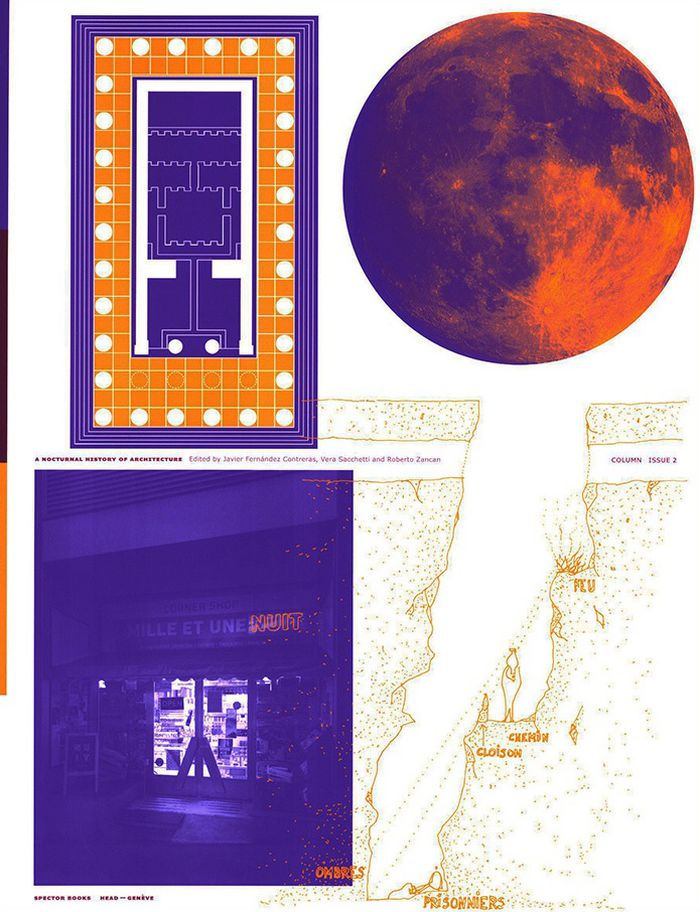
Nocturnal history of architecture. Column issue 2
Actions:
Prix:
$50.00
(disponible sur commande)
Résumé:
For centuries, architectural theory, discourse and agency have been based on diurnal and solar paradigms. References to night in Vitruvius’s De architectura are few, and the same absence is notable in Renaissance treatises by Alberti or Palladio. It was not until the 19th and 20th centuries that the invention and institutionalization of artificial light in private and public spaces gradually transformed conceptions of night in the architectural discipline. This volume offers the first attempt at a nocturnal history of architecture. What emerges from the studies is the thesis that the identity of human beings—across time and their domestic, professional and cultural spaces—is powerfully determined by the parameters of nighttime. By analyzing and studying "night scenes," this book reveals how the night is a laboratory for the development of new forms of conceptualizing space and, ultimately, of living.
Nocturnal history of architecture. Column issue 2
Actions:
Prix:
$50.00
(disponible sur commande)
Résumé:
For centuries, architectural theory, discourse and agency have been based on diurnal and solar paradigms. References to night in Vitruvius’s De architectura are few, and the same absence is notable in Renaissance treatises by Alberti or Palladio. It was not until the 19th and 20th centuries that the invention and institutionalization of artificial light in private and public spaces gradually transformed conceptions of night in the architectural discipline. This volume offers the first attempt at a nocturnal history of architecture. What emerges from the studies is the thesis that the identity of human beings—across time and their domestic, professional and cultural spaces—is powerfully determined by the parameters of nighttime. By analyzing and studying "night scenes," this book reveals how the night is a laboratory for the development of new forms of conceptualizing space and, ultimately, of living.
Classification:
périodiques
périodiques
Publication:
juillet 2024
juillet 2024


