


6299 Résultats
Classification:
livres
livres
Actions:
Prix:
$65.00
(disponible sur commande)
Résumé:
Thomas Feichtner is an Austrian designer who, after considerable successes in the field of industrial design, has an unusual approach to design. His recent work in the area of furniture and object design is positioned midway between industry and handicrafts, mass production and one-of-a-kinds. This publication uses sketches, preliminary models and prototypes to provide a(...)
$65.00
(disponible sur commande)
Résumé:
Thomas Feichtner is an Austrian designer who, after considerable successes in the field of industrial design, has an unusual approach to design. His recent work in the area of furniture and object design is positioned midway between industry and handicrafts, mass production and one-of-a-kinds. This publication uses sketches, preliminary models and prototypes to provide a(...)
Titre:
Thomas Feichtner - edge to egde: experimental design
Actions:
Prix:
$65.00
(disponible sur commande)
Résumé:
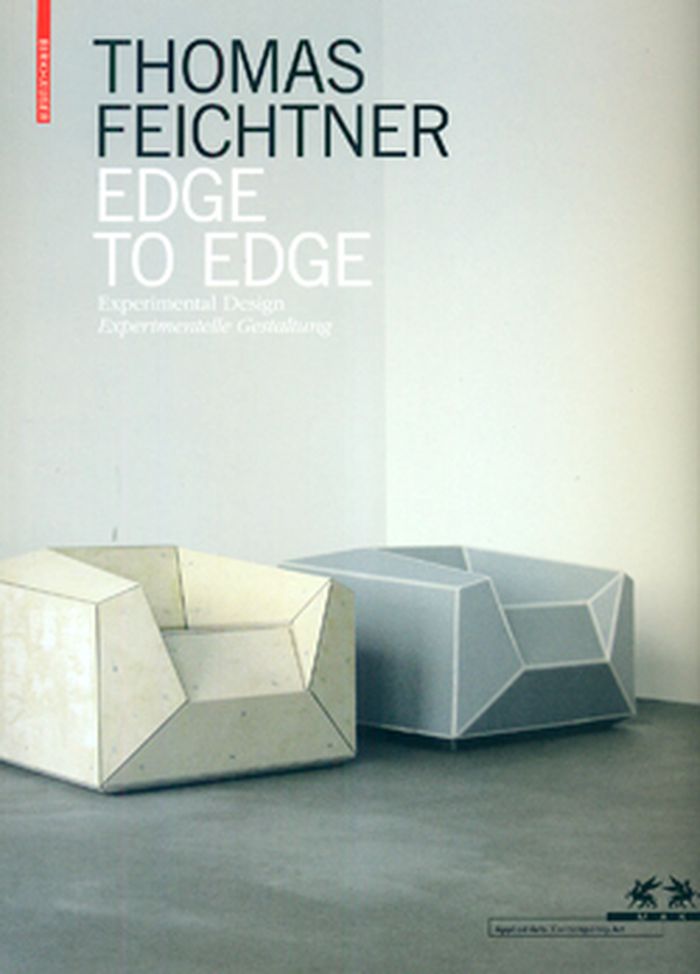
Thomas Feichtner is an Austrian designer who, after considerable successes in the field of industrial design, has an unusual approach to design. His recent work in the area of furniture and object design is positioned midway between industry and handicrafts, mass production and one-of-a-kinds. This publication uses sketches, preliminary models and prototypes to provide a detailed presentation of his experimental working methods.
Thomas Feichtner - edge to egde: experimental design
Actions:
Prix:
$65.00
(disponible sur commande)
Résumé:
Thomas Feichtner is an Austrian designer who, after considerable successes in the field of industrial design, has an unusual approach to design. His recent work in the area of furniture and object design is positioned midway between industry and handicrafts, mass production and one-of-a-kinds. This publication uses sketches, preliminary models and prototypes to provide a detailed presentation of his experimental working methods.
Classification:
livres
livres
Publication:
juin 2010
juin 2010
Sujet:
Design, monographies
Design, monographies
Classification:
livres
livres

Titre:
Locavore
Locavore
Actions:
Prix:
$29.99
(disponible sur commande)
Résumé:
This book describes how foodies,100-milers, urbanites, farmers, gardeners and chefs across Canada are creating a new local food order that has the potential to fight climate change and feed us all. Combining front-line reporting, shrewd analysis and passionate food writing to delight the gastronome, Locavore shows how the pieces of a post-industrial food system are being(...)
$29.99
(disponible sur commande)
Résumé:
This book describes how foodies,100-milers, urbanites, farmers, gardeners and chefs across Canada are creating a new local food order that has the potential to fight climate change and feed us all. Combining front-line reporting, shrewd analysis and passionate food writing to delight the gastronome, Locavore shows how the pieces of a post-industrial food system are being(...)
Titre:
Locavore
Actions:
Prix:
$29.99
(disponible sur commande)
Résumé:
This book describes how foodies,100-milers, urbanites, farmers, gardeners and chefs across Canada are creating a new local food order that has the potential to fight climate change and feed us all. Combining front-line reporting, shrewd analysis and passionate food writing to delight the gastronome, Locavore shows how the pieces of a post-industrial food system are being assembled into something infinitely better.
Locavore
Actions:
Prix:
$29.99
(disponible sur commande)
Résumé:
This book describes how foodies,100-milers, urbanites, farmers, gardeners and chefs across Canada are creating a new local food order that has the potential to fight climate change and feed us all. Combining front-line reporting, shrewd analysis and passionate food writing to delight the gastronome, Locavore shows how the pieces of a post-industrial food system are being assembled into something infinitely better.
Classification:
livres
livres
Publication:
octobre 2010
octobre 2010
Sujet:
Architecture écologique
Architecture écologique
Classification:
livres
livres
Actions:
Prix:
$55.00
(disponible sur commande)
Résumé:
This first book on Bogardus' life and work describes how iron architecture remade the face of American cities in the mid-nineteenth century, following the appearance of cast iron on the industrial scene in eighteenth-century England and Europe. It documents the role played by Bogardus, who patented his method for cast-iron construction in 1850 and(...)
$55.00
(disponible sur commande)
Résumé:
This first book on Bogardus' life and work describes how iron architecture remade the face of American cities in the mid-nineteenth century, following the appearance of cast iron on the industrial scene in eighteenth-century England and Europe. It documents the role played by Bogardus, who patented his method for cast-iron construction in 1850 and(...)
Titre:
Cast-iron architecture in America : the significance of James Bogardus
Actions:
Prix:
$55.00
(disponible sur commande)
Résumé:
This first book on Bogardus' life and work describes how iron architecture remade the face of American cities in the mid-nineteenth century, following the appearance of cast iron on the industrial scene in eighteenth-century England and Europe. It documents the role played by Bogardus, who patented his method for cast-iron construction in 1850 and championed its use in America's growing cities.
Cast-iron architecture in America : the significance of James Bogardus
Actions:
Prix:
$55.00
(disponible sur commande)
Résumé:
This first book on Bogardus' life and work describes how iron architecture remade the face of American cities in the mid-nineteenth century, following the appearance of cast iron on the industrial scene in eighteenth-century England and Europe. It documents the role played by Bogardus, who patented his method for cast-iron construction in 1850 and championed its use in America's growing cities.
Classification:
livres
livres
Publication:
janvier 1998, New York
janvier 1998, New York
Sujet:
Histoire jusqu’à 1900
Histoire jusqu’à 1900
Classification:
livres
livres
Actions:
Exemplaires:
Description:
708, v pages : illustrations ; 25 cm
Description:
708, v pages : illustrations ; 25 cm
Auteur:
Sujet:
Publication:
Padova : Università degli Studi di Padova, Istituto di Chimica Industriale, [1979?]
Padova : Università degli Studi di Padova, Istituto di Chimica Industriale, [1979?]
Titre:
Deterioramento e conservazione della pietra : atti del 3° Congresso internazionale = Deterioration and preservation of stones : proceedings of the 3rd International Congress = La déterioration et la préservation de la pierre : actes du 3ème Congrès international : Venezia, 24-27 ottobre 1979 Fondazione "Giorgio Cini", Isola di S. Giorgio Maggiore.
Actions:
Exemplaires:
Description:
708, v pages : illustrations ; 25 cm
Deterioramento e conservazione della pietra : atti del 3° Congresso internazionale = Deterioration and preservation of stones : proceedings of the 3rd International Congress = La déterioration et la préservation de la pierre : actes du 3ème Congrès international : Venezia, 24-27 ottobre 1979 Fondazione "Giorgio Cini", Isola di S. Giorgio Maggiore.
Actions:
Exemplaires:
Description:
708, v pages : illustrations ; 25 cm
Classification:
livres
livres
Publication:
Padova : Università degli Studi di Padova, Istituto di Chimica Industriale, [1979?]
Padova : Università degli Studi di Padova, Istituto di Chimica Industriale, [1979?]
Auteur:
Sujet:
Classification:
livres
livres
Actions:
Prix:
$18.95
(disponible sur commande)
Résumé:
The model industrial village of Port Sunlight was founded by the soap manufacturer W. H. Lever (later Lord Leverhulme) in 1888 for the factory workers of his firm of Lever Brothers. The village was acclaimed from the first as exemplifying the best in English town planning and house design, and greatly influenced subsequent industrial villages such as Bournville, and the(...)
$18.95
(disponible sur commande)
Résumé:
The model industrial village of Port Sunlight was founded by the soap manufacturer W. H. Lever (later Lord Leverhulme) in 1888 for the factory workers of his firm of Lever Brothers. The village was acclaimed from the first as exemplifying the best in English town planning and house design, and greatly influenced subsequent industrial villages such as Bournville, and the(...)
Sujet:
Logements collectifs
Logements collectifs
Publication:
juillet 2006, Liverpool
juillet 2006, Liverpool
Titre:
A guide to Port Sunlight Village, revised edition
Actions:
Prix:
$18.95
(disponible sur commande)
Résumé:
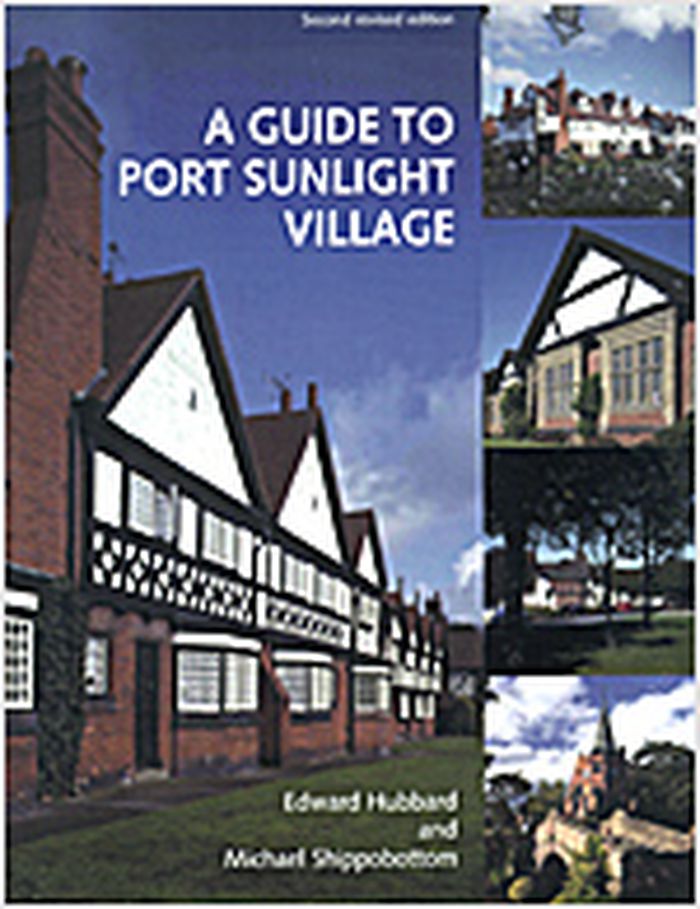
The model industrial village of Port Sunlight was founded by the soap manufacturer W. H. Lever (later Lord Leverhulme) in 1888 for the factory workers of his firm of Lever Brothers. The village was acclaimed from the first as exemplifying the best in English town planning and house design, and greatly influenced subsequent industrial villages such as Bournville, and the garden city movement more generally. This guide considers the village in its historical context, with particular emphasis on the planning and architectural aspects. It explains the social and visual significance of Port Sunlight and the reasons for its being unique in the history of town planning, as well as looking at the way its development was influenced by changing fashions in civic design. The relevance of Lever’s own character and interests – his social conscience, his love of art and beauty and his architectural enthusiasms – is also examined. Two tours, one for pedestrians and one for car drivers, which include and describe the most significant buildings of the village, are an additional feature of the guide.
A guide to Port Sunlight Village, revised edition
Actions:
Prix:
$18.95
(disponible sur commande)
Résumé:
The model industrial village of Port Sunlight was founded by the soap manufacturer W. H. Lever (later Lord Leverhulme) in 1888 for the factory workers of his firm of Lever Brothers. The village was acclaimed from the first as exemplifying the best in English town planning and house design, and greatly influenced subsequent industrial villages such as Bournville, and the garden city movement more generally. This guide considers the village in its historical context, with particular emphasis on the planning and architectural aspects. It explains the social and visual significance of Port Sunlight and the reasons for its being unique in the history of town planning, as well as looking at the way its development was influenced by changing fashions in civic design. The relevance of Lever’s own character and interests – his social conscience, his love of art and beauty and his architectural enthusiasms – is also examined. Two tours, one for pedestrians and one for car drivers, which include and describe the most significant buildings of the village, are an additional feature of the guide.
Classification:
livres
livres
Publication:
juillet 2006, Liverpool
juillet 2006, Liverpool
Sujet:
Logements collectifs
Logements collectifs
Classification:
livres
livres
Actions:
Prix:
$62.50
(disponible sur commande)
Résumé:
Swiss graphic design and “the Swiss Style” are crucial elements in the history of modernism. During the 1920s and ’30s, skills traditionally associated with Swiss industry, particularly pharmaceuticals and mechanical engineering, were matched by those of the country’s graphic designers, who produced their advertising and technical literature. These pioneering graphic(...)
$62.50
(disponible sur commande)
Résumé:
Swiss graphic design and “the Swiss Style” are crucial elements in the history of modernism. During the 1920s and ’30s, skills traditionally associated with Swiss industry, particularly pharmaceuticals and mechanical engineering, were matched by those of the country’s graphic designers, who produced their advertising and technical literature. These pioneering graphic(...)
Titre:
Swiss graphic design : the origins and growth of an international style 1920-1965
Actions:
Prix:
$62.50
(disponible sur commande)
Résumé:
Swiss graphic design and “the Swiss Style” are crucial elements in the history of modernism. During the 1920s and ’30s, skills traditionally associated with Swiss industry, particularly pharmaceuticals and mechanical engineering, were matched by those of the country’s graphic designers, who produced their advertising and technical literature. These pioneering graphic artists saw design as part of industrial production and searched for anonymous, objective visual communication. They chose photographic images rather than illustration, and typefaces that were industrial-looking rather than those designed for books. This volume looks at graphic language developed by such Swiss designers as Theo Ballmer, Max Bill, Adrian Frutiger, Karl Gerstner, Armin Hoffman, Ernst Keller, Herbert Matter, Josef Müller-Brockmann, and Jan Tschichold. The style of these artists received worldwide admiration for its formal discipline : images and text were organized by geometrical grids. Adopted internationally, the grid and sans serif typefaces such as Helvetica became the classic emblems of Swiss graphic design. This book shows design work across a range of media, including posters, magazines, exhibition displays, brochures, advertisements, books, and film.
Swiss graphic design : the origins and growth of an international style 1920-1965
Actions:
Prix:
$62.50
(disponible sur commande)
Résumé:
Swiss graphic design and “the Swiss Style” are crucial elements in the history of modernism. During the 1920s and ’30s, skills traditionally associated with Swiss industry, particularly pharmaceuticals and mechanical engineering, were matched by those of the country’s graphic designers, who produced their advertising and technical literature. These pioneering graphic artists saw design as part of industrial production and searched for anonymous, objective visual communication. They chose photographic images rather than illustration, and typefaces that were industrial-looking rather than those designed for books. This volume looks at graphic language developed by such Swiss designers as Theo Ballmer, Max Bill, Adrian Frutiger, Karl Gerstner, Armin Hoffman, Ernst Keller, Herbert Matter, Josef Müller-Brockmann, and Jan Tschichold. The style of these artists received worldwide admiration for its formal discipline : images and text were organized by geometrical grids. Adopted internationally, the grid and sans serif typefaces such as Helvetica became the classic emblems of Swiss graphic design. This book shows design work across a range of media, including posters, magazines, exhibition displays, brochures, advertisements, books, and film.
Classification:
livres
livres
Publication:
avril 2006, New Haven
avril 2006, New Haven
Classification:
livres
livres
Actions:
Prix:
$80.95
(disponible sur commande)
Résumé:
In late 20th century urban Europe, a great many landmarks of industrial, merchant and military activity were abandoned and fell into disuse. No longer limited to a specific use or content, these 'available' structures could be adapted to house a wide range of cultural projects. The modular nature of the buildings enabled them to be transformed and utilized for(...)
$80.95
(disponible sur commande)
Résumé:
In late 20th century urban Europe, a great many landmarks of industrial, merchant and military activity were abandoned and fell into disuse. No longer limited to a specific use or content, these 'available' structures could be adapted to house a wide range of cultural projects. The modular nature of the buildings enabled them to be transformed and utilized for(...)
Sujet:
Structures d’ingénierie
Structures d’ingénierie
Publication:
avril 2002, Basel / Berlin / Boston
avril 2002, Basel / Berlin / Boston
Titre:
Factories : conversions for urban culture
Actions:
Prix:
$80.95
(disponible sur commande)
Résumé:
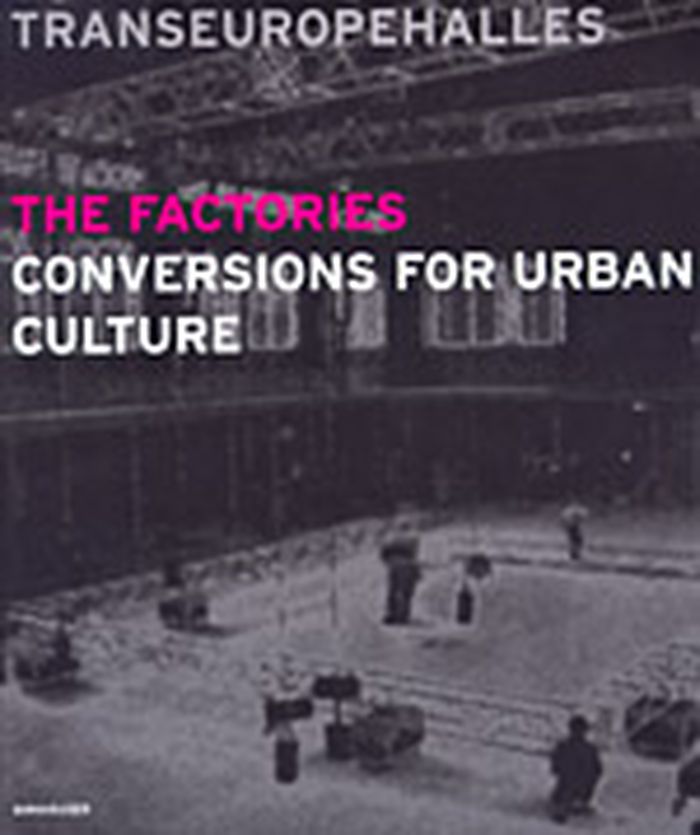
In late 20th century urban Europe, a great many landmarks of industrial, merchant and military activity were abandoned and fell into disuse. No longer limited to a specific use or content, these 'available' structures could be adapted to house a wide range of cultural projects. The modular nature of the buildings enabled them to be transformed and utilized for experimentation, artistic creation and the blending of people and cultures. An international team of photographers and authors including artists, sociologists and exhibition designers have come together to present a striking visual portrayal of industrial buildings - some typical, some extraordinary - which have all been converted into cultural buildings. Amongst the projects are Ateneu Popular in Barcelona, the City Arts Centre in Dublin, the WUK in Vienna, and the Kaapelitehdas in Helsinki. Further examples have been taken from Belgium, Denmark, Germany, France, Great Britain, Italy, the Netherlands, Sweden, and Slovenia. The wide variety of uses featured in this book clearly show that architecture has a significant role to play in an urban life beyond the monotony of commerce.
Factories : conversions for urban culture
Actions:
Prix:
$80.95
(disponible sur commande)
Résumé:
In late 20th century urban Europe, a great many landmarks of industrial, merchant and military activity were abandoned and fell into disuse. No longer limited to a specific use or content, these 'available' structures could be adapted to house a wide range of cultural projects. The modular nature of the buildings enabled them to be transformed and utilized for experimentation, artistic creation and the blending of people and cultures. An international team of photographers and authors including artists, sociologists and exhibition designers have come together to present a striking visual portrayal of industrial buildings - some typical, some extraordinary - which have all been converted into cultural buildings. Amongst the projects are Ateneu Popular in Barcelona, the City Arts Centre in Dublin, the WUK in Vienna, and the Kaapelitehdas in Helsinki. Further examples have been taken from Belgium, Denmark, Germany, France, Great Britain, Italy, the Netherlands, Sweden, and Slovenia. The wide variety of uses featured in this book clearly show that architecture has a significant role to play in an urban life beyond the monotony of commerce.
Classification:
livres
livres
Publication:
avril 2002, Basel / Berlin / Boston
avril 2002, Basel / Berlin / Boston
Sujet:
Structures d’ingénierie
Structures d’ingénierie
Classification:
livres
livres
Prix:
$26.95
(disponible en magasin)
Résumé:
The projects included in this book are some of the very best examples that our post-war architects, designers and artists have given Toronto. This book is a celebration of their work, their vision and their energy. The two world wars had a tremendous impact on transforming Canada into a confident and robust industrial nation. With that came a building boom and an artistic(...)
$26.95
(disponible en magasin)
Résumé:
The projects included in this book are some of the very best examples that our post-war architects, designers and artists have given Toronto. This book is a celebration of their work, their vision and their energy. The two world wars had a tremendous impact on transforming Canada into a confident and robust industrial nation. With that came a building boom and an artistic(...)
Titre:
Mean city : From architecture to design - how Toronto went boom!
Actions:
Prix:
$26.95
(disponible en magasin)
Résumé:
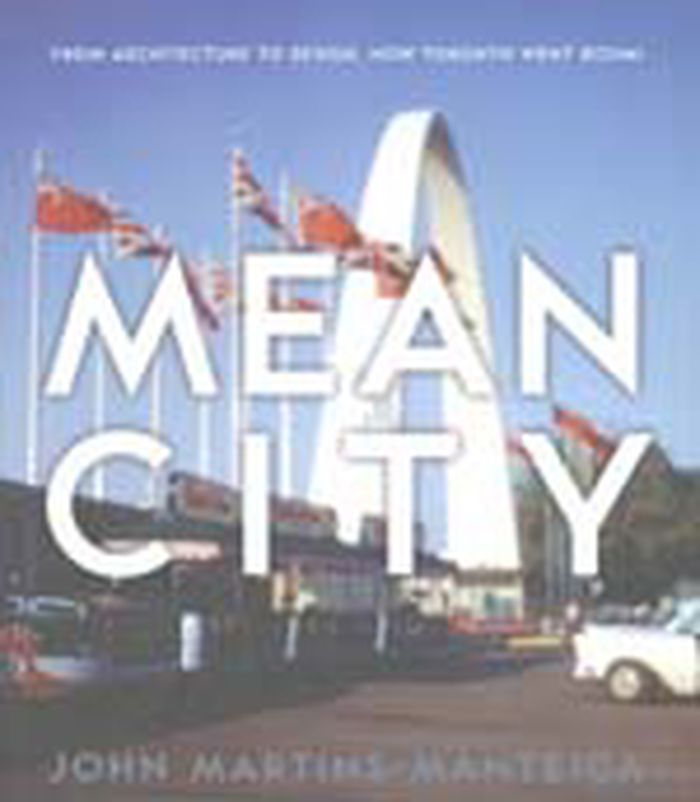
The projects included in this book are some of the very best examples that our post-war architects, designers and artists have given Toronto. This book is a celebration of their work, their vision and their energy. The two world wars had a tremendous impact on transforming Canada into a confident and robust industrial nation. With that came a building boom and an artistic explosion that gave young entrepreneurs, designers, artists and architects opportunities to dream big, bold and modern. Mean City celebrates this great boom in architecture and industrial design from 1945 to 1975. With the tremendous opportunities available because of a raging economy, architects and designers built and dreamed like never before. Young architects were given the opportunity to execute fantastic and futuristic buildings that defied convention. Mean City captures Toronto at a moment in a great architectural boom, along with the individuals who were inspired to create this citys great architectural heritage. The book is also a lament to those great modernist buildings that have already been lost, and those that may also meet the same fate in the future.
Mean city : From architecture to design - how Toronto went boom!
Actions:
Prix:
$26.95
(disponible en magasin)
Résumé:
The projects included in this book are some of the very best examples that our post-war architects, designers and artists have given Toronto. This book is a celebration of their work, their vision and their energy. The two world wars had a tremendous impact on transforming Canada into a confident and robust industrial nation. With that came a building boom and an artistic explosion that gave young entrepreneurs, designers, artists and architects opportunities to dream big, bold and modern. Mean City celebrates this great boom in architecture and industrial design from 1945 to 1975. With the tremendous opportunities available because of a raging economy, architects and designers built and dreamed like never before. Young architects were given the opportunity to execute fantastic and futuristic buildings that defied convention. Mean City captures Toronto at a moment in a great architectural boom, along with the individuals who were inspired to create this citys great architectural heritage. The book is also a lament to those great modernist buildings that have already been lost, and those that may also meet the same fate in the future.
Classification:
livres
livres
Publication:
février 2007, Toronto
février 2007, Toronto
Sujet:
Architecture du Canada
Architecture du Canada
Classification:
livres
livres
Titre:
Supersurfaces : folding as a method of generating forms for architecture, products and fashion
Supersurfaces : folding as a method of generating forms for architecture, products and fashion
Actions:
Prix:
$21.00
(disponible sur commande)
Résumé:
Reprint Folding is a valid design method that can be successfully applied, not only in architecture, but also in disciplines such as industrial design, product design and fashion design. The diversity of forms that can be achieved are limited only by the designers' imaginations. From donuts to concertinas, wraps and hinges, the exciting, innovative new ideas and(...)
$21.00
(disponible sur commande)
Résumé:
Reprint Folding is a valid design method that can be successfully applied, not only in architecture, but also in disciplines such as industrial design, product design and fashion design. The diversity of forms that can be achieved are limited only by the designers' imaginations. From donuts to concertinas, wraps and hinges, the exciting, innovative new ideas and(...)
Titre:
Supersurfaces : folding as a method of generating forms for architecture, products and fashion
Actions:
Prix:
$21.00
(disponible sur commande)
Résumé:
Reprint Folding is a valid design method that can be successfully applied, not only in architecture, but also in disciplines such as industrial design, product design and fashion design. The diversity of forms that can be achieved are limited only by the designers' imaginations. From donuts to concertinas, wraps and hinges, the exciting, innovative new ideas and concepts presented in "Supersurfaces" will expand the perspective of any curious creator.
Supersurfaces : folding as a method of generating forms for architecture, products and fashion
Actions:
Prix:
$21.00
(disponible sur commande)
Résumé:
Reprint Folding is a valid design method that can be successfully applied, not only in architecture, but also in disciplines such as industrial design, product design and fashion design. The diversity of forms that can be achieved are limited only by the designers' imaginations. From donuts to concertinas, wraps and hinges, the exciting, innovative new ideas and concepts presented in "Supersurfaces" will expand the perspective of any curious creator.
Classification:
livres
livres
Publication:
janvier 2006, Corte Madera
janvier 2006, Corte Madera
Sujet:
petits formats
petits formats
Classification:
livres
livres
Titre:
Lethbridge modern
Lethbridge modern
Actions:
Prix:
$25.00
(disponible sur commande)
Résumé:
Arthur Erickson's internationally renowned example of "brutalist modernism", the University of Lethbridge, is a featured example in this review of the surprising number of buildings designed under the influence of Frank Lloyd Wright and Le Corbusier in this relatively small community. Illustrated with photographs and architectural drawings that showcase modern design in(...)
$25.00
(disponible sur commande)
Résumé:
Arthur Erickson's internationally renowned example of "brutalist modernism", the University of Lethbridge, is a featured example in this review of the surprising number of buildings designed under the influence of Frank Lloyd Wright and Le Corbusier in this relatively small community. Illustrated with photographs and architectural drawings that showcase modern design in(...)
Titre:
Lethbridge modern
Actions:
Prix:
$25.00
(disponible sur commande)
Résumé:
Arthur Erickson's internationally renowned example of "brutalist modernism", the University of Lethbridge, is a featured example in this review of the surprising number of buildings designed under the influence of Frank Lloyd Wright and Le Corbusier in this relatively small community. Illustrated with photographs and architectural drawings that showcase modern design in educational, religious, commercial, and industrial buildings and modern homes, Forseth's essay is accompanied by an interview with Erickson.
Lethbridge modern
Actions:
Prix:
$25.00
(disponible sur commande)
Résumé:
Arthur Erickson's internationally renowned example of "brutalist modernism", the University of Lethbridge, is a featured example in this review of the surprising number of buildings designed under the influence of Frank Lloyd Wright and Le Corbusier in this relatively small community. Illustrated with photographs and architectural drawings that showcase modern design in educational, religious, commercial, and industrial buildings and modern homes, Forseth's essay is accompanied by an interview with Erickson.
Classification:
livres
livres
Publication:
janvier 1900, Lethbridge
janvier 1900, Lethbridge
Sujet:
Architecture du Canada
Architecture du Canada


