


602 Résultats
Classification:
livres
livres

Actions:
Prix:
$46.50
(disponible sur commande)
Résumé:
What do struggles over pipelines in Canada, housing estates in France, and shantytowns in Martinique have in common? In "Urban revolutions," Stefan Kipfer shows how these struggles force us to understand the (neo-)colonial aspects of capitalist urbanization in a comparatively and historically nuanced fashion. In so doing, he demonstrates that urban research can offer a(...)
$46.50
(disponible sur commande)
Résumé:
What do struggles over pipelines in Canada, housing estates in France, and shantytowns in Martinique have in common? In "Urban revolutions," Stefan Kipfer shows how these struggles force us to understand the (neo-)colonial aspects of capitalist urbanization in a comparatively and historically nuanced fashion. In so doing, he demonstrates that urban research can offer a(...)
Titre:
Urban revolutions: Urbanisation and (Neo-) Colonialism in transatlantic context
Actions:
Prix:
$46.50
(disponible sur commande)
Résumé:
What do struggles over pipelines in Canada, housing estates in France, and shantytowns in Martinique have in common? In "Urban revolutions," Stefan Kipfer shows how these struggles force us to understand the (neo-)colonial aspects of capitalist urbanization in a comparatively and historically nuanced fashion. In so doing, he demonstrates that urban research can offer a rich, if uneven, terrain upon which to develop the relationship between Marxist and anti-colonial intellectual traditions. After a detailed dialogue between Henri Lefebvre and Frantz Fanon, Kipfer engages creole literature in the French Antilles, Indigenous radicalism in North America and political anti-racism in mainland France.
Urban revolutions: Urbanisation and (Neo-) Colonialism in transatlantic context
Actions:
Prix:
$46.50
(disponible sur commande)
Résumé:
What do struggles over pipelines in Canada, housing estates in France, and shantytowns in Martinique have in common? In "Urban revolutions," Stefan Kipfer shows how these struggles force us to understand the (neo-)colonial aspects of capitalist urbanization in a comparatively and historically nuanced fashion. In so doing, he demonstrates that urban research can offer a rich, if uneven, terrain upon which to develop the relationship between Marxist and anti-colonial intellectual traditions. After a detailed dialogue between Henri Lefebvre and Frantz Fanon, Kipfer engages creole literature in the French Antilles, Indigenous radicalism in North America and political anti-racism in mainland France.
Classification:
livres
livres
Publication:
septembre 2023
septembre 2023
Sujet:
Théorie de l’urbanisme
Théorie de l’urbanisme
Classification:
livres
livres
Actions:
Description:
1 online resource (304 pages)
Auteur:
Sujet:
Publication:
London : Open Humanities Press, 2016.
London : Open Humanities Press, 2016.
Titre:
Digital humanities and digital media : conversations on politics, culture, aesthetics and literacy / Roberto Simanowski.
Actions:
Description:
1 online resource (304 pages)
Digital humanities and digital media : conversations on politics, culture, aesthetics and literacy / Roberto Simanowski.
Actions:
Description:
1 online resource (304 pages)
Classification:
livres
livres
Publication:
London : Open Humanities Press, 2016.
London : Open Humanities Press, 2016.
Auteur:
Sujet:
Classification:
livres
livres
Prix:
$41.95
(disponible sur commande)
Résumé:
23 mai 1871. Tandis que les derniers communards sont repoussés vers l'est de Paris par les troupes versaillaises, le palais des Tuileries est livré aux flammes. Douze ans plus tard, ses ruines sont totalement démolies. Qui se souvient encore de cet édifice exceptionnel où se joua le destin de la France ? Construit à partir de 1564 à l'initiative de Catherine de Médicis,(...)
$41.95
(disponible sur commande)
Résumé:
23 mai 1871. Tandis que les derniers communards sont repoussés vers l'est de Paris par les troupes versaillaises, le palais des Tuileries est livré aux flammes. Douze ans plus tard, ses ruines sont totalement démolies. Qui se souvient encore de cet édifice exceptionnel où se joua le destin de la France ? Construit à partir de 1564 à l'initiative de Catherine de Médicis,(...)
Titre:
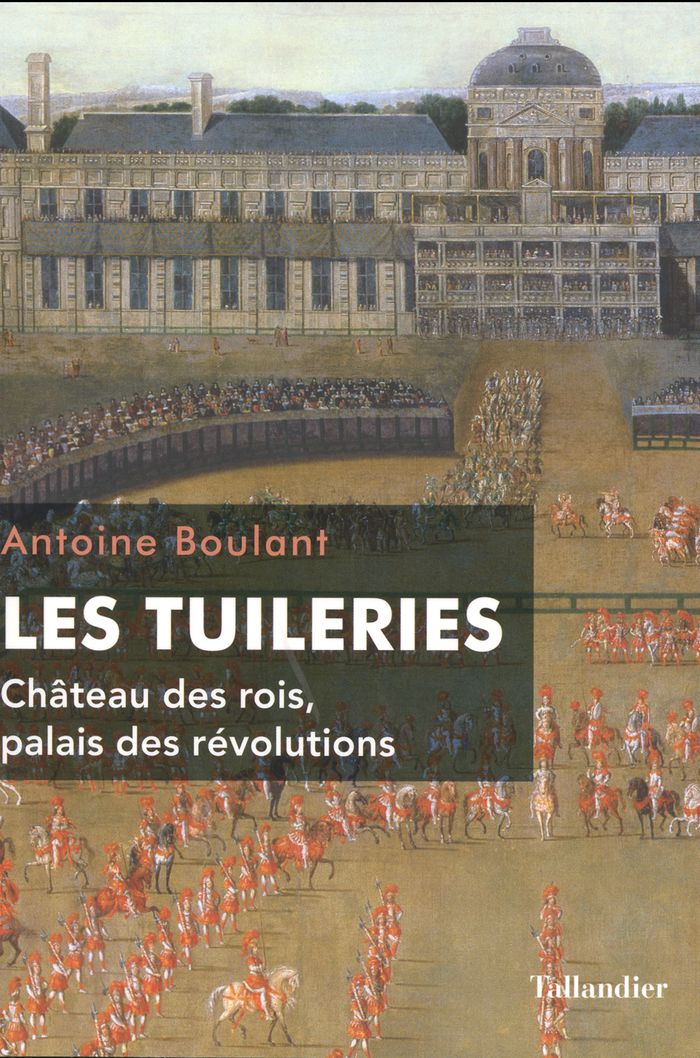
Les Tuileries : château des rois, palais des révolutions
Actions:
Prix:
$41.95
(disponible sur commande)
Résumé:
23 mai 1871. Tandis que les derniers communards sont repoussés vers l'est de Paris par les troupes versaillaises, le palais des Tuileries est livré aux flammes. Douze ans plus tard, ses ruines sont totalement démolies. Qui se souvient encore de cet édifice exceptionnel où se joua le destin de la France ? Construit à partir de 1564 à l'initiative de Catherine de Médicis, le château des Tuileries constitua d'abord un authentique chef-d'oeuvre architectural, dont le destin fut étroitement lié à celui du palais du Louvre, auquel il finit par être entièrement relié sous le Second Empire. Son magnifique jardin à la française - conçu par André Le Nôtre en 1665 - reste à ce jour la promenade la plus célèbre de la capitale. Résidence officielle de tous les souverains à partir de 1789 et centre du pouvoir, le château devint le théâtre de nombreux événements historiques, de la chute de la monarchie en 1792 à celle de l'Empire en 1870 en passant par la fuite de Louis XVI à Varennes, le divorce de Napoléon 1er et Joséphine, la mort de Louis XVIII, l'abdication de Charles X, la chute de Louis-Philippe et le mariage de Napoléon III.
Les Tuileries : château des rois, palais des révolutions
Actions:
Prix:
$41.95
(disponible sur commande)
Résumé:
23 mai 1871. Tandis que les derniers communards sont repoussés vers l'est de Paris par les troupes versaillaises, le palais des Tuileries est livré aux flammes. Douze ans plus tard, ses ruines sont totalement démolies. Qui se souvient encore de cet édifice exceptionnel où se joua le destin de la France ? Construit à partir de 1564 à l'initiative de Catherine de Médicis, le château des Tuileries constitua d'abord un authentique chef-d'oeuvre architectural, dont le destin fut étroitement lié à celui du palais du Louvre, auquel il finit par être entièrement relié sous le Second Empire. Son magnifique jardin à la française - conçu par André Le Nôtre en 1665 - reste à ce jour la promenade la plus célèbre de la capitale. Résidence officielle de tous les souverains à partir de 1789 et centre du pouvoir, le château devint le théâtre de nombreux événements historiques, de la chute de la monarchie en 1792 à celle de l'Empire en 1870 en passant par la fuite de Louis XVI à Varennes, le divorce de Napoléon 1er et Joséphine, la mort de Louis XVIII, l'abdication de Charles X, la chute de Louis-Philippe et le mariage de Napoléon III.
Classification:
livres
livres
Publication:
juin 2016
juin 2016
Classification:
livres
livres
Exemplaires:
Description:
xxxii, 451 pages : illustrations ; 22 cm
Description:
xxxii, 451 pages : illustrations ; 22 cm
Auteur:
Sujet:
Publication:
Chapel Hill : Published for the Institute of Early American History and Culture, Williamsburg, VA., by University of North Carolina Press, ©1982.
Chapel Hill : Published for the Institute of Early American History and Culture, Williamsburg, VA., by University of North Carolina Press, ©1982.
Titre:
The transformation of Virginia, 1740-1790 / by Rhys Isaac.
Actions:
Exemplaires:
Description:
xxxii, 451 pages : illustrations ; 22 cm
The transformation of Virginia, 1740-1790 / by Rhys Isaac.
Actions:
Exemplaires:
Description:
xxxii, 451 pages : illustrations ; 22 cm
Classification:
livres
livres
Publication:
Chapel Hill : Published for the Institute of Early American History and Culture, Williamsburg, VA., by University of North Carolina Press, ©1982.
Chapel Hill : Published for the Institute of Early American History and Culture, Williamsburg, VA., by University of North Carolina Press, ©1982.
Auteur:
Sujet:
Classification:
livres
livres
Actions:
Exemplaires:
Description:
236 pages : chiefly color illustrations ; 37 cm
Description:
236 pages : chiefly color illustrations ; 37 cm
Auteur:
Sujet:
Publication:
New York : Collins Publishers in association with I. Shapiro, 1987.
New York : Collins Publishers in association with I. Shapiro, 1987.
Titre:
A day in the life of the Soviet Union / photographed by 100 of the world's leading photojournalists on one day, May 15, 1987 ; project directors, Rick Smolan and David Cohen.
Actions:
Exemplaires:
Description:
236 pages : chiefly color illustrations ; 37 cm
A day in the life of the Soviet Union / photographed by 100 of the world's leading photojournalists on one day, May 15, 1987 ; project directors, Rick Smolan and David Cohen.
Actions:
Exemplaires:
Description:
236 pages : chiefly color illustrations ; 37 cm
Classification:
livres
livres
Publication:
New York : Collins Publishers in association with I. Shapiro, 1987.
New York : Collins Publishers in association with I. Shapiro, 1987.
Auteur:
Sujet:
Classification:
livres
livres
Actions:
Exemplaires:
Description:
431 pages : illustrations (some color) ; 29 cm
Description:
431 pages : illustrations (some color) ; 29 cm
Auteur:
Sujet:
Publication:
Paris : Flammarion/APCI, ©1993.
Paris : Flammarion/APCI, ©1993.
Titre:
Industrial design : reflection of a century / edited by Jocelyn de Noblet.
Actions:
Exemplaires:
Description:
431 pages : illustrations (some color) ; 29 cm
Industrial design : reflection of a century / edited by Jocelyn de Noblet.
Actions:
Exemplaires:
Description:
431 pages : illustrations (some color) ; 29 cm
Classification:
livres
livres
Publication:
Paris : Flammarion/APCI, ©1993.
Paris : Flammarion/APCI, ©1993.
Auteur:
Sujet:
Classification:
livres
livres
Titre:
Agitate! Agitate! Agitate!
Agitate! Agitate! Agitate!
Actions:
Prix:
$12.00
(disponible en magasin)
Résumé:
In "AGITATE! AGITATE! AGITATE!" Cj Reay of Black Lodge Press reflects upon their relationship to DIY print culture, zines, and the politics of art production. Reay lays out a history of DIY print and the people's press: from chapbooks produced during the French revolution to the zines made in response to the HIV/AIDS epidemic, while outlining their own personal engagement(...)
$12.00
(disponible en magasin)
Résumé:
In "AGITATE! AGITATE! AGITATE!" Cj Reay of Black Lodge Press reflects upon their relationship to DIY print culture, zines, and the politics of art production. Reay lays out a history of DIY print and the people's press: from chapbooks produced during the French revolution to the zines made in response to the HIV/AIDS epidemic, while outlining their own personal engagement(...)
Titre:
Agitate! Agitate! Agitate!
Actions:
Prix:
$12.00
(disponible en magasin)
Résumé:
In "AGITATE! AGITATE! AGITATE!" Cj Reay of Black Lodge Press reflects upon their relationship to DIY print culture, zines, and the politics of art production. Reay lays out a history of DIY print and the people's press: from chapbooks produced during the French revolution to the zines made in response to the HIV/AIDS epidemic, while outlining their own personal engagement with reading, music, and art that agitates, angers, and incites action. For Cj Reay, growing up in rural Northern England, the inherently anti-capitalist nature of DIY culture provided a connection to radical working class movements and the politics of anarchy: "living breathing movements of resistance and joy and complexity and disappointment and boundless optimism.'" Co-published with Black Lodge Press, "AGITATE! AGITATE! AGITATE!" is a zine about the beauty and radical power of creating art without permission.
Agitate! Agitate! Agitate!
Actions:
Prix:
$12.00
(disponible en magasin)
Résumé:
In "AGITATE! AGITATE! AGITATE!" Cj Reay of Black Lodge Press reflects upon their relationship to DIY print culture, zines, and the politics of art production. Reay lays out a history of DIY print and the people's press: from chapbooks produced during the French revolution to the zines made in response to the HIV/AIDS epidemic, while outlining their own personal engagement with reading, music, and art that agitates, angers, and incites action. For Cj Reay, growing up in rural Northern England, the inherently anti-capitalist nature of DIY culture provided a connection to radical working class movements and the politics of anarchy: "living breathing movements of resistance and joy and complexity and disappointment and boundless optimism.'" Co-published with Black Lodge Press, "AGITATE! AGITATE! AGITATE!" is a zine about the beauty and radical power of creating art without permission.
Classification:
livres
livres
Publication:
janvier 2024
janvier 2024
Sujet:
Zines
Zines
Classification:
livres
livres

Actions:
Prix:
$50.00
(disponible sur commande)
Résumé:
During the 18th century a remarkable group of women formed the Bluestocking Salon, where women and men met to debate contemporary ideas and promote the life of the mind. Together, these cultural innovators helped forge new roles for women as influential thinkers, writers, and artists, and their creative achievements were publicly celebrated. Richly illustrated(...)
$50.00
(disponible sur commande)
Résumé:
During the 18th century a remarkable group of women formed the Bluestocking Salon, where women and men met to debate contemporary ideas and promote the life of the mind. Together, these cultural innovators helped forge new roles for women as influential thinkers, writers, and artists, and their creative achievements were publicly celebrated. Richly illustrated(...)
Sujet:
Histoire jusqu’à 1900
Histoire jusqu’à 1900
Publication:
juin 2008, New Haven, London
juin 2008, New Haven, London
Titre:
Brilliant women : 18th-century bluestockings
Actions:
Prix:
$50.00
(disponible sur commande)
Résumé:
During the 18th century a remarkable group of women formed the Bluestocking Salon, where women and men met to debate contemporary ideas and promote the life of the mind. Together, these cultural innovators helped forge new roles for women as influential thinkers, writers, and artists, and their creative achievements were publicly celebrated. Richly illustrated with portraits, prints, and personal artifacts, "Brilliant women" tells the story of this fascinating group of women. The authors chart the changing fortunes of the female intellectual and explore how a number of bluestocking women, such as artist Angelica Kauffmann, historian Catharine Macaulay, and early feminist Mary Wollstonecraft, used portraiture to advance their work and their reputations in a period framed by the Enlightenment and the French Revolution. "Brilliant women" pays tribute to the friendships and achievements of these bluestocking women, presenting new information on the range of cultural activities in which they were engaged, as well as celebrating their legacy.
Brilliant women : 18th-century bluestockings
Actions:
Prix:
$50.00
(disponible sur commande)
Résumé:
During the 18th century a remarkable group of women formed the Bluestocking Salon, where women and men met to debate contemporary ideas and promote the life of the mind. Together, these cultural innovators helped forge new roles for women as influential thinkers, writers, and artists, and their creative achievements were publicly celebrated. Richly illustrated with portraits, prints, and personal artifacts, "Brilliant women" tells the story of this fascinating group of women. The authors chart the changing fortunes of the female intellectual and explore how a number of bluestocking women, such as artist Angelica Kauffmann, historian Catharine Macaulay, and early feminist Mary Wollstonecraft, used portraiture to advance their work and their reputations in a period framed by the Enlightenment and the French Revolution. "Brilliant women" pays tribute to the friendships and achievements of these bluestocking women, presenting new information on the range of cultural activities in which they were engaged, as well as celebrating their legacy.
Classification:
livres
livres
Publication:
juin 2008, New Haven, London
juin 2008, New Haven, London
Sujet:
Histoire jusqu’à 1900
Histoire jusqu’à 1900
Classification:
livres
livres

Actions:
Prix:
$56.00
(disponible sur commande)
Résumé:
The French rust belt, the area that runs from Firminy through Saint-Etienne all the way to Lyon, was regarded for a long time as a thriving region. The industrial revolution in France began in the valleys between the Loire and Rhône rivers. This led to a process of exploitation and deformation of the landscape, signs of which are still visible today. For more than forty(...)
$56.00
(disponible sur commande)
Résumé:
The French rust belt, the area that runs from Firminy through Saint-Etienne all the way to Lyon, was regarded for a long time as a thriving region. The industrial revolution in France began in the valleys between the Loire and Rhône rivers. This led to a process of exploitation and deformation of the landscape, signs of which are still visible today. For more than forty(...)
Sujet:
Monographies photo
Monographies photo
Publication:
avril 2024
avril 2024
Titre:
Nicolas Giraud & Bertrand Stofleth: The Valley, an archaeology in photographs
Actions:
Prix:
$56.00
(disponible sur commande)
Résumé:
The French rust belt, the area that runs from Firminy through Saint-Etienne all the way to Lyon, was regarded for a long time as a thriving region. The industrial revolution in France began in the valleys between the Loire and Rhône rivers. This led to a process of exploitation and deformation of the landscape, signs of which are still visible today. For more than forty years, the region, like other former industrial sites, has suffered from unemployment and a population exodus. Looking at the long-term photographic study by Nicolas Giraud and Bertrand Stofleth, it is evident that this is now the reality wherever neoliberalism has cut its swathe through industrial communities. Once industry has retreated, the landscapes that are left behind all look fairly similar. In visual terms, there is no great difference between Saint-Etienne and Suhl in Thuringia, for example. In ''La Vallée'', Giraud and Stofleth’s photographs enter into a dialogue with texts by authors from a variety of disciplines.
Nicolas Giraud & Bertrand Stofleth: The Valley, an archaeology in photographs
Actions:
Prix:
$56.00
(disponible sur commande)
Résumé:
The French rust belt, the area that runs from Firminy through Saint-Etienne all the way to Lyon, was regarded for a long time as a thriving region. The industrial revolution in France began in the valleys between the Loire and Rhône rivers. This led to a process of exploitation and deformation of the landscape, signs of which are still visible today. For more than forty years, the region, like other former industrial sites, has suffered from unemployment and a population exodus. Looking at the long-term photographic study by Nicolas Giraud and Bertrand Stofleth, it is evident that this is now the reality wherever neoliberalism has cut its swathe through industrial communities. Once industry has retreated, the landscapes that are left behind all look fairly similar. In visual terms, there is no great difference between Saint-Etienne and Suhl in Thuringia, for example. In ''La Vallée'', Giraud and Stofleth’s photographs enter into a dialogue with texts by authors from a variety of disciplines.
Classification:
livres
livres
Publication:
avril 2024
avril 2024
Sujet:
Monographies photo
Monographies photo
Classification:
livres
livres
Titre:
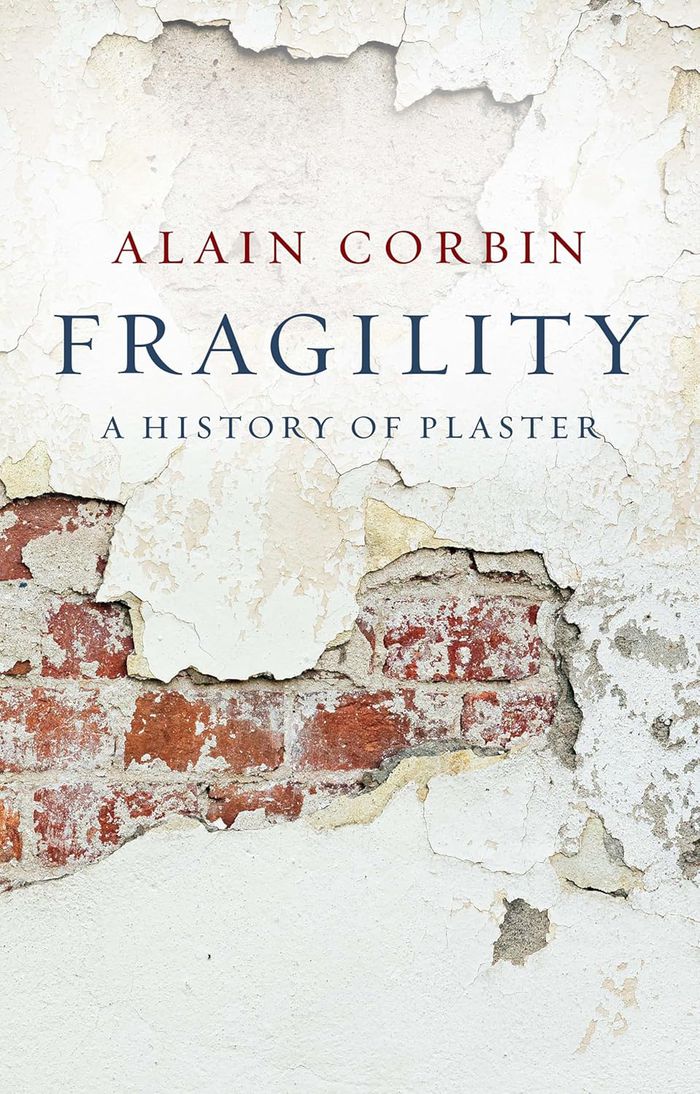
The fragility of plaster
The fragility of plaster
Actions:
Prix:
$17.95
(disponible sur commande)
Résumé:
The distant past is commonly characterized in terms of dominant materials of the time – the Stone Age, the Bronze Age, the Iron Age, etc. Since the dawn of writing, however, characterizing eras in terms of materials has fallen by the wayside, and yet materials have continued to exert a powerful influence on our collective imagination. Viewed from this perspective, France(...)
$17.95
(disponible sur commande)
Résumé:
The distant past is commonly characterized in terms of dominant materials of the time – the Stone Age, the Bronze Age, the Iron Age, etc. Since the dawn of writing, however, characterizing eras in terms of materials has fallen by the wayside, and yet materials have continued to exert a powerful influence on our collective imagination. Viewed from this perspective, France(...)
Titre:
The fragility of plaster
Actions:
Prix:
$17.95
(disponible sur commande)
Résumé:
The distant past is commonly characterized in terms of dominant materials of the time – the Stone Age, the Bronze Age, the Iron Age, etc. Since the dawn of writing, however, characterizing eras in terms of materials has fallen by the wayside, and yet materials have continued to exert a powerful influence on our collective imagination. Viewed from this perspective, France in the period from 1815 to 1855 could be seen as the half-century of plaster. After the French Revolution, plaster was used for a great variety of things: building, moulding, sculpting, decorating. Cheap and easy to use, plaster was everywhere, from Napoleon’s death mask to household ornaments, from walls to elaborate mouldings. Plaster was king – but a fragile king that easily crumbled and fell apart. The age of plaster was also the reign of the ephemeral and the transient, the vulgar and the eclectic, and the men and women of the time struggled to maintain stability and continuity with the past.
The fragility of plaster
Actions:
Prix:
$17.95
(disponible sur commande)
Résumé:
The distant past is commonly characterized in terms of dominant materials of the time – the Stone Age, the Bronze Age, the Iron Age, etc. Since the dawn of writing, however, characterizing eras in terms of materials has fallen by the wayside, and yet materials have continued to exert a powerful influence on our collective imagination. Viewed from this perspective, France in the period from 1815 to 1855 could be seen as the half-century of plaster. After the French Revolution, plaster was used for a great variety of things: building, moulding, sculpting, decorating. Cheap and easy to use, plaster was everywhere, from Napoleon’s death mask to household ornaments, from walls to elaborate mouldings. Plaster was king – but a fragile king that easily crumbled and fell apart. The age of plaster was also the reign of the ephemeral and the transient, the vulgar and the eclectic, and the men and women of the time struggled to maintain stability and continuity with the past.
Classification:
livres
livres
Publication:
juillet 2025
juillet 2025
Sujet:
Théorie de l’art
Théorie de l’art


