


586 Résultats
Classification:
livres
livres
Titre:
Museum builders II
Museum builders II
Actions:
Prix:
$122.99
(disponible sur commande)
Résumé:
"Museum Builders II" explores 27 contemporary museum commissions, which both demonstrate and generate aspects of identity, be they national, ethnic, regional, civic, or personal. The dialogue of "identity and difference" finds many and varied architectural expressions in the contemporary museum buildings highlighted, which are drawn from across the globe. The projects(...)
$122.99
(disponible sur commande)
Résumé:
"Museum Builders II" explores 27 contemporary museum commissions, which both demonstrate and generate aspects of identity, be they national, ethnic, regional, civic, or personal. The dialogue of "identity and difference" finds many and varied architectural expressions in the contemporary museum buildings highlighted, which are drawn from across the globe. The projects(...)
Publication:
février 2004, Chichester
février 2004, Chichester
Titre:
Museum builders II
Actions:
Prix:
$122.99
(disponible sur commande)
Résumé:
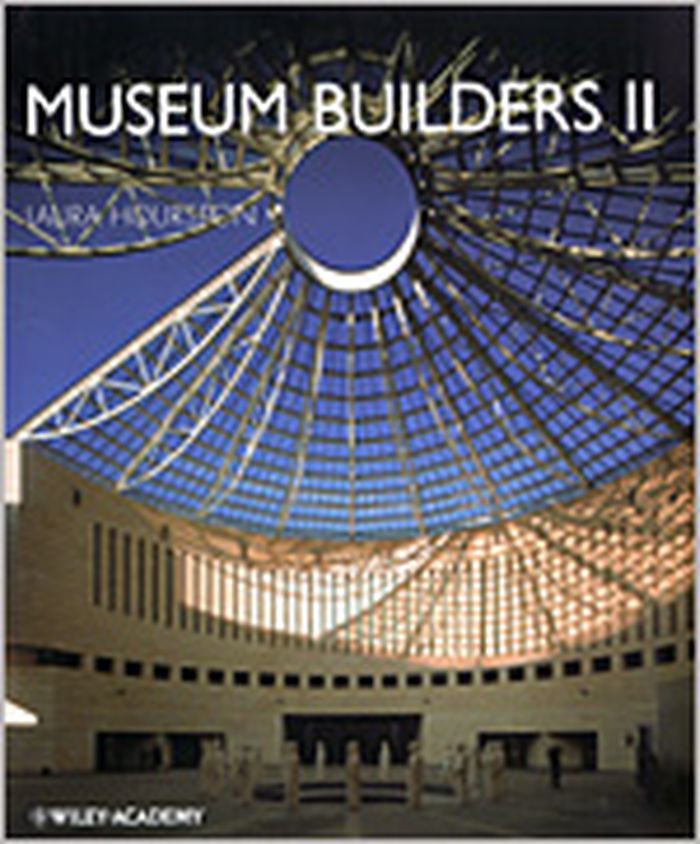
"Museum Builders II" explores 27 contemporary museum commissions, which both demonstrate and generate aspects of identity, be they national, ethnic, regional, civic, or personal. The dialogue of "identity and difference" finds many and varied architectural expressions in the contemporary museum buildings highlighted, which are drawn from across the globe. The projects vary dramatically in scale, context, thematics and intent, but all raise questions of architectural representation. Many museum architects have turned to the natural landscape for inspiration, often for aesthetic or pragmatic reasons, but at times to invest their buildings with a specific identity. Similarly, rich archaeological and architectural caches have been plundered by designers in a quest to give identity to their built form. Several featured museum projects address the meeting of cultures, which were defining moments in history, and these encounters have left a tenacious legacy on the architecture and exhibitions of those museums. Most resonant here is the United States Holocaust Memorial Museum: a deeply poignant physical monument to one of the most horrifying and inhumane encounters in human history, and a most extreme example of the museum’s lasting role in the construction and depiction of identities.
Museum builders II
Actions:
Prix:
$122.99
(disponible sur commande)
Résumé:
"Museum Builders II" explores 27 contemporary museum commissions, which both demonstrate and generate aspects of identity, be they national, ethnic, regional, civic, or personal. The dialogue of "identity and difference" finds many and varied architectural expressions in the contemporary museum buildings highlighted, which are drawn from across the globe. The projects vary dramatically in scale, context, thematics and intent, but all raise questions of architectural representation. Many museum architects have turned to the natural landscape for inspiration, often for aesthetic or pragmatic reasons, but at times to invest their buildings with a specific identity. Similarly, rich archaeological and architectural caches have been plundered by designers in a quest to give identity to their built form. Several featured museum projects address the meeting of cultures, which were defining moments in history, and these encounters have left a tenacious legacy on the architecture and exhibitions of those museums. Most resonant here is the United States Holocaust Memorial Museum: a deeply poignant physical monument to one of the most horrifying and inhumane encounters in human history, and a most extreme example of the museum’s lasting role in the construction and depiction of identities.
Classification:
livres
livres
Publication:
février 2004, Chichester
février 2004, Chichester
Classification:
livres
livres
Titre:
The Playground Project
The Playground Project
Actions:
Prix:
$67.50
(disponible sur commande)
Résumé:
Until sometime in the 1980s, playgrounds were places for social experiments, risky projects and spectacular sculptures. Architects, urban planners, artists, parents and children were invited to leave their comfort zones and to venture something new in the design and use of playgrounds. The Playground Project explores these exemplary initiatives, pioneering acts and(...)
$67.50
(disponible sur commande)
Résumé:
Until sometime in the 1980s, playgrounds were places for social experiments, risky projects and spectacular sculptures. Architects, urban planners, artists, parents and children were invited to leave their comfort zones and to venture something new in the design and use of playgrounds. The Playground Project explores these exemplary initiatives, pioneering acts and(...)
Titre:
The Playground Project
Actions:
Prix:
$67.50
(disponible sur commande)
Résumé:
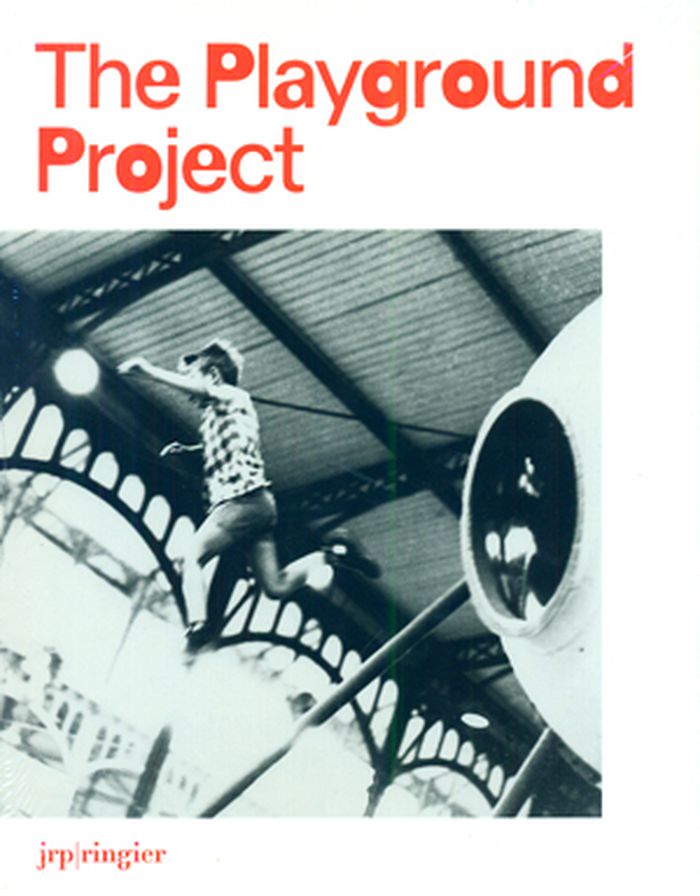
Until sometime in the 1980s, playgrounds were places for social experiments, risky projects and spectacular sculptures. Architects, urban planners, artists, parents and children were invited to leave their comfort zones and to venture something new in the design and use of playgrounds. The Playground Project explores these exemplary initiatives, pioneering acts and adventures in designing modern childhood. Examples from Europe, the US, Japan and India are discussed in depth and illustrated with numerous images. Truly a comprehensive overview, this volume includes works by artists, architects and landscape architects such as Marjory Allen, Joseph Brown, Riccardo Dalisi, Richard Dattner, Aldo van Eyck, M. Paul Friedberg, Group Ludic (Xavier de la Salle, Simon Koszel, David Roditi), Alfred Ledermann and Alfred Trachsel, Palle Nielsen, Egon Møller-Nielsen, Isamu Noguchi, Joseph Schagerl, Mitsuru Senda and Carl Theodor Sørensen. Swiss political scientist and urban planner Gabriela Burkhalter contributes an introduction, and essays by Xavier de la Salle, Sreejata Roy and Vincent Romagny investigate the stakes of the architectural and artistic experiments surveyed. The first comprehensive overview of this kind, The Playground Project addresses laymen as well as experts who want to do more on the playground than just seesaw and swing.
The Playground Project
Actions:
Prix:
$67.50
(disponible sur commande)
Résumé:
Until sometime in the 1980s, playgrounds were places for social experiments, risky projects and spectacular sculptures. Architects, urban planners, artists, parents and children were invited to leave their comfort zones and to venture something new in the design and use of playgrounds. The Playground Project explores these exemplary initiatives, pioneering acts and adventures in designing modern childhood. Examples from Europe, the US, Japan and India are discussed in depth and illustrated with numerous images. Truly a comprehensive overview, this volume includes works by artists, architects and landscape architects such as Marjory Allen, Joseph Brown, Riccardo Dalisi, Richard Dattner, Aldo van Eyck, M. Paul Friedberg, Group Ludic (Xavier de la Salle, Simon Koszel, David Roditi), Alfred Ledermann and Alfred Trachsel, Palle Nielsen, Egon Møller-Nielsen, Isamu Noguchi, Joseph Schagerl, Mitsuru Senda and Carl Theodor Sørensen. Swiss political scientist and urban planner Gabriela Burkhalter contributes an introduction, and essays by Xavier de la Salle, Sreejata Roy and Vincent Romagny investigate the stakes of the architectural and artistic experiments surveyed. The first comprehensive overview of this kind, The Playground Project addresses laymen as well as experts who want to do more on the playground than just seesaw and swing.
Classification:
livres
livres
Publication:
mai 2016
mai 2016
Classification:
livres
livres
Actions:
Prix:
$37.95
(disponible sur commande)
Résumé:
Since 1955, when they were first standardized, shipping containers have had a radical effect on our physical reality. Seven million of these steel containers are now moving around the world, and their measurements have defined the design of ships, railroad cars, trucks, and cargo airplanes, as well as the landscape of ports, airports, and trucking yards. And that doesn't(...)
$37.95
(disponible sur commande)
Résumé:
Since 1955, when they were first standardized, shipping containers have had a radical effect on our physical reality. Seven million of these steel containers are now moving around the world, and their measurements have defined the design of ships, railroad cars, trucks, and cargo airplanes, as well as the landscape of ports, airports, and trucking yards. And that doesn't(...)
Sujet:
Architecture, monographies
Architecture, monographies
Publication:
juin 2003, New York
juin 2003, New York
Titre:
Lot-ek : mobile dwelling unit
Actions:
Prix:
$37.95
(disponible sur commande)
Résumé:
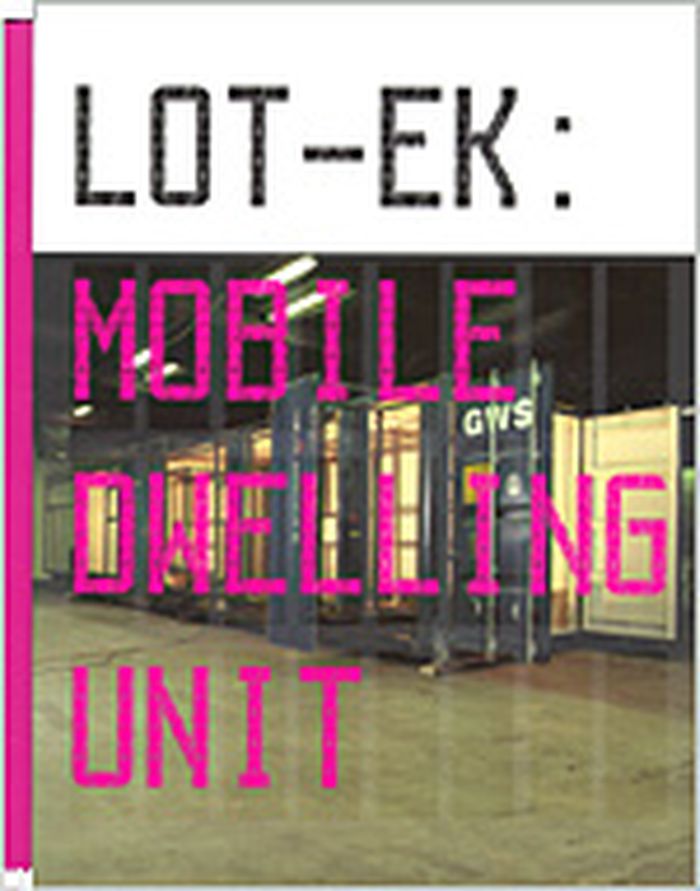
Since 1955, when they were first standardized, shipping containers have had a radical effect on our physical reality. Seven million of these steel containers are now moving around the world, and their measurements have defined the design of ships, railroad cars, trucks, and cargo airplanes, as well as the landscape of ports, airports, and trucking yards. And that doesn't even begin to touch on the wider and much more invisible system of distribution, of just-in-time-inventory, of information networks in which the container moves. LOT/EK, the New York-based studio with a reputation for creating architecture and environments using industrial objects, here takes on the standard shipping container as medium. The Mobile DwellingUnit (MDU) is "a shipping container transformed into a dwelling that nevertheless retains the attributes of a shipping container, i.e. it remains shippable." It is a "discreet mobile element" that can be moved around the globe, to anywhere with that can receive standard shipping containers. It's full-service interior includes push-out elements with space for sleeping, storage, eating, bathing, and cooking; these elements can be pushed smoothly back into the container when the occupant moves and needs to ship his or her living space along. Consider the MDU a trailer home for travelling between global villages. LOT/EK: Mobile Dwelling Unit, the book, will not only document the MDU concept but will provide greater understanding of the work’s cultural and social context with essays by leading architectural critics, theorists, historians, and practitioners. An interview with the designers by Chris Scoates will illuminate LOT/EK’s process in the creation and development of the MDU as well as their unique approach to architecture. Henry Urbach will place the MDU project in the context of LOT/EK’s larger body of work. Professor Robert Kronenberg, a leading expert on portable architecture, will consider the project within the history of the genre. Aaron Betsky, a leading design critic and Director of NAi, will explore the meaning of the MDU within a larger contemporary cultural and social context of mobility and habitation. A visual essay by Andrew Blauvelt and LOT/EK will explore the territories of the MDU’s inspiration and related themes of nomadic travel and industrial systems of transportation.
Lot-ek : mobile dwelling unit
Actions:
Prix:
$37.95
(disponible sur commande)
Résumé:
Since 1955, when they were first standardized, shipping containers have had a radical effect on our physical reality. Seven million of these steel containers are now moving around the world, and their measurements have defined the design of ships, railroad cars, trucks, and cargo airplanes, as well as the landscape of ports, airports, and trucking yards. And that doesn't even begin to touch on the wider and much more invisible system of distribution, of just-in-time-inventory, of information networks in which the container moves. LOT/EK, the New York-based studio with a reputation for creating architecture and environments using industrial objects, here takes on the standard shipping container as medium. The Mobile DwellingUnit (MDU) is "a shipping container transformed into a dwelling that nevertheless retains the attributes of a shipping container, i.e. it remains shippable." It is a "discreet mobile element" that can be moved around the globe, to anywhere with that can receive standard shipping containers. It's full-service interior includes push-out elements with space for sleeping, storage, eating, bathing, and cooking; these elements can be pushed smoothly back into the container when the occupant moves and needs to ship his or her living space along. Consider the MDU a trailer home for travelling between global villages. LOT/EK: Mobile Dwelling Unit, the book, will not only document the MDU concept but will provide greater understanding of the work’s cultural and social context with essays by leading architectural critics, theorists, historians, and practitioners. An interview with the designers by Chris Scoates will illuminate LOT/EK’s process in the creation and development of the MDU as well as their unique approach to architecture. Henry Urbach will place the MDU project in the context of LOT/EK’s larger body of work. Professor Robert Kronenberg, a leading expert on portable architecture, will consider the project within the history of the genre. Aaron Betsky, a leading design critic and Director of NAi, will explore the meaning of the MDU within a larger contemporary cultural and social context of mobility and habitation. A visual essay by Andrew Blauvelt and LOT/EK will explore the territories of the MDU’s inspiration and related themes of nomadic travel and industrial systems of transportation.
Classification:
livres
livres
Publication:
juin 2003, New York
juin 2003, New York
Sujet:
Architecture, monographies
Architecture, monographies
Classification:
livres
livres
Actions:
Prix:
$56.95
(disponible sur commande)
Résumé:
Film noir remains one of the most enduring legacies of 1940's and 1950's Hollywood. Populated by double-crossing, unsavory characters, this pioneering film style explored a shadow side of American life during a period of tremendous prosperity and optimism. Edward Dimendberg compellingly demonstrates how film noir is preoccupied with modernity, particularly the urban(...)
$56.95
(disponible sur commande)
Résumé:
Film noir remains one of the most enduring legacies of 1940's and 1950's Hollywood. Populated by double-crossing, unsavory characters, this pioneering film style explored a shadow side of American life during a period of tremendous prosperity and optimism. Edward Dimendberg compellingly demonstrates how film noir is preoccupied with modernity, particularly the urban(...)
Publication:
avril 2004, Cambridge, Mass.
avril 2004, Cambridge, Mass.
Titre:
Film noir and the spaces of modernity
Actions:
Prix:
$56.95
(disponible sur commande)
Résumé:
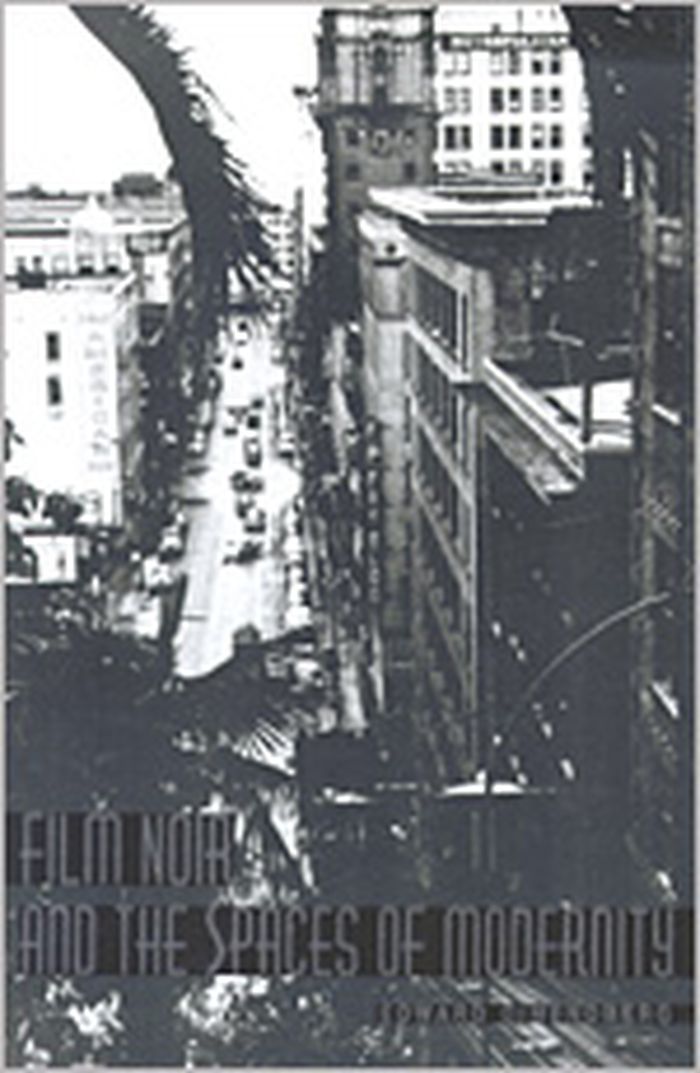
Film noir remains one of the most enduring legacies of 1940's and 1950's Hollywood. Populated by double-crossing, unsavory characters, this pioneering film style explored a shadow side of American life during a period of tremendous prosperity and optimism. Edward Dimendberg compellingly demonstrates how film noir is preoccupied with modernity, particularly the urban landscape. The originality of Dimendberg's approach lies in his examining these films in tandem with historical developments in architecture, city planning, and modern communications systems. He confirms that noir is not simply a reflection of modernity but a virtual continuation of the spaces of the metropolis. He convincingly shows that Hollywood's dark thrillers of the postwar decades were determined by the same forces that shaped the city itself. Exploring classic examples of film noir such as "The Asphalt Jungle", "Double Indemnity", "Kiss Me Deadly", and "The Naked City" alongside many lesser-known works, Dimendberg masterfully interweaves film history and urban history while perceptively analyzing works by Raymond Chandler, Edward Hopper, Siegfried Kracauer, and Henri Lefebvre. A bold intervention in cultural studies and a major contribution to film history, Film Noir and the Spaces of Modernity will provoke debate by cinema scholars, urban historians, and students of modern culture - and will captivate admirers of a vital period in American cinema.
Film noir and the spaces of modernity
Actions:
Prix:
$56.95
(disponible sur commande)
Résumé:
Film noir remains one of the most enduring legacies of 1940's and 1950's Hollywood. Populated by double-crossing, unsavory characters, this pioneering film style explored a shadow side of American life during a period of tremendous prosperity and optimism. Edward Dimendberg compellingly demonstrates how film noir is preoccupied with modernity, particularly the urban landscape. The originality of Dimendberg's approach lies in his examining these films in tandem with historical developments in architecture, city planning, and modern communications systems. He confirms that noir is not simply a reflection of modernity but a virtual continuation of the spaces of the metropolis. He convincingly shows that Hollywood's dark thrillers of the postwar decades were determined by the same forces that shaped the city itself. Exploring classic examples of film noir such as "The Asphalt Jungle", "Double Indemnity", "Kiss Me Deadly", and "The Naked City" alongside many lesser-known works, Dimendberg masterfully interweaves film history and urban history while perceptively analyzing works by Raymond Chandler, Edward Hopper, Siegfried Kracauer, and Henri Lefebvre. A bold intervention in cultural studies and a major contribution to film history, Film Noir and the Spaces of Modernity will provoke debate by cinema scholars, urban historians, and students of modern culture - and will captivate admirers of a vital period in American cinema.
Classification:
livres
livres
Publication:
avril 2004, Cambridge, Mass.
avril 2004, Cambridge, Mass.
Classification:
livres
livres
Titre:
New museums
New museums
Actions:
Prix:
$89.95
(disponible sur commande)
Résumé:
The lead article in the October 2004 issue of Architectural Record, devoted to contemporary museums, noted that “museums continue to proliferate across the international landscape, leading to the conclusion that, post-Bilbao, every municipality seems to want a smash.” Certainly, following the opening of Frank Gehry’s Guggenheim Museum Bilbao, museums gained a newfound(...)
$89.95
(disponible sur commande)
Résumé:
The lead article in the October 2004 issue of Architectural Record, devoted to contemporary museums, noted that “museums continue to proliferate across the international landscape, leading to the conclusion that, post-Bilbao, every municipality seems to want a smash.” Certainly, following the opening of Frank Gehry’s Guggenheim Museum Bilbao, museums gained a newfound(...)
Publication:
mai 2005, London
mai 2005, London
Titre:
New museums
Actions:
Prix:
$89.95
(disponible sur commande)
Résumé:
The lead article in the October 2004 issue of Architectural Record, devoted to contemporary museums, noted that “museums continue to proliferate across the international landscape, leading to the conclusion that, post-Bilbao, every municipality seems to want a smash.” Certainly, following the opening of Frank Gehry’s Guggenheim Museum Bilbao, museums gained a newfound cache among architects and clients. The mission and purpose of the museum is rapidly evolving: museums today are frequently more than repositories for historical art: they can be research centers, memorials, contemporary galleries, or site-specific artworks in themselves. New Museums documents the best of new museum design and features 27 projects in 13 countries in Europe, the United States, Israel, and Japan. The architects represented are among the most renowned practitioners in the world today; in addition to those mentioned above, they include van Berkel + Bos, Santiago Calatrava, Zaha Hadid, Kengo Kuma, and Alvaro Siza, as well as lesser-known, talented designers such as Zvi Hecker in Israel and Diener & Diener in Switzerland. An illustrated general introduction discusses well-known historical precedents as well as current themes relevant to museum design: the museum as a neutral container, its role in placing art in context, the museum as an addition to an existing building, and as a distinct work of art. Each project is documented with color photographs, plans, drawings, and a project description.
New museums
Actions:
Prix:
$89.95
(disponible sur commande)
Résumé:
The lead article in the October 2004 issue of Architectural Record, devoted to contemporary museums, noted that “museums continue to proliferate across the international landscape, leading to the conclusion that, post-Bilbao, every municipality seems to want a smash.” Certainly, following the opening of Frank Gehry’s Guggenheim Museum Bilbao, museums gained a newfound cache among architects and clients. The mission and purpose of the museum is rapidly evolving: museums today are frequently more than repositories for historical art: they can be research centers, memorials, contemporary galleries, or site-specific artworks in themselves. New Museums documents the best of new museum design and features 27 projects in 13 countries in Europe, the United States, Israel, and Japan. The architects represented are among the most renowned practitioners in the world today; in addition to those mentioned above, they include van Berkel + Bos, Santiago Calatrava, Zaha Hadid, Kengo Kuma, and Alvaro Siza, as well as lesser-known, talented designers such as Zvi Hecker in Israel and Diener & Diener in Switzerland. An illustrated general introduction discusses well-known historical precedents as well as current themes relevant to museum design: the museum as a neutral container, its role in placing art in context, the museum as an addition to an existing building, and as a distinct work of art. Each project is documented with color photographs, plans, drawings, and a project description.
Classification:
livres
livres
Publication:
mai 2005, London
mai 2005, London
Classification:
livres
livres
Actions:
Prix:
$32.95
(disponible sur commande)
Résumé:
Bay by the turn of the century. But in 1912, backed by some of the country’s leading financiers and industrialists, MIT officials purchased an undeveloped tract of land in Cambridge, launching a long and complex review of proposals for a new quadrangle. Based largely on the recommendation of John D. Rockefeller Jr., the commission was awarded to MIT and the École des(...)
$32.95
(disponible sur commande)
Résumé:
Bay by the turn of the century. But in 1912, backed by some of the country’s leading financiers and industrialists, MIT officials purchased an undeveloped tract of land in Cambridge, launching a long and complex review of proposals for a new quadrangle. Based largely on the recommendation of John D. Rockefeller Jr., the commission was awarded to MIT and the École des(...)
Titre:
Designing MIT: Bosworth's new tech
Actions:
Prix:
$32.95
(disponible sur commande)
Résumé:
Bay by the turn of the century. But in 1912, backed by some of the country’s leading financiers and industrialists, MIT officials purchased an undeveloped tract of land in Cambridge, launching a long and complex review of proposals for a new quadrangle. Based largely on the recommendation of John D. Rockefeller Jr., the commission was awarded to MIT and the École des Beaux-Arts-trained architect William Welles Bosworth, known for his AT Building in Manhattan, and Kykuit, the Rockefeller mansion in Tarrytown, New York. Designing MIT is the first book to detail Bosworth’s challenges in the planning and construction of the Institute’s unique Cambridge campus. Beginning with an examination of the competing project proposals—from Steven Child, an emerging landscape designer and student of Frederick Law Olmstead; Desiré Despradelle, Chairman of the Department of Architecture at MIT and a leading Beaux-Arts stylist; Ralph Adams Cram, noted for his gothic West Point campus; and John Freeman, one of the country’s leading civil engineers—Mark M. Jarzombek provides a captivating cross-section of the architectural debates of the time. Though Bosworth’s considerable social and political finesse enabled him to land the commission and balance varied competing interests, he found his classically oriented vision challenged by engineer John Freeman, proponent of Frederick W. Taylor’s new principle of Scientific Management. However strained, the conflict ultimately resulted in a far more innovative design than either individual approach, employing new European concepts of industrialism, efficiency, and aesthetics in academic structures.
Designing MIT: Bosworth's new tech
Actions:
Prix:
$32.95
(disponible sur commande)
Résumé:
Bay by the turn of the century. But in 1912, backed by some of the country’s leading financiers and industrialists, MIT officials purchased an undeveloped tract of land in Cambridge, launching a long and complex review of proposals for a new quadrangle. Based largely on the recommendation of John D. Rockefeller Jr., the commission was awarded to MIT and the École des Beaux-Arts-trained architect William Welles Bosworth, known for his AT Building in Manhattan, and Kykuit, the Rockefeller mansion in Tarrytown, New York. Designing MIT is the first book to detail Bosworth’s challenges in the planning and construction of the Institute’s unique Cambridge campus. Beginning with an examination of the competing project proposals—from Steven Child, an emerging landscape designer and student of Frederick Law Olmstead; Desiré Despradelle, Chairman of the Department of Architecture at MIT and a leading Beaux-Arts stylist; Ralph Adams Cram, noted for his gothic West Point campus; and John Freeman, one of the country’s leading civil engineers—Mark M. Jarzombek provides a captivating cross-section of the architectural debates of the time. Though Bosworth’s considerable social and political finesse enabled him to land the commission and balance varied competing interests, he found his classically oriented vision challenged by engineer John Freeman, proponent of Frederick W. Taylor’s new principle of Scientific Management. However strained, the conflict ultimately resulted in a far more innovative design than either individual approach, employing new European concepts of industrialism, efficiency, and aesthetics in academic structures.
Classification:
livres
livres
Publication:
novembre 2004
novembre 2004


