


6343 Résultats
Classification:
livres
livres
Titre:
How to build a skyscraper
How to build a skyscraper
Actions:
Prix:
$24.95
(disponible sur commande)
Résumé:
Skyscrapers have been piercing the clouds since the end of the nineteenth century but today's soaring land prices are driving developers to build bigger, better and higher while aiming for as small a footprint as possible. This book features spreads with a large photograph with cross-section drawings plus fact boxes listing location, year of completion, height, stories,(...)
$24.95
(disponible sur commande)
Résumé:
Skyscrapers have been piercing the clouds since the end of the nineteenth century but today's soaring land prices are driving developers to build bigger, better and higher while aiming for as small a footprint as possible. This book features spreads with a large photograph with cross-section drawings plus fact boxes listing location, year of completion, height, stories,(...)
Titre:
How to build a skyscraper
Actions:
Prix:
$24.95
(disponible sur commande)
Résumé:
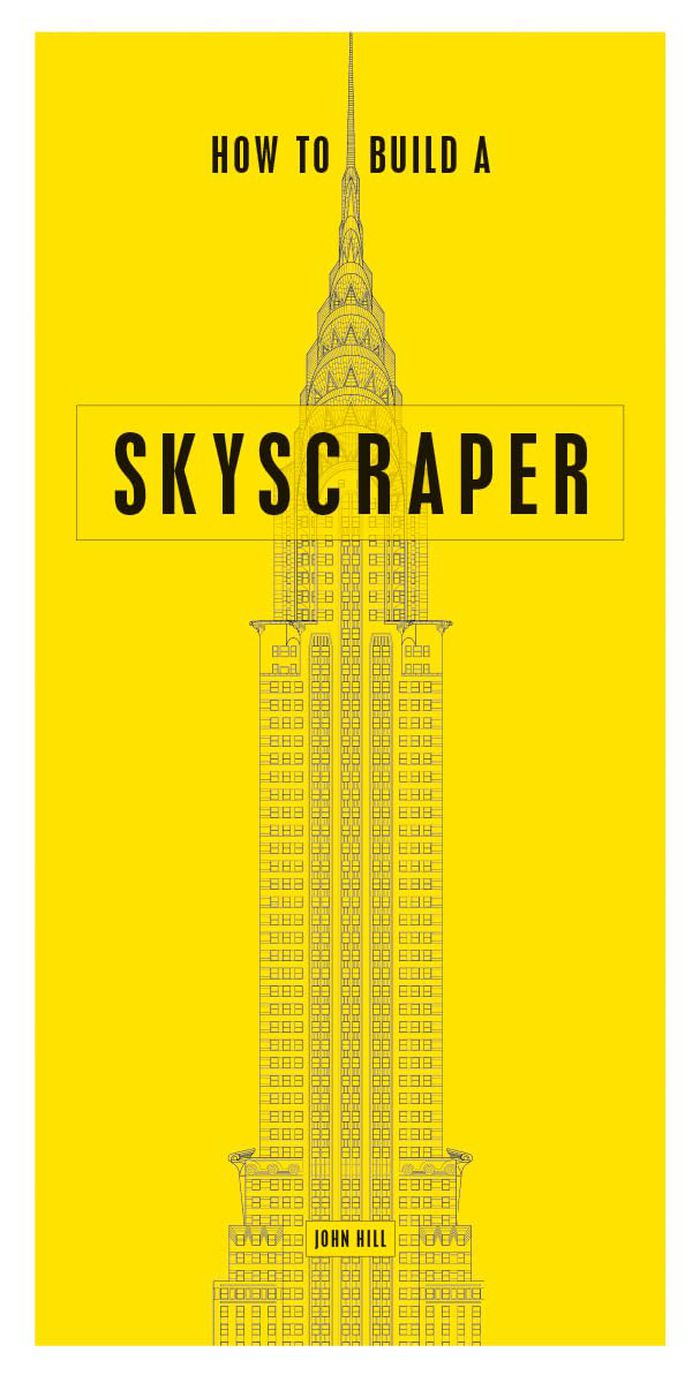
Skyscrapers have been piercing the clouds since the end of the nineteenth century but today's soaring land prices are driving developers to build bigger, better and higher while aiming for as small a footprint as possible. This book features spreads with a large photograph with cross-section drawings plus fact boxes listing location, year of completion, height, stories, primary functions, owner/developer, architect, structural engineer, and construction firm. Concise text describes historical context; unusual or innovative construction; engineering and structural systems; foundation, facade, and shape; the site history; and building usage; as well as any special features that make the skyscraper unique. The 46 skyscrapers in "How to Build a Skyscraper" appear not for their height but for their pioneering technology, sustainability, and other characteristics that set them apart. They are distributed over the world's most developed regions of North America, Europe, Asia, and Australia.
How to build a skyscraper
Actions:
Prix:
$24.95
(disponible sur commande)
Résumé:
Skyscrapers have been piercing the clouds since the end of the nineteenth century but today's soaring land prices are driving developers to build bigger, better and higher while aiming for as small a footprint as possible. This book features spreads with a large photograph with cross-section drawings plus fact boxes listing location, year of completion, height, stories, primary functions, owner/developer, architect, structural engineer, and construction firm. Concise text describes historical context; unusual or innovative construction; engineering and structural systems; foundation, facade, and shape; the site history; and building usage; as well as any special features that make the skyscraper unique. The 46 skyscrapers in "How to Build a Skyscraper" appear not for their height but for their pioneering technology, sustainability, and other characteristics that set them apart. They are distributed over the world's most developed regions of North America, Europe, Asia, and Australia.
Classification:
livres
livres
Publication:
mars 2023
mars 2023
Classification:
périodiques
périodiques
Titre:
The purple journal no 12
The purple journal no 12
Actions:
Prix:
$13.99
(disponible sur commande)
Résumé:
Everything happens from person to person through encounters. The Purple Journal takes this into account and is a place in which to escape the monotone repetitions of the world media—a lively magazine that resists dead ends and divisions. The subjectivity of the authors is always expressed freely through their reportages, chronicles, essays, stories or photographs. Our(...)
$13.99
(disponible sur commande)
Résumé:
Everything happens from person to person through encounters. The Purple Journal takes this into account and is a place in which to escape the monotone repetitions of the world media—a lively magazine that resists dead ends and divisions. The subjectivity of the authors is always expressed freely through their reportages, chronicles, essays, stories or photographs. Our(...)
Titre:
The purple journal no 12
Actions:
Prix:
$13.99
(disponible sur commande)
Résumé:
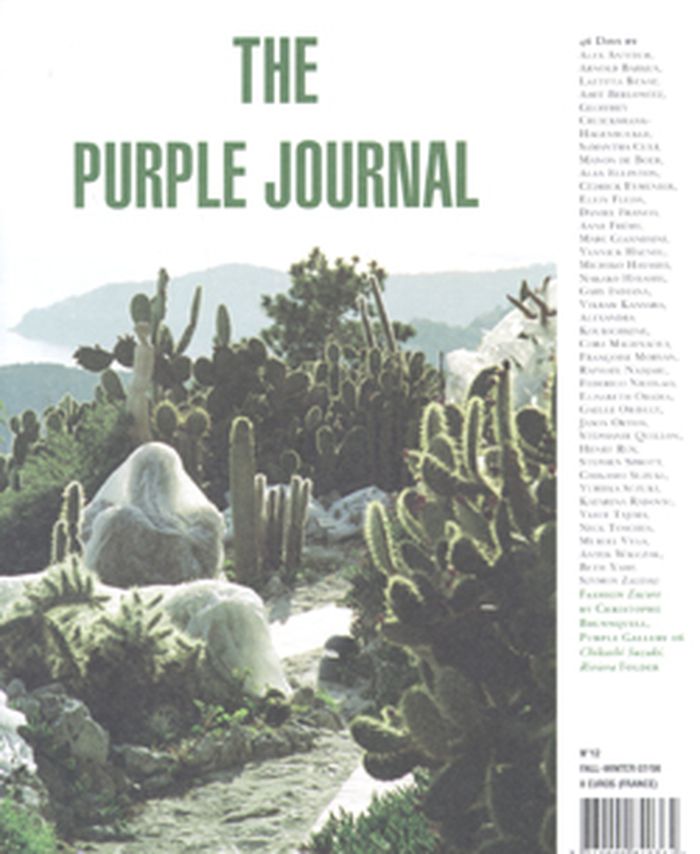
Everything happens from person to person through encounters. The Purple Journal takes this into account and is a place in which to escape the monotone repetitions of the world media—a lively magazine that resists dead ends and divisions. The subjectivity of the authors is always expressed freely through their reportages, chronicles, essays, stories or photographs. Our editorial line consists of clearing art from the invading culture, political thought from false politics, beauty from vulgarity, and brings meaning, or rather a voice back to what is the original concept of a journal—and this, in all fields: from international politics to culinary art, passing through travel, fashion and philosophical essays. The Purple Journal is conceived as a general-interest publication with an international agenda (each issue exists in a French version). Here then is a publication that takes liberty, season after season, to open up other perspectives of current developments.
The purple journal no 12
Actions:
Prix:
$13.99
(disponible sur commande)
Résumé:
Everything happens from person to person through encounters. The Purple Journal takes this into account and is a place in which to escape the monotone repetitions of the world media—a lively magazine that resists dead ends and divisions. The subjectivity of the authors is always expressed freely through their reportages, chronicles, essays, stories or photographs. Our editorial line consists of clearing art from the invading culture, political thought from false politics, beauty from vulgarity, and brings meaning, or rather a voice back to what is the original concept of a journal—and this, in all fields: from international politics to culinary art, passing through travel, fashion and philosophical essays. The Purple Journal is conceived as a general-interest publication with an international agenda (each issue exists in a French version). Here then is a publication that takes liberty, season after season, to open up other perspectives of current developments.
Classification:
périodiques
périodiques
Publication:
janvier 1900, Paris
janvier 1900, Paris
Sujet:
Revues
Revues
Classification:
livres
livres

Titre:
Appendix appendix
Appendix appendix
Actions:
Prix:
$30.00
(disponible sur commande)
Résumé:
While he was working on Appendix Appendix, Ryan Gander described it to Artforum as "a shooting script for a 13-part television series about television" and "a cross between John Berger's Ways of Seeing and Monty Python." His collaborator and typographer Stuart Bailey, on the other hand, describes it as a sequel to their first book, Appendix, which compiled back stories(...)
$30.00
(disponible sur commande)
Résumé:
While he was working on Appendix Appendix, Ryan Gander described it to Artforum as "a shooting script for a 13-part television series about television" and "a cross between John Berger's Ways of Seeing and Monty Python." His collaborator and typographer Stuart Bailey, on the other hand, describes it as a sequel to their first book, Appendix, which compiled back stories(...)
Publication:
octobre 2007
octobre 2007
Titre:
Appendix appendix
Actions:
Prix:
$30.00
(disponible sur commande)
Résumé:
While he was working on Appendix Appendix, Ryan Gander described it to Artforum as "a shooting script for a 13-part television series about television" and "a cross between John Berger's Ways of Seeing and Monty Python." His collaborator and typographer Stuart Bailey, on the other hand, describes it as a sequel to their first book, Appendix, which compiled back stories for Gander's conceptual work. Bailey says, "The problem (a good problem) is to work out how the second [collaboration] is affected by the first, how it swallows it. I always relate these things to music, so it's like thinking what's the second album going to be after the rough debut; more studio time, more pressure, bigger egos, drinking problems, etcetera." Bailey has created books with Paulina Olowska, Lucy McKenzie and Frances Stark; Gander recently won the Baloise Prize at Art Basel and appeared in the 2006 Tate Triennial.
Appendix appendix
Actions:
Prix:
$30.00
(disponible sur commande)
Résumé:
While he was working on Appendix Appendix, Ryan Gander described it to Artforum as "a shooting script for a 13-part television series about television" and "a cross between John Berger's Ways of Seeing and Monty Python." His collaborator and typographer Stuart Bailey, on the other hand, describes it as a sequel to their first book, Appendix, which compiled back stories for Gander's conceptual work. Bailey says, "The problem (a good problem) is to work out how the second [collaboration] is affected by the first, how it swallows it. I always relate these things to music, so it's like thinking what's the second album going to be after the rough debut; more studio time, more pressure, bigger egos, drinking problems, etcetera." Bailey has created books with Paulina Olowska, Lucy McKenzie and Frances Stark; Gander recently won the Baloise Prize at Art Basel and appeared in the 2006 Tate Triennial.
Classification:
livres
livres
Publication:
octobre 2007
octobre 2007
Classification:
livres
livres
Titre:
The snows of Venice
The snows of Venice
Actions:
Prix:
$55.00
(disponible sur commande)
Résumé:
American author Ben Lerner and German film-maker and writer Alexander Kluge come from two different generations but share a single passion: an interest in the long-term effects of things. A line from Lerner’s poem “The sky stops painting and turns to criticism” that Kluge was struck by some years ago became the starting point for their first joint book project. Kluge(...)
$55.00
(disponible sur commande)
Résumé:
American author Ben Lerner and German film-maker and writer Alexander Kluge come from two different generations but share a single passion: an interest in the long-term effects of things. A line from Lerner’s poem “The sky stops painting and turns to criticism” that Kluge was struck by some years ago became the starting point for their first joint book project. Kluge(...)
Titre:
The snows of Venice
Actions:
Prix:
$55.00
(disponible sur commande)
Résumé:
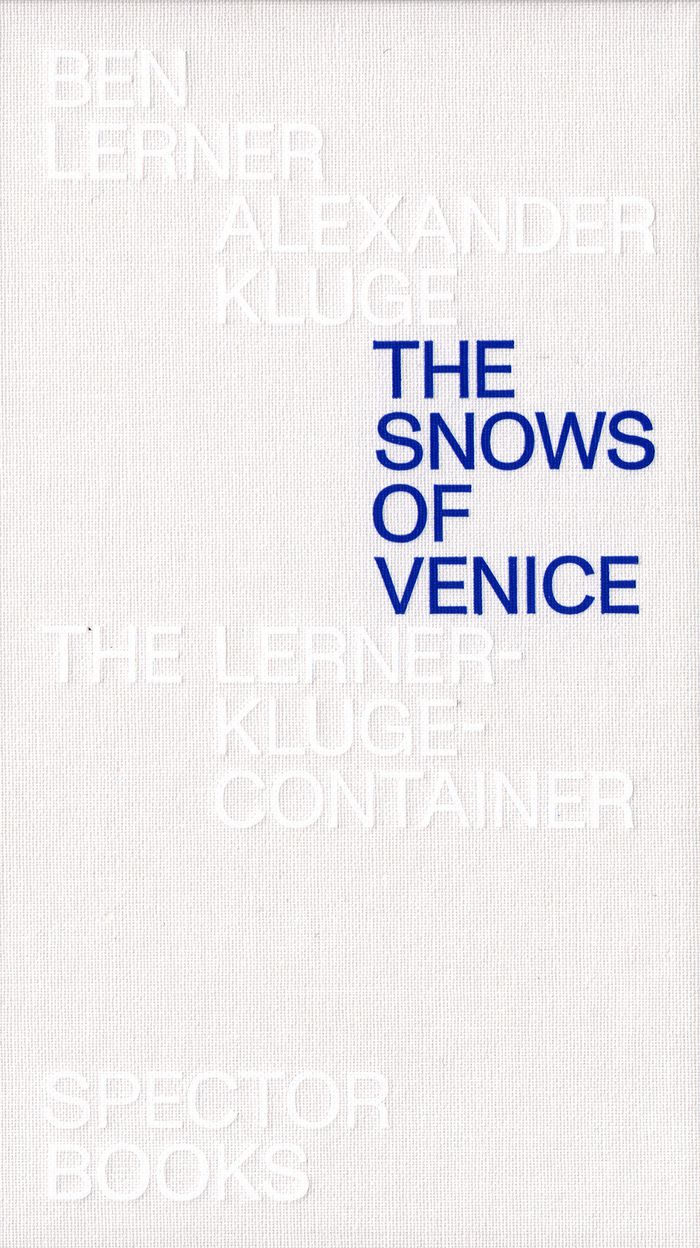
American author Ben Lerner and German film-maker and writer Alexander Kluge come from two different generations but share a single passion: an interest in the long-term effects of things. A line from Lerner’s poem “The sky stops painting and turns to criticism” that Kluge was struck by some years ago became the starting point for their first joint book project. Kluge responded to this celestial critique with a story about the technically controlled power of a squadron of bombers bossing the skies over Aleppo, which Lerner answered with a sonnet. Step by step this gave rise to poems, stories, and conversations in which the heavens show their bewitching and threatening qualities. This literary dialogue is published in 'The Snows of Venice'. A series of twenty-one photographs that Gerhard Richter took in Venice in the 1970s augments the interplay of texts and the principle of interconnecting poetic horizons.
The snows of Venice
Actions:
Prix:
$55.00
(disponible sur commande)
Résumé:
American author Ben Lerner and German film-maker and writer Alexander Kluge come from two different generations but share a single passion: an interest in the long-term effects of things. A line from Lerner’s poem “The sky stops painting and turns to criticism” that Kluge was struck by some years ago became the starting point for their first joint book project. Kluge responded to this celestial critique with a story about the technically controlled power of a squadron of bombers bossing the skies over Aleppo, which Lerner answered with a sonnet. Step by step this gave rise to poems, stories, and conversations in which the heavens show their bewitching and threatening qualities. This literary dialogue is published in 'The Snows of Venice'. A series of twenty-one photographs that Gerhard Richter took in Venice in the 1970s augments the interplay of texts and the principle of interconnecting poetic horizons.
Classification:
livres
livres
Publication:
septembre 2018
septembre 2018
Sujet:
Littérature et poésie
Littérature et poésie
Classification:
livres
livres
Actions:
Prix:
$34.00
(disponible en magasin)
Résumé:
This cookbook by Taiwanese artist Pei-Ying Lin (born 1986) is an illustrated guide that showcases how ever-changing viruses affect our sense of taste. The core concept of ''Virophilia'' involves experiencing the viruses in food. Her performances combine different selections of recipes that use the viruses in different ways. The audience eats while listening to stories(...)
$34.00
(disponible en magasin)
Résumé:
This cookbook by Taiwanese artist Pei-Ying Lin (born 1986) is an illustrated guide that showcases how ever-changing viruses affect our sense of taste. The core concept of ''Virophilia'' involves experiencing the viruses in food. Her performances combine different selections of recipes that use the viruses in different ways. The audience eats while listening to stories(...)
Titre:
Pei-Ying Lin: Virophilia, 2070 revised edition of the postnatural cookbook
Actions:
Prix:
$34.00
(disponible en magasin)
Résumé:
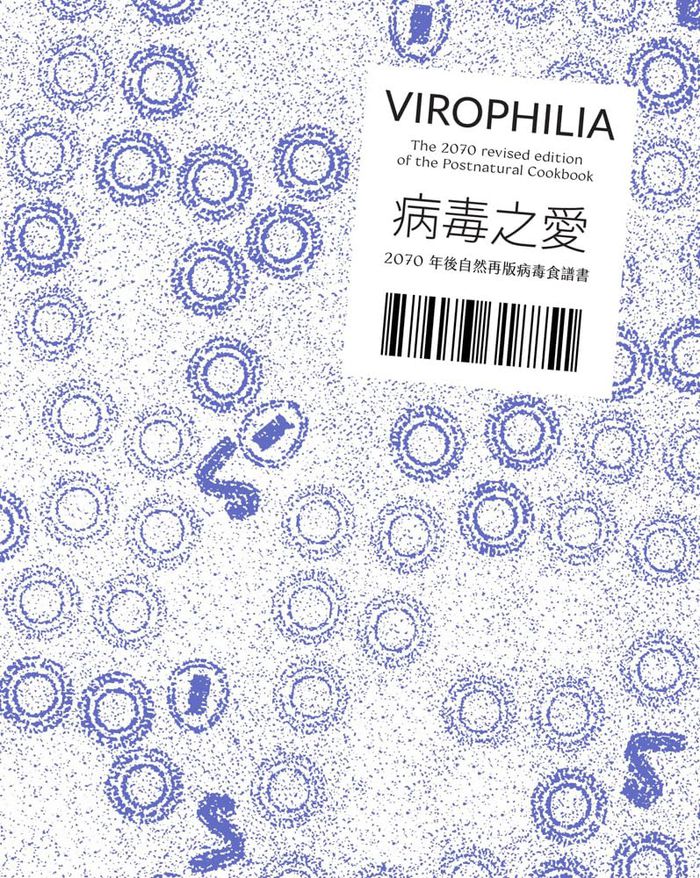
This cookbook by Taiwanese artist Pei-Ying Lin (born 1986) is an illustrated guide that showcases how ever-changing viruses affect our sense of taste. The core concept of ''Virophilia'' involves experiencing the viruses in food. Her performances combine different selections of recipes that use the viruses in different ways. The audience eats while listening to stories about the viruses. Since 2055, viruses have become an important part of our everyday food culture. Those born before 2015 may still remember the fear of the natural order that the coronavirus brought us, but since 2055 we have known that such fear is also irresistibly tasty. Viruses that were once exclusive to the research and medical realms are now constitutive of our natural habitat. Pei-Ying Lin, currently based in the Netherlands, has recently been focusing on boundaries (invisible/visible, living/nonliving) and building tools and methods that facilitate their exploration.
Pei-Ying Lin: Virophilia, 2070 revised edition of the postnatural cookbook
Actions:
Prix:
$34.00
(disponible en magasin)
Résumé:
This cookbook by Taiwanese artist Pei-Ying Lin (born 1986) is an illustrated guide that showcases how ever-changing viruses affect our sense of taste. The core concept of ''Virophilia'' involves experiencing the viruses in food. Her performances combine different selections of recipes that use the viruses in different ways. The audience eats while listening to stories about the viruses. Since 2055, viruses have become an important part of our everyday food culture. Those born before 2015 may still remember the fear of the natural order that the coronavirus brought us, but since 2055 we have known that such fear is also irresistibly tasty. Viruses that were once exclusive to the research and medical realms are now constitutive of our natural habitat. Pei-Ying Lin, currently based in the Netherlands, has recently been focusing on boundaries (invisible/visible, living/nonliving) and building tools and methods that facilitate their exploration.
Classification:
livres
livres
Publication:
novembre 2023
novembre 2023
Classification:
livres
livres
Actions:
Prix:
$52.00
(disponible en magasin)
Résumé:
Building in existing fabric conserves resources, saves energy, and reduces carbon emissions – good reasons to choose conversion over new build. Yet there is another, less tangible dimension: time. With additions and adaptations, patina and cracks, it leaves its mark and stores memories in the buildings. To carry these stories forward requires sensitivity to materials,(...)
$52.00
(disponible en magasin)
Résumé:
Building in existing fabric conserves resources, saves energy, and reduces carbon emissions – good reasons to choose conversion over new build. Yet there is another, less tangible dimension: time. With additions and adaptations, patina and cracks, it leaves its mark and stores memories in the buildings. To carry these stories forward requires sensitivity to materials,(...)
Titre:
Detail 11 2025 : Building in existing contexts
Actions:
Prix:
$52.00
(disponible en magasin)
Résumé:
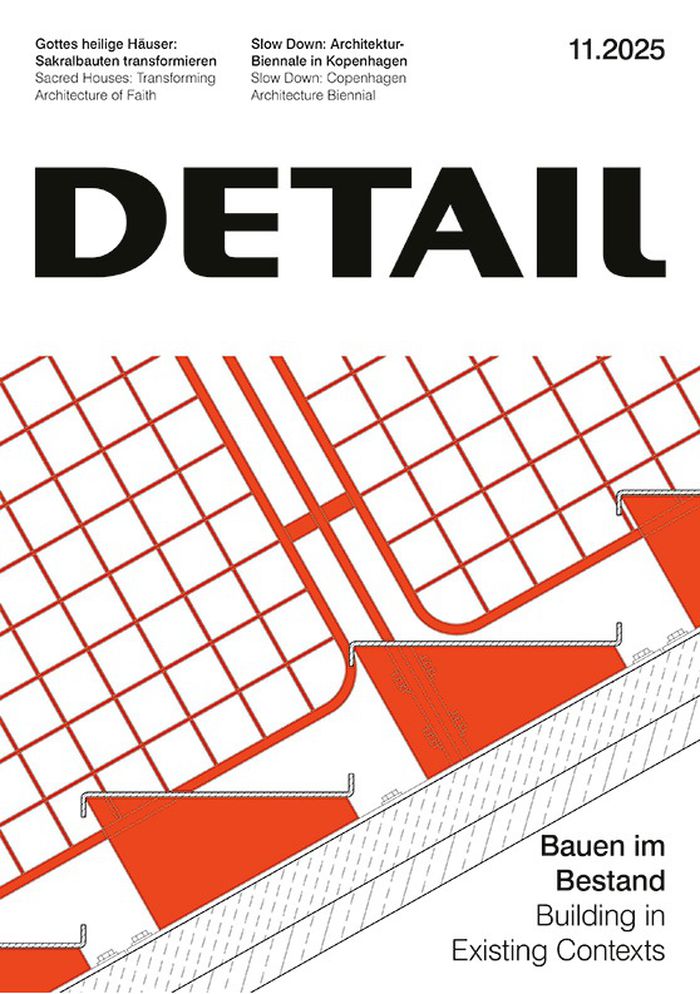
Building in existing fabric conserves resources, saves energy, and reduces carbon emissions – good reasons to choose conversion over new build. Yet there is another, less tangible dimension: time. With additions and adaptations, patina and cracks, it leaves its mark and stores memories in the buildings. To carry these stories forward requires sensitivity to materials, spaces, and histories. Deciding what remains and what is replaced demands careful judgment. Some interventions are so discreet that only trained eyes notice them, often compared by architects to the restoration of a classic car. Others are more radical: ceiling panels titled and set diagonally into a room, or large atriums cut into the existing architecture. At times, we may need to rethink our ingrained aesthetics and ask whether materials with a problematic reputation – such as fibre cement panels (Eternit) – can still be used, or whether cut edges might be left uncovered.
Detail 11 2025 : Building in existing contexts
Actions:
Prix:
$52.00
(disponible en magasin)
Résumé:
Building in existing fabric conserves resources, saves energy, and reduces carbon emissions – good reasons to choose conversion over new build. Yet there is another, less tangible dimension: time. With additions and adaptations, patina and cracks, it leaves its mark and stores memories in the buildings. To carry these stories forward requires sensitivity to materials, spaces, and histories. Deciding what remains and what is replaced demands careful judgment. Some interventions are so discreet that only trained eyes notice them, often compared by architects to the restoration of a classic car. Others are more radical: ceiling panels titled and set diagonally into a room, or large atriums cut into the existing architecture. At times, we may need to rethink our ingrained aesthetics and ask whether materials with a problematic reputation – such as fibre cement panels (Eternit) – can still be used, or whether cut edges might be left uncovered.
Classification:
livres
livres
Publication:
novembre 2025
novembre 2025
Sujet:
Revues
Revues
Classification:
livres
livres
Actions:
Prix:
$24.95
(disponible sur commande)
Résumé:
In the first half of the 20th century, when architecture and literature dreamed of transparency, glass was the material these dreams were made of. However, the historiography of both fields usually focuses on a few canonical works by male authors to tell the story of this shared fascination. Departing from this imbalance, this essay takes the opportunity to explore the(...)
$24.95
(disponible sur commande)
Résumé:
In the first half of the 20th century, when architecture and literature dreamed of transparency, glass was the material these dreams were made of. However, the historiography of both fields usually focuses on a few canonical works by male authors to tell the story of this shared fascination. Departing from this imbalance, this essay takes the opportunity to explore the(...)
Sujet:
Théorie de l’architecture
Théorie de l’architecture
Publication:
décembre 2023
décembre 2023
Titre:
Glass scenographies. Notes on spaces of one’s own
Actions:
Prix:
$24.95
(disponible sur commande)
Résumé:
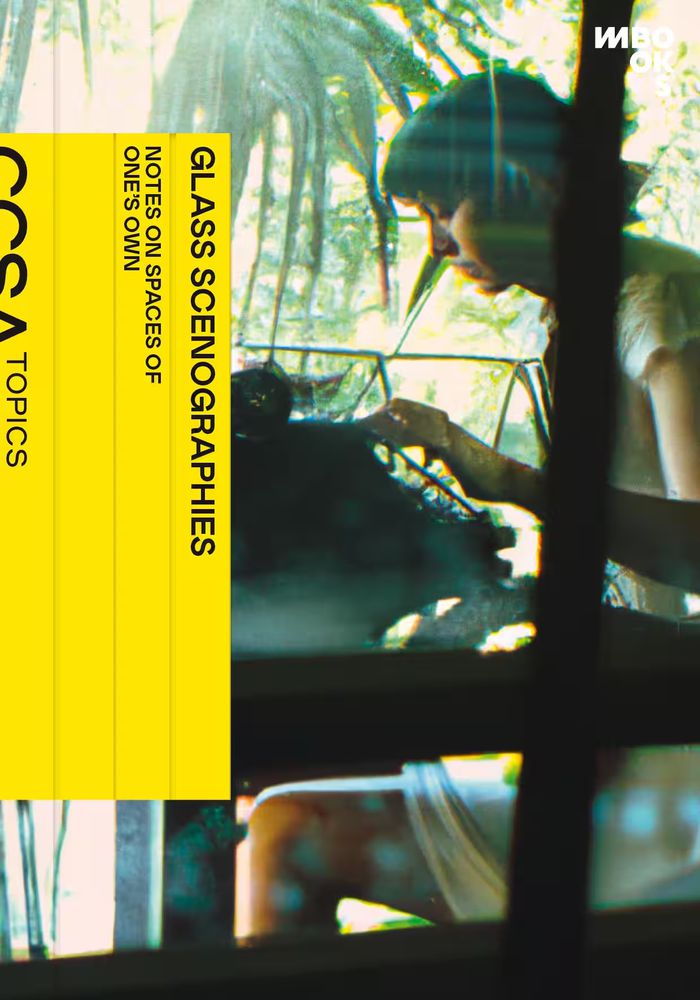
In the first half of the 20th century, when architecture and literature dreamed of transparency, glass was the material these dreams were made of. However, the historiography of both fields usually focuses on a few canonical works by male authors to tell the story of this shared fascination. Departing from this imbalance, this essay takes the opportunity to explore the glass culture of modernity through the lens of female projects whose stories often take place simultaneously on different continents. While the former silent film actress Evelyn Word Leigh builds a glass house for herself in Nyack, New York, artists and writers based in Europe – like Claude Cahun, Anaïs Nin, and Hilda ‘H.D.’ Doolittle – flesh out imaginary glass domes as construction sites of artistic subjectivities. Whether homes or domes, these creative women used glass environments to question and renegotiate their assigned places in Western societies, challenging the boundaries of female agency.
Glass scenographies. Notes on spaces of one’s own
Actions:
Prix:
$24.95
(disponible sur commande)
Résumé:
In the first half of the 20th century, when architecture and literature dreamed of transparency, glass was the material these dreams were made of. However, the historiography of both fields usually focuses on a few canonical works by male authors to tell the story of this shared fascination. Departing from this imbalance, this essay takes the opportunity to explore the glass culture of modernity through the lens of female projects whose stories often take place simultaneously on different continents. While the former silent film actress Evelyn Word Leigh builds a glass house for herself in Nyack, New York, artists and writers based in Europe – like Claude Cahun, Anaïs Nin, and Hilda ‘H.D.’ Doolittle – flesh out imaginary glass domes as construction sites of artistic subjectivities. Whether homes or domes, these creative women used glass environments to question and renegotiate their assigned places in Western societies, challenging the boundaries of female agency.
Classification:
livres
livres
Publication:
décembre 2023
décembre 2023
Sujet:
Théorie de l’architecture
Théorie de l’architecture
Classification:
livres
livres
Titre:
Notes on the minor character
Notes on the minor character
Actions:
Prix:
$12.00
(disponible en magasin)
Résumé:
In "Notes on the minor character" Bopha Chhay meditates on "the minor" - those secondary characters or objects that populate the background and seemingly only serve to support or surround the area of focus. Through a series of fragments we encounter the minor characters from paintings and novels; the minor anecdotes appended to the overarching ideology of state-hood; and(...)
$12.00
(disponible en magasin)
Résumé:
In "Notes on the minor character" Bopha Chhay meditates on "the minor" - those secondary characters or objects that populate the background and seemingly only serve to support or surround the area of focus. Through a series of fragments we encounter the minor characters from paintings and novels; the minor anecdotes appended to the overarching ideology of state-hood; and(...)
Titre:
Notes on the minor character
Actions:
Prix:
$12.00
(disponible en magasin)
Résumé:
In "Notes on the minor character" Bopha Chhay meditates on "the minor" - those secondary characters or objects that populate the background and seemingly only serve to support or surround the area of focus. Through a series of fragments we encounter the minor characters from paintings and novels; the minor anecdotes appended to the overarching ideology of state-hood; and the minor details, usually overlooked, that can become a great revealer of falsehood. Ranging from Bruegel The Elder to Jane Eyre, Y-Dang Troeung to Dostoevsky, we see 'the minor' played out in multiple ways out of the corner of our eye. Here Chhay proposes 'the minor' to be that which quietly disrupts the main narrative, and as we re-orient our focus to the outskirts we are given the opportunity to think through a different set of stories: the fan fictions, the non-player characters, and the un-heroic gestures.
Notes on the minor character
Actions:
Prix:
$12.00
(disponible en magasin)
Résumé:
In "Notes on the minor character" Bopha Chhay meditates on "the minor" - those secondary characters or objects that populate the background and seemingly only serve to support or surround the area of focus. Through a series of fragments we encounter the minor characters from paintings and novels; the minor anecdotes appended to the overarching ideology of state-hood; and the minor details, usually overlooked, that can become a great revealer of falsehood. Ranging from Bruegel The Elder to Jane Eyre, Y-Dang Troeung to Dostoevsky, we see 'the minor' played out in multiple ways out of the corner of our eye. Here Chhay proposes 'the minor' to be that which quietly disrupts the main narrative, and as we re-orient our focus to the outskirts we are given the opportunity to think through a different set of stories: the fan fictions, the non-player characters, and the un-heroic gestures.
Classification:
livres
livres
Publication:
janvier 2024
janvier 2024
Sujet:
Zines
Zines
Classification:
livres
livres
Actions:
Prix:
$35.00
(disponible sur commande)
Résumé:
Hélène Cixous’s powerful new book, masterfully translated by Peggy Kamuf, is a vivid journey through fire. From the ashes of wars, wildfires, and upheaval, Cixous traces a dramatic path across time—from the Second World War and the Nazi occupation of Oran to the European wildfires of 2022—weaving a rich, intimate narrative that merges history, autobiography, and myth.(...)
$35.00
(disponible sur commande)
Résumé:
Hélène Cixous’s powerful new book, masterfully translated by Peggy Kamuf, is a vivid journey through fire. From the ashes of wars, wildfires, and upheaval, Cixous traces a dramatic path across time—from the Second World War and the Nazi occupation of Oran to the European wildfires of 2022—weaving a rich, intimate narrative that merges history, autobiography, and myth.(...)
Titre:
Incinarration: What do we carry?
Actions:
Prix:
$35.00
(disponible sur commande)
Résumé:
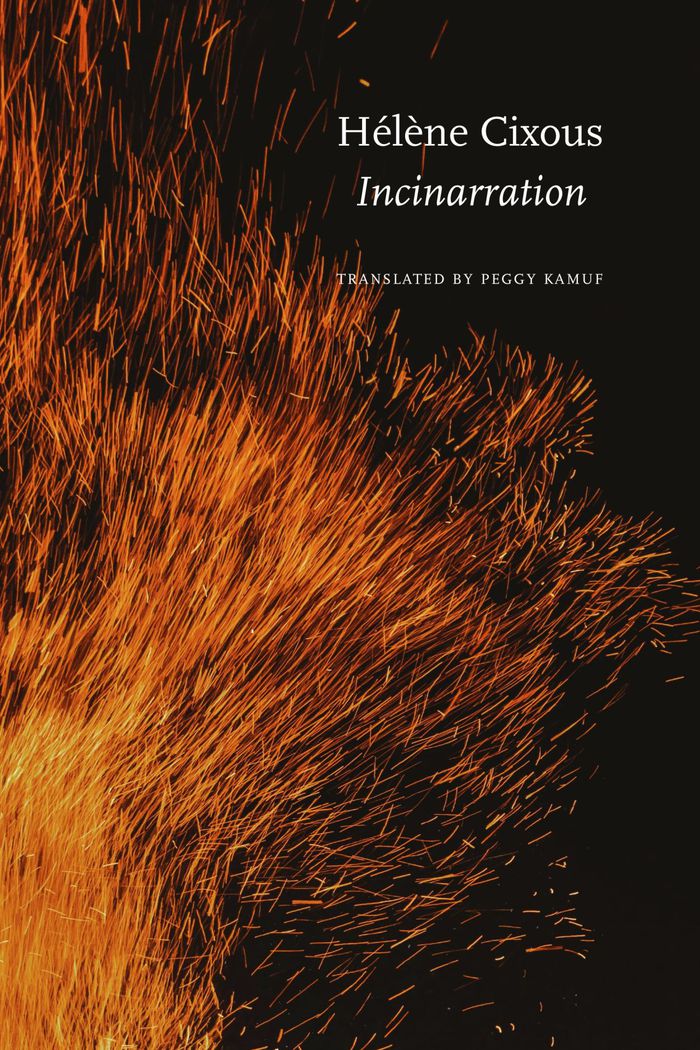
Hélène Cixous’s powerful new book, masterfully translated by Peggy Kamuf, is a vivid journey through fire. From the ashes of wars, wildfires, and upheaval, Cixous traces a dramatic path across time—from the Second World War and the Nazi occupation of Oran to the European wildfires of 2022—weaving a rich, intimate narrative that merges history, autobiography, and myth. With her piercing, lyrical voice, Cixous confronts the human cost of destruction and upheaval, and asks a universal question: What do we carry with us when everything we know is falling to ashes? In ''Incinarration'' Cixous finds hope in the power of words, memory, and imagination to illuminate our darkest moments and redeem the future. As forests burn and regimes collapse, Cixous shows us how stories become a form of resistance—a way to remember, to bear testimony, and to find renewal in the face of oblivion.
Incinarration: What do we carry?
Actions:
Prix:
$35.00
(disponible sur commande)
Résumé:
Hélène Cixous’s powerful new book, masterfully translated by Peggy Kamuf, is a vivid journey through fire. From the ashes of wars, wildfires, and upheaval, Cixous traces a dramatic path across time—from the Second World War and the Nazi occupation of Oran to the European wildfires of 2022—weaving a rich, intimate narrative that merges history, autobiography, and myth. With her piercing, lyrical voice, Cixous confronts the human cost of destruction and upheaval, and asks a universal question: What do we carry with us when everything we know is falling to ashes? In ''Incinarration'' Cixous finds hope in the power of words, memory, and imagination to illuminate our darkest moments and redeem the future. As forests burn and regimes collapse, Cixous shows us how stories become a form of resistance—a way to remember, to bear testimony, and to find renewal in the face of oblivion.
Classification:
livres
livres
Publication:
juin 2026
juin 2026
Sujet:
Théorie/ philosophie
Théorie/ philosophie
Classification:
livres
livres
Actions:
Prix:
$35.00
(disponible en magasin)
Résumé:
The work of the recently deceased Bay-area photographer, Henry Wessel, is renowned for its fragmentary and compelling nature, each image urging imaginative leaps towards the fatalism and moral ambiguity of noir film and fiction. Every Wessel photograph is a gateway to a wild array of extraordinary storylines. This project, 'A Dark Thread', takes this semblance of an(...)
$35.00
(disponible en magasin)
Résumé:
The work of the recently deceased Bay-area photographer, Henry Wessel, is renowned for its fragmentary and compelling nature, each image urging imaginative leaps towards the fatalism and moral ambiguity of noir film and fiction. Every Wessel photograph is a gateway to a wild array of extraordinary storylines. This project, 'A Dark Thread', takes this semblance of an(...)
Titre:
Henry Wessel: A dark thread (français)
Actions:
Prix:
$35.00
(disponible en magasin)
Résumé:
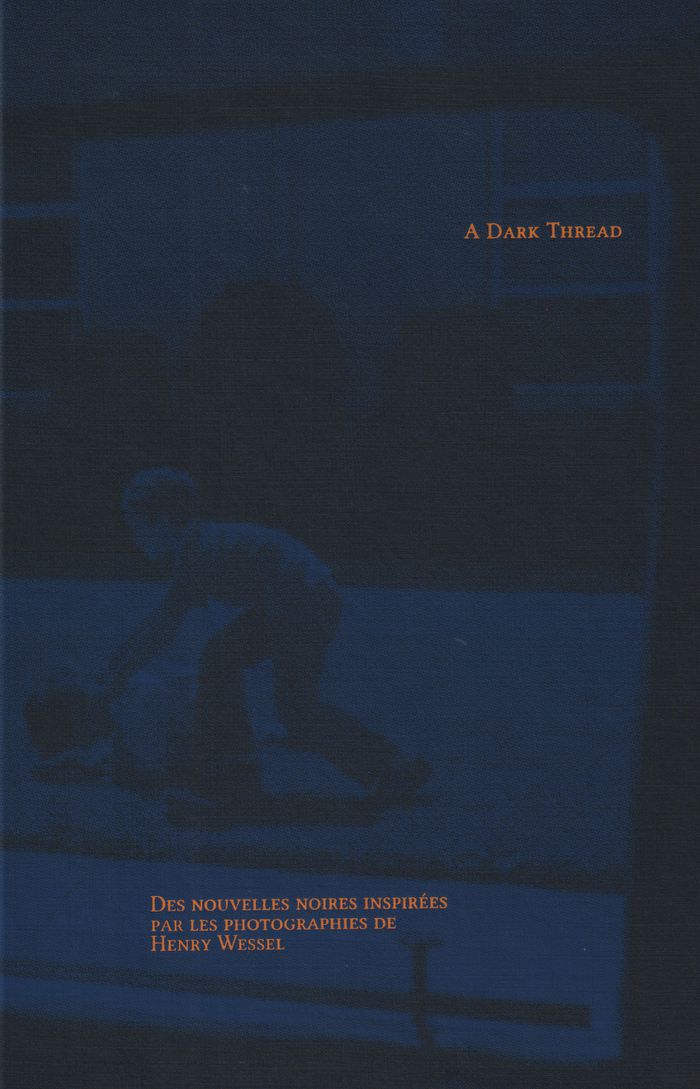
The work of the recently deceased Bay-area photographer, Henry Wessel, is renowned for its fragmentary and compelling nature, each image urging imaginative leaps towards the fatalism and moral ambiguity of noir film and fiction. Every Wessel photograph is a gateway to a wild array of extraordinary storylines. This project, 'A Dark Thread', takes this semblance of an idea further by commissioning over a dozen renowned noir writers to produce a short story in response to one or more of Wessel’s black and white photographs. This first version of the project brings together French translations of stories by Art Taylor, Ivy Pochoda, and Alexander MacLeod, together with the photographs that inspired them. Straddling the space between literary publishing and photobook, this slim volume offers a new and original means of understanding Henry Wessel’s photography and accompanies a retrospective of his work at the Maison de la Photograhie in Paris (June 2019).
Henry Wessel: A dark thread (français)
Actions:
Prix:
$35.00
(disponible en magasin)
Résumé:
The work of the recently deceased Bay-area photographer, Henry Wessel, is renowned for its fragmentary and compelling nature, each image urging imaginative leaps towards the fatalism and moral ambiguity of noir film and fiction. Every Wessel photograph is a gateway to a wild array of extraordinary storylines. This project, 'A Dark Thread', takes this semblance of an idea further by commissioning over a dozen renowned noir writers to produce a short story in response to one or more of Wessel’s black and white photographs. This first version of the project brings together French translations of stories by Art Taylor, Ivy Pochoda, and Alexander MacLeod, together with the photographs that inspired them. Straddling the space between literary publishing and photobook, this slim volume offers a new and original means of understanding Henry Wessel’s photography and accompanies a retrospective of his work at the Maison de la Photograhie in Paris (June 2019).
Classification:
livres
livres
Publication:
juin 2019
juin 2019
Sujet:
Monographies photo
Monographies photo


