


12889 Résultats
Classification:
périodiques
périodiques
Titre:
Journal of linguistics.
Journal of linguistics.
Actions:
Auteur:
Sujet:
Publication:
Cambridge, England : Cambridge University Press, 1965-
Cambridge, England : Cambridge University Press, 1965-
Classification:
périodiques
périodiques
Publication:
Cambridge, England : Cambridge University Press, 1965-
Cambridge, England : Cambridge University Press, 1965-
Auteur:
Sujet:
Classification:
livres
livres
Prix:
$42.95
(disponible en magasin)
Résumé:
This book consists of a collection of theoretical reflections and practical perspectives that offer a holistic vision of human activity in enduring, dynamic interaction with other living systems. Positioned as a ‘resource for design thinking and practice’, it challenges the paths through which contemporary design practitioners operate, offering alternative perspectives(...)
$42.95
(disponible en magasin)
Résumé:
This book consists of a collection of theoretical reflections and practical perspectives that offer a holistic vision of human activity in enduring, dynamic interaction with other living systems. Positioned as a ‘resource for design thinking and practice’, it challenges the paths through which contemporary design practitioners operate, offering alternative perspectives(...)
Titre:
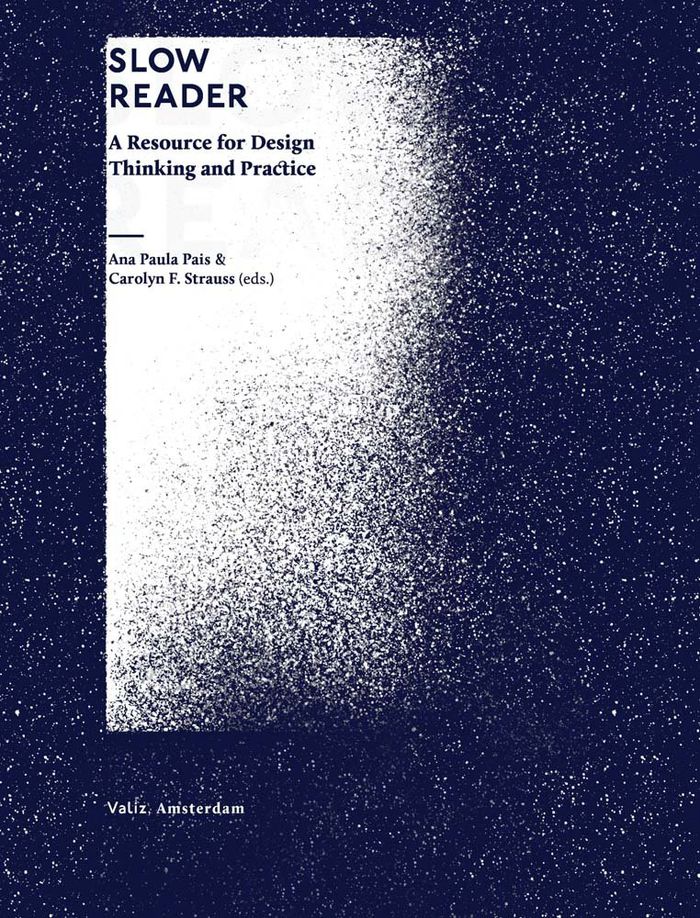
Slow reader: A resource for design thinking and practice
Actions:
Prix:
$42.95
(disponible en magasin)
Résumé:
This book consists of a collection of theoretical reflections and practical perspectives that offer a holistic vision of human activity in enduring, dynamic interaction with other living systems. Positioned as a ‘resource for design thinking and practice’, it challenges the paths through which contemporary design practitioners operate, offering alternative perspectives and an expanded palette of tools for addressing the complex web of interdependencies. The book is intended to inspire well beyond design fields, serving as a vehicle for reflection (re-)imagination and further investigation of ‘Slower’ approaches of living, individually and collectively, now and into the future.
Slow reader: A resource for design thinking and practice
Actions:
Prix:
$42.95
(disponible en magasin)
Résumé:
This book consists of a collection of theoretical reflections and practical perspectives that offer a holistic vision of human activity in enduring, dynamic interaction with other living systems. Positioned as a ‘resource for design thinking and practice’, it challenges the paths through which contemporary design practitioners operate, offering alternative perspectives and an expanded palette of tools for addressing the complex web of interdependencies. The book is intended to inspire well beyond design fields, serving as a vehicle for reflection (re-)imagination and further investigation of ‘Slower’ approaches of living, individually and collectively, now and into the future.
Classification:
livres
livres
Publication:
mai 2017
mai 2017
Sujet:
Théorie du design
Théorie du design
Classification:
périodiques
périodiques
Actions:
Description:
1 online resource (volumes)
Sujet:
Publication:
Oxford, U.K. : Oxford University Press
Oxford, U.K. : Oxford University Press
Titre:
Journal of deaf studies and deaf education.
Actions:
Description:
1 online resource (volumes)
Journal of deaf studies and deaf education.
Actions:
Description:
1 online resource (volumes)
Classification:
périodiques
périodiques
Publication:
Oxford, U.K. : Oxford University Press
Oxford, U.K. : Oxford University Press
Sujet:
Classification:
livres
livres
Actions:
Prix:
$92.95
(disponible sur commande)
Résumé:
The first world atlas ever compiled on vernacular architecture, this comprehensive work illustrates the variety and ingenuity of the world’s vernacular building traditions from a multi-disciplinary, cross-cultural and comparative approach, using over sixty world and regional maps. Mapping such diverse aspects as materials and resources, technologies, structural(...)
$92.95
(disponible sur commande)
Résumé:
The first world atlas ever compiled on vernacular architecture, this comprehensive work illustrates the variety and ingenuity of the world’s vernacular building traditions from a multi-disciplinary, cross-cultural and comparative approach, using over sixty world and regional maps. Mapping such diverse aspects as materials and resources, technologies, structural(...)
Sujet:
Architecture écologique
Architecture écologique
Publication:
mars 2007, Abingdon, New York
mars 2007, Abingdon, New York
Titre:
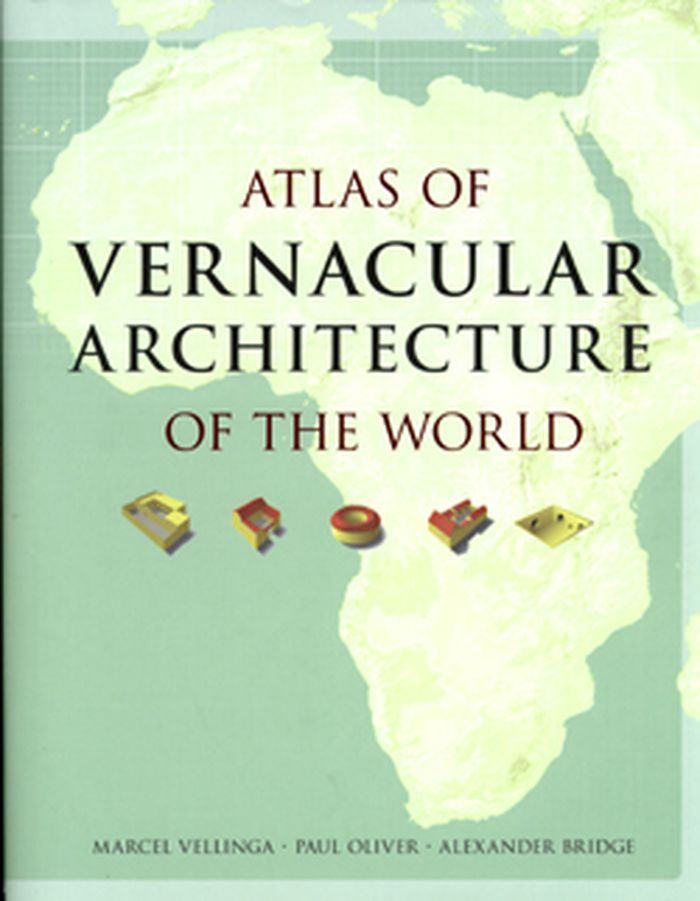
Atlas of vernacular architecture of the world
Actions:
Prix:
$92.95
(disponible sur commande)
Résumé:
The first world atlas ever compiled on vernacular architecture, this comprehensive work illustrates the variety and ingenuity of the world’s vernacular building traditions from a multi-disciplinary, cross-cultural and comparative approach, using over sixty world and regional maps. Mapping such diverse aspects as materials and resources, technologies, structural systems, symbolism, forms and service systems on a cross-cultural and comparative basis, the "Atlas of Vernacular Architecture of the World" reveals the distribution, diversity and relationships of the world’s vernacular building traditions. Indicating geographical patterns, developments, lacunae and anomalies, it gives rise to new insights and understandings, stimulating new hypotheses, questions and research efforts. Augmenting the award-winning Encyclopedia of Vernacular Architecture of the World, the "Atlas of Vernacular Architecture of the World" constitutes a unique and unparalleled resource for anyone involved in the growing field of vernacular architecture studies, including architects, geographers, art historians, planners, folklorists, conservationists, builders, and anthropologists as well as being of use to all those working in the fields of heritage conservation, architecture, regeneration, energy efficient building, resources management, development and sustainability.
Atlas of vernacular architecture of the world
Actions:
Prix:
$92.95
(disponible sur commande)
Résumé:
The first world atlas ever compiled on vernacular architecture, this comprehensive work illustrates the variety and ingenuity of the world’s vernacular building traditions from a multi-disciplinary, cross-cultural and comparative approach, using over sixty world and regional maps. Mapping such diverse aspects as materials and resources, technologies, structural systems, symbolism, forms and service systems on a cross-cultural and comparative basis, the "Atlas of Vernacular Architecture of the World" reveals the distribution, diversity and relationships of the world’s vernacular building traditions. Indicating geographical patterns, developments, lacunae and anomalies, it gives rise to new insights and understandings, stimulating new hypotheses, questions and research efforts. Augmenting the award-winning Encyclopedia of Vernacular Architecture of the World, the "Atlas of Vernacular Architecture of the World" constitutes a unique and unparalleled resource for anyone involved in the growing field of vernacular architecture studies, including architects, geographers, art historians, planners, folklorists, conservationists, builders, and anthropologists as well as being of use to all those working in the fields of heritage conservation, architecture, regeneration, energy efficient building, resources management, development and sustainability.
Classification:
livres
livres
Publication:
mars 2007, Abingdon, New York
mars 2007, Abingdon, New York
Sujet:
Architecture écologique
Architecture écologique
Classification:
livres
livres
Actions:
Prix:
$44.95
(disponible sur commande)
Résumé:
“Soft power” emerged as a concept in the late twentieth century to describe international relations based not on military or economic strength, but on influence. While the resources of “hard power” are tangible—force and finance—soft power resources include ideas, knowledge, values, and culture, as well as the ability to persuade. This volume discusses soft power from the(...)
$44.95
(disponible sur commande)
Résumé:
“Soft power” emerged as a concept in the late twentieth century to describe international relations based not on military or economic strength, but on influence. While the resources of “hard power” are tangible—force and finance—soft power resources include ideas, knowledge, values, and culture, as well as the ability to persuade. This volume discusses soft power from the(...)
Titre:
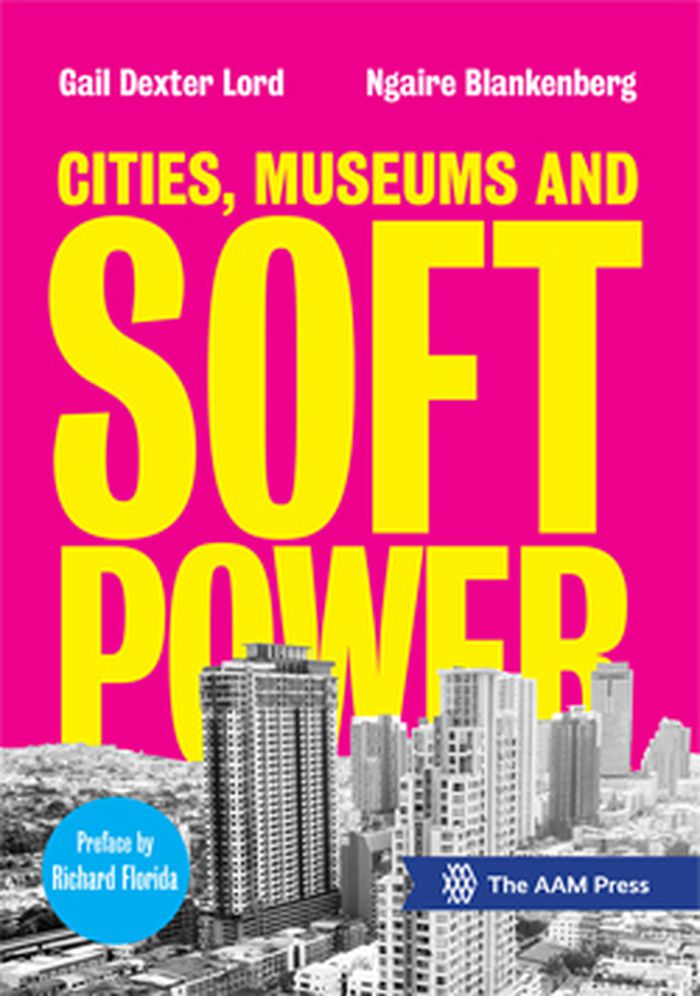
Cities, museums and soft power
Actions:
Prix:
$44.95
(disponible sur commande)
Résumé:
“Soft power” emerged as a concept in the late twentieth century to describe international relations based not on military or economic strength, but on influence. While the resources of “hard power” are tangible—force and finance—soft power resources include ideas, knowledge, values, and culture, as well as the ability to persuade. This volume discusses soft power from the vantage point of museums and demonstrates how they are quietly changing the world. With contributions by thirteen experts from ten countries, Cities, Museums and Soft Power reveals the world’s 80,000 museums to be sleeping giants. Two major characteristics of soft power—the rise of cities and the role of civil society—are pushing museums from the margins toward the center as these institutions serve as education hubs, employers, magnets for creative industries, and engines of economic development. Meanwhile, the growth of technological networks and connectivity has enabled this soft power to spread even farther and deeper across the Internet and groups of people. Whether cozy and local or internationally renowned, museums possess a cultural strength that extends far beyond their walls.
Cities, museums and soft power
Actions:
Prix:
$44.95
(disponible sur commande)
Résumé:
“Soft power” emerged as a concept in the late twentieth century to describe international relations based not on military or economic strength, but on influence. While the resources of “hard power” are tangible—force and finance—soft power resources include ideas, knowledge, values, and culture, as well as the ability to persuade. This volume discusses soft power from the vantage point of museums and demonstrates how they are quietly changing the world. With contributions by thirteen experts from ten countries, Cities, Museums and Soft Power reveals the world’s 80,000 museums to be sleeping giants. Two major characteristics of soft power—the rise of cities and the role of civil society—are pushing museums from the margins toward the center as these institutions serve as education hubs, employers, magnets for creative industries, and engines of economic development. Meanwhile, the growth of technological networks and connectivity has enabled this soft power to spread even farther and deeper across the Internet and groups of people. Whether cozy and local or internationally renowned, museums possess a cultural strength that extends far beyond their walls.
Classification:
livres
livres
Publication:
août 2015
août 2015
Sujet:
Muséologie
Muséologie
Classification:
archives
archives
Actions:
Exemplaires:
Description:
ca. 3,747 items.
Description:
ca. 3,747 items.
Auteur:
Sujet:
Titre:
Historic Theatres' Trust collection = Fonds Société des salles historiques, 1879-2006, predominant 1989-2006.
Actions:
Exemplaires:
Description:
ca. 3,747 items.
Historic Theatres' Trust collection = Fonds Société des salles historiques, 1879-2006, predominant 1989-2006.
Actions:
Exemplaires:
Description:
ca. 3,747 items.
Classification:
archives
archives
Auteur:
Sujet:
Classification:
livres
livres
Actions:
Prix:
$24.95
(disponible sur commande)
Résumé:
Equal parts travel adventure, history and journalistic exploration, ''The Peace in Peril'' is a story about the dubious trade-off of hydro power for resources like timber and farmland, but also far more: the Peace valley has been a prosperous home to people for eleven thousand years. How will lives, human and otherwise, be erased or irrevocably altered when the next great(...)
$24.95
(disponible sur commande)
Résumé:
Equal parts travel adventure, history and journalistic exploration, ''The Peace in Peril'' is a story about the dubious trade-off of hydro power for resources like timber and farmland, but also far more: the Peace valley has been a prosperous home to people for eleven thousand years. How will lives, human and otherwise, be erased or irrevocably altered when the next great(...)
Publication:
novembre 2016
novembre 2016
Titre:
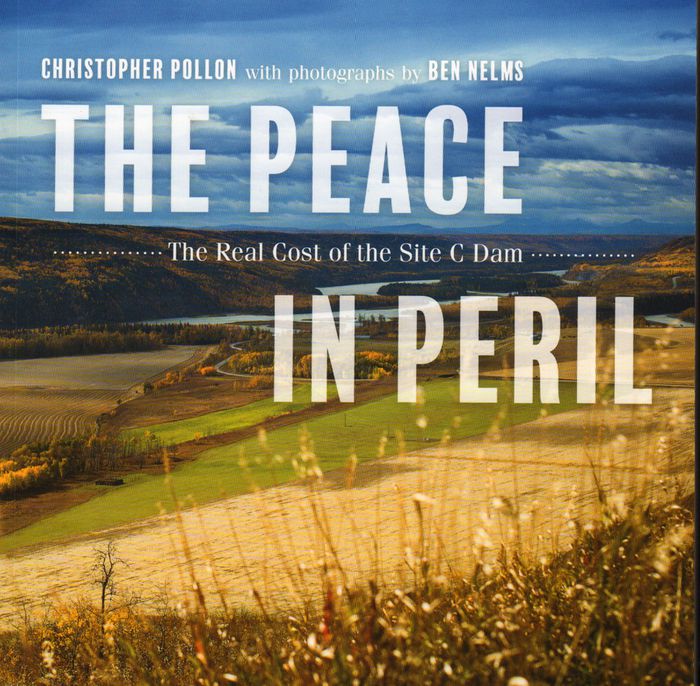
The peace in peril: the real cost of the Site C dam
Actions:
Prix:
$24.95
(disponible sur commande)
Résumé:
Equal parts travel adventure, history and journalistic exploration, ''The Peace in Peril'' is a story about the dubious trade-off of hydro power for resources like timber and farmland, but also far more: the Peace valley has been a prosperous home to people for eleven thousand years. How will lives, human and otherwise, be erased or irrevocably altered when the next great flood rises up to engulf the Peace River valley?
The peace in peril: the real cost of the Site C dam
Actions:
Prix:
$24.95
(disponible sur commande)
Résumé:
Equal parts travel adventure, history and journalistic exploration, ''The Peace in Peril'' is a story about the dubious trade-off of hydro power for resources like timber and farmland, but also far more: the Peace valley has been a prosperous home to people for eleven thousand years. How will lives, human and otherwise, be erased or irrevocably altered when the next great flood rises up to engulf the Peace River valley?
Classification:
livres
livres
Publication:
novembre 2016
novembre 2016
Classification:
livres
livres
Actions:
Prix:
$54.95
(disponible sur commande)
Résumé:
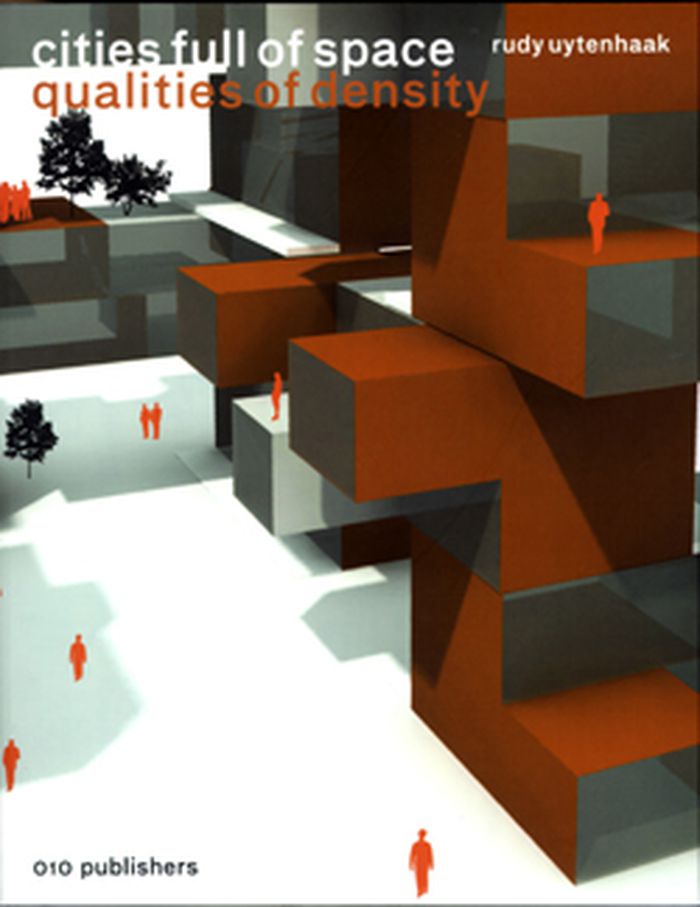
In a period when expanding and evolving populations are placing pressure on both cities and resources, Rudy Uytenhaak's research into urban structures, their potential densities, and the specific qualities that can be achieved with them, is invaluable. This publication describes the results of his study, offers a number of specific measures and proposals and features a(...)
$54.95
(disponible sur commande)
Résumé:
In a period when expanding and evolving populations are placing pressure on both cities and resources, Rudy Uytenhaak's research into urban structures, their potential densities, and the specific qualities that can be achieved with them, is invaluable. This publication describes the results of his study, offers a number of specific measures and proposals and features a(...)
Titre:
Cities full of space : quality of density
Actions:
Prix:
$54.95
(disponible sur commande)
Résumé:
In a period when expanding and evolving populations are placing pressure on both cities and resources, Rudy Uytenhaak's research into urban structures, their potential densities, and the specific qualities that can be achieved with them, is invaluable. This publication describes the results of his study, offers a number of specific measures and proposals and features a great many projects illustrating the quest for ideal plans and sections in residential buildings.
Cities full of space : quality of density
Actions:
Prix:
$54.95
(disponible sur commande)
Résumé:
In a period when expanding and evolving populations are placing pressure on both cities and resources, Rudy Uytenhaak's research into urban structures, their potential densities, and the specific qualities that can be achieved with them, is invaluable. This publication describes the results of his study, offers a number of specific measures and proposals and features a great many projects illustrating the quest for ideal plans and sections in residential buildings.
Classification:
livres
livres
Publication:
octobre 2008, Rotterdam
octobre 2008, Rotterdam
Sujet:
Théorie de l’urbanisme
Théorie de l’urbanisme
Classification:
livres
livres
Actions:
Prix:
$25.00
(disponible sur commande)
Résumé:
Computational models of urbanism — smart cities that use data-driven planning and algorithmic administration — promise to deliver new urban efficiencies and conveniences. Yet these models limit our understanding of what we can know about a city. 'A City Is Not a Computer' reveals how cities encompass myriad forms of local and indigenous intelligences and knowledge(...)
$25.00
(disponible sur commande)
Résumé:
Computational models of urbanism — smart cities that use data-driven planning and algorithmic administration — promise to deliver new urban efficiencies and conveniences. Yet these models limit our understanding of what we can know about a city. 'A City Is Not a Computer' reveals how cities encompass myriad forms of local and indigenous intelligences and knowledge(...)
Titre:
A city is not a computer: other urban intelligences
Actions:
Prix:
$25.00
(disponible sur commande)
Résumé:
Computational models of urbanism — smart cities that use data-driven planning and algorithmic administration — promise to deliver new urban efficiencies and conveniences. Yet these models limit our understanding of what we can know about a city. 'A City Is Not a Computer' reveals how cities encompass myriad forms of local and indigenous intelligences and knowledge institutions, arguing that these resources are a vital supplement and corrective to increasingly prevalent algorithmic models.
A city is not a computer: other urban intelligences
Actions:
Prix:
$25.00
(disponible sur commande)
Résumé:
Computational models of urbanism — smart cities that use data-driven planning and algorithmic administration — promise to deliver new urban efficiencies and conveniences. Yet these models limit our understanding of what we can know about a city. 'A City Is Not a Computer' reveals how cities encompass myriad forms of local and indigenous intelligences and knowledge institutions, arguing that these resources are a vital supplement and corrective to increasingly prevalent algorithmic models.
Classification:
livres
livres
Publication:
septembre 2021
septembre 2021
Sujet:
Théorie de l’urbanisme
Théorie de l’urbanisme
Classification:
livres
livres
Actions:
Exemplaires:
Description:
711 pages : illustrations (chiefly color), map, plans ; 25 cm
Description:
711 pages : illustrations (chiefly color), map, plans ; 25 cm
Auteur:
Sujet:
Publication:
Köln : Taschen, ©2015.
Köln : Taschen, ©2015.
Titre:
Hot to cold : an odyssey of architectural adaptation / [BIG Bjarke Ingels Group].
Actions:
Exemplaires:
Description:
711 pages : illustrations (chiefly color), map, plans ; 25 cm
Hot to cold : an odyssey of architectural adaptation / [BIG Bjarke Ingels Group].
Actions:
Exemplaires:
Description:
711 pages : illustrations (chiefly color), map, plans ; 25 cm
Classification:
livres
livres
Publication:
Köln : Taschen, ©2015.
Köln : Taschen, ©2015.
Auteur:
Sujet:


