


10588 Résultats
Classification:
livres
livres
Prix:
$51.95
(disponible en magasin)
Résumé:
Ce titre provocateur nous rappelle que les capitales russe et américaine ont été conçues par deux architectes français, Jean-Baptiste Alexandre Le Blond et Pierre-Charles L’Enfant. Le premier projet mentionné, celui de Saint-Pétersbourg, est établi en 1717 et ne verra jamais le jour, tandis que le second, destiné à Washington, date de 1790 et sera intégralement réalisé.(...)
$51.95
(disponible en magasin)
Résumé:
Ce titre provocateur nous rappelle que les capitales russe et américaine ont été conçues par deux architectes français, Jean-Baptiste Alexandre Le Blond et Pierre-Charles L’Enfant. Le premier projet mentionné, celui de Saint-Pétersbourg, est établi en 1717 et ne verra jamais le jour, tandis que le second, destiné à Washington, date de 1790 et sera intégralement réalisé.(...)
Titre:
Deux capitales françaises, Saint-Petersbourg et Washington
Actions:
Prix:
$51.95
(disponible en magasin)
Résumé:
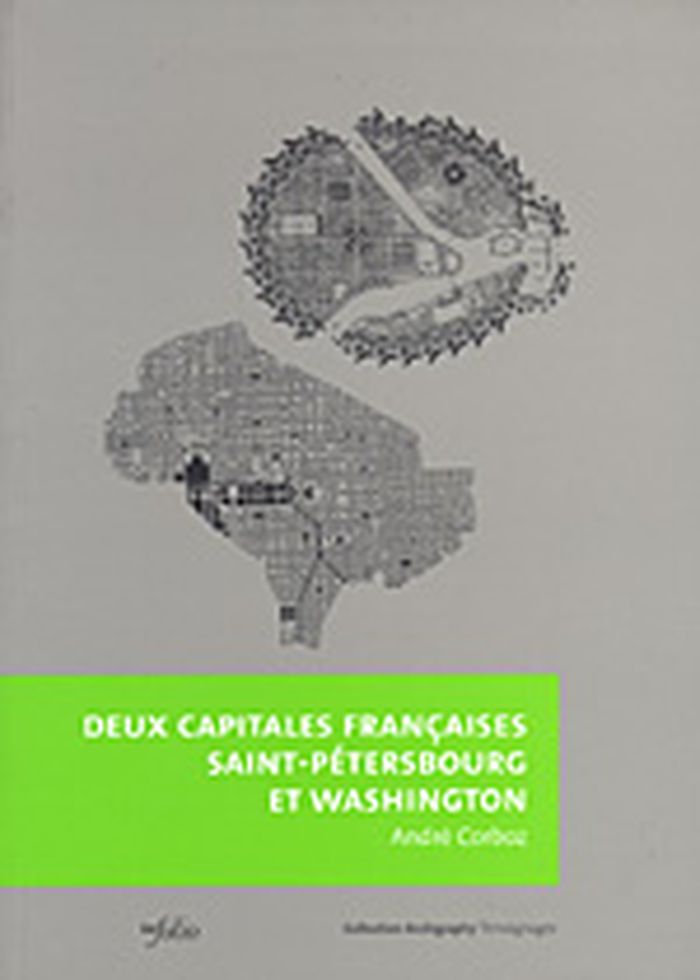
Ce titre provocateur nous rappelle que les capitales russe et américaine ont été conçues par deux architectes français, Jean-Baptiste Alexandre Le Blond et Pierre-Charles L’Enfant. Le premier projet mentionné, celui de Saint-Pétersbourg, est établi en 1717 et ne verra jamais le jour, tandis que le second, destiné à Washington, date de 1790 et sera intégralement réalisé. André Corboz postule que les plans des deux capitales ont été élaborés à la manière dont on dessine un parc ou un jardin, les masses à bâtir étant inspiréesdes volumes végétaux. Ce rapprochement formel s’accompagne de considérations sur l’hygiène des villes et la symbolique des divers lieux urbains. «André Corboz naît en 1928. Après des études de droit à l’Université de Genève, il va bientôt succomber à une vocation d’historien autodidacte qui se penche sur l’histoire de la ville. «L’invention de Carouge» est son premier ouvrage alors qu’il était professeur à l’Université de Montréal où il restera treize ans, avant d’être appelé à succéder à Paul Hofer à la chaire d’histoire de l’urbanisme à l’École polytechnique fédérale de Zurich. En 2003, l’Académie d’architecture lui décerne la médaille de l’Histoire de l’art.»
Deux capitales françaises, Saint-Petersbourg et Washington
Actions:
Prix:
$51.95
(disponible en magasin)
Résumé:
Ce titre provocateur nous rappelle que les capitales russe et américaine ont été conçues par deux architectes français, Jean-Baptiste Alexandre Le Blond et Pierre-Charles L’Enfant. Le premier projet mentionné, celui de Saint-Pétersbourg, est établi en 1717 et ne verra jamais le jour, tandis que le second, destiné à Washington, date de 1790 et sera intégralement réalisé. André Corboz postule que les plans des deux capitales ont été élaborés à la manière dont on dessine un parc ou un jardin, les masses à bâtir étant inspiréesdes volumes végétaux. Ce rapprochement formel s’accompagne de considérations sur l’hygiène des villes et la symbolique des divers lieux urbains. «André Corboz naît en 1928. Après des études de droit à l’Université de Genève, il va bientôt succomber à une vocation d’historien autodidacte qui se penche sur l’histoire de la ville. «L’invention de Carouge» est son premier ouvrage alors qu’il était professeur à l’Université de Montréal où il restera treize ans, avant d’être appelé à succéder à Paul Hofer à la chaire d’histoire de l’urbanisme à l’École polytechnique fédérale de Zurich. En 2003, l’Académie d’architecture lui décerne la médaille de l’Histoire de l’art.»
Classification:
livres
livres
Publication:
mars 2003, Gollion
mars 2003, Gollion
Sujet:
Théorie de l’urbanisme
Théorie de l’urbanisme
Classification:
livres
livres
Prix:
$37.95
(disponible sur commande)
Résumé:
Cet ouvrage rassemble une vingtaine d'articles et de conférences. Le groupement est thématique. «Perception de l'architecture, matériaux, avant-gardes, maison de l'architecte, contruction du lieu par l'architecture, fondation d'une école à Lausanne», ainsi s'articule la table des matières. Disséminés dans des revues et des catalogues d'exposition, les textes sont repris(...)
$37.95
(disponible sur commande)
Résumé:
Cet ouvrage rassemble une vingtaine d'articles et de conférences. Le groupement est thématique. «Perception de l'architecture, matériaux, avant-gardes, maison de l'architecte, contruction du lieu par l'architecture, fondation d'une école à Lausanne», ainsi s'articule la table des matières. Disséminés dans des revues et des catalogues d'exposition, les textes sont repris(...)
Titre:
Motion, émotions : thèmes d'histoire et d'architecture
Actions:
Prix:
$37.95
(disponible sur commande)
Résumé:
Cet ouvrage rassemble une vingtaine d'articles et de conférences. Le groupement est thématique. «Perception de l'architecture, matériaux, avant-gardes, maison de l'architecte, contruction du lieu par l'architecture, fondation d'une école à Lausanne», ainsi s'articule la table des matières. Disséminés dans des revues et des catalogues d'exposition, les textes sont repris sans retouche ni complément bibliographique. Le livre vise moins un effet de fragmentation qu'un témoignage obsessif à l'état brut.
Motion, émotions : thèmes d'histoire et d'architecture
Actions:
Prix:
$37.95
(disponible sur commande)
Résumé:
Cet ouvrage rassemble une vingtaine d'articles et de conférences. Le groupement est thématique. «Perception de l'architecture, matériaux, avant-gardes, maison de l'architecte, contruction du lieu par l'architecture, fondation d'une école à Lausanne», ainsi s'articule la table des matières. Disséminés dans des revues et des catalogues d'exposition, les textes sont repris sans retouche ni complément bibliographique. Le livre vise moins un effet de fragmentation qu'un témoignage obsessif à l'état brut.
Classification:
livres
livres
Publication:
octobre 2003, Gollion
octobre 2003, Gollion
Sujet:
Théorie de l’architecture
Théorie de l’architecture
Classification:
livres
livres
Titre:
The space of appearance
The space of appearance
Actions:
Prix:
$41.95
(disponible sur commande)
Résumé:
What is architecture's place in the world? Combining history, theory, and polemic, George Baird probes into the conceptual lineage and current expressions of postmodernism and the critique of postmodern architecture over the past four decades, revealing the general failure of these theories to develop an architecture that is politically engaged and affirmative of the(...)
$41.95
(disponible sur commande)
Résumé:
What is architecture's place in the world? Combining history, theory, and polemic, George Baird probes into the conceptual lineage and current expressions of postmodernism and the critique of postmodern architecture over the past four decades, revealing the general failure of these theories to develop an architecture that is politically engaged and affirmative of the(...)
Titre:
The space of appearance
Actions:
Prix:
$41.95
(disponible sur commande)
Résumé:
What is architecture's place in the world? Combining history, theory, and polemic, George Baird probes into the conceptual lineage and current expressions of postmodernism and the critique of postmodern architecture over the past four decades, revealing the general failure of these theories to develop an architecture that is politically engaged and affirmative of the public sphere. Hannah Arendt's imperative of worldliness plays a pivotal role in Baird's reading of what has come to be called architecture's belief system. It is not enough, he argues, to reject the totalizing models of publicness that have been typical both of modernism and of many of its postmodern successors. Rather, he insists, it is necessary to construct a "space of appearance" that is large and diverse enough to make places for all of us. Baird stakes out clearly and sharply the recent history of ideas that bear on the field, recovering influences and ideas that have been omitted from standard histories of modernism and building an understanding of our present dilemmas that is constructive and critically informed. The period from 1960 to the present has seen the collapse of the conditions that shored up modern architecture, as conventionally understood, and has also seen modernism succeeded by a whole series of tentative alternatives, none of which has successfully achieved the decisive legitimization modernism once held. After an extended introduction that situates architecture's current dilemmas within the broader currents of cultural theory, The Space of Appearance focuses on specific historical episodes or developments. Each chapter outlines a different controversy or series of controversies, or depicts the gradual and insidious erosion of certain firmly held beliefs. Each chapter is also structured around a conceptual account of issues that have evolved in the trajectory of contemporary cultural theory since the key interventions of Arendt in the 1950s. (first edition : 1995.)
The space of appearance
Actions:
Prix:
$41.95
(disponible sur commande)
Résumé:
What is architecture's place in the world? Combining history, theory, and polemic, George Baird probes into the conceptual lineage and current expressions of postmodernism and the critique of postmodern architecture over the past four decades, revealing the general failure of these theories to develop an architecture that is politically engaged and affirmative of the public sphere. Hannah Arendt's imperative of worldliness plays a pivotal role in Baird's reading of what has come to be called architecture's belief system. It is not enough, he argues, to reject the totalizing models of publicness that have been typical both of modernism and of many of its postmodern successors. Rather, he insists, it is necessary to construct a "space of appearance" that is large and diverse enough to make places for all of us. Baird stakes out clearly and sharply the recent history of ideas that bear on the field, recovering influences and ideas that have been omitted from standard histories of modernism and building an understanding of our present dilemmas that is constructive and critically informed. The period from 1960 to the present has seen the collapse of the conditions that shored up modern architecture, as conventionally understood, and has also seen modernism succeeded by a whole series of tentative alternatives, none of which has successfully achieved the decisive legitimization modernism once held. After an extended introduction that situates architecture's current dilemmas within the broader currents of cultural theory, The Space of Appearance focuses on specific historical episodes or developments. Each chapter outlines a different controversy or series of controversies, or depicts the gradual and insidious erosion of certain firmly held beliefs. Each chapter is also structured around a conceptual account of issues that have evolved in the trajectory of contemporary cultural theory since the key interventions of Arendt in the 1950s. (first edition : 1995.)
Classification:
livres
livres
Publication:
avril 2003, Cambridge / London
avril 2003, Cambridge / London
Sujet:
Théorie de l’architecture
Théorie de l’architecture
Classification:
livres
livres
Prix:
$21.00
(disponible sur commande)
Résumé:
The concrete objects that Francastel examines are for the most part from the architecture and design of the late nineteenth to mid-twentieth century. Through them he engages his central problem: the abrupt historical collision between traditional symbol-making activities of human society and the appearance in the nineteenth century of unprecedented technological and(...)
$21.00
(disponible sur commande)
Résumé:
The concrete objects that Francastel examines are for the most part from the architecture and design of the late nineteenth to mid-twentieth century. Through them he engages his central problem: the abrupt historical collision between traditional symbol-making activities of human society and the appearance in the nineteenth century of unprecedented technological and(...)
Titre:
Art & technology in the nineteenth and twentieth centuries
Actions:
Prix:
$21.00
(disponible sur commande)
Résumé:
The concrete objects that Francastel examines are for the most part from the architecture and design of the late nineteenth to mid-twentieth century. Through them he engages his central problem: the abrupt historical collision between traditional symbol-making activities of human society and the appearance in the nineteenth century of unprecedented technological and industrial capabilities and forms.
Art & technology in the nineteenth and twentieth centuries
Actions:
Prix:
$21.00
(disponible sur commande)
Résumé:
The concrete objects that Francastel examines are for the most part from the architecture and design of the late nineteenth to mid-twentieth century. Through them he engages his central problem: the abrupt historical collision between traditional symbol-making activities of human society and the appearance in the nineteenth century of unprecedented technological and industrial capabilities and forms.
Classification:
livres
livres
Publication:
mars 2003, New York
mars 2003, New York
Sujet:
Théorie de l’architecture
Théorie de l’architecture
Classification:
livres
livres
Titre:
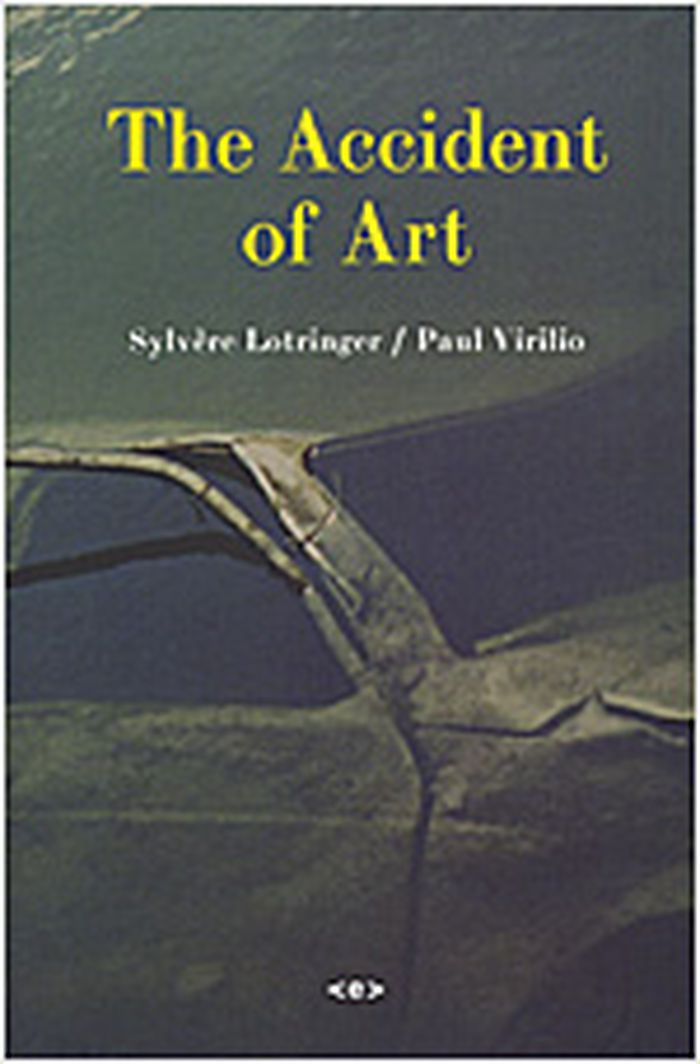
The accident of art
The accident of art
Actions:
Prix:
$18.95
(disponible sur commande)
Résumé:
Urbanist and technological theorist Paul Virilio trained as a painter, studying under Henri Matisse, Georges Braque, Bazaine and de Stael. In The Accident of Art, his third extended conversation with Sylvère Lotringer, Virilio addresses the situation of art within technological society for the first time. This book completes a collaborative trilogy the two began in 1982(...)
$18.95
(disponible sur commande)
Résumé:
Urbanist and technological theorist Paul Virilio trained as a painter, studying under Henri Matisse, Georges Braque, Bazaine and de Stael. In The Accident of Art, his third extended conversation with Sylvère Lotringer, Virilio addresses the situation of art within technological society for the first time. This book completes a collaborative trilogy the two began in 1982(...)
Sujet:
Théorie de l’architecture
Théorie de l’architecture
Publication:
mai 2003, Cambridge, Mass.
mai 2003, Cambridge, Mass.
Titre:
The accident of art
Actions:
Prix:
$18.95
(disponible sur commande)
Résumé:
Urbanist and technological theorist Paul Virilio trained as a painter, studying under Henri Matisse, Georges Braque, Bazaine and de Stael. In The Accident of Art, his third extended conversation with Sylvère Lotringer, Virilio addresses the situation of art within technological society for the first time. This book completes a collaborative trilogy the two began in 1982 with Pure War and continued with Crepuscular Dawn, their 2002 work on architecture and biotechnology. In The Accident of Art, Virilio and Lotringer argue that a direct relation exists between war trauma and art. Why has art failed to reinvent itself in the face of technology, unlike performing art? Why has art simply retreated into painting, or surrendered to digital technology? Accidents, Virilio claims, can free us from speed's inertia. As technological catastrophes, accidents are inventions in their own right.
The accident of art
Actions:
Prix:
$18.95
(disponible sur commande)
Résumé:
Urbanist and technological theorist Paul Virilio trained as a painter, studying under Henri Matisse, Georges Braque, Bazaine and de Stael. In The Accident of Art, his third extended conversation with Sylvère Lotringer, Virilio addresses the situation of art within technological society for the first time. This book completes a collaborative trilogy the two began in 1982 with Pure War and continued with Crepuscular Dawn, their 2002 work on architecture and biotechnology. In The Accident of Art, Virilio and Lotringer argue that a direct relation exists between war trauma and art. Why has art failed to reinvent itself in the face of technology, unlike performing art? Why has art simply retreated into painting, or surrendered to digital technology? Accidents, Virilio claims, can free us from speed's inertia. As technological catastrophes, accidents are inventions in their own right.
Classification:
livres
livres
Publication:
mai 2003, Cambridge, Mass.
mai 2003, Cambridge, Mass.
Sujet:
Théorie de l’architecture
Théorie de l’architecture
Classification:
livres
livres
Titre:
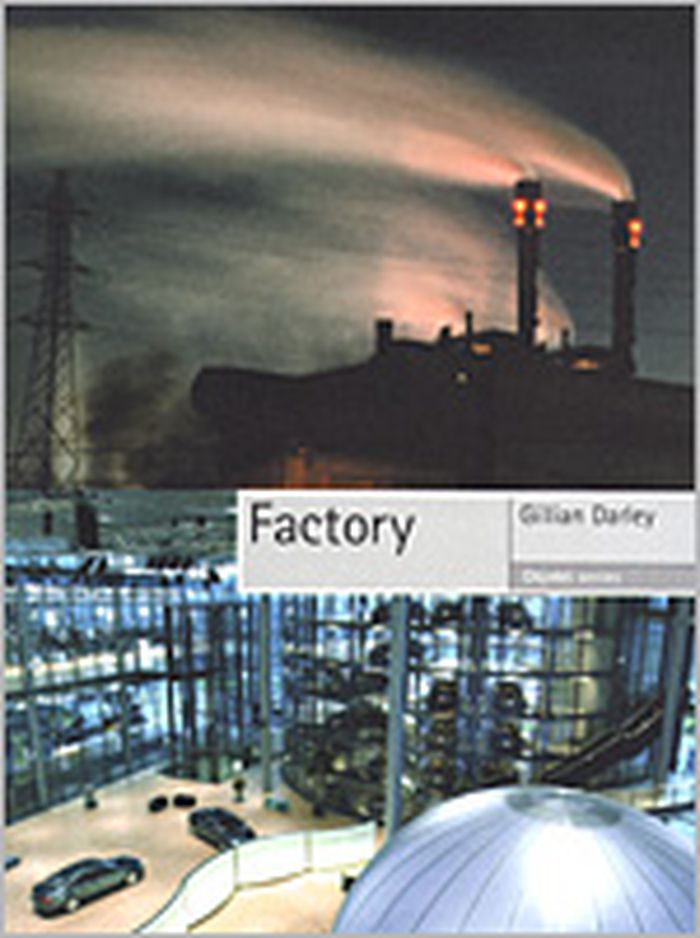
Factory
Factory
Actions:
Prix:
$29.95
(disponible sur commande)
Résumé:
This book examines the factory in a number of incarnations; as image, as icon, as innovator and as laboratory. It traces the history of the modern factory from the utopian schemes of Robert Owen or Claude Ledoux in the early 19th century, through the great modernist ‘cathedrals of industry’ of Peter Behrens, Albert Kahn and Frank Lloyd Wright, to the post-industrial(...)
$29.95
(disponible sur commande)
Résumé:
This book examines the factory in a number of incarnations; as image, as icon, as innovator and as laboratory. It traces the history of the modern factory from the utopian schemes of Robert Owen or Claude Ledoux in the early 19th century, through the great modernist ‘cathedrals of industry’ of Peter Behrens, Albert Kahn and Frank Lloyd Wright, to the post-industrial(...)
Titre:
Factory
Actions:
Prix:
$29.95
(disponible sur commande)
Résumé:
This book examines the factory in a number of incarnations; as image, as icon, as innovator and as laboratory. It traces the history of the modern factory from the utopian schemes of Robert Owen or Claude Ledoux in the early 19th century, through the great modernist ‘cathedrals of industry’ of Peter Behrens, Albert Kahn and Frank Lloyd Wright, to the post-industrial revival of former factories, such as Renzo Piano’s reconstruction of the Fiat Lingotto factory in Turin, or the landscaped industrial parks created out of former steel mills in the Ruhr area of Germany.
Factory
Actions:
Prix:
$29.95
(disponible sur commande)
Résumé:
This book examines the factory in a number of incarnations; as image, as icon, as innovator and as laboratory. It traces the history of the modern factory from the utopian schemes of Robert Owen or Claude Ledoux in the early 19th century, through the great modernist ‘cathedrals of industry’ of Peter Behrens, Albert Kahn and Frank Lloyd Wright, to the post-industrial revival of former factories, such as Renzo Piano’s reconstruction of the Fiat Lingotto factory in Turin, or the landscaped industrial parks created out of former steel mills in the Ruhr area of Germany.
Classification:
livres
livres
Publication:
mai 2003, London
mai 2003, London
Sujet:
Théorie de l’architecture
Théorie de l’architecture
Classification:
livres
livres
Actions:
Prix:
$44.95
(disponible sur commande)
Résumé:
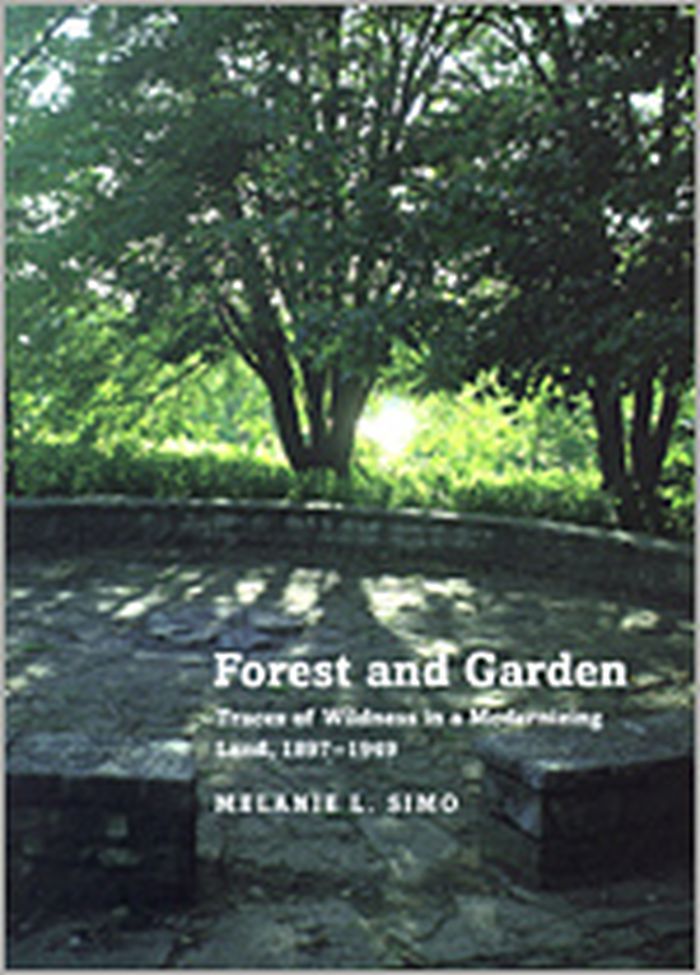
In "Forest and garden", Melanie L. Simo ranges through a period of landscape history that has been underexamined, between Olmsted and mid-twentieth-century modernism, when the contours of the debate were formed and the landscape professions came of age. Simo's book spans half a century, from the year that Charles Sprague Sargent's influential "Garden and Forest" magazine(...)
$44.95
(disponible sur commande)
Résumé:
In "Forest and garden", Melanie L. Simo ranges through a period of landscape history that has been underexamined, between Olmsted and mid-twentieth-century modernism, when the contours of the debate were formed and the landscape professions came of age. Simo's book spans half a century, from the year that Charles Sprague Sargent's influential "Garden and Forest" magazine(...)
Titre:
Forest and gardens : traces of wildness in a modernizing land, 1897-1949
Actions:
Prix:
$44.95
(disponible sur commande)
Résumé:
In "Forest and garden", Melanie L. Simo ranges through a period of landscape history that has been underexamined, between Olmsted and mid-twentieth-century modernism, when the contours of the debate were formed and the landscape professions came of age. Simo's book spans half a century, from the year that Charles Sprague Sargent's influential "Garden and Forest" magazine ceased publication in 1897 to the appearance in 1949 of two unusual books about land and landscape—Aldo Leopold's "Sand County Almanac" and Jens Jensen's "The Clearing" —that marked the beginning of a new ecological awareness.
Forest and gardens : traces of wildness in a modernizing land, 1897-1949
Actions:
Prix:
$44.95
(disponible sur commande)
Résumé:
In "Forest and garden", Melanie L. Simo ranges through a period of landscape history that has been underexamined, between Olmsted and mid-twentieth-century modernism, when the contours of the debate were formed and the landscape professions came of age. Simo's book spans half a century, from the year that Charles Sprague Sargent's influential "Garden and Forest" magazine ceased publication in 1897 to the appearance in 1949 of two unusual books about land and landscape—Aldo Leopold's "Sand County Almanac" and Jens Jensen's "The Clearing" —that marked the beginning of a new ecological awareness.
Classification:
livres
livres
Publication:
avril 2003, Charlottesville / London
avril 2003, Charlottesville / London
Sujet:
Théorie du paysage
Théorie du paysage
Classification:
livres
livres
Prix:
$41.95
(disponible sur commande)
Résumé:
Les chrétiens n'ont pas inventé le culte des images, mais une adoration fondée sur une équivalence entre corps et figure de surface. Tout au long des premiers siècles du christianisme, des récits mettent en scène des images qui s'animent: elles se déplacent de leur support, interpellent les spectateurs, les bénissent ou les agressent, perdent leurs humeurs et leur(...)
$41.95
(disponible sur commande)
Résumé:
Les chrétiens n'ont pas inventé le culte des images, mais une adoration fondée sur une équivalence entre corps et figure de surface. Tout au long des premiers siècles du christianisme, des récits mettent en scène des images qui s'animent: elles se déplacent de leur support, interpellent les spectateurs, les bénissent ou les agressent, perdent leurs humeurs et leur(...)
Titre:
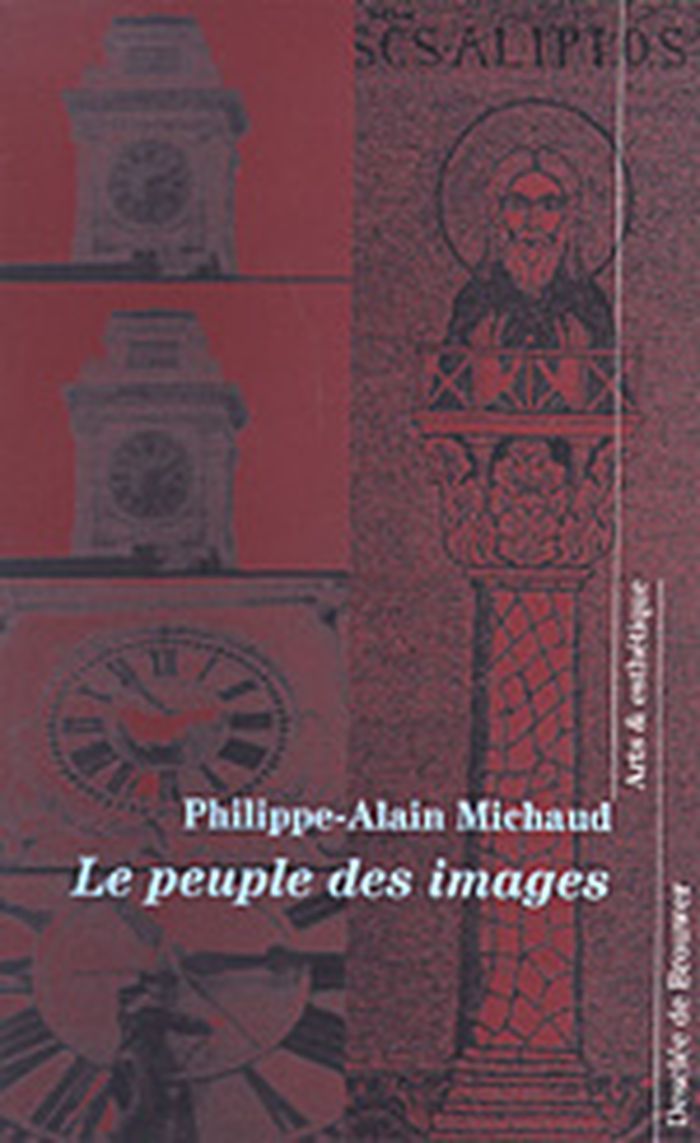
Le peuple des images :essai d'anthropologie figurative
Actions:
Prix:
$41.95
(disponible sur commande)
Résumé:
Les chrétiens n'ont pas inventé le culte des images, mais une adoration fondée sur une équivalence entre corps et figure de surface. Tout au long des premiers siècles du christianisme, des récits mettent en scène des images qui s'animent: elles se déplacent de leur support, interpellent les spectateurs, les bénissent ou les agressent, perdent leurs humeurs et leur sang... On invente alors un ensemble de procédures symboliques et rituelles de " décorporation ", capables de transformer, par la prière, l'extase ou la mortification, les espèces charnelles en espèces figurales. Les trois essais qui composent cette étude explorent, en des lieux et des temps différents de l'Antiquité tardive (Byzance au VIIIe siècle, la Syrie du Ve siècle, Carthage au IIIe siècle), la manière dont s'est construit entre l'homme et l'image un espace de transaction, espace dont la culture visuelle contemporaine n'est pas tout à fait sortie.
Le peuple des images :essai d'anthropologie figurative
Actions:
Prix:
$41.95
(disponible sur commande)
Résumé:
Les chrétiens n'ont pas inventé le culte des images, mais une adoration fondée sur une équivalence entre corps et figure de surface. Tout au long des premiers siècles du christianisme, des récits mettent en scène des images qui s'animent: elles se déplacent de leur support, interpellent les spectateurs, les bénissent ou les agressent, perdent leurs humeurs et leur sang... On invente alors un ensemble de procédures symboliques et rituelles de " décorporation ", capables de transformer, par la prière, l'extase ou la mortification, les espèces charnelles en espèces figurales. Les trois essais qui composent cette étude explorent, en des lieux et des temps différents de l'Antiquité tardive (Byzance au VIIIe siècle, la Syrie du Ve siècle, Carthage au IIIe siècle), la manière dont s'est construit entre l'homme et l'image un espace de transaction, espace dont la culture visuelle contemporaine n'est pas tout à fait sortie.
Classification:
livres
livres
Publication:
janvier 2002, Paris
janvier 2002, Paris
Sujet:
Théorie de l’architecture
Théorie de l’architecture
Classification:
livres
livres
Actions:
Prix:
$52.50
(disponible sur commande)
Résumé:
A refugee from Nazi Germany, Nikolaus Pevsner became a central player in the intellectual and cultural life of his adopted country. Almost impossibly energetic, efficient and effective, his contribution both to scholarship and to the public appreciation of art and architecture was immense. In addition to the famous Buildings of England series - known commonly as(...)
$52.50
(disponible sur commande)
Résumé:
A refugee from Nazi Germany, Nikolaus Pevsner became a central player in the intellectual and cultural life of his adopted country. Almost impossibly energetic, efficient and effective, his contribution both to scholarship and to the public appreciation of art and architecture was immense. In addition to the famous Buildings of England series - known commonly as(...)
Sujet:
Théorie de l’architecture
Théorie de l’architecture
Publication:
janvier 2003, London
janvier 2003, London
Titre:
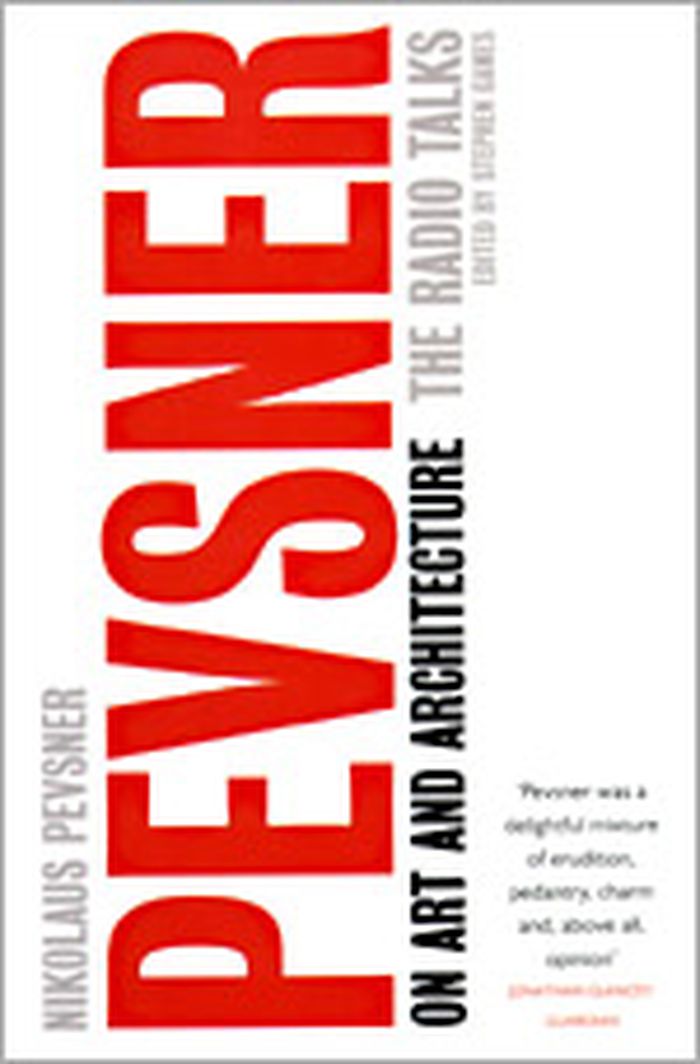
Pevsner on art and architecture : the radio talks
Actions:
Prix:
$52.50
(disponible sur commande)
Résumé:
A refugee from Nazi Germany, Nikolaus Pevsner became a central player in the intellectual and cultural life of his adopted country. Almost impossibly energetic, efficient and effective, his contribution both to scholarship and to the public appreciation of art and architecture was immense. In addition to the famous Buildings of England series - known commonly as "Pevsner" - he wrote standard textbooks, held professorships, delivered the Reith lectures, promoted with equal fervour Victorian and Bauhaus architecture; and for over twenty-five years from the end of the war was a regular broadcaster for the BBC. Here his talks ranged from a discussion of Breughel's art to the buildings of Gaudi; from a series on Englishmen's castles to meditations on modern town planning; from Elizabethan mannerism to contemporary American architecture - and of course to his ground-breaking series of Reith Lectures on "The Englishness of English Art".
Pevsner on art and architecture : the radio talks
Actions:
Prix:
$52.50
(disponible sur commande)
Résumé:
A refugee from Nazi Germany, Nikolaus Pevsner became a central player in the intellectual and cultural life of his adopted country. Almost impossibly energetic, efficient and effective, his contribution both to scholarship and to the public appreciation of art and architecture was immense. In addition to the famous Buildings of England series - known commonly as "Pevsner" - he wrote standard textbooks, held professorships, delivered the Reith lectures, promoted with equal fervour Victorian and Bauhaus architecture; and for over twenty-five years from the end of the war was a regular broadcaster for the BBC. Here his talks ranged from a discussion of Breughel's art to the buildings of Gaudi; from a series on Englishmen's castles to meditations on modern town planning; from Elizabethan mannerism to contemporary American architecture - and of course to his ground-breaking series of Reith Lectures on "The Englishness of English Art".
Classification:
livres
livres
Publication:
janvier 2003, London
janvier 2003, London
Sujet:
Théorie de l’architecture
Théorie de l’architecture
Classification:
livres
livres
Prix:
$29.95
(disponible sur commande)
Résumé:
Van Alen Institute mounted the exhibition "Renewing, Rebuilding, Remembering" to demonstrate how cities, after incomparable loss of people and places, find ways to plan, design, and reconstruct the life of the city. The book is both a catalogue and a special edition of our series of "Van Alen Reports," the publication both documents the exhibit and expands on it with(...)
$29.95
(disponible sur commande)
Résumé:
Van Alen Institute mounted the exhibition "Renewing, Rebuilding, Remembering" to demonstrate how cities, after incomparable loss of people and places, find ways to plan, design, and reconstruct the life of the city. The book is both a catalogue and a special edition of our series of "Van Alen Reports," the publication both documents the exhibit and expands on it with(...)
Titre:
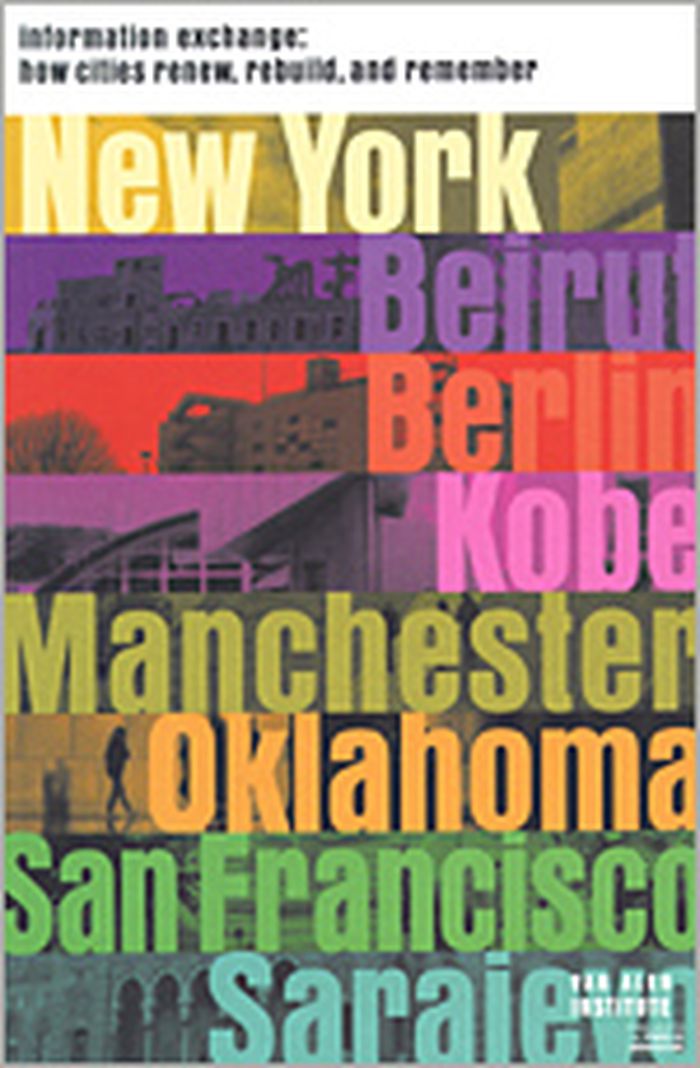
Information exchange : how cities renew, rebuild, and remember
Actions:
Prix:
$29.95
(disponible sur commande)
Résumé:
Van Alen Institute mounted the exhibition "Renewing, Rebuilding, Remembering" to demonstrate how cities, after incomparable loss of people and places, find ways to plan, design, and reconstruct the life of the city. The book is both a catalogue and a special edition of our series of "Van Alen Reports," the publication both documents the exhibit and expands on it with personal essays, articles and interviews. The point of the exhibition was not to compare catastrophes, but to compare, contrast, and try to explicate and understand initiatives, projects, plans, and actions that took place after the bomb, the earthquake, the war. After that, what worked, what would they do differently, what mattered right away, what mattered for the long-term? In October, the Institute put out a call for ideas for the exhibit. Students, designers, planners, artists, professors, photographers, public officials and a wide range of respondents from around the world were generous in suggesting places, projects, issues, and designs that were telling for the future of New York. From this response and ongoing research, the Institute chose to focus on specific processes and projects in seven cities. In Beirut, a public art installation that progressed through the city was a first step in reclaiming its war-torn districts, and the Lebanese capital has continued not only with master plans and major new developments, but also with works such as the Garden of Forgiveness, grappling with a hard history to contemplate. In Berlin, a center for information about the city and its reconstruction rose above the ruins of the Berlin Wall, half a century after the city had been devastated and divided. In San Francisco, an earthquake left the elevated highway downtown in such precarious decision that the city decided to tear it down-and implement a long-held dream of reopening the city to the waterfront. In Kobe, where an earthquake resulted not only in billions of dollars of damage to infrastructure, but also in a terrible loss of life, architects responded with an outpouring of energy to survey the damage and construct innovative emergency housing, proving the old adage that necessity is the mother of invention. In addition, they strove to understand the disaster, building a museum about, and at, the geological fault that brought down so much of their city. Manchester had a terrorist attack in the mid-1990s, and rebuilt its center city better than before, as well as setting up an institute for the study of cities around the world, to better understand that the life of the city and its public realm can not be taken for granted. So, too, did Oklahoma City, where a public process led to an international design competition for a memorial, and the city has rebuilt itself around it. Sarajevo, after years of civil war, pulled together its citizens through restoring the landmarks of their public life.
Information exchange : how cities renew, rebuild, and remember
Actions:
Prix:
$29.95
(disponible sur commande)
Résumé:
Van Alen Institute mounted the exhibition "Renewing, Rebuilding, Remembering" to demonstrate how cities, after incomparable loss of people and places, find ways to plan, design, and reconstruct the life of the city. The book is both a catalogue and a special edition of our series of "Van Alen Reports," the publication both documents the exhibit and expands on it with personal essays, articles and interviews. The point of the exhibition was not to compare catastrophes, but to compare, contrast, and try to explicate and understand initiatives, projects, plans, and actions that took place after the bomb, the earthquake, the war. After that, what worked, what would they do differently, what mattered right away, what mattered for the long-term? In October, the Institute put out a call for ideas for the exhibit. Students, designers, planners, artists, professors, photographers, public officials and a wide range of respondents from around the world were generous in suggesting places, projects, issues, and designs that were telling for the future of New York. From this response and ongoing research, the Institute chose to focus on specific processes and projects in seven cities. In Beirut, a public art installation that progressed through the city was a first step in reclaiming its war-torn districts, and the Lebanese capital has continued not only with master plans and major new developments, but also with works such as the Garden of Forgiveness, grappling with a hard history to contemplate. In Berlin, a center for information about the city and its reconstruction rose above the ruins of the Berlin Wall, half a century after the city had been devastated and divided. In San Francisco, an earthquake left the elevated highway downtown in such precarious decision that the city decided to tear it down-and implement a long-held dream of reopening the city to the waterfront. In Kobe, where an earthquake resulted not only in billions of dollars of damage to infrastructure, but also in a terrible loss of life, architects responded with an outpouring of energy to survey the damage and construct innovative emergency housing, proving the old adage that necessity is the mother of invention. In addition, they strove to understand the disaster, building a museum about, and at, the geological fault that brought down so much of their city. Manchester had a terrorist attack in the mid-1990s, and rebuilt its center city better than before, as well as setting up an institute for the study of cities around the world, to better understand that the life of the city and its public realm can not be taken for granted. So, too, did Oklahoma City, where a public process led to an international design competition for a memorial, and the city has rebuilt itself around it. Sarajevo, after years of civil war, pulled together its citizens through restoring the landmarks of their public life.
Classification:
livres
livres
Publication:
mars 2003, New York
mars 2003, New York
Sujet:
Théorie de l’urbanisme
Théorie de l’urbanisme


