


10588 Résultats
Classification:
livres
livres
Prix:
$63.95
(disponible sur commande)
Résumé:
This text forms a critical appraisal of the place and direction of architecture and urban design in a new world order at the start of the 21st century. It defines architectural and environmental goals for the New Age by analysing recent contemporary work for its responsiveness to important social and environmental issues and comparing it to successful precedents in(...)
$63.95
(disponible sur commande)
Résumé:
This text forms a critical appraisal of the place and direction of architecture and urban design in a new world order at the start of the 21st century. It defines architectural and environmental goals for the New Age by analysing recent contemporary work for its responsiveness to important social and environmental issues and comparing it to successful precedents in(...)
Titre:
Architecture and the urban environment : a vision for the new age
Actions:
Prix:
$63.95
(disponible sur commande)
Résumé:
This text forms a critical appraisal of the place and direction of architecture and urban design in a new world order at the start of the 21st century. It defines architectural and environmental goals for the New Age by analysing recent contemporary work for its responsiveness to important social and environmental issues and comparing it to successful precedents in architecture. It argues that this new sustainable approach to architecture should be recognised as a new development of mainstream architectural history. Environmental economics is presented as a potential bridge over the divide between the expectations of the business sector and the concerns of environmental lobbies. Through examples and case studies, an accessible analysis of carefully researched data, drawn from primary sources over four continents, allows the author to outline the current urgency for architects and urban designers to respond with real commitment to current and future changing contexts. International case studies from Europe, North America, the developing world including South Africa, South America and Central Asia are included.
Architecture and the urban environment : a vision for the new age
Actions:
Prix:
$63.95
(disponible sur commande)
Résumé:
This text forms a critical appraisal of the place and direction of architecture and urban design in a new world order at the start of the 21st century. It defines architectural and environmental goals for the New Age by analysing recent contemporary work for its responsiveness to important social and environmental issues and comparing it to successful precedents in architecture. It argues that this new sustainable approach to architecture should be recognised as a new development of mainstream architectural history. Environmental economics is presented as a potential bridge over the divide between the expectations of the business sector and the concerns of environmental lobbies. Through examples and case studies, an accessible analysis of carefully researched data, drawn from primary sources over four continents, allows the author to outline the current urgency for architects and urban designers to respond with real commitment to current and future changing contexts. International case studies from Europe, North America, the developing world including South Africa, South America and Central Asia are included.
Classification:
livres
livres
Publication:
janvier 2003, Oxford
janvier 2003, Oxford
Sujet:
Théorie de l’urbanisme
Théorie de l’urbanisme
Classification:
livres
livres
Actions:
Prix:
$41.95
(disponible en magasin)
Résumé:
"Architectures : modernism and after" surveys the history of the building from the advent of industrialization to the cultural imperatives of the present moment. Brings together international art and architectural historians to consider a range of topics that have influenced the shape, profile, and aesthetics of the built environment. Presents crucial "moments" in(...)
$41.95
(disponible en magasin)
Résumé:
"Architectures : modernism and after" surveys the history of the building from the advent of industrialization to the cultural imperatives of the present moment. Brings together international art and architectural historians to consider a range of topics that have influenced the shape, profile, and aesthetics of the built environment. Presents crucial "moments" in(...)
Sujet:
Théorie de l’architecture
Théorie de l’architecture
Publication:
novembre 2003, Malden / Oxford / Carlton
novembre 2003, Malden / Oxford / Carlton
Titre:
Architectures : modernism and after
Actions:
Prix:
$41.95
(disponible en magasin)
Résumé:
"Architectures : modernism and after" surveys the history of the building from the advent of industrialization to the cultural imperatives of the present moment. Brings together international art and architectural historians to consider a range of topics that have influenced the shape, profile, and aesthetics of the built environment. Presents crucial "moments" in the history of the field when the architecture of the past is made to respond to new and changing cultural circumstances. Provides a view of architectural history as a part of a continuing dialogue between aesthetic criteria and social and cultural imperatives.
Architectures : modernism and after
Actions:
Prix:
$41.95
(disponible en magasin)
Résumé:
"Architectures : modernism and after" surveys the history of the building from the advent of industrialization to the cultural imperatives of the present moment. Brings together international art and architectural historians to consider a range of topics that have influenced the shape, profile, and aesthetics of the built environment. Presents crucial "moments" in the history of the field when the architecture of the past is made to respond to new and changing cultural circumstances. Provides a view of architectural history as a part of a continuing dialogue between aesthetic criteria and social and cultural imperatives.
Classification:
livres
livres
Publication:
novembre 2003, Malden / Oxford / Carlton
novembre 2003, Malden / Oxford / Carlton
Sujet:
Théorie de l’architecture
Théorie de l’architecture
Classification:
livres
livres
Prix:
$63.95
(disponible sur commande)
Résumé:
This volume ranges from studies of Baudelaire, Brecht, and the historian Carl Jochmann to appraisals of photography, film, and poetry. At their core is the question of how art can survive and thrive in a tumultuous time. Here we see Benjamin laying out an ethic for the critic and artist, a subdued but resilient heroism. At the same time, he was setting forth a(...)
$63.95
(disponible sur commande)
Résumé:
This volume ranges from studies of Baudelaire, Brecht, and the historian Carl Jochmann to appraisals of photography, film, and poetry. At their core is the question of how art can survive and thrive in a tumultuous time. Here we see Benjamin laying out an ethic for the critic and artist, a subdued but resilient heroism. At the same time, he was setting forth a(...)
Sujet:
Théorie de l’architecture
Théorie de l’architecture
Publication:
mars 2003, Cambridge, Mass.
mars 2003, Cambridge, Mass.
Titre:
Walter Benjamin : selected writings volume 4, 1938-1940
Actions:
Prix:
$63.95
(disponible sur commande)
Résumé:
This volume ranges from studies of Baudelaire, Brecht, and the historian Carl Jochmann to appraisals of photography, film, and poetry. At their core is the question of how art can survive and thrive in a tumultuous time. Here we see Benjamin laying out an ethic for the critic and artist, a subdued but resilient heroism. At the same time, he was setting forth a sociohistorical account of how art adapts in an age of violence and repression.
Walter Benjamin : selected writings volume 4, 1938-1940
Actions:
Prix:
$63.95
(disponible sur commande)
Résumé:
This volume ranges from studies of Baudelaire, Brecht, and the historian Carl Jochmann to appraisals of photography, film, and poetry. At their core is the question of how art can survive and thrive in a tumultuous time. Here we see Benjamin laying out an ethic for the critic and artist, a subdued but resilient heroism. At the same time, he was setting forth a sociohistorical account of how art adapts in an age of violence and repression.
Classification:
livres
livres
Publication:
mars 2003, Cambridge, Mass.
mars 2003, Cambridge, Mass.
Sujet:
Théorie de l’architecture
Théorie de l’architecture
Classification:
livres
livres
Prix:
$29.95
(disponible sur commande)
Résumé:
Everyday America surveys the widening conceptions and applications of cultural landscape writing in the United States and, in doing so, offers a clear and compelling view of the state of cultural landscape studies today. These essays--by journalists, historians, cultural geographers, architects, landscape architects, and planners--constitute a critical evaluation of the(...)
$29.95
(disponible sur commande)
Résumé:
Everyday America surveys the widening conceptions and applications of cultural landscape writing in the United States and, in doing so, offers a clear and compelling view of the state of cultural landscape studies today. These essays--by journalists, historians, cultural geographers, architects, landscape architects, and planners--constitute a critical evaluation of the(...)
Titre:
Everyday America : cultural landscape after J.B. Jackson
Actions:
Prix:
$29.95
(disponible sur commande)
Résumé:
Everyday America surveys the widening conceptions and applications of cultural landscape writing in the United States and, in doing so, offers a clear and compelling view of the state of cultural landscape studies today. These essays--by journalists, historians, cultural geographers, architects, landscape architects, and planners--constitute a critical evaluation of the field's theoretical assumptions, and of the work of John Brinckerhoff Jackson, the pivotal figure in the emergence of cultural landscape studies. At the same time, they present studies of twentieth-century landscapes, from the turn-of-the-century American downtown to the corporate campus and the mini-mall.
Everyday America : cultural landscape after J.B. Jackson
Actions:
Prix:
$29.95
(disponible sur commande)
Résumé:
Everyday America surveys the widening conceptions and applications of cultural landscape writing in the United States and, in doing so, offers a clear and compelling view of the state of cultural landscape studies today. These essays--by journalists, historians, cultural geographers, architects, landscape architects, and planners--constitute a critical evaluation of the field's theoretical assumptions, and of the work of John Brinckerhoff Jackson, the pivotal figure in the emergence of cultural landscape studies. At the same time, they present studies of twentieth-century landscapes, from the turn-of-the-century American downtown to the corporate campus and the mini-mall.
Classification:
livres
livres
Publication:
mars 2003, Berkeley
mars 2003, Berkeley
Sujet:
Théorie du paysage
Théorie du paysage
Classification:
livres
livres
Prix:
$67.25
(disponible sur commande)
Résumé:
According to Paul Shepheard, architecture is the rearranging of the world for human purposes. Sculpture, machines, and landscapes are all architecture -- every bit as much as buildings are. In his writings, Shepheard examines old assumptions about architecture and replaces the critical theory of the academic with the active theory of the architect-citizen enamored of the(...)
$67.25
(disponible sur commande)
Résumé:
According to Paul Shepheard, architecture is the rearranging of the world for human purposes. Sculpture, machines, and landscapes are all architecture -- every bit as much as buildings are. In his writings, Shepheard examines old assumptions about architecture and replaces the critical theory of the academic with the active theory of the architect-citizen enamored of the(...)
Titre:
Artificial love : a story of machines and architecture
Actions:
Prix:
$67.25
(disponible sur commande)
Résumé:
According to Paul Shepheard, architecture is the rearranging of the world for human purposes. Sculpture, machines, and landscapes are all architecture -- every bit as much as buildings are. In his writings, Shepheard examines old assumptions about architecture and replaces the critical theory of the academic with the active theory of the architect-citizen enamored of the world around him. Artificial Love weaves together three stories about architecture into one. The first, about machines as architecture, leads to speculations about technology and the human condition and to the assertion that machines are the sculptures of today. The second story is about the ways that architecture reflects the tribal and personal desires of those who make it. In the West, ideas of community, multiculturalism, and globalization compete furiously, leaving architecture to exist as it always has, as the past in the present. The third story features individual people experiencing their lives in the context of architecture. Here, Shepheard borrows the rhetorical device of Shakespeare's seven ages of man to propose that each person's life imitates the accumulating history of the human species. Shepheard's version of the history of humans is a technological one, in which machines become sculpture and sculpture becomes architecture. For Shepheard, our machines do not separate us from nature. Rather, our technology is our nature, and we cannot but be in harmony with nature. The change that we have wrought in the world, he says, is a wonderful and powerful thing.
Artificial love : a story of machines and architecture
Actions:
Prix:
$67.25
(disponible sur commande)
Résumé:
According to Paul Shepheard, architecture is the rearranging of the world for human purposes. Sculpture, machines, and landscapes are all architecture -- every bit as much as buildings are. In his writings, Shepheard examines old assumptions about architecture and replaces the critical theory of the academic with the active theory of the architect-citizen enamored of the world around him. Artificial Love weaves together three stories about architecture into one. The first, about machines as architecture, leads to speculations about technology and the human condition and to the assertion that machines are the sculptures of today. The second story is about the ways that architecture reflects the tribal and personal desires of those who make it. In the West, ideas of community, multiculturalism, and globalization compete furiously, leaving architecture to exist as it always has, as the past in the present. The third story features individual people experiencing their lives in the context of architecture. Here, Shepheard borrows the rhetorical device of Shakespeare's seven ages of man to propose that each person's life imitates the accumulating history of the human species. Shepheard's version of the history of humans is a technological one, in which machines become sculpture and sculpture becomes architecture. For Shepheard, our machines do not separate us from nature. Rather, our technology is our nature, and we cannot but be in harmony with nature. The change that we have wrought in the world, he says, is a wonderful and powerful thing.
Classification:
livres
livres
Publication:
juin 2003, Cambridge, Mass.
juin 2003, Cambridge, Mass.
Sujet:
Théorie de l’architecture
Théorie de l’architecture
Classification:
livres
livres
Actions:
Prix:
$51.95
(disponible sur commande)
Résumé:
"The Organizational Complex" is a historical and theoretical analysis of corporate architecture in the United States after the Second World War. Its title refers to the aesthetic and technological extension of the military-industrial complex, in which architecture, computers, and corporations formed a network of objects, images, and discourses that realigned social(...)
$51.95
(disponible sur commande)
Résumé:
"The Organizational Complex" is a historical and theoretical analysis of corporate architecture in the United States after the Second World War. Its title refers to the aesthetic and technological extension of the military-industrial complex, in which architecture, computers, and corporations formed a network of objects, images, and discourses that realigned social(...)
Sujet:
Théorie de l’architecture
Théorie de l’architecture
Publication:
juillet 2003, Cambridge, Massachusetts
juillet 2003, Cambridge, Massachusetts
Titre:
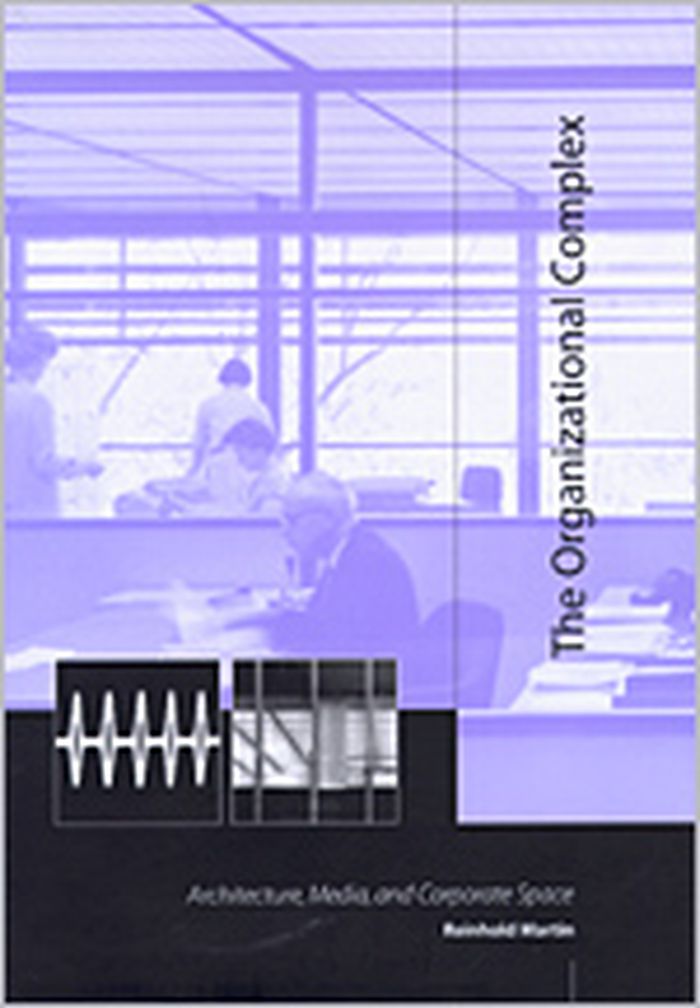
The organizational complex : architecture, media, and corporate space
Actions:
Prix:
$51.95
(disponible sur commande)
Résumé:
"The Organizational Complex" is a historical and theoretical analysis of corporate architecture in the United States after the Second World War. Its title refers to the aesthetic and technological extension of the military-industrial complex, in which architecture, computers, and corporations formed a network of objects, images, and discourses that realigned social relations and transformed the postwar landscape. In-depth case studies of architect Eero Saarinen's work for General Motors, IBM, and Bell Laboratories and analyses of office buildings designed by Skidmore, Owings & Merrill trace the emergence of a systems-based model of organization in architecture, in which the modular curtain wall acts as both an organizational device and a carrier of the corporate image. Such an image--of the corporation as a flexible, integrated system--is seen to correspond with a "humanization" of corporate life, as corporations decentralize both spatially and administratively. Parallel analyses follow the assimilation of cybernetics into aesthetics in the writings of artist and visual theorist Gyorgy Kepes, as art merges with techno-science in the service of a dynamic new "pattern-seeing." Image and system thus converge in the organizational complex, while top-down power dissolves into networked, pattern-based control. Architecture, as one among many media technologies, supplies the patterns--images of organic integration designed to regulate new and unstable human-machine assemblages.
The organizational complex : architecture, media, and corporate space
Actions:
Prix:
$51.95
(disponible sur commande)
Résumé:
"The Organizational Complex" is a historical and theoretical analysis of corporate architecture in the United States after the Second World War. Its title refers to the aesthetic and technological extension of the military-industrial complex, in which architecture, computers, and corporations formed a network of objects, images, and discourses that realigned social relations and transformed the postwar landscape. In-depth case studies of architect Eero Saarinen's work for General Motors, IBM, and Bell Laboratories and analyses of office buildings designed by Skidmore, Owings & Merrill trace the emergence of a systems-based model of organization in architecture, in which the modular curtain wall acts as both an organizational device and a carrier of the corporate image. Such an image--of the corporation as a flexible, integrated system--is seen to correspond with a "humanization" of corporate life, as corporations decentralize both spatially and administratively. Parallel analyses follow the assimilation of cybernetics into aesthetics in the writings of artist and visual theorist Gyorgy Kepes, as art merges with techno-science in the service of a dynamic new "pattern-seeing." Image and system thus converge in the organizational complex, while top-down power dissolves into networked, pattern-based control. Architecture, as one among many media technologies, supplies the patterns--images of organic integration designed to regulate new and unstable human-machine assemblages.
Classification:
livres
livres
Publication:
juillet 2003, Cambridge, Massachusetts
juillet 2003, Cambridge, Massachusetts
Sujet:
Théorie de l’architecture
Théorie de l’architecture
Classification:
livres
livres
Titre:
Index architecture
Index architecture
Actions:
Prix:
$41.95
(disponible en magasin)
Résumé:
"Index architecture" documents the extensive cross-fertilization of ideas that can occur between architectural practice and education. Through work developed by students and faculty at Columbia University's School of Architecture, it offers not only an archive of avant-garde work but a record of architectural discourse at a time when the design studio has been radically(...)
$41.95
(disponible en magasin)
Résumé:
"Index architecture" documents the extensive cross-fertilization of ideas that can occur between architectural practice and education. Through work developed by students and faculty at Columbia University's School of Architecture, it offers not only an archive of avant-garde work but a record of architectural discourse at a time when the design studio has been radically(...)
Sujet:
Théorie de l’architecture
Théorie de l’architecture
Publication:
mai 2003, Cambridge / London
mai 2003, Cambridge / London
Titre:
Index architecture
Actions:
Prix:
$41.95
(disponible en magasin)
Résumé:
"Index architecture" documents the extensive cross-fertilization of ideas that can occur between architectural practice and education. Through work developed by students and faculty at Columbia University's School of Architecture, it offers not only an archive of avant-garde work but a record of architectural discourse at a time when the design studio has been radically altered by digital technology. Writings, interviews, and images are organized according to an alphabetical "index" of key terms. Cross-referencing allows for a rich reading of concepts currently discussed in the field. The contributing critics and theorists include Stan Allen, Karen Bausman, Lise Anne Couture, Kathryn Dean, Evan Douglis, Kenneth Frampton, Leslie Gill, Thomas Hanrahan, Laurie Hawkinson, Steven Holl, Jeffrey Kipnis, Sulan Kolatan, Greg Lynn, William MacDonald, Reinhold Martin, Mary Mcleod, Victoria Meyers, Hani Rashid, Jesse Reiser, Bernard Tschumi, Nanako Umemoto, and Mark Wigley.
Index architecture
Actions:
Prix:
$41.95
(disponible en magasin)
Résumé:
"Index architecture" documents the extensive cross-fertilization of ideas that can occur between architectural practice and education. Through work developed by students and faculty at Columbia University's School of Architecture, it offers not only an archive of avant-garde work but a record of architectural discourse at a time when the design studio has been radically altered by digital technology. Writings, interviews, and images are organized according to an alphabetical "index" of key terms. Cross-referencing allows for a rich reading of concepts currently discussed in the field. The contributing critics and theorists include Stan Allen, Karen Bausman, Lise Anne Couture, Kathryn Dean, Evan Douglis, Kenneth Frampton, Leslie Gill, Thomas Hanrahan, Laurie Hawkinson, Steven Holl, Jeffrey Kipnis, Sulan Kolatan, Greg Lynn, William MacDonald, Reinhold Martin, Mary Mcleod, Victoria Meyers, Hani Rashid, Jesse Reiser, Bernard Tschumi, Nanako Umemoto, and Mark Wigley.
Classification:
livres
livres
Publication:
mai 2003, Cambridge / London
mai 2003, Cambridge / London
Sujet:
Théorie de l’architecture
Théorie de l’architecture
Classification:
livres
livres
Prix:
$78.00
(disponible sur commande)
Résumé:
From the fifteenth through the seventeenth centuries, Europe witnessed significant new developments in the science and art of perspective. This comprehensive and insightful book identifies and discusses the multiple discourses produced on perspective throughout this period by such authors as Leonardo da Vinci, Piero della Francesca, Albrecht Dürer, Sebastiano Serlio, and(...)
$78.00
(disponible sur commande)
Résumé:
From the fifteenth through the seventeenth centuries, Europe witnessed significant new developments in the science and art of perspective. This comprehensive and insightful book identifies and discusses the multiple discourses produced on perspective throughout this period by such authors as Leonardo da Vinci, Piero della Francesca, Albrecht Dürer, Sebastiano Serlio, and(...)
Titre:
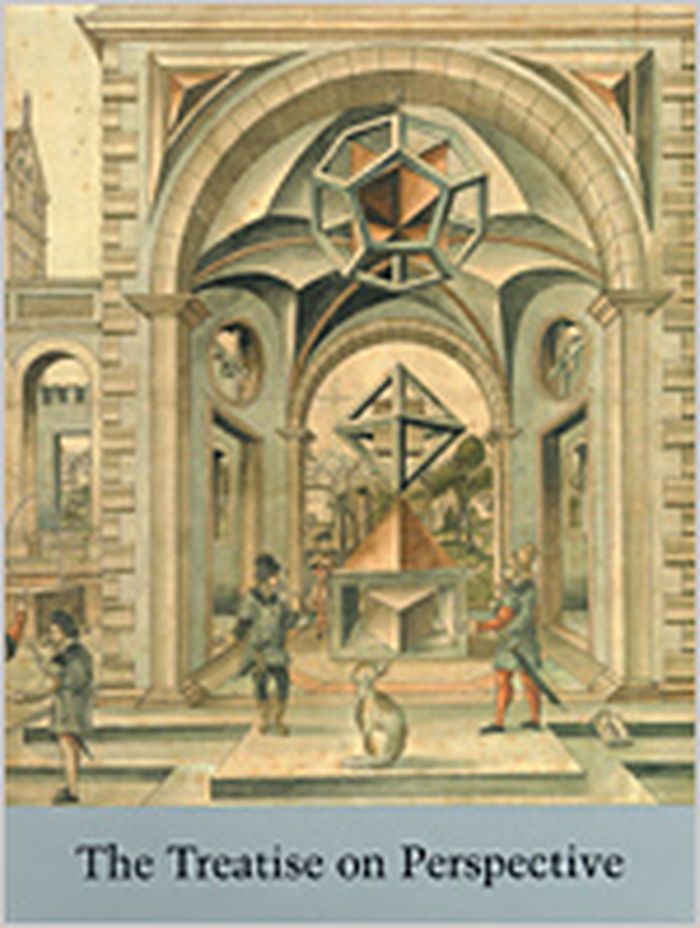
The treatise on perspective : published and unpublished
Actions:
Prix:
$78.00
(disponible sur commande)
Résumé:
From the fifteenth through the seventeenth centuries, Europe witnessed significant new developments in the science and art of perspective. This comprehensive and insightful book identifies and discusses the multiple discourses produced on perspective throughout this period by such authors as Leonardo da Vinci, Piero della Francesca, Albrecht Dürer, Sebastiano Serlio, and Matteo Zaccolini. Fifteen distinguished scholars provide commentary on the complex history and variable nature of early modern perspective studies, addressing issues of reception, dissemination, citation, longevity, format, and imagery. These studies revise our understanding of how perspective theory and practice evolved over time and how this unique species of publication affected the course of art, architecture, and mathematics in early modern Europe.
The treatise on perspective : published and unpublished
Actions:
Prix:
$78.00
(disponible sur commande)
Résumé:
From the fifteenth through the seventeenth centuries, Europe witnessed significant new developments in the science and art of perspective. This comprehensive and insightful book identifies and discusses the multiple discourses produced on perspective throughout this period by such authors as Leonardo da Vinci, Piero della Francesca, Albrecht Dürer, Sebastiano Serlio, and Matteo Zaccolini. Fifteen distinguished scholars provide commentary on the complex history and variable nature of early modern perspective studies, addressing issues of reception, dissemination, citation, longevity, format, and imagery. These studies revise our understanding of how perspective theory and practice evolved over time and how this unique species of publication affected the course of art, architecture, and mathematics in early modern Europe.
Classification:
livres
livres
Publication:
juillet 2003, New Haven / London
juillet 2003, New Haven / London
Sujet:
Théorie de l’architecture
Théorie de l’architecture
Classification:
livres
livres
Prix:
$32.95
(disponible sur commande)
Résumé:
Contributors to this volume strive to uncover architectural alternatives to simplistic models based on concepts of aesthetics, technology, or sociology. Seventeen essays explore historical topics ranging from antiquity, with a study of the Roman Colosseum; through early Renaissance subjects, such as the treatises of Luca Pacioli on architecture; through to the modern era(...)
$32.95
(disponible sur commande)
Résumé:
Contributors to this volume strive to uncover architectural alternatives to simplistic models based on concepts of aesthetics, technology, or sociology. Seventeen essays explore historical topics ranging from antiquity, with a study of the Roman Colosseum; through early Renaissance subjects, such as the treatises of Luca Pacioli on architecture; through to the modern era(...)
Sujet:
Théorie de l’architecture
Théorie de l’architecture
Publication:
mai 2003, Montreal
mai 2003, Montreal
Titre:
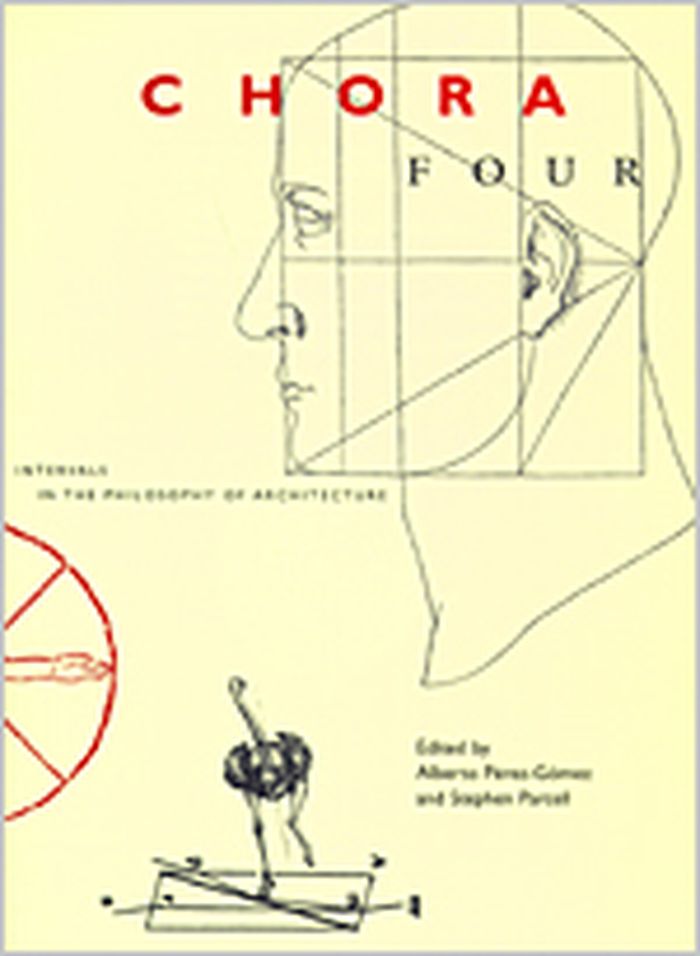
Chora 4 : intervals in the philosophy of architecture
Actions:
Prix:
$32.95
(disponible sur commande)
Résumé:
Contributors to this volume strive to uncover architectural alternatives to simplistic models based on concepts of aesthetics, technology, or sociology. Seventeen essays explore historical topics ranging from antiquity, with a study of the Roman Colosseum; through early Renaissance subjects, such as the treatises of Luca Pacioli on architecture; through to the modern era and explorations on topics ranging from seventeenth-century Amsterdam to architectural insights that can be found in the works of the poet and mathematician Lewis Carroll. Authors examining contemporary issues seek to explicate the spatial poetics of architecture by invoking other artistic disciplines. Essays in this group include a discussion of the accomplishments of Gordon Matta-Clark, a reading of Alfred Hitchcock's Rear Window, and an analysis of the implications of ethical/formal questions in the work of Ludwig Wittgenstein for architecture. Contributors include Caroline Dionne (Université de Québec à Montréal), Mark Dorrian (University of Edinburgh), Michael Emerson (University of New South Wales), Marc Glaudemans (University of Technology), George Hersey (emeritus, Yale University), Robert Kirkbride (design director, Studiolo), Joanna Merwood (doctoral dissertation, Princeton University), Michel Moussette (Ph.D. at the Université de Montréal), Juhani Pallasmaa (architect, Finland, emeritus Washington University in St. Louis), Alberto Pérez-Gómez (McGill University), David Theodore (McGill University), and Dorian Yurchuk (architect, New York City).
Chora 4 : intervals in the philosophy of architecture
Actions:
Prix:
$32.95
(disponible sur commande)
Résumé:
Contributors to this volume strive to uncover architectural alternatives to simplistic models based on concepts of aesthetics, technology, or sociology. Seventeen essays explore historical topics ranging from antiquity, with a study of the Roman Colosseum; through early Renaissance subjects, such as the treatises of Luca Pacioli on architecture; through to the modern era and explorations on topics ranging from seventeenth-century Amsterdam to architectural insights that can be found in the works of the poet and mathematician Lewis Carroll. Authors examining contemporary issues seek to explicate the spatial poetics of architecture by invoking other artistic disciplines. Essays in this group include a discussion of the accomplishments of Gordon Matta-Clark, a reading of Alfred Hitchcock's Rear Window, and an analysis of the implications of ethical/formal questions in the work of Ludwig Wittgenstein for architecture. Contributors include Caroline Dionne (Université de Québec à Montréal), Mark Dorrian (University of Edinburgh), Michael Emerson (University of New South Wales), Marc Glaudemans (University of Technology), George Hersey (emeritus, Yale University), Robert Kirkbride (design director, Studiolo), Joanna Merwood (doctoral dissertation, Princeton University), Michel Moussette (Ph.D. at the Université de Montréal), Juhani Pallasmaa (architect, Finland, emeritus Washington University in St. Louis), Alberto Pérez-Gómez (McGill University), David Theodore (McGill University), and Dorian Yurchuk (architect, New York City).
Classification:
livres
livres
Publication:
mai 2003, Montreal
mai 2003, Montreal
Sujet:
Théorie de l’architecture
Théorie de l’architecture
Classification:
livres
livres
Actions:
Prix:
$44.95
(disponible sur commande)
Résumé:
In The Imaginative Structure of the City Alan Blum explores the symbolic and imaginative nature of the city as a vital part of everyday life in modern civilization. He introduces the city as a community that must struggle to maintain its collective identity against typical problems, problems that threaten to fragment the city's sense of itself. Blum's distinctive form(...)
$44.95
(disponible sur commande)
Résumé:
In The Imaginative Structure of the City Alan Blum explores the symbolic and imaginative nature of the city as a vital part of everyday life in modern civilization. He introduces the city as a community that must struggle to maintain its collective identity against typical problems, problems that threaten to fragment the city's sense of itself. Blum's distinctive form(...)
Titre:
The imaginative structure of the city
Actions:
Prix:
$44.95
(disponible sur commande)
Résumé:
In The Imaginative Structure of the City Alan Blum explores the symbolic and imaginative nature of the city as a vital part of everyday life in modern civilization. He introduces the city as a community that must struggle to maintain its collective identity against typical problems, problems that threaten to fragment the city's sense of itself. Blum's distinctive form of theoretical inquiry pushes the reader to move beyond conventional ways of thinking about familiar urban issues in answering such fundamental questions as, How does a city exist? How do its inhabitants define their relationship to it? Who is entitled to speak for it? What is its symbolic nature? In what way does the city function as a focus of attempts to resolve social problems such as alienation, participation, and community? In what ways do night and nighttime affect our relationship to it? How is it possible to speak of a city as both exciting and alienating?
The imaginative structure of the city
Actions:
Prix:
$44.95
(disponible sur commande)
Résumé:
In The Imaginative Structure of the City Alan Blum explores the symbolic and imaginative nature of the city as a vital part of everyday life in modern civilization. He introduces the city as a community that must struggle to maintain its collective identity against typical problems, problems that threaten to fragment the city's sense of itself. Blum's distinctive form of theoretical inquiry pushes the reader to move beyond conventional ways of thinking about familiar urban issues in answering such fundamental questions as, How does a city exist? How do its inhabitants define their relationship to it? Who is entitled to speak for it? What is its symbolic nature? In what way does the city function as a focus of attempts to resolve social problems such as alienation, participation, and community? In what ways do night and nighttime affect our relationship to it? How is it possible to speak of a city as both exciting and alienating?
Classification:
livres
livres
Publication:
avril 2003, Montréal
avril 2003, Montréal
Sujet:
Théorie de l’urbanisme
Théorie de l’urbanisme


