


10589 Résultats
Classification:
livres
livres

Actions:
Prix:
$65.00
(disponible sur commande)
Résumé:
Kazuo Shinohara’s (1925–2006) book Residential Architecture is considered one of the most significant pieces of writing on Japanese architecture of the late twentieth century. First published in Japan in 1964 as Jutaku kenchiku, the book was mandatory reading for generations of students of architecture in Japan and has deeply influenced many of the best-known Japanese(...)
$65.00
(disponible sur commande)
Résumé:
Kazuo Shinohara’s (1925–2006) book Residential Architecture is considered one of the most significant pieces of writing on Japanese architecture of the late twentieth century. First published in Japan in 1964 as Jutaku kenchiku, the book was mandatory reading for generations of students of architecture in Japan and has deeply influenced many of the best-known Japanese(...)
Sujet:
Théorie de l’architecture
Théorie de l’architecture
Publication:
mai 2026
mai 2026
Titre:
Residential architecture: Kazuo Shinohara
Actions:
Prix:
$65.00
(disponible sur commande)
Résumé:
Kazuo Shinohara’s (1925–2006) book Residential Architecture is considered one of the most significant pieces of writing on Japanese architecture of the late twentieth century. First published in Japan in 1964 as Jutaku kenchiku, the book was mandatory reading for generations of students of architecture in Japan and has deeply influenced many of the best-known Japanese designers, such as Toyo Ito, Kazuyo Sejima, Ryue Nishizawa, and others. Translated by architectural historian David B. Stewart (1942–2025) and architects Shin-ichi Okuyama (born 1961) and Kenichi Nakamura (born 1958), Shinohara’s reflections on housing are available in English for the first time, making multifaceted insights into the fundamentals of his outstanding work accessible to a global audience. In the first of three chapters, Shinohara writes about traditional Japanese architecture, thus explaining the foundation of his theory and practice, followed by a description of his design method, which he further illustrates through the examples of his first seven designs for homes.
Residential architecture: Kazuo Shinohara
Actions:
Prix:
$65.00
(disponible sur commande)
Résumé:
Kazuo Shinohara’s (1925–2006) book Residential Architecture is considered one of the most significant pieces of writing on Japanese architecture of the late twentieth century. First published in Japan in 1964 as Jutaku kenchiku, the book was mandatory reading for generations of students of architecture in Japan and has deeply influenced many of the best-known Japanese designers, such as Toyo Ito, Kazuyo Sejima, Ryue Nishizawa, and others. Translated by architectural historian David B. Stewart (1942–2025) and architects Shin-ichi Okuyama (born 1961) and Kenichi Nakamura (born 1958), Shinohara’s reflections on housing are available in English for the first time, making multifaceted insights into the fundamentals of his outstanding work accessible to a global audience. In the first of three chapters, Shinohara writes about traditional Japanese architecture, thus explaining the foundation of his theory and practice, followed by a description of his design method, which he further illustrates through the examples of his first seven designs for homes.
Classification:
livres
livres
Publication:
mai 2026
mai 2026
Sujet:
Théorie de l’architecture
Théorie de l’architecture
Classification:
livres
livres

Actions:
Prix:
$35.95
(disponible en magasin)
Résumé:
Some of the largest architecture firms have effectively become war corporations. At the same time as designing Olympic parks and world-famous buildings, they have constructed military bases, maintained weaponry, and trained personnel for wars in which hundreds of thousands of people have been killed. In some conflicts, the same firms have been contracted from invasion to(...)
$35.95
(disponible en magasin)
Résumé:
Some of the largest architecture firms have effectively become war corporations. At the same time as designing Olympic parks and world-famous buildings, they have constructed military bases, maintained weaponry, and trained personnel for wars in which hundreds of thousands of people have been killed. In some conflicts, the same firms have been contracted from invasion to(...)
Titre:
Architecture for warfare: How corporations profit from destruction and rerconstruction
Actions:
Prix:
$35.95
(disponible en magasin)
Résumé:
Some of the largest architecture firms have effectively become war corporations. At the same time as designing Olympic parks and world-famous buildings, they have constructed military bases, maintained weaponry, and trained personnel for wars in which hundreds of thousands of people have been killed. In some conflicts, the same firms have been contracted from invasion to reconstruction, including facilitating military attacks, rebuilding war-damaged infrastructure, and establishing new governments. Architecture for Warfare tells the story of a form of multidisciplinary corporation that employs architects skilled in designing structures alongside former military personnel with experience handling live-fire weapons. It highlights the tensions and contradictions within these architecture-led firms that claim to make the world a better place. The book combines personal narrative with detailed research to reveal unsettling relations between design, planning, and armed conflict.
Architecture for warfare: How corporations profit from destruction and rerconstruction
Actions:
Prix:
$35.95
(disponible en magasin)
Résumé:
Some of the largest architecture firms have effectively become war corporations. At the same time as designing Olympic parks and world-famous buildings, they have constructed military bases, maintained weaponry, and trained personnel for wars in which hundreds of thousands of people have been killed. In some conflicts, the same firms have been contracted from invasion to reconstruction, including facilitating military attacks, rebuilding war-damaged infrastructure, and establishing new governments. Architecture for Warfare tells the story of a form of multidisciplinary corporation that employs architects skilled in designing structures alongside former military personnel with experience handling live-fire weapons. It highlights the tensions and contradictions within these architecture-led firms that claim to make the world a better place. The book combines personal narrative with detailed research to reveal unsettling relations between design, planning, and armed conflict.
Classification:
livres
livres
Publication:
avril 2026
avril 2026
Sujet:
Théorie de l’architecture
Théorie de l’architecture
Classification:
livres
livres
Actions:
Prix:
$116.95
(disponible sur commande)
Résumé:
This edition of House Details is dedicated to ''House in Maia'', a project carried out by Álvaro Siza and António Madureira. It features hundreds of scale technical drawings, raised hand drawings and work records with selected photographs.
$116.95
(disponible sur commande)
Résumé:
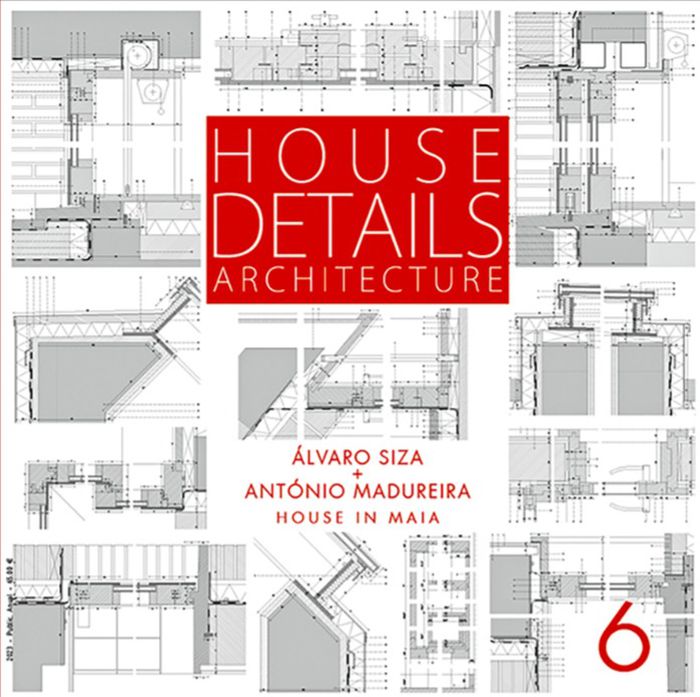
This edition of House Details is dedicated to ''House in Maia'', a project carried out by Álvaro Siza and António Madureira. It features hundreds of scale technical drawings, raised hand drawings and work records with selected photographs.
Titre:
Álvaro Siza + Antónico Maduderira: House in Maia
Actions:
Prix:
$116.95
(disponible sur commande)
Résumé:
This edition of House Details is dedicated to ''House in Maia'', a project carried out by Álvaro Siza and António Madureira. It features hundreds of scale technical drawings, raised hand drawings and work records with selected photographs.
Álvaro Siza + Antónico Maduderira: House in Maia
Actions:
Prix:
$116.95
(disponible sur commande)
Résumé:
This edition of House Details is dedicated to ''House in Maia'', a project carried out by Álvaro Siza and António Madureira. It features hundreds of scale technical drawings, raised hand drawings and work records with selected photographs.
Classification:
livres
livres
Publication:
janvier 2023
janvier 2023
Sujet:
Théorie de l’architecture
Théorie de l’architecture
Classification:
livres
livres
Prix:
$21.95
(disponible en magasin)
Résumé:
We shower, cook and heat our homes. There is water, gas and electricity. We sit at a table, wash in a sink or rest on a couch. We are bodies among other bodies; living and dead, solid and fluid, raw and transformed, recognisable or in disguise. To live is to interact, but what are we interacting with? "The domestic encyclopaedia" is a collection of stories that explore(...)
$21.95
(disponible en magasin)
Résumé:
We shower, cook and heat our homes. There is water, gas and electricity. We sit at a table, wash in a sink or rest on a couch. We are bodies among other bodies; living and dead, solid and fluid, raw and transformed, recognisable or in disguise. To live is to interact, but what are we interacting with? "The domestic encyclopaedia" is a collection of stories that explore(...)
Titre:
Domestic encyclopaedia: Oblique encounters of domestic space
Actions:
Prix:
$21.95
(disponible en magasin)
Résumé:
We shower, cook and heat our homes. There is water, gas and electricity. We sit at a table, wash in a sink or rest on a couch. We are bodies among other bodies; living and dead, solid and fluid, raw and transformed, recognisable or in disguise. To live is to interact, but what are we interacting with? "The domestic encyclopaedia" is a collection of stories that explore the material body of architecture, of houses. In the midst of ongoing ecological disaster and increased alienation from nature it invites you to travel beyond the screen, to practice attention and probe the nature of domestic space.
Domestic encyclopaedia: Oblique encounters of domestic space
Actions:
Prix:
$21.95
(disponible en magasin)
Résumé:
We shower, cook and heat our homes. There is water, gas and electricity. We sit at a table, wash in a sink or rest on a couch. We are bodies among other bodies; living and dead, solid and fluid, raw and transformed, recognisable or in disguise. To live is to interact, but what are we interacting with? "The domestic encyclopaedia" is a collection of stories that explore the material body of architecture, of houses. In the midst of ongoing ecological disaster and increased alienation from nature it invites you to travel beyond the screen, to practice attention and probe the nature of domestic space.
Classification:
livres
livres
Publication:
mai 2026
mai 2026
Sujet:
Théorie de l’architecture
Théorie de l’architecture
Classification:
livres
livres
Actions:
Prix:
$55.00
(disponible en magasin)
Résumé:
The book brings together the voices of artists, scientists, farmers, and bakers from the BAU community. Through the lens of cooking, food, and conviviality, these voices weave together reflections on vital themes: community, landscape, ecology, and climate change. What can a taste of future landscapes be? This volume gathers artists, scientists, farmers, bakers from the(...)
$55.00
(disponible en magasin)
Résumé:
The book brings together the voices of artists, scientists, farmers, and bakers from the BAU community. Through the lens of cooking, food, and conviviality, these voices weave together reflections on vital themes: community, landscape, ecology, and climate change. What can a taste of future landscapes be? This volume gathers artists, scientists, farmers, bakers from the(...)
Titre:
The taste of future landscapes
Actions:
Prix:
$55.00
(disponible en magasin)
Résumé:
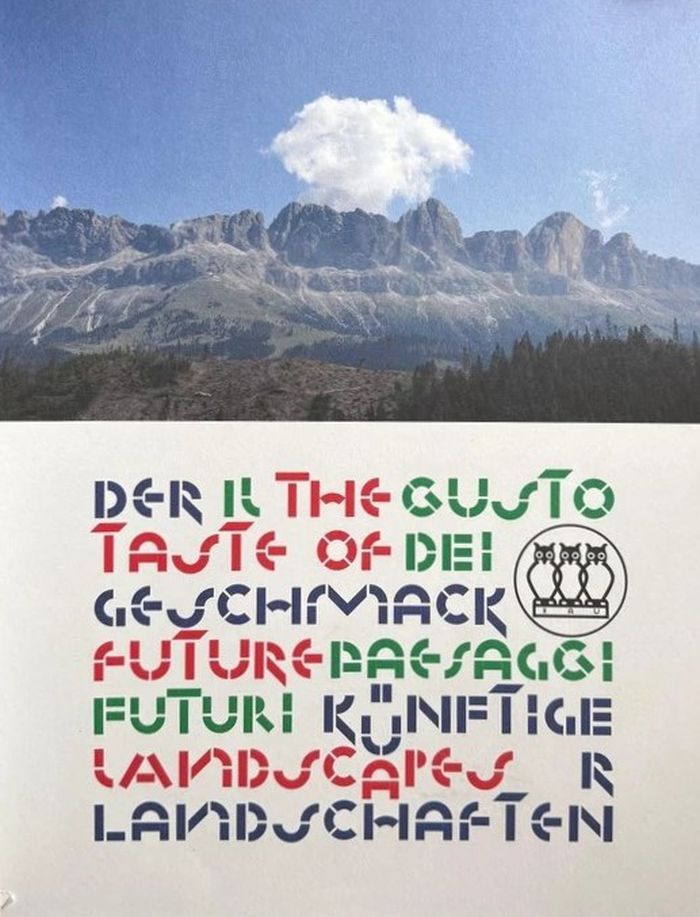
The book brings together the voices of artists, scientists, farmers, and bakers from the BAU community. Through the lens of cooking, food, and conviviality, these voices weave together reflections on vital themes: community, landscape, ecology, and climate change. What can a taste of future landscapes be? This volume gathers artists, scientists, farmers, bakers from the BAU Community.Through the lens of cooking, eating and coming together they explore pressing themes such as community, landscape, ecology and climate change.The book is published on the occasion of the 10th anniversary of BAU, Institute for Contemporary Art and Ecology established south of the Alps. Set in a multilingual area, we regard the landscape as a living site where different forms of life interact and leave traces.
The taste of future landscapes
Actions:
Prix:
$55.00
(disponible en magasin)
Résumé:
The book brings together the voices of artists, scientists, farmers, and bakers from the BAU community. Through the lens of cooking, food, and conviviality, these voices weave together reflections on vital themes: community, landscape, ecology, and climate change. What can a taste of future landscapes be? This volume gathers artists, scientists, farmers, bakers from the BAU Community.Through the lens of cooking, eating and coming together they explore pressing themes such as community, landscape, ecology and climate change.The book is published on the occasion of the 10th anniversary of BAU, Institute for Contemporary Art and Ecology established south of the Alps. Set in a multilingual area, we regard the landscape as a living site where different forms of life interact and leave traces.
Classification:
livres
livres
Publication:
novembre 2025
novembre 2025
Sujet:
Théorie du paysage
Théorie du paysage
Classification:
livres
livres
Actions:
Prix:
$69.95
(disponible en magasin)
Résumé:
Surveying some 50 years of groundbreaking art related to digital technology and the screen, "I’ll be your mirror" examines how technologies such as home computers, smartphones and TV have affected art and life over the past five decades. It traces a trajectory stretching back to the late 1960s, a watershed moment in the rise of the screen in the home. Today, accelerated(...)
$69.95
(disponible en magasin)
Résumé:
Surveying some 50 years of groundbreaking art related to digital technology and the screen, "I’ll be your mirror" examines how technologies such as home computers, smartphones and TV have affected art and life over the past five decades. It traces a trajectory stretching back to the late 1960s, a watershed moment in the rise of the screen in the home. Today, accelerated(...)
Titre:
I'll be your mirror: Art and the digital screen
Actions:
Prix:
$69.95
(disponible en magasin)
Résumé:
Surveying some 50 years of groundbreaking art related to digital technology and the screen, "I’ll be your mirror" examines how technologies such as home computers, smartphones and TV have affected art and life over the past five decades. It traces a trajectory stretching back to the late 1960s, a watershed moment in the rise of the screen in the home. Today, accelerated by the pandemic, our daily life is mediated through screens for work, entertainment and sociality.
I'll be your mirror: Art and the digital screen
Actions:
Prix:
$69.95
(disponible en magasin)
Résumé:
Surveying some 50 years of groundbreaking art related to digital technology and the screen, "I’ll be your mirror" examines how technologies such as home computers, smartphones and TV have affected art and life over the past five decades. It traces a trajectory stretching back to the late 1960s, a watershed moment in the rise of the screen in the home. Today, accelerated by the pandemic, our daily life is mediated through screens for work, entertainment and sociality.
Classification:
livres
livres
Publication:
janvier 2023
janvier 2023
Sujet:
Théorie de l’art
Théorie de l’art
Classification:
livres
livres
Titre:
The last pictures
The last pictures
Actions:
Prix:
$52.00
(disponible en magasin)
Résumé:
Human civilizations' longest lasting artifacts are not the great Pyramids of Giza, nor the cave paintings at Lascaux, but the communications satellites that circle our planet. In a stationary orbit above the equator, the satellites that broadcast our TV signals, route our phone calls, and process our credit card transactions experience no atmospheric drag. Their inert(...)
$52.00
(disponible en magasin)
Résumé:
Human civilizations' longest lasting artifacts are not the great Pyramids of Giza, nor the cave paintings at Lascaux, but the communications satellites that circle our planet. In a stationary orbit above the equator, the satellites that broadcast our TV signals, route our phone calls, and process our credit card transactions experience no atmospheric drag. Their inert(...)
Titre:
The last pictures
Actions:
Prix:
$52.00
(disponible en magasin)
Résumé:
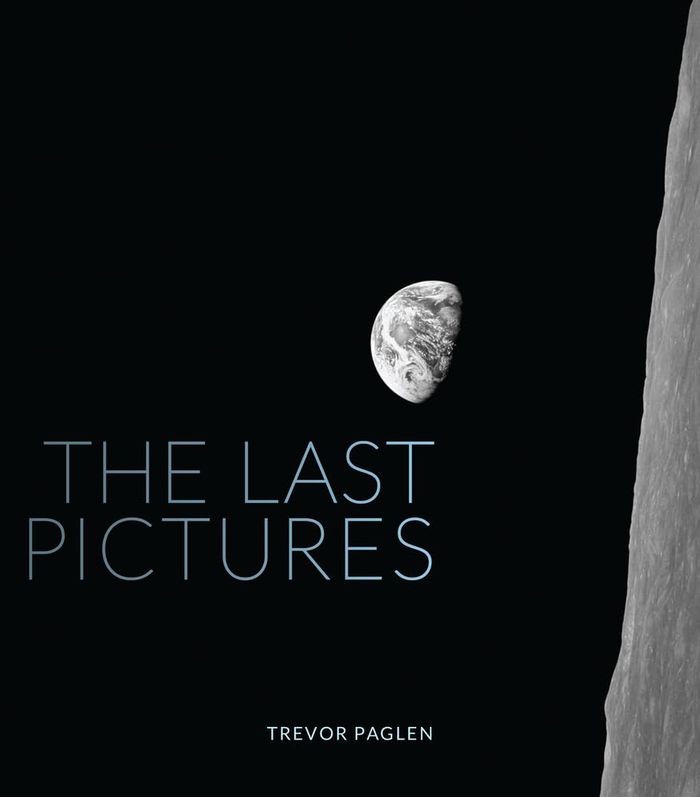
Human civilizations' longest lasting artifacts are not the great Pyramids of Giza, nor the cave paintings at Lascaux, but the communications satellites that circle our planet. In a stationary orbit above the equator, the satellites that broadcast our TV signals, route our phone calls, and process our credit card transactions experience no atmospheric drag. Their inert hulls will continue to drift around Earth until the Sun expands into a red giant and engulfs them about 4.5 billion years from now. he Last Pictures, co-published by Creative Time Books, is rooted in the premise that these communications satellites will ultimately become the cultural and material ruins of the late 20th and early 21st centuries, far outlasting anything else humans have created. Inspired in part by ancient cave paintings, nuclear waste warning signs, and Carl Sagan's Golden Records of the 1970s, artist/geographer and MacArthur "Genius" Fellow Trevor Paglen has developed a collection of one hundred images that will be etched onto an ultra-archival, golden silicon disc.
The last pictures
Actions:
Prix:
$52.00
(disponible en magasin)
Résumé:
Human civilizations' longest lasting artifacts are not the great Pyramids of Giza, nor the cave paintings at Lascaux, but the communications satellites that circle our planet. In a stationary orbit above the equator, the satellites that broadcast our TV signals, route our phone calls, and process our credit card transactions experience no atmospheric drag. Their inert hulls will continue to drift around Earth until the Sun expands into a red giant and engulfs them about 4.5 billion years from now. he Last Pictures, co-published by Creative Time Books, is rooted in the premise that these communications satellites will ultimately become the cultural and material ruins of the late 20th and early 21st centuries, far outlasting anything else humans have created. Inspired in part by ancient cave paintings, nuclear waste warning signs, and Carl Sagan's Golden Records of the 1970s, artist/geographer and MacArthur "Genius" Fellow Trevor Paglen has developed a collection of one hundred images that will be etched onto an ultra-archival, golden silicon disc.
Classification:
livres
livres
Publication:
septembre 2012
septembre 2012
Sujet:
Théorie de l’art
Théorie de l’art
Classification:
livres
livres

Actions:
Prix:
$18.95
(disponible en magasin)
Résumé:
La fabrique et la gestion des villes sont aujourd’hui confrontées, comme de nombreuses autres activités, au remplacement de décisions humaines par des décisions algorithmiques. La substitution n’est pas seulement technique et professionnelle : elle est aussi politique. Elle ne touche pas que les métiers et les emplois : elle affecte la capacité des responsables locaux et(...)
$18.95
(disponible en magasin)
Résumé:
La fabrique et la gestion des villes sont aujourd’hui confrontées, comme de nombreuses autres activités, au remplacement de décisions humaines par des décisions algorithmiques. La substitution n’est pas seulement technique et professionnelle : elle est aussi politique. Elle ne touche pas que les métiers et les emplois : elle affecte la capacité des responsables locaux et(...)
Titre:
Villes face aux géants de la tech
Actions:
Prix:
$18.95
(disponible en magasin)
Résumé:
La fabrique et la gestion des villes sont aujourd’hui confrontées, comme de nombreuses autres activités, au remplacement de décisions humaines par des décisions algorithmiques. La substitution n’est pas seulement technique et professionnelle : elle est aussi politique. Elle ne touche pas que les métiers et les emplois : elle affecte la capacité des responsables locaux et des citoyens à penser et à porter des projets de société. Une lutte est donc engagée entre la cité politique, matrice historique des démocraties occidentales, et la ville-service numérisée proposée par les géants de l’économie numérique. Si notre société a pris conscience de l’influence croissante de ces acteurs, elle hésite entre la fascination devant les promesses d’un « salut par la technologie » et la peur d’un monde placé sous surveillance généralisée.
Villes face aux géants de la tech
Actions:
Prix:
$18.95
(disponible en magasin)
Résumé:
La fabrique et la gestion des villes sont aujourd’hui confrontées, comme de nombreuses autres activités, au remplacement de décisions humaines par des décisions algorithmiques. La substitution n’est pas seulement technique et professionnelle : elle est aussi politique. Elle ne touche pas que les métiers et les emplois : elle affecte la capacité des responsables locaux et des citoyens à penser et à porter des projets de société. Une lutte est donc engagée entre la cité politique, matrice historique des démocraties occidentales, et la ville-service numérisée proposée par les géants de l’économie numérique. Si notre société a pris conscience de l’influence croissante de ces acteurs, elle hésite entre la fascination devant les promesses d’un « salut par la technologie » et la peur d’un monde placé sous surveillance généralisée.
Classification:
livres
livres
Publication:
janvier 2026
janvier 2026
Sujet:
Théorie de l’urbanisme
Théorie de l’urbanisme
Classification:
livres
livres
Actions:
Prix:
$78.00
(disponible sur commande)
Résumé:
This historical survey focuses on female artists who were either working with computer technologies or taking up the subject of computing and cybernetics in their work in the early years of the computer revolution. It documents a lesser-known history of the inception of digital art, countering conventional narratives by focusing entirely on female figures. Comprising more(...)
$78.00
(disponible sur commande)
Résumé:
This historical survey focuses on female artists who were either working with computer technologies or taking up the subject of computing and cybernetics in their work in the early years of the computer revolution. It documents a lesser-known history of the inception of digital art, countering conventional narratives by focusing entirely on female figures. Comprising more(...)
Titre:
Radical Software: Women, Art & Computing: 1960-1991
Actions:
Prix:
$78.00
(disponible sur commande)
Résumé:
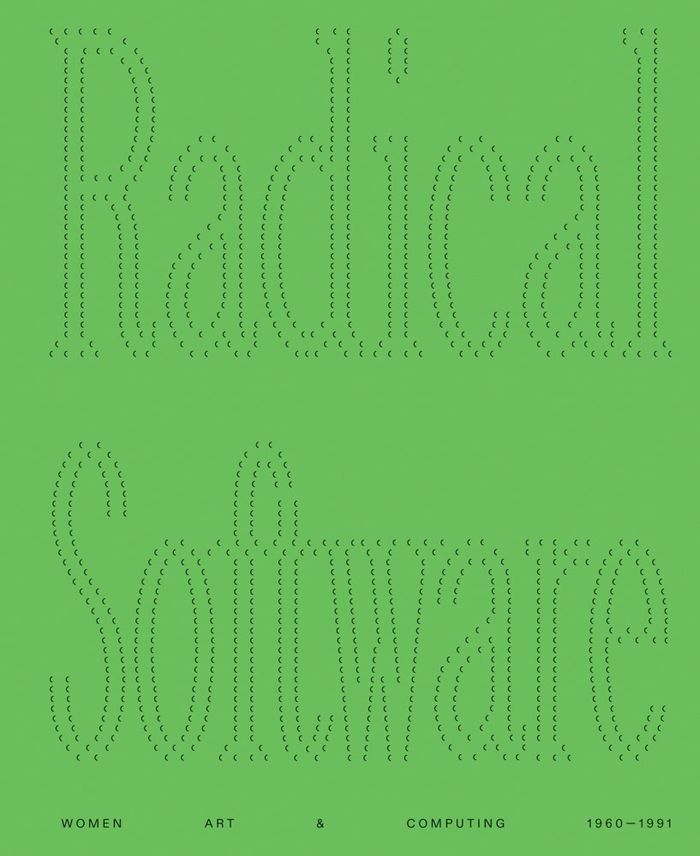
This historical survey focuses on female artists who were either working with computer technologies or taking up the subject of computing and cybernetics in their work in the early years of the computer revolution. It documents a lesser-known history of the inception of digital art, countering conventional narratives by focusing entirely on female figures. Comprising more than 100 works by 50 artists from 14 countries, it spans a period from the first years of integrated circuit computing in the 1960s to the "microcomputer revolution," which led to the birth of home computing in the 1980s. This extensive publication includes three new essays by Tina Rivers Ryan, Margit Rosen and the exhibition's curator, Michelle Cotton. It also features a richly illustrated timeline covering the period between 1613 and 1991 and includes 27 new interviews with artists and over 200 illustrations.
Radical Software: Women, Art & Computing: 1960-1991
Actions:
Prix:
$78.00
(disponible sur commande)
Résumé:
This historical survey focuses on female artists who were either working with computer technologies or taking up the subject of computing and cybernetics in their work in the early years of the computer revolution. It documents a lesser-known history of the inception of digital art, countering conventional narratives by focusing entirely on female figures. Comprising more than 100 works by 50 artists from 14 countries, it spans a period from the first years of integrated circuit computing in the 1960s to the "microcomputer revolution," which led to the birth of home computing in the 1980s. This extensive publication includes three new essays by Tina Rivers Ryan, Margit Rosen and the exhibition's curator, Michelle Cotton. It also features a richly illustrated timeline covering the period between 1613 and 1991 and includes 27 new interviews with artists and over 200 illustrations.
Classification:
livres
livres
Publication:
septembre 2025
septembre 2025
Sujet:
Théorie de l’art
Théorie de l’art
Classification:
livres
livres

Actions:
Prix:
$85.95
(disponible sur commande)
Résumé:
"Fundamentals of community design for wellbeing" addresses the need to rethink the philosophy and form of residential environments due to recent social, economic, environmental, and cultural shifts, including depletion of non-renewable resources, elevated levels of greenhouse gas emissions, and climate change. This book highlights innovative planning strategies for(...)
$85.95
(disponible sur commande)
Résumé:
"Fundamentals of community design for wellbeing" addresses the need to rethink the philosophy and form of residential environments due to recent social, economic, environmental, and cultural shifts, including depletion of non-renewable resources, elevated levels of greenhouse gas emissions, and climate change. This book highlights innovative planning strategies for(...)
Titre:
Fundamentals of community design for wellbeing: Fostering sustainability and livability
Actions:
Prix:
$85.95
(disponible sur commande)
Résumé:
"Fundamentals of community design for wellbeing" addresses the need to rethink the philosophy and form of residential environments due to recent social, economic, environmental, and cultural shifts, including depletion of non-renewable resources, elevated levels of greenhouse gas emissions, and climate change. This book highlights innovative planning strategies for livability and wellbeing of communities supported by lessons from notable international case studies, addressing varied issues including accommodating elderly populations, designing walkable communities, and closing the affordability gap. Authored by an architecture professor who is also a practicing architect and urban planner, this book navigates the residential design process from site planning to individual home design, emphasizing principles of sustainability.
Fundamentals of community design for wellbeing: Fostering sustainability and livability
Actions:
Prix:
$85.95
(disponible sur commande)
Résumé:
"Fundamentals of community design for wellbeing" addresses the need to rethink the philosophy and form of residential environments due to recent social, economic, environmental, and cultural shifts, including depletion of non-renewable resources, elevated levels of greenhouse gas emissions, and climate change. This book highlights innovative planning strategies for livability and wellbeing of communities supported by lessons from notable international case studies, addressing varied issues including accommodating elderly populations, designing walkable communities, and closing the affordability gap. Authored by an architecture professor who is also a practicing architect and urban planner, this book navigates the residential design process from site planning to individual home design, emphasizing principles of sustainability.
Classification:
livres
livres
Publication:
janvier 2026
janvier 2026
Sujet:
Théorie de l’urbanisme
Théorie de l’urbanisme


