


638 Résultats
Classification:
périodiques
périodiques

Titre:
Hunch 9 2005 : disciplines
Hunch 9 2005 : disciplines
Actions:
Prix:
$28.95
(disponible sur commande)
Résumé:
"Hunch 9" asserts a broad disciplinary claim regarding architectural publications generally: it is not the quantities of publications that are a problem, but rather their consistent failure to present lines of reasoning. This inadequacy will be addressed by disciplining the issue : by organizing projects, lectures, interviews and essays into a set of arguments about(...)
$28.95
(disponible sur commande)
Résumé:
"Hunch 9" asserts a broad disciplinary claim regarding architectural publications generally: it is not the quantities of publications that are a problem, but rather their consistent failure to present lines of reasoning. This inadequacy will be addressed by disciplining the issue : by organizing projects, lectures, interviews and essays into a set of arguments about(...)
Titre:
Hunch 9 2005 : disciplines
Actions:
Prix:
$28.95
(disponible sur commande)
Résumé:
"Hunch 9" asserts a broad disciplinary claim regarding architectural publications generally: it is not the quantities of publications that are a problem, but rather their consistent failure to present lines of reasoning. This inadequacy will be addressed by disciplining the issue : by organizing projects, lectures, interviews and essays into a set of arguments about 'disciplines'. 'Return' will discuss the current erosion of architecture's disciplinary distinctions; 'Resonate' will examine the perspectives of other disciplines such as music, money, planning and film; 'Reason' will trace theoretical precedents for architectural autonomy, expertise, and education; 'Realize' will make connections between theory and practices through Berlage research-production processes, construction technology, form and precedent; and 'Relay' will expose the various disciplinary transfers in and out of architectural practice. Texts for this issue include essays and lectures by Brian Eno, Jeff Kipnis, Bernard Cache, Lieven de Cauter, Mark Linder, Alejandro Zaera-Polo, Richard Sennett, Paul Morrell, Helene Furján, Peter Trummer, Ronald Wall, Rem Koolhaas, a master class by Greg Lynn, a studio with Salvador Perez Arroyo and an interview with R.E. Somol. Graphic design : Mick Morsink.
Hunch 9 2005 : disciplines
Actions:
Prix:
$28.95
(disponible sur commande)
Résumé:
"Hunch 9" asserts a broad disciplinary claim regarding architectural publications generally: it is not the quantities of publications that are a problem, but rather their consistent failure to present lines of reasoning. This inadequacy will be addressed by disciplining the issue : by organizing projects, lectures, interviews and essays into a set of arguments about 'disciplines'. 'Return' will discuss the current erosion of architecture's disciplinary distinctions; 'Resonate' will examine the perspectives of other disciplines such as music, money, planning and film; 'Reason' will trace theoretical precedents for architectural autonomy, expertise, and education; 'Realize' will make connections between theory and practices through Berlage research-production processes, construction technology, form and precedent; and 'Relay' will expose the various disciplinary transfers in and out of architectural practice. Texts for this issue include essays and lectures by Brian Eno, Jeff Kipnis, Bernard Cache, Lieven de Cauter, Mark Linder, Alejandro Zaera-Polo, Richard Sennett, Paul Morrell, Helene Furján, Peter Trummer, Ronald Wall, Rem Koolhaas, a master class by Greg Lynn, a studio with Salvador Perez Arroyo and an interview with R.E. Somol. Graphic design : Mick Morsink.
Classification:
périodiques
périodiques
Publication:
janvier 1900, Rotterdam
janvier 1900, Rotterdam
Sujet:
Revues
Revues
Classification:
livres
livres
Actions:
Prix:
$123.00
(disponible en magasin)
Résumé:
Iwan Baan is one of today’s leading photographers of architecture and urban design. His images document the growth of global megacities and portray buildings by prominent contemporary architects including Herzog & de Meuron, Rem Koolhaas and Zaha Hadid. Baan’s vibrant realism presents architecture not as an abstract ideal, but as the setting of everyday life, an organic(...)
$123.00
(disponible en magasin)
Résumé:
Iwan Baan is one of today’s leading photographers of architecture and urban design. His images document the growth of global megacities and portray buildings by prominent contemporary architects including Herzog & de Meuron, Rem Koolhaas and Zaha Hadid. Baan’s vibrant realism presents architecture not as an abstract ideal, but as the setting of everyday life, an organic(...)
Titre:
Iwan Baan: Moments in architecture
Actions:
Prix:
$123.00
(disponible en magasin)
Résumé:
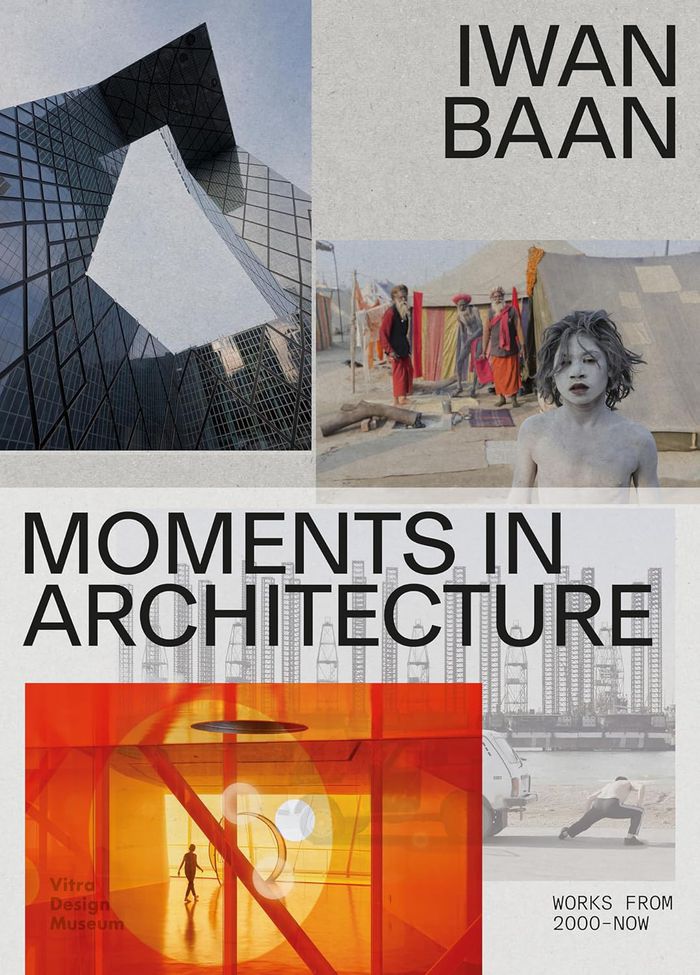
Iwan Baan is one of today’s leading photographers of architecture and urban design. His images document the growth of global megacities and portray buildings by prominent contemporary architects including Herzog & de Meuron, Rem Koolhaas and Zaha Hadid. Baan’s vibrant realism presents architecture not as an abstract ideal, but as the setting of everyday life, an organic part of the urban fabric- be it suburban sprawl or the booming metropoles of Africa and Asia. This first comprehensive publication on the Dutch photographer’s work includes a number of Baan’s iconic works, many of which are familiar from magazines and books, as well as photographs of vernacular and informal architecture all around the world, from the round Tulou of southern China to the rock-hewn churches of Ethiopia. In addition to extensive image plates, the publication includes several text contributions on topics such as the current discourse on architectural photography and the classification and contextualization of Baan's work within it. Interviews and narrative text elements offer insight into the artist’s creative process.
Iwan Baan: Moments in architecture
Actions:
Prix:
$123.00
(disponible en magasin)
Résumé:
Iwan Baan is one of today’s leading photographers of architecture and urban design. His images document the growth of global megacities and portray buildings by prominent contemporary architects including Herzog & de Meuron, Rem Koolhaas and Zaha Hadid. Baan’s vibrant realism presents architecture not as an abstract ideal, but as the setting of everyday life, an organic part of the urban fabric- be it suburban sprawl or the booming metropoles of Africa and Asia. This first comprehensive publication on the Dutch photographer’s work includes a number of Baan’s iconic works, many of which are familiar from magazines and books, as well as photographs of vernacular and informal architecture all around the world, from the round Tulou of southern China to the rock-hewn churches of Ethiopia. In addition to extensive image plates, the publication includes several text contributions on topics such as the current discourse on architectural photography and the classification and contextualization of Baan's work within it. Interviews and narrative text elements offer insight into the artist’s creative process.
Classification:
livres
livres
Publication:
janvier 2024
janvier 2024
Sujet:
Monographies photo
Monographies photo
Classification:
livres
livres
Actions:
Prix:
$84.00
(disponible sur commande)
Résumé:
In today's changing world, architects and engineers must address issues of sustainability when designing buildings, homes and urban developments. Through groundbreaking architecture, innovative urban planning and social engagement, the awareness of how sustainable architecture can make an environmental impact are becoming increasingly grounded in public consciousness.(...)
$84.00
(disponible sur commande)
Résumé:
In today's changing world, architects and engineers must address issues of sustainability when designing buildings, homes and urban developments. Through groundbreaking architecture, innovative urban planning and social engagement, the awareness of how sustainable architecture can make an environmental impact are becoming increasingly grounded in public consciousness.(...)
Titre:
Architecture of change 2: sustainability and humanity in the built environment
Actions:
Prix:
$84.00
(disponible sur commande)
Résumé:
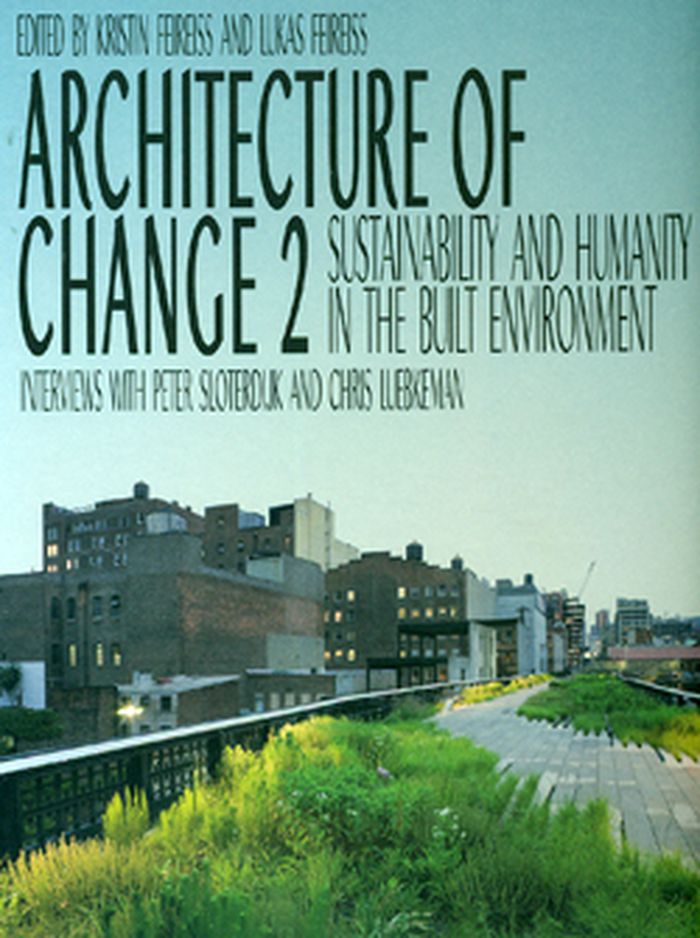
In today's changing world, architects and engineers must address issues of sustainability when designing buildings, homes and urban developments. Through groundbreaking architecture, innovative urban planning and social engagement, the awareness of how sustainable architecture can make an environmental impact are becoming increasingly grounded in public consciousness. Like its successful predecessor, Architecture of Change: Edition 2010 presents an unrivaled collection of the most innovative architecture projects that make a considerable contribution to a brighter future. Over forty exemplary projects by internationally renowned architecture practices such as Pritzker Architecture Prize winners Renzo Piano and OMA founder Rem Koolhaas are profiled with the newly built California Academy of Sciences and the master plan for a wind farm in the North Sea. From a zero emission ice station facility in Antarctica to the High Line public promenade in Manhattan, the book represents a broad range of environmentally mindful concepts that are not only outstanding in their architectural form but are also devoted to regional environmental and social conditions as well as their global impact.
Architecture of change 2: sustainability and humanity in the built environment
Actions:
Prix:
$84.00
(disponible sur commande)
Résumé:
In today's changing world, architects and engineers must address issues of sustainability when designing buildings, homes and urban developments. Through groundbreaking architecture, innovative urban planning and social engagement, the awareness of how sustainable architecture can make an environmental impact are becoming increasingly grounded in public consciousness. Like its successful predecessor, Architecture of Change: Edition 2010 presents an unrivaled collection of the most innovative architecture projects that make a considerable contribution to a brighter future. Over forty exemplary projects by internationally renowned architecture practices such as Pritzker Architecture Prize winners Renzo Piano and OMA founder Rem Koolhaas are profiled with the newly built California Academy of Sciences and the master plan for a wind farm in the North Sea. From a zero emission ice station facility in Antarctica to the High Line public promenade in Manhattan, the book represents a broad range of environmentally mindful concepts that are not only outstanding in their architectural form but are also devoted to regional environmental and social conditions as well as their global impact.
Classification:
livres
livres
Publication:
novembre 2009
novembre 2009
Sujet:
Architecture écologique
Architecture écologique
Classification:
livres
livres
Titre:
Action architecture
Action architecture
Actions:
Prix:
$32.95
(disponible sur commande)
Résumé:
Conditionnée longtemps par la fabrication d'objets pour eux même selon une visée séculaire, donc faite pour durer et donner du sens ou du moins incarner des valeurs collectives, l'architecture contemporaine énonce les transformations en cours. En cela, elle est action, spectacle, enjeu de marketing tout autant que mégapolitaine, spectrale ou hyper. A lui seul, le musée(...)
$32.95
(disponible sur commande)
Résumé:
Conditionnée longtemps par la fabrication d'objets pour eux même selon une visée séculaire, donc faite pour durer et donner du sens ou du moins incarner des valeurs collectives, l'architecture contemporaine énonce les transformations en cours. En cela, elle est action, spectacle, enjeu de marketing tout autant que mégapolitaine, spectrale ou hyper. A lui seul, le musée(...)
Titre:
Action architecture
Actions:
Prix:
$32.95
(disponible sur commande)
Résumé:
Conditionnée longtemps par la fabrication d'objets pour eux même selon une visée séculaire, donc faite pour durer et donner du sens ou du moins incarner des valeurs collectives, l'architecture contemporaine énonce les transformations en cours. En cela, elle est action, spectacle, enjeu de marketing tout autant que mégapolitaine, spectrale ou hyper. A lui seul, le musée Guggenheim de Bilbao incarne ce processus de transformations où l'architecture devient événement au même titre que Disneyland, une stratégie de l'action et du spectaculaire dont, dès les années 1960, Guy Debord soupçonnait l'avènement. Surenchère économique, performativité, flux, hypermédias noient la notion d'oeuvre dans l'instant qui dilue toute production et accepte tous les simulacres. Auparavant lieu d'anticipation, le projet d'architecture devient le lieu de récits, de fictions que hante la technologie. Au site donné et contextuel, succèdent l'hyper- territoire et l'hyper-ville que décrivent André Corboz et Rem Koolhaas. Une technologie triomphante s'impose dans les outils mobilisés pour concevoir les édifices et les construire : aucunes des formes courbes, gauches, plissées actuelles ne seraient possibles sans d'importantes innovations permettant de les dessiner puis de les fabriquer.
Action architecture
Actions:
Prix:
$32.95
(disponible sur commande)
Résumé:
Conditionnée longtemps par la fabrication d'objets pour eux même selon une visée séculaire, donc faite pour durer et donner du sens ou du moins incarner des valeurs collectives, l'architecture contemporaine énonce les transformations en cours. En cela, elle est action, spectacle, enjeu de marketing tout autant que mégapolitaine, spectrale ou hyper. A lui seul, le musée Guggenheim de Bilbao incarne ce processus de transformations où l'architecture devient événement au même titre que Disneyland, une stratégie de l'action et du spectaculaire dont, dès les années 1960, Guy Debord soupçonnait l'avènement. Surenchère économique, performativité, flux, hypermédias noient la notion d'oeuvre dans l'instant qui dilue toute production et accepte tous les simulacres. Auparavant lieu d'anticipation, le projet d'architecture devient le lieu de récits, de fictions que hante la technologie. Au site donné et contextuel, succèdent l'hyper- territoire et l'hyper-ville que décrivent André Corboz et Rem Koolhaas. Une technologie triomphante s'impose dans les outils mobilisés pour concevoir les édifices et les construire : aucunes des formes courbes, gauches, plissées actuelles ne seraient possibles sans d'importantes innovations permettant de les dessiner puis de les fabriquer.
Classification:
livres
livres
Publication:
février 2012
février 2012
Sujet:
Théorie de l’architecture
Théorie de l’architecture
Classification:
livres
livres
Actions:
Prix:
$38.95
(disponible en magasin)
Résumé:
Should the Director’s House Gropius in Dessau, a masterpiece of modernism, be rebuilt? Is there any reason from a cultural-historical viewpoint for such a conservative approach? Should an attempt be made to continue the traditions of Bauhaus, or should we be discussing whether contemporary tasks and aims are commensurate to those of the past? What role do modern(...)
$38.95
(disponible en magasin)
Résumé:
Should the Director’s House Gropius in Dessau, a masterpiece of modernism, be rebuilt? Is there any reason from a cultural-historical viewpoint for such a conservative approach? Should an attempt be made to continue the traditions of Bauhaus, or should we be discussing whether contemporary tasks and aims are commensurate to those of the past? What role do modern(...)
Titre:
UmBauhaus : updating modernism
Actions:
Prix:
$38.95
(disponible en magasin)
Résumé:
Should the Director’s House Gropius in Dessau, a masterpiece of modernism, be rebuilt? Is there any reason from a cultural-historical viewpoint for such a conservative approach? Should an attempt be made to continue the traditions of Bauhaus, or should we be discussing whether contemporary tasks and aims are commensurate to those of the past? What role do modern principles play in today’s architecture? What is our attitude towards reconstruction? What can be expected from alternative approaches such as manipulation, collage, neutralization, redefinition, reinterpretation or entirely new design? The book „UmBauhaus – Aktualisierung der Moderne“ examines these and other questions, seeking to introduce and continue the debate concerning the Director’s House that was destroyed during the Second World War. At the peak of the debate on the reconstruction of the Gropius Director's House, the Bauhaus pulled out and decided to take a trip to record interviews. This became a lengthy, inspirational journey through current affairs, and a search for the future of modernism. With contribution from Rem Koolhaas, Dan Wieden, Oscar Niemeyer, Jonathan Park, Hans Kollhoff, Walter de'Silva, colleagues of the Bauhaus Dessau Foundation and many others.
UmBauhaus : updating modernism
Actions:
Prix:
$38.95
(disponible en magasin)
Résumé:
Should the Director’s House Gropius in Dessau, a masterpiece of modernism, be rebuilt? Is there any reason from a cultural-historical viewpoint for such a conservative approach? Should an attempt be made to continue the traditions of Bauhaus, or should we be discussing whether contemporary tasks and aims are commensurate to those of the past? What role do modern principles play in today’s architecture? What is our attitude towards reconstruction? What can be expected from alternative approaches such as manipulation, collage, neutralization, redefinition, reinterpretation or entirely new design? The book „UmBauhaus – Aktualisierung der Moderne“ examines these and other questions, seeking to introduce and continue the debate concerning the Director’s House that was destroyed during the Second World War. At the peak of the debate on the reconstruction of the Gropius Director's House, the Bauhaus pulled out and decided to take a trip to record interviews. This became a lengthy, inspirational journey through current affairs, and a search for the future of modernism. With contribution from Rem Koolhaas, Dan Wieden, Oscar Niemeyer, Jonathan Park, Hans Kollhoff, Walter de'Silva, colleagues of the Bauhaus Dessau Foundation and many others.
Classification:
livres
livres
Publication:
mars 2005, Berlin
mars 2005, Berlin
Sujet:
Modernisme
Modernisme
Classification:
livres
livres
Actions:
Prix:
$34.95
(disponible sur commande)
Résumé:
The newest title in the Princeton Architectural Press Campus Guide series takes readers on a tour of Illinois Institute of Technology, one of the landmarks of modern American architecture. With a master plan and twenty renowned buildings by Mies van der Rohe, IIT has long been a pilgrimage site for architects and students of design. Thousands of visitors arrive each year(...)
$34.95
(disponible sur commande)
Résumé:
The newest title in the Princeton Architectural Press Campus Guide series takes readers on a tour of Illinois Institute of Technology, one of the landmarks of modern American architecture. With a master plan and twenty renowned buildings by Mies van der Rohe, IIT has long been a pilgrimage site for architects and students of design. Thousands of visitors arrive each year(...)
Publication:
janvier 2005, New York
janvier 2005, New York
Titre:
Illinois Institute of Technology : the campus guide - an architectural tour
Actions:
Prix:
$34.95
(disponible sur commande)
Résumé:
The newest title in the Princeton Architectural Press Campus Guide series takes readers on a tour of Illinois Institute of Technology, one of the landmarks of modern American architecture. With a master plan and twenty renowned buildings by Mies van der Rohe, IIT has long been a pilgrimage site for architects and students of design. Thousands of visitors arrive each year to see International Style masterpieces such as S. R. Crown Hall, home of IIT's College of Architecture and one of Mies's greatest works. Today, IIT is in the midst of an exciting new chapter in its design history. A new student centre designed by Rem Koolhaas and his Office for Metropolitan Architecture has once again put IIT at the forefront of the design world. Meanwhile, a new master plan for the campus, new landscaping, and a residence-hall complex by Helmut Jahn have reinvigorated student life and revitalized the surrounding community of Chicago's South Side. Featuring archival images of the Mies buildings as well as newly commissioned photographs of IIT's latest additions, this beautifully produced guide presents a comprehensive architectural walk through America's most distinguished modern campus.
Illinois Institute of Technology : the campus guide - an architectural tour
Actions:
Prix:
$34.95
(disponible sur commande)
Résumé:
The newest title in the Princeton Architectural Press Campus Guide series takes readers on a tour of Illinois Institute of Technology, one of the landmarks of modern American architecture. With a master plan and twenty renowned buildings by Mies van der Rohe, IIT has long been a pilgrimage site for architects and students of design. Thousands of visitors arrive each year to see International Style masterpieces such as S. R. Crown Hall, home of IIT's College of Architecture and one of Mies's greatest works. Today, IIT is in the midst of an exciting new chapter in its design history. A new student centre designed by Rem Koolhaas and his Office for Metropolitan Architecture has once again put IIT at the forefront of the design world. Meanwhile, a new master plan for the campus, new landscaping, and a residence-hall complex by Helmut Jahn have reinvigorated student life and revitalized the surrounding community of Chicago's South Side. Featuring archival images of the Mies buildings as well as newly commissioned photographs of IIT's latest additions, this beautifully produced guide presents a comprehensive architectural walk through America's most distinguished modern campus.
Classification:
livres
livres
Publication:
janvier 2005, New York
janvier 2005, New York
Classification:
livres
livres
Titre:
The Architecture of Parking
The Architecture of Parking
Actions:
Prix:
$57.00
(disponible sur commande)
Résumé:
Since the invention of the car, the buildings that house them have been a source of inspiration and consternation to architects. Although many dreary car parks and garages do exist, the challenge of efficiently housing a maximum number of cars in a well-designed space has attracted a stellar array of contemporary architects. From the classic circular Marina City tower in(...)
$57.00
(disponible sur commande)
Résumé:
Since the invention of the car, the buildings that house them have been a source of inspiration and consternation to architects. Although many dreary car parks and garages do exist, the challenge of efficiently housing a maximum number of cars in a well-designed space has attracted a stellar array of contemporary architects. From the classic circular Marina City tower in(...)
Titre:
The Architecture of Parking
Actions:
Prix:
$57.00
(disponible sur commande)
Résumé:
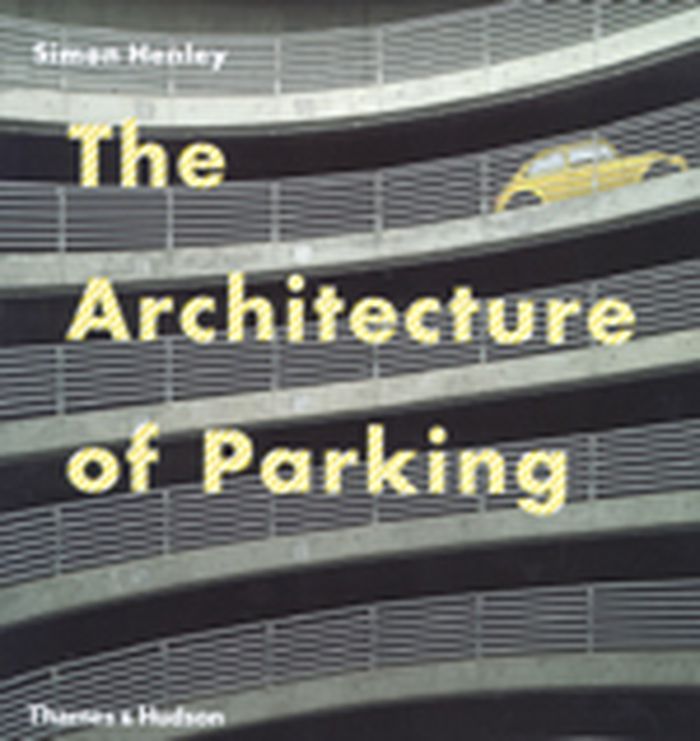
Since the invention of the car, the buildings that house them have been a source of inspiration and consternation to architects. Although many dreary car parks and garages do exist, the challenge of efficiently housing a maximum number of cars in a well-designed space has attracted a stellar array of contemporary architects. From the classic circular Marina City tower in Chicago to the Parcheggio Nuovo Salario under construction in Rome, from Frank Gehry to Rem Koolhaas to Zaha Hadid, the form and function of the parking garage have been hugely influential not only on contemporary architects but also on popular culture. This book is at once a survey of the finest examples of parking garages and a presentation of exciting and innovative design. An introduction covers the history and architectural significance of these buildings and their relevance today, and is followed by chapters that define the most influential aspects of parking design: elevations, materials, the use of light, and innovation and experimentation. Featuring detailed plans plus case studies of iconic buildings, this is an indispensable and inspirational resource for professional architects, engineers, urban planners, and developers. 300 illustrations and photographs, 150 in color.
The Architecture of Parking
Actions:
Prix:
$57.00
(disponible sur commande)
Résumé:
Since the invention of the car, the buildings that house them have been a source of inspiration and consternation to architects. Although many dreary car parks and garages do exist, the challenge of efficiently housing a maximum number of cars in a well-designed space has attracted a stellar array of contemporary architects. From the classic circular Marina City tower in Chicago to the Parcheggio Nuovo Salario under construction in Rome, from Frank Gehry to Rem Koolhaas to Zaha Hadid, the form and function of the parking garage have been hugely influential not only on contemporary architects but also on popular culture. This book is at once a survey of the finest examples of parking garages and a presentation of exciting and innovative design. An introduction covers the history and architectural significance of these buildings and their relevance today, and is followed by chapters that define the most influential aspects of parking design: elevations, materials, the use of light, and innovation and experimentation. Featuring detailed plans plus case studies of iconic buildings, this is an indispensable and inspirational resource for professional architects, engineers, urban planners, and developers. 300 illustrations and photographs, 150 in color.
Classification:
livres
livres
Publication:
octobre 2007, New York
octobre 2007, New York
Classification:
livres
livres
Actions:
Prix:
$79.00
(disponible sur commande)
Résumé:
This volume showcases the best illustrated architecture books ever published. The author, John Hill, is the founder of the influential architecture blog "A Daily Dose of Architecture," which recently shifted course to focus entirely on architecture books of all kinds. His selection for this volume spans centuries, continents, and genres to include Le Corbusier’s "Towards(...)
$79.00
(disponible sur commande)
Résumé:
This volume showcases the best illustrated architecture books ever published. The author, John Hill, is the founder of the influential architecture blog "A Daily Dose of Architecture," which recently shifted course to focus entirely on architecture books of all kinds. His selection for this volume spans centuries, continents, and genres to include Le Corbusier’s "Towards(...)
Titre:
Buildings in print: 100 influential and inspiring illustrated architecture books
Actions:
Prix:
$79.00
(disponible sur commande)
Résumé:
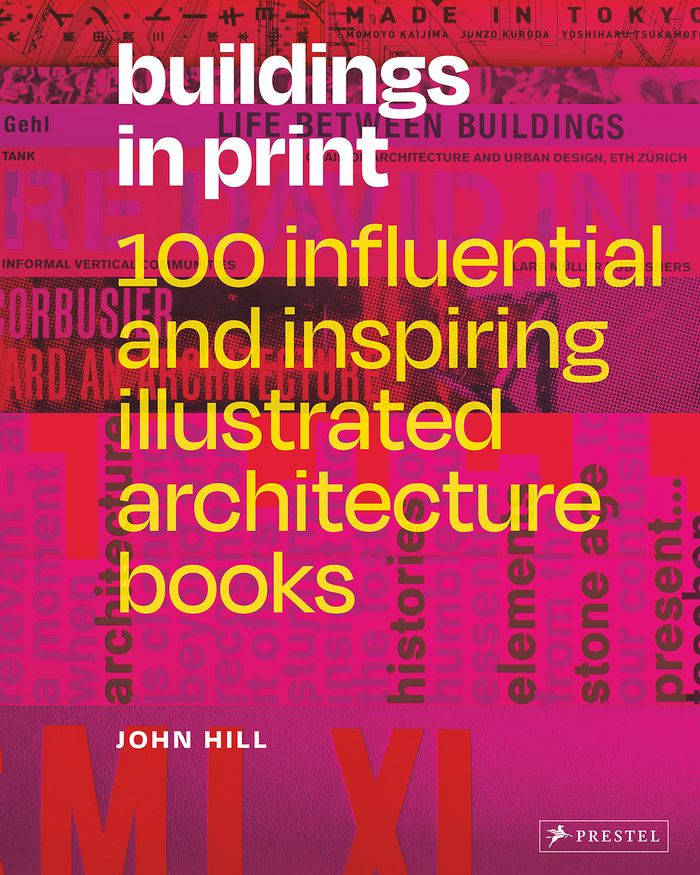
This volume showcases the best illustrated architecture books ever published. The author, John Hill, is the founder of the influential architecture blog "A Daily Dose of Architecture," which recently shifted course to focus entirely on architecture books of all kinds. His selection for this volume spans centuries, continents, and genres to include Le Corbusier’s "Towards a New Architecture," "Project Japan" by Rem Koolhaas, "Atlas of Another America: An Architectural Fiction by Keith Krumwiede," "X-Ray Architecture" by Beatriz Colomina and Thomas Wolfe’s "From Bauhaus to Our House." The books selected are organized into the categories of Manifestos, Histories, Education, Housing, Monographs, Buildings, Exhibitions, Building Cities, and Critiques, and each one has a reproduction of the book’s cover along with selected spreads which are accompanied by Hill’s informed, personal, and engaging take on what makes the title unique and indispensable. In addition, sidebar "Top 10" lists from many of today’s leading critics and architects are scattered throughout. Capturing the best of Hill’s insightful and curious mind, this invaluable resource will broaden the world of anyone interested in the field of architecture– and provide irrefutable arguments for these works’ continued relevance.
Buildings in print: 100 influential and inspiring illustrated architecture books
Actions:
Prix:
$79.00
(disponible sur commande)
Résumé:
This volume showcases the best illustrated architecture books ever published. The author, John Hill, is the founder of the influential architecture blog "A Daily Dose of Architecture," which recently shifted course to focus entirely on architecture books of all kinds. His selection for this volume spans centuries, continents, and genres to include Le Corbusier’s "Towards a New Architecture," "Project Japan" by Rem Koolhaas, "Atlas of Another America: An Architectural Fiction by Keith Krumwiede," "X-Ray Architecture" by Beatriz Colomina and Thomas Wolfe’s "From Bauhaus to Our House." The books selected are organized into the categories of Manifestos, Histories, Education, Housing, Monographs, Buildings, Exhibitions, Building Cities, and Critiques, and each one has a reproduction of the book’s cover along with selected spreads which are accompanied by Hill’s informed, personal, and engaging take on what makes the title unique and indispensable. In addition, sidebar "Top 10" lists from many of today’s leading critics and architects are scattered throughout. Capturing the best of Hill’s insightful and curious mind, this invaluable resource will broaden the world of anyone interested in the field of architecture– and provide irrefutable arguments for these works’ continued relevance.
Classification:
livres
livres
Publication:
juin 2021
juin 2021
Classification:
livres
livres
Actions:
Prix:
$36.95
(disponible sur commande)
Résumé:
Dès 1981, surgit l'idée de créer une salle de concert dévolue aux spectacles de variétés et de rock, élargis aux musiques populaires. La France est en effet dépourvue de ce genre d'équipement. L'objectif principal est de faire connaître à un large public la richesse des musiques actuelles, au sein d'un lieu adapté et de grande capacité. Inventé par les professionnels du(...)
$36.95
(disponible sur commande)
Résumé:
Dès 1981, surgit l'idée de créer une salle de concert dévolue aux spectacles de variétés et de rock, élargis aux musiques populaires. La France est en effet dépourvue de ce genre d'équipement. L'objectif principal est de faire connaître à un large public la richesse des musiques actuelles, au sein d'un lieu adapté et de grande capacité. Inventé par les professionnels du(...)
Titre:
Les zénith en France: histoire de 1984 à nos jours
Actions:
Prix:
$36.95
(disponible sur commande)
Résumé:
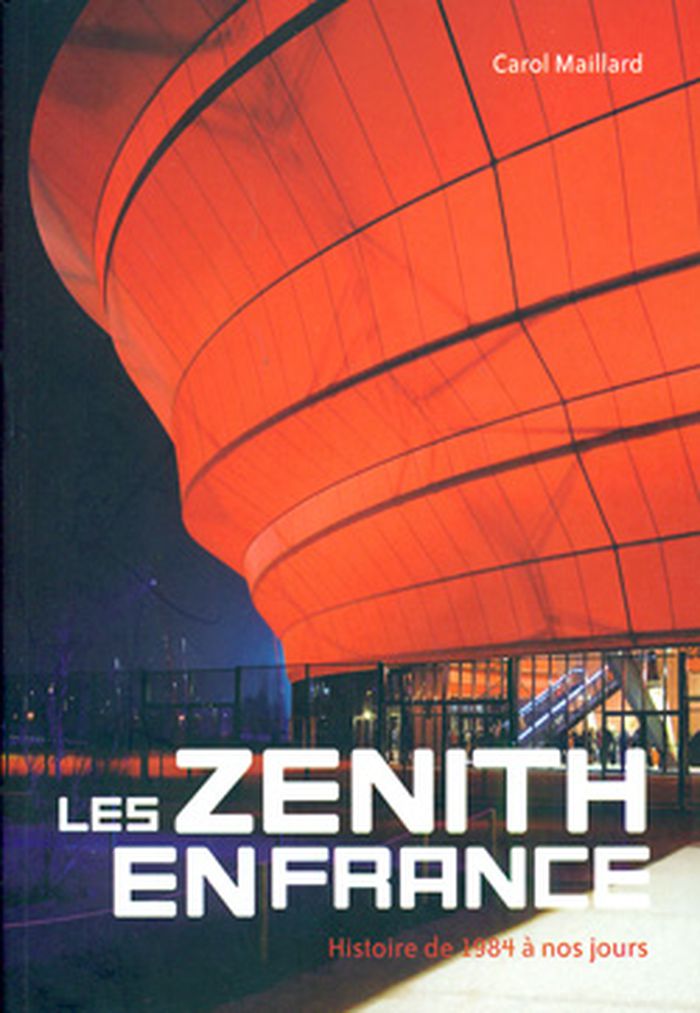
Dès 1981, surgit l'idée de créer une salle de concert dévolue aux spectacles de variétés et de rock, élargis aux musiques populaires. La France est en effet dépourvue de ce genre d'équipement. L'objectif principal est de faire connaître à un large public la richesse des musiques actuelles, au sein d'un lieu adapté et de grande capacité. Inventé par les professionnels du spectacle Daniel Colling et Daniel Keravec, le concept de Zénith est né. Il se concrétise par la réalisation du premier projet de ce type, conçu par les architectes Philippe Chaix et Jean Paul Morel, le Zénith de Paris, érigé au Parc de la Villette en 1984. Suivront seize autres édifices bâtis dans différentes villes, comme Montpellier (1986), Toulon (1992), Pau (1992), Nancy (1993), etc. jusqu'aux trois derniers construits à Strasbourg, Saint-Étienne et Amiens. Pour les villes concernées, être dotées d'un Zénith représente une fierté et un gage de succès qui demeurent toujours d'actualité. Chaque salle, qui fait l'objet d'un traitement architectural particulier, est dessinée par un architecte de renom, tels que le suisse Bernard Tschumi, le hollandais Rem Koolhaas ou l'italien Massimiliano Fuksas.
Les zénith en France: histoire de 1984 à nos jours
Actions:
Prix:
$36.95
(disponible sur commande)
Résumé:
Dès 1981, surgit l'idée de créer une salle de concert dévolue aux spectacles de variétés et de rock, élargis aux musiques populaires. La France est en effet dépourvue de ce genre d'équipement. L'objectif principal est de faire connaître à un large public la richesse des musiques actuelles, au sein d'un lieu adapté et de grande capacité. Inventé par les professionnels du spectacle Daniel Colling et Daniel Keravec, le concept de Zénith est né. Il se concrétise par la réalisation du premier projet de ce type, conçu par les architectes Philippe Chaix et Jean Paul Morel, le Zénith de Paris, érigé au Parc de la Villette en 1984. Suivront seize autres édifices bâtis dans différentes villes, comme Montpellier (1986), Toulon (1992), Pau (1992), Nancy (1993), etc. jusqu'aux trois derniers construits à Strasbourg, Saint-Étienne et Amiens. Pour les villes concernées, être dotées d'un Zénith représente une fierté et un gage de succès qui demeurent toujours d'actualité. Chaque salle, qui fait l'objet d'un traitement architectural particulier, est dessinée par un architecte de renom, tels que le suisse Bernard Tschumi, le hollandais Rem Koolhaas ou l'italien Massimiliano Fuksas.
Classification:
livres
livres
Publication:
avril 2011
avril 2011
Classification:
livres
livres
Actions:
Prix:
$54.99
(disponible sur commande)
Résumé:
Today, architecture schools are truly international in their intake, as students are able to select from courses worldwide. For school leavers and undergraduates, the choice is bewildering. Where different institutions provide very different courses and ultimately very different architects, the very act of shopping for a degree is an incredibly important stage in an(...)
$54.99
(disponible sur commande)
Résumé:
Today, architecture schools are truly international in their intake, as students are able to select from courses worldwide. For school leavers and undergraduates, the choice is bewildering. Where different institutions provide very different courses and ultimately very different architects, the very act of shopping for a degree is an incredibly important stage in an(...)
Publication:
novembre 2004, Chichester
novembre 2004, Chichester
Titre:
Back to school : architectural education - the information and the argument
Actions:
Prix:
$54.99
(disponible sur commande)
Résumé:
Today, architecture schools are truly international in their intake, as students are able to select from courses worldwide. For school leavers and undergraduates, the choice is bewildering. Where different institutions provide very different courses and ultimately very different architects, the very act of shopping for a degree is an incredibly important stage in an architecture student’s career. This book is set to become a touchstone publication for anyone involved in architectural education, from the academic to the aspiring student. It provides interviews with four of the most influential educators/heads of schools around the world: Peter Cook, Chair, the Bartlett School of Architecture, London, UK; Bernard Tschumi, Dean, School of Architecture at Columbia University, USA; Leon van Schaik, Innovation Professor of Architecture, Royal Melbourne Institute of Technology, Australia; Elia Zenghelis, Berlage, Dusseldorf. This is followed by short self-biographies of eleven further prominent figures including Rem Koolhaas, Anthony Vidler and Paul Virilio. It is the first publication of its kind to comprehensively cover architectural education in its current context as an international market. It will feature the first invaluable listing of architectural schools worldwide: no dedicated listing currently exists in printed form or on the web, giving students a useful reference from which to start the decision making process.
Back to school : architectural education - the information and the argument
Actions:
Prix:
$54.99
(disponible sur commande)
Résumé:
Today, architecture schools are truly international in their intake, as students are able to select from courses worldwide. For school leavers and undergraduates, the choice is bewildering. Where different institutions provide very different courses and ultimately very different architects, the very act of shopping for a degree is an incredibly important stage in an architecture student’s career. This book is set to become a touchstone publication for anyone involved in architectural education, from the academic to the aspiring student. It provides interviews with four of the most influential educators/heads of schools around the world: Peter Cook, Chair, the Bartlett School of Architecture, London, UK; Bernard Tschumi, Dean, School of Architecture at Columbia University, USA; Leon van Schaik, Innovation Professor of Architecture, Royal Melbourne Institute of Technology, Australia; Elia Zenghelis, Berlage, Dusseldorf. This is followed by short self-biographies of eleven further prominent figures including Rem Koolhaas, Anthony Vidler and Paul Virilio. It is the first publication of its kind to comprehensively cover architectural education in its current context as an international market. It will feature the first invaluable listing of architectural schools worldwide: no dedicated listing currently exists in printed form or on the web, giving students a useful reference from which to start the decision making process.
Classification:
livres
livres
Publication:
novembre 2004, Chichester
novembre 2004, Chichester


