


6640 Résultats
Classification:
livres
livres
Titre:
Tel Aviv : the white city
Tel Aviv : the white city
Actions:
Prix:
$19.95
(disponible sur commande)
Résumé:
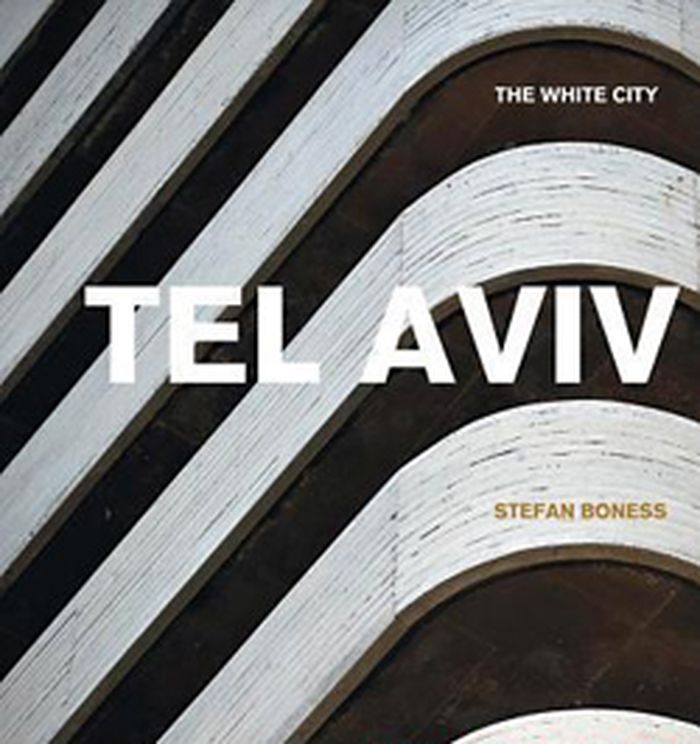
Because of its more than 4,000 Bauhaus buildings, Tel Aviv is often called “the White City.” The city center, created in the 1930s and 1940s under the influence of international modernism, was declared a UNESCO World Heritage Site in 2003. Photographer Stefan Boness captures the unique atmosphere of the city, juxtaposing classical modernism and contemporary architecture.
$19.95
(disponible sur commande)
Résumé:
Because of its more than 4,000 Bauhaus buildings, Tel Aviv is often called “the White City.” The city center, created in the 1930s and 1940s under the influence of international modernism, was declared a UNESCO World Heritage Site in 2003. Photographer Stefan Boness captures the unique atmosphere of the city, juxtaposing classical modernism and contemporary architecture.
Titre:
Tel Aviv : the white city
Actions:
Prix:
$19.95
(disponible sur commande)
Résumé:
Because of its more than 4,000 Bauhaus buildings, Tel Aviv is often called “the White City.” The city center, created in the 1930s and 1940s under the influence of international modernism, was declared a UNESCO World Heritage Site in 2003. Photographer Stefan Boness captures the unique atmosphere of the city, juxtaposing classical modernism and contemporary architecture.
Tel Aviv : the white city
Actions:
Prix:
$19.95
(disponible sur commande)
Résumé:
Because of its more than 4,000 Bauhaus buildings, Tel Aviv is often called “the White City.” The city center, created in the 1930s and 1940s under the influence of international modernism, was declared a UNESCO World Heritage Site in 2003. Photographer Stefan Boness captures the unique atmosphere of the city, juxtaposing classical modernism and contemporary architecture.
Classification:
livres
livres
Publication:
novembre 2011
novembre 2011
Classification:
périodiques
périodiques
Actions:
Prix:
$43.00
(disponible en magasin)
Résumé:
Issue 134 offers a sensitive interpretation of contemporary architecture, viewing materials as mediators between the built environment, the human body, and the surrounding landscape. The dossier, preceded by a text of Manuel Bouzas on the importance of fieldwork in architecture, brings together six projects that use natural materials – stone, earth, wood, bamboo, straw,(...)
$43.00
(disponible en magasin)
Résumé:
Issue 134 offers a sensitive interpretation of contemporary architecture, viewing materials as mediators between the built environment, the human body, and the surrounding landscape. The dossier, preceded by a text of Manuel Bouzas on the importance of fieldwork in architecture, brings together six projects that use natural materials – stone, earth, wood, bamboo, straw,(...)
Titre:
AV Proyectos 134: Natural construction
Actions:
Prix:
$43.00
(disponible en magasin)
Résumé:
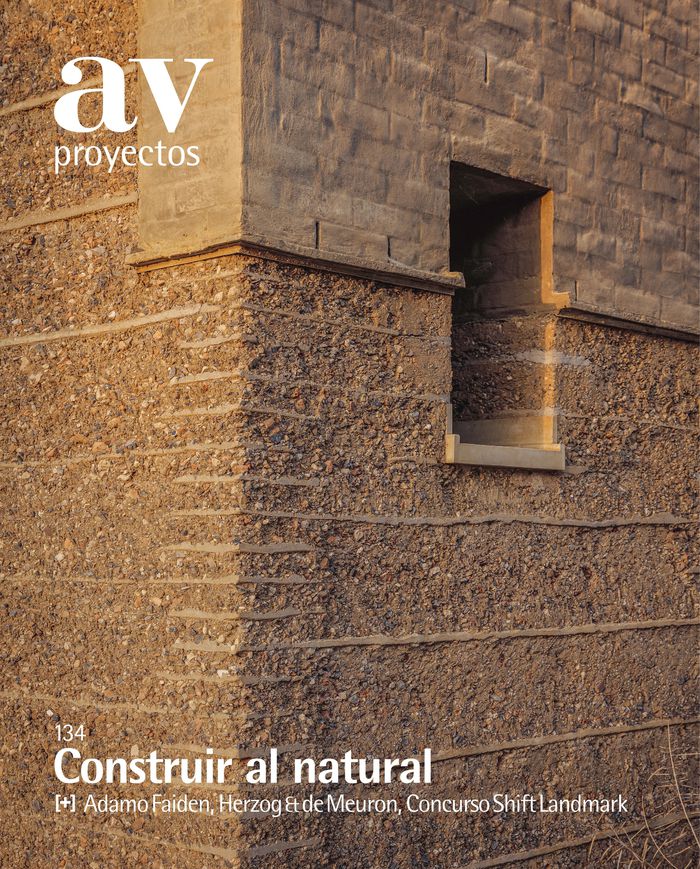
Issue 134 offers a sensitive interpretation of contemporary architecture, viewing materials as mediators between the built environment, the human body, and the surrounding landscape. The dossier, preceded by a text of Manuel Bouzas on the importance of fieldwork in architecture, brings together six projects that use natural materials – stone, earth, wood, bamboo, straw, and fabric – applied without artifice, in a journey ranging from the density of the dwellings by Josep Ferrando or Tuckey Design to the lightness of the temporary structures by Marina Tabassum or Mentrestant.
AV Proyectos 134: Natural construction
Actions:
Prix:
$43.00
(disponible en magasin)
Résumé:
Issue 134 offers a sensitive interpretation of contemporary architecture, viewing materials as mediators between the built environment, the human body, and the surrounding landscape. The dossier, preceded by a text of Manuel Bouzas on the importance of fieldwork in architecture, brings together six projects that use natural materials – stone, earth, wood, bamboo, straw, and fabric – applied without artifice, in a journey ranging from the density of the dwellings by Josep Ferrando or Tuckey Design to the lightness of the temporary structures by Marina Tabassum or Mentrestant.
Classification:
périodiques
périodiques
Publication:
avril 2026
avril 2026
Sujet:
Revues
Revues
Classification:
livres
livres
Titre:
Antony Gormley Blind light
Antony Gormley Blind light
Actions:
Prix:
$80.00
(disponible sur commande)
Résumé:
Over the past 25 years, Antony Gormley, perhaps Britain's best-known living sculptor, has revitalized the human image in sculpture. He won the 1994 Turner Prize and has had solo exhibitions at the Whitechapel, Tate, and Hayward galleries, White Cube and The British Museum, and internationally at the Corcoran Gallery, Documenta and the Venice Biennale. His radical(...)
$80.00
(disponible sur commande)
Résumé:
Over the past 25 years, Antony Gormley, perhaps Britain's best-known living sculptor, has revitalized the human image in sculpture. He won the 1994 Turner Prize and has had solo exhibitions at the Whitechapel, Tate, and Hayward galleries, White Cube and The British Museum, and internationally at the Corcoran Gallery, Documenta and the Venice Biennale. His radical(...)
Publication:
juin 2007, London
juin 2007, London
Titre:
Antony Gormley Blind light
Actions:
Prix:
$80.00
(disponible sur commande)
Résumé:
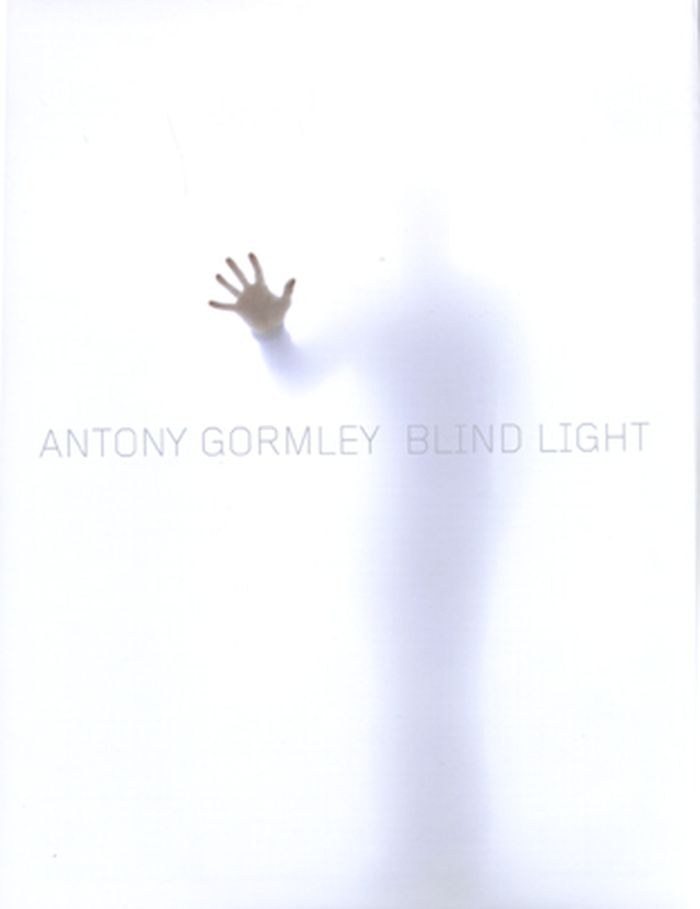
Over the past 25 years, Antony Gormley, perhaps Britain's best-known living sculptor, has revitalized the human image in sculpture. He won the 1994 Turner Prize and has had solo exhibitions at the Whitechapel, Tate, and Hayward galleries, White Cube and The British Museum, and internationally at the Corcoran Gallery, Documenta and the Venice Biennale. His radical investigations of the body as a place of memory and transformation use his own corpus as subject, tool and material. Conflating figure and ground, inside and outside, the physical and the psychological, Gormley explores complex relationships between the city, its architecture and its people. This richly illustrated catalogue is filled with new, never-before-seen sculptural works--a series of figures in light-infused webs of steel, and the monumental steel-block "Space Station," 20 feet high. Photographer Gautier Deblonde also chronicles a major new public project, "Event Horizon," which sites some 30 sculptures on buildings across central London, dramatically altering the city skyline. An in-depth interview with Gormley explores the development of his new work, as well as his relationship to the artists who have inspired him and to his contemporaries in the field of figurative sculpture.
Antony Gormley Blind light
Actions:
Prix:
$80.00
(disponible sur commande)
Résumé:
Over the past 25 years, Antony Gormley, perhaps Britain's best-known living sculptor, has revitalized the human image in sculpture. He won the 1994 Turner Prize and has had solo exhibitions at the Whitechapel, Tate, and Hayward galleries, White Cube and The British Museum, and internationally at the Corcoran Gallery, Documenta and the Venice Biennale. His radical investigations of the body as a place of memory and transformation use his own corpus as subject, tool and material. Conflating figure and ground, inside and outside, the physical and the psychological, Gormley explores complex relationships between the city, its architecture and its people. This richly illustrated catalogue is filled with new, never-before-seen sculptural works--a series of figures in light-infused webs of steel, and the monumental steel-block "Space Station," 20 feet high. Photographer Gautier Deblonde also chronicles a major new public project, "Event Horizon," which sites some 30 sculptures on buildings across central London, dramatically altering the city skyline. An in-depth interview with Gormley explores the development of his new work, as well as his relationship to the artists who have inspired him and to his contemporaries in the field of figurative sculpture.
Classification:
livres
livres
Publication:
juin 2007, London
juin 2007, London
Classification:
livres
livres
Actions:
Prix:
$56.00
(disponible sur commande)
Résumé:
Robert Smithson (1938–1973), an artist of paramount importance in postwar America, created radical new perspectives for landscape architecture, photography, art criticism, and site-specific installation. His Spiral Jetty - a 1,500-foot-long coil of rock built in 1970 at the edge of the Great Salt Lake - is widely appreciated as one of the most significant art projects of(...)
$56.00
(disponible sur commande)
Résumé:
Robert Smithson (1938–1973), an artist of paramount importance in postwar America, created radical new perspectives for landscape architecture, photography, art criticism, and site-specific installation. His Spiral Jetty - a 1,500-foot-long coil of rock built in 1970 at the edge of the Great Salt Lake - is widely appreciated as one of the most significant art projects of(...)
Publication:
avril 2004, New Haven / London
avril 2004, New Haven / London
Titre:
Mirror-Travels : Robert Smithson and history
Actions:
Prix:
$56.00
(disponible sur commande)
Résumé:
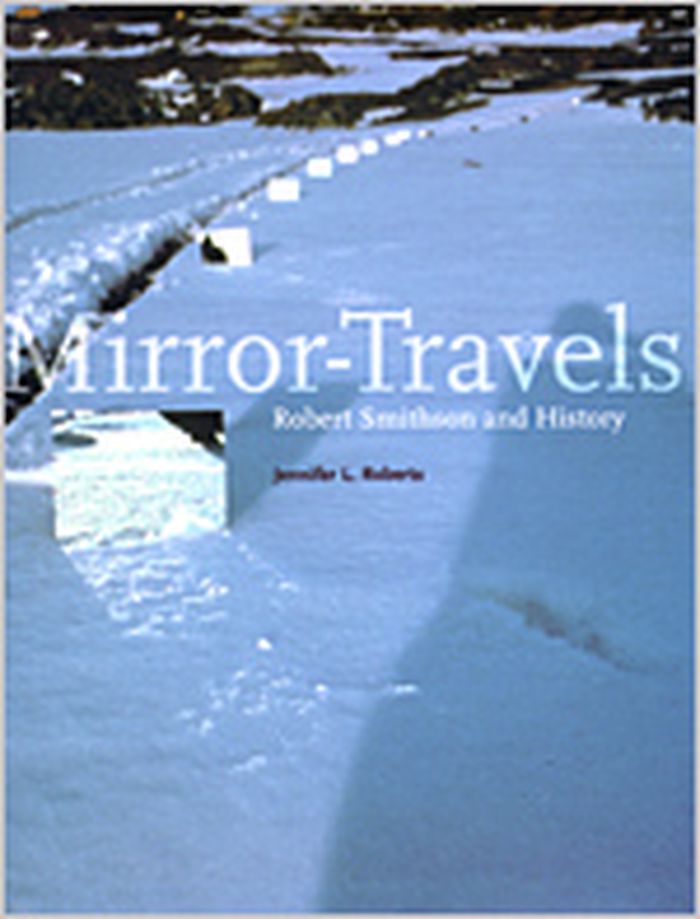
Robert Smithson (1938–1973), an artist of paramount importance in postwar America, created radical new perspectives for landscape architecture, photography, art criticism, and site-specific installation. His Spiral Jetty - a 1,500-foot-long coil of rock built in 1970 at the edge of the Great Salt Lake - is widely appreciated as one of the most significant art projects of the twentieth century. Less well known is the connection between the Jetty and the nearby Golden Spike National Historic Site, location of the completion of the first U.S. transcontinental railroad. The link between these two monuments is but one facet of an entire complex of historical reference and reflection that structures Smithson’s work. Mirror-Travels encompasses the full span of Smithson’s career, offering a close analysis of the artist’s working model of history and featuring comprehensive case studies of three of his most influential works: The Monuments of Passaic, Incidents of Mirror-Travel in the Yucatan, and the Spiral Jetty. Incorporating abundant new material from Smithson’s personal papers and library, Jennifer Roberts offers surprising new interpretations about the artist and his responses to the social, ideological, and material contradictions of his time.
Mirror-Travels : Robert Smithson and history
Actions:
Prix:
$56.00
(disponible sur commande)
Résumé:
Robert Smithson (1938–1973), an artist of paramount importance in postwar America, created radical new perspectives for landscape architecture, photography, art criticism, and site-specific installation. His Spiral Jetty - a 1,500-foot-long coil of rock built in 1970 at the edge of the Great Salt Lake - is widely appreciated as one of the most significant art projects of the twentieth century. Less well known is the connection between the Jetty and the nearby Golden Spike National Historic Site, location of the completion of the first U.S. transcontinental railroad. The link between these two monuments is but one facet of an entire complex of historical reference and reflection that structures Smithson’s work. Mirror-Travels encompasses the full span of Smithson’s career, offering a close analysis of the artist’s working model of history and featuring comprehensive case studies of three of his most influential works: The Monuments of Passaic, Incidents of Mirror-Travel in the Yucatan, and the Spiral Jetty. Incorporating abundant new material from Smithson’s personal papers and library, Jennifer Roberts offers surprising new interpretations about the artist and his responses to the social, ideological, and material contradictions of his time.
Classification:
livres
livres
Publication:
avril 2004, New Haven / London
avril 2004, New Haven / London
Classification:
livres
livres
Titre:
Theo Van Doesburg
Theo Van Doesburg
Actions:
Prix:
$84.95
(disponible sur commande)
Résumé:
A la fin de la Première Guerre mondiale, les avant-gardes européennes sont porteuses d'une volonté de changement et d'un espoir d'avenir meilleur. Plus que tout autre, Theo van Doesburg (1883-1931) participe à cet effort de reconstruction en élargissant l'esthétique néo-plastique de Piet Mondrian à toutes les disciplines : peinture, sculpture, architecture et arts(...)
$84.95
(disponible sur commande)
Résumé:
A la fin de la Première Guerre mondiale, les avant-gardes européennes sont porteuses d'une volonté de changement et d'un espoir d'avenir meilleur. Plus que tout autre, Theo van Doesburg (1883-1931) participe à cet effort de reconstruction en élargissant l'esthétique néo-plastique de Piet Mondrian à toutes les disciplines : peinture, sculpture, architecture et arts(...)
Titre:
Theo Van Doesburg
Actions:
Prix:
$84.95
(disponible sur commande)
Résumé:
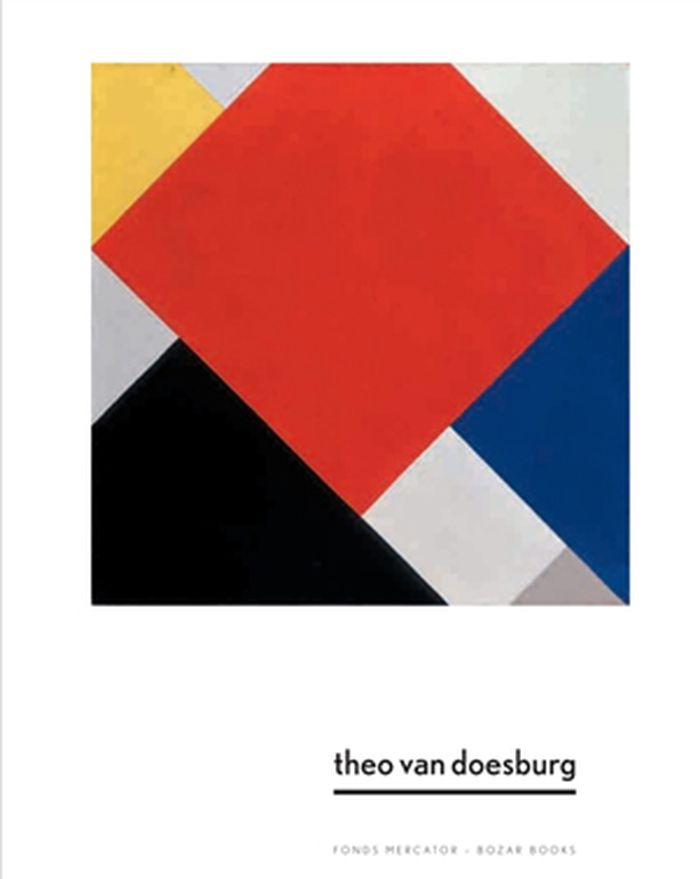
A la fin de la Première Guerre mondiale, les avant-gardes européennes sont porteuses d'une volonté de changement et d'un espoir d'avenir meilleur. Plus que tout autre, Theo van Doesburg (1883-1931) participe à cet effort de reconstruction en élargissant l'esthétique néo-plastique de Piet Mondrian à toutes les disciplines : peinture, sculpture, architecture et arts appliqués. Theo van Doesburg propose une véritable révolution, qui vise à transformer le monde de chaque individu, à créer une nouvelle expression de l'art, qui soit en interaction avec la complexité de la vie et avec l'évolution des sciences et des techniques. Sa démarche en constante évolution convoque des mouvances a priori incompatibles comme le dadaïsme et le néoplasticisme et tend à promouvoir l'innovation, ce qu'atteste son évolution vers l'élémentarisme, puis vers l'Art Concret. Pour défendre son projet à un niveau international, Van Doesburg, également fondateur du mouvement et de la revue De Stijl, a su fédérer tous les artistes qui comptaient. Il est reconnu autant pour ses réalisations plastiques que pour sa façon d'accomplir un idéal philosophique, artistique et collectif. La notoriété internationale de nombreux artistes, dont celle de Mondrian, en bénéficiera largement.
Theo Van Doesburg
Actions:
Prix:
$84.95
(disponible sur commande)
Résumé:
A la fin de la Première Guerre mondiale, les avant-gardes européennes sont porteuses d'une volonté de changement et d'un espoir d'avenir meilleur. Plus que tout autre, Theo van Doesburg (1883-1931) participe à cet effort de reconstruction en élargissant l'esthétique néo-plastique de Piet Mondrian à toutes les disciplines : peinture, sculpture, architecture et arts appliqués. Theo van Doesburg propose une véritable révolution, qui vise à transformer le monde de chaque individu, à créer une nouvelle expression de l'art, qui soit en interaction avec la complexité de la vie et avec l'évolution des sciences et des techniques. Sa démarche en constante évolution convoque des mouvances a priori incompatibles comme le dadaïsme et le néoplasticisme et tend à promouvoir l'innovation, ce qu'atteste son évolution vers l'élémentarisme, puis vers l'Art Concret. Pour défendre son projet à un niveau international, Van Doesburg, également fondateur du mouvement et de la revue De Stijl, a su fédérer tous les artistes qui comptaient. Il est reconnu autant pour ses réalisations plastiques que pour sa façon d'accomplir un idéal philosophique, artistique et collectif. La notoriété internationale de nombreux artistes, dont celle de Mondrian, en bénéficiera largement.
Classification:
livres
livres
Publication:
avril 2016
avril 2016
Classification:
livres
livres
Actions:
Prix:
$46.95
(disponible sur commande)
Résumé:
Eliezer (Lazar) Markovitch Lissitzky (Pochinok, près de Smolensk, Russie, 1890 – Moscou, 1941), dit El Lissitzky, est l’un des artistes les plus influents, les plus novateurs et les plus controversés du début du XXe siècle. Peintre, designer, architecte et photographe prolifique, il a travaillé avec l’avant-garde soviétique et européenne des années 1920 et participé(...)
$46.95
(disponible sur commande)
Résumé:
Eliezer (Lazar) Markovitch Lissitzky (Pochinok, près de Smolensk, Russie, 1890 – Moscou, 1941), dit El Lissitzky, est l’un des artistes les plus influents, les plus novateurs et les plus controversés du début du XXe siècle. Peintre, designer, architecte et photographe prolifique, il a travaillé avec l’avant-garde soviétique et européenne des années 1920 et participé(...)
Titre:
El Lissitzky : l'expérience de la totalité
Actions:
Prix:
$46.95
(disponible sur commande)
Résumé:
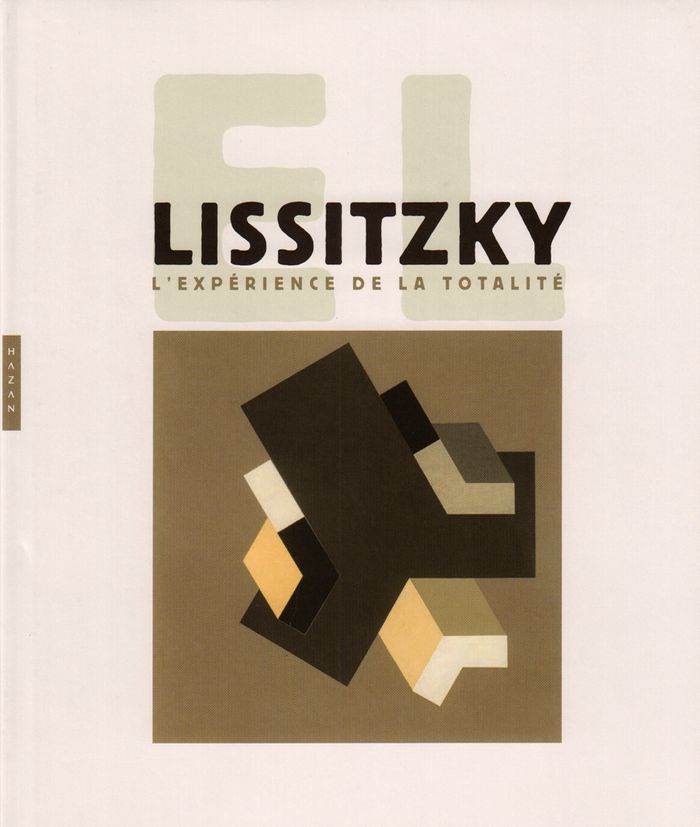
Eliezer (Lazar) Markovitch Lissitzky (Pochinok, près de Smolensk, Russie, 1890 – Moscou, 1941), dit El Lissitzky, est l’un des artistes les plus influents, les plus novateurs et les plus controversés du début du XXe siècle. Peintre, designer, architecte et photographe prolifique, il a travaillé avec l’avant-garde soviétique et européenne des années 1920 et participé activement à l’art propagandiste stalinien des années 1930. L’une des spécificités majeures de son œuvre comme de sa vie est le « franchissement des limites » : il a rapproché les pays et les cultures, l’art et le design, l’Est et l’Ouest. Après 1917, pendant la période du communisme de guerre, il vit à l'étranger où il fait office d'ambassadeur culturel, promouvant l'art russe et les idées soviétiques à l'Ouest tout en s'informant sur la culture occidentale. Pour lui, l’art ne doit pas être considéré comme le fruit d’une expression personnelle ou comme une production d’objets, mais comme une activité sociale et collective. Avec Kazimir Malevitch, il développe un nouveau langage visuel – le suprématisme révolutionnaire – employé non seulement en peinture, mais aussi en arts graphiques et en gravure, en architecture et en théâtre, en céramique, dans les théories de l’éducation et dans les écrits révolutionnaires.
El Lissitzky : l'expérience de la totalité
Actions:
Prix:
$46.95
(disponible sur commande)
Résumé:
Eliezer (Lazar) Markovitch Lissitzky (Pochinok, près de Smolensk, Russie, 1890 – Moscou, 1941), dit El Lissitzky, est l’un des artistes les plus influents, les plus novateurs et les plus controversés du début du XXe siècle. Peintre, designer, architecte et photographe prolifique, il a travaillé avec l’avant-garde soviétique et européenne des années 1920 et participé activement à l’art propagandiste stalinien des années 1930. L’une des spécificités majeures de son œuvre comme de sa vie est le « franchissement des limites » : il a rapproché les pays et les cultures, l’art et le design, l’Est et l’Ouest. Après 1917, pendant la période du communisme de guerre, il vit à l'étranger où il fait office d'ambassadeur culturel, promouvant l'art russe et les idées soviétiques à l'Ouest tout en s'informant sur la culture occidentale. Pour lui, l’art ne doit pas être considéré comme le fruit d’une expression personnelle ou comme une production d’objets, mais comme une activité sociale et collective. Avec Kazimir Malevitch, il développe un nouveau langage visuel – le suprématisme révolutionnaire – employé non seulement en peinture, mais aussi en arts graphiques et en gravure, en architecture et en théâtre, en céramique, dans les théories de l’éducation et dans les écrits révolutionnaires.
Classification:
livres
livres
Publication:
février 2014
février 2014
Classification:
livres
livres
Titre:
Aernout Mik
Aernout Mik
Actions:
Prix:
$30.00
(disponible sur commande)
Résumé:
Dutch artist Aernout Mik's moving-image installations meld filmmaking, sculpture and architecture into experiences that are at once compelling and unsettling, irrational yet plausible. The artist designs and constructs architectural spaces that hold his moving images, making the viewer's physical relationship to the piece a critical component of the overall experience. By(...)
$30.00
(disponible sur commande)
Résumé:
Dutch artist Aernout Mik's moving-image installations meld filmmaking, sculpture and architecture into experiences that are at once compelling and unsettling, irrational yet plausible. The artist designs and constructs architectural spaces that hold his moving images, making the viewer's physical relationship to the piece a critical component of the overall experience. By(...)
Titre:
Aernout Mik
Actions:
Prix:
$30.00
(disponible sur commande)
Résumé:
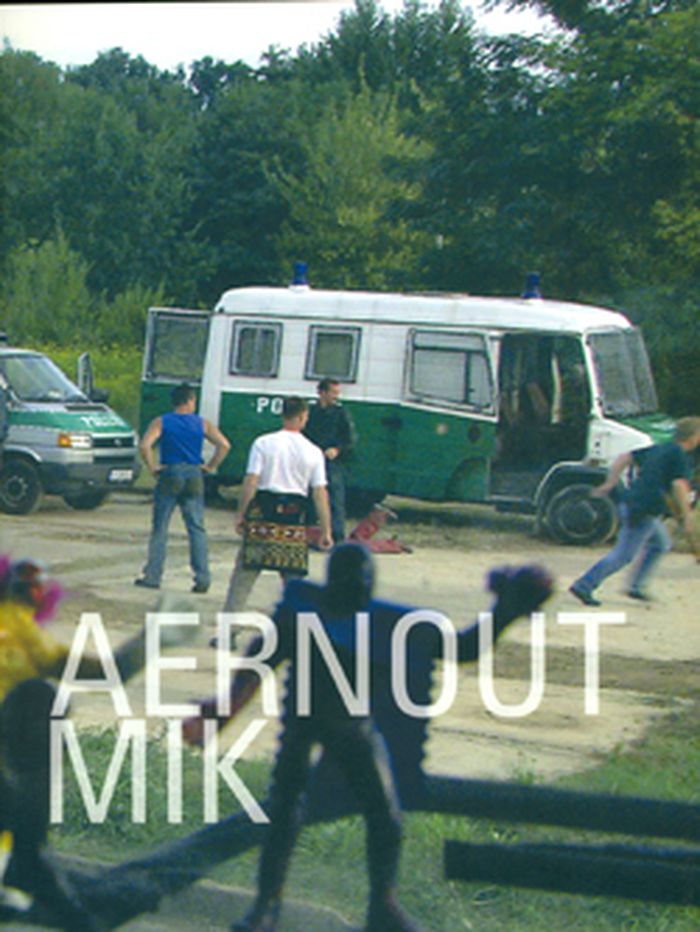
Dutch artist Aernout Mik's moving-image installations meld filmmaking, sculpture and architecture into experiences that are at once compelling and unsettling, irrational yet plausible. The artist designs and constructs architectural spaces that hold his moving images, making the viewer's physical relationship to the piece a critical component of the overall experience. By interrogating the most basic ideas of narrative and reality and rejecting classical cinematic ideals, Mik creates works that are rich in allusion but subversive of codes. Published to accompany the artist's first U.S. retrospective, this volume is a vivid exploration of Mik's work and process. Laurence Kardish, MoMA's Senior Curator in the Department of Film, situates Mik within the history of documentary and nonnarrative cinema, while Michael Taussig, Professor of Anthropology at Columbia University, investigates the ways in which the artist's work changes the way we see reality while simultaneously reinforcing the norms of visual culture. Abundantly illustrated with stills and the artist's own drawings, the book also features detailed descriptions of the installations, an exhibition history and a bibliography, making it the most comprehensive volume on the artist available in English.
Aernout Mik
Actions:
Prix:
$30.00
(disponible sur commande)
Résumé:
Dutch artist Aernout Mik's moving-image installations meld filmmaking, sculpture and architecture into experiences that are at once compelling and unsettling, irrational yet plausible. The artist designs and constructs architectural spaces that hold his moving images, making the viewer's physical relationship to the piece a critical component of the overall experience. By interrogating the most basic ideas of narrative and reality and rejecting classical cinematic ideals, Mik creates works that are rich in allusion but subversive of codes. Published to accompany the artist's first U.S. retrospective, this volume is a vivid exploration of Mik's work and process. Laurence Kardish, MoMA's Senior Curator in the Department of Film, situates Mik within the history of documentary and nonnarrative cinema, while Michael Taussig, Professor of Anthropology at Columbia University, investigates the ways in which the artist's work changes the way we see reality while simultaneously reinforcing the norms of visual culture. Abundantly illustrated with stills and the artist's own drawings, the book also features detailed descriptions of the installations, an exhibition history and a bibliography, making it the most comprehensive volume on the artist available in English.
Classification:
livres
livres
Publication:
juin 2009
juin 2009
Classification:
livres
livres
Prix:
$88.00
(disponible en magasin)
Résumé:
Architectones, a monumental undertaking of seven exhibitions installed across three continents over a two year period, unites Veilhan's diverse interests in modernity, its histories of technology, and its cult of genius figures. Collectively titled after Kazimir Malevich's volumetric-spatial models, the art and architectural works partake in the revolutionary idealism of(...)
$88.00
(disponible en magasin)
Résumé:
Architectones, a monumental undertaking of seven exhibitions installed across three continents over a two year period, unites Veilhan's diverse interests in modernity, its histories of technology, and its cult of genius figures. Collectively titled after Kazimir Malevich's volumetric-spatial models, the art and architectural works partake in the revolutionary idealism of(...)
Titre:
Xavier Veilhan: Architectones, art in the living environment
Actions:
Prix:
$88.00
(disponible en magasin)
Résumé:
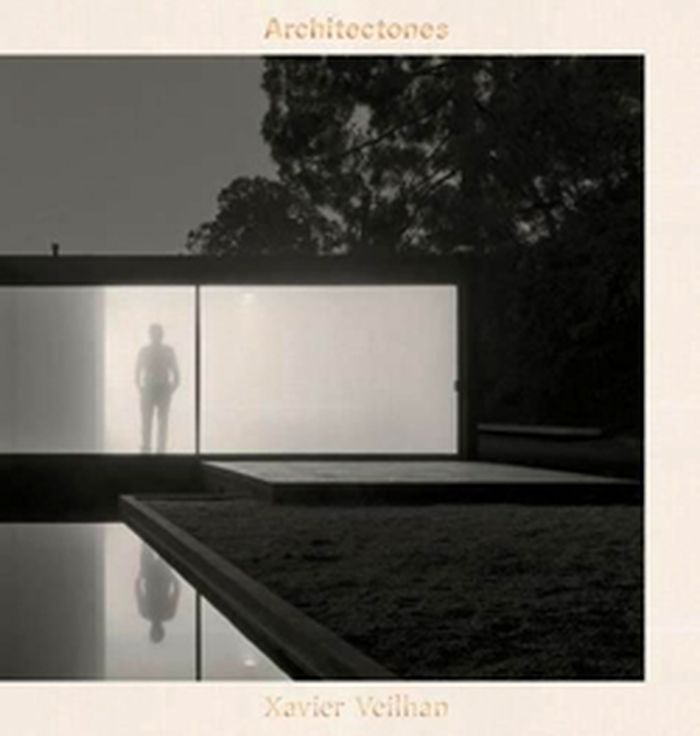
Architectones, a monumental undertaking of seven exhibitions installed across three continents over a two year period, unites Veilhan's diverse interests in modernity, its histories of technology, and its cult of genius figures. Collectively titled after Kazimir Malevich's volumetric-spatial models, the art and architectural works partake in the revolutionary idealism of a period in which it was possible to imagine transforming society from the ground up by way of a new form of building. Between 2012 and 2014, Veilhan used music, light, and sculpture to activate Richard Neutra's VDL Research House in Silver Lake, Pierre Koenig's Case Study House No. 21 in the Hollywood Hills, and buildings designed by Le Corbusier and Mies Van Der Rohe, among others. The histories and legacies of the architects themselves played a prominent role in these installations, with figural sculptures and die-cut silhouettes of the looming personalities of the architects populating his installations. Architectones: Art in the Living Environment tells both a story of present and past, archiving exhibition photography as well as anecdotal and historical documents of many of the greatest domestic and private spaces of modern architecture.
Xavier Veilhan: Architectones, art in the living environment
Actions:
Prix:
$88.00
(disponible en magasin)
Résumé:
Architectones, a monumental undertaking of seven exhibitions installed across three continents over a two year period, unites Veilhan's diverse interests in modernity, its histories of technology, and its cult of genius figures. Collectively titled after Kazimir Malevich's volumetric-spatial models, the art and architectural works partake in the revolutionary idealism of a period in which it was possible to imagine transforming society from the ground up by way of a new form of building. Between 2012 and 2014, Veilhan used music, light, and sculpture to activate Richard Neutra's VDL Research House in Silver Lake, Pierre Koenig's Case Study House No. 21 in the Hollywood Hills, and buildings designed by Le Corbusier and Mies Van Der Rohe, among others. The histories and legacies of the architects themselves played a prominent role in these installations, with figural sculptures and die-cut silhouettes of the looming personalities of the architects populating his installations. Architectones: Art in the Living Environment tells both a story of present and past, archiving exhibition photography as well as anecdotal and historical documents of many of the greatest domestic and private spaces of modern architecture.
Classification:
livres
livres
Publication:
juillet 2015
juillet 2015
Classification:
livres
livres

Actions:
Prix:
$30.00
(disponible sur commande)
Résumé:
The year 1973 marked a turning point in American strategic interest in the Middle East and in Israel’s social, economic and political structures. This publication examines the constructed environments that emerged as a result, through contemporary visual commentary, historical materials and architectural texts written in both Israel and the U.S.
$30.00
(disponible sur commande)
Résumé:
The year 1973 marked a turning point in American strategic interest in the Middle East and in Israel’s social, economic and political structures. This publication examines the constructed environments that emerged as a result, through contemporary visual commentary, historical materials and architectural texts written in both Israel and the U.S.
Titre:
Aircraft carrier: American ideas and Israeli architecturees after 1973
Actions:
Prix:
$30.00
(disponible sur commande)
Résumé:
The year 1973 marked a turning point in American strategic interest in the Middle East and in Israel’s social, economic and political structures. This publication examines the constructed environments that emerged as a result, through contemporary visual commentary, historical materials and architectural texts written in both Israel and the U.S.
Aircraft carrier: American ideas and Israeli architecturees after 1973
Actions:
Prix:
$30.00
(disponible sur commande)
Résumé:
The year 1973 marked a turning point in American strategic interest in the Middle East and in Israel’s social, economic and political structures. This publication examines the constructed environments that emerged as a result, through contemporary visual commentary, historical materials and architectural texts written in both Israel and the U.S.
Classification:
livres
livres
Publication:
août 2012
août 2012
Classification:
périodiques
périodiques
Titre:
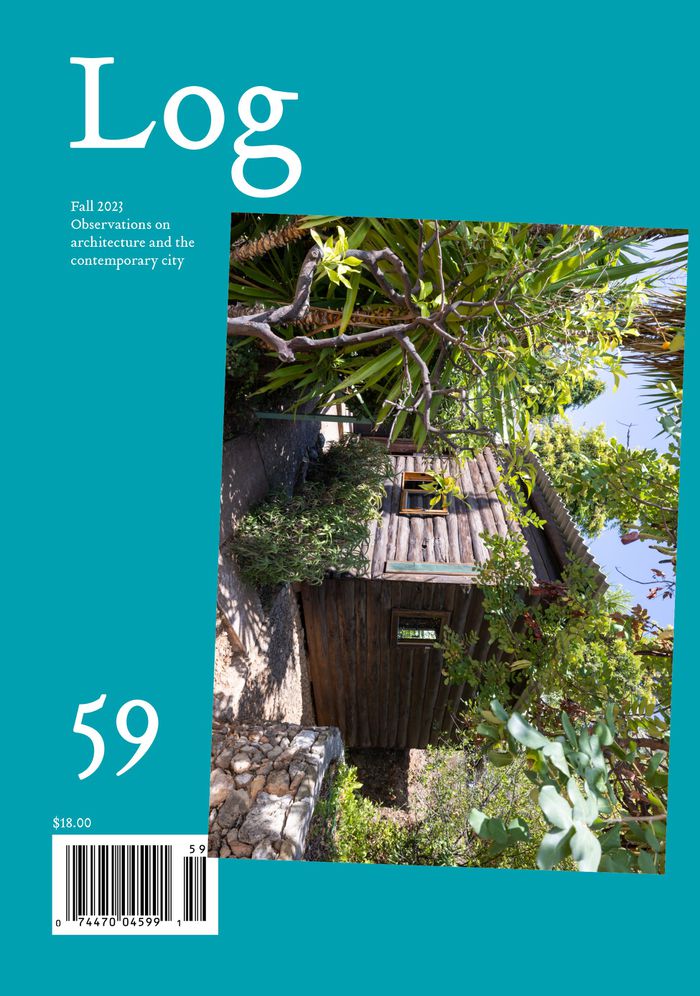
Log 59
Log 59
Actions:
Prix:
$25.00
(disponible en magasin)
Résumé:
To mark Log’s 20 years of observing architecture and the contemporary city, former guest editors and current editorial protagonists were invited to interview someone whose work resonates with their current thinking or concerns, or even with what keeps them up at night. The conversations they initiated range from designing with AI to AI’s possible future consciousness;(...)
$25.00
(disponible en magasin)
Résumé:
To mark Log’s 20 years of observing architecture and the contemporary city, former guest editors and current editorial protagonists were invited to interview someone whose work resonates with their current thinking or concerns, or even with what keeps them up at night. The conversations they initiated range from designing with AI to AI’s possible future consciousness;(...)
Titre:
Log 59
Actions:
Prix:
$25.00
(disponible en magasin)
Résumé:
To mark Log’s 20 years of observing architecture and the contemporary city, former guest editors and current editorial protagonists were invited to interview someone whose work resonates with their current thinking or concerns, or even with what keeps them up at night. The conversations they initiated range from designing with AI to AI’s possible future consciousness; from natural French wine to Indigenous Mexican textiles; from building architecture to theorizing architecture; from corruption in the building industry to untold histories. Literary critic Caroline Levine calls for activism; urbanist Milton S.F. Curry says it’s a time for manifestos; and artist Ursula Biemann brings our relationship to a changing Earth System into sharper view.
Log 59
Actions:
Prix:
$25.00
(disponible en magasin)
Résumé:
To mark Log’s 20 years of observing architecture and the contemporary city, former guest editors and current editorial protagonists were invited to interview someone whose work resonates with their current thinking or concerns, or even with what keeps them up at night. The conversations they initiated range from designing with AI to AI’s possible future consciousness; from natural French wine to Indigenous Mexican textiles; from building architecture to theorizing architecture; from corruption in the building industry to untold histories. Literary critic Caroline Levine calls for activism; urbanist Milton S.F. Curry says it’s a time for manifestos; and artist Ursula Biemann brings our relationship to a changing Earth System into sharper view.
Classification:
périodiques
périodiques
Publication:
février 2024
février 2024
Sujet:
Revues
Revues


